[This corrects the article DOI: 10.3389/fimmu.2025.1671149.].
BACKGROUND:Gait is related to weight factors and regulated by the nervous system. Emerging evidence indicates that adiposity impacts brain health. This study explores the relationship between anthropometric indices and gait performance, and investigates the role of brain parameters in the relationship. METHODS:This study included 710 community-dwelling older adults from the Taizhou Imaging Study. Nine anthropometric indices were calculated to assess body weight using standard formulas based on measured height, weight, waist circumference (WC), and hip circumference. Gait assessment includes Timed-Up-and-Go tests, Tinetti tests, and quantitative gait assessment conducted with wearable insole devices. 16 quantitative parameters were summarized into five independent gait domains (rhythm, symmetry, phase, pace and variability) using factor analysis. Quantitative susceptibility mapping was used to measure iron levels in cortical regions. RESULTS:Overweight/obesity group (body mass index, BMI ≥ 24 kg/m²) had significantly poorer performance in the phase domain (standardized β = -0.172, P = 0.023), specifically manifested in the percentage of the double support time (standardized β = 0.783, P = 0.028) and stance time (standardized β = 0.422, P = 0.019). They also exhibited higher iron levels of the inferior temporal gyrus (ITG) (standardized β = 0.641, P = 0.021). The metabolic-related anthropometric indices have stronger associations with gait performance and indices of abdominal assessment more closely correlated with iron levels. The iron levels of ITG mediated the association of anthropometric indices (BMI, WC, Waist-to-Height Ratio, abdominal volume index and body roundness index) with the phase domain, with mediation proportions ranging from 8.95% to 13.45%. CONCLUSION:Increased anthropometric indices are associated with relative prolongation of the stance phase and the iron levels of ITG mediates the associations. Our research offers valuable insights into the neuropathological mechanisms underlying of gait abnormalities in the community-dwelling older adults with overweight/obesity.
The relation between cognitive impairment and skeletal muscle mass or physical exercise has been broadly discussed. However, the underlying molecular features have not been systemically investigated. Essential amino acids are the key factors for skeletal muscle mass. In the current study, we investigated the abundance of metabolites in the serum of 1500 participants in various cognitive status from multiple centers. Our study revealed a positive correlation between serum level of essential AA and cognitive capability in Chinese population cross-sectionally. In addition, the positive correlation between skeletal muscle mass and cognitive capability was identified in an independent population with 6000 participants from a community-based cohort cross-sectionally but not longitudinally. In summary, we observed that the insufficiency of essential AA accompanied by loss of skeletal muscle mass could serve as a potential metabolic signature linking peripheral aging to cognitive decline. The follow-up studies to fully validate our findings may help us to better understand the mechanism of cognitive decline and develop specific therapies for it.
Due to the burden of diseases and adverse reactions to treatment, people with hematologic malignancies usually experience frailty. This study determined the risk factors associated with frailty in people with hematologic malignancies. A thorough examination of the literature was conducted across nine databases following the PRISMA guidelines, including PubMed, Web of Science Core Collection, Embase, CINAHL, CNKI, Wanfang Data, CBM, VIP Database, and SinoMed, covering the period from 2001 to July 26, 2024. The Newcastle-Ottawa Scale was used to assess the quality of the included studies, in conjunction with evaluation tools from the Agency for Healthcare Research and Quality. The analysis included 23 studies, encompassing 13,849 participants. A high prevalence of frailty was observed in this study, affecting 27.1% of the participants involved. Several risk factors for frailty were identified, including demographic traits (gender, age), clinical features (hand grip strength, physical activity, comorbidities, advanced disease stages, neurological symptoms), biochemical markers (albumin levels, interleukin-6), and mental state (anaemia, depressive symptoms). Our analysis suggests that frailty is common among people with hematologic malignancies. Nurses should pay attention to individuals who exhibit the above-mentioned influencing factors in clinical practice, prevent the occurrence and progression of frailty, and engage in multidisciplinary collaboration and multi-targeted interventions to better manage individuals with frailty.
Background Emerging evidence implicates the oral-brain axis in neurodegeneration, yet large community-based studies remain limited. This study aimed to examine associations between periodontal health, oral microbiome, and cognitive performance, and to explore potential biological pathways underlying these relationships. Methods We conducted a cross-sectional analysis of 1157 participants from the community-based Taizhou Imaging Study, all of whom underwent comprehensive periodontal examinations, salivary microbiome profiling, and cognitive assessments. Periodontal health and microbiome features were treated as exposures, and cognitive performance as the outcome. Associations between periodontal indices and cognitive scores were assessed using beta regression models adjusted for relevant confounders. Cognition-related microbial features were identified using Multivariate Associations with Linear Models (MaAsLin3), followed by mediation analyses to explore potential pathways linking periodontal health to cognitive function. Findings Five clinical periodontal indices were found to be inversely associated with cognitive performance. Ten microbial genera (e.g., Haemophilus), 21 functional pathways (e.g., FoxO signalling), and two co-abundance modules, including a Treponema module, were significantly related to cognitive function. Mediation analysis suggested that 11 features, including nitrate-reducing taxa and a Treponema-driven inflammatory module, may partially mediate the relationship between periodontal health and cognition. Interpretation These community-based findings reveal microbiome-mediated links along the oral-brain axis and highlight periodontal health and oral microbial homoeostasis as potential targets for early prevention of cognitive decline. Funding This work was supported by the National Key R&D Program of China (2023YFC3606300), National Natural Science Foundation of China (82373658), Clinical Research General Project of the Shanghai Municipal Health Committee (202240355), Clinical Research General Project of Shanghai Municipal Health Commission (202440188), Noncommunicable Chronic Diseases-National Science and Technology Major Project (2023ZD0510000), Brain Science and Brain-like Intelligence Technology-National Science and Technology Major Project (2022ZD0211600).
Noise-induced hearing loss (NIHL) is the second most prevalent occupational disease in China. Due to its insidious onset, patients are often diagnosed at an irreversible stage, yet high-quality prospective cohorts addressing this critical issue remain limited. We established a multicenter prospective cohort-the Study of Health Effects from Noise Generated in China (SHENG)-with the primary objectives of systematically characterizing the epidemiological features, identifying environmental and genetic risk factors, elucidating molecular mechanisms, and investigating systemic health effects of NIHL, ultimately providing a scientific foundation for evidence-based prevention and control strategies. The baseline survey of SHENG was completed in 2023, covering eight enterprises across seven provinces and enrolling 4,660 young male workers (mean age 23.5 years). Based on high-frequency pure-tone average (3-8 kHz), 27.4% of participants were classified as having hearing loss, though most of them did not report subjective hearing difficulties. Compared with the normal hearing group, the hearing loss group had significantly more noise exposure events, higher exposure rates to occupational co-hazards such as dust and vibration, and poorer hearing protection practices. SHENG is planned to conduct follow-up assessments every 1-2 years. Through longitudinal follow-up and multidimensional data integration, this cohort will establish an "environmental-clinical-genetic" risk assessment model, elucidate the dynamic progression of NIHL and its associations with systemic diseases, and provide key evidence for refining occupational noise exposure standards and developing precision prevention strategies tailored to susceptible populations.
The Riemann Hypothesis remains one of the central unsolved problems in mathematics. Rather than claiming proof, we investigate whether a verifiable AI-assisted reasoning system can produce reliable, formally checked partial progress while explicitly identifying the remaining mathematical obstructions. We apply the Verifiable Growing Physical Transformer with Recursive Self-Improvement (VGPT-RSI) to two RH-adjacent certification tasks. First, we construct and verify a finite RH-boundary certificate for inequality on a parameterized safe lower curve over a region. The numerical boundary curve is converted into a certificate-backed lower curve, audited using outward-rounded interval arithmetic and Arb/FLINT ball arithmetic, and then checked in Rocq/CoqInterval for the parameterized theorem. Second, we initiate a formal Lagarias-route certificate. Lagarias criterion states that RH is equivalent to the global inequality. We formalize the finite quantity and produce a Coq-checked finite certificate. The final system identifies the exact unresolved mathematical bottlenecks: formalizing the Lagarias equivalence, proving the global tail theorem beyond any finite cutoff, and potentially reducing counterexamples to colossally abundant or related extremal integers. These results demonstrate that VGPT-RSI can produce certified RH-adjacent formal progress, organize proof dependencies, and avoid overclaiming when the remaining obstruction is genuinely mathematical.
Polycystic ovary syndrome (PCOS), in which hyperandrogenism is a major feature, is the most prevalent endocrine disorder among women of reproductive age. Serum free testosterone (FT) reflects the biologically active fraction of circulating testosterone. Accurate assessment of FT allows for precise identification of hyperandrogenism and provides critical guidance for the diagnosis of PCOS. Women with PCOS and normal controls (NCs) were included in this study. Fasting serum samples were collected during the early follicular phase to evaluate key clinical parameters, and FT levels were quantified using liquid chromatography‒tandem mass spectrometry (LC‒MS/MS). The diagnostic value of FT for identifying PCOS was assessed using Spearman’s correlation analysis and receiver operating characteristic curves. A total of 202 women were included in the PCOS group, 121 were included in the NC group. Total testosterone (TT), free androgen index (FAI), and FT levels were significantly greater in the PCOS group than in the NC group. Both FAI and FT were positively correlated with body mass index (BMI), triglycerides, low-density lipoprotein cholesterol, fasting insulin and the homeostasis model assessment for insulin resistance; and were negatively correlated with high-density lipoprotein cholesterol. Following age and BMI adjustments, the area under the curve (AUC) for FT (AUC = 0.886) was greater than that for TT (AUC = 0.856) or FAI (AUC = 0.864). Compared with conventional assessments of TT and FAI, LC–MS/MS–based measurements of FT demonstrate superior diagnostic performance for identifying PCOS. Both FT and FAI are associated with obesity and the features of metabolic syndrome in PCOS patients.
Primate-specific genes (PSGs), important contributors to the origin of adaptive evolutionary novelties, are abundantly expressed in the testis. However, the specific roles of PSGs in the male reproductive system of humans and other primates are largely unknown. Here, we employed whole-exome sequencing and identified deleterious variants of TFDP3, an X-linked PSG, in eight infertile men with oligoasthenoteratozoospermia. All of the male subjects harboring TFDP3 variants presented dramatic reductions in sperm concentration, motility, and abnormal sperm morphology. Furthermore, Tfdp3-knockdown (KD) in the testes of cynomolgus monkeys confirmed the important role of TFDP3 in normal spermatogenesis in primates. Consistently, dramatic decreases in sperm concentration, motility, and abnormal sperm morphology were also observed in Tfdp3-KD male cynomolgus monkeys. More importantly, further functional studies revealed that TFDP3 deficiency activated E2F1 induced apoptosis and thus led to decreased sperm count and motility. In addition, five of the eight couples underwent intra-cytoplasmic sperm injection treatment and achieved a successful pregnancy, indicating a potentially good outcome of assisted reproduction for those with TFDP3 deficiency-mediated oligoasthenoteratozoospermia. Collectively, our genetic analyses and experimental observations in humans and cynomolgus monkeys highlight the crucial role of TFDP3, an inhibitor of apoptosis, in normal spermatogenesis. These findings expand the spectrum of pathogenic variants for oligoasthenoteratozoospermia-associated male infertility and also reveal the special significance of primate-specific TFDP3 for the human male reproductive system, thus providing important guidance for genetic counseling and the clinical diagnosis of male infertility.
Investigating the correlation between changes in multiple active molecule levels and the progression of atherosclerosis holds significant practical value for achieving early disease monitoring. To this end, this study constructed a fluorescence nanoprobe for monitoring superoxide anion (O2•-), hydrogen peroxide (H2O2), and protein phosphorylation, which enabled the synchronous detection and imaging of the three molecules at both the cellular and in vivo levels, thereby systematically exploring the correlation between their level changes and early disease progression. Two-photon fluorescence imaging was used to monitor changes in the levels of the three molecules in the aorta of model, which showed that the levels of protein phosphorylation, O2•-, and H2O2 in vascular tissues of the disease group were significantly elevated. More importantly, deep tissue imaging (approximately 140 μm) was achieved utilizing the two-photon imaging. Meanwhile, changes in active molecules in the blood during different disease stages were observed, and as the disease progressed, all three indicators showed a marked increase; among them, hydrogen peroxide exhibits the most pronounced fluorescence response. Serum testing combined with two-photon imaging provides support for early monitoring of atherosclerosis.
Osteoporosis is influenced by both genetic and environmental factors, yet the relative contribution of the exposome remains unclear. This study aimed to systematically identify non-genetic exposures related to osteoporosis and develop an exposome risk score (ERS) to evaluate individual osteoporosis susceptibility. We conducted an exposome-wide analysis of 477,792 UK Biobank participants to identify key exposures associated with osteoporosis. The selected exposures were combined into a weighted Meta-ERS and validated in the Scotland/Wales cohort. The Meta-ERS was further compared with polygenic risk scores (PRS) and linked to plasma proteomics to explore underlying biological pathways. We identified 41 independent non-genetic exposures spanning socioeconomic status, mental health, sleep, diet, smoking, physical activity, environment, and marital status, with socioeconomic status and mental health emerging as the most significant drivers. Based on the identified exposures, we constructed eight domain-specific exposure risk scores and integrated them into a weighted Meta-ERS. The Meta-ERS (R2 = 5.1
Objective : Radiation-induced brain injury (RIBI) is an intractable complication of cranial radiotherapy lacking effective treatments. Chronic neuroinflammation and ferroptosis jointly drive RIBI progression. Leonurine possesses anti-inflammatory and antioxidant activities, yet its protective function and mechanism against RIBI remain undefined. This work aimed to clarify whether leonurine alleviates RIBI via regulating ferroptosis and neuroinflammation.Methods : A 30 Gy whole-brain irradiation (WBI) mouse model was established. Mice received 100 mg/kg leonurine intragastrically for 45 days. Morris water maze assessed cognition; H&E, TUNEL, TEM detected tissue ultrastructure and apoptosis. Immunofluorescence, ELISA, Western blot and biochemical assays measured glial activation, immune infiltration, inflammatory cytokines and ferroptosis markers (SLC7A11, GPX4, GSH).Results : WBI caused severe cognitive dysfunction, neuronal apoptosis, BBB breakdown, mitochondrial atrophy, excessive microglial activation, astrocyte damage, CD8⁺ T-cell infiltration and increased IL-6/INF-α. Radiation downregulated SLC7A11/GPX4, exhausted GSH and induced ferroptosis. Leonurine markedly rescued spatial memory, alleviated neuronal apoptosis and BBB/mitochondrial damage, inhibited glial overactivation, CD8⁺ T-cell infiltration and proinflammatory cytokines. It restored SLC7A11/GPX4 and stabilized GSH to block lipid peroxidation and ferroptosis, with prominent efficacy in the delayed injury stage.Conclusion : Leonurine confers dual neuroprotection against RIBI by restraining neuroinflammation and suppressing ferroptosis through the SLC7A11/GPX4/GSH axis, serving as a multi-target natural candidate for RIBI clinical intervention.
The detrimental impacts of cumulative obesity exposures and their interactions with genetics on biological aging remain poorly understood. We included 687 older adults (median age: 79.6 years) from the Rugao Longitudinal Ageing Study (RLAS), a community-based cohort study conducted in Rugao, Jiangsu, China. The cumulative exposures of body mass index (cBMI) and waist circumference (cWC) were calculated as the excessive exposure of BMI and WC relative to their reference values (BMI ≥ 24 kg/m2; WC ≥ 90 cm for males and ≥ 80 cm for females) multiplied by their durations across the 2014, 2017, and 2019 waves. Two biological aging metrics were assessed at the 2021 wave, comprising Klemera and Doubal method-biological age (KDM-BA) and physiological dysregulation (PD). The general linear regression models were performed. We found that both cBMI and cWC were positively associated with KDM-BA and PD in Chinese older adults. In contrast, baseline obesity status showed positive associations only with KDM-BA, but not with PD. Furthermore, we observed a potential modifying effect of genetic susceptibility to longevity on the associations between cWC and KDM-BA, with more pronounced associations among participants with a low polygenic risk score for longevity. The findings suggest the potential importance of long-term obesity management in support of healthier aging trajectories even in later life, particularly for older adults with low genetic susceptibility to longevity. Moreover, our findings may inform future risk stratification strategies that incorporate genetic background, thereby helping identify individuals who may be at relatively higher risk of accelerated aging.
Cold stress poses a major threat to rice productivity and grain quality. WRKY transcription factors, one of the largest plant-specific gene families, play crucial roles in plant responses to abiotic stress. However, their functions in cold responses and the evolutionary mechanisms underlying cold adaptation during the long-term domestication of cultivated rice remain poorly understood. Here, we identified OsWRKY26 as an important regulator of cold adaptation in japonica subspecies through transcriptome sequencing (RNA-seq). Subcellular localization analysis showed that the OsWRKY26 protein is localized to the nucleus under both normal and cold-stress conditions. Expression analysis indicated that OsWRKY26 is significantly upregulated at low temperature. Moreover, transgenic validation and measurements of multiple physiological traits demonstrated that OsWRKY26 positively regulates seedling cold tolerance in rice. Evolutionary analyses of OsWRKY26 and OsMYB2, a previously reported positive regulator of rice cold tolerance, suggested that these two genes diverged in wild rice and subsequently experienced directional selection in temperate japonica cultivated in high-altitude and high-latitude regions. Together, these findings provide a theoretical foundation for dissecting cold-tolerance mechanisms in rice, as well as promising genetic resources for molecular breeding in low-temperature environments.
Exposures that disrupt the immune system can affect human health. This study aimed to understand immune variability influenced by exposures from the perspectives of systems biology and multiomics. We recruited 1,001 healthy participants and collected 183 exposures, 1,332 immunophenotypes, whole blood transcriptome, and plasma metabolome. Through exposure–immune wide association analysis, we identified 81 significant signals, with sleep and diet emerging as dominant exposures affecting the immunity. Sleep and diet influence the proportions of innate immune cells and the expression levels of immune cell surface proteins such as CD85j and CD16, respectively. Notably, distinct from the increase in interleukin-1β secretion caused by short-term late sleep onset, long-term late sleep onset triggered chronic inflammation with more metabolic changes. On the basis of the intracorrelation structure of exposure data, composite exposures were constructed and were found to have additional effects on immunophenotypes. Bidirectional mediation analysis revealed that sleep effects on immunity are commonly linked to the transcriptome, whereas dietary influences on immunity are primarily associated with the metabolome. We quantified the mediation effects of exposures, omics, and immunophenotypes and further demonstrated that these effects reflect human immune health or chronic diseases. Our study drew a comprehensive map of “exposure–immunome–omics” and is expected to provide guidance for future health assessment and management.
Introduction. The correlation between antibiotic exposure and adverse outcomes in patients with acute-on-chronic liver failure (ACLF) remains controversial, and the underlying mechanism is unclear. Hypothesis/Gap Statement. This study hypothesizes that antibiotic exposure in ACLF patients alters gut microbiota, which affects the outcome of ACLF. Aim. To explore the effect of antibiotic exposure on gut microbiota that affects the outcome of ACLF. Methodology. A retrospective matched study of ACLF patients and the ACLF rat model was used to assess adverse outcomes associated with antibiotic exposure. The gut microbiota of the ACLF patients and the ACLF rat model were sequenced using the Illumina MiSeq platform. Results. Twenty-three ACLF patients who were exposed to antibiotics and 46 matched controls who were not exposed to antibiotics were enrolled. The survival rates at 4, 12 and 24weeks were significantly lower in the exposure group than in the non-exposure group. In the ACLF rat model, hepatitis in the antibiotic-exposure group became more severe, and the alanine transaminase levels were higher than those of the non-exposure group. The gut microbiota diversity was decreased in the ACLF patients with antibiotic exposure, and the proportions of Enterococcaceae and Peptostreptococcaceae were increased, while those of Lachnospiraceae, Bifidobacteriaceae and Bacteroidaceae were decreased. In the rat model, antibiotic exposure induced Gram-positive and Gram-negative bacterial eradication, and Klebsiella became the dominant micro-organism. Conclusion. Antibiotic exposure aggravated hepatitis and had no survival benefit for ACLF. The underlying mechanism may be related to dysbiosis in the gut microbiota.
Fingerprint morphology, while evolutionary conserved yet individually distinct, emerges as a pivotal biometric identifier in anthropological research and forensic investigation. Current methodologies for precise identification and quantification of complex morphological features—particularly ridge counting and mean ridge-furrow pairs ridge breadth—remain constrained by labor-intensive and monolithic pattern recognition systems. This study presents FPQuant (Fingerprint Phenomics Quantification), a multi-task deep learning framework integrating the most comprehensive fingerprint pattern classification, singularity detection, and quantification of 12 morphometric phenotypes to date. Leveraging NSPT database of 28,867 expert-curated fingerprints, FPQuant achieved state-of-the-art performance with 97.18% (6-class), 98.62% (5-class), and 98.67% (4-class) pattern classification accuracy; 98.63% precision in topological singularity detection through optimized discrete keypoint localization; and expert-level precision in critical quantitative measurements including ridge counting. Cross-database validation demonstrated extraordinary generalizability with 96.20% of 5-class accuracy on NIST-4 and 97.75% of singularity precision on FVC2002 DB1. Notably, FPQuant’s integrated phenotypic capability revealed uncharacterized geographic variation in six morphometric traits, establishing novel fingerprint morphometric biomarkers for anthropological research. This study creates a scalable technical paradigm that bridging fingerprint phenomics with large-scale population study, while providing potential new research avenues across anthropology, forensics and biometric authentication.
While epidemiological evidence consistently links ambient ozone to higher rates of disease and death, the biological mechanism and processes driving this association remain unclear. In this study, we recruited 2623 Han Chinese participants and measured the expression of 6528 plasma proteins using untargeted high-resolution mass-spectrometry-based proteomics. Individual-level ozone exposure was assessed at short-term, intermediate-term, and long-term durations. Proteome-wide association analysis identified 209 proteins significantly associated with ozone exposure across three exposure windows, including 74 proteins for short-term, 52 for intermediate-term, and 125 for long-term. Moreover, comparative analyses of proteins associated with three exposures revealed that longer ozone exposure magnifies proteomic effects. The ozone-related proteins were significantly enriched in biological pathways related to coagulation, vesicle trafficking, and nucleotide metabolism and have previously been linked to a variety of diseases, such as cardiovascular, respiratory, immune, and metabolic diseases. Collectively, our findings offer a proteome-wide perspective on the biological mechanisms underlying ozone toxicity, supported by evidence from a Chinese cohort.
The mechanisms underlying upregulation of P16, a key marker of cellular senescence, during the senescence process remain unclear. We observed that miR-134-5p and miR-3118 effectively inhibited P16 expression and delayed cellular senescence in human dermal fibroblast cells. The reactive oxygen species-induced 8-oxo-guanine (o8G) modification of miR-134-5p and miR-3118 disrupted their regulatory interactions with the primary target P16, promoting cellular senescence, as indicated by increased β-galactosidase activity, enhanced G1 phase arrest, reduced expression of anti-aging proteins, elevated secretion of senescence-associated secretory phenotype factors, and impaired autophagy. Moreover, o8G:A base mispairing redirected o8G-miR-134-5p and o8G-miR-3118 to target new genes; o8G-miR-134-5p inhibited ARID1A and PTEN, while o8G-miR-3118 suppressed CCNE2 and E2F1, which synergistically accelerated the cellular senescence process. Animal models confirmed the anti-aging effect of miR-134-5p and the pro-aging effect of o8G-miR-134-5p, particularly in the skin, muscle, and liver. This evidence proposes a role for o8G-miRNAs in aging acceleration by reshaping gene regulatory networks and suggests targets for longevity interventions.
 Jiucun Wang (王久存)合作论文数School of Life Sciences, Fudan University234
 Xingdong Chen (陈兴栋)合作论文数School of Public Health, Fudan University;Department of Anthropology and Human Genetics, Fudan University129
 Daru Lu (卢大儒)合作论文数School of Life Sciences, Fudan University;Institute of Medical Genetics and Genomics, Fudan University129
 Xiaofeng Wang (王笑峰)合作论文数Department of Anthropology and Human Genetics, School of Life Sciences, Fudan University126
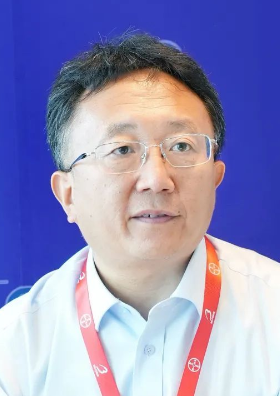 Yajun Yang (杨亚军)合作论文数School of Life Sciences, Fudan University106
 Hui Li (李辉)合作论文数School of Life Sciences, Fudan University100
 Feng Zhang (张锋)合作论文数Institute of Metabolism & Integrative Biology, Fudan University;The Obstetrics & Gynecology Hospital of Fudan University;Institute of Medical Genetics and Genomics, Fudan University;Soong Ching Ling Institute of Maternity and Child Health81
 Chen Suo (索晨)合作论文数School of Public Health, Fudan University79
 Shuhua Xu (徐书华)合作论文数School of Life Sciences, Fudan University76
 Yanyun Ma (马彦云)合作论文数College of Biomedical Engineering, Fudan University72
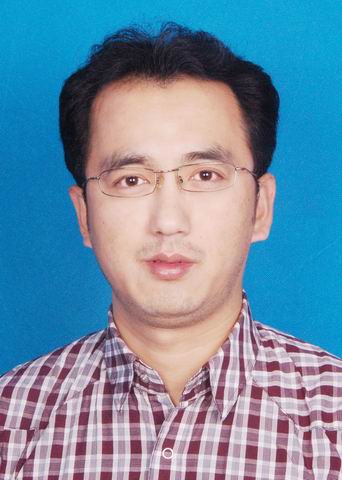 Shilin Li (李士林)合作论文数Department of Anthropology and Human Genetics, Fudan University;Ministry of Education Key Laboratory of Contemporary Anthropology, School of Life Science Fudan University, Fudan Universtiy72
 Momiao Xiong合作论文数School of Public Health, University of Texas Health Science Center at Houston72
 Wei Huang (黄薇)合作论文数Ruijin Hospital, Shanghai Jiaotong University School of Medicine;Shanghai Institute for Biomedical and Pharmaceutical Technologies71
 Ji Qian合作论文数66
 Sijia Wang (汪思佳)合作论文数Key Laboratory of Computational Biology, Chinese Academy of Sciences, Shanghai Institute of Nutrition and Health, Chinese Academy of Sciences62
 Hakon Hakonarson合作论文数Center for Applied Genomics, The Joseph Stokes Jr. Research Institute, The Children's Hospital of Philadelphia;Pediatrics Department, Perelman School of Medicine, University of Pennsylvania62
 Bing Su (宿兵)合作论文数Kunming Institute of Zoology, Chinese Academy of Sciences;University of Chinese Academy of Sciences61
 Qingyi Wei (魏庆义)合作论文数Department of Medicine, School of Medicine, Duke University;Medicial Center, Duke Unuversity;Fudan University60Ziyu Yuan (袁子宇)合作论文数60
 Yi Wang (王毅)合作论文数Institute of Biophysics, Chinese Academy of Sciences;University of Chinese Academy of Sciences56
 Tiejun Zhang (张铁军)合作论文数School of Public Health, Fudan University54
 Chuan-Chao Wang (王传超)合作论文数School of Forensic Medicine and Science, Fudan University;Ministry of Education Key Laboratory of Contemporary Anthropology, School of Life Sciences, Fudan University53
 Yanfeng Jiang合作论文数51
 Jingze Tan (谭婧泽)合作论文数School of Life Sciences, Fudan University51
 Zhenqiu Liu合作论文数TATRC Bioinformatics Cell51
 Weimin Ye合作论文数Department of Medical Epidemiology and Biostatistics, Karolinksa Institute47
 Kelin Xu (徐珂琳)合作论文数School of Public Health, Fudan University46
 Mei Cui合作论文数41Ranajit Chakraborty合作论文数41
 Hongbing Shen (沈洪兵)合作论文数Department of Epidemiology, School of Public Health, Nanjing Medical University41
 Hefeng Huang (黄荷凤)合作论文数School of Medicine, Zhejiang University;International School of Medicine, Zhejiang University41
 Joshua Akey合作论文数Lewis-Sigler Institute for Integrative Genomics, Princeton University40
 Hongyan Wang (王红艳)合作论文数Institues of Biomedical Sciences, Fudan University;School of Life Sciences, Fudan University;The Obstetrics & Gynecology Hospital of Fudan University;Institute of Reproduction and Development, Fudan University38R Deka合作论文数36
 John D. Reveille合作论文数Department of Internal Medicine, McGovern Medical School, The University of Texas Health Science Center at Houston;Division of Rheumatology, The University of Texas Health Science Center at Houston36
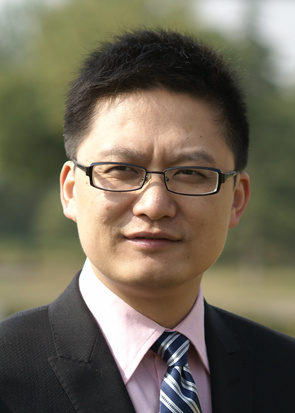 Zhibin Hu (胡志斌)合作论文数Department of Epidemiology, School of Public Health, Nanjing Medical University36
 Lei Wang (王磊)合作论文数Institutes of Biomedical Sciences, Fudan University36
 Yi Li (李轶)合作论文数Human Phenome Institute, Fudan University35
 Yingzhe Wang合作论文数35
 Shaoqing Wen (文少卿)合作论文数Department of Cultural Heritage and Museology, Fudan University;Ministry of Education Key Laboratory of Contemporary Anthropology, Fudan University35
 Hejian Zou (邹和建)合作论文数Department of Anthropology and Human Genetics, Fudan University;Huashan Hospital, Fudan University35
 Shicheng Guo合作论文数fudan university35
 Yiming Jiang (蒋益明)合作论文数Department of Materials Science, Fudan University34
 Hongxiang Zheng (郑鸿翔)合作论文数School of Life Sciences, Fudan University34
 Lin He (贺林)合作论文数School of Life Sciences and Biotechnology, Shanghai Jiao Tong University;Institutes of Biomedical Sciences, Fudan University33Zixin Hu合作论文数32
 Yungang He (何云刚)合作论文数Intelligent Medicine Institute, Fudan University;Shanghai Fifth People's Hospital, Fudan University32
 Shuai Jiang合作论文数Fudan University, Fudan University32
 Tianzi Jiang (蒋田仔)合作论文数University of Chinese Academy of Sciences;Brainnetome Center, Institute of Automation, Chinese Academy of Sciences;Centre for Advanced Imaging, University of Queensland32




