The increasing generation of fruit waste represents a major environmental and economic challenge for the agri-food sector, while also offering significant opportunities for sustainable valorisation within the framework of the circular economy. Fruits rejected for cosmetic reasons, together with processing by-products, are rich sources of dietary fibre, sugars and bioactive compounds that can be converted into value-added products. This review aims to provide a comprehensive overview of microbial fermentation as a sustainable strategy for fruit waste valorisation, with particular emphasis on the role of lactic acid bacteria, acetic acid bacteria, yeasts and microbial consortia in improving the nutritional, technological and functional properties of fruit-derived substrates. Current evidence demonstrates that microbial fermentation not only preserves fruit biomass but also enhances its value through the degradation of complex carbohydrates, the biotransformation of phenolic compounds, the production of bioactive metabolites and the generation of functional ingredients. This review further discusses the contribution of viable microorganisms and postbiotic components to product functionality, as well as the importance of microbial viability, processing conditions and storage stability for the development of safe and functional fermented foods. In addition, it highlights recent advances in the use of microbial consortia and identifies the mechanisms governing microorganism-plant matrix interactions as a key area requiring further investigation. Overall, the available literature supports fermentation as a versatile and effective strategy for transforming fruit waste into high-value food products. By integrating current knowledge on microbial metabolism, functionality and processing challenges, this review identifies the main scientific and technological gaps and outlines future research priorities, including microbial consortium design, process scale-up, regulatory considerations and life cycle assessment, to facilitate the industrial implementation of sustainable fruit waste biorefineries.
The increasing generation of fruit waste represents a major environmental and economic challenge for the agri-food sector, while also offering significant opportunities for sustainable valorisation within the framework of the circular economy. Fruits rejected for cosmetic reasons, together with processing by-products, are rich sources of dietary fibre, sugars and bioactive compounds that can be converted into value-added products. This review aims to provide a comprehensive overview of microbial fermentation as a sustainable strategy for fruit waste valorisation, with particular emphasis on the role of lactic acid bacteria, acetic acid bacteria, yeasts and microbial consortia in improving the nutritional, technological and functional properties of fruit-derived substrates.Current evidence demonstrates that microbial fermentation not only preserves fruit biomass but also enhances its value through the degradation of complex carbohydrates, the biotransformation of phenolic compounds, the production of bioactive metabolites and the generation of functional ingredients. This review further discusses the contribution of viable microorganisms and postbiotic components to product functionality, as well as the importance of microbial viability, processing conditions and storage stability for the development of safe and functional fermented foods. In addition, it highlights recent advances in the use of microbial consortia and identifies the mechanisms governing microorganism–plant matrix interactions as a key area requiring further investigation.Overall, the available literature supports fermentation as a versatile and effective strategy for transforming fruit waste into high-value food products. By integrating current knowledge on microbial metabolism, functionality and processing challenges, this review identifies the main scientific and technological gaps and outlines future research priorities, including microbial consortium design, process scale-up, regulatory considerations and life cycle assessment, to facilitate the industrial implementation of sustainable fruit waste biorefineries.
Poly-γ-glutamic acid (γ-PGA) is a valuable biopolymer with diverse industrial applications, produced naturally by several Bacillus species. The dairy environment is an under-explored niche for identifying efficient, food-grade γ-PGA producers. In this study, four legacy dairy-derived Bacillus licheniformis strains: DPC3803, DPC6338, DPC6339, and DPC6340, producing high γ-PGA titres were examined using whole genome sequencing (WGS) and comparative genomic analysis to evaluate their suitability for future industrial applications. The genomes ranged from 4.19 to 4.29 Mb with an average GC content of 45.8-46.2%. Pangenome analysis of the four strains, together with 51 publicly available B. licheniformis genomes, identified 12,415 gene clusters, of which 18.9% and 81.1% were core and accessory genes respectively. Average nucleotide identity (ANI) analysis demonstrated >99% sequence identity among all 55B. licheniformis genomes, despite their isolation from diverse environments, indicating strong genomic conservation within the species. Experimental validation confirmed γ-PGA production by all four strains, with maximum titres (g/L) of 43.27 ± 1.49, 59.54 ± 4.33, 27.93 ± 1.87, and 47.74 ± 0.19 for DPC3803, DPC6338, DPC6339, and DPC6340, respectively. Genomic screening revealed multiple γ-PGA metabolism and CAZyme-encoding genes, as well as unique secondary metabolite clusters with potential antimicrobial activity. Although no plasmids or virulence factors were detected, twenty-one prophages were identified, sharing no significant homology with known cultivated phages, and a single β-lactamase gene suggested intrinsic resistance to β-lactams. These findings highlight the genomic and functional potential of these dairy-derived B. licheniformis as efficient, food-grade candidates for industrial γ-PGA production.
Fermentation plays a vital role globally, shaping traditional diets and enhancing food preservation, nutrition and flavour. With over 5,000 varieties of fermented foods globally, the microbiomes of many of these have yet to be explored, particularly with respect to those produced in some regions of Africa. To begin to address this knowledge gap, we conducted a shotgun metagenomics-based analysis of 91 fermented foods produced in Burkina Faso, Ghana, Kenya and Nigeria and compared them to a larger, global curated Food Metagenomic Database (cFMD). As for other studies of fermented food microbiomes in general, the substrate that was fermented emerged as the primary determinant of microbial beta diversity within the current African dataset and between the broader cFMD dataset. However, it was notable that the newly studied samples showed a small but statistically significant geographic signal. The African samples also displayed more alpha diversity than the global dataset, with cassava-, seed-and grain-based samples having the highest alpha diversity among the African foods. We also characterized the functional and antimicrobial profiles of all food-derived metagenome-assembled genomes (MAGs), noting the prevalence of pathways associated with carbohydrate metabolism across both African and non-African MAGs and an absence of known antimicrobial resistance genes in numerous genera. These findings not only expand our fundamental understanding of Africa's under-studied fermented food microbiomes but also lay the foundation for starter culture development tailored to local substrates and conditions, fostering opportunities to enhance product safety, quality and scalability while retaining key characteristics associated with the original, artisanal product.
Colostrum quality is influenced by multiple factors, including its microbial load, which is determined by the cleanliness of collection and storage conditions. Additionally, the dam's diet and immune status play a crucial role in shaping colostrum quality by affecting IgG concentrations. Whereas many factors contribute to colostrum quality, this study will specifically use IgG content as the primary measure of quality. It is well established that feeding low-quality colostrum negatively affects calf health and growth, whereas feeding good-quality colostrum leads to better outcomes. However, it remains unclear if feeding colostrum above the recommended quality threshold offers additional benefits for calf health and growth. This study compared the effects of adequate- versus high-quality colostrum on dairy heifer calf growth, health, and the development of the fecal microbiome during the first 15 wk of life. We also measured the levels of apparent efficacy of absorption of IgG in both groups. Colostrum quality was initially determined and measured before feeding using a Brix refractometer (only feeding a minimum of 21% Brix); 93 heifer calves were assigned to treatment based on this data. Subsequently, laboratory analyses were conducted using radial immunodiffusion assays to measure the exact IgG levels in the colostrum; 72 calves were selected for continuation in the experiment based on the highest (n = 36) and lowest (n = 36) IgG levels in the colostrum. For these 72 calves, laboratory analyses were conducted using radial immunodiffusion assays to measure the exact IgG levels in the colostrum at the point of feeding and in the calf serum at 24 h after feeding. To ensure a fair comparison, the groups were balanced for calf birthweight, breed, and dam parity. Serum IgG at 24 h, weight, and health data were analyzed in SAS using linear mixed models and logistic regression. Alpha and β diversity were analyzed using R with ANOVA, permutational multivariate analysis of variance (PERMANOVA), and Benjamini-Hochberg P-value adjustments. Calves fed colostrum with a high IgG content (123.0 mg/mL IgG) exhibited higher rates of passive transfer compared with those fed adequate-quality colostrum (85.2 mg/mL IgG). Both groups had passive transfer rates >23 mg/mL IgG. Health outcomes were similar between the 2 groups, and ADG during the preweaning period was comparable, with calves gaining an average of 0.62 kg/d. Measures of α and β diversity in the fecal microbiome showed similar development in both groups. Apparent absorption efficacy was lower in calves fed high-quality colostrum (24.9%) compared with those fed adequate-quality colostrum (29.3%). The findings of this study support current recommendations for colostrum quality and suggest that calves may have a limited capacity to absorb higher concentrations of IgG. Whereas feeding higher-quality colostrum did not lead to significant improvements in growth, health, or microbiome diversity, it demonstrated that adequate-quality colostrum can be equally effective when combined with best practice management. Further research is needed to better understand the relationships between immunoglobulin absorption efficiency, calf health, microbiome development, and growth performance.
There is an evolving interest in the adoption and incorporation of plant proteins in Western diets as sustainable alternatives to meat consumption. This is typically motivated by the environmental and public health concerns posed by animal-based diets. However, plant proteins have been demonstrated to exhibit reduced bioavailability as a consequence of high concentrations of anti-nutritional factors (ANFs) and complex protein structures, leading to incompletely digested protein reaching the colon. This undigested protein undergoes microbial putrefaction, generating metabolites like ammonia, phenols, and hydrogen sulfide that are potentially associated with inflammation, gut barrier dysfunction, and chronic diseases. Literature searches utilizing tools such as Google Scholar and PubMed were performed with identifying relevant work in both putrefaction and fermentation, to highlight gaps for future research. There is evidence that including a microbial fermentation step in the processing of plant proteins can degrade ANFs, hydrolyze protein structure, and increase free amino acids, thereby improving upper gastrointestinal digestibility. The application of fermentation strategies can address both nutritional and safety challenges by pre-digesting proteins and enriching functional metabolites such as SCFAs and polyphenols. However, gaps persist in understanding many elements of fermentation of plant proteins including microbial consortia optimization, in vivo impacts, and long-term health outcomes. This review examines protein putrefaction in the gut and its association with adverse health impacts, and furthermore, fermentation is evaluated as a potential processing aid for plant proteins to enhance digestibility and mitigate putrefaction risks.
This study aimed to evaluate the microbiome, resistome and virulome of two types of Portuguese cheese using high throughput sequencing (HTS). Culture-dependent chromogenic methods were also used for certain groups/microorganisms. Eight samples of raw ewe’s milk cheese were obtained from four producers: two producers with cheeses with a PDO (Protected Designation of Origin) label and the other two producers with cheeses without a PDO label. Agar-based culture methods were used to quantify total mesophiles, Enterobacteriaceae, Escherichia coli, Staphylococcus, Enterococcus and lactic acid bacteria. The presence of Listeria monocytogenes and Salmonella was also investigated. The selected isolates were identified by 16S rRNA gene sequencing and evaluated to determine antibiotic resistance and the presence of virulence genes. The eight cheese samples analyzed broadly complied with EC regulations in terms of the microbiological safety criteria. The HTS results demonstrated that Leuconostoc mesenteroides, Lactococcus lactis, Lactobacillus plantarum, Lacticaseibacillus rhamnosus, Enterococcus durans and Lactobacillus coryniformis were the most prevalent bacterial species in cheeses. The composition of the bacterial community varied, not only between PDO and non-PDO cheeses, but also between producers, particularly between the two non-PDO cheeses. Alpha-diversity analyses showed that PDO cheeses had greater bacterial diversity than non-PDO cheeses, demonstrating that the diversity of spontaneously fermented foods is significantly higher in cheeses produced without the addition of food preservatives and dairy ferments. Despite complying with microbiological regulations, both PDO and non-PDO cheeses harbored potential virulence genes as well as antibiotic resistance genes. However, PDO cheeses exhibited fewer of these virulence and antibiotic resistance genes compared to non-PDO cheeses. Therefore, the combination of conventional microbiological methods and the metagenomic approach could contribute to improving the attribution of the PDO label to this type of cheese.
Complex microbiomes are part of the food we eat and influence our own microbiome, but their diversity remains largely unexplored. Here, we generated the open access curatedFoodMetagenomicData (cFMD) resource by integrating 1,950 newly sequenced and 583 public food metagenomes. We produced 10,899 metagenome-assembled genomes spanning 1,036 prokaryotic and 108 eukaryotic species-level genome bins (SGBs), including 320 previously undescribed taxa. Food SGBs displayed significant microbial diversity within and between food categories. Extension to >20,000 human metagenomes revealed that food SGBs accounted on average for 3% of the adult gut microbiome. Strain-level analysis highlighted potential instances of food-to-gut transmission and intestinal colonization (e.g., Lacticaseibacillus paracasei) as well as SGBs with divergent genomic structures in food and humans (e.g., Streptococcus gallolyticus and Limosilactobabillus mucosae). The cFMD expands our knowledge on food microbiomes, their role in shaping the human microbiome, and supports future uses of metagenomics for food quality, safety, and authentication.
Molecular technologies, including high-throughput sequencing, have expanded our perception of the microbial world. Unprecedented insights into the composition and function of microbial communities have generated large interest, with numerous landmark studies published in recent years relating the important roles of microbiomes and the environment-especially diet and nutrition-in human, animal, and global health. As such, food microbiomes represent an important cross-over between the environment and host. This is especially true of fermented food microbiomes, which actively introduce microbial metabolites and, to a lesser extent, live microbes into the human gut. Here, we discuss the history of fermented foods, and examine how molecular approaches have advanced research of these fermented foods over the past decade. We highlight how various molecular approaches have helped us to understand the ways in which microbes shape the qualities of these products, and we summarize the impacts of consuming fermented foods on the gut. Finally, we explore how advances in bioinformatics could be leveraged to enhance our understanding of fermented foods. This review highlights how integrated molecular approaches are changing our understanding of the microbial communities associated with food fermentation, the creation of unique food products, and their influences on the human microbiome and health.
Canastra cheese is the most well-known artisanal cheese produced in Brazil. Although its production includes a step to remove fungi from the cheese surface, in recent years some cheesemakers have preserved the autochthonous fungi grown during ripening due to an interest in the sensory characteristics attributed to these microorganisms. In this work, the mycobiota of artisanal cheeses produced in the Canastra region was characterized based on ITS marker gene analysis. A total of 96 artisanal cheeses from 16 different farms across 9 cities were collected during two different periods (dry and wet seasons). The Canastra cheese mycobiota was significantly impacted by the season, the city of production and the farm but altitude did not affect the fungal community of the cheeses analyzed. Debaryomyces prosopidis was most abundant in the majority of samples across both seasons. During the wet season, Trichosporon asahii, Kluyveromyces lactis and Fusarium solani were the next most abundant species, followed by Torulaspora delbrueckii and Acremonium citrinum. These results highlight the importance of manufacturing practices and seasonality on the fungal composition of Canastra cheeses. These insights are particularly important in light of recent new regulation in Brazil, removing previous obstacles for surface fungi to persist on cheese. These new regulations will allow new approaches to cheese production, and ultimately, novel products.
Traditional fermented foods are of major importance with respect to the socio-economic growth, food security, nutrition, and health of African consumers. In several African countries, traditional fermentation processes provide a means of food preservation, improving the shelf life and adding to the nutrients in the food products. As with any fermented foods, the associated food microbiota is of great importance and interest. Recent studies on the microbiome of African fermented foods using high-throughput DNA sequencing techniques have revealed the presence of diverse microbial populations of fundamental, technological, and commercial interest that could be harnessed to further improve health, food safety, and quality. This review provides an overview of African fermented foods, their microbiota, and the health-promoting potential of these foods and microbes.
Lactic acid bacteria (LAB) are fundamental in the production of fermented foods and several strains are regarded as probiotics. Large quantities of live LAB are consumed within fermented foods, but it is not yet known to what extent the LAB we ingest become members of the gut microbiome. By analysis of 9445 metagenomes from human samples, we demonstrate that the prevalence and abundance of LAB species in stool samples is generally low and linked to age, lifestyle, and geography, with Streptococcus thermophilus and Lactococcus lactis being most prevalent. Moreover, we identify genome-based differences between food and gut microbes by considering 666 metagenome-assembled genomes (MAGs) newly reconstructed from fermented food microbiomes along with 154,723 human MAGs and 193,078 reference genomes. Our large-scale genome-wide analysis demonstrates that closely related LAB strains occur in both food and gut environments and provides unprecedented evidence that fermented foods can be indeed regarded as a possible source of LAB for the gut microbiome.
Kombucha is a fermented tea. Here we investigate the fermentation kinetics, metabolite production, microbiome and potential health promoting properties of three different kombucha consortia. Shotgun metagenomic sequencing revealed several dominant bacterial genera such as Komagataeibacter, Gluconacetobacter and Gluconobacter. Brettanomyces and Schizosaccharomyces were the most dominant yeasts identified. Species distribution reflected different patterns of sugar consumption, with S. pombe being present in samples with the highest sugar conversion. Liquid-liquid extractions were performed with organic solvents in order to obtain dried extracts, which were later characterized. HPLC-DAD and GC-MS analysis revealed differences in the production of organic acids, sugars, alcohols and phenolic compounds, where the presence of caffeine, propanoic acid and 2,3 butanediol differ greatly across the three kombuchas. Metabolomic analysis exhibited a link between the microbiota and the production of bioactive compounds in kombucha fermentation. In vitro assays were carried out in order to evaluate potential health-promoting features of the fermented teas, with notable outcomes including antioxidant ability against DPPH radical and against the 15-lipoxygenase enzyme, indicating a potential anti-inflammatory activity. These investigations considerably enhance our understanding of the relationship between the microbiota and metabolites as well as health promoting potential of kombucha and have the potential for the development of future generations of kombucha products in which these relationships are optimized.
Fermented foods have been the focus of ever greater interest as a consequence of purported health benefits. Indeed, it has been suggested that the consumption of these foods that help to address the negative consequences of ‘industrialization’ of the human gut microbiota in Western society. However, as the mechanisms via which the microbes in fermented foods improve health are not understood, it is necessary to develop an understanding of the composition and functionality of the fermented food microbiota to better harness desirable traits. Here we considerably expand the understanding of fermented food microbiomes by employing shotgun metagenomic sequencing to provide a comprehensive insight into the microbial composition, diversity and functional potential (including antimicrobial resistance, carbohydrate-degrading and health-associated gene content) of a diverse range of 58 fermented foods from artisanal producers from around the Globe. Food type, i.e., dairy-, sugar- or brine-type fermented foods, was to be the primary driver of microbial composition, with dairy foods found to have the lowest microbial diversity. From the combined dataset, 127 high quality metagenome-assembled genomes (MAGs), including 10 MAGs representing putatively novel species of Acetobacter, Acidisphaera, Gluconobacter, Lactobacillus, Leuconostoc and Rouxiella , were generated. Potential health promoting attributes were more common in fermented foods than non-fermented equivalents, with waterkefirs, sauerkrauts and kvasses containing the greatest numbers of potentially health-associated gene clusters (PHAGCs). Ultimately, this study provides the most comprehensive insight into the microbiomes of fermented foods to date, and yields novel information regarding their relative health-promoting potential. Importance Fermented foods are regaining popularity in Western society due in part to an appreciation of the potential for fermented food microbiota to positively impact on health. Many previous studies have studied fermented microbiota using classical culture-based microbiological methods, older molecular techniques or, where deeper analyses have been performed, have involved a relatively small number of one specific food type. Here, we have used a state-of-the-art shotgun metagenomic approach to investigate 58 different fermented foods of different type and origin. Through this analysis, we were able to identify the differences in the microbiota across these foods, the factors that drove their microbial composition, and the relative potential functional benefits of these microbes. The information provided here will provide significant opportunities for the further optimisation of fermented food production and the harnessing of their health promoting potential.
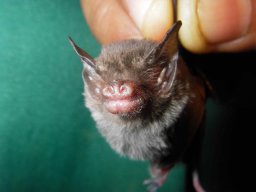
A changing microbiome has been linked to biological aging in mice and humans, suggesting a possible role of gut flora in pathogenic aging phenotypes.Many bat species have exceptional longevity given their body size and some can live up to ten times longer than expected with little signs of aging.This study explores the anal microbiome of the exceptionally long-lived Myotis myotis bat, investigating bacterial composition in both adult and juvenile bats to determine if the microbiome changes with age in a wild, longlived non-model organism, using non-lethal sampling.The anal microbiome was sequenced using metabarcoding in more than 50 individuals, finding no significant difference between the composition of juvenile and adult bats, suggesting that age-related microbial shifts previously observed in other mammals may not be present in Myotis myotis.Functional gene categories, inferred from metabarcoding data, expressed in the M. myotis microbiome were categorized identifying pathways involved in metabolism, DNA repair and oxidative phosphorylation.We highlight an abundance of 'Proteobacteria' relative to other mammals, with similar patterns compared to other bat microbiomes.Our results suggest that M. myotis may have a relatively stable, unchanging microbiome playing a role in their extended 'health spans' with the advancement of age, and suggest a potential link between microbiome and sustained, powered flight.
A changing microbiome has been linked to biological aging in mice and humans, suggesting a possible role of gut flora in pathogenic aging phenotypes. Many bat species have exceptional longevity given their body size and some can live up to ten times longer than expected with little signs of aging. This study explores the anal microbiome of the exceptionally long-lived Myotis myotis bat, investigating bacterial composition in both adult and juvenile bats to determine if the microbiome changes with age in a wild, long-lived non-model organism, using non-lethal sampling. The anal microbiome was sequenced using metabarcoding in more than 50 individuals, finding no significant difference between the composition of juvenile and adult bats, suggesting that age-related microbial shifts previously observed in other mammals may not be present in Myotis myotis. Functional gene categories, inferred from metabarcoding data, expressed in the M. myotis microbiome were categorized identifying pathways involved in metabolism, DNA repair and oxidative phosphorylation. We highlight an abundance of 'Proteobacteria' relative to other mammals, with similar patterns compared to other bat microbiomes. Our results suggest that M. myotis may have a relatively stable, unchanging microbiome playing a role in their extended 'health spans' with the advancement of age, and suggest a potential link between microbiome and sustained, powered flight.
 Paul D. Cotter合作论文数Food Biosciences Department, Teagasc;SeqBiome11
 Fiona Crispie合作论文数4
 Aaron M Walsh合作论文数3
 Raul Cabrera-Rubio合作论文数2
 Graham M. Hughes合作论文数2
 Francesca De Filippis合作论文数Dept Agr Sci, Univ Naples Federico II2
 Danilo Ercolini合作论文数Dipartimento di Agraria, Universita degli Studi di Napoli Federico II2
 Nicola Segata合作论文数Department of Cellular, Computational and Integrative Biology, University of Trento;European Institute of Oncology;Laboratory of Computational Metagenomics, University of Trento2
 Emma C. Teeling合作论文数School of Biology and Environmental Science, University College Dublin2
 Jose V Lopez合作论文数Division of Biomedical Marine Research Harbor Branch Oceanographic Institution, Inc.2
 Olivia Mcauliffe合作论文数Department,of2
 Edoardo Pasolli合作论文数Department of Agricultural Sciences, University of Naples Federico II2
 Sébastien Puechmaille合作论文数Institut des Sciences de l'Evolution, University of Montpellier2
 Marcus J. Claesson合作论文数Alimentary Pharmabiotic Centre, University College Cork2
 Dominic O'Neil合作论文数1
 Silvia Alejandra Villarreal Soto合作论文数1Célia Lúcia de Luces Fortes Ferreira合作论文数1Meiriele da Silva合作论文数1John Paul Murphy合作论文数1Tomas Gomes Reis Veloso合作论文数1Hue Delhomme-Nguyen合作论文数1Italia Elisa Mauriello合作论文数1
 Laura Finnegan合作论文数1Niccolo Carlino合作论文数1
 Coral Barcenilla合作论文数1Ines Calvete-Torre合作论文数1Michal Punčochář合作论文数1Claudia Mengoni合作论文数1
 Felix Kwashie Madilo合作论文数1Vincenzo Valentino合作论文数Department of Agricultural Sciences, University of Naples Federico II1
 Acacio Salamandane合作论文数Instituto Superior de Agronomia1Catherine I McAloon合作论文数1
 Vitor Heidrich合作论文数Universidade de São Paulo1
 Jose Guilherme Prado Martin合作论文数Luiz de Queiroz College of Agriculture, University of São Paulo (USP),1
 Alessia Tatti合作论文数Dept Environm & Life Sci, Univ Cagliari1
 Francesco Asnicar合作论文数Department CIBIO, University of Trento1
 Federica Armanini合作论文数Univ Trento, Ctr Integrat Biol, Trento, Italy1Wiley Barton合作论文数1
 José F Cobo-Díaz合作论文数Department of Food Hygiene and Technology, Universidad de León1
 Abel Tankoano合作论文数Institut de Recherche en Sciences de la Santé1
 Yemisi Obafemi合作论文数Dept Food Biosci, Teagasc Food Res Ctr1
 Angela Parry-Hanson Kunadu合作论文数Department of Nutrition and Food Science, University of Ghana1Stephen Knobloch合作论文数Dept Res & Innovat, Matis Ltd1
 Aitor Blanco-Míguez合作论文数Univ Vigo, ESEI Dept Comp Sci, Edificio Politecn,Campus Univ As Lagoas S-N, Orense 32004, Spain1Carlos Sabater合作论文数1
 Viggo Thor Marteinsson合作论文数Faculty of Food Science and Nutrition, University of Iceland1
 Paolo Manghi合作论文数CIBIO Department, University of Trento1Jalloul Bouajila合作论文数Univ Paul Sabatier, Univ Toulouse1
 Beaufort Sandra合作论文数INSA, Université de Toulouse1




