To evaluate the effects of high-intensity interval training (HIIT) on cardiometabolic health-related outcomes in patients with type 2 diabetes mellitus and concurrent overweight/obesity (diabesity). Systematic review and meta-analysis of randomized controlled trials (RCTs). PubMed, Web of Science, Scopus, Science Direct, Cochrane Library, and Google Scholar databases were searched from inception up to January 31, 2025. RCTs comparing HIIT alone ≥ 2 weeks in duration with moderate-intensity continuous training (MICT). Participants were adults with diabesity. A total of 26 RCTs qualified, involving 790 patients (50/50 female/male ratio; age: 59.8 ± 12.9 years; body mass index: 28.9 ± 4.2 kg/m2). HIIT revealed a significant reduction in fasting insulin [standardized mean differences (SMD) − 0.43, 95 https://osf.io/9by24
In 2013, the Trial to Assess Chelation Therapy (TACT) reported that in 1708 patients with stable coronary disease and prior myocardial infarction (MI), oral multivitamins and multiminerals (OMVMs), in a factorial design with edetate disodium (EDTA) chelation therapy, did not reduce cardiovascular events relative to placebo OMVMs, but active EDTA combined with active OMVMs was superior to placebo OMVM/placebo EDTA. To compare OMVM vs placebo in terms of efficacy for reducing major adverse cardiovascular events in patients with diabetes and prior MI. The TACT2 randomized, multicenter double-masked 2 × 2 factorial clinical trial took place across 88 sites in the US and Canada. Participants were 50 years or older, had diabetes, and had an MI 6 weeks ago or more. TACT2 participants were enrolled between September 2016 and December 2020. Data were collected between October 2016 and June 2023. Six caplets daily of a 28 component OMVM or matching OMVM placebo, and 40 weekly infusions of an EDTA-based chelation solution or matching placebo, in a 1:1:1:1 allocation ratio. The primary end point was the composite of all-cause mortality, MI, stroke, coronary revascularization, or hospitalization for unstable angina. A total of 1000 participants were randomized (500 in the active OMVM group and 500 in the placebo group). The median (IQR) age was 67 (60-72) years, and 730 (73%) were male. Median (IQR) follow-up was 48 (34-58) months. The primary end point occurred in 175 participants (35%) in the active OMVM group and 175 (35%) in the placebo group (hazard ratio [HR], 0.99 [95% CI, 0.80-1.22]; P = .92). The 5-year event rate for the primary end point in the EDTA chelation + active OMVM group was 34.0%; in the EDTA chelation + placebo OMVM group, 35.7%; in the placebo infusion + active OMVM group, 36.0%; and in the placebo infusion + placebo OMVM group, 34.3%. The comparison of the active infusion + active OMVM with the placebo infusion + placebo OMVM was not significant (HR, 0.91 [95% CI, 0.67-1.23]; P = .54). Although nonsignificant, there was a numerically higher event rate of MI, stroke, mortality from cardiovascular causes in the active OMVM compared to placebo OMVM group. The results of this randomized clinical trial demonstrated that, for participants with chronic coronary disease, diabetes, and a previous MI, high-dose OMVM alone or in conjunction with EDTA-based chelation did not reduce cardiovascular events. ClinicalTrials.gov Identifier: NCT02733185
PURPOSE:This systematic review and meta-analysis of randomized controlled trials (RCTs) aimed to evaluate the effects of aerobic exercise on cardiometabolic health-related indices in patients with type 2 diabetes and concurrent overweight/obesity (diabesity). METHODS:PubMed, Web of Science, Scopus, Science Direct, Cochrane Library, and Google Scholar databases were searched from inception to October 2024. The search strategy included the following keywords: diabetes, aerobic exercise, and endurance training. RCTs comparing aerobic exercise training ≥2 weeks in duration to standard treatment were considered eligible. Participants were adults with diabesity. RESULTS:A total of 1391 middle-aged/older adult patients (55 % females) were included in 34 RCTs. Body mass index [standardized mean differences (SMD) -0.18 kg/m2, 95 % confidence intervals (CI) -0.36 to -0.01]. waist circumference (SMD -0.23 cm, 95 % CI -0.44 to -0.03), body fat (SMD -0.30 %, 95 % CI -0.59 to -0.01), fasting blood glucose (SMD -0.49 mmol/L, 95 % CI -0.72 to -0.27), glycated hemoglobin (SMD -0.79 %, 95 % CI -1.17 to -0.41), fasting insulin (SMD -0.44 mIU/L, 95 % CI -0.72 to -0.15), homeostatic model assessment for insulin resistance (SMD -0.72, 95 % CI -1.09 to -0.35), high-density lipoprotein cholesterol (SMD 0.32 mg/dL, 95 % CI 0.01 to 0.63), triglycerides (SMD -0.33 mg/dL, 95 % CI -0.63 to -0.04), and total cholesterol (SMD -0.28 mg/dL, 95 % CI -0.47 to -0.10) improved compared with standard treatment. CONCLUSIONS:These results underscore the beneficial role of aerobic exercise as a non-pharmacological intervention in managing and treating patients with diabesity when compared to standard treatment, despite the presence of considerable uncertainty in several outcomes.
https://youtu.be/r8yQKiNeJWc INTRODUCTION The most frequently used exercise test protocol in the United States is the Bruce treadmill protocol. Using this standard protocol enables clinicians to report clinically useful information beyond myocardial ischemia, hemodynamic response, and rhythm, such as estimating prognosis with the Duke Treadmill Score and categorizing fitness by age and sex. However, some patients, especially highly fit aerobic-type athletes, might be better served with tailored exercise test procedures. CASE PRESENTATION A 22-year-old, apparently healthy male, collegiate track athlete complained of lightheadedness and profound fatigue after repeated intervals of 400-800 m. The referring physician ordered a cardiopulmonary exercise test in order to replicate his training regimen and symptoms. MANAGEMENT A plan was developed to perform a graded exercise test (GXT) on a treadmill with measurement of expired air, followed by a 3-min active cooldown, then up to 4 run/walk intervals of 1- and 2-min duration, respectively. Spirometry was performed before the GXT and repeatedly up to 20 min after the last run interval. The GXT protocol was based on the athlete’s self-reported pace during warmup (8:00/mile [4:58/km]) and a 10 km run (6:00/mile [3:44/km]) with a target duration of 10 min. The run intervals were based on his self-reported target time to complete 400 m (~65 s) during training. That time was converted to speed (13.8 miles/h [22.2 km/h]) and the associated metabolic equivalents of task (METs) were estimated (22 METs). Because the maximum speed of the laboratory treadmill is 12 miles/h (19.3 km/h), a 3% incline was used to achieve the target METs during the run intervals. A 12-lead ECG and pulse oximetry were monitored continuously during the GXT, the run/walk intervals, and through 6 min of recovery. Blood pressure (BP) was monitored via auscultation every 2 min through the initial 6 min of the GXT and recovery. BPs could not be obtained at higher running speeds. He did not use the handrail for support during testing. He reported that the run intervals were a similar level of exertion as during training. No abnormalities were noted during the GXT or the spirometry. His symptoms were reproduced during the 4th run interval. Total time in the laboratory was 1.5 hours. DISCUSSION Exercise testing on this patient could have been limited to a GXT (Bruce protocol or other), but the probability of reproducing his symptoms would have been low. As a young athlete, staff were confident that he could tolerate a GXT and several running intervals during the same encounter. Knowledge of METs allowed for an equivalent workload to be identified for the intervals despite limitations of the treadmill speed. It is not uncommon for laboratories to limit testing protocols to a few options (e.g. Bruce or modified Bruce). However, it can be beneficial to tailor procedures for select patients to increase the likelihood of reproducing patient-specific complaints or responses.
This systematic review and meta-analysis aimed to evaluate the effects of high-intensity interval training (HIIT) on cardiometabolic health-related outcomes in patients with type 2 diabetes and obesity (diabesity). PubMed, Web of Science, Scopus, Science Direct, Cochrane Library, and Google Scholar databases were searched from inception up to November 2024. The search strategy encompassed the following keywords: diabetes, obesity, and HIIT. Randomized controlled trials (RCTs) recruiting adult participants with diabesity and comparing HIIT per se for ≥ 2 weeks in duration with non-exercise standard treatment were included. A total of 18 RCTs qualified involving 504 patients (52/48 women/men ratio; 55.0 ± 11.8 years; 31.0 ± 6.9 kg/m2). Body mass [standardized mean differences (SMD) -0.36 kg, 95 https://osf.io/rtb42
The improving ATTENDance (iATTEND) to cardiac rehabilitation (CR) trial tested the hypotheses that hybrid CR (HYCR) (combination of virtual and in-facility CR sessions) would result in greater attendance compared with traditional, facility-based only CR (FBCR) and yield equivalent improvements in exercise capacity and health status. Patients were randomized to HYCR (n = 142) or FBCR (n = 140), stratified by gender and race. Attendance was assessed as number of CR sessions completed within 6 months (primary end point) and the percentage of patients completing 36 CR sessions. Other end points (tested for equivalency) included exercise capacity and self-reported health status. HYCR patients completed 1 to 12 sessions in-facility, with the balance completed virtually using synchronized, 2-way audiovisual technology. Neither total number of CR sessions completed within 6 months (29 ± 12 vs 28 ± 12 visits, adjusted p = 0.94) nor percentage of patients completing 36 sessions (59 ± 4% vs 51 ± 4%, adjusted p = 0.32) were significantly different between HYCR and FBCR, respectively. The between-group changes for exercise capacity (peak oxygen uptake, 6-minute walk distance) and health status were equivalent. Regarding safety, no sessions required physician involvement, there was 1 major adverse event after a virtual session, and no falls required medical attention. In conclusion, although we rejected our primary hypothesis that attendance would be greater with HYCR versus FBCR, we showed that FBCR and HYCR resulted in similar patient attendance patterns and equivalent improvements in exercise capacity and health status. HYCR which incorporates virtually supervised exercise should be considered an acceptable alternative to FBCR. NCT Identifier: 03646760; The Improving ATTENDance to Cardiac Rehabilitation Trial - Full-Text View - ClinicalTrials. gov; https://classic.clinicaltrials.gov/ct2/show/NCT03646760.
This is the second installment of a series of interviews with individuals who are clinical exercise physiologists (CEPs) and/or have greatly contributed to the field of clinical exercise physiology. I first met Dr Keteyian in June of 1985 when he interviewed me for a position in the Cardiac Rehabilitation Program at Henry Ford Hospital in Detroit, Michigan. And, for full disclosure, I have worked alongside him ever since and consider him a close friend. Throughout the past 4+ decades, Dr Keteyian has been among the leaders who have helped shape both the clinical exercise physiology profession and the breadth and strength of the clinical exercise physiology literature base. He has been a major force in multiple important studies, organizations, and initiatives, and has led the Cardiac Rehabilitation/Preventive Cardiology Unit (which is within the Division of Cardiovascular Medicine) at Henry Ford for more than 40 years. Thank you, Dr Keteyian, for your willingness to be interviewed.Q: I like to begin these interviews with some background about the interviewee's early life because I believe it can help early and precareer readers when planning their own path. Let me begin by asking you to briefly give us some of your personal history about where you grew up, went to school, and what might have influenced you during that time to move toward a focus in clinical exercise physiology? What was your route through college that led you to achieve a doctoral degree? And how did that shape your future career?I grew up in the Detroit, Michigan, area and my undergraduate degree is from Grand Valley State University (then called Grand Valley State Colleges). Immediately after graduating I continued my studies, completing a master's degree at the University of Northern Colorado. My doctoral studies were at Wayne State University in Detroit. Growing up I so enjoyed biology, chemistry, and astronomy, but I also enjoyed playing sports. In my junior year at Grand Valley I took an exercise physiology course taught by Jim Scott (an exemplary role model for myself and many others) and it was from that course that I first appreciated the connection between science and exercise.My decision to complete a doctoral degree was based mostly on my interest to seek answers to my own science questions, instead of just supporting or helping others with their research interests. I look back at those very early years of my career between 1981 and 1989 with partial disbelief… during that time I started my employment at Henry Ford Hospital, met and married my wife (Lynette), the first two of our four children were born, at the hospital we grew both our research platform and our clinical rehabilitation programs, and I started and completed my doctoral studies at Wayne State.Q: During your CEP formative years what was the most important decision you made? Was it an internship? A postdoc? A job? Someone who you met and was a mentor? Or maybe it was something else, or some of these, or all of these?It would be incorrect for me to identify a sentinel event. Instead, I would say that my career arch has been more of a focused evolution. After I completed my dissertation investigating the effects of exercise training in heart transplant patients, it was my division head at Henry Ford (Dr Sidney Goldstein) who helped drive both my clinical growth and the next step in my research agenda. Clinically, it was still a time when cardiac rehabilitation was not fully embraced by the cardiology community at large. Yet Dr Goldstein provided his full support of our programs, and as a result, they continued to grow in both depth and breadth. Regarding my clinical research, Dr Goldstein suggested that I work upstream from heart transplant and investigate exercise training in patients with heart failure. At that time this research line was very novel (maybe even frowned upon by some), which gave us the opportunity to secure external funding and conduct the first US-based randomized clinical exercise training trial that involved patients with heart failure. In 1998 a group of like-minded clinical scientists met in Atlanta to discuss a multisite RCT [randomized controlled trial] involving patients with heart failure… and the HF-ACTION trial was born.Q: Since I have known you, your career has been at Henry Ford in Detroit. How did you end up there? Were there any other steps along the way?After completing my master's degree at the University of Northern Colorado, I returned to the Detroit area and worked at Oakland University in Rochester, Michigan, for 2 years. I assisted with the phase 3 cardiac rehabilitation program that the university offered, and I was a lecturer in the health and physical education department. It was during this time that I realized that I needed to complete a doctoral degree. The position of coordinator of cardiac rehabilitation at Henry Ford was posted so I applied and was hired, a decision that served me doubly well because Henry Ford Hospital is literally 10 minutes from the Wayne State University campus … where I had just started my doctoral coursework.Q: You have certainly worked with many CEPs whom you have hired or taught as a student intern or in a classroom setting. What is the most common career advice you provide to them? Have you ever had one who wanted to go to a different health-related route (or another field) that you inspired to remain in the CEP setting? What are your thoughts on why someone who is thinking about being a CEP as a career should pursue the field?Over the past 40+ years I have had the wonderful opportunity to work with and help train literally hundreds of clinical exercise physiology interns and medical residents/fellows. This experience alone has helped nurture and satisfy my interest to teach others. That said, I'm not sure I imparted career advice that was all that meaningful. When speaking to young physician senior staff at the hospital I do often suggest that they be sure to keep their own research and clinical interests in focus. New senior staff so often get pulled into enormous clinical duties, as well as helping others with their research projects. Whereas this collegial approach is favorable, it can also be detrimental to growing one's own interests. So, learning to graciously "pass" on some opportunities as means to preserve the time needed for one's own clinical and research passions is a skill worth developing.For CEPs just entering the field, seek out clinicians, professors, and scientists with similar interests and work with them to further your knowledge and sharpen your skills. My take is that today's CEPs are wicked smart and well trained … able to help solve difficult problems to improve patient care outcomes and advance science. I encourage CEPs to become great clinicians. Observe others as they work, then put yourself in positions that develop your interviewing and assessment skills and clinical decision-making. More so than ever before, other health care providers now view CEPs as an integral part of the health care team, which includes evaluating and treating their patients and effectively communicating back our findings and plan.Q: What do you think your most important accomplishment(s) and/or contribution(s) is/are to the field of CEP?Our initial research study (published in 1996) on exercise training in patients with heart failure contributed to the conceptualization and conduct of the HF-ACTION trial, the results from which led to a change in Medicare policy in favor of covering cardiac rehab for patients with heart failure. As such, that work represents an important milestone for me and many others. Also, I'd like to think that our unit has been a persistent, innovative force in the clinical exercise community… having been involved in advancing the use of higher intensity interval training; reducing the reliance on ECG [electrocardiogram] telemetry in Phase II cardiac rehab; incorporating virtual cardiac rehab into routine patient care; and expanding rehab services to include patients with cancer, those living with mechanical circulatory support, and those with peripheral artery disease.Q: Where do you see the field in the future with respect to continuing to solidify itself among the various allied health professions?Great strides have been made for clinical exercise physiology as a profession over the past 15 years. CEPA [the Clinical Exercise Physiology Association], ACSM [the American College of Sports Medicine], and other organizations are doing much to standardize the curriculum and certification exam needed to practice as a CEP. This work must continue. That said, I challenge my senior colleagues to reach out and engage our junior colleagues that are working in the field. The onus is on us to continue to teach, mentor, and encourage others as they help us solve the many clinical, programmatic, and research challenges we confront. Unlike 40 years ago, we (CEPs) now have the broad-based support of our colleagues in medicine. I believe we need to leverage such to form learning communities and working partnerships that advance society and contribute to our chosen profession.Addendum: I would be terribly remiss if I did not take this opportunity to acknowledge and thank several people. First, to my past and present coworkers in the preventive cardiology/cardiac rehabilitation unit at Henry Ford, I remain thankful for the wonderful care you provide to our patients, as well as your willingness to explore the boundaries of knowledge through clinical research. And, most important, I remain forever grateful for my wife and my now four adult children and their families… you are my world.Thank you, Dr Keteyian, for this informative interview. Goals of these interviews are to provide younger professionals with insight to the careers of senior CEPs, and to also provide them with an understanding of successful career paths in the field. Your story, in my opinion, certainly demonstrates the opportunities that exist for those willing to put in the time and effort.
It has been since 2007 that the American Heart Association (AHA) last published a scientific statement focused on resistance training and cardiovascular disease (CVD) (1). The December 2023 statement is an update emphasizing the accumulating evidence of the safety and effectiveness of resistance training in a wide variety of individuals at risk for and who have established CVD (2). The strong writing group includes esteemed clinical exercise physiologist Dr. Barry Franklin and ranges across the breadth of specialty interests including clinical cardiology, nursing, stroke care, and peripheral vascular disease. They begin by mentioning that resistance training is part of the AHA initiative known as Life's Essential 8 (which replaced the Simple 7) which are general recommendations aimed at lowering primary and secondary CVD risk. Like cardiorespiratory training benefits, the largest benefit of those along the spectrum of dose of resistance training is realized when moving from no resistance training to very modest amounts.Importantly, this document provides a concise review of the literature supporting resistance training as part of a well-rounded regular exercise routine for individuals of all ages, regardless of sex, and for those with a variety of chronic clinical diseases or conditions (e.g., chronic kidney disease, peripheral artery disease, human immunodeficiency virus, Alzheimer's/dementia). The benefits include modifying or controlling traditional risk factors (i.e., blood pressure, blood glucose, blood lipids, and body composition) and what is termed in the paper as nontraditional risk factors (i.e., endothelial function/arterial stiffness, chronic inflammation, cardiorespiratory fitness, mental health including depression and anxiety, and sleep habits).In the United States, many exercise training recommendations and implementation provided by clinical exercise physiologists are delivered in the setting of a cardiac rehabilitation program. The American Association of Cardiovascular and Pulmonary Rehabilitation guidelines emphasize that "cardiorespiratory endurance training should be the foundation of most exercise routines for adults with or at risk for CVD" (3). Although not mandated by insurance coverage, it is likely for this reason that the exercise therapy primarily delivered in most cardiac rehabilitation programs in the US is focused on aerobic modes of exercise. Programs may attempt to incorporate forms of resistance training, but time allotment for patient care, lack of dedicated equipment or space, and patient-related issues (e.g., frailty and inexperience, a finite amount of time available, reluctance, unawareness of potential benefits) are often at the core of reasons resistance training efforts are abandoned. This segment of the population is also known to have the lowest rates of resistance training participation.As a practicing clinical exercise physiologist, I strongly suggest you read this AHA update to re-engage with the prospect of designing and implementing a feasible and sustainable resistance training option for patients who are often frail, experiencing declining skeletal muscle quality (tone, strength, and range of motion reductions), and who are also at risk of falls and injury due to inadequate strength and balance. The update emphasizes using body weight and resistance bands when machine and free weights are not an option (along with a nice figure with suggested exercises involving body weight, bands, and dumbbells). The authors do not make a distinction between benefits based on resistance training mode, suggesting similar benefit regardless of mode. The paper also emphasizes that sessions can be short (15–20 minutes maximum), involving a single set (8–12 repetitions of a moderate resistance intensity) of 8–10 different exercises using the major muscle groups. A focus on resistance training for our clients and patients can result in both clinical and quality-of-life benefits, the latter of which is often most important to an individual.
https://youtu.be/SCVc_k8SYT4 BACKGROUND Cardiac rehabilitation is effective for secondary prevention of cardiac events and is endorsed by consensus guidelines but is limited by low enrollment and completion rates. Non-traditional delivery models that facilitate participation in CR are needed. The improving ATTENDance (iATTEND) to CR trial is an open label, single-site trial that compared standard facility-based only CR (FBCR) to hybrid CR (HYCR = patient-individualized combination of virtual CR delivered via synchronized telehealth and up to 12 in-facility CR sessions). METHODS Qualifying patients enrolling into early outpatient CR were consented and randomized 1:1 to HYCR (n=142) or FBCR (n=140). Primary outcome was total number of CR sessions completed within 6 mo. Secondary outcomes were percent of patients completing all 36 prescribed CR sessions and changes (after CR – before CR) in exercise capacity (peak oxygen uptake, VO2; 6-minute walk distance, 6MWD). Both attendance outcomes (alpha set at p<0.05) and both exercise capacity outcomes [examined using the TOST (two, one sided tests) equivalence test] were adjusted for relevant, pre-specified co-variates. RESULTS Among patients enrolled into iATTEND (54% Black race, 33%; women, 34% > 65 yr), neither the total number of CR sessions completed per patient (28.7 + 11.8 vs 27.6 + 11.8 visits, adjusted p = 0.41) nor percent of patients completing 36 sessions (58.5 + 4.1 vs 50.7 + 4.2%, adjusted p=0.32) were different between HYCR and FBCR, respectively. After CR, changes in peak VO2 (mL.kg.-1min-1) were 2.3 + 2.8 vs 1.9 + 2.8 (HYCR and FBCR, respectively; adjusted p=0.78) and changes in 6MWD (m) were 46 + 46 vs 55 + 53 (HYCR and FBCR, respectively; adjusted p=0.18); TOST indicated equivalency (p=.001) between groups for both measures of change in exercise capacity. Across 7,735 total CR sessions, there was one major adverse event (non-fatal stroke within 3 hr after CR in HYCR) and no falls requiring medical attention. CONCLUSION In a diverse cohort of patients that included understudied groups, our data suggest that HYCR is an effective non-traditional model to deliver CR. When compared to standard FBCR, HYCR results in similar patient attendance patterns and equivalent improvements in exercise capacity. (Funded by: National Heart, Lung, and Blood Institute)
https://youtu.be/wLtxZn3XafA BACKGROUND Maximal exercise capacity (EC) is a strong, independent predictor of incident coronary and cerebrovascular disease. However, less is known about the relationship between EC and incident peripheral artery disease (PAD). Using data from the Henry Ford Exercise Testing (FIT) Project, we evaluated the relationship between EC and incident PAD. We hypothesized that EC, measured in metabolic equivalents of task (METs), is inversely related to incident PAD. METHODS We assessed 41,268 patients (age = 55±12 yrs, 49% female, and 64% white) who completed a clinically indicated exercise stress test between January 1991 and June 2009 at a Henry Ford Health facility. Patients with established PAD at the time of testing were excluded. METs were estimated from peak treadmill speed and grade and standardized to the equivalent of a 50-year-old male to account for differences in absolute risk for a given MET level by age and sex. METs were categorized as <6, 6-9, 10-11, and >12. ICD9 codes 440.XX and 443.9 were used to identify first incidence of PAD from the test date through June 2010. Multivariable Cox regression was used to relate METs to incident PAD. Patients were censored at the date of death or last clinic visit. RESULTS During a median follow-up of 7.1 years (IQR 4.2-11.1 yrs) there were 2,596 (6%) incident diagnoses of PAD. In the adjusted analysis, each 1 MET increase in maximal EC was associated with a 7% lower risk of PAD (aHR=0.93 [0.91, 0.94]). There was a graded, inverse risk of incident PAD by MET category (see Table). A significant interaction was noted for race (overall p=.04; white [HR=0.93 (0.92, 0.95)] vs black [HR=0.91 (0.88, 0.93)], p=.02; white vs other [HR=0.97 (0.87, 1.07)], p=0.47), but not for sex (p=.79). CONCLUSION In a diverse cohort that completed a clinically indicated exercise stress test, higher EC measured in METs, is independently and inversely associated with a lower risk of incident PAD.
ImportanceIn 2013, the Trial to Assess Chelation Therapy (TACT) reported that edetate disodium (EDTA)–based chelation significantly reduced cardiovascular disease (CVD) events by 18% in 1708 patients with a prior myocardial infarction (MI).ObjectiveTo replicate the finding of TACT in individuals with diabetes and previous MI.Design, Setting, and ParticipantsA 2 × 2 factorial, double-masked, placebo-controlled, multicenter trial at 88 sites in the US and Canada, involving participants who were 50 years or older, had diabetes, and had experienced an MI at least 6 weeks before recruitment compared the effect of EDTA-based chelation vs placebo infusions on CVD events and compared the effect of high doses of oral multivitamins and minerals with oral placebo. This article reports on the chelation vs placebo infusion comparisons.InterventionsEligible participants were randomly assigned to 40 weekly infusions of an EDTA-based chelation solution or matching placebo and to twice daily oral, high-dose multivitamin and mineral supplements or matching placebo for 60 months. This article addresses the chelation study.Main Outcomes and MeasuresThe primary end point was the composite of all-cause mortality, MI, stroke, coronary revascularization, or hospitalization for unstable angina. Median follow-up was 48 months. Primary comparisons were made from patients who received at least 1 assigned infusion.ResultsOf the 959 participants (median age, 67 years [IQR, 60-72 years]; 27% females; 78% White, 10% Black, and 20% Hispanic), 483 received at least 1 chelation infusion and 476 at least 1 placebo infusion. A primary end point event occurred in 172 participants (35.6%) in the chelation group and in 170 (35.7%) in the placebo group (adjusted hazard ratio [HR], 0.93; 95% CI, 0.76-1.16; P = .53). The 5-year primary event cumulative incidence rates were 45.8% for the chelation group and 46.5% for the placebo group. CV death, MI, or stroke events occurred in 89 participants (18.4%) in the chelation group and in 94 (19.7%) in the placebo group (adjusted HR, 0.89; 95% CI, 0.66-1.19). Death from any cause occurred in 84 participants (17.4%) in the chelation group and in 84 (17.6%) in the placebo group (adjusted HR, 0.96; 95% CI, 0.71-1.30). Chelation reduced median blood lead levels from 9.03 μg/L at baseline to 3.46 μg/L at infusion 40 (P < .001). Corresponding levels in the placebo group were 9.3 μg/L and 8.7 μg/L, respectively.Conclusions and RelevanceDespite effectively reducing blood lead levels, EDTA chelation was not effective in reducing cardiovascular events in stable patients with coronary artery disease who have diabetes and a history of MI.Trial RegistrationClinicalTrials.gov Identifier: NCT02733185
Accurately predicting patients' risk for specific medical outcomes is paramount for effective healthcare management and personalized medicine. While a substantial body of literature addresses the prediction of diverse medical conditions, existing models predominantly focus on singular outcomes, limiting their scope to one disease at a time. However, clinical reality often entails patients concurrently facing multiple health risks across various medical domains. In response to this gap, our study proposes a novel multi-risk framework adept at simultaneous risk prediction for multiple clinical outcomes, including diabetes, mortality, and hypertension. Leveraging a concise set of features extracted from patients' cardiorespiratory fitness data, our framework minimizes computational complexity while maximizing predictive accuracy. Moreover, we integrate a state-of-the-art instance-based interpretability technique into our framework, providing users with comprehensive explanations for each prediction. These explanations afford medical practitioners invaluable insights into the primary health factors influencing individual predictions, fostering greater trust and utility in the underlying prediction models. Our approach thus stands to significantly enhance healthcare decision-making processes, facilitating more targeted interventions and improving patient outcomes in clinical practice. Our prediction framework utilizes an automated machine learning framework, Auto-Weka, to optimize machine learning models and hyper-parameter configurations for the simultaneous prediction of three medical outcomes: diabetes, mortality, and hypertension. Additionally, we employ a local interpretability technique to elucidate predictions generated by our framework. These explanations manifest visually, highlighting key attributes contributing to each instance's prediction for enhanced interpretability. Using automated machine learning techniques, the models simultaneously predict hypertension, mortality, and diabetes risks, utilizing only nine patient features. They achieved an average AUC of 0.90 ± 0.001 on the hypertension dataset, 0.90 ± 0.002 on the mortality dataset, and 0.89 ± 0.001 on the diabetes dataset through tenfold cross-validation. Additionally, the models demonstrated strong performance with an average AUC of 0.89 ± 0.001 on the hypertension dataset, 0.90 ± 0.001 on the mortality dataset, and 0.89 ± 0.001 on the diabetes dataset using bootstrap evaluation with 1000 resamples.
https://youtu.be/tfol-46xG-o BACKGROUND The International Society for Heart and Lung Transplantation (ISHLT) recommends using peak oxygen uptake (VO2≤12 mL/kg/min), percent predicted peak VO2 (ppVO2≤50%), or the ventilation to carbon dioxide slope (VE/VCO2 slope>35) to guide listing for heart transplantation (HTx) in patients with heart failure with reduced ejection fraction (HFrEF). Data comparing the mortality rates between each of these thresholds is lacking. The purpose of this retrospective cohort study was to describe the 3-year mortality rate among patients with HFrEF based on the ISHLT recommendations. METHODS This was a secondary analysis of a combined cohort of patients (≥18 years) with HFrEF from Henry Ford Hospital (n=1,063) and the HF-ACTION study (n=1,772). The cohort was limited to patients who completed a cardiopulmonary exercise test on a treadmill and were prescribed a beta-adrenergic blockade at the time of the test. The primary outcome was probability of all-cause mortality at 3 years based on Kaplan-Meier estimates. Patients were censored at the date of HTx, left ventricular assist device implant, or last known alive. Mortality rates were calculated for patients with a peak VO2≤12 mL/kg/min, ppVO2≤50%, and VE/VCO2 slope>35. The cohort was stratified by sex, age, obesity (body mass index [BMI]> 30 kg/m2), and peak respiratory exchange ratio (RER). Mortality rates were compared to the 3-year mortality post HTx reported by ISHLT. RESULTS In our combined cohort (n=2,775; age=57±13 y; 19% women; 48% non-white), 3-year mortality for peak VO2≤12 mL/kg/min, ppVO2≤50%, and VE/VCO2 slope>35 was 30%, 31%, and 28%, respectively. Each of these are higher than the 3-year mortality post HTx (20%). Similar results were observed by age below/above 50 y, BMI < versus > 30 kg/m2, RER ≤ versus >1.05, and within men. However, among women the 3-year mortality was 18% for peak VO2≤12 mL/kg/min, 25% for ppVO2≤50%, and 21% for VE/VCO2 slope>35. CONCLUSIONS ISHLT recommendations to guide listing for HTx for peak VO2≤12 mL/kg/min, ppVO2≤50%, and VE/VCO2 slope>35 are associated with a higher 3-year mortality than patients post HTx irrespective of age, obesity, and RER. However, among women only ppVO2≤50% and VE/VCO2 slope>35 identify patients with 3-year mortality that is higher than HTx.
Importance:In 2013, the Trial to Assess Chelation Therapy (TACT) reported that edetate disodium (EDTA)-based chelation significantly reduced cardiovascular disease (CVD) events by 18% in 1708 patients with a prior myocardial infarction (MI). Objective:To replicate the finding of TACT in individuals with diabetes and previous MI. Design, Setting, and Participants:A 2 × 2 factorial, double-masked, placebo-controlled, multicenter trial at 88 sites in the US and Canada, involving participants who were 50 years or older, had diabetes, and had experienced an MI at least 6 weeks before recruitment compared the effect of EDTA-based chelation vs placebo infusions on CVD events and compared the effect of high doses of oral multivitamins and minerals with oral placebo. This article reports on the chelation vs placebo infusion comparisons. Interventions:Eligible participants were randomly assigned to 40 weekly infusions of an EDTA-based chelation solution or matching placebo and to twice daily oral, high-dose multivitamin and mineral supplements or matching placebo for 60 months. This article addresses the chelation study. Main Outcomes and Measures:The primary end point was the composite of all-cause mortality, MI, stroke, coronary revascularization, or hospitalization for unstable angina. Median follow-up was 48 months. Primary comparisons were made from patients who received at least 1 assigned infusion. Results:Of the 959 participants (median age, 67 years [IQR, 60-72 years]; 27% females; 78% White, 10% Black, and 20% Hispanic), 483 received at least 1 chelation infusion and 476 at least 1 placebo infusion. A primary end point event occurred in 172 participants (35.6%) in the chelation group and in 170 (35.7%) in the placebo group (adjusted hazard ratio [HR], 0.93; 95% CI, 0.76-1.16; P = .53). The 5-year primary event cumulative incidence rates were 45.8% for the chelation group and 46.5% for the placebo group. CV death, MI, or stroke events occurred in 89 participants (18.4%) in the chelation group and in 94 (19.7%) in the placebo group (adjusted HR, 0.89; 95% CI, 0.66-1.19). Death from any cause occurred in 84 participants (17.4%) in the chelation group and in 84 (17.6%) in the placebo group (adjusted HR, 0.96; 95% CI, 0.71-1.30). Chelation reduced median blood lead levels from 9.03 μg/L at baseline to 3.46 μg/L at infusion 40 (P < .001). Corresponding levels in the placebo group were 9.3 μg/L and 8.7 μg/L, respectively. Conclusions and Relevance:Despite effectively reducing blood lead levels, EDTA chelation was not effective in reducing cardiovascular events in stable patients with coronary artery disease who have diabetes and a history of MI. Trial Registration:ClinicalTrials.gov Identifier: NCT02733185.
AimThe “2024 ACC/AHA/AACVPR/APMA/ABC/SCAI/SVM/SVN/SVS/SIR/VESS Guideline for the Management of Lower Extremity Peripheral Artery Disease” provides recommendations to guide clinicians in the treatment of patients with lower extremity peripheral artery disease across its multiple clinical presentation subsets (ie, asymptomatic, chronic symptomatic, chronic limb-threatening ischemia, and acute limb ischemia).MethodsA comprehensive literature search was conducted from October 2020 to June 2022, encompassing studies, reviews, and other evidence conducted on human subjects that was published in English from PubMed, EMBASE, the Cochrane Library, CINHL Complete, and other selected databases relevant to this guideline. Additional relevant studies, published through May 2023 during the peer review process, were also considered by the writing committee and added to the evidence tables where appropriate.StructureRecommendations from the “2016 AHA/ACC Guideline on the Management of Patients With Lower Extremity Peripheral Artery Disease” have been updated with new evidence to guide clinicians. In addition, new recommendations addressing comprehensive care for patients with peripheral artery disease have been developed.
Background: Change in cardiorespiratory fitness (CRF) modulates vascular disease risk; however, it's unclear if this adds further prognostic information, particularly for ischemic stroke. The objective of this analysis is to describe the association between the change in CRF over time and subsequent incident ischemic stroke. Methods: This is a retrospective, longitudinal, observational cohort study of 9,646 patients (age=55 +/- 11 years; 41% women; 25% black) who completed 2 clinically indicated exercise tests (> 12 months apart) and were free of any stroke at the time of test 2. CRF was expressed as metabolic-equivalents-of-task (METs). Incident ischemic stroke was identified using ICD codes. The adjusted hazard ratio (aHR) was determined for risk of ischemic stroke associated with change in CRF. Results: Mean time between tests was 3.7 years (IQR, 2.2, 6.0). During a median of 5.0 years (IQR, 2.7, 7.6 y) of follow-up, there were 873 (9.1%) ischemic stroke events. Each 1 MET increase between tests was associated with a 9% lower ischemic stroke risk (aHR 0.91 [0.88-0.94]; n = 9.646). There was an interaction effect by baseline CRF category, but not for sex or race. A sensitivity analysis which removed those who experienced an incident diagnosis known to be associated with an increased risk of ischemic vascular disease, validated our primary findings (aHR 0.91 [0.88, 0.95]; n= 6,943). Conclusions: Improvement in CRF over time is independently and inversely associated with a lower risk of ischemic stroke. Encouragement of regular exercise focused on improving CRF may reduce ischemic stroke risk.
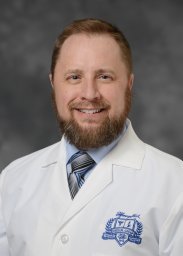 Clinton A. Brawner合作论文数Henry Ford Hospital149
 Steven J Keteyian合作论文数146
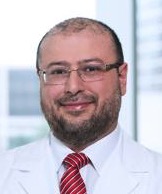 Mouaz Al-Mallah合作论文数Department of Cardiology, Houston Methodist;Academic Institute, Houston Methodist;Weill Cornell Medical College50
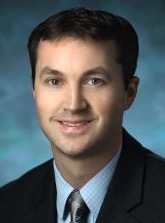 Michael J. Blaha合作论文数Division of Cardiovascular and Clinical Epidemiology, Department of Epidemiology, Bloomberg School of Public Health, The Johns Hopkins University;Division of Cardiology, Department of Medicine, The Johns Hopkins University School of Medicine47
 Dennis J. Kerrigan合作论文数39
 S. J. Keteyian合作论文数34
 Waqas Qureshi合作论文数Houston Methodist22
 John R. Schairer合作论文数18Matthew Saval合作论文数17
 Dardari Zeina A合作论文数Johns Hopkins Ciccarone Center for the Prevention of Heart Disease17
 David E. Lanfear合作论文数Center for Individualized and Genomic Medicine Research, Henry Ford Health;School of Medicine, Wayne State University;College of Human Medicine, Michigan State University17S. Keteyian合作论文数13Celeste T. Williams合作论文数13Yelena Selektor合作论文数11Heather Aldred合作论文数11
 Al Rifai Mahmoud合作论文数Bloomberg School of Public Health, Johns Hopkins University10Whelton Seamus P合作论文数Johns Hopkins Ciccarone Ctr Prevent Heart Dis10
 Sherif Sakr合作论文数King Saud bin Abdulaziz University for Health Sciences10Velez Mauricio合作论文数9
 Shafiq Ali合作论文数From the Cardiovascular Outcomes Research, Saint Luke's Mid America Heart Institute;University of Missouri-Kansas City;Busan Paik Hospital, University of Inje College of Medicine;The Aetna Foundation;Department of Medicine, University of Connecticut;University of Missouri-Kansas City, University of Connecticut9
 Amjad M. A. Ahmed合作论文数National Guard Health Affairs9
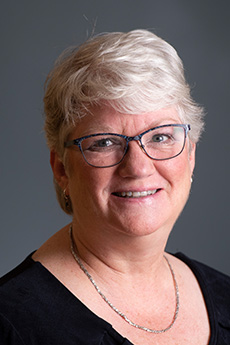 Diane Treat-Jacobson合作论文数School of Nursing, University of Minnesota9F. Fedel合作论文数9Bronsteen Kyle合作论文数8Edward L. Peterson合作论文数7Paul A. Mcauley合作论文数7Frank Fedel合作论文数6Crystal Grimshaw合作论文数6Christina Tita合作论文数6
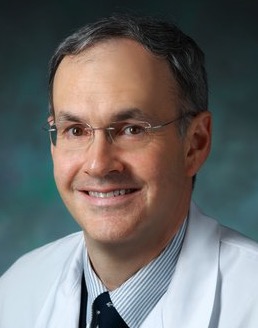 Roger S. Blumenthal合作论文数School of Medicine, The Johns Hopkins University;Ciccarone Center for the Prevention of Cardiovascular Disease, The Johns Hopkins University6
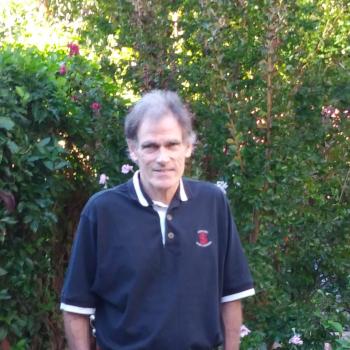 Jonathan N. Myers合作论文数Department of Medicine, Stanford University6
 Khurram Nasir合作论文数London School of Economics and Political Science;Weill Cornell Medical College, Cornell University;Academic Institute, Houston Methodist Hospital6
 Frank J Fedel合作论文数6Herbert D Aronow合作论文数5Raakesh Hassan合作论文数5Melissa A. VanZant合作论文数5Khaled Abdul-Nour合作论文数5Barry Lewis合作论文数5
 Kala Visvanathan合作论文数Epidemiology, Bloomberg School of Public Health, Johns Hopkins University5
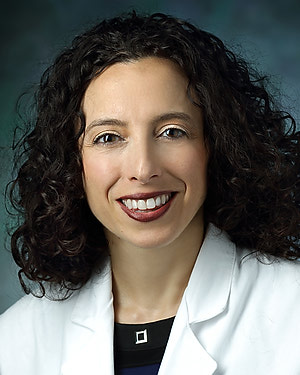 Erin Donnelly Michos合作论文数Division of Cardiology, School of Medicine, Johns Hopkins University;Department of Epidemiology, Bloomberg School of Public Health, Johns Hopkins University5
 Olusola A Orimoloye合作论文数American Heart Association Tobacco Regulation and Addiction Center5
 Philip Ades合作论文数Department of Neurological Sciences, Larner College of Medicine, The University of Vermont5Ahmed Haitham M合作论文数5Cristina Tita合作论文数5Arlene B. Levine合作论文数5T.Barry Levine, Md合作论文数5Kristin M. Ophaug合作论文数5Lois Lamerato合作论文数Department of Public Health Sciences, Henry Ford Health System5




