BACKGROUND:The role of surgery in the management of intestinal diffuse large B-cell lymphoma (DLBCL) remains controversial. The study aimed to investigate the efficacy of surgery and explore the prognostic factors for patients with intestinal DLBCL. METHOD:A total of 118 patients diagnosed with intestinal DLBCL who received systemic therapy from 2011 to 2020 were retrospectively enrolled. Patients were divided into the conservative treatment group and the surgical treatment group based on whether they underwent surgical intervention prior to systemic therapy. Propensity score matching (PSM) analysis was utilized to control the confounding factors. Survival and Cox regression analyses were performed to evaluate the long-term outcome and prognostic risk factors. RESULTS:Patients in the surgical treatment group had significantly higher progression-free survival (PFS) rates than patients who received conservative treatment (3-year PFS: 84.6% vs. 35.9%, p<0.001; 5-year PFS: 53.8% vs. 28.2%, p=0.021). The overall survival (OS) rates of the surgery group were also significantly higher than those of the conservative treatment group (3-year OS: 87.2% vs. 43.6%, p<0.001; 5-year OS: 56.4% vs. 30.8%, p=0.022). Surgical treatment was associated with a higher complete response rate and a lower disease progression/relapse rate (complete response rate: 87.2% vs. 53.8%, p=0.001; progression/relapse rate: 10.3% vs. 28.2%, p=0.044). Multivariate Cox regression analysis indicated that serum lactate dehydrogenase level and surgical intervention were independent prognostic factors for both PFS and OS, whereas bone marrow involvement was an independent prognostic factor for PFS. CONCLUSION:Combined surgical treatment manifested a better survival outcome than conservative treatment for patients with intestinal DLBCL. Serum lactate dehydrogenase level, bone marrow involvement, and surgical intervention are independent prognostic factors for survival.
To address F- contamination in drinking water and electrode performance prediction challenges in membrane capacitive deionization (MCDI), this study integrates experimental data with machine learning to systematically investigate MgO-doped carbon electrodes for F- removal. A dataset of 365 samples was compiled with eight input features, including F- concentration, current, flow rate, material calcination temperature, material composition, and coexisting ions. Average salt removal rate (ASRR) and specific energy consumption (SEC) for F- removal served as prediction targets. Among the four machine learning models evaluated-Gradient Boosting Regression (GBR), Linear Regression (LR), Random Forest Regression (RFR), and Extra Trees Regression (ETR)- GBR demonstrated the highest prediction accuracy and strongest generalization ability. On the test set, the determination coefficients (R2) of the GBR model for ASRR and SEC were 0.871 and 0.739, respectively, and the RMSE values were 0.0050 and 0.0125. In 5-fold cross-validation, the GBR model achieved coefficients of determination R2 = 0.939 and R2 = 0.705 for ASRR and SEC. Furthermore, SHAP values and partial dependence plots (PDP) were employed to interpret the optimized GBR model and elucidate the influence of operating parameters on F- removal performance. Results demonstrated that current is the primary positive driver for ASRR and SEC, while SO4 2-and HCO3 -exert significant inhibitory effects on ASRR, and F- concentration and flow rate significantly inhibit SEC. This study developed a predictive model for MCDI defluorination performance, elucidating key performance-determining factors for MgO-doped electrodes in complex hydrochemical environments, providing theoretical insights and data-supported guidance for electrode design and process optimization.
Objective To investigate anxiety and depression status in slow transit constipation (STC) patients and the alteration of psychological status after surgery, and to find the relationship between constipation and psychological status. Methods A total of 63 STC patients who received total abdominal colectomy with ileorectal anastomosis (TAC-IRA) were selected. Defecation function, psychological status and quality of life of patients were collected by questionnaires before surgery and 6 months after surgery. Defecation function was evaluated by Wexner score; psychological status was evaluated by self-rating anxiety scale (SAS) and self-rating depression scale (SDS). gastrointestinal quality of life index (GIQLI) was used to evaluate the quality of life. Results There were 42.9% and 57.1% of STC patients in different degrees of anxiety and depression before surgery, and the proportions decreased to 21.6% (p = 0.048) and 54.1% (p = 0.341) after surgery, respectively. Through paired sample T test, Wexner score (p < 0.001) and SAS score (p = 0.0095) were significantly decreased, GIQLI score was significantly increased(p < 0.001). SAS score showed a positive correlation with Wexner score before and after surgery, SDS score showed a positive correlation with Wexner score before surgery, while GIQOL score and Wexner score showed a negative correlation before and after surgery, and all correlation above was statistically significant. Conclusion The severity of constipation is closely related to anxiety, depression. Patients' defecation function, quality of life, anxiety and depression were significantly improved after effective surgical treatment.
A novel hybrid semimembrane capacitive deionization (SM-MCDI) system is proposed for the efficient degradation of anionic dye wastewater. Unlike conventional membrane capacitive deionization (MCDI), the SM-MCDI device employs a single cation exchange membrane (CEM) positioned on the cathode side, enabling the direct enrichment of anionic dyes on the anode surface while maintaining charge efficiency. Iron oxide-loaded carbon felt electrodes were used to enhance dye enrichment and catalytic activity. The SM-MCDI system was coupled with peroxymonosulfate (PMS) to promote the in situ oxidative degradation of Congo Red (CR). The effects of the applied voltage, PMS dosage, pH, dye concentration, and coexisting salt ions on CR removal were systematically evaluated. Under optimal conditions (1.2 V, pH 7, 500 mg/L PMS, flow rate of 3 mL/min), 80.84% of 100 mg/L CR was removed within 15 min. Chloride and dihydrogen phosphate ions slightly inhibited CR removal, whereas bicarbonate promoted degradation. Electron paramagnetic resonance analysis confirmed that sulfate radicals (SO4 -), singlet oxygen (1O2), and hydroxyl radicals (OH) were the dominant reactive species. This study demonstrates that the SM-MCDI-PMS strategy enables effective dye degradation and simultaneous salt removal, offering a promising approach for treating complex dye wastewater.
Flow electrode capacitive deionization (FCDI) showed significant potential for brackish water and seawater desalination owing to its continuous operation, low energy consumption. The collector was a key component controlling the flow characteristics of the flow electrode in the FCDI system. It governed residence time, ion migration distance, and charge transfer efficiency by influencing the depth of the current collectors. Therefore, we investigated the effect of flow electrode chamber channel depth on charge transfer and desalination capacity in a short-circuited closed-cycle (SCC) FCDI stack featuring a single desalination channel FCDI through systematic experiments and computational fluid dynamics (CFD) simulations. Experimental results showed that optimal balance between electron transport pathways and flow characteristics occurs at a channel depth of 1.0 mm. This condition produced the highest average salt removal rate (0.789 mu mol cm- 2 min- 1) and the lowest specific energy consumption (0.114 J mu mol- 1). Furthermore, we designed an innovative FCDI device featuring asymmetric flow channel depths in the current collectors. The study confirmed that the channel depth on the anode side predominantly controls overall charge transfer. This study elucidates optimization strategies for flow electrode channel depth within the fluid collection system and reveals the anode's bottleneck role in the FCDI charge transfer process, especially in asymmetric structures. In other arrangements like the short-circuited singlecycle (SCSC) mode, which typically involves dual desalination channels and distinct ion migration pathways, the charge transfer dynamics and consequently the optimal geometric parameters may differ. These findings provide a theoretical basis and design guidelines for developing high-performance FCDI devices.
Cell therapy and oncolytic viruses have emerged as promising cancer treatments but face significant challenges in solid tumors due to immune suppression and gene-related toxicities. Here, we selected a probiotic Lactobacillus rhamnosus (LR) that appears to exert oncolytic activity by inducing massive calcium influx, which subsequently triggers a lethal ROS burst in tumor cells. To reduce systemic toxicity and enhance oncolytic efficacy at the tumor site, we designed molecular pili (MP) targeting collagen-rich solid tumors and modified them into LRs via chemical coupling (LR@MP). In mouse models of colorectal cancer and melanoma, LR@MP increased intratumoral accumulation by two times and enhanced bacterial clearance from peripheral tissues. At a safe dose of 4 × 10⁵ CFU, LR@MP inhibited 60%-80% of tumor growth. This dual-optimization strategy provides a new approach for next-generation in vivo therapies and warrants further preclinical evaluation.
This study successfully developed a novel dual-cathode flow electrode capacitive deionization (DC-FCDI)/peroxymonosulfate (PMS) coupled system for simultaneous tetracycline (TC) degradation and removal of PMS reaction byproduct ions. The system integrates a high-performance Prussian blue analogue-modified carbon cloth (PBA-CC) as a dedicated inner-circuit reaction cathode with external flowing electrodes responsible for continuous ion migration and desalination. The PBA-CC plays a pivotal role in the coupled system by providing abundant redox-active Fe/Co sites and nitrogen-containing functional groups, which enable efficient PMS activation through mixed-valence Fe(II)/Fe(III) and Co(II)/Co(III) cycling under the applied electric field. Besides, the PBA-CC also facilitates localized electron transfer and transient cation accumulation at the electrode/influent interface, thereby enhancing PMS utilization efficiency and alleviating the competition between pollutant degradation and ion removal. Mechanistic studies, via quenching experiments and EPR tests, identified SO4 center dot- , center dot OH, O2 center dot- , and 1O2 as key reactive oxygen species. Crucially, the system exhibited excellent long-term operational stability over five cycles, maintaining high removal rates for both TC (72.3%) and ions (40.7%). In summary, this innovative DC-FCDI/PMS system offers a highly effective, stable, and energy-efficient solution for simultaneous organic pollutant degradation and byproduct ion desalination, presenting a promising advance in sustainable water treatment technologies.
Colorectal cancer (CRC) metastasis requires coordination between tumor-intrinsic programs and the surrounding microenvironment, yet how proteasomal regulation intersects with the epitranscriptome in this process remains unclear. Here, analyses of TCGA, GEO, and an institutional cohort of 146 CRC patients identified PSMC5 upregulation as associated with metastatic progression and poor prognosis. Mechanistically, PSMC5 promoted SMURF1-dependent K11-linked ubiquitination of METTL14 at K263, leading to METTL14 destabilization, global m⁶A remodeling, and activation of EMT-associated malignant phenotypes. Rescue experiments further supported METTL14 as a functional downstream effector of PSMC5. Integrative single-cell, spatial transcriptomic, and multiplex immunofluorescence analyses showed that PSMC5-high epithelial states were associated with spatially organized "regulatory islands," defined here as PSMC5-high epithelial nests with peripheral Treg and M2 enrichment together with relative CD8⁺ T-cell exclusion. In vivo, SMURF1 silencing restored METTL14 expression and attenuated PSMC5-driven tumor growth and lung metastasis. Collectively, these findings define a PSMC5/SMURF1/METTL14 axis that links proteasomal regulation to epitranscriptomic remodeling and metastatic progression in CRC, and identify this pathway as a candidate therapeutically actionable axis.
Natural brackish water bodies constitute complex mixtures. Accordingly, the production of high-quality drinking water from such sources necessitates the concurrent removal of salts and natural organic matter (NOM). A dualanode circuit system (DA-FCDI) was developed by integrating electrochemical oxidation with flow-electrode capacitive deionization (FCDI). This dual-circuit configuration enables modulation of both desalination and electrochemical oxidation performances, while simultaneously regulating the charge and energy distribution between these two processes. At the same time, it was found that an increase in voltage difference between the internal and external circuits is beneficial for the degradation of organic matter. Furthermore, I- /I3- redox electrolytes were employed to expand the voltage window, thereby overcoming the voltage threshold limitation of the DA-FCDI system and enhancing its overall performance. When the applied voltage is 1.2 V - 1.8 V, ASRR and ATRR are 0.059 mu mol cm- 2 min- 1 and 0.34 mu g cm- 2 min- 1, respectively, and the specific energy consumption is only 0.052 kWh/m3.Compared to other technologies, this FCDI and electrochemical oxidation integrated device significantly reduces the consumption of chemical agents and simplifies the process flow. More importantly, while improving economic efficiency, it endows the system with high adaptability and controllability to different water qualities. This study breaks through the bottleneck of traditional single technology that cannot regulate and remove salt and organic matter separately.
In recent years, with the advancement of computer science, artificial intelligence (AI) technology has developed rapidly and achieved extensive application results in the medical field. Currently, AI covers the entire perioperative management process in gastrointestinal surgery, including preoperative early diagnosis, individualized assessment, and assisted decision-making; intraoperative surgical planning guidance and precise surgical assistance; postoperative comprehensive treatment support and prognosis evaluation; as well as the development of smart operating rooms. AI significantly reduces the workload of clinicians, improves operational efficiency, and facilitates precise and personalized treatment for patients with gastrointestinal diseases. However, the lack of standardized and systematic AI models, along with associated ethical risks, remains challenges that require further resolution.
Colorectal cancer (CRC) is a globally prevalent malignancy with high mortality rates. Cancer-associated fibroblasts (CAFs) are crucial in CRC progression and therapeutic response. This study systematically screened 22 CAF-related prognostic genes using single-cell and spatial transcriptomics analysis. By integrating 101 combinations of 10 machine learning algorithms, we developed and validated a comprehensive predictive model (CRPS) based on large-scale public and in-house datasets (1,541 patients in total), which exhibited superior prognostic predictability compared to 58 existing CRC prognostic models. CRPS score not only effectively evaluates biological functions, immune infiltration, and gene mutation levels, but also serves as a valuable tool for predicting immunotherapy efficacy in various cohorts (478 patients in total). In-house single-cell and spatial transcriptomics data, microarray cohort analysis, and experimental validation revealed that model key gene HSPB1 is closely associated with malignant transformation and subtype conversion of CAFs. In vitro and in vivo experiments further demonstrated that HSPB1-overexpressing CAFs enhance tumor cell malignancy, underscoring the therapeutic promise of targeting the HSPB1–CAF axis in CRC.
BACKGROUND:An increasing number of medical professionals are choosing to use totally laparoscopic total gastrectomy (TLTG) as a treatment option for gastric cancer. However, the optimal reconstruction method is still under debate. The objective of this study is to evaluate the immediate results of 2 intracorporeal esophagojejunostomy techniques: overlap (isoperistaltic side-to-side) (O) and pi-shaped (π) (anisoperistaltic side-to-side) anastomosis. METHODS:Hospital records of 110 patients who underwent esophagojejunostomy (group O, n=65 or group π, n=45) after TLTG from January 2016 to December 2019 were retrospectively reviewed. The demographic and clinicopathologic characteristics, along with the surgical and pathologic results, were recorded, compared, and evaluated for immediate impacts. RESULTS:The demographic characteristics of the 2 groups exhibited no significant disparities. Moreover, there were no statistically notable differences in tumor size, lymph node count, or TNM stage between the 2 groups. All surgeries were successfully completed without any complications or need for conversion to laparotomy, and there were no occurrences of postoperative mortality. In addition, there were no statistically significant variances between the 2 groups in terms of total operation time, estimated blood loss, time to first flatus, or length of postoperative hospital stay. Time for esophagojejunostomy, however, was statistically significantly shorter in group π than in group O (27.4±5.2 vs. 36.7±5.0 min) ( P <0.001). No statistically significant difference was found between the 2 groups with regard to postoperative complications: 5 grade I, 6 grade II, and 1 grade IIIa in group O (n=12) versus 5 grade I, 3 grade II, 2 grade IIIa, and 1 grade IIIb in group π (n=11). At 6-month endoscopy and oral water-soluble contrast medium follow-up, no anastomotic complication was noted. CONCLUSIONS:The π anastomosis is feasible, safe, with the need for fewer cartridges and is eventually a time-saving procedure for esophagojejunostomy with no hand-sewing involved. In this study, both methods have shown favorable short-term results in the treatment of gastric cancer.
UV and FTIR spectroscopy combined with 2DCOS reveal that the binding sequence of GA with Cr3+ is meta-hydroxyl groups → carboxyl groups → para-hydroxyl groups.
The interaction between immune cells, particularly macrophages, and tumor cells plays a pivotal role in cancer progression. Single-cell RNA sequencing is conducted on 51 colorectal cancer (CRC) samples to identify senescence-associated macrophages (SAMs) orchestrating tumor-stroma crosstalk. Mechanistically, PLAU/PLAUR mediates bidirectional communication between SAMs and CRC cells by activating NF-kappa B signaling through NFKBIA phosphorylation, thereby promoting CRC proliferation, metastasis, and heterogeneity. Multi-color immunofluorescence staining validates the role of PLAU in regulating cellular senescence and immune infiltration. Finally, the study engineers the siPLAU gene-patch based on Poly(amidoamine), modified with oxidized methacrylic acid-modified hyaluronic acid and photo-crosslinking. In vitro, the siPLAU gene-patch significantly suppresses CRC progression by downregulating NF-kappa B/EMT signaling. In vivo, the siPLAU gene-patch effectively inhibits orthotopic tumor growth and lung metastasis while significantly enhancing the infiltration of CD4+/CD8+ T cells, IFN-gamma+ cytotoxic T cells, and M1 macrophages, thereby improving the efficacy of immunotherapy. This study highlights the substantial potential of impeding senescence-associated targets for CRC therapy.
In the field of peroxymonosulfate (PMS)-based advanced oxidation processes within homogeneous systems, secondary pollution due to the presence of transition metal ions in effluents has become a major concern. In this study, we constructed a multi-chamber electrochemical device (C-MCED) and composed it into C-MCED/Fe(III)/ PMS system, designed with multi-layered membrane structures that confine Fe(III) within a separate chamber. Fe (III) ions were reduced to Fe(II) at the cathode through electron transfer, with directional migration controlled by an electric field. This configuration achieves a dual-cycle process, facilitating both oxidation-reduction and release-recovery of Fe(II). The C-MCED/Fe(III)/PMS system exhibits stable degradation efficiency. Over prolonged operation, the system achieved a 94.05 % removal efficiency for metronidazole (MNZ) within 210 min. By reversing the electric field to use iron ions in the treatment solution as a source of iron ions, the MNZ removal efficiency of subsequent batches of wastewater can reach 84.76 %, and the iron ion concentration in the original treatment solution has decreased by 56.18 %. In addition, this system is capable of degrading 45.17 % of MNZ in MVR mother liquor within 3 h. By controlling the ion migration path of the C-MCED device and exploring its operation mechanism, it was found that balancing the regeneration rate and release rate of Fe(II) is the key to improving the system's charge efficiency and degradation efficiency. This innovative Fe(II)/PMS-based degradation system offers a promising solution for improving effluent quality and recycling Fe ions in antibiotic wastewater treatment.
The safety and efficacy of neoadjuvant FLOT (Fluorouracil, Leucovorin, Oxaliplatin, Docetaxel) and DOS (Docetaxel, Oxaliplatin, S-1) regimens for locally advanced gastric cancer (LAGC) have not been compared. Patients with histologically confirmed LAGC (stage ≥ cT3 or cN + , no metastasis) treated between 2017–2021 were retrospectively included and propensity-matched into FLOT (4 cycles, n = 72) and DOS (3 cycles, n = 72) groups. Outcomes included RECIST response, grade 3/4 adverse events, surgical/pathological results, and R0 resection rates, and long-term survival (overall survival [OS] and progression-free survival [PFS]). RECIST response rates were 41.7
In order to address the issue of system contamination caused by the treatment of copper ions(Cu2+)wastewater using electrochemical technology,which leads to poor system stability,this paper focused on the pollution characteristics of the system during the removal of Cu2+by flow electrode capacitive deionization(FCDI),and explored the influence mechanism of key parameters such as applied voltage,inlet Cu2+concentration,flow electrode velocity,and inlet water quality on the Cu2+removal performance of the system.The results show that under the conditions of an applied voltage of 0.8 V,an influent Cu2+concentration of 50 mg/L,and a flowing electrode flow rate of 1.2 mL/min,the Cu2+removal rate reaches 56.22%,the charge efficiency is 90%,and the copper removal rate is 0.03 μmol/(cm2·min).At the same time,the continuous operation stability of the flow electrode system under different cycling modes is investigated,and the pollution characteristics of the ion exchange membrane and activated carbon electrode are analyzed.The results indicate that the flow electrode exhibits significant advantages in copper ion removal under the single cycle(SC)mode,and the membrane and electrode exhibit the lowest level of pollution.This study provides important reference for the application of FCDI technology in heavy metal removal.
A membrane capacitive deionization (MCDI) system coupled with peroxymonosulfate (PMS) oxidation was developed for the synchronous removal of salts and tetracycline (TC) from saline wastewater. A magnetic carbon electrode (MAC-ns) was synthesized via pyrolysis of ammonium iron oxalate and activated carbon. The carbon matrix facilitated ion adsorption, while iron compounds enabled PMS activation for oxidative TC degradation. Under optimal conditions (Fe:C = 1:1, PMS = 15 mg, TC = 30 mg/L, NaCl = 0.5 g/L), the system achieved a salt adsorption capacity of 26.7 mg/g and a 75.9% TC removal rate. Quenching and electron paramagnetic resonance experiments confirmed that both free radicals (center dot SO4 -, center dot OH, center dot O2 -) and nonradical 1O2 contributed to TC degradation. Liquid chromatography-mass spectrometry and toxicity evaluation indicated reduced developmental toxicity and mutagenicity of degradation byproducts. The MAC-ns electrode also exhibited good electrochemical performance and superparamagnetism. This study demonstrates a low-cost, efficient, and magnetically responsive system for treating complex saline organic wastewater.
 Minhua Zheng (郑民华)合作论文数Ruijin Hospital, Shanghai Jiao Tong University School of Medicine218
 Lu Zang (臧潞)合作论文数Ruijin Hospital, Shanghai Jiao Tong University School of Medicine117
 Aiguo Lu (陆爱国)合作论文数School of Medicine, Shanghai Jiao Tong University110
 Bo Feng (冯波)合作论文数Ruijin Hospital, Shanghai Jiao Tong University School of Medicine99
 Mingliang Wang (王明亮)合作论文数Shanghai Jiaotong University School of Medicine70
 Feng Dong合作论文数66
 Jianwen Li (李健文)合作论文数School of Medicine, Shanghai Jiao Tong University64
 Jing Sun (孙晶)合作论文数Ruijin Hospital, School of Medicine, Shanghai Jiao Tong University51
 Weiguo Hu (胡伟国)合作论文数Ruijin Hospital, Shanghai Jiao Tong University School of Medicine44Yaping Zong (宗雅萍)合作论文数37ZiRui He合作论文数36Pei Xue合作论文数34Luyang Zhang合作论文数32Libin Ji合作论文数29
 Chun Liu (刘春)合作论文数School of Environmental Science and Engineering, Hebei University of Science and Technology28ZhiHai Mao (毛志海)合作论文数24
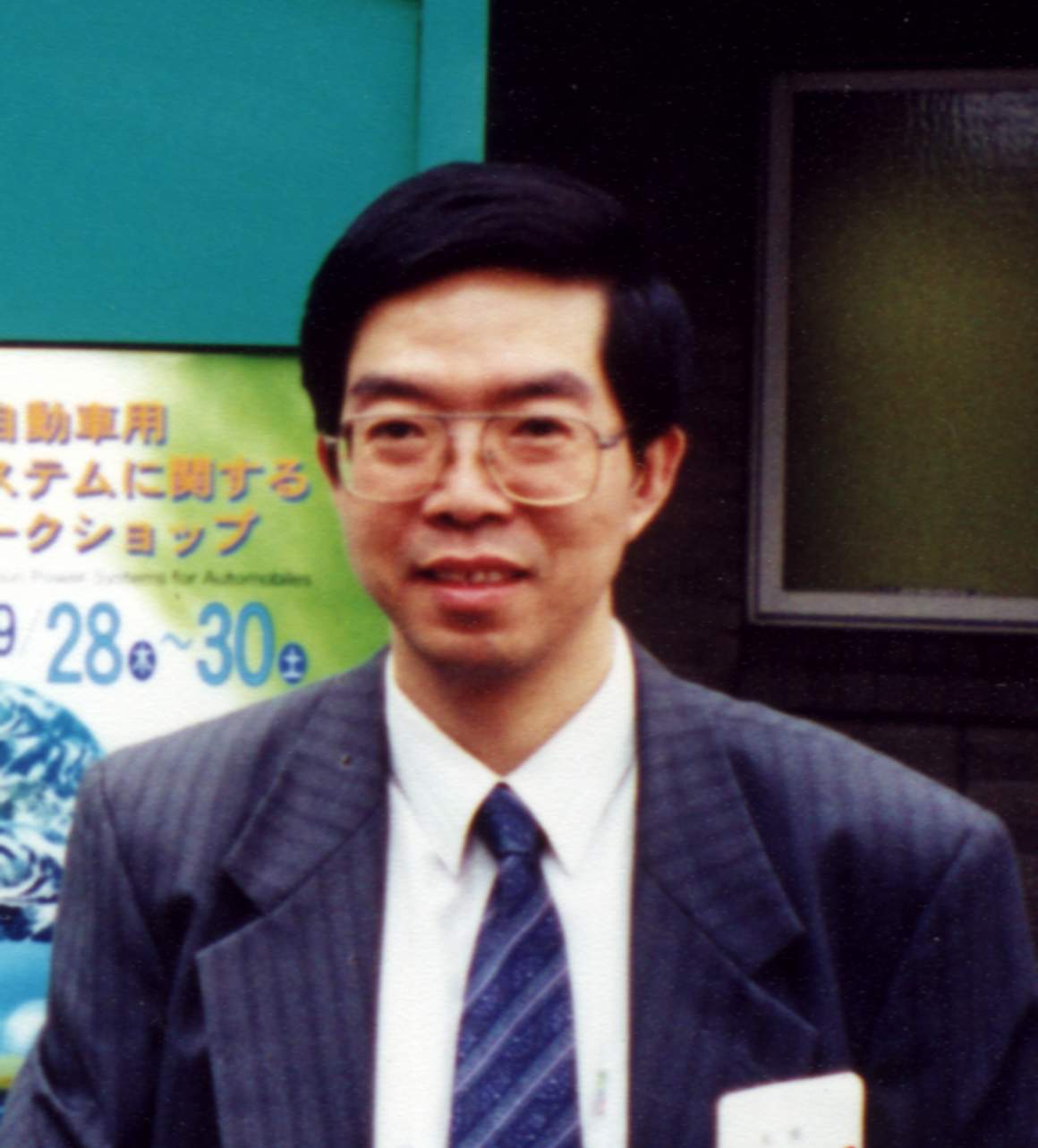 Zhen Huang (黄震)合作论文数Institute of Advanced Energy and Powertrain Technology, School of Mechanical Engineering, Shanghai Jiao Tong University24Jianrui Niu合作论文数23Shuchun Li合作论文数23Zhenghao Cai合作论文数22Jing ZHANG (张静)合作论文数22Hiju Hong合作论文数21
 Xingcai Lu (吕兴才)合作论文数School of Mechanical Engineering, Shanghai Jiao Tong University21
 Yang Xiao合作论文数19XiZhou Hong (洪希周)合作论文数19Xuan Zhao合作论文数15Zhao Jingkun合作论文数15
 Situ Mu合作论文数14
 Bing-Ya Liu (刘炳亚)合作论文数Ruijin Hospital, Shanghai Jiao Tong University School of Medicine13Ruijun Pan合作论文数12
 Sen Zhang (张森)合作论文数Institute of Materia Medica, Chinese Academy of Medical Sciences & Peking Union Medical College12LinCheng Zhou (周林成)合作论文数11Yanfei Shao合作论文数10
 Xialin Yan (严夏霖)合作论文数10YanYan Hu (胡艳艳)合作论文数10Xiongzhi Wangpu合作论文数10Ling Huang合作论文数Ruijin Hospital, School of Medicine, Shanghai Jiao Tong University9
 Hao Feng合作论文数8
 Batuer Aikemu合作论文数School of Medicine, Shanghai Jiao Tong University8Chengsheng Ding合作论文数8Chaoran Yu合作论文数8
 Minghao Yu合作论文数Faculty of Chemistry and Food Chemistry, Technische Universität Dresden8Shao Yanming合作论文数8
 Peng Liang (梁鹏)合作论文数School of Environment, Tsinghua University8Leqi Zhou合作论文数7Xiaoju Wang合作论文数7RuiNa Zhang (张瑞娜)合作论文数7
 Shi-Qing Man合作论文数7




