The intuitive challenge in combining ferroelectric and thermoelectric materials lies in their diametrically opposed electrical conductivity requirements. As a narrow-band-gap semiconductor with spontaneous ferroelectric distortion, GeTe serves as an ideal paradigm for investigating the interplay between ferroelectricity and thermoelectricity, yielding novel strategies for synergistically optimizing the electrical and thermal transport properties of thermoelectric materials. In this work, a non-equimolar (2:3) In3+/Se2- alloying strategy was implemented to deliberately introduce Ge vacancies in GeTe under an electrical neutrality condition. As a stronger perturbation to both lattice periodicity and local charge neutrality, Ge vacancies can effectively induce relaxor ferroelectricity in GeTe and thus broaden the temperature window of its minimum thermal conductivity. Combining the unique role of Ge vacancies in stabilizing the cubic phase of GeTe, a broadened temperature range of optimized electrical transport performance was simultaneously realized. Ultimately, a trade-off between electrical and thermal transport properties in an extended temperature range was achieved in (GeTe)1-2 x(In2Se3)x (x = 0.02-0.04) samples, yielding an optimized average zT value exceeding 1.0 within 330-625 K.
Ti doping drives a p-to-n transition and distinct mobility responses in Bi 0.5 Sb 1.5− x Ti x Te 3 , with Ti-derived resonant scattering dominating the additional electron scattering, highlighting dopant-induced scattering in low-temperature optimization.
The nominal compounds GeBi4 X 7 and GeBi6 X 10 (X = Se, Te) exhibit pronounced cation disorder, posing challenges in achieving single-phase materials at their nominal stoichiometries and thereby complicating functional optimization. In this work, through controlled cation composition regulation, we successfully synthesize single-phase compounds derived from nominal GeBi4Te7 and GeBi6Te10, eliminating the secondary phases previously reported in these compounds. The actual stoichiometries of these single phases are determined to be Ge0.75Bi4.25Te7 and Ge0.65Bi6.35Te10, respectively. Additionally, two isostructural single-phase compounds are discovered in the Se-based counterparts, with actual compositions of Ge0.72Bi4.28Se7 and Ge0.62Bi6.38Se10. Rietveld refinement analyses reveal that the cation layers adjacent to the van der Waals gaps are preferentially occupied by Bi, whereas cation disorder predominantly arises in the central mixed-cation layer within the GeBi2 X 4 stack. This layer-selective preference, combined with cation disorder enabled by the nearly identical electronegativities of Ge and Bi, drives the overall stoichiometry toward the Bi-rich regime. With respect to thermoelectric properties, the complex-stacking single-phase materials derived from nominal GeBi4 X 7 and GeBi6 X 10 show distinct advantages over the simple-stacking GeBi2 X 4 counterparts and conventional Bi2 X 3 matrices. Experimental results indicate that the incorporation of additional Bi2 X 3 stacks markedly enhances phonon scattering and reduces the lattice thermal conductivity, while exerting minimal impact on carrier mobility. Of particular significance, the single-phase material Ge0.65Bi6.35Te10 derived from nominal GeBi6Te10 achieves a remarkably low lattice thermal conductivity of similar to 0.35 W m-1 K-1 and a dimensionless thermoelectric figure of merit of similar to 0.62 at 525 K. Predictions based on the single parabolic band model indicate a substantial potential for improving the thermoelectric performance of Ge0.65Bi6.35Te10 through the optimization of carrier concentration, suggesting that this compound represents a promising alternative to the traditional Bi2Te3 matrix.
Layered GeBi2Se4 exhibits pronounced anisotropic thermoelectric properties, yet its Seebeck coefficient is constrained by a low density of states effective mass. In this work, by capitalizing on its structural anisotropy through the growth of high-quality single crystals, we demonstrate superior thermoelectric performance along the c-axis compared to the ab-plane. Subsequent Te alloying at the Se site induces band convergence, increasing the density of states effective mass near the Fermi level, while simultaneously enhancing phonon scattering through mass and strain fluctuations. Coupled with optimized carrier concentration via Bi doping, these synergistic effects yield a peak zT of ∼0.9 at 675 K along the c-axis in n-type Ge0.92Bi2.08Se2.4Te1.6 single crystals, representing enhancements of ∼280% and ∼160% over pristine polycrystalline and single-crystalline GeBi2Se4, respectively. Our work underscores the potential of engineering anisotropy in single-crystal IV-V-VI chalcogenides for high-performance thermoelectrics.
GeTe is an exceptional thermoelectric material characterized by its intrinsically high power factor, which not only reflects the integrated quality of electronic transport but also determines the output power of practical thermoelectric devices. To optimize the thermoelectric performance of GeTe, it is essential to reduce its high carrier concentration and thermal conductivity, challenges that are often approached at the expense of power factor degradation. In this work, we demonstrate the synergistic effects of multielement doping to balance the electrical and thermal properties of GeTe, guaranteeing both a high power factor and reduced thermal conductivity. The substitution of 5 at.% Bi for Ge effectively optimizes the carrier concentration, the doping of 1 at.% Y enhances the Seebeck coefficient by increasing the electronic density of states effective mass, and the incorporation of 1.6 at.% Cu reduces the lattice thermal conductivity from 2.39 W m-1 K-1 of pristine GeTe to 0.98 W m-1 K-1 by further refining and densifying the domain structures. As a result, an impressive power factor of 48.6 mu W cm-1 K-2 at 648 K and a remarkable zT value of similar to 2.4 at 625 K are achieved in Ge0.9 4 Bi0.05 Y0.01 Cu0.016 Te, and the corresponding average zT exceeds 1.5 across the measured temperature range of 323-773 K, highlighting the significant potential of lead-free GeTe-based materials for advanced thermoelectric applications. (c) 2026 Published by Elsevier Ltd on behalf of The editorial office of Journal of Materials Science & Technology.
Vacancy-filling Heusler alloys serve as an effective structural bridge between conventional half-Heusler and full-Heusler alloys, expanding the compositional and structural diversity of the Heusler family. However, the partial vacancy filling, combined with multiatomic components, naturally induces occupational disorder, posing challenges to the formation of highly crystalline Heusler compounds. In this study, we experimentally observe the atomic occupation ordering in Slater-Pauling semiconductors MRu1.5Sb (M = Ti, Zr, Hf), where the insufficient Ru atoms adopt a modulated distribution over an excess of available crystallographic sites. Specifically, Ru selectively occupies the 4c and 4d Wyckoff positions, which not only disrupts the local symmetry of these sites but also gives rise to an ordered supercell structure composed of eight conventional unit cells, i.e., a superstructure. Interestingly, the lighter TiRu1.5Sb exhibits a less pronounced occupational ordering compared to the heavier ZrRu1.5Sb and HfRu1.5Sb, resulting in anomalously low lattice thermal conductivity in TiRu1.5Sb. This distinctive interplay between structural ordering and thermal transport offers additional flexibility for vacancy-filling Heuslers in thermoelectric applications.
Within a unified thermoelectric description, the Peltier and Thomson effects essentially involve changes in electronic entropy along the electron transport pathway, manifested as a spatial gradient in the Seebeck coefficient (∇xS). The former originates from the chemical potential gradient and the latter from the temperature gradient. However, the Thomson effect is usually negligible for a conventional thermoelectric device because ∇xS across the operating temperature range is typically small. This work proposes an extended figure of merit (zextended) considering the electronic entropy change throughout the bulk thermoelectric material, which originates from the total ∇S with respect to all relevant independent variables, including but not limited to temperature (T), chemical potential (μ), magnetic field (B), and others. Experimentally, the electronic entropy change was realized by spatially grading chemical potential in a compositionally graded n-type Bi2Te2.7Se0.3 single-leg device, resulting in nonreciprocity in thermoelectric cooling with respect to the electric current direction. By aligning the direction of ∇xμ with that of the electric current, nonreciprocal thermoelectric cooling yields a 10% improvement in the maximum temperature span (ΔTmax) compared to the cooler without nonreciprocity. Moreover, this work reveals a trade-off between maximizing additional heat absorption and preserving the optimal zT, providing a refined approach to cooling enhancement using graded materials. The strategy of nonreciprocal thermoelectric cooling can, in principle, be applied to any dopable material, introducing new degrees of freedom to improve thermoelectric cooling.
Abstract The nominal compounds GeBi4X7 and GeBi6X10 (X = Se, Te) exhibit pronounced cation disorder, posing challenges in achieving single-phase materials at their nominal stoichiometries and thereby complicating functional optimization. In this work, through controlled cation composition regulation, we successfully synthesize single-phase compounds derived from nominal GeBi4Te7 and GeBi6Te10, eliminating the secondary phases previously reported in these compounds. The actual stoichiometries of these single phases are determined to be Ge0.75Bi4.25Te7 and Ge0.65Bi6.35Te10, respectively. Additionally, two isostructural single-phase compounds are discovered in the Se-based counterparts, with actual compositions of Ge0.72Bi4.28Se7 and Ge0.62Bi6.38Se10. Rietveld refinement analyses reveal that the cation layers adjacent to the van der Waals gaps are preferentially occupied by Bi, whereas cation disorder predominantly arises in the central mixed-cation layer within the GeBi2X4 stack. This layer-selective preference, combined with cation disorder enabled by the nearly identical electronegativities of Ge and Bi, drives the overall stoichiometry toward the Bi-rich regime. With respect to thermoelectric properties, the complex-stacking single-phase materials derived from nominal GeBi4X7 and GeBi6X10 show distinct advantages over the simple-stacking GeBi2X4 counterparts and conventional Bi2X3 matrices. Experimental results indicate that the incorporation of additional Bi2X3 stacks markedly enhances phonon scattering and reduces the lattice thermal conductivity, while exerting minimal impact on carrier mobility. Of particular significance, the single-phase material Ge0.65Bi6.35Te10 derived from nominal GeBi6Te10 achieves a remarkably low lattice thermal conductivity of ∼0.35 W m–1 K–1 and a dimensionless thermoelectric figure of merit of ∼0.62 at 525 K. Predictions based on the single parabolic band model indicate a substantial potential for improving the thermoelectric performance of Ge0.65Bi6.35Te10 through the optimization of carrier concentration, suggesting that this compound represents a promising alternative to the traditional Bi2Te3 matrix.
The thermoelectric performance of GeTe is critically governed not only by the choice of dopant but also by the pathway through which it is introduced. Herein, we systematically compare three distinct Cu introduction routes in a Ge0.95Bi0.05Te matrix: direct Cu doping, BaCu2Te2 alloying, and BaCu2Te2 compositing. All three approaches effectively reduce the excessively high hole concentration, thereby decreasing electrical conductivity and increasing the Seebeck coefficient. However, they exhibit markedly different regulation mechanisms. Direct Cu doping achieves the most pronounced reduction in carrier concentration and optimizes carrier mobility but yields only a moderate improvement in the dimensionless thermoelectric figure of merit zT (∼1.86) due to limited phonon scattering. In contrast, the compositing strategy allows limited Cu diffusion into the matrix, while Ba induces additional Ge vacancies that partially compensate for the carrier reduction. The secondary phase introduces strong carrier scattering, suppressing carrier mobility, and also significantly enhances the density-of-states effective mass and reduces lattice thermal conductivity. Consequently, the Ge0.95Bi0.05Te + 2.0 wt % BaCu2Te2 composite attains a peak zT exceeding 2.0 at 623 K. BaCu2Te2 alloying exhibits intermediate behavior, with more Cu incorporation and stronger vacancy compensation, also achieving a zT near 2.0. This work demonstrates that the Cu introduction pathway dictates the balance between carrier concentration modulation, mobility preservation, effective mass enhancement, and phonon scattering, providing a paradigm for synergistically integrating doping and secondary-phase engineering in GeTe-based thermoelectrics.
Vacancy-filling Heusler alloys serve as an effective structural bridge between conventional half-Heusler and full-Heusler alloys, expanding the compositional and structural diversity of the Heusler family. However, the partial vacancy filling, combined with multiatomic components, naturally induces occupational disorder, posing challenges to the formation of highly crystalline Heusler compounds. In this study, we experimentally observe the atomic occupation ordering in Slater-Pauling semiconductors MRu1.5Sb (M = Ti, Zr, Hf), where the insufficient Ru atoms adopt a modulated distribution over an excess of available crystallographic sites. Specifically, Ru selectively occupies the 4c and 4d Wyckoff positions, which not only disrupts the local symmetry of these sites but also gives rise to an ordered supercell structure composed of eight conventional unit cells, i.e., a superstructure. Interestingly, the lighter TiRu1.5Sb exhibits a less pronounced occupational ordering compared to the heavier ZrRu1.5Sb and HfRu1.5Sb, resulting in anomalously low lattice thermal conductivity in TiRu1.5Sb. This distinctive interplay between structural ordering and thermal transport offers additional flexibility for vacancy-filling Heuslers in thermoelectric applications.
ABSTRACT Layered GeBi 2 Se 4 exhibits pronounced anisotropic thermoelectric properties, yet its Seebeck coefficient is constrained by a low density of states effective mass. In this work, by capitalizing on its structural anisotropy through the growth of high‐quality single crystals, we demonstrate superior thermoelectric performance along the c‐axis compared to the ab‐plane. Subsequent Te alloying at the Se site induces band convergence, increasing the density of states effective mass near the Fermi level, while simultaneously enhancing phonon scattering through mass and strain fluctuations. Coupled with optimized carrier concentration via Bi doping, these synergistic effects yield a peak zT of ∼0.9 at 675 K along the c‐axis in n‐type Ge 0.92 Bi 2.08 Se 2.4 Te 1.6 single crystals, representing enhancements of ∼280% and ∼160% over pristine polycrystalline and single‐crystalline GeBi 2 Se 4 , respectively. Our work underscores the potential of engineering anisotropy in single‐crystal IV‐V‐VI chalcogenides for high‐performance thermoelectrics.
The existence of low-lying local vibrational modes is critical for increasing phonon scattering channels, thus leading to a significant enhancement in heat insulation of crystals. Proven mechanisms include rattling vibrations in clathrates and skutterudites, and ferroelectric instability in chalcogenides, of which the low-frequency optical phonons are generated by characteristic vibrations of either an individual atom or an atom pair. Here, we report a mechanism for forming low-lying vibrational modes, in which the screw symmetry of the lattice triggers the low-frequency vibrations of certain atom groups. As typified in CsCu2I3, the screw-operated iodine atoms at the crystallographic 8g-site induce two sets of low-frequency optical modes, which eventually results in a low-lying vibrational mode of 0.4 THz. The resultant intrinsic thermal conductivity of similar to 0.35 W/m-K in single-crystalline CsCu2I3 is further reduced to 0.22 W/m-K in poly-crystalline counterpart at room temperature. This is in consistent with the computational glass-like thermal conductivity obtained in previous studies focusing on the dimensional confinement effects and Cu ion migration confinement effects. Since the screw operations commonly exist in many materials, this work might offer new opportunities for advancing heat insulators.
>Thermoelectric generators, with the unique ability to convert temperature gradients into electricity, have long been acknowledged as a sustainable technique for waste heat recovery. The remarkable advancements in both thermoelectric materials and devices have substantially propelled the practical applications of thermoelectric generators. The capability of generating electricity through the temperature gradient between the human body and the ambient environment highlights the significant potential of flexible thermoelectric devices as self-powered energy sources for wearable electronics. However, this leaves a formidable challenge with respect to the bendability of the high-performance, yet inherently brittle, inorganic thermoelectric materials.The strategies of dislocationization and grain refinement have been reported to effectively enhance the elastic strain, thereby ensuring fully recoverable bendability for inorganic thermoelectric materials [1,2]. This offers a versatile approach for enhancing the elastic bendability of inorganic thermoelectric generators.
Heusler compounds, particularly half-Heuslers, have been emerging as promising thermoelectric materials due to their high performance and mechanical robustness. This perspective summarizes the vacancy-filling strategy as a novel approach to enhance thermoelectric performance in thermoelectric Heusler compounds. By partially occupying the 4d Wyckoff sites, this strategy modifies crystal symmetry, tailors band structures, and introduces mass/strain fluctuations, significantly reducing lattice thermal conductivity. The perspective highlights how vacancy-filling bridges half-Heusler and full-Heusler phases, enabling high thermoelectric performance while uncovering exotic physical phenomena.
To overcome toxicity and instability in lead halides, Sb-based hybrids emerge as alternatives due to low toxicity and high stability. However, current mechanistic studies of Sb-halide luminescence primarily rely on experimental characterization combined with the density of states (DOS) and band structure, lacking atomic orbitally resolved insights from excited-state calculations. We report a novel zero-dimensional (0D) Sb-hybrid, (DTA)2SbCl5, exhibiting bright-orange dual emission (480/630 nm) with a photoluminescence quantum yield (PLQY) of 91.4% and exceptional stability. Combined experimental characterization and atomic orbital analysis attribute the dual peaks to singlet and triplet self-trapped exciton (STE) transitions. By innovatively integrating molecular dynamics (MD) simulations with atomic orbital composition analysis, we explain the phenomenon of switching dominance between singlet and triplet states with increasing temperature. This work establishes a robust methodology for probing photophysical mechanisms in Sb3+-based hybrids via postprocessing atomic orbital analysis, providing critical insights for designing ecofriendly optoelectronic materials.
Ductile/Plastic inorganic semiconductors have garnered significant attention for their potential in flexible electronics, yet their current diversity remains limited, with functionalities largely confined to thermal and/or electrical properties. Here, the first intrinsically ductile/plastic inorganic ferromagnetic semiconductor, bulk CrSiTe3 van der Waals (vdW) crystals, which combine excellent deformability with ferromagnetism, is reported. Mechanical characterization reveals excellent plasticity at room temperature, with CrSiTe3 crystals sustaining up to 12% tensile strain, surpassing many existing plastic bulk vdW semiconductors. Below the Curie temperature of 34 K, the material retains ferromagnetic ordering, with plasticity exerting negligible effects on Curie temperature or saturation magnetization. First-principles calculations attribute the exceptional deformability to low interlayer slip energy barriers and high cleavage energy within Te-terminated vdW layers, enabling interlayer gliding without fracture. Monte Carlo simulations confirm that interlayer slip minimally perturbs magnetic interactions, preserving ferromagnetism. This work bridges the gap between mechanical plasticity, semiconductivity, and ferromagnetism in a single material, extending the functionality of plastic inorganic semiconductors.
Antimony selenide (Sb2Se3) has recently made considerable advancements in photovoltaic, photoelectrochemical, and photodetector research scenarios, owing to its advantageous material merits and superior optoelectronic properties. By contrast, the exploration of flexible Sb2Se3 photoelectric devices are less attempted, though it possesses unique one-dimensional (1D) crystal structure to enable large deformation tolerance. Here, we develop a flexible Sb2Se3 thin-film photodetector on polyimide substrate. Thanks to the high-quality Sb2Se3 light absorber and benign interfaces at both back contact and heterojunction regions, the carrier dynamics are effectively optimized. The leading flexible Sb2Se3 photodetector showcases self-powered and broadband features, with exceptional responsivity of 0.51 A·W–1 and realistic detectivity up to 1.32 × 10¹³ Jones, ultra-fast response speed of 49 ns/351 ns of rise and decay times, and remarkable mechanical deformation stability, flourishing the high-level development for flexible Sb2Se3 photodetectors. Interestingly, a tunable single/dual-color flexible imaging system under band alignment modulation, along with a wearable and accurate heart rate/arterial blood oxygen saturation photoplethysmography detection system highlights the great application potential for flexible Sb2Se3 photodetectors.
GeTe, known for its superior thermoelectric performance, undergoes a structural transition from low temperature rhombohedral to high temperature cubic phase at around 700 K. This phase transition is the primary obstacle to its practical applications. Alloying Mn at the Ge site can inhibit the phase transition and stabilize the cubic structure down to room temperature, while simultaneously degrading thermoelectric properties. In this work, room-temperature cubic GeMnTe2, is chosen as the matrix, and then the complexity of cation sublattice is manipulated to achieve the best balance between structural stability and thermoelectric performance. Alloying equal amount of Ag and Sb atoms at the Ge site induces lattice softening, local chemical fluctuation, and lattice anharmonicity, leading to a lower sound velocity and significantly reducing the lattice thermal conductivity. Further doping of Sb synergistically modulates the thermoelectric performance by optimizing the electrical properties and reducing the electronic thermal conductivity. Consequently, a dimensionless thermoelectric figure of merit zT of 1.35 at 773 K and an average zT of 0.8 across the temperature range of 300-773 K are achieved for the Ge0.575Ag0.25Sb0.375Mn0.8Te2, demonstrating its promising potential as a high-performance thermoelectric material.
Vertically stacked two-dimensional materials have emerged as a focal point of research due to their potential for effective manipulation of electronic and transport properties. In this study, we integrate first-principles calculations with Boltzmann transport theory to comprehensively assess the thermoelectric characteristics of van der Waals heterostructures, specifically formed by the alternating layering of CuI and GaTe in the out-of-plane orientation. Both ab initio molecular dynamics simulations and phonon dispersion analyses confirm the structural stability of the resulting heterostructures. We methodically evaluate key thermoelectric parameters, including the phonon relaxation time, Seebeck coefficient, electrical conductivity, and lattice thermal conductivity (kl) for the CuI/GaTe heterostructure. Our analysis suggests that the incorporation of nanostructures can effectively diminish kl through enhanced phonon boundary scattering at the interfaces. Remarkably, our calculations indicate that the figure of merit (ZT) for the CuI/GaTe heterostructures achieves a noteworthy value of 3.97 at 700 K, exceeding many previously documented ZT values for competing heterostructures. Furthermore, the estimated average ZT value surpassing 1 indicates substantial prospects for practical thermoelectric applications across a diverse temperature spectrum. Collectively, these findings provide critical insights into the design and optimization of advanced thermoelectric materials, paving the way for future investigations in this domain.
 Jiye Zhang (张继业)合作论文数66
 Kai Guo (郭凯)合作论文数School of Materials Science and Engineering, Shanghai University45
 Jiong Yang (杨炯)合作论文数Materials Genome Institute of Shanghai University34
 Zhili Li合作论文数27
 Juanjuan Xing (邢娟娟)合作论文数Materials Genome Institute of Shanghai University21Pengfei Luo合作论文数20Li You合作论文数Univ Sci & Technol Beijing, State Key Lab Adv Met & Mat, Beijing 100083, Peoples R China18
 Zirui Dong合作论文数BGI-Shenzhen17
 Jing-Tai Zhao (赵景泰)合作论文数Guilin University of Electronic Technology;School of Materials Science and Engineering, Shanghai University;Shanghai Institute of Ceramics, Chinese Academy of Sciences16
 Wenqing Zhang (张文清)合作论文数Department of Materials Science and Engineering, College of Engineering, Southern University of Science and Technology16
 Chenyang Wang合作论文数13
 Xinxin Yang合作论文数13
 Hangtian Zhu (朱航天)合作论文数Institute of Physics, Chinese Academy of Sciences;University of Chinese Academy of Sciences12
 Huayan Pu (蒲华燕)合作论文数College of Mechanical and Vehicle Engineering, Chongqing University;Research Institute of USV Engineering, Shanghai University11
 Yan Peng (彭艳)合作论文数School of Future Technology, Shanghai University;Institute of Artificial Intelligence, Shanghai University;Research Institute of USV Engineering, Shanghai University11
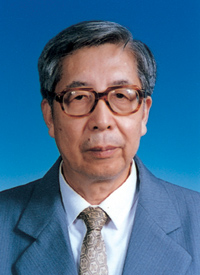 Jingkui Liang (梁敬魁)合作论文数Institute of Physics, Chinese Academy of Sciences11
 Shaorong Xie (谢少荣)合作论文数School of Future Technology, Shanghai University;School of Computer Engineering and Science, Shanghai University10Shuankui Li合作论文数10
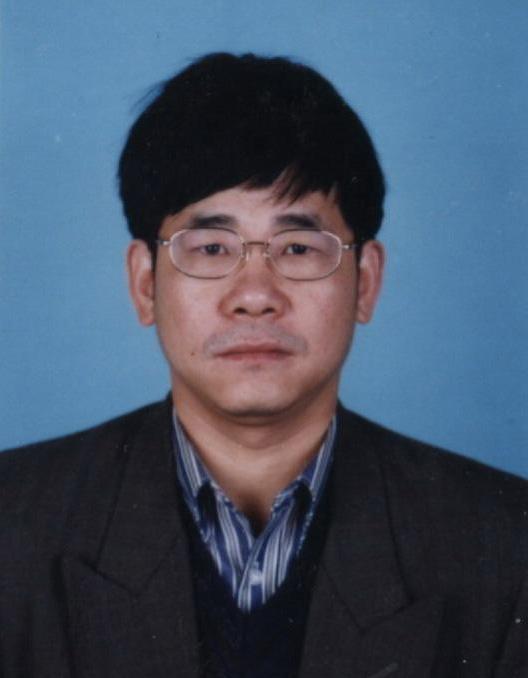 Guanghui Rao (饶光辉)合作论文数中国科学院物理研究所北京凝聚态物理国家实验室10
 Fusheng Liu (刘福生)合作论文数College of Materials Science and Engineering, Shenzhen university9
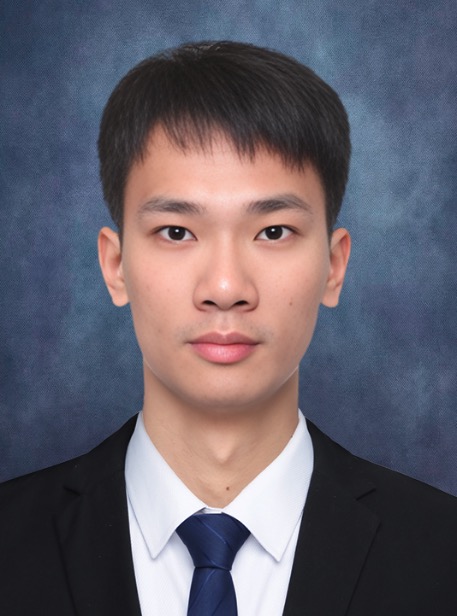 Yang Li (黎阳)合作论文数Paris Elite Institute of Technology, Shanghai Jiao Tong University9
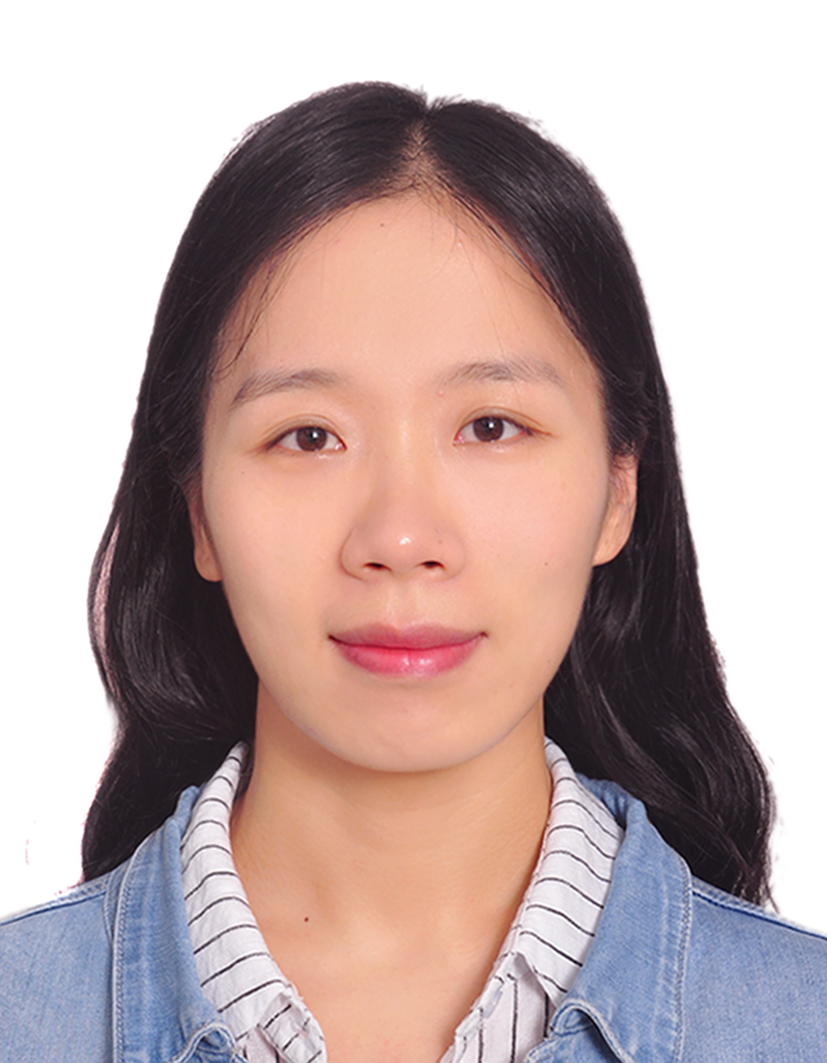 Ying Jiang (姜颖)合作论文数School of Materials Science and Engineering, Zhejiang University8
 Feng Pan (潘锋)合作论文数School of Advanced Materials, Peking University Shenzhen Graduate School8Yuting Zhang合作论文数7Zichen Wei合作论文数6Shanshan Pan合作论文数6
 Shihe Yang (杨世和)合作论文数School of Advanced Materials, Peking University;Solar Energy and Nanomaterials Research Group, Peking University6
 Jianfeng Hu合作论文数6
 Yubo Zhang合作论文数Shanghai Institute of Ceramics Chinese Academy of Sciences, Chinese Academy of Sciences6Haojie Huo (霍豪杰)合作论文数5
 Zhongjie Li合作论文数5Lu Liu (露 劉)合作论文数5Yefeng Liu合作论文数5
 Yinguo Xiao (肖荫果)合作论文数School of Advanced Materials, Peking University Shenzhen Graduate School5
 Quanlin Liu (刘泉林)合作论文数School of Materials Science and Engineering, University of Science and Technology Beijing5
 Yanzhong Pei (裴艳中)合作论文数Department of Inorganic Materials, School of Materials Science and Engineering, Tongji University5
 Xiangliang Jin (金湘亮)合作论文数School of Physics and Electronics, Hunan Normal University5Ke Wang (王珂)合作论文数College of Sciences, Shanghai University5
 G. Jeffrey Snyder合作论文数Departments of Materials Science and Engineering, McCormick School of Engineering, Northwestern University5Tianyao Weng合作论文数4Shengnan Dai合作论文数4Wanyu Lv合作论文数4
 Ruguang Ma (马汝广)合作论文数State Key Laboratory of High Performance Ceramics and Superfine Microstructure, Shanghai Institute of Ceramics, Chinese Academy of Sciences4Xinyue Zhang合作论文数4Wei Zhou合作论文数4
 Wanyu Lyu合作论文数4Qidong Zhang合作论文数4Hai Huang合作论文数4
 Zhiwei Chen (陈志炜)合作论文数Department of Inorganic Materials, School of Materials Science and Engineering, Tongji University4




