BACKGROUND:Clinically detected atrial fibrillation (AF) is associated with a significant increase in mortality and other adverse cardiovascular events. Since the advent of effective methods for AF rhythm control, investigators have attempted to determine how much these adverse prognostic AF effects could be mitigated by the restoration of sinus rhythm (SR) and whether the method used mattered. METHODS:The CABANA trial (Catheter Ablation versus Antiarrhythmic Drug Therapy for Atrial Fibrillation) randomized 2204 AF patients to ablation versus drug therapy, of which 1240 patients were monitored in follow-up using the CABANA ECG rhythm monitoring system. To assess the prognostic benefits of SR, we performed a prespecified analysis using Cox survival modeling with heart rhythm as a time-dependent variable and randomized treatment group as a stratification factor. RESULTS:In the 1240 patient study cohort, 883 (71.2%) had documented AF at some point during their postblanking follow-up. Among the 883 patients, 671 (76.0%) experienced AF within the first year of postblanking follow-up, and 212 (24.0%) experienced their first AF after ≥1 year of postblanking follow-up. The primary CABANA end point (death, disabling stroke, serious bleeding, or cardiac arrest) occurred in 95 (10.8%) of the 883 patients with documented AF and in 29 (8.1%) of the 357 patients with no AF recorded during follow-up. In multivariable time-dependent analysis, the presence of SR (compared with non-SR) was associated with a significantly reduced risk of the primary end point (adjusted hazard ratio, 0.57 [95% CI, 0.38-0.85]; P=0.006; independent of treatment strategy [ablation versus drugs]). Corresponding results for all-cause mortality were adjusted hazard ratio of 0.59 [95% CI, 0.35-1.01]; P=0.053). CONCLUSIONS:In patients in the CABANA trial with detailed long-term rhythm follow-up, increased time in SR was associated with a clinically consequential decrease in mortality and other adverse prognostic events. The predictive value of SR was independent of the therapeutic approach responsible for reducing the burden of detectable AF. REGISTRATION:URL: https://clinicaltrials.gov; Unique Identifier: NCT00911508.
BACKGROUND:The finding of unexpected variations in treatment benefits by geographic region in international clinical trials raises complex questions about the interpretation and generalizability of trial findings. We observed such geographical variations in outcome and in the effectiveness of atrial fibrillation (AF) ablation versus drug therapy in the Catheter Ablation vs Antiarrhythmic Drug Therapy for Atrial Fibrillation (CABANA) trial. This paper describes these differences and investigates potential causes. METHODS:The examination of treatment effects by geographic region was a prespecified analysis. CABANA enrolled patients from 10 countries, with 1,285 patients at 85 North American (NA) sites and 919 at 41 non-NA sites. The primary endpoint was a composite of death, disabling stroke, serious bleeding, or cardiac arrest. Death and first atrial fibrillation recurrence were secondary endpoints. RESULTS:At least 1 primary endpoint event occurred in 157 patients (12.2%) from NA and 33 (3.6%) from non-NA sites over a median 54.9 and 40.5 months of follow-up, respectively (NA/non-NA adjusted hazard ratio (HR) 2.18, 95% confidence interval (CI) 1.48-3.21, P < .001). In NA patients, 78 events occurred in the ablation and 79 in the drug arm, (HR 0.91, 95% CI 0.66, 1.24) while 11 and 22 events occurred in non-NA patients (HR 0.51, 95% CI 0.25,1.05, interaction P = .154). Death occurred in 53 ablation and 51 drug therapy patients in the NA group (HR 0.96, 95% CI 0.65,1.42) and in 5 ablation and 16 drug therapy patients in the non-NA group (HR 0.32, 95% CI 0.12,0.86, interaction P = .044). Adjusting for baseline regional differences or prognostic risk variables did not account for the regional differences in treatment effects. Atrial fibrillation recurrence was reduced by ablation in both regions (NA: HR 0.54, 95% CI 0.46, 0.63; non-NA: HR 0.44, 95% CI 0.30, 0.64, interaction P = .322). CONCLUSIONS:In CABANA, primary outcome events occurred significantly more often in the NA group but assignment to ablation significantly reduced all-cause mortality in the non-NA group only. These differences were not explained by regional variations in procedure effectiveness, safety, or patient characteristics. CLINICAL TRIAL REGISTRATION:ClinicalTrials.gov Identifier: NCT0091150; https://clinicaltrials.gov/study/NCT00911508.
Background Women with atrial fibrillation (AF) demonstrate more AF‐related symptoms and worse quality of life (QOL). Whether increased use of ablation in women reduces sex‐related QOL differences is unknown. Sex‐related outcomes for ablation versus drug therapy was a prespecified analysis in the CABANA (Catheter Ablation Versus Antiarrhythmic Drug Therapy for Atrial Fibrillation) trial. Methods and Results Symptoms were assessed periodically over 60 months with the Mayo AF‐Specific Symptom Inventory (MAFSI) frequency score, and QOL was assessed with the Atrial Fibrillation Effect on Quality of Life (AFEQT) summary and component scores. Women had lower baseline QOL scores than men (mean AFEQT scores 55.9 and 65.6, respectively). Ablation patients improved more than drug therapy patients with similar treatment effect by sex: AFEQT 12‐month mean adjusted treatment difference in women 6.1 points (95% CI, 3.5–8.6) and men 4.9 points (95% CI, 3.0–6.9). Participants with baseline AFEQT summary scores <70 had greater QOL improvement, with a mean treatment difference at 12 months of 7.6 points for women (95% CI, 4.3–10.9) and 6.4 points for men (95% CI, 3.3–9.4). The mean adjusted difference in MAFSI frequency score between women randomized to ablation versus drug therapy at 12 months was −2.5 (95% CI, −3.4 to −1.6); for men, the difference was −1.3 (95% CI, −2.0 to −0.6). Conclusions Compared with drug therapy for AF, ablation resulted in more QOL improvement in both sexes, primarily driven by improvements in those with lower baseline QOL. Ablation did not eliminate the AF‐related QOL gap between women and men. Registration URL: https://www.clinicaltrials.gov ; Unique identifier: NCT00911508.
AIMS Influence of atrial fibrillation (AF) type on outcomes seen with catheter ablation vs. drug therapy is incompletely understood. This study assesses the impact of AF type on treatment outcomes in the Catheter Ablation vs. Antiarrhythmic Drug Therapy for Atrial Fibrillation Trial (CABANA). METHODS AND RESULTS CABANA randomized 2204 patients ≥65 years old or <65 with at least one risk factor for stroke to catheter ablation or drug therapy. Of these, 946 (42.9%) had paroxysmal AF (PAF), 1042 (47.3%) had persistent AF (PersAF), and 215 (9.8%) had long-standing persistent AF (LSPAF) at baseline. The primary endpoint was a composite of death, disabling stroke, serious bleeding, or cardiac arrest. Symptoms were measured with the Mayo AF-Specific Symptom Inventory (MAFSI), and quality of life was measured with the Atrial Fibrillation Effect on Quality of Life (AFEQT). Comparisons are reported by intention to treat. Compared with drug therapy alone, catheter ablation produced a 19% relative risk reduction in the primary endpoint for PAF {adjusted hazard ratio [aHR]: 0.81 [95% confidence interval (CI): 0.50, 1.30]}, and a 17% relative reduction for PersAF (aHR: 0.83, 95% CI: 0.56, 1.22). For LSPAF, the ablation relative effect was a 7% reduction (aHR: 0.93, 95% CI: 0.36, 2.44). Ablation was more effective than drug therapy at reducing first AF recurrence in all AF types: by 51% for PAF (aHR: 0.49, 95% CI: 0.39, 0.62), by 47% for PersAF (aHR: 0.53, 95% CI: 0.43,0.65), and by 36% for LSPAF (aHR 0.64, 95% CI 0.41,1.00). Ablation was associated with greater improvement in symptoms, with the mean difference between groups in the MAFSI frequency score favouring ablation over 5 years of follow-up in all subgroups: PAF had a clinically significant -1.9-point difference (95% CI: -1.2 to -2.6); PersAF a -0.9 difference (95% CI: -0.2 to -1.6); LSPAF a clinically significant difference of -1.6 points (95% CI: -0.1 to -3.1). Ablation was also associated with greater improvement in quality of life in all subgroups, with the AFEQT overall score in PAF patients showing a clinically significant 5.3-point improvement (95% CI: 3.3 to 7.3) over drug therapy alone over 5 years of follow-up, PersAF a 1.7-point difference (95% CI: 0.0 to 3.7), and LSPAF a 3.1-point difference (95% CI: -1.6 to 7.8). CONCLUSION Prognostic treatment effects of catheter ablation compared with drug therapy on the primary and major secondary clinical endpoints did not differ consequentially by AF subtype. With regard to decreases in AF recurrence and improving quality of life, ablation was more effective than drug therapy in all three AF type subgroups. CLINICALTRIALS.GOV IDENTIFIER NCT00911508.
We thank Drs Providencia, Papoila, and Adragao for their interest in the important CABANA trial. We briefly respond to each of their points.1 (1) The authors argue that ‘the ITT analysis in CABANA should have been reported as inconclusive to assess its primary endpoint’. They evidently overlooked the description of the study results in the first paragraph of the Discussion section of the CABANA publication,2 which uses the exact language being advocated, namely ‘the trial primary ITT statistical comparison is inconclusive’. (2) The authors argue that the secondary endpoint of all-cause mortality or cardiovascular hospitalization should be given more emphasis. We agree that this is an important and clinically relevant outcome. We provided detailed data for the comparison of the randomized treatment groups with respect to that endpoint in the text of the primary CABANA publication2 (both in the Results section and Discussion section) as well as...
Background: In the CABANA trial (Catheter Ablation vs Antiarrhythmic Drug Therapy for Atrial Fibrillation), catheter ablation did not significantly reduce the primary end point of death, disabling stroke, serious bleeding, or cardiac arrest compared with drug therapy by intention-to-treat, but did improve the quality of life and freedom from atrial fibrillation recurrence. In the heart failure subgroup, ablation improved both survival and quality of life. Cost-effectiveness was a prespecified CABANA secondary end point. Methods: Medical resource use data were collected for all CABANA patients (N=2204). Costs for hospital-based care were assigned using prospectively collected bills from US patients (n=1171); physician and medication costs were assigned using the Medicare Fee Schedule and National Average Drug Acquisition Costs, respectively. Extrapolated life expectancies were estimated using age-based survival models. Quality-of-life adjustments were based on EQ-5D–based utilities measured during the trial. The primary outcome was the incremental cost-effectiveness ratio, comparing ablation with drug therapy on the basis of intention-to-treat, and assessed from the US health care sector perspective. Results: Costs in the first 3 months averaged $20 794±SD 1069 higher with ablation compared with drug therapy. The cumulative within-trial 5-year cost difference was $19 245 (95% CI, $11 360–$27 170) and the lifetime mean cost difference was $15 516 (95% CI, –$2963 to $35,512) higher with ablation than with drug therapy. The drug therapy arm accrued an average of 12.5 life-years (LYs) and 10.7 quality-adjusted life-years (QALYs). For the ablation arm, the corresponding estimates were 12.6 LYs and 11.0 QALYs. The incremental cost-effectiveness ratio was $57 893 per QALY gained, with 75% of bootstrap replications yielding an incremental cost-effectiveness ratio < $100 000 per QALY gained. With no quality-of-life/utility adjustments, the incremental cost-effectiveness ratio was $183 318 per LY gained. Conclusions: Catheter ablation of atrial fibrillation was economically attractive compared with drug therapy in the CABANA Trial overall at present benchmarks for health care value in the United States on the basis of projected incremental QALYs but not LYs alone.
Background: Many patients in the Sudden Cardiac Death in Heart Failure Trial (SCD-HeFT) had a significant improvement (> 10%) in the left ventricular ejection fraction (LVEF) during the course of the study, but the factors and outcomes associated with such improvement are uncertain. Methods: We examined factors and rates of mortality, cause-specific mortality, and implantable cardioverter-defibrillator (ICD) shocks associated with improvement in LVEF by analyzing patients in the SCD-HeFT who were randomized to placebo or an ICD and who had an LVEF checked during follow-up. Results: During a median follow-up of 3.99 years, of 837 patients who had at least two follow-up LVEF measurements, 276 (33%) patients had > 10% improvement in LVEF and 561 (67%) patients had no significant change in LVEF. Factors significantly associated with LVEF improvement included female sex, white race, history of hypertension, a QRS duration < 120 ms, and beta-blocker use. Improvement in LVEF was associated with a significant improvement in survival. There was no significant association between improvement in LVEF and cause-specific death, but there was a significant association between improvement in LVEF and reduced risk of receiving appropriate ICD shocks. Conclusions: About a third of patients in this analysis, who were randomized to placebo or an ICD in SCD-HeFT, had a significant improvement in LVEF during follow-up; improvement in LVEF was associated with improved survival but not with cause-specific death, and with decreased likelihood of receiving appropriate ICD shocks.
Background: Patients with sudden cardiac arrest occurring in the acute phase of myocardial infarction (MI-SCA) are believed to be at similar risk of death after revascularization compared with MI patients without SCA (MI-no SCA). Among patients with anterior MI, we examined whether those with MI-SCA were at greater risk of all-cause mortality or sudden cardiac death (SCD) than MI-no SCA patients. Methods: The Home Automated External Defibrillator Trial enrolled patients with anterior MI who had not received or were candidates for an implantable cardioverter defibrillator (ICD). Our cohort included patients with a reported SCA event, in the acute phase of an MI, prior to HAT trial enrollment. Cox proportional hazards models examined the adjusted association between MI-SCA versus MI-no SCA patients and all-cause mortality and sudden cardiac death (SCD). We also determined whether the relationship between prior SCA and outcomes changed with subsequent events (syncope, revascularization, and recurrent MI) during follow-up. Results: Of 6849 patients, 650 (9.5%) had MI-SCA before trial enrollment. Approximately 48% of patients had the MI-SCA event <1 year prior to enrollment; 71% of SCA events were in-hospital. MI-SCA patients were younger, more frequently white, and had higher rates of prior PCI versus MI no SCA patients. There were no dierences in adjusted all-cause mortality (hazard ratio [HR 0.95; 95% CI 0.65-1.38]) or SCD (HR 1.12; 95% CI 0.68- 1.83) for MI-SCA vs. MI-no SCA. After ICD implantation, MI-SCA patients experienced higher all-cause mortality risk (HR 5.01, 95% CI 1.05-23.79) versus MI-no SCA patients; there was no mortality dierence between MI-SCA and MI-no SCA patients without ICD implantation (HR 0.89, 95% CI 0.60-1.31), [interaction p = 0.035]. Conclusions: Patients with MI-SCA had similar adjusted risk of all-cause mortality and SCD compared with MI-no SCA. After ICD implantation, MISCA patients had higher mortality compared with MI-no SCA patients.
Background: Observational data suggest that catheter ablation may be safe and effective to treat younger and older patients with atrial fibrillation. No large, randomized trial has examined this issue. This report describes outcomes according to age at entry in the CABANA trial (Catheter Ablation versus Antiarrhythmic Drug Therapy for Atrial Fibrillation). Methods: Patients with atrial fibrillation ≥65 years of age, or <65 with ≥1 risk factor for stroke, were randomly assigned to catheter ablation versus drug therapy. The primary outcome was a composite of death, disabling stroke, serious bleeding, or cardiac arrest. Secondary outcomes included all-cause mortality, the composite of mortality or cardiovascular hospitalization, and recurrence of atrial fibrillation. Treatment effect estimates were adjusted for baseline covariables using proportional hazards regression models. Results: Of 2204 patients randomly assigned in CABANA, 766 (34.8%) were <65 years of age, 1130 (51.3%) were 65 to 74 years of age, and 308 (14.0%) were ≥75 years of age. Catheter ablation was associated with a 43% reduction in the primary outcome for patients <65 years of age (adjusted hazard ratio [aHR], 0.57 [95% CI, 0.30–1.09]), a 21% reduction for 65 to 74 years of age (aHR, 0.79 [95% CI, 0.54–1.16]), and an indeterminate effect for age ≥75 years of age (aHR, 1.39 [95% CI, 0.75–2.58]). Four-year event rates for ablation versus drug therapy across age groups, respectively, were 3.2% versus 7.8%, 7.8% versus 9.6%, and 14.8% versus 9.0%. For every 10-year increase in age, the primary outcome aHR increased (ie, less favorable to ablation) an average of 27% (interaction P value=0.215). A similar pattern was seen with all-cause mortality: for every 10-year increase in age, the aHR increased an average of 46% (interaction P value=0.111). Atrial fibrillation recurrence rates were lower with ablation than with drug therapy across age subgroups (aHR 0.47, 0.58, and 0.49, respectively). Treatment-related complications were infrequent for both arms (<3%) regardless of age. Conclusions: We found age-based variations in clinical outcomes for catheter ablation compared with drug therapy, with the largest relative and absolute benefits of catheter ablation in younger patients. No prognostic benefits for ablation were seen in the oldest patients. No differences were found by age in treatment-related complications or in the relative effectiveness of catheter ablation in preventing recurrent atrial arrhythmias. Registration: URL: https://www.clinicaltrials.gov ; Unique identifier: NCT00911508.
Background: The CABANA trial (Catheter Ablation Versus Antiarrhythmic Drug Therapy for Atrial Fibrillation) was a randomized, prospective trial of left atrial catheter ablation versus drug therapy for treatment of atrial fibrillation (AF). As part of CABANA, a prospective imaging substudy was conducted. The main objectives were to describe the patterns of changes in the dimensions of the left atrium and pulmonary veins (PVs), and the relationship between these changes with treatment assignment and clinical outcomes. Methods: Computed tomography or magnetic resonance imaging was acquired at baseline and follow-up in 121 ablation (median follow-up 101 days) and 85 drug patients (median follow-up 97 days). Left atrial volume index, mean PV ostial diameter, and ostial diameters of each PV separately were computed. We examined the relationship between the change from baseline to follow-up with subsequent clinical outcomes (composite of death, disabling stroke, serious bleeding, or cardiac arrest [CABANA primary end point], total mortality or cardiovascular hospitalization, first AF recurrence after the 90-day blanking period, first AF/atrial flutter/atrial tachycardia after the 90-day blanking period) using Cox proportional-hazards models. Results: The median (25th to 75th) change from baseline for left atrial volume index was -7.8 mL/m(2) (-16.4 to 0.2), ablation arm and -3.5 mL/m(2) (-11.4 to 2.6), drug therapy arm. The left atrial volume index decreased in 52.9% of ablation patients versus 40.0% of drug therapy patients. Change for mean PV was -2.7 mm (-4.2 to -1.3) in the ablation arm versus -0.1 mm (-1.5 to 0.8) in the drug therapy arm. Changes in left atrium and PV dimensions had no consistent relationship with the risk of developing the study primary end point. Reductions in left atrial volume index, and in mean PV diameter were associated with decreased risk of AF recurrence. Conclusions: Ablation patients demonstrated more frequent and larger atrial structural changes compared with drug patients. These changes suggest a critical relationship between structural features and AF generation.
The CABANA trial demonstrated catheter ablation yields substantially greater freedom from atrial fibrillation (AF) than drug therapy. Nevertheless, the approaches utilized in CABANA have not yet been disclosed.
Background: In patients with heart failure and atrial fibrillation (AF), several clinical trials have reported improved outcomes, including freedom from AF recurrence, quality of life, and survival, with catheter ablation. This article describes the treatment-related outcomes of the AF patients with heart failure enrolled in the CABANA trial (Catheter Ablation Versus Antiarrhythmic Drug Therapy for Atrial Fibrillation). Methods: The CABANA trial randomized 2204 patients with AF who were ≥65 years old or <65 years old with ≥1 risk factor for stroke at 126 sites to ablation with pulmonary vein isolation or drug therapy including rate or rhythm control drugs. Of these, 778 (35%) had New York Heart Association class >II at baseline and form the subject of this article. The CABANA trial’s primary end point was a composite of death, disabling stroke, serious bleeding, or cardiac arrest. Results: Of the 778 patients with heart failure enrolled in CABANA, 378 were assigned to ablation and 400 to drug therapy. Ejection fraction at baseline was available for 571 patients (73.0%), and 9.3% of these had an ejection fraction <40%, whereas 11.7% had ejection fractions between 40% and 50%. In the intention-to-treat analysis, the ablation arm had a 36% relative reduction in the primary composite end point (hazard ratio, 0.64 [95% CI, 0.41–0.99]) and a 43% relative reduction in all-cause mortality (hazard ratio, 0.57 [95% CI, 0.33–0.96]) compared with drug therapy alone over a median follow-up of 48.5 months. AF recurrence was decreased with ablation (hazard ratio, 0.56 [95% CI, 0.42–0.74]). The adjusted mean difference for the AFEQT (Atrial Fibrillation Effect on Quality of Life) summary score averaged over the entire 60-month follow-up was 5.0 points, favoring the ablation arm (95% CI, 2.5–7.4 points), and the MAFSI (Mayo Atrial Fibrillation-Specific Symptom Inventory) frequency score difference was –2.0 points, favoring ablation (95% CI, –2.9 to –1.2). Conclusions: In patients with AF enrolled in the CABANA trial who had clinically diagnosed stable heart failure at trial entry, catheter ablation produced clinically important improvements in survival, freedom from AF recurrence, and quality of life relative to drug therapy. These results, obtained in a cohort most of whom had preserved left ventricular function, require independent trial verification. Registration: URL: https://www.clinicaltrials.gov/ct2/show/NCT00911508 ; Unique identifier: NCT0091150.
Supplemental Digital Content is available in the text. Background: The CABANA trial (Catheter Ablation Versus Antiarrhythmic Drug Therapy for Atrial Fibrillation) was a randomized, prospective trial of left atrial catheter ablation versus drug therapy for treatment of atrial fibrillation (AF). As part of CABANA, a prospective imaging substudy was conducted. The main objectives were to describe the patterns of changes in the dimensions of the left atrium and pulmonary veins (PVs), and the relationship between these changes with treatment assignment and clinical outcomes. Methods: Computed tomography or magnetic resonance imaging was acquired at baseline and follow-up in 121 ablation (median follow-up 101 days) and 85 drug patients (median follow-up 97 days). Left atrial volume index, mean PV ostial diameter, and ostial diameters of each PV separately were computed. We examined the relationship between the change from baseline to follow-up with subsequent clinical outcomes (composite of death, disabling stroke, serious bleeding, or cardiac arrest [CABANA primary end point], total mortality or cardiovascular hospitalization, first AF recurrence after the 90-day blanking period, first AF/atrial flutter/atrial tachycardia after the 90-day blanking period) using Cox proportional-hazards models. Results: The median (25th to 75th) change from baseline for left atrial volume index was −7.8 mL/m2 (−16.4 to 0.2), ablation arm and −3.5 mL/m2 (−11.4 to 2.6), drug therapy arm. The left atrial volume index decreased in 52.9% of ablation patients versus 40.0% of drug therapy patients. Change for mean PV was −2.7 mm (−4.2 to −1.3) in the ablation arm versus −0.1 mm (−1.5 to 0.8) in the drug therapy arm. Changes in left atrium and PV dimensions had no consistent relationship with the risk of developing the study primary end point. Reductions in left atrial volume index, and in mean PV diameter were associated with decreased risk of AF recurrence. Conclusions: Ablation patients demonstrated more frequent and larger atrial structural changes compared with drug patients. These changes suggest a critical relationship between structural features and AF generation.
BACKGROUND:The CABANA (Catheter Ablation Versus Antiarrhythmic Drug Therapy for Atrial Fibrillation) trial randomized 2,204 patients with atrial fibrillation (AF) to catheter ablation or drug therapy. Analysis by intention-to-treat showed a nonsignificant 14% relative reduction in the primary outcome of death, disabling stroke, serious bleeding, or cardiac arrest. OBJECTIVES:The purpose of this study was to assess recurrence of AF in the CABANA trial. METHODS:The authors prospectively studied CABANA patients using a proprietary electrocardiogram recording monitor for symptom-activated and 24-h AF auto detection. The AF recurrence endpoint was any post-90-day blanking atrial tachyarrhythmias lasting 30 s or longer. Biannual 96-h Holter monitoring was used to assess AF burden. Patients who used the CABANA monitors and provided 90-day post-blanking recordings qualified for this analysis (n = 1,240; 56% of CABANA population). Treatment comparisons were performed using a modified intention-to-treat approach. RESULTS:Median age of the 1,240 patients was 68 years, 34.4% were women, and AF was paroxysmal in 43.0%. Over 60 months of follow-up, first recurrence of any symptomatic or asymptomatic AF (hazard ratio: 0.52; 95% confidence interval: 0.45 to 0.60; p < 0.001) or first symptomatic-only AF (hazard ratio: 0.49; 95% confidence interval: 0.39 to 0.61; p < 0.001) were both significantly reduced in the catheter ablation group. Baseline Holter AF burden in both treatment groups was 48%. At 12 months, AF burden in ablation patients averaged 6.3%, and in drug-therapy patients, 14.4%. AF burden was significantly less in catheter ablation compared with drug-therapy patients across the 5-year follow-up (p < 0.001). These findings were not sensitive to the baseline pattern of AF. CONCLUSIONS:Catheter ablation was effective in reducing recurrence of any AF by 48% and symptomatic AF by 51% compared with drug therapy over 5 years of follow-up. Furthermore, AF burden was also significantly reduced in catheter ablation patients, regardless of their baseline AF type. (Catheter Ablation vs Anti-arrhythmic Drug Therapy for Atrial Fibrillation Trial [CABANA]; NCT00911508).
Background: The NIH-funded Trial to Assess Chelation Therapy (TACT) randomized 1708 stable patients age >= 50 who were >= 6 months post myocardial infarction to 40 infusions of an edetate disodium-based regimen or placebo. In 633 patients with diabetes, edetate disodium significantly reduced the primary composite endpoint of mortality, recurrent myocardial infarction, stroke, coronary revascularization, or hospitalization for angina (hazard ratio [HR] 0.59, 95% confidence interval [CI] 0.44-0.79, p < 0.001). The principal secondary endpoint of a composite of cardiovascular death, myocardial inf a rction, or stroke was also reduced (HR 0.60,95% CI 0.39-0.91, p = 0.017). It is unknown if the treatment effect differs by diabetes therapy. Methods: We grouped the subset of 633 patients with diabetes according to glucose-lowering therapy at time of randomization. The log-rank test was used to compare active therapy versus placebo. All treatment comparisons were performed using 2-sided significance tests at the significance level of 10.05 and were as randomized. Relative risks were expressed as HR with associated 95% CI, calculated using the Cox proportional hazards model. Results: There were 162 (25.7%) patients treated with insulin; 301 (47.5%) with oral hypoglycemics only; and 170 (26.8%) receiving no pharmacologic treatment for diabetes. Patients on insulin reached the primary endpoint more frequently than patients on no pharmacologic treatment [61 (38%) vs 49 (29%) (HR 1.56, 95% CI 1.07-227, p = 0.022)] or oral hypoglycemics [61 (38%) vs 87 (29%) (HR 1.46, 1.05-2.03, p = 0.024)]. The primary endpoint occurred less frequently with edetate disodium based therapy versus placebo in patients on insulin [19 (26%) vs 42 (48%) (HR 0.42, 95% CI 025-0.74, log-rank p = 0.002)]. marginally in patients on oral hypoglycemics [38 (25%) vs 49 (34%) (HR 0.66, 95% CI 0.43-1.01, log-rank p = 0.041)], and no significant difference in patients not treated with a pharmacologic therapy123 (25%) vs 26 (34%) (HR 0.69, 95%CI 0.39-1.20, log-rank p = 0.225)]. The interaction between randomized intravenous treatment and type of diabetes therapy was not statistically significant (p = 0.203). Conclusions: Edetate disodium treatment in stable, post-myocardial infarction patients with diabetes suggests that patients on insulin therapy at baseline may accrue the greatest benefit. (C) 2020 Elsevier Inc. All rights reserved.
 Daniel B. Mark合作论文数Division of Cardiology, Department of Medicine, Duke University School of Medicine;Duke Clinical Research Institute, Duke University School of Medicine182
 Robert M. Califf合作论文数Food and Drug Administration77
 Jeanne E. Poole合作论文数University of Washington Medical Center76
 Anne (Sidlo) Hellkamp合作论文数Duke Clinical Research Institute68
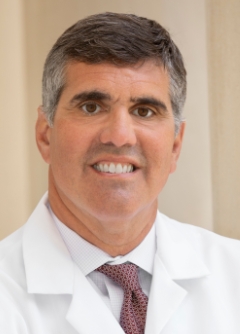 Eric Velazquez合作论文数Center for Clinical Investigation, School of Medicine, Yale University;Heart and Vascular Center, Yale New Haven Hospital67
 Jill Anderson合作论文数57
 George Johnson合作论文数55Gust H. Bardy合作论文数51
 Gervasio A. Lamas合作论文数Vagelos College of Physicians and Surgeons, Columbia University Irving Medical Center49
 Eric Topol合作论文数Department of Molecular Medicine, The Scripps Research Institute;Division of Cardiovascular Diseases, Scripps Clinic;Skaggs Graduate School of Chemical and Biological Sciences, The Scripps Research Institute43
 Udo Hoffmann合作论文数Cleerly;Innovative Imaging Consulting, LLC38
 Sana Mustapha Al-Khatib合作论文数Department of Medicine, Duke University School of Medicine;Duke Clinical Research Institute, Duke University36
 Hussein Al-Khalidi合作论文数Department of Biostatistics and Bioinformatics, Duke University School of Medicine35
 Jean Rouleau合作论文数Montreal Heart Institute35
 Christopher Bull Granger合作论文数Department of Medicine, School of Medicine, Duke University;School of Nursing, Duke University35
 Lilin She合作论文数35
 Pamela Susan Douglas合作论文数Division of Cardiology, Department of Medicine, Duke University School of Medicine;Duke Clinical Research Institute, Duke University School of Medicine34Christopher M. O'Connor合作论文数33
 Kevin Anstrom合作论文数Department of Biostatistics, Gillings School of Global Public Health, University of North Carolina at Chapel Hill;Collaborative Studies Coordinating Center, University of North Carolina at Chapel Hill32
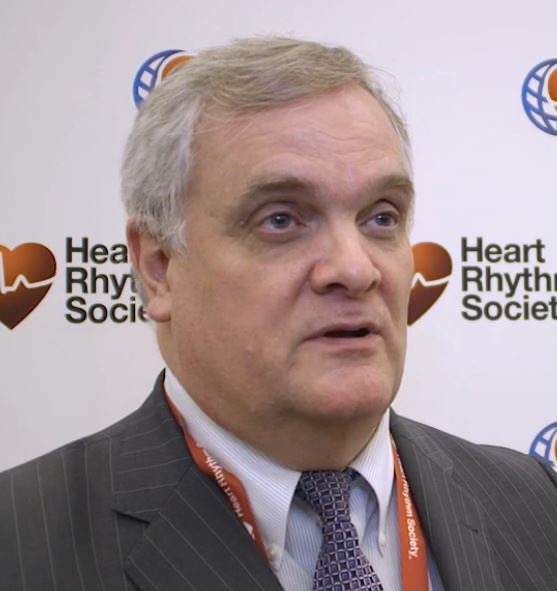 Douglas L Packer合作论文数Division of Cardiac Electrophysiology, Department of Cardiovascular Diseases, Mayo Clinic;Translational Electrophysiology Research Laboratory, Mayo Clinic31Db Pryor合作论文数31
 Alfred E. Buxton合作论文数Beth Israel Deaconess Medical Center, Harvard Medical School, Harvard University30
 Robin Boineau合作论文数29Adrian Coles合作论文数25Bardy Gust H合作论文数25Jones Robert H合作论文数25Steven E. Mcnulty合作论文数24
 Paul W Armstrong合作论文数Department of Medicine, Faculty of Medicine & Dentistry, University of Alberta;Virtual Coordinating Centre for Global Collaborative Cardiovascular Research, University of Alberta23
 Jae K. Oh合作论文数Division of Structural Heart Disease, Department of Cardiovascular Medicine, Mayo Clinic;Division of Cardiovascular Ultrasound, Department of Cardiovascular Medicine, Mayo Clinic23Yves Rosenberg合作论文数23
 George Sopko合作论文数National Heart Lung and Blood Institute, National Institutes of Health21
 Paul Dorian合作论文数Li Ka Shing Knowledge Institute, St. Michael’s Hospital, University of Toronto;Division of Clinical Pharmacology, Department of Medicine, Temerty Faculty of Medicine, University of Toronto21
 Christine M Goertz合作论文数20Gillian D. Sanders合作论文数The Duke Clinical Research Institute20
 James Udelson合作论文数CardioVascular Center, Tufts University School of Medicine;Division of Cardiology, Tufts Medical Center, Tufts University19
 Gary Michael Felker合作论文数Division of Cardiology, Department of Medicine, Duke University School of Medicine;Duke Clinical Research Institute, Duke University18
 Harvey D. White合作论文数Green Lane Cardiovascular Research Unit, Green Lane Cardiovascular Service, Auckland City Hospital;University of Auckland18Riccardo Cappato合作论文数17Bahnson Tristram D合作论文数17
 Patricia A. Pellikka合作论文数Division of Cardiovascular Ultrasound, Department of Cardiovascular Medicine, Mayo Clinic17
 Eugene Braunwald合作论文数Department of Medicine, Brigham and Women's Hospital, Harvard Medical School17
 Patrice Desvigne-Nickens合作论文数17
 Manesh Raman Patel合作论文数Division of Cardiology, Department of Medicine, Duke University School of Medicine;Division of Clinical Pharmacology, Department of Medicine, Duke University School of Medicine16
 Robert O Bonow合作论文数Division of Cardiology, Department of Medicine, Feinberg School of Medicine, Northwestern University16
 Mark A. Hlatky合作论文数Department of Health Policy, School of Medicine, Stanford University16
 Arthur J. Moss合作论文数University of Rochester Medical School16
 Adrian Felipe Hernandez合作论文数Department of Medicine, School of Medicine, Duke University;Duke Clinical Research Institute, School of Medicine, Duke University;Department of Population Health Sciences, School of Medicine, Duke University16
 Margaret M. Redfield合作论文数Department of Cardiovascular Medicine, Mayo Clinic16
 Richard L. Nahin合作论文数Division of Intramural Research, National Center for Complementary and Integrative Health, National Institutes of Health, U.S. Department of Health and Human Services16




