Singlet oxygen ( 1 O 2 ), the major reactive oxygen species (ROS) produced in chloroplasts, has been demonstrated recently to be a highly versatile signal that induces various stress responses. In the fluorescent ( flu ) mutant, its release causes seedling lethality and inhibits mature plant growth. However, these drastic phenotypes are suppressed when EXECUTER1 (EX1) is absent in the flu ex1 double mutant. We identified SAFEGUARD1 (SAFE1) in a screen of ethyl methanesulfonate (EMS) mutagenized flu ex1 plants for suppressor mutants with a flu -like phenotype. In flu ex1 safe1 , all 1 O 2 -induced responses, including transcriptional rewiring of nuclear gene expression, return to levels, such as, or even higher than, those in flu . Without SAFE1, grana margins (GMs) of chloroplast thylakoids (Thys) are specifically damaged upon 1 O 2 generation and associate with plastoglobules (PGs). SAFE1 is localized in the chloroplast stroma, and release of 1 O 2 induces SAFE1 degradation via chloroplast-originated vesicles. Our paper demonstrates that flu -produced 1 O 2 triggers an EX1-independent signaling pathway and proves that SAFE1 suppresses this signaling pathway by protecting GMs.
In plants, highly reactive singlet oxygen (O-1(2)) is known to inhibit photosynthesis and to damage the cell as a cytotoxin. However, more recent studies have also proposed O-1(2) as a signal. In plants under stress, not only O-1(2) but also other reactive oxygen species (ROS) are generated simultaneously, thus making it difficult to link a particular response to the release of O-1(2) and establish a signaling role for this ROS. This obstacle has been overcome by the identification of conditional mutants of Arabidopsis thaliana that selectively generate O-1(2) and trigger various O-1(2)-mediated responses. In chloroplasts of these mutants, chlorophyll or its biosynthetic intermediates may act as a photosensitizer and generate O-1(2). These O-1(2)-mediated responses are not only dependent on the dosage of O-1(2) but also are determined by the timing and suborganellar localization of its production. This spatial- and temporal-dependent variability of O-1(2)-mediated responses emphasizes the importance of O-1(2) as a highly versatile and short-lived signal that acts throughout the life cycle of a plant.
In plants, highly reactive singlet oxygen (1O2) is known to inhibit photosynthesis and to damage the cell as a cytotoxin. However, more recent studies have also proposed 1O2 as a signal. In plants under stress, not only 1O2 but also other reactive oxygen species (ROS) are generated simultaneously, thus making it difficult to link a particular response to the release of 1O2 and establish a signaling role for this ROS. This obstacle has been overcome by the identification of conditional mutants of Arabidopsis thaliana that selectively generate 1O2 and trigger various 1O2-mediated responses. In chloroplasts of these mutants, chlorophyll or its biosynthetic intermediates may act as a photosensitizer and generate 1O2. These 1O2-mediated responses are not only dependent on the dosage of 1O2 but also are determined by the timing and suborganellar localization of its production. This spatial- and temporal-dependent variability of 1O2-mediated responses emphasizes the importance of 1O2 as a highly versatile and short-lived signal that acts throughout the life cycle of a plant.
The editors and staff of Plant Physiology thank all of those listed below whose insight and contributions in reviewing manuscripts from December 9, 2015, to December 7, 2016, have helped make the journal a success.Wewould also like to thank theMonitoring Editorswho have concluded their termof service, andwewelcome thoseMonitoringEditorswhoare joining theEdBoard in 2017. We’d like to extend a special thank you to outgoing Monitoring Editors Sue Rhee and Ron Sederoff for all of their exceptional work for the Journal.
Significance Singlet oxygen ( 1 O 2 )- and EXECUTER1 (EX1)-dependent signaling triggers programmed cell death in seedlings and inhibits growth of mature plants of the fluorescent ( flu ) mutant of Arabidopsis . The EX1 protein has been located in chloroplasts to the grana margins close to where chlorophyll is synthesized and the disassembly of damaged photosystem II (PSII) and reassembly of active PSII take place. With the onset of 1 O 2 -mediated signaling there is a rapid decline of EX1 that depends on the ATP-dependent zinc metalloprotease FtsH. Generation of 1 O 2 without the decline of EX1 is not sufficient to activate 1 O 2 signaling. As FtsH cleaves also the D1 reaction center protein of damaged PSII, EX1-dependent signaling seems not only spatially but also functionally linked to the repair of PSII.
Production of singlet oxygen in plants is primarily due to the photosensitizing activity of chlorophyll in chloroplasts during photosynthesis, when plants are exposed to light. Because of its high reactivity singlet oxygen initially had been considered to act as a cytotoxin that is responsible for photo-oxidative damage in plants under light stress. However, more recent work has revealed that singlet oxygen may also be perceived by plants as a signal that either triggers a genetically controlled programmed cell-death response or induces acclimation that enhances the plant's resistance against environmental challenges.
Necrotrophic fungal pathogens produce toxic compounds that induce cell death in infected plants. Often, the primary targets of these toxins and the way a plant responds to them are not known. In the present work, the effect of tenuazonic acid (TeA), a non-host-specific toxin of Alternaria alternata, on Arabidopsis thaliana has been analysed. TeA blocks the QB -binding site at the acceptor side of photosystem II (PSII). As a result, charge recombination at the reaction centre (RC) of PSII is expected to enhance the formation of the excited triplet state of the RC chlorophyll that promotes generation of singlet oxygen ((1)O₂). (1)O₂ activates a signalling pathway that depends on the two EXECUTER (EX) proteins EX1 and EX2 and triggers a programmed cell death response. In seedlings treated with TeA at half-inhibition concentration (1)O₂-mediated and EX-dependent signalling is activated as indicated by the rapid and transient up-regulation of (1)O₂-responsive genes in wild type, and its suppression in ex1/ex2 mutants. Lesion formation occurs when seedlings are exposed to higher concentrations of TeA for a longer period of time. Under these conditions, the programmed cell death response triggered by (1)O₂-mediated and EX-dependent signalling is superimposed by other events that also contribute to lesion formation.
Reidunn Birgitta Aalen Javier Abadia Ibrokhim Y. Abdurakhmonov Ikuro Abe Steffen Abel Gian Paolo Accotto Jose Luis Acebes Keith L. Adams Joshua Adams Ahmed Afzal Khairulmazmi Ahmad Elizabeth Ainsworth Eduard Akhunov Kiba Akinori Emre Aksoy Emidio Albertini Veronica Albrecht-Borth Ruben Alcazar Jameel Al-Haddad Karine Alix James William Allwood Tancrède Alméras Maria Elena Alvarez Iraida Amaya Anna Amtmann Gynheung An Anne J. Anderson Louise E. Anderson James V. Anderson Charles T. Anderson Jill T. Anderson Mats X. Andersson John Andralojc Gerco C. Angenent Klaus Apel Miguel A. Aranda Jose Luis Araus Cris M. Argueso Shin-ichi Arimura Idoia Ariz Charles L. Armstrong Susan J. Armstrong Eva-Mari Aro Han Asard Motoyuki Ashikari Sarah M. Assmann Brian J. Atwell Sylvain Aubry Kris Audenaert Koichiro Awai Michael Axtell Thomas J. Bach Tony Bacic Eric Badel Murray Badger Stephen Baenziger Scott Baerson Sacha Baginsky Harsh Pal Bais Soren Bak Neil R. Baker Ian T. Baldwin Steven G. Ball Marilyn C. Ball Carlos L. Ballare Jennifer Baltzer Frantisek Baluska Roberto Barbato Marie Barberon Margaret M. Barbour Gianni Barcaccia Alice Barkan Fredy Barneche Cornelius Barry Bonnie Bartel Dorothea Bartels Madelaine Bartlett Kathy Barton Vitthal T. Barvkar Dudy Bar-Zvi George Bassel Gilles Basset Alfred Batschauer Petra Bauer David Baum Hermann Bauwe Ivan R. Baxter Martin Bayer Michael H. Beale Nathalie Beaudoin Frederic Beaudoin Ulrike Bechtold Dirk Becker Jörg D. Becker Diane M. Beckles Philip W. Becraft Sebastian Bednarek Pawel Bednarek Tom Beeckman Gerrit T.S. Beemster Eric P. Beers Christophe Belin Catherine Bellini Philip N. Benfey Eva Benkova Malcolm J. Bennett Tom Bennett Frederic Berger Susanne Berger John A. Berges Gerald Berkowitz Oliver Berkowitz Thomas Berleth Carl Bernacchi Mark A. Bernards Christine A. Beveridge Rishikesh Bhalerao Hongwu Bian Tatiana N. Bibikova Brad Binder James A. Birchler Kenneth D. Birnbaum Sherryl R. Bisgrove Crysten Blaby Ian Blaby Elison B. Blancaflor Mike R. Blatt Andreas Blennow Claudia Blindauer Arnold Bloom Yaroslav B. Blume Leonor C. Boavida Jens Boch Laszlo Bogre Joerg Bohlmann Cordelia Bolle Vera Bonardi Atle M. Bones Paola Bonfante Anne M. Borland Frederik Börnke Jan-Willem Borst Paul K. Boss Rebecca S. Boston Firas Bou Daher Marie Boudsocq Frédéric Bourgaud Ralph Bours Yohann Boutte Mondher Bouzayen John L. Bowman Caroline Bowsher Nanette R. Boyle Janet Braam Kent J. Bradford Siobhan M. Brady Peter M. Bramley Federica Brandizzi Benjamin Brandt Hans-Peter Braun David M. Braun Melissa Brazier-Hicks Volker Brendel Oliver Brendel Eric D. Brenner Jean-Francois Briat Winslow R. Briggs Anne Bagg Britt Myron Bruce Robert Brueggeman David A. Brummell Glenn J. Bryan Bretislav Brzobhaty Bob Buchanan Peter Buchner Thomas Buckhout Thomas N. Buckley
Plants respond to environmental changes by acclimation that activates defence mechanisms and enhances the plant's resistance against a subsequent more severe stress. Chloroplasts play an important role as a sensor of environmental stress factors that interfere with the photosynthetic electron transport and enhance the production of reactive oxygen species (ROS). One of these ROS, singlet oxygen ((1)O2), activates a signalling pathway within chloroplasts that depends on the two plastid-localized proteins EXECUTER 1 and 2. Moderate light stress induces acclimation protecting photosynthetic membranes against a subsequent more severe high light stress and at the same time activates (1)O2-mediated and EXECUTER-dependent signalling. Pre-treatment of Arabidopsis seedlings with moderate light stress confers cross-protection against a virulent Pseudomonas syringae strain. While non-pre-acclimated seedlings are highly susceptible to the pathogen regardless of whether (1)O2- and EXECUTER-dependent signalling is active or not, pre-stressed acclimated seedlings without this signalling pathway lose part of their pathogen resistance. These results implicate (1)O2- and EXECUTER-dependent signalling in inducing acclimation but suggest also a contribution by other yet unknown signalling pathways during this response of plants to light stress.
Singlet oxygen (1O2)-mediated signaling has been established in the conditional fluorescent (flu) mutant of Arabidopsis. In the dark, the flu mutant accumulates free protochlorophyllide (Pchlide), a photosensitizer that in the light generates 1O2. The release of 1O2 leads to growth inhibition of mature plants and bleaching of seedlings. These 1O2-mediated responses depend on two plastid proteins, EXECUTER (EX) 1 and 2. An ex1/ex2/flu mutant accumulates in the dark Pchlide and upon illumination generates similar amounts of 1O2 as flu, but 1O2-mediated responses are abrogated in the triple mutant. The 1O2- and EX-dependent signaling pathway operates also in wild type placed under light stress. However, it does not act alone as in flu, but interacts with other signaling pathways that modulate 1O2-mediated responses. Depending on how severe the light stress is, 1O2- and EX-dependent signaling may be superimposed by 1O2-mediated signaling that does not depend on EX and is associated with photo-oxidative damage. Because of its high reactivity and short half-life, 1O2 is unlikely to be a signal that is translocated across the chloroplast envelope, but is likely to interact with other plastid components close to its site of production and to generate more stable signaling molecules during this interaction. Depending on the site of 1O2 production and the severity of stress, different signaling molecules may be expected that give rise to different 1O2-mediated responses.
Excess light can have a negative impact on photosynthesis; thus, plants have evolved many different ways to adapt to different light conditions to both optimize energy use and avoid damage caused by excess light. Analysis of the Arabidopsis (Arabidopsis thaliana) mutant snowy cotyledon4 (sco4) revealed a mutation in a chloroplast-targeted protein that shares limited homology with CaaX-type endopeptidases. The SCO4 protein possesses an important function in photosynthesis and development, with point mutations rendering the seedlings and adult plants susceptible to photooxidative stress. The sco4 mutation impairs the acclimation of chloroplasts and their photosystems to excess light, evidenced in a reduction in photosystem I function, decreased linear electron transfer, yet increased nonphotochemical quenching. SCO4 is localized to the chloroplasts, which suggests the existence of an unreported type of protein modification within this organelle. Phylogenetic and yeast complementation analyses of SCO4-like proteins reveal that SCO4 is a member of an unknown group of higher plant-specific proteinases quite distinct from the well-described CaaX-type endopeptidases RAS Converting Enzyme1 (RCE1) and zinc metallopeptidase STE24 and lacks canonical CaaX activity. Therefore, we hypothesize that SCO4 is a novel endopeptidase required for critical protein modifications within chloroplasts, influencing the function of proteins involved in photosynthesis required for tolerance to excess light.
Chloroplast development depends on the synthesis and import of a large number of nuclear-encoded proteins. The synthesis of some of these proteins is affected by the functional state of the plastid via a process known as retrograde signaling. Retrograde plastid-to-nucleus signaling has been often characterized in seedlings of Arabidopsis thaliana exposed to norflurazon (NF), an inhibitor of carotenoid biosynthesis. Results of this work suggested that, throughout seedling development, a factor is released from the plastid to the cytoplasm that indicates a perturbation of plastid homeostasis and represses nuclear genes required for normal chloroplast development. The identity of this factor is still under debate. Reactive oxygen species (ROS) were among the candidates discussed as possible retrograde signals in NF-treated plants. In the present work, this proposed role of ROS has been analyzed. In seedlings grown from the very beginning in the presence of NF, ROS-dependent signaling was not detectable, whereas, in seedlings first exposed to NF after light-dependent chloroplast formation had been completed, enhanced ROS production occurred and, among others, (1)O2-mediated and EXECUTER-dependent retrograde signaling was induced. Hence, depending on the developmental stage at which plants are exposed to NF, different retrograde signaling pathways may be activated, some of which are also active in non-treated plants under light stress.
Environmental stress often leads to an increased production of reactive oxygen species that are involved in plastid-to-nucleus retrograde signaling. Soon after the release of singlet oxygen ((1)O(2)) in chloroplasts of the flu mutant of Arabidopsis, reprogramming of nuclear gene expression reveals a rapid transfer of signals from the plastid to the nucleus. We have identified extraplastidic signaling constituents involved in (1)O(2)-initiated plastid-to-nucleus signaling and nuclear gene activation after mutagenizing a flu line expressing the luciferase reporter gene under the control of the promoter of a (1)O(2)-responsive AAA-ATPase gene (At3g28580) and isolating second-site mutations that lead to a constitutive up-regulation of the reporter gene or abrogate its (1)O(2)-dependent up-regulation. One of these mutants, caa39, turned out to be a weak mutant allele of the Topoisomerase VI (Topo VI) A-subunit gene with a single amino acid substitution. Transcript profile analysis of flu and flu caa39 mutants revealed that Topo VI is necessary for the full activation of AAA-ATPase and a set of (1)O(2)-responsive transcripts in response to (1)O(2). Topo VI binds to the promoter of the AAA-ATPase and other (1)O(2)-responsive genes, and hence could directly regulate their expression. Under photoinhibitory stress conditions, which enhance the production of (1)O(2) and H(2)O(2), Topo VI regulates (1)O(2)-responsive and H(2)O(2)-responsive genes in a distinct manner. These results suggest that Topo VI acts as an integrator of multiple signals generated by reactive oxygen species formed in plants under adverse environmental conditions.
Enhanced levels of singlet oxygen ((1)O(2)) in chloroplasts trigger programmed cell death. The impact of (1)O(2) production in chloroplasts was monitored first in the conditional fluorescent (flu) mutant of Arabidopsis thaliana that accumulates (1)O(2) upon a dark/light shift. The onset of (1)O(2) production is rapidly followed by a loss of chloroplast integrity that precedes the rupture of the central vacuole and the final collapse of the cell. Inactivation of the two plastid proteins EXECUTER (EX1) and EX2 in the flu mutant abrogates these responses, indicating that disintegration of chloroplasts is due to EX-dependent signaling rather than (1)O(2) directly. In flu seedlings, (1)O(2)-mediated cell death signaling operates as a default pathway that results in seedlings committing suicide. By contrast, EX-dependent signaling in the wild type induces the formation of microlesions without decreasing the viability of seedlings. (1)O(2)-mediated and EX-dependent loss of plastid integrity and cell death in these plants occurs only in cells containing fully developed chloroplasts. Our findings support an as yet unreported signaling role of (1)O(2) in the wild type exposed to mild light stress that invokes photoinhibition of photosystem II without causing photooxidative damage of the plant.
Regulation of tetrapyrrole biosynthesis in higher plants has been attributed to negative feedback control. Two effectors of feedback inhibition have been identified, heme and the FLU protein. Inhibition by heme implicates the Fe-branch via regulation of the initial step of tetrapyrrole synthesis. In the present work a FLU-containing chloroplast membrane complex was identified, that besides FLU comprises the four enzymes catalyzing the final steps of chlorophyll synthesis. The results support the notion that FLU links chlorophyll synthesis and the target of feedback control, glutamyl-tRNA reductase, thereby allowing also the Mg-branch to control the initial step of tetrapyrrole synthesis.
During skotomorphogenesis in angiosperms, NADPH:protochlorophyllide oxidoreductase (POR) forms an aggregate of photolabile NADPH-POR-protochlorophyllide (Pchlide) ternary complexes localized to the prolamellar bodies within etioplasts. During photomorphogenesis, POR catalyzes the light-dependent reduction of Pchlide a to chlorophyllide (Chlide) a, which is subsequently converted to chlorophyll (Chl). In Arabidopsis there are three structurally related POR genes, denoted PORA, PORB and PORC. The PORA and PORB proteins accumulate during skotomorphogenesis. During illumination, PORA is only transiently expressed, whereas PORB and PORC persist and are responsible for bulk Chl synthesis throughout plant development. Here we have tested whether PORA is important for skotomorphogenesis by assisting in etioplast development, and normal photomorphogenic development. Using reverse genetic approaches, we have identified the porA-1 null mutant, which contains an insertion of the maize Dissociation transposable element in the PORA gene. Additionally, we have characterized PORA RNAi lines. The porA-1 and PORA RNAi lines display severe photoautotrophic growth defects, which can be partially rescued on sucrose-supplemented growth media. Elimination of PORA during skotomorphogenesis results in reductions in the volume and frequency of prolamellar bodies, and in photoactive Pchlide conversion. The porA-1 mutant characterization thus establishes a quantitative requirement for PORA in etioplast development by demonstrating significant membrane ultrastructural and biochemical defects, in addition to suggesting PORA-specific functions in photomorphogenesis and plant development.
Recently the porA-1 null mutant of Arabidopsis thaliana has been identified, which contains an insertion of the Dissociation (Ds) element in the PORA gene (Paddock et al. in Plant Mol Biol 78:447–460, 2012). Light-grown porA-1 seedlings suffer from a drastically reduced chlorophyll content and a developmental arrest beyond the cotyledon stage, suggesting that PORA is not only transiently involved in initiating chlorophyll synthesis during illumination of etiolated seedlings but is also essential for normal growth and plant development. Here we report the presence of a second Ds element in this porA-1 mutant line that inactivates the Speechless gene required for stomata formation. Similar to porA-1, speechless seedlings are severely impaired in their development. Our results suggest that the lack of stomata in porA-1 may contribute to the dwarfed phenotype of the mutant and thus emphasizes the need to re-address the proposed role of PORA during plant development by studying a porA mutant that retains its stomata formation.
 Chanhong Kim合作论文数University of Chinese Academy of Sciences21
 Christophe Laloi合作论文数18
 Siegbert Melzer合作论文数ETH Zürich Institute of Plant Sciences16
 Gregory A. Armstrong合作论文数Department of Plant Cellular and Molecular Biology, The Ohio State University15Holger Bohlmann合作论文数14
 Alfred Batschauer合作论文数11
 Katayoon (Katie) Dehesh合作论文数Department of Botany & Plant Sciences, College of Natural and Agricultural Sciences, University of California, Davis;Institute for Integrative Genome Biology, College of Natural and Agricultural Sciences, University of California, Davis10Ulrich Sperling合作论文数Department of Plant Genetics;Swiss Federal lnstitute of Technology10Meskauskiene Rasa合作论文数9Genevieve Frick合作论文数9
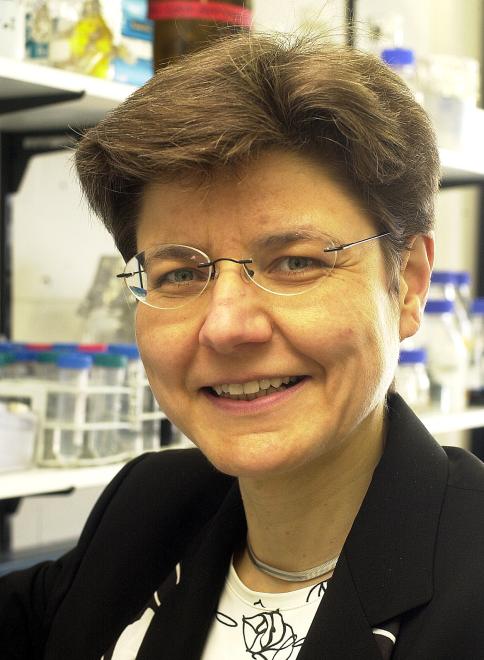 Dorothee Staiger合作论文数Fakultat fur Biologie, Bielefeld University9
 Lee Keun Pyo合作论文数Dept Bot & Biol Vegetale, Univ Geneva8Steffen Reinbothe合作论文数8
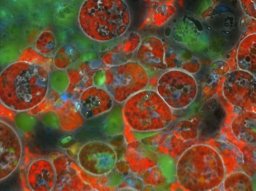 Antoine Danon合作论文数Laboratoire de Physiologie et Biologie Moléculaire des Plantes, Université de Perpignan8Christiane Reinbothe合作论文数8
 Liangsheng Wang (王亮生)合作论文数Institute of Botany, The Chinese Academy of Sciences;University of Chinese Academy of Sciences7Baruah Aiswarya合作论文数Institute of Plant Sciences, ETH Zurich7Barbara Van Cleve合作论文数7Mena Nater合作论文数6Simková Klára合作论文数6
 Ivo Feussner合作论文数Department for Plant Biochemistry, Albrecht-von-Haller-Institute for Plant Sciences, University of Goettingen6
 Veronica Albrecht-Borth合作论文数Institute of Plant Sciences, Swiss Federal Institute of Technology (ETH)6Klaus Kreuz合作论文数6B Van Cleve合作论文数5Petra Epple合作论文数5D Przybyla合作论文数4Dominika Przybyla合作论文数4S Runge合作论文数4
 Walter Becker合作论文数Med Fac, Rhein Westfal TH Aachen4
 Nuria Sanchez Coll合作论文数4Klaus Kloppstech合作论文数4
 Éva Hideg合作论文数Institute of Plant Biology;Biological Research Center;Hungarian Academy of Sciences;Institute of Plant Biology, Hungarian Academy of Sciences4Otto Miersch合作论文数4Nikolai Lebedev合作论文数4Christoph Forreiter合作论文数4Roland Gleissner合作论文数4
 Eberhard Schaefer合作论文数Institute of Biology II, University of Freiburg4H Holtorf合作论文数4
 Klaus Steinmuller合作论文数4C Heintzen合作论文数3Christian Ochsenbein合作论文数3Dae Won Lee合作论文数3Frank Landgraf合作论文数3Cornelia Goebel合作论文数3Daniela Wagner合作论文数3
 Barry Pogson合作论文数Research School of Biology, College of Science, The Australian National University3
 Claus Wasternack合作论文数Abteilung Molekulare Signalverarbeitung, Leibnizinstitut fur Pflanzenbiochemie3
 Murray Badger合作论文数Division of Plant Sciences, Research School of Biology, College of Science, Australian National University3Egon Mosinger合作论文数3




