Comparison of experimental tumor growth curves with model predictions to define baseline values of model parameters.
Secondary lymphedema is a debilitating condition driven by impaired regeneration of lymphatic vasculature following lymphatic injury, surgical removal of lymph nodes in cancer patients, or infection. However, the extent to which collecting lymphatic vessels regenerate following injury remains unclear. Here, we employed a novel mouse model of lymphatic injury in combination with state-of-the-art lymphatic imaging to demonstrate that the implantation of an optimized fibrin gel following lymphatic vessel injury leads to the reconnection of the injured lymphatic vessel network through sprouting lymphangiogenesis of initial-like lymphatic vessels from the ends of the collecting lymphatic vessels, resulting in the restoration of lymph flow to the draining lymph node. Mechanistically, we found that fibrin implantation elevates the tissue levels of CCL5, a potent immune cell-recruiting chemokine. Notably, injured vessels in CCL5-KO mice made fewer connections following fibrin gel implantation. These novel findings shed light on the mechanisms underlying lymphatic regeneration and suggest that enhancing CCL5 signaling may be a promising therapeutic strategy for enhancing lymphatic regeneration.
BACKGROUND:Antibody-drug conjugates (ADCs) and bispecific antibodies represent a rapidly advancing frontier in oncology, yet the abnormal tumor microenvironment (TME) hinders their delivery and reduces efficacy. Emerging immunomodulatory ADCs (IM-ADCs) demand mechanistic mathematical models that couple drug transport with immune dynamics. METHODS:Here, we present a mechanistic framework for the delivery of HE-S2 ADC, an anti-programmed cell death ligand 1 (PD-L1) antibody bearing the bifunctional immunomodulator D18. Our model integrates cancer-immune cells interactions, TME properties, such as dysfunctional vessels, elevated interstitial fluid pressure, tissue hydraulic conductivity, and vascular permeability, spatiotemporal distributions across growing tumor and adjacent host tissue, convective-diffusive transport, ADCs binding and internalization kinetics and tumor-draining lymph node biology governing antigen presentation and the generation of effector CD8+ T cells. Parameters were calibrated simultaneously with the murine MC38 and B16 tumor growth data and effector CD8+T cell data following treatment with D18, anti-PD-L1, and ADC. RESULTS:Our mechanistic spatiotemporal model captures the superior antitumor efficacy of the HE-S2 ADC relative to its individual components and provides mechanistic predictions for unmeasured variables, such as spatiotemporal dynamics of drug/immune-cell distributions. It explains reduced intratumoral D18 exposure via rapid clearance, while antibody/ADC achieves higher tumor retention through leaky tumor vasculature. The model suggests a reinforcing loop in which improved ADC exposure enhances CD8+T cell infiltration, driving tumor shrinkage that lowers fluid pressure and improves drug delivery. Parametric analyses findings support TME normalization strategies that increase functional vessel density prior to ADC administration; however, such approaches should preserve sufficient vascular permeability by maintaining vessel pore radius >~40 nm, ensuring pores remain large enough for ADC extravasation and effective intratumoral delivery. CONCLUSION:The proposed mechanistic model successfully captures how TME properties regulate the delivery and efficacy of IM-ADCs while suggesting TME normalization as a potential strategy to improve treatment outcomes.
Supplementary Fig. S9: Expression levels of Cxcr3 and its ligands are increased in ICC tissues after GC/dual ICB treatment in murine 425-ICC.
Schematic of the mathematical model of tumor-immune system interactions, highlighting key immune components, their activation and cytolytic functions, and modulation by PD-1/PD-L1 signaling. The model also incorporates cytokine effects and the influence of immunosuppressive cells like M2 macrophages and Tregs.
De novo vessel formation (vasculogenesis) in vitro is a key step in tissue engineering to preserve tissue viability for long-term assays and testing therapeutic agents. However, in vitro vasculogenesis is often unreliable due to differences in vascular-supporting cells, including endothelial cells and stromal cells such as smooth muscle cells (SMCs) and fibroblasts. Here, we developed a robust co-culture system of HUVECs and SMCs to generate stable vascular networks capable of maintaining tissue viability over extended periods. Given that SMC plasticity is a major limitation in supporting endothelial network formation, we systematically evaluated the effects of passage number, confluency, and freezing on primary SMC function. To overcome this limitation, we generated immortalized supportive SMCs, which preserved their vasculogenic gene program and functional capacity even at high passage. In addition, we identified and validated key genes associated with endothelial support, including CD248, C3, and FBLN1, all essential for vasculogenesis. Immortalized SMCs consistently maintained expression of these genes and supported robust vessel formation under variable culture conditions. Collectively, this study demonstrates that immortalized SMCs provide a stable, reproducible platform for endothelial-SMC co-cultures, enabling long-term vascularized tumor models suitable for functional studies and therapeutic screening.
Background: In critical illness, clinical status evolves at different rates and patients may present at varying lengths of time since disease onset. If treatment effects are time dependent, characterizing temporal heterogeneity of patient cohorts may enable enrichment for larger effect sizes and may result in improved treatment protocols for individual patients. Methods: Using daily clinical and laboratory values from patients undergoing mechanical ventilation at 9 ICUs across 6 centers in Toronto, Canada, we first perform a latent class analysis and identify patients who experience transitions among classes. We next construct time autocorrelation functions of individual clinical variables, including class defining variables, and propose the auto-correlation time as an estimate of time since onset of illness and of susceptibility to therapeutic intervention. Results: We find that the data is best described by two latent classes with different severity of illness and mortality. Out of 14,196 patients in our cohort, 1,730 were switchers who made at least one transition between classes, whereas 12,466 were non-switchers. Most transitions occurred in the first three days of the ICU stay. The distribution of clinical variable auto-correlation times was asymmetric, peaking at short times but with a long tail consistent with heterogenous dynamics. We further find that autocorrelation time distributions exhibit signs of aging, with the distributions shifted towards longer times later in the ICU stay. Interpretation: In this cohort of patients with respiratory failure we found distinct temporal profiles with some patients transitioning between latent classes and some patients characterized by adynamic trajectories. Dynamics generally slow with time since presentation, suggesting that dynamic scores may be a proxy for time since onset of illness. At any point in time, however, quantitative measures of dynamics such as the autocorrelation time are broadly distributed, suggesting dynamics remain heterogenous throughout the ICU course. Measures of dynamic stability may be useful both for identifying points in time where treatment effect may be expected to be maximal (prior to the onset of adynamic behavior) and for assembling temporally homogeneous trial cohorts for both prognostic and predictive enrichment.
Supplementary Fig. S8: Bulk tissue RNA sequencing analysis of ICC after GC/dual ICB combination therapy in orthotopic murine 425-ICC model.
Global sensitivity analysis. The coefficients of significant predictors (p-value<0.05 ANOVA) on the tumor volume before treatment in equation (3) of the main paper.
Abstract T cell distribution within tumors (“tumor hotness”) critically determines the success of immunotherapy. However, despite numerous strategies to enhance intratumoral T cell accumulation – such as multi-target CAR-Ts and combinatorial approaches – limited mechanistic understanding of T cell–microenvironment interactions has constrained progress. To address this, we developed a mechanistic physiological model of the 3D tumor microenvironment (TME) to evaluate CAR-T performance under environmental fluctuations and across different infusion strategies. The model integrates key vascular (rolling, firm adhesion, endothelial suppression) and interstitial (ECM density, metabolic competition, chemokine sensitivity) barriers. Our simulations reveal that collagen density and metabolic competition are dominant factors in CAR-T efficacy. Enhancing vascular rolling and firm adhesion improves infiltration but remains limited by collagen and metabolism. Endothelial suppression markedly reduces tumor hotness, while its alleviation enhances response. Systemic infusion yields higher tumor hotness than intratumoral delivery, but combined routes or reduced collagen density restore efficacy, even in dense tumors. This mechanistic framework enables rational optimization of CAR-T strategies.
Supplementary Fig. S12: Effect of ICB treatment scheduling on efficacy and toxicity.
Comparison of the components incorporated in our modeling framework with those incorporated in previously published pertinent models.
Supplementary Fig. S2: Standard chemotherapy converts ICB-resistant ICCs to ICB-responsive tumors, significantly delays tumor progression and increases survival in mice.
Supplementary Fig. S6: CTLA-4 blockade mediates the efficacy of GC/ICB therapy in ICC and increases CD8+CTL frequency in murine ICC.
Local sensitivity analysis. The logarithm of total variance for each parameter and treatment.
 Rakesh K. Jain合作论文数Harvard Medical School, Harvard University;Edwin L. Steele Laboratories for Tumor Biology, Department of Radiation Oncology, Massachusetts General Hospital193
 Dai Fukumura合作论文数Massachusetts General Hospital;Mass General Research Institute;Harvard Medical School, Harvard University82
 Triantafyllos Stylianopoulos合作论文数Department of Mechanical and Manufacturing Engineering, University of Cyprus;Cancer Biophysics Laboratory, University of Cyprus46
 Dan G. Duda合作论文数Houston Methodist Research Institute45
 Peigen Huang合作论文数43
 Timothy P. Padera合作论文数Edwin L. Steele Laboratories, Massachusetts General Hospital;Harvard Medical School37
 Meenal Datta合作论文数Edwin L. Steele Laboratory for Tumor Biology, Massachusetts General Hospital and Harvard Medical School;Department of Chemical and Biological Engineering, Tufts University;Harvard Medical School, Tufts University32Pinji Lei合作论文数College of Life Sciences, Wuhan University31
 Yves Boucher合作论文数27
 Zohreh Amoozgar合作论文数Department of Radiation Oncology, Massachusetts General Hospital, Harvard Medical School26
 James W. Baish合作论文数Department of Mechanical Engineering, Bucknell University25
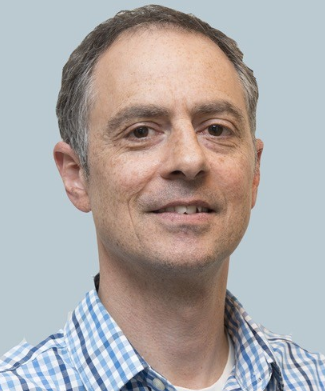 Nabeel M. Bardeesy合作论文数Center for Cancer Research, Massachusetts General Hospital;Harvard Medical School;KFCCR Faculty, Mass General Research Institute;Harvard Stem Cell Institute;OncoRev, LLC20Aya Matsui合作论文数19
 Shuichi Aoki合作论文数Dept. of Surgery, Tohoku University Graduate School of Medicine19Kirkpatrick Nathaniel D合作论文数18Daniel Staiculescu合作论文数17Koetsu Inoue合作论文数17Stefan Halvorsen合作论文数17
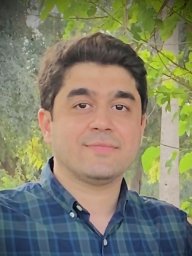 Mohammad Reza Nikmaneshi合作论文数Department of Mechanical Engineering, Sharif University of Technology17Ze-Long Liu合作论文数Harvard Medical School, Massachusetts General Hospital17Sassi Slim O合作论文数17Alexei Hernandez合作论文数16Zhangya Pu合作论文数16
 Lei Shi合作论文数Center for Cancer Research, Massachusetts General Hospital16
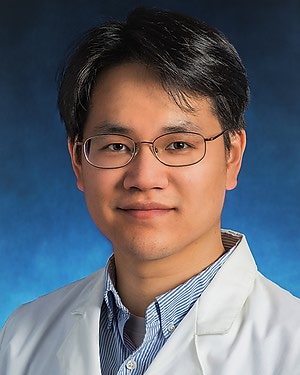 Won Jin Ho合作论文数Department of Otolaryngology-Head and Neck Surgery, School of Medicine, Johns Hopkins University16
 Voutouri Chrysovalantis合作论文数Cancer Biophysics laboratory, University of Cyprus16Xin Liu合作论文数16
 Golnaz Morad合作论文数Research Institute of Dental Sciences, Shahid Beheshti University of Medical Sciences15Jonathan W. Song合作论文数Department of Biomedical Engineering, University of Michigan15Sarah Shin合作论文数14Zhiping Ruan合作论文数14Lingling Zhu合作论文数14
 Hadi T. Nia合作论文数Department of Biomedical Engineering, College of Engineering, Boston University;Division of Materials Science and Engineering, Boston University13igor garkavtsev合作论文数13Melin J Khandekar合作论文数13Despina Bazou合作论文数Cardiff School of Biosciences, Cardiff University13Jean Y. Perentes合作论文数13Christine M. Shaver合作论文数12
 Chen Jiang合作论文数Sir Run Run Shaw Hospital, Zhejiang University12
 Walid S. Kamoun合作论文数Merrimack, Cambridge, MA;Merrimack, Cambridge, MA;12
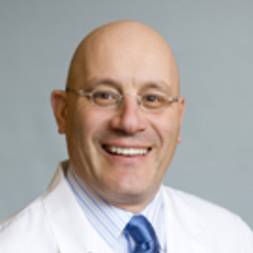 Dennis Sgroi合作论文数Harvard Medical School;Molecular Pathology Unit, Mass General Research Institute, Massachusetts General Hospital12Eve Y. Smith合作论文数11RJ MELDER合作论文数11
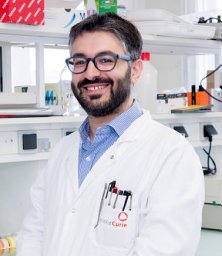 Giorgio Seano合作论文数Edwin L Steele Labs, Massachusetts Gen Hosp11
 John M. Tarbell合作论文数Department of Biomedical Engineering, The City College of New York11Sylvie Roberge合作论文数10C Corey Hardin合作论文数10
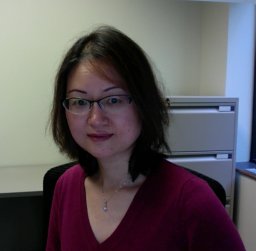 Shan Liao合作论文数Inflammation Research Network, University of Calgary;Snyder Institute for Chronic Diseases;Department of Microbiology, Immunology and Infectious diseases, Cumming School of Medicine, Calgary, Alberta, Canada.;Snyder Institute for Chronic Diseases, University of Calgary10
 Edward Meigs Brown合作论文数Brigham and Women's Hospital10




