Secondary lymphedema is a debilitating condition driven by impaired regeneration of lymphatic vasculature following lymphatic injury, surgical removal of lymph nodes in cancer patients, or infection. However, the extent to which collecting lymphatic vessels regenerate following injury remains unclear. Here, we employed a novel mouse model of lymphatic injury in combination with state-of-the-art lymphatic imaging to demonstrate that the implantation of an optimized fibrin gel following lymphatic vessel injury leads to the reconnection of the injured lymphatic vessel network through sprouting lymphangiogenesis of initial-like lymphatic vessels from the ends of the collecting lymphatic vessels, resulting in the restoration of lymph flow to the draining lymph node. Mechanistically, we found that fibrin implantation elevates the tissue levels of CCL5, a potent immune cell-recruiting chemokine. Notably, injured vessels in CCL5-KO mice made fewer connections following fibrin gel implantation. These novel findings shed light on the mechanisms underlying lymphatic regeneration and suggest that enhancing CCL5 signaling may be a promising therapeutic strategy for enhancing lymphatic regeneration.
Supplementary Fig. S9: Expression levels of Cxcr3 and its ligands are increased in ICC tissues after GC/dual ICB treatment in murine 425-ICC.
Supplementary Fig. S8: Bulk tissue RNA sequencing analysis of ICC after GC/dual ICB combination therapy in orthotopic murine 425-ICC model.
Supplementary Fig. S12: Effect of ICB treatment scheduling on efficacy and toxicity.
Supplementary Fig. S2: Standard chemotherapy converts ICB-resistant ICCs to ICB-responsive tumors, significantly delays tumor progression and increases survival in mice.
Supplementary Fig. S6: CTLA-4 blockade mediates the efficacy of GC/ICB therapy in ICC and increases CD8+CTL frequency in murine ICC.
Supplementary Fig. S11: Cxcr3 in CD8 T cells mediates the benefit of GC/ICB combination therapy in orthotopic murine 425-ICC model.
Supplementary Fig. S4: IMC analysis of ICC after GC-based therapies in orthotopic murine 425-ICC model.
Supplementary Fig. S5: CTLA-4 blockade is critical for efficacy of combined chemotherapy with ICB in ICC by grafting 425 murine cells in C57Bl/6/FVB F1 mice.
Supplementary Fig. S3: ScRNAseq analysis of ICC TME after GC-based therapies in orthotopic murine 425-ICC model.
In recent decades, immunotherapy with chimeric antigen receptors (CARs) has revolutionized cancer treatment and given hope where other cancer therapies have failed. CAR-natural killer (NK) cells are NK cells that have been engineered ex vivo with a CAR on the cell membrane with high specificity for specific target antigens of tumor cells. The impressive results of several studies suggest that CAR-NK cell therapy has significant potential and successful performance in cancer treatment. Despite its effectiveness, CAR-NK cell therapy can have significant challenges when it comes to treating cancer. These challenges include tumor heterogeneity, antigen escape, an immunosuppressive tumor microenvironment, limited tissue migration from blood, exhaustion of CAR-NK cells, and inhibition by immunosuppressive checkpoint molecule signaling, etc. In CAR-T cell therapy, the use of combined approaches has shown encouraging outcomes for tumor regression and improved cancer treatment compared to single therapies. Therefore, to overcome these significant challenges in CAR-NK cells, innovative combination therapies of CAR-NK cells with other conventional therapies (e.g., chemotherapy and radiotherapy) or other immunotherapies are needed to counteract the above challenges and thereby increase the activity of CAR-NK cells. This review comprehensively discusses various cancer-treatment approaches in combination with CAR-NK cell therapy in the hope of providing valuable insights that may improve cancer treatment in the near future.
Purpose:Tumor hypoxia is a key barrier to successful delivery and activity of anti-cancer agents. To tackle this, we designed hypoxia-responsive Au-PEI-Azo-mPEG nanoparticles (NPs) denoted as APAP NPs for targeted delivery of hypoxia-activated prodrug (HAP), tirapazamine (TPZ) to hypoxic breast cancer cells. Methods:AuNPs were first synthesized. And then, were coated with polyethylene imine (PEI) by EDC-NHS chemistry. To realize NP biocompatibility and self-activating potential, a hypoxia-cleavable mPEG-AZO linker shell was coupled to the Au-PEI core. The hypoxia-responsible behavior of nanoparticles was analyzed under 21% O2 (normoxia) and 1% O2 (hypoxia) condition in 2D cell culture as well as MDA-MB-231 and MCF-7 spheroids as reliable biomimetics of tumor hypoxia. Results:APAP NPs elicited comparable cytotoxicity upon MDA-MB-231 cancer cells lowering TPZ IC50 to 7.46 µg/mL after 24 h. And were capable of enhanced ROS generation (P<0.001), and reduced mitochondrial membrane potential under hypoxia condition compared to the control (P<0.0001). Further, these NPs induced widespread apoptosis in both 2D and 3D cancer cell culture (P<0.0001), significantly reduced cell adhesion density (P<0.01), increased cell uptake by ~100 folds under hypoxia condition, and destroyed large MCF-7 spheroids by 72 h. Conclusion:Together, APAP@TPZ as biocompatible, and multi-stage activating platforms afford deepened penetration of HAP to hypoxic tumor core, where PEG detachment and TPZ bioreduction into its active form promote selective and effective eradication of hypoxic breast cancer microtumors.
Immune checkpoint blockade therapy, including anti-PD-1 antibody (αPD1), has shown limited success in glioblastoma (GBM), a lethal brain tumor with a median survival of under two years. The Wnt signaling pathway - known for its role in development - can limit treatment outcomes in several malignancies, including GBM. Moreover, it plays a critical role in GBM progression by promoting stemness and epithelial-mesenchymal transition. While the preclinical evidence indicates that Wnt signaling is linked to anti-PD-1 (αPD1) resistance in extracranial tumors, its role in GBM immune suppression and αPD1 resistance remains unknown. Here, we show that Wnt7b is upregulated in GBM patients and contributes to αPD1 therapy resistance in a clinically relevant, stemness-rich murine GBM syngeneic model (GSC005). We observed that elevated Wnt7b and β-catenin levels correlated with a poor αPD1 response. We hypothesized that inhibiting Wnt signaling could sensitize tumors to αPD1 therapy by reprogramming the TME from immunosuppressive to immunostimulatory and bolster anti-tumor immunity. We orthotopically implanted GSC005 into immunocompetent mice, then tracked tumor growth using ultrasound, and analyzed tumor and immune cell subpopulations by flow cytometry. Combining the porcupine inhibitor WNT974 with αPD1 improved median survival from 25 to 59 Days (p < 0.05), with 25% of mice achieving long-term survival. WNT974 with αPD1 increased DC3-like dendritic cells and reduced granulocytic myeloid-derived suppressor cells (gMDSCs). Moreover, this combination increased the Ki67+ CD8 T/Ki67+ Treg ratio, shifting the balance towards an anti-tumor immune response and upregulated Gzmb in CD8 T cells, enhancing their effector function. Interestingly, resistance to WNT974 + αPD1 was marked by elevated monocytic MDSCs, pERK/MAPK pathway activation, and modest T cell exhaustion. Our study provides compelling data and rationale to repurpose WNT974, reported to be safe in a Phase I trial in extracranial cancer patients, in combination with αPD1 therapy in GBM patients with elevated Wnt7b/β-catenin signaling.
 Rakesh K. Jain合作论文数Harvard Medical School, Harvard University;Edwin L. Steele Laboratories for Tumor Biology, Department of Radiation Oncology, Massachusetts General Hospital44
 Dai Fukumura合作论文数Massachusetts General Hospital;Mass General Research Institute;Harvard Medical School, Harvard University41
 Dan G. Duda合作论文数Houston Methodist Research Institute31
 Meenal Datta合作论文数Edwin L. Steele Laboratory for Tumor Biology, Massachusetts General Hospital and Harvard Medical School;Department of Chemical and Biological Engineering, Tufts University;Harvard Medical School, Tufts University30
 Peigen Huang合作论文数30Pinji Lei合作论文数College of Life Sciences, Wuhan University28
 Lance Munn合作论文数Department of Radiation Oncology, Mass General Research Institute, Massachusetts General Hospital;Harvard Medical School;Université de Technologie de Compiègne23Zhiping Ruan合作论文数16Aya Matsui合作论文数16
 Shuichi Aoki合作论文数Dept. of Surgery, Tohoku University Graduate School of Medicine16Daniel Staiculescu合作论文数15Koetsu Inoue合作论文数15Zhangya Pu合作论文数15Sarah Shin合作论文数14Stefan Halvorsen合作论文数14Lingling Zhu合作论文数14Alexei Hernandez合作论文数14Ze-Long Liu合作论文数Harvard Medical School, Massachusetts General Hospital14
 Lei Shi合作论文数Center for Cancer Research, Massachusetts General Hospital14
 Won Jin Ho合作论文数Department of Otolaryngology-Head and Neck Surgery, School of Medicine, Johns Hopkins University14Sassi Slim O合作论文数14Xin Liu合作论文数14
 Nabeel M. Bardeesy合作论文数Center for Cancer Research, Massachusetts General Hospital;Harvard Medical School;KFCCR Faculty, Mass General Research Institute;Harvard Stem Cell Institute;OncoRev, LLC14Sylvie Roberge合作论文数13
 Chen Jiang合作论文数Sir Run Run Shaw Hospital, Zhejiang University12Lei Xu合作论文数12
 Ashwin S Kumar合作论文数Harvard-Massachusetts Institute of Technology Division of Health Sciences and Technology, Massachusetts Institute of Technology11Jun Ren合作论文数Harvard Med Sch, Massachusetts Gen Hosp, Edwin L Steele Labs Tumor Biol, Boston, MA USA11Posada, Jessica M.合作论文数10Michael Lewis Goldberg合作论文数Molecular Biology and Genetics, College of Arts and Sciences, Cornell University10
 Jahanban-Esfahlan Rana合作论文数Dept Med Biotechnol, Tabriz Univ Med Sci10Mark Duquette合作论文数10
 Patrik Andersson合作论文数Department of Medical Biochemistry and Biophysics;Karolinska Institute;Department of Medical Biochemistry and Biophysics, Karolinska Institute10
 William W Ho合作论文数9
 Somin Lee合作论文数9Yoon Yeo合作论文数9Shanmugarajan Krishnan合作论文数8
 Mehdi Jaymand合作论文数Nano Drug Delivery Research Center, Kermanshah University of Medical Sciences8
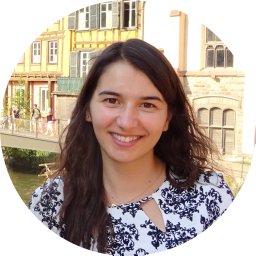 Batista Ana合作论文数7
 Sampurna Chatterjee合作论文数Takeda7
 J Kloepper合作论文数7Tahereh Javaheri合作论文数6
 Kosuke Kawaguchi合作论文数6
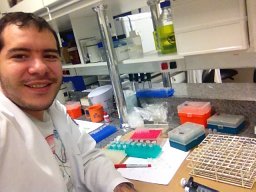 Igor L Gomes-Santos合作论文数Massachusetts General Hospital6
 Sonu Subudhi合作论文数Massachusetts General Hospital, Harvard Medical School6
 Deyin Xing合作论文数Department of Pathology, School of Medicine, Johns Hopkins University6
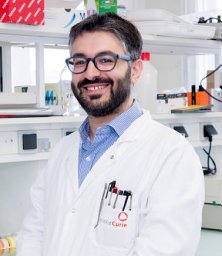 Giorgio Seano合作论文数Edwin L Steele Labs, Massachusetts Gen Hosp6Seidi Khaled合作论文数6
 Neal Lindeman合作论文数Laboratory Medicine and Molecular Pathology, Weill Cornell Medicine6




