To isolate and identify new types of nitrogenous constituents from leaves of Moringa oleifera, as well as to further investigate their potential cytoprotective effects against H2O2-induced cellular injury, thirteen secondary metabolites were purified included one new nitrile glycoside (1), one new pyrrole alkaloid (2), and eleven nitrogenous phytoconstituents (3-13), determined based on chemical and spectroscopic data, such as 1D and 2D NMR, and mass spectra. Among them, the protective effects of compounds 1-13 on adrenal pheochromocytoma (PC12) cells exposed to hydrogen peroxide were evaluated. Compound 2 showed significant neuroprotective activity at concentrations of 1, 5, and 10 μM. Compounds 5 and 9 showed significant neuroprotective activity at concentrations of 5 and 10 μM. Compound 10 displayed significant neuroprotective activity against H2O2-induced cell damage at a concentration of 10 μM. In general, nitrogenous compounds from Moringa Oleifera leaves exhibited a potential cytoprotective effect against H2O2-induced cellular injury.
PURPOSE:Hepatocellular carcinoma (HCC) is a leading cause of cancer-related mortality worldwide. Tumor-associated macrophages (TAMs) are key components of the immunosuppressive tumor microenvironment and represent significant obstacles to effective immunotherapy. Phyllanthus emblica L. (PE), a medicinal plant traditionally used in Tibet, has shown therapeutic promise. This study investigates the effects of the tannin fraction of PE (PE-TF) on HCC and its ability to modulate the tumor immunosuppressive microenvironment. METHODS:We evaluated the antitumor efficacy of PE-TF using H22 xenografts and Hepa1-6 orthotopic mouse models. Transcriptomic analysis was performed to identify molecular targets underlying PE-TF suppression of HCC growth. Additionally, UPLC-MS/MS analysis identified the prototypic and metabolic components of PE-TF present in serum, tumor tissues, and adjacent normal liver tissues in the orthotopic HCC model. RESULTS:PE-TF significantly suppressed tumor growth in both subcutaneous and orthotopic HCC models and promoted reprogramming of TAMs toward an antitumor M1 phenotype in vivo. Furthermore, PE-TF counteracted the protumoral effects mediated by bone marrow-derived macrophages (BMDMs) exposed to Hepa1-6-derived conditioned medium (HCM). Although TBH promoted macrophage M2 polarization, the reactive oxygen species (ROS)-scavenging activity of PE-TF effectively inhibited this process. Modulation of the tumor microenvironment by PE-TF-enhanced CD8+T cell infiltration and bolstered their antitumor response, as evidenced by increased transcription of perforin, IFN-γ, and IL-2. Transcriptomic analysis further revealed that T-cell receptor and cytotoxic T-cell signaling pathways are critical mediators of PE-TF' therapeutic effects. Moreover, we preliminarily characterized 79 components across serum, liver, and tumor tissues, and identified metabolic pathways for PE-TF ingredients-including methylation and glycosylation modifications of tumor-enriched constituents. Notably, seven components, such as corilagin and urolithin D, are hypothesized to possess immunomodulatory properties. CONCLUSION:Our findings underscore the potential of PE-TF as an adjuvant immunotherapy for HCC. By scavenging ROS, PE-TF reverses the immunosuppressive M2-TAM phenotype and remodels the tumor microenvironment, thereby enhancing antitumor immunity. Additionally, integrating chemical and metabolic profiling offers a promising strategy for refining candidate selection in future drug discovery endeavors.
Covering: 2009 up to the end of 2023Stilbenes, an emblematic group of polyphenols, have attracted the attention of numerous researchers owing to their intriguing polycyclic architectures and diverse bioactivities. In this updated review, natural stilbenes were analysed, especially oligomeric stilbenes, which are an emblematic group of polyphenols that harbor intriguing polycyclic architectures and diverse bioactivities compared with those previously anticipated. Oligomeric stilbenes with unique skeletons comprise a large majority of natural stilbenes owing to their structural changes and different substitutions on the phenyl rings. These compounds can be promising sources of lead compounds for studying new drugs and medicines. In addition, the exploration of unusual structures of oligomeric stilbenes such as polyflavanostilbenes A and B, analysing their absolute stereochemistry, and improving their yield using synthetic biology methods have recently gained interest. This review provides a systematic overview of 409 new stilbenes, which were isolated and identified over time from January 2009 to December 2023, focusing on the classification and biomimetic syntheses of oligomeric stilbenes, in addition to presenting meaningful insights into their structural diversity and biological activities, which will inspire further investigations of biological activities, structure-activity relationships, and screening of drug candidates.
BACKGROUND:Lung cancer is one of the deadliest cancers world-wide and immunotherapy has been considered as a promising therapeutic strategy. Previously, our study found that tannins in Phyllanthus emblica L. (PTF) could inhibit the growth of tumor by activating the immune response in liver cancer, and also exhibited a cytotoxicity on human lung cancer cells A549, H460, H1703 in vitro.OBJECTIVE:To explore whether PTF inhibited the growth of lung cancer through its immune-regulating function and to clarify underlying mechanisms.METHODS:The induction of immunogenic cell death (ICD) were characterized by calreticulin exposure, extracellular ATP secretion, and High Mobility Group Box 1(HMGB1) release both in vivo using LLC-derived xenograft tumor model and in vitro using both mouse LLC and human A549 cancer cells.RESULTS:PTF inhibited lung cancer cells growth and tumorigenesis in vivo/vitro and promoted anti-tumor immune responses. We further found that PTF could induce ICD, which then activated Type I interferon responses and CXCL9/10-mediated chemotaxis. Mechanistically, PTF induced the formation of intracellular protein aggregates and following activation of PERK/ATF4/CHOP-dependent endoplasmic reticulum stress-related ICD. Moreover, PTF improved the antitumor efficacy of cisplatin by inducing ICD both in vitro and in vivo. Finally, we screened out 5 components from PTF, including gallocatechin, gallic acid, methyl gallate, ethyl gallate and ellagic acid, which could induce ICD in vitro and might be considered as the potential antitumor pharmacodynamic substances.CONCLUSION:In conclusion, PTF inhibits the growth of lung cancer by triggering ICD and remodeling the tumor microenvironment, suggesting that PTF may have promising prospects as an adjacent immunotherapy for cancers.
Correction for ‘ Moringa oleifera leaf polysaccharides exert anti-lung cancer effects upon targeting TLR4 to reverse the tumor-associated macrophage phenotype and promote T-cell infiltration’ by Shukai Wang et al. , Food Funct. , 2023, 14 , 4607–4620, https://doi.org/10.1039/D2FO03685A.
The objective of the present study was to develop PTF-loaded solid lipid nanoparticles (PTF-SLNs) and investigate their efficacy in treating lung cancer. The PTF-SLNs were prepared by the thin film hydration method and verified by FTIR and TEM. Their physicochemical properties were characterized by particle size, polydispersity index (PDI), zeta potential, entrapment efficiency (EE), drug loading (DL), etc. Then, the pharmacodynamic studies of PTF-SLNs were performed on Lewis lung cancer cells and tumor-bearing mice. Finally, the safety studies were assessed by organ index, serum biochemical indicators, and histopathological changes. The PTF-SLNs were characterized by around 50 nm sphere nanoparticles, sustained ideal stability, and controlled drug release effects. The pharmacodynamic evaluation results showed that PTF-SLNs had stronger anti-tumor efficacy than PTF. An in vitro study revealed a more obvious cytotoxicity and apoptosis effect. The IC 50 values of PTF and PTF-SLNs were 67.43 μg/mL and 20.74 μg/mL, respectively. An in vivo study showed that the tumor inhibition rates of 2 g/kg PTF and 0.4 g/kg PTF-SLNs were 59.97% and 64.55%, respectively. The safety preliminary study indicated that PTF-SLNs improve the damage of PTF to normal organs to a certain extent. This study provides a nanoparticle delivery system with phenolic herbal extract to improve anti-tumor efficacy in lung cancer.
目的 筛选余甘子鞣质调控巨噬细胞极化的活性部位,探讨其调控巨噬细胞极化的主要化学成分和作用机制.方法 采用CCK-8细胞增殖实验检测细胞活力;荧光定量PCR(qPCR)检测M2巨噬细胞标志物Arg-1、CD206、TNF-αmRNA表达水平以筛选有效部位;UPLC-Q-Exactive-MS/MS 表征其化学成分.利用 SwissADME 和 SwissTargetPrediction数据库筛选活性成分并获取其对应靶点,与GEO数据库中筛选的M1-M2型巨噬细胞差异基因取交集,运用Cytoscape3.7.2软件绘制"药物成分-潜在靶点"网络图,并在STRING数据库进行蛋白互作关系分析,并进行基因本体(GO)和京都基因与基因组百科全书(KEGG)富集分析.结果 基于体外巨噬细胞极化模型,发现余甘子鞣质20%甲醇洗脱部位可显著抑制M2巨噬细胞标志物Arg-1和CD206mRNA的表达,升高M1巨噬细胞标志物TNF-αmRNA的表达(P<0.001),且活性明显强于其他洗脱部位.通过比对余甘子糅质与20%甲醇洗脱部位UPLC-MS总离子流图,鉴定出20%甲醇洗脱部位中化学成分29个,筛选出有效成分11个,对应靶点94个,药物-巨噬细胞相关交集靶点37个;KEGG富集分析结果显示,余甘子糅质20%甲醇洗脱部位调控巨噬细胞极化相关靶点主要为HIF-1信号通路、PI3K-Akt信号通路、NF-kappaB信号通路等,涉及有机物的反应、对含氧化合物的反应、对化学刺激的细胞反应等显著相关生物过程.结论 本研究基于巨噬细胞极化模型筛选出余甘子鞣质中调控巨噬细胞极化的主要活性部位,借助网络药理学初步证明了余甘子鞣质20%甲醇洗脱部位可以多成分、多靶点、多通路共同调控巨噬细胞极化,为进一步阐明余甘子鞣质调控巨噬细胞极化的药效物质和作用机制提供依据.
Tumor-associated macrophages (TAMs) participate in tumorigenesis, growth, invasion as well as metastasis by facilitating an immunosuppressive tumor microenvironment. Reversing the pro-tumoral M2 phenotype of TAMs has become a hot spot in advancing cancer immunotherapy. In the current study, the content of Moringa oleifera leaf polysaccharides (MOLP) was determined and characterized, along with the anti-cancer mechanism of MOLP studied in a Lewis lung cancer (LLC) tumor-bearing mouse model and bone marrow-derived macrophages. The monosaccharide composition and gel permeation chromatography analyses show that MOLP are mainly composed of galactose, glucose, and arabinose, with approximately 17.35 kDa average molecular weight (Mw). In vivo studies demonstrate that MOLP convert TAMs from the immunosuppressive M2 phenotype to the antitumor M1 phenotype, thus inducing CXCL9 and CXCL10 expression and increasing T-cell infiltration in the tumor. Furthermore, macrophage depletion and T cell suppression demonstrated that the tumor suppressive effect of MOLP was reliant on reprogramming macrophage polarization and T cell infiltration. In vitro studies revealed that MOLP could induce the phenotypic switch from M2 macrophages to M1 by targeting TLR4. The current study highlights that MOLP are promising anticancer plant-derived polysaccharides with potential in modulating the immune microenvironment and have a bright application prospect in the immunotherapy of lung cancer.
Elucidating the underlying mechanism of the processing of Chinese herbal medicine (CHM) is crucial and also challenging for the modernization of Traditional Chinese Medicine (TCM). Herein, inspired by the traditional method for processing the Chinese herb Polygonum multiflorum (PM) Thunb with excipient black beans, the representative herbal components trans-2,3,5,4'-tetrahydroxystilbene 2-O-β-D-glucopyranoside (TSG) and cyanidin-3-O-β-glucoside (C3G) from each herbal medicine were selected to investigate the processing mechanism at the supramolecular level. The co-assemblies of TSG/C3G were found to be formed, and their structure was characterized by electronic microscopy and a small angle X-ray scattering (SAXS) technique. In addition, the supramolecular interactions between TSG and C3G were fully probed with UV-Vis, fluorescence, XRD, and NMR spectroscopy. Molecular dynamics were further performed to simulate the assembly processes of TSG and C3G. Notably, the formation of TSG/C3G co-assemblies was found to significantly enhance the stability of TSG against light, Fe3+, and simulated intestinal fluids. The co-assembly of TSG and C3G that leads to supramolecular aggregates discovered here may imply the underlying mechanism of processing PM with black beans. Our results may also suggest that a new effective form of TCM is supramolecular aggregates rather than each component.
Objective: By analyzing the Chinese literatures related to the teaching reform of traditional Chinese medicine chemistry included in the database of China National Knowledge Infrastructure(CNKI), this paper summarizes the main research development trends, characteristics and hotspots, so as to provide reference for the follow-up teaching research of traditional Chinese medicine chemistry. Methods: This study adopts the research ideas and methods of bibliometrics,takes the knowledge map as the research carrier, and uses Excel, VOSviewer, CiteSpace and other analysis software as the research tools, and conducts network co-occurrence analysis on the keywords and author cooperation in the selected data, respectively. Make graphs and analyze data about output trends, publishing institutions and their regions, disciplines and funding distribution, types of published journals and the number of article pages, as well as the number of references,paper downloads, and citation frequency. Results: From 2002 to 2022, the China National Knowledge Infrastructure(CNKI) database included 76 literatures related to the teaching reform of traditional Chinese medicine chemistry, and the annual publication volume generally showed an upward trend. The proportion of funding is relatively high, but it is mainly concentrated in provincial and municipal funds; the number of downloads of papers is high, indicating that the number of people concerned is more, but the number of citations is low; the research areas and scholars are widely distributed. Conclusion The: reform of Chinese medicine chemistry teaching in China is in a period of vigorous development. It is necessary to further explore, innovate teaching methods and teaching models, and strengthen communication among scholars to further improve the quality of Chinese medicine chemistry teaching reform.
Background:There is growing evidence to suggest that ginsenoside Rd (GRd) has a therapeutic effect on depression, but the specific mechanisms behind its activity require further study.Objective:This study is designed to investigate the antidepressant-like effect and underlying mechanisms of GRd.Methods:In this study, the behavioral despair mouse model of depression and chronic unpredictable mild stress (CUMS) rat model of depression were established to explore the effects of GRd on depression-like behavior and its underlying mechanisms. Behavioral tests were used to evaluate the replication of animal models and depression-like behaviors. The hypoxia-inducible factor-1α (HIF-1α) blocker 2-methoxyestradiol (2-ME) was injected to determine the role of HIF-1α in the antidepressant-like effect of GRd. In addition, molecular biology techniques were used to determine the mRNA and protein expression of HIF-1ɑ signaling pathway and synaptic plasticity-related regulators, that is synapsin 1 (SYN 1) and postsynaptic density protein 95 (PSD 95). In silico binding interaction studies of GRd with focused target proteins were performed using molecular docking to predict the affinity and optimal binding mode between ligands and receptors.Results:Our data show that GRd significantly reversed depression-like behavior and promoted mRNA and protein expression of HIF-1ɑ signaling pathway and synaptic plasticity-related regulators. However, the antidepressant-like effect of GRd disappeared upon inhibition of HIF-1α expression following administration of 2-ME. Furthermore, molecular docking results showed that GRd possessed significant binding affinity for HIF-1α, VEGF, and VEGFR-2.Conclusion:Our results show that GRd exhibits significant antidepressant-like effect and that HIF-1α signaling pathway is a promising target for the treatment of depression.
专业药学英语是近年来在高等中医院校新设置的一门药学专业课程,因其对应学科内容广泛,并未形成规范的统编教材,多数教学工作仍处于自发和无序的状态.在组织备课和教学过程中,教学内容的科学设置与合理安排是开展专业药学英语教学工作面临的最大挑战.本课程组在中医药理论的指导下,首次尝试将《中华人民共和国药典》英文版内容融入专业药学英语教学工作,合理选择前言部分以及具有代表性的药材和饮片、植物油脂和提取物、成方制剂和单味制剂等内容进行详细讲解,该教学内容能够充分体现中医药文化特色,并涵盖中医药知识体系,同时具备较强的专业性、权威性和创新性.本研究进行该探索以期为中医药领域专业药学英语教学工作更好地开展提供科学基础与理论参考.
中药分析理论课程所涵盖的知识体系庞大而复杂,在实践环节中获得准确的分析结果是其核心准则,这些要素对于传统教学方式已经形成巨大的挑战;中药分析课程与中药行业性能力验证完美契合并且重叠于现行版《中国药典》基本知识范畴,将二者有机融合使教学活动更加贴近药品的实际生产与质量控制,对于创新现有教学实践体系以及全面提升中药人才培养质量具有重要意义,同时为后续中药分析教学模式的深化改革提供新的思路和借鉴.
The aim of this study is to evaluate the anti-hyperuricemia effect and clarify the possible mechanisms of flavonoids and phenolics of MOL (MOL-FP) in mice. Hyperuricemia mice were generated via intraperitoneal (i.p.) administration of potassium oxonate (PO) and oral gavage (p.o.) of hypoxanthine (HX). Serum uric acid (UA), weight, serum XO activity, hepatic XO activity, urea nitrogen (BUN), creatinine (CRE), serum AST level, serum ALT level, mRNA expression of renal urate-anion transporter 1 (URAT1), glucose transporter 9 (GLUT9), organic anion transporters 1 (OAT1), organic anion transporters 3 (OAT3), and ATP-binding cassette transporter G2 (ABCG2) were determined. The molecular docking was conducted using AutoDock Vina 1.2.0 to screen potential XO inhibitors in MOL-FP. Serum metabolomics was established to collect the metabolic profiles of mice and explore the metabolic changes that occurred after MOL-FP treatment. MOL-FP could notably reduce the serum UA level of hyperuricemia mice by inhibiting XO activity and regulating renal urate transporters. Molecular docking studies indicated that 5-p-coumaroylquinic acid, 3-p-coumaroylquinic acid, and catechin could be potential XO inhibitors. Besides, MOL-FP prevented the pathological process of hyperuricemia by regulating biomarkers associated with purine metabolism, amino acid metabolism, and lipid metabolism.
目的 建立不同产地辣木Mforingaoleifera叶药材和黄酮部位UPLC-Q-Exactive Orbitrap-MS指纹图谱和多成分定量方法,并进行化学计量学分析,为辣木叶药材和黄酮部位的质量控制提供参考.方法 采用UPLC-Q-Exactive Orbitrap-MS检测并结合"中药色谱指纹图谱相似度评价系统(2012A版)"建立15个不同批次辣木叶药材和黄酮部位(S1~S15)指纹图谱,并进行相似度评价和共有峰指认,测定3个黄酮类成分异牡荆素、异槲皮苷、紫云英苷含量.采用聚类分析(hierarchical clustering analysis,HCA)、主成分分析(principal component analysis,PCA)、正交偏最小二乘法-判别分析(orthogonal partial least-squares discrimination analysis,OPLS-DA)等化学计量学分析方法对15批不同产地辣木叶药材质量和黄酮部位进行评价.结果 15批不同产地辣木叶药材标定了 17个共有峰,指认出其中14个共有峰;辣木叶黄酮部位标定和指认出10个共有峰.15批不同产地辣木叶和黄酮部位的相似度和HCA分析聚为4类,且HCA结果与相似度评价结果基本相一致;PCA、OPLS-DA分析聚为3类.15批药材中异牡荆素、异槲皮苷、紫云英苷的含量分别为0.06%~0.19%、0.27%~0.79%、0.08%~0.23%;黄酮部位中含量分别为0.53%~3.53%、6.49%~14.36%、2.05%~4.66%.结论 建立了专属性强、灵敏度高的不同产地辣木叶药材和辣木叶黄酮部位的定性定量方法,为辣木叶药材和辣木叶黄酮部位综合评价提供依据.
Tumor-associated macrophages (TAMs) are the major immunosuppressive components infiltrating the tumor microenvironment (TME). Targeting TAMs has emerged as a promising strategy to remodel immunosuppressive TME and enhance T-cell mediated anti-tumor immunity for cancer therapy. In this study, we investigate the effect and mechanism of total tannin fraction of Terminalia bellirica (Gaertn.) Roxb. (TB-TF) against hepatocellular carcinoma (HCC) using established Hepa1–6 orthotopic mouse model and murine bone marrow derived macrophage polarization model. Here we showed that TB-TF significantly inhibited orthotopic tumor growth and promoted the polarization of M2-TAMs toward the anti-tumor M1 phenotype in vivo. Further studies showed that TB-TF reversed tumor-conditioned medium induced M2 polarization of macrophages as indicated by increased expression of TNF-α, IL-1β, and iNOS, and decreased expression of Arg-1, thereby re-educating macrophages co-cultured with tumor-conditioned medium into M1 phenotype. In addition, we found that TB-TF also promoted T cell infiltration mediated by chemokines such as CCL5 and CXCL10, and restored the cytotoxic function of CD8+T cells as evidenced by upregulated expression of Granzyme B, Perforin, and IFN-γ. Our data suggest TB-TF as a promising anti-cancer agent, mediates its anti-tumor effects via remodeling the tumor immunosuppressive microenvironment, indicating its potential in the immunotherapy for hepatocellular carcinoma.
目的 研究何首乌炮制过程中产生水蒸液的化学成分.方法 使用高效液相色谱对水蒸液化学成分进行表征;采用硅胶柱色谱、Sephadex LH-20葡聚糖凝胶柱色谱、制备液相色谱等色谱技术进行分离和纯化,通过理化方法和波谱数据分析鉴定化合物的结构.结果 与生、制首乌色谱图相比,何首乌水蒸液具有明显差异的色谱峰群;从何首乌水蒸液中分离鉴定了 13个化合物,分别为:没食子酸(1),5-羟甲基糠醛(2),原儿茶酸(3),对羟基苯甲酸(4),香草酸(5),香草醛(6),对羟基苯甲醛(7),对香豆酸(8),trans-2,3,5,4'-四羟基二苯乙烯-2-O-β-D-葡萄糖苷(9),cis-2,3,5,4'-四羟基二苯乙烯-2-O-β-D-葡萄糖苷(10),松柏醛(11),芥子醛(12),大黄素(13).其中化合物1~8,11和12为小分子酚酸类成分,化合物9和10为二苯乙烯苷类化合物,化合物13为蒽醌类化合物.结论 化合物1~12均为首次从何首乌炮制水蒸液分离得到,其中对羟基苯甲酸,对羟基苯甲醛,对香豆酸以及trans-2,3,5,4'-四羟基二苯乙烯-2-O-β-D-葡萄糖苷为水蒸液的主要化学成分.
目的 对余甘子药材质量标准进行改进和修订.方法 建立紫外-可见分光光度法测定余甘子果实和果肉中总鞣质含量的方法,建立HPLC测定果实和果肉中没食子酸和鞣花酸含量的方法;采用建立的方法对15批余甘子果实和果肉样品进行测定并建立相应质量标准.结果 总鞣质、没食子酸和鞣花酸分别在(0.001023~0.01023)mg·mL-1、(0.02128 ~0.5320)μg、(0.02124~0.5310)μg范围内线性良好,平均加样回收率在97.33%~99.29%范围内,方法学验证均符合要求.根据15批余甘子果实和果肉样品测定结果,建议修订药材含量测定项,按在干燥品计算,含鞣质不得少于6.0%,含没食子酸、鞣花酸的总量不得少于2.0%.增加余甘子去核饮片为冬季至次春果实成熟时采收,剖开除去果核,干燥,并规定饮片含量测定项,按在干燥品计算,含鞣质不得少于8.5%,含没食子酸、鞣花酸的总量不得少于2.7%.结论 本研究建立的标准具有较好的专属性和稳定性,可为余甘子标准的修订提供依据.
目的 建立保元汤标准汤剂的超高效液相色谱法(Ultra Performance Liquid Chromatography,UPLC)特征图谱,并建立同时测定人参皂苷Rb1和甘草酸2种指标成分含量的方法,为该经典名方的质量控制及评价提供参考.方法 采用ACQUITY BEH Shied C18 column(2.1×100 mm,1.7μm)色谱柱,以0.01%甲酸水(A)-0.05%甲酸乙腈(B)为流动相梯度洗脱,柱温30℃,流速0.4 mL min-1,检测波长203 nm、237 nm.建立15批保元汤标准汤剂的UPLC特征图谱,应用"中药色谱指纹图谱相似度评价系统"软件(2012版)进行相似度分析,归属共有峰.采用层次聚类分析(HCA),主成分分析(PCA)等对特征图谱数据进行评价.利用UPLC特征图谱方法测定2种成分含量.结果 建立了15批保元汤标准汤剂的特征图谱,相似度均大于0.85,并确认了21个共有峰,指认出毛蕊异黄酮葡萄糖苷、甘草苷、人参皂苷Rg1、人参皂苷Re、人参皂苷Rb1、甘草酸6个峰.15批保元汤聚为4类,载荷散点图显示毛蕊异黄酮葡萄糖苷、人参皂苷Rg1等7个成分含量对保元汤质量有较大影响.含量测定显示,在一定范围内人参皂苷Rb1、甘草酸线性关系良好(r≥0.997).标准汤剂中含量测定结果分别在12.62-30.33μg·mL-1、63.80-106.67μg·mL-1,转移率分别在51.04%-70.06%、54.89%-74.38%;对应实物中含量测定结果分别在0.98-2.27 mg·g-1、4.42-8.74 mg·g-1,转移率分别在78.14%-101.19%、89.99%-99.88%.结论 建立的保元汤UPLC特征图谱及双指标成分含量测定方法专属性强、灵敏度高,可为该方剂复方制剂的质量控制与评价提供参考.
 WenYi Liang (梁文仪)合作论文数38Lingfang Wu (吴玲芳)合作论文数34Yaping Cui (崔雅萍)合作论文数22WenJing Chen (陈文静)合作论文数20Zihao Chang合作论文数17Shi Li (李师)合作论文数17Qi Qi (亓旗)合作论文数16LinJin Liang (梁林金)合作论文数15Ting Ye (叶婷)合作论文数15Yu-qi Liu合作论文数14
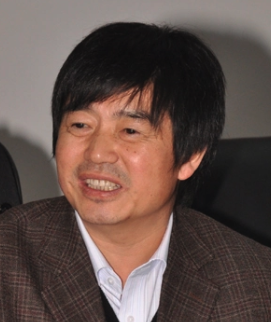 Renbing Shi (石任兵)合作论文数School of Chinese Materia Medica, Beijing University of Chinese Medicine14Ping Jian (简平)合作论文数12YaJian Guo (郭亚健)合作论文数11Xin Mao (毛鑫)合作论文数11GuangHui Yang (杨光辉)合作论文数11ZHANG Qiu-nan (张秋楠)合作论文数10Shao Yanyan合作论文数10Qian Hu合作论文数9YongBing Yuan (袁永兵)合作论文数9Zhu Dan合作论文数8
 Gaimei She (折改梅)合作论文数School of Chinese Materia Medica, Beijing University of Chinese Medicine8Shukai Wang合作论文数7Baojin Wang合作论文数7Ya Huang (黄涯)合作论文数7YinYing Ba (巴寅颖)合作论文数7
 Runping Liu (刘闰平)合作论文数School of Chinese Materia Media, Beijing University of Chinese Medicine7Guangzhong Tu合作论文数7Yinxin Chen合作论文数6Lipeng Zhou合作论文数6Xiaowei Luo合作论文数6Yue Liu合作论文数6Xiao-xue ZHANG (张晓雪)合作论文数6Zhao Hai-Juan合作论文数6Yitong Cui合作论文数5Ye Gao合作论文数5Zhaohui Wang合作论文数5Ruiyang Cheng合作论文数5
 Kun Zhou (周鹍)合作论文数Dongfang Hospital, Beijing University of Chinese Medicine5
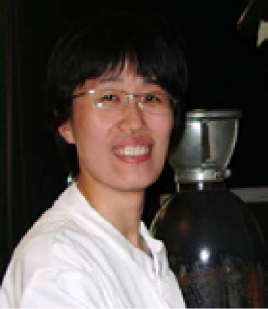 Yun You (游云)合作论文数生物力药理学研究中心细胞生物力研究室5
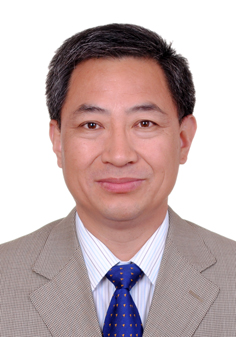 Shuangcheng Ma (马双成)合作论文数National Institutes for Food and Drug Control5ZHOU Ming (周铭)合作论文数4Chen LIN (林琛)合作论文数4Kunfeng Wang (王坤凤)合作论文数4Wubao Guo合作论文数3YUAN Jing (袁静)合作论文数3Le Wang (王乐)合作论文数3LIU Yue (刘越)合作论文数3




