Importance: Oscillometry - a tidal-breathing test with potential advantages over spirometry - is not well studied prior to hematopoietic stem cell transplantation (HSCT). Objective To determine whether patients awaiting HSCT have abnormal baseline oscillometry compared with controls. Methods The TRANSPIRE study (NCT04098445) is a National Institutes of Health-sponsored, multicenter, prospective observational cohort of pediatric lung injury after HSCT. We performed tidal-breathing oscillometry at baseline and during follow-up in 63 children prior to HSCT across five pediatric centers and compared results to 80 control subjects. Measurements were made at various frequencies following the European Respiratory Society 2020 guidelines and included resistance (R5, R19, and R5-R19), reactance (X5 and X11), resonant frequency (Fres), and area under the reactance curve (AX). Linear regression compared TRANSPIRE baseline values to controls; mixed-effects models assessed differences between TRANSPIRE subjects, controls, and published predicted values up to two years post-HSCT. Results All mean oscillometric parameters were normal at baseline, according to normal reference values of Ducharme. However, mean lung function in TRANSPIRE subjects was significantly different from controls, with higher respiratory system resistance (height-adjusted R5-R19, P < 0.001), and greater respiratory system stiffness and heterogeneity, with more negative height-adjusted X5 (P < 0.001) and height-adjusted X11 (P < 0.001), greater height-adjusted AX (P < 0.001), and greater height-adjusted Fres (P < 0.001). No significant changes were noted over time. Interpretation In a multicenter pediatric HSCT cohort, baseline oscillometry differed significantly from controls, showing heterogeneous increases in small-airway resistance and respiratory-system stiffness that may elevate risk for pulmonary complications.
BACKGROUND:Transplant-associated thrombotic microangiopathy (TA-TMA) is a serious complication of hematopoietic cell transplantation (HCT) associated with high morbidity and mortality. The disease is driven by endothelial injury and complement dysregulation. Eculizumab, a complement C5 inhibitor, has been used off-label for TA-TMA, but reported outcomes are variable. Real-world response rates and predictors of treatment failure remain incompletely defined, particularly in children. Additionally, the optimal time point to assess treatment response has been identified as a key gap in the field. OBJECTIVE:To evaluate real-world response rates, predictors of nonresponse, and clinical outcomes among children treated with eculizumab for TA-TMA, and to identify an optimal time point for response assessment. METHODS:This retrospective study serially enrolled all patients treated with eculizumab for TA-TMA across 7 centers from 2015 to 2023. Organ, hematologic, and overall responses were defined using Consensus criteria as complete response (CR), clinically meaningful partial response (PR), or no response (NR). Clinical characteristics, treatment patterns, and outcomes were analyzed. Multivariable models were used to identify predictors of NR and mortality. RESULTS:Among 176 patients, 74% were allogeneic HCT recipients, 42% of whom had grade 3 to 4 acute graft-versus-host disease (GVHD). The cohort was enriched for severe disease, with 96% experiencing ≥1 organ dysfunction and 61.4% requiring intensive care. TA-TMA was diagnosed at a median of 49 days post-HCT. Patients received a median of 12 doses of eculizumab over a median duration of 10 weeks. Six months from treatment initiation, 24% achieved an overall CR, 19% achieved PR, and 57% had NR. Response rates were similar across high-risk subgroups defined by the Jodele criteria, Consensus criteria, and among allogeneic recipients with ≥1 organ dysfunction. Six-month nonrelapse mortality (NRM) was significantly lower among responders (CR/PR) compared with nonresponders (2.3% vs. 24.2%). Allogeneic HCT recipients were more likely to have NR than autologous recipients (HR, 1.84). Multiorgan dysfunction at TA-TMA diagnosis was independently associated with NR across transplant types. Patients who did not achieve at least a PR by day 45 had ≤25% likelihood of subsequent response and a 3.74-fold higher mortality risk compared with those with PR/CR at day 45. CONCLUSIONS:In this large pediatric cohort, approximately half of children with TA-TMA demonstrated clinical improvement after treatment with eculizumab, whereas the remaining half had no response and substantially worse survival. Multiorgan dysfunction was an adjusted risk factor for poor response across transplant types. Failure to achieve at least a partial response by day 45 strongly predicts poor response and is associated with an increased mortality risk, supporting this as a clinically meaningful time point to reassess therapy and consider alternative treatment strategies. © 2026 American Society for Transplantation and Cellular Therapy. Published by Elsevier Inc.
BackgroundIn children receiving therapy for acute myeloid leukemia (AML), gram-negative bacteremia is associated with significant morbidity and mortality, especially in the presence of multi-drug resistant [MDR] organisms. objectives: The purpose of this study was to determine the prevalence and antibiotic susceptibility patterns of gram negativebloodstream infections [GNBSI]] during the period of induction chemotherapy [IC] and the associated morbidity and mortality in a large pediatric oncology hospital in a low- middle-income country (LMIC). patients and methods: This is a retrospective analysis of consecutive newly diagnosed patients with acute myeloid leukemia (AML) admitted for induction chemotherapy (IC) from January 2015 to December 2017 at the Children’s Cancer Hospital Egypt 57357.ResultsWe identified 90[27.4%] children with at least one GNBSI during induction, 72/90[80%] of whom had at least one MDR GNBSI. 124 GNBSI episodes were identified among the ninety children: E.coli 54.8%, K.pneumoniae 16.9%, A.baumannii 6.5%, E.cloacae 4.8%, and P.aeruginosa 4.0%. Thirty-day cumulative infection-related mortality was 27.8% [18.9-37.3%]. Associated morbidity included typhlitis [29/90 (32.2%)], sepsis-related central venous catheter [CVC] removal [12/90 (13.3%)], and admission to intensive care unit [38/90(42%)]. ConclusionOur study highlights the prevalence of gram-negative bacteria among febrile neutropenic children with AML and the high incidence of antibiotic resistance in our hospital. There is a need for keen surveillance globally of the epidemiology of multi-drug resistant gram-negative organisms and thoughtful studies into antibiotic stewardship to reduce the growing threat of MDR GN infections and the associated morbidity and mortality.
Abstract Sickle cell disease (SCD) is characterized by chronic hemolysis, and painful vaso-occlusive episodes (VOE). High levels of fetal hemoglobin (HbF) attenuate the disease phenotype. We used a lentivirus vector (LVV) expressing a short hairpin RNA embedded in a microRNA (shmiR) that targets BCL11A in erythrocytes to induce HbF in a first-in-human study in SCD. The purpose of the study was to assess hematopoietic stem/progenitor cells collection, transduction parameters, safety, HbF induction, and durability. Eleven eligible patients with SCD underwent hematopoietic stem cell (HSC) collection. Plerixafor-mobilized peripheral blood HSCs required for manufacturing were obtained in 1 mobilization cycle for 10 of 11 participants, and 11 of 11 patient products were successfully manufactured with a median time to release of product of 39 days. Ten patients were infused with HSCs transduced with the shmiR vector. Engraftment occurred in all 10 patients. At a median follow-up of 58 months (range, 35-82) after infusion, there were no adverse events attributed to the vector. The transduction efficiency was 93.1%. One patient demonstrated low engraftment of the transduced cells and had suboptimal HbF induction. In the remaining 9 patients, at 2 years after treatment, the peripheral blood demonstrated 71% F cells with 11.9 pg HbF per F cells, and both parameters remained stable in 9 patients with ≥48 months follow-up. All patients who had VOEs before gene therapy demonstrated sustained mitigation of pain events. These data demonstrate excellent manufacturing efficiency, efficacy and safety of targeting BCL11A using a shmiR LVV, and long-term durability of the shmiR vector, leading to a pivotal, multisite, phase 2 trial that is currently underway (NCT05353647). This trial was registered at www.clinicaltrials.gov as NCT03282656.
Introduction HCT is an established curative treatment for CAYA with high-risk/relapsed B-ALL. Use of TBI, vs non-TBI conditioning, has been associated with better LFS but also with significant late effects. We hypothesized that CAYA with pre-HCT negative NGS-MRD receiving non-TBI conditioning could achieve outcomes comparable to patients receiving TBI. Objectives/Methods PTCTC conducted a phase II prospective trial at 45 centers in North America (NCT03509961; 2018-25) to evaluate outcomes of myeloablative non-TBI conditioning for allogeneic HCT in B-ALL patients at lower risk for relapse defined by absence of pre-HCT NGS-MRD (Clonoseq™) of B-cell receptor rearrangements. Prior blinatumomab (BLIN), inotuzumab (INO), or CAR-T therapies were allowed. All graft sources were permitted. GVHD prophylaxis was according to graft source and institutional standards. Results 51 patients in CR1 (49%) or CR2 (51%) received HCT on the study treatment arm. Median age at diagnosis and HCT were 11.9 and 13.5 years, respectively. Pre-HCT, 65%, 8%, and 33% of patients received BLIN, INO, or CAR-T, respectively. 86% of patients received the preferred study non-TBI regimen (busulfan, fludarabine, thiotepa). Donors included matched sibs 37%, mismatched related/haplo 35%, matched unrelated 20%, or unrelated cord blood 8%. Donor graft sources were 71% bone marrow and 21% peripheral blood stem cells.At a median follow-up of 2.3 (range: 0.2-6.0) years, the 2-year OS and EFS were 82.1% and 76.3%, respectively. Age at HCT (≤10 vs >10yrs) and prior BLIN were associated with decreased EFS (HR= 1 vs 0.2, p=0.0080) and (HR=3.7 vs 1, p=0.047), respectively. Acute GVHD occurred in 20 patients (39%, with 15 (75%) grade 1-2 and 5 (25%) grade 3-4). Chronic GVHD occurred in 13 patients (25%; 11 (85%) requiring systemic immunosuppressive treatment).When compared to the observational cohort of the study, age (at diagnosis and HCT) was also associated with EFS and OS, and NGS-MRD positivity was significantly associated with poor outcomes for all endpoints. No differences were noted in relapse, RFS, or OS in patients receiving TBI vs. non-TBI regimens (see Figures). Conclusions Younger age at diagnosis and HCT and prior BLIN therapy were associated with inferior outcomes. NGS-MRD positivity was significantly associated with poor outcomes for all endpoints.OS in our treatment cohort is comparable to published CIBMTR results in B-ALL where patients predominantly received TBI-based conditioning. Our results show that pre-HCT NGS-MRD can be used to allow the choice of myeloablative non-TBI conditioning for CAYA undergoing allogeneic HCT with outcomes similar to TBI-based approaches. Additional analyses to be reported at the meeting include assessment of clinical factors that impact post-HCT outcomes (e.g. GVHD, cytogenetics, and post-HCT BM and PB NGS-MRD) in both our treatment (n=51) and observational (n=151) cohorts.
Chronic graft-versus-host disease (cGVHD) affects up to 54% of allogeneic hematopoietic cell transplantation recipients and is the leading cause of late non-relapse morbidity and mortality. Despite the availability of National Institutes of Health consensus criteria, Foundation for the Accreditation of Cellular Therapy accreditation standards, and CIBMTR reporting requirements, standardized screening practices remain inconsistent. The Engraft Learning Health Network (LHN) conducted a multicenter assessment to characterize cGVHD screening practices across participating transplant centers. To characterize current cGVHD screening practices across participating transplant centers within the Engraft LHN, identify areas of practice variation, and inform development of a standardized screening approach. This multicenter qualitative study included 10 transplant centers (8 pediatric and 2 adult) within the Engraft LHN. Thirty-three structured interviews were conducted with clinician representatives using a standardized guide addressing eight screening domains: assessment schedules, documentation practices, and organ-specific screening of the skin, oral cavity, ocular, pulmonary, gastrointestinal, genitourinary, and musculoskeletal systems. Interview summaries were validated by participants and analyzed to quantify screening practices across centers using descriptive statistics and heat map visualization. Marked heterogeneity was observed across all screening domains, with no uniform approach identified across centers. Assessment schedules ranged from weekly to as-needed evaluations, with only 52% of respondents reporting monthly evaluations in the first 6 mo following day 100 post-transplant and 37% continuing quarterly assessments beyond 1 yr. Only 10% incorporated the Lee Symptom Scale into routine documentation. Skin was universally included in the review of systems, but comprehensive examination (12%) and structured scoring (21%) were infrequent. Pulmonary function test monitoring showed significant gaps at intermediate time points, with most centers performing PFTs at annual milestones but fewer than 25% reporting assessment at quarterly intervals recommended by current guidelines. Genitourinary screening demonstrated the greatest inconsistency, with 42% and 63% of respondents not routinely discussing symptoms with female and male patients, respectively. Rare manifestations including neuropathy and serositis were screened for by fewer than 10% of centers. cGVHD screening practices vary widely across transplant centers in timing, documentation, organ-specific assessment, and utilization of standardized tools. Existing assessment frameworks, while clinically detailed, pose practical challenges for routine use outside specialized GVHD clinics. These findings highlight the need for a streamlined, evidence-informed screening bundle with defined assessment intervals, guideline-recommended PFT surveillance, and integration of patient-reported outcome measures. The Engraft LHN is leveraging these findings to develop and implement such a bundle at the provider, patient, and center levels using rapid-cycle quality improvement methodology.
BACKGROUND:Rhabdomyosarcoma (RMS) is the most common soft tissue sarcoma affecting children and young adults, but few reports describe its presentation and outcomes in Africa. PROCEDURE:We conducted a retrospective chart review of patients of all ages with RMS presenting to the Butaro Cancer Center of Excellence in Rwanda between July 2012 and June 2022. RESULTS:Fifty-nine patients with histopathologically confirmed RMS were treated using Intergroup RMS Study Group protocols adapted to the local context. Median age was 9.1 years (interquartile range [IQR] 3.5-16.6); 54.2% were female. Median duration from symptom onset to presentation was 5 months (IQR 4-7). Most had embryonal histology (66.1%), followed by alveolar (20.3%), pleomorphic (6.8%), and anaplastic (1.7%). At presentation, 16 patients (27.1%) had stage I, 3 (5.1%) had stage II, 22 (37.3%) had stage III, and 14 (23.7%) had stage IV disease; 4 (6.8%) were unstaged. Of the 39 patients treated with curative intent, 25 (64.1%) received local control and 16 (41.0%) completed all planned therapy. Two-year event-free survival was 23.3% (95% CI 13.5%-34.8%, n = 55) overall and 61.4% (95% CI 33.3%-80.5%, n = 16) among those who completed treatment. CONCLUSIONS:Treatment of RMS in a rural district hospital is feasible. Although outcomes remain lower than in high-income countries, survival was markedly higher in patients who completed therapy. Future efforts should focus on earlier diagnosis and support for timely transitions between specialties with the goal of optimizing completion of planned care.
Background TRANSPIRE is a prospective 8 center study of lung injury after hematopoietic stem cell transplantation (HSCT) in children. Monocyte chemoattractant protein 1 (MCP 1, also known as CCL2) is a protein generally produced by hematopoietic cells associated with inflammation. A previous study has described a possible role for MCP 1 in idiopathic pneumonia syndrome (IPS) after HSCT. It is unclear whether MCP 1 in BALF reflects levels in plasma or whether local production in the lung occurs. Hypothesis We hypothesized that measurement of MCP 1 in BAL fluid (BALF) and or plasma in patients with acute lung injury after HSCT will differentiate and inform the cause of the lung injury. Methods We reviewed clinical data of 96 patients who underwent bronchoscopy for acute pulmonary event after HSCT and had stored BALF and plasma collected. Pulmonary injury was diagnosed at the time of event by the attending pulmonologist. We recorded macrophage percentage from cytology reports. We measured soluble MCP 1 in plasma and BALF by ELISA (R&D Systems DCP00). Results There were total of 96 matched plasma and BALF samples from 90 patients (some patients had more than one event). Median age of participants was 10.3 years and median time from transplant was 37 days. Levels of MCP 1 according to clinical diagnosis are shown for BALF (Fig. 1A) and plasma (Fig 1B). Overall, levels of MCP 1 were higher in BALF compared with plasma (median BALF 350 pg/ml vs plasma 300pg/ml, p=<0.0001) and there is greater range in levels measured in BALF compared with plasma. Despite this, levels of MCP 1 in BALF and plasma are only weakly correlated with each other (r=0.26, p=0.008, Fig 2). Our data show marked elevation of BALF MCP 1 (above the upper limit of detection) in most patients with IPS not reflected in the plasma levels, but lesser elevation in those with BOS. We found no correlation between percentage of macrophages reported in BALF on clinical cytology and level of MCP 1 (r= 0.1, p=0.4). Peripheral blood monocyte count was not correlated with MCP 1 in the BALF and has modest negative correlation with MCP 1 in blood. Conclusion Our data demonstrate differences in MCP 1 in patients with pulmonary injury that differ in BALF and plasma. MCP 1 levels were generally higher in BALF than in plasma suggesting that MCP 1 is being produced in the lung and does not simply reflect plasma levels. The main site of production of MCP 1 in a homeostatic state is generally believed to be hematopoietic cells. Local production in the lung, with increased MCP 1 levels in BALF has been described in normal humans and in mice given inhaled LPS and with active inflammation. The etiology of IPS after HSCT is poorly characterized, but our data support the concept that this might be a monocyte/macrophage driven disease, in contrast to BOS which is largely neutrophil driven. Our data also suggest value in examination of BALF as well as plasma in challenging cases of acute lung injury after HSCT.
While the development and approval of gene therapies (GT) for sickle cell disease (SCD) has transformed treatment options for patients, a critical limitation remains in the ability to obtain sufficient autologous hematopoietic stem cells (HSCs) for ex vivo manufacture of a drug product. Currently, HSC mobilization for SCD is limited to single agent plerixafor (P), a CXCR4 antagonist, since G-CSF is associated with an increased risk of vaso-occlusive events (VOEs) and death. While P is both safe and effective for mobilizing HSCs, many patients require repeated collection cycles and sometimes fail to collect sufficient cells for manufacture. In clinical trials approximately 2/3 SCD patients required more than one collection cycle, prolonging the pre-transplant period. Motixafortide (M) is a long-acting CXCR4 inhibitor that is FDA approved in combination with G-CSF to mobilize HSCs for autologous transplant in multiple myeloma. Single agent M has been used to successfully mobilize HSCs in healthy allogeneic donors (PMCID: PMC10500469). These reported results prompted interest in using M to mobilize HSCs for people with SCD who had a poor response to P for GT. In this context, we report the use of M at 5 centers in 10 patients, comprising 15 total collection cycles. Ages ranged from 14-50 years and include 6 females. Each cycle incorporated ≥2 consecutive apheresis days. M (1.25 mg/kg) was given 6-13 hours before apheresis in 11 cycles while in 4 cycles it was given only prior to the first session. Apheresis was performed according to institutional standards with collected cells intended for commercial GT manufacture. Seven of 10 patients had previously failed to mobilize and/or collect sufficient HSCs after at least one cycle of P (range 1-3 cycles) with a median P-mobilized PB CD34+ count of 21.5 cells/µl, range 9.5–95). Daily M resulted in a median PB CD34+ cell count of 79.5 cells/μl (range 19-243,11 cycles), while single-dose M followed by two apheresis sessions yielded 104.5 cells/µl (range 38-175). Six of 7 patients obtained sufficient cells for manufacture; 1 patient failed to mobilize with either agent. The median total number of CD34+ cells collected/day with P was 2.6 x 10⁶/kg compared to 6.8 x 10⁶/kg with M. M was used first line in 3 patients with preexisting clinical concerns precluding multiple collection cycles. Two of these 3 patients received a single M dose/cycle achieving a median PB CD34 count of 125.5 cells/ul (range 15-304) and collected a median of 5.6 x 10⁶/kg/day (range 3.8 -27.4). The third patient received daily M, achieving PB CD34+ cells/µl of 224 (day 1) and 137 (day 2) cells/µl, with corresponding daily collections of 9.5 and 9.6 x 10⁶/kg CD34+ cells. Comparison of M administered as a single dose/session versus daily dosing demonstrated a decline in Day 2 PB CD34+ cell count of 73.7% and 21.1%, respectively. Manufacture and/or infusion of a GT product is ongoing for 10 patients with one patient already successfully transplanted with appropriate engraftment. The most common adverse events were induration at the injection site (92%), pruritus with rash or hives (88%), and local or generalized pain (62%, narcotics used in 41%). There were 2 instances of lip swelling and fever, but no cases of anaphylaxis. Two patients required prolonged hospitalization for pain management, one attributed to VOE. To mitigate known local injection site and potential systemic reactions to M, all patients received prophylactic H-1 and H-2 antagonists and acetaminophen, with 82% receiving additional montelukast. Corticosteroids were used prophylactically in 25% and as treatment in 1 patient.These results support further study and consideration of M for HSC mobilization in SCD and highlight its potential role for patients who fail to mobilize adequately with P alone. Notably, currently approved GT products require nearly twice the number of HSCs for manufacture compared with the clinical trials, underscoring the urgent need for alternative mobilizing strategies to address this challenge. The ability to collect 2 or 3-fold more stem cells in select patients with SCD can help accelerate the expansion of these transformative therapies. Ongoing clinical trials of M in SCD are examining safety, mobilization efficacy, optimal dose timing, and editing potential (NCT06442761; NCT05618301). Additional studies are warranted to determine the ideal prophylactic medication regimen.
Central venous catheters (CVCs) are a cornerstone of hematopoietic stem cell transplantation (HSCT), facilitating the delivery of chemotherapy, parenteral nutrition, medications, and blood products. Despite CVCs' essential role, prolonged use can lead to complications such as increased risk of infection, thrombosis, mechanical issues, and psychosocial burden. However, the timing of CVC removal remains highly variable across institutions. Additionally, there are no standardized guidelines to balance the benefits of extended access against the risks of prolonged use. This narrative review examines the existing literature on CVC management post-HSCT, highlighting key factors influencing the removal timing, such as patient characteristics, disease-specific considerations, and institutional practices. The review emphasizes the urgent need for multi-institutional research and standardized protocols to improve outcomes, reduce complications, and enhance the quality of care for HSCT patients.
BACKGROUND/OBJECTIVES:Younger age is a recognized risk factor for veno-occlusive disease (VOD), yet no prior studies have focused on diagnostic criteria and outcomes in very young children. This retrospective study compared overall survival (OS) in very young children with and without a clinical diagnosis of VOD, in addition to comparing OS for those with clinical VOD versus those who retrospectively fulfilled VOD criteria. DESIGN/METHODS:Included were patients who received their first hematopoietic stem cell transplant (HCT) for any indication at less than 4 years of age between January 1, 2016 and October 31, 2021. Three pediatric VOD criteria were retrospectively applied to subjects. RESULTS:Of 150 HCT recipients less than 4 years old, 18 were clinically diagnosed with VOD at a median of 14 days. More patients with VOD were admitted to the ICU [79% vs. 15%, p < 0.001]. Of those with VOD, 78% required peritoneal drainage, 17% pleural effusion drainage, and 56% respiratory failure. All patients with VOD survived to discharge and to Day +100. In allo-recipients, OS at Day +365, cumulative incidence of Grade II-IV acute graft-versus-host disease (aGVHD) at Day +100, and chronic graft-versus-host disease (cGVHD) at Day +365 were similar between those with and without VOD. Median length of stay was longer in those with VOD [60.5 vs. 38 days, p < 0.001]. More patients retrospectively met criteria for VOD than were clinically diagnosed. CONCLUSION:While VOD in very young children can be highly morbid, they have excellent early survival. Retrospective evaluation demonstrates that only some patients who fulfilled VOD criteria were clinically diagnosed.
We conducted a first-in-human phase 1 dose-finding pilot and feasibility study testing the safety of gene therapy using a lentivirus vector (LVV) expressing a microRNA embedded shRNA (shmiR) targeting BCL11A in sickle cell disease (SCD) (NCT03282656). Eleven eligible subjects with SCD (HbSS or HbS/Hbβ0) had stem cell collection; one patient withdrew prior to infusion and 10 were infused with autologous hematopoietic stem and progenitor cells transduced with the shmiR vector. Engraftment occurred in all 10 patients. With a median follow-up of 58 months (range: 35-82) after infusion, no adverse events attributed to the gene vector have occurred. Plerixafor mobilized peripheral blood hematopoietic stem cells (HSC) required for manufacturing were obtained in 1 mobilization cycle (2 consecutive days of collection) for 10/11 subjects, with one patient requiring 2 cycles (mean of 2.3 apheresis days per patient for product manufacturing). Median time from first day of apheresis to final release of product was 39 days (range: 22–151; n=11), with only one product released after >50 days. The manufacturing efficiency, defined as the number of CD34+ cells in the final product divided by the number of CD34+ cells collected was 63% (mean, range 41-82%). Transduction efficiency was 93.1% (median, range: 62%-100%, n=11) with a vector copy number of 3.7+/-1.4 (mean+/-SD, n=11) and final product cell count was 5.1 (median, range: 3.1-8.7, n=11) CD34+ x 106cells/kg. BCL11A was effectively targeted with a median of 88% (range: 67-100%) of individual erythroid colonies derived from the manufactured product containing ≥30% fetal hemoglobin (HbF) by HPLC analysis. After busulfan conditioning and infusion, all subjects engrafted promptly (neutrophils 18-30d, platelets 26-62d) and at 6 months, the median vector copy number in whole blood (WB) was 0.7 copies/diploid genome (range: 0.2-1.5) which remained stable over the entire follow-up time. The subject with the lowest in vivo VCN (BCL-010) had the lowest HbF post-infusion of 14.1% at 6 months that remained low but stable over the entire follow-up time, defining the lower dosage of effective gene modfication. Of the remaining nine infused subjects there was a robust HbF induction with WB HbF 27.8% (range: 20.8%-38.2%), F cells 71% (range: 55.3%-80.3%) and F/Fcells 11.9 pg (range: 9.4-13.6 pg) at 2 years that remained stable at 48 months (N=8), with mRNA knock-down of BCL11A stable from 42-74% and no significant change in BCL11A expression in CD19+ B cells. These data defined the manufacturing parameters required for improved overall HbF induction and further increase in F cell numbers post-infusion that were implemented in the subsequent phase 2 GRASP trial (NCT05353647). Due to the cases of leukemia and myelodysplastic syndrome in two Group A subjects with SCD in the Lentiglobin HGB-206 gene addition trial, clonal hematopoiesis was monitored in all subjects by sequencing of defined clonal hematopoiesis-associated genes, in addition to tracking insertion site analysis (ISA). No subject had ISA-defined clones larger than 3% at any time during follow-up. One subject had a clonal pathogenic DNMT3A mutation noted after infusion that was retrospectively determined to be present prior to cell manufacturing below validated detection limits. The variant allele fraction of this mutation increased after infusion to a maximum of 9.3%, and has remained stable for over 4 years of follow-up with no evidence of dysplasia on the 2-year post-GT bone marrow. All patients demonstrated sustained mitigation of SCD phenotypes. These data demonstrate first-in-human efficiency, durability, safety and efficacy of targeting BCL11A using a shmiR LVV leading to a pivotal multi-site phase 2 trial currently underway (NCT05353647). Funding Funded by the National Institutes of Health; ClinicalTrials.gov number, NCT03282656
BACKGROUND:Preemptive antifungal therapy in neutropenic fever offers a rational alternative to the empiric strategy, potentially reducing drug toxicity, resistance, and treatment-related costs. However, its implementation in the Middle East and North Africa (MENA) region remains insufficiently addressed. METHODS:We prospectively observed episodes of neutropenia in pediatric patients with solid tumors and prolonged neutropenia. This non-inferiority cohort study evaluated two primary endpoints: the cumulative incidence of invasive fungal infection (IFI), IFI-attributable mortality. Outcomes from the prospective cohort managed with a preemptive strategy were compared with retrospective data from a historical cohort treated with the previously used empiric approach. RESULTS:A total of 422 preemptive episodes were prospectively recorded, and data from 338 historical empiric episodes were retrospectively reviewed. The incidence of IFI was comparable between the two groups (4.5% in the preemptive group vs. 5.6% in the empiric group; p = 0.5). However, antifungal use was significantly lower in the preemptive group (5.0% vs. 58.0%; p < 0.001). Overall survival was higher in the preemptive group (98.9% vs. 94.6%). No IFI-attributable mortality was recorded in either group. INTERPRETATION:The combined EIA/HRCT-based preemptive strategy is feasible and associated with reduced antifungal use without compromising patient outcomes in pediatric patients with solid tumors and prolonged neutropenia.
Hyperglycemia during induction therapy in adult acute lymphoblastic leukemia (ALL) is associated with adverse outcomes, yet its impact in pediatric ALL remains incompletely understood. This study aimed to determine the incidence of hyperglycemia in pediatric ALL, identify its associated risk factors, and evaluate its impact on invasive fungal infections and sepsis‐related mortality during induction. This retrospective study analyzed 1711 pediatric ALL patients treated between 2016 and 2019 at a single tertiary care center. Patients were categorized based on random blood glucose levels into overt hyperglycemia (≥200 mg/dL), mild hyperglycemia (140–199 mg/dL), and euglycemia. Hyperglycemia occurred in 45.2% of pediatric ALL patients during induction therapy (overt in 15.4%, mild in 29.8%). On multivariate analysis, significant risk factors included female sex, age ≥10 years, obesity, family history of diabetes, initial white blood cell count ≥50,000/μL, and Down syndrome. Invasive fungal infections were more prevalent in overt hyperglycemia (26.1%) compared to mild hyperglycemia (13.9%) and euglycemia (6.4%) groups ( p < 0.001). Sepsis‐related mortality was highest among overt hyperglycemic patients (15.2% vs. 2.4% vs. 0.2%, p < 0.001). During early continuation therapy, overt hyperglycemia recurred in 5% of patients, mainly among those who experienced it during induction. These findings indicate that hyperglycemia is a frequent and clinically relevant complication during induction therapy in pediatric ALL and appears to be associated with an increased risk of invasive infections and sepsis‐related mortality. Strategies such as early identification of high‐risk patients, close glucose monitoring, and providing infection prophylaxis during treatment can be integrated into clinical practice to enhance outcomes in this vulnerable population.
Hematopoietic stem cell transplantation (HSCT) is a life-saving yet complex treatment for pediatric patients that introduces significant physical, emotional, and logistical challenges for caregivers. This multicenter, prospective qualitative longitudinal study explored caregiver experiences across 4 time points: pre-transplant (n = 47), 30 d post-transplant (n = 43), 100 d post-transplant (n=34), and 6 months post-transplant (n=26). Forty-nine caregivers participated in semi-structured interviews, which were transcribed and thematically analyzed. This manuscript encompasses the following themes that emerged from the interviews: treatment-related side effects and complications, communication gaps, and the impact of the COVID-19 pandemic. Caregiver priorities evolved over time, shifting from managing acute complications such as pain, infections, mucositis, and medication administration to addressing longer-term concerns like developmental delays, nutritional rehabilitation, and psychosocial adaptation. Caregivers reported challenges such as information overload, inconsistent messaging, and limited preparation for transitions in care. They employed various strategies to cope, including advocacy, peer support, and the use of healthcare team resources. These findings highlight the importance of stage-specific, tailored interventions to support caregivers throughout the HSCT journey. Clear communication, accessible education, and coordinated multidisciplinary care are essential to fostering caregiver resilience and improving patient and family-centered outcomes.
Background and purpose: Chromosomal rearrangements involving KMT2A (KMT2A-r) occur in 20% of paediatric acute myeloid leukaemia (AML). Previous studies reported that the outcome depends on the specific fusion partner. The study aimed to report the outcomes of paediatric KMT2A-r AML patients and to assess the impact of different fusion partners. Patient/material and methods: We retrospectively analysed 610 paediatric patients with intermediate-risk (IR) AML diagnosed at Children’s Cancer Hospital Egypt, from January 2008 to December 2021. Patients were assigned to four groups based on fusion partner. Results: Of 610 patients diagnosed with IR-AML, 150 (24.6%) had KMT2A rearrangements. KMT2A-r was significantly associated with hyperleukocytosis (P = 0.029), central nervous system (CNS) disease (P = 0.003), monocytic differentiation (P = 0.001), additional cytogenetic abnormalities (ACA) (P = 0.04), and complex karyotype (P = 0.001). Fusion partner, t(9;11) (p22;q23) (9p22/KMT2A::MLLT3 fusion) was most prevalent (40.8%). KMT2A-r was an independent predictor of relapse with a cumulative incidence of relapse (CIR) of 46% versus 30% in KMT2A negative group (P = 0.006). Within the KMT2A-r group, ACA and complex karyotype adversely affected the outcome with 5-year overall survival (OS) of 34% versus 53% (P = 0.027) and 26% versus 51% (P = 0.004), respectively. Outcome varied depending on fusion partner. Event-free survival (EFS) ranged from 50% to 17%, OS from 54% to 27%, and CIR from 75% to 38%. Interpretation: KMT2A-r is an independent prognostic factor for relapse, and presence of ACA and a complex karyotype in KMT2A-r patients is associated with poorer outcomes, emphasising the need for aggressive and innovative therapeutic strategies.
Achieving an adequate dose of genetically modified hematopoietic stem cells (HSCs) for gene therapy in patients with sickle cell disease (SCD) remains a challenge due to limitations related to stem cell mobilization using plerixafor alone, reduced apheresis collection efficiency, and losses during ex vivo cell manipulation. To date, 39 SCD patients were enrolled in NHLBI-funded Phase I (NCT03282656; PMC7962145) and NHLBI/CIRM-funded multi-site Phase II (NCT05353647) gene therapy trials to receive autologous CD34+ HSCs transduced with a lentiviral vector encoding a short hairpin RNA embedded in a microRNA (shmiR) targeting BCL11A. To collect HSCs as the starting material for drug product manufacture (minimum 4×10⁶ cells/kg), apheresis (minimum 4 blood volumes or up to 8 hours) was performed within 3 hours of daily plerixafor for 2 consecutive days. A third day of collection was used to generate a back-up product as needed. Mean mobilized, pre-apheresis peripheral blood (PB) CD34+ count was 40 cells/μL (range 7–126). Among 35 evaluable patients (4 excluded: 1 pending release, 3 withdrew), 74% (26/35) reached target CD34+ collection in a single mobilization cycle (mean 2.6 procedures, range 2–6). Manufacturing was achieved with a mean of 11.92×10⁶ CD34+ cells/kg collected resulting in a drug product of 7.04×10⁶ CD34+ cells/kg and a net cell recovery from apheresis to drug product of 62% (range 38–91%). Drug products were successfully generated for all patients with a mean product vector copy number of 4.04 copies/cell (range 1-7). The time interval from first collection cycle to completion of product testing was a median of 39 days (mean 56) for all patients, and a median of 37 days (mean 38) for those collected in 1 cycle. Preparative transfusions were given before collections to bridge patients after stopping hydroxyurea or to mitigate stress erythropoiesis. We examined the impact of preparative transfusion on mobilization and apheresis efficiency in 16 evaluable patients at a single site. All underwent ≥ 3 months of preparative transfusion with a HbS target of ≤30% before mobilization using simple transfusion or automated red cell exchange. The mean HbS% at mobilization was 10.8% (range 2.9–21.5%). Overall, the preparative transfusion regimen reduced PB reticulocyte percentage by 50% to a mean of 7.2% (range 3.7–12.3), indicating decreased stress erythropoiesis. Resting PB CD34+ counts before and after 3-months of transfusion were 10.8 cells/μL (range 2–21) and 6.2 cells/μL (range 1–13), respectively. A total of 39 mobilization/collection procedures were performed in 16 patients with a mean post-plerixafor CD34+ count of 43 cells/μL (range 13–85) with collections performed between the two darkest color preferences of the manufacturer. Cell collection preference was monitored using real-time intraprocedural CD34+ cell sampling. A mean of 4.3 total blood volumes was processed (range 2.5–6.4), with mean collection efficiency (CE) (CD34+ cells collected ÷ [pre-apheresis CD34+ count × total blood processed]) of 48% (range 8.2–107.1). The mean reticulocyte percent in patients with CE <30% (11.4%, range 2.5 –18.9) was significantly higher than in those with CE >30% (6.2%, range 1.8–11.9, p=0.0026). Two patients had a history of delayed hemolytic transfusion reactions and/or multiple RBC alloantibodies before study entry that limited preparative transfusions to reach a HbS of 30% for 3 months. They were successfully collected, and products were generated after simple transfusions with a single limited-volume red cell exchange immediately prior to collection. The success of this study was driven by optimizing apheresis strategies, including suppression of stress erythropoiesis through transfusion, real-time instrument adjustments, and efficient manufacturing that allowed a collection target of nearly half the CD34+ cells recommended in the FDA-approved gene product. Strikingly, the highly efficient ex vivo manipulation platform described here enables successful mobilization and manufacturing of gene therapy products for SCD in several months, easing the path to autologous gene therapy for SCD.
BACKGROUND: Allogeneic Hematopoietic SCT (HSCT) is a potentially curative treatment option in patients with various hematological and lymphatic malignancies. Survival after HSCT has improved over the years but despite the possibility of cure for an otherwise terminal illness, allogeneic HSCT can be accompanied by high levels of morbidity, mortality, and immense psychosocial distress. This is reflected in the significantly increased risk of psychiatric conditions previously described; for example, depression and anxiety following HSCT are reported in 5% to over 40% of patients. However, pediatric patients are not routinely assessed for these complications and the incidence in children is not well understood. METHODS: Prospective descriptive study assessing pediatric patients undergoing allogeneic HSCT at The Children's Cancer Hospital Egypt for hematologic malignancy from January 2018 to December 2021 and alive at the time of data collection. The primary objective was to assess the prevalence and severity of anxiety and depression post allogeneic HSCT. The secondary objective was to determine potential risk factors related to anxiety and depression. Anxiety was assessed with the Spence Children's Anxiety Scale and Beck Anxiety Inventory, while Depression was assessed with the Child Depression Inventory and Beck's Depression Inventory. Anxiety and depression were categorized into 2 categories: Non-significant with scores in the normal to mild range and not requiring medical intervention or psychotherapy and Significant with scores in the moderate to severe range and needing medical intervention and /or psychotherapy. RESULTS: A total of 100 patients were included. The prevalence of Significant anxiety was 35% and significant depression 60%. 27% of patients had both significant anxiety and depression. Among the whole cohort, age (as a continuous variable) was the only significant predictor of anxiety, with increasing likelihood of anxiety as age decreased. The association with gender, stem cell source, presence of GVHD and time from transplant to test were evaluated and the primary diagnosis was the only significant predictor of depression identified with AML patients having a higher risk, likely due to intensive treatment pre-transplant therapy and long admission periods. CONCLUSION: The high prevalence of anxiety and depression post allogeneic HSCT in pediatric patients transplanted for hematologic malignancy highlights the need for routine psychological assessment as an essential component of long-term follow-up, particularly in those treated at a younger age and those with a diagnosis of AML. KEYWORDS: Anxiety, Depression, Allogeneic Hematopoietic SCT, LMICs
 Christine N. Duncan合作论文数Dana-Farber Cancer Institute;Harvard Medical School;Boston Children's Hospital49
 Stephan A. Grupp合作论文数Department of Pediatrics, Perelman School of Medicine, University of Pennsylvania;Cell and Gene Therapy Laboratory, Children's Hospital of Philadelphia, University of Pennsylvania;Cellular Therapy and Transplant Section, Children's Hospital of Philadelphia, University of Pennsylvania39
 R. Hume合作论文数33Nancy A. Kernan合作论文数33
 Robert J. Soiffer合作论文数Department of Medical Oncology, Dana-Farber Cancer Institute;Division of Hematologic Malignancies, Dana-Farber Cancer Institute;Harvard Medical School33
 Paul G. Richardson合作论文数Jerome Lipper Multiple Myeloma Center, Dana-Farber Cancer Institute;Harvard Medical School31
 Joseph H. Antin合作论文数Dana-Farber Cancer Institute, Harvard Medical School;Brigham and Women's Hospital30
 Triplett Brandon M合作论文数Department of Bone Marrow Transplantation and Cellular Therapy, St. Jude Children's Research Hospital29
 Wendy B. London合作论文数Department of Statistics, University of Florida28W. Tappe合作论文数22
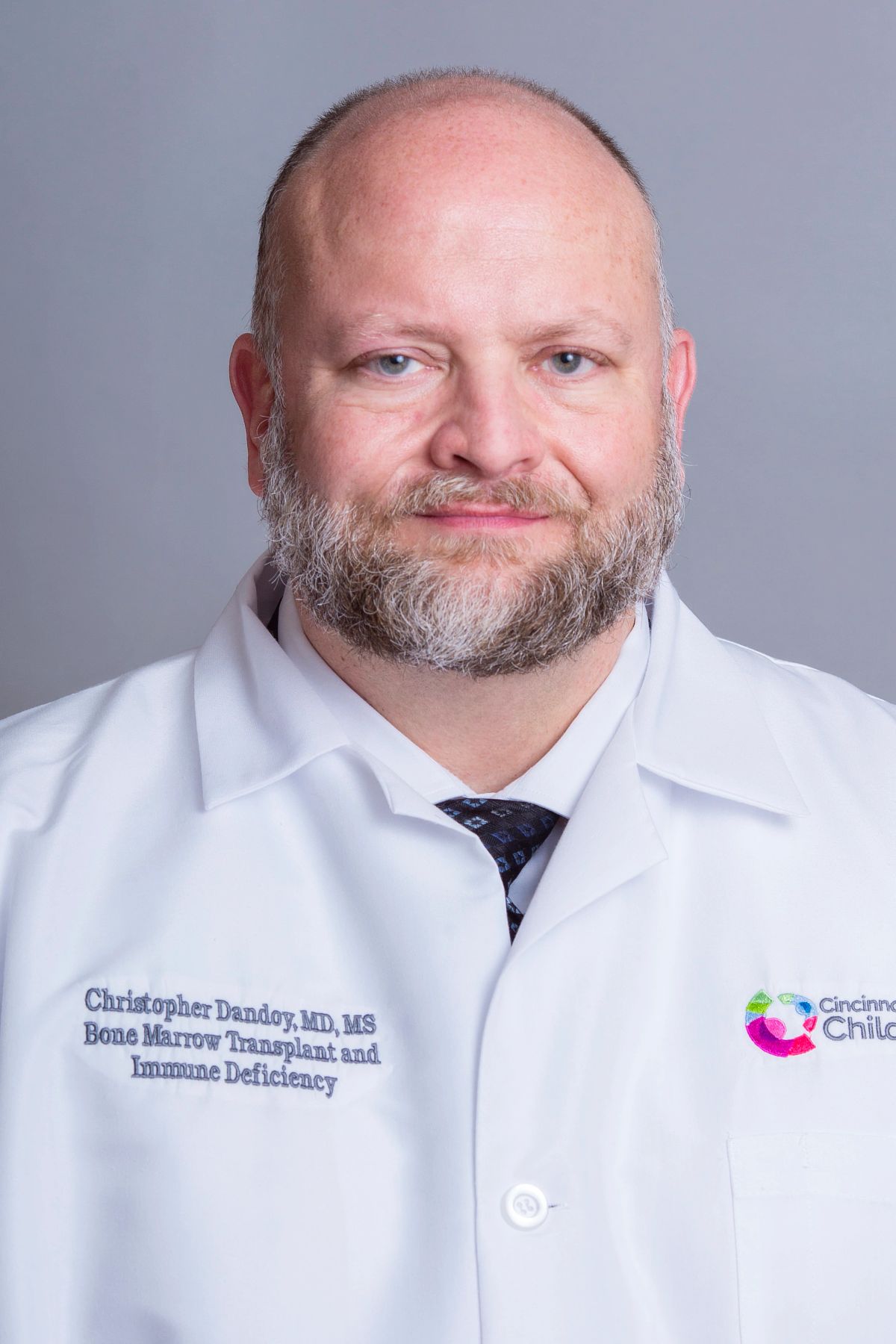 Christopher E. Dandoy合作论文数Cincinnati Children's Hospital Medical Center;University of Cincinnati Cancer Center;University of Cincinnati College of Medicine21Elhaddad Alaa合作论文数21Shyirambere Cyprien合作论文数18
 Michelle Long Schoettler合作论文数Pediatric Hematology/Oncology, Dana-Farber/Boston Children's Cancer and Blood Disorder Center17
 Alison L. Hannah合作论文数NeoGenomics Laboratories, Inc.;NeoGenomics, Inc.;Rigel Pharmaceuticals, Inc.17C.N. Duncan合作论文数16Steven P. Margossian合作论文数16
 Hanafy Hafez合作论文数Paediat Oncol Dept, Cairo Univ15
 Shahrukh K. Hashmi合作论文数Department of Health Abu Dhabi;Department of Hematology, Mayo Clinic15Stella M. Davies合作论文数15Malika Kapadia合作论文数14Wei Liang合作论文数Acerta Pharma14Rachel Phelan合作论文数14
 Jerome Ritz合作论文数Connell and O'Reilly Families Cell Manipulation Core Facility, Dana-Farber Cancer Institute;Harvard Medical School14
 Jeffery Auletta合作论文数14Saber Wael合作论文数13
 David A. Williams合作论文数Cancer and Blood Disorders Center, Boston Children's Hospital;Department of Pediatric Oncology, Dana-Farber Cancer Institute;Harvard Stem Cell Institute, Harvard Medical School, Harvard University13
 William Woo合作论文数Division of Hematology, Department of Medicine, School of Medicine, University of North Carolina at Chapel Hill13Rotz Seth合作论文数13
 Sonata Jodele合作论文数Division of Bone Marrow Transplantation and Immune Deficiency, Cincinnati Children's Hospital Medical Center13Guo Dongjing合作论文数12
 Hisham Abdel-Azim合作论文数Loma Linda University Pediatric Subspecialty Clinics12
 Mahmoud Aljurf合作论文数King Faisal Specialist Hospital and Research Centre12
 Joanne Wolfe 合作论文数Dana-Farber Cancer Institute11
 Sally Arai合作论文数Blood and Marrow Transplantation and Cellular Therapy Division, School of Medicine, Stanford University11
 Neel Bhatt合作论文数Cardiology Division, University of Texas Health Science Center and Memorial Hermann Heart and Vascular Institute11
 Kasiani C. Myers合作论文数Division of Bone Marrow Transplantation and Immune Deficiency, Cincinnati Children's Hospital Medical Center11
 Ruta Brazauskas合作论文数10
 Tharcisse Mpunga合作论文数10Erica B. Esrick合作论文数10Khazal Sajad合作论文数10Reham Khedr合作论文数9Michael A. Pulsipher合作论文数9Colleen Dansereau合作论文数9
 Kris M Mahadeo合作论文数9Priscila Badia合作论文数Department of Pediatrics, University of Cincinnati College of Medicine;Division of Bone Marrow Transplantation and Immune Deficiency, Cincinnati Children's Hospital Medical Center;Cincinnati Children's Hospital Medical Center, University of Cincinnati College of Medicine9Pei-Chi Kao合作论文数Dana-Farber/Boston Children's Cancer and Blood Disorders Center, Boston, Massachusetts, USA9J. Antin合作论文数9P. Richardson合作论文数9




