This study examines the mechanisms shaping citizen satisfaction in the context of digital government, taking Guangdong Province’s highly centralized “Yue Sheng Shi” platform as a case study. Building on the American Customer Satisfaction Index (ACSI) framework, a structural model was tested with survey data from 647 respondents and variance-based structural equation modeling. The results indicate that digital service expectations and citizen participation both enhance perceptions of service quality, with participation showing the stronger influence. Higher perceived service quality leads to greater citizen satisfaction, while government responsiveness strengthens this relationship. These research findings enrich the theoretical understanding of how satisfaction with e-government services is formed and extend the application of the ACSI framework to the Chinese digital governance context, while offering practical implications for governments on managing expectations, promoting citizen participation, and enhancing responsiveness in building citizen-centered digital platforms.
Citizens’ e-participation determines the successes and failures of digital government or e-government. However, its results to date have not been satisfactory. IT adoption models dominate previous studies. However, citizens’ psychological factors have been overlooked. The field has fallen into the trap of “technological solutionism.” This research focuses on political efficacy and collected self-reported data from 388 respondents through an online questionnaire. Partial Least Squares Structural Equation Modeling was carried out for data analyses. The results showed that e-participation intention positively affects e-participation behavior. Both internal political efficacy and external political efficacy have a positive significant relationship with e-participation intention. Additionally, descriptive analysis results revealed the relationships between citizens’ demographic factors and their influence on e-participation, including gender, age, monthly income, education level, political affiliation, and occupation. This research provides further empirical evidence and insightful knowledge for scholars, enriching political efficacy theory. Government officials can benefit from this research where targeted measures can be developed.
Social media is increasingly becoming essential for professionals, but its workplace influence remains debated, necessitating further examination. This study adopts a Yin-Yang perspective and a mixed-method approach to evaluate the dualistic impact of social media on employee work performance. PLS-SEM assesses the strength and significance of the paths within the hypothesised model. FsQCA determines the configurations of conditions that lead to high performance, and NCA pinpoints necessary conditions and bottlenecks for different performance levels. This mixed methods approach overcomes the limitations inherent in each method and provides a comprehensive understanding of the deeper causal relationships. Specifically, this article verifies that knowledge-sharing behaviours and technostress serve as the Yin and Yang of social media, exerting opposing influences on work performance. Guanxi amplifies the positive effects of social media on knowledge-sharing behaviours. This research also reveals that technostress does not always hinder performance. Like the mutual transformation characteristic of Yin-Yang, it can achieve high performance in some contexts. Moreover, the findings suggest that balancing positive and negative factors is crucial, as both can constrain optimal performance, reflecting duality and balance principles of Yin-Yang.
Background: Social media has transformed communication in professional settings, giving rise to the social commerce sector. However, its impact on employee performance remains unclear, limiting its application efficiency. Literature review: Prior research presents varied findings on how social media influences work performance. This issue in the social commerce sector remains ambiguous. Most studies focus on either the benefits or risks of social media, neglecting a comprehensive view. In addition, the role of guanxi in promoting knowledge-sharing behaviors is underexplored. Research questions: 1. What is the impact of social media use on employee performance in the social commerce industry? 2. How does social media use affect employee performance through knowledge-sharing and technostress? 3. How does guanxi moderate the relationship between social media use and knowledge-sharing behaviors and consequently on employee performance? Methodology: We surveyed 520 Chinese social commerce professionals, using self-reported questionnaires to investigate how social media use affects employee performance. Results: Social media positively impacts job performance, with benefits outweighing drawbacks. It enhances knowledge-sharing behaviors which, in turn, improves employee performance. It also causes five technostress factors, but only techno-overload and techno-uncertainty significantly reduce employee performance. In addition, guanxi moderates the relationship between social media use and knowledge-sharing behaviors and strengthens the indirect effect of social media use on work performance through knowledge-sharing. However, this moderated mediation effect is not significant at low levels of guanxi. Conclusion: The results can help organizations effectively leverage social media as a valuable communication tool by fostering guanxi, promoting knowledge-sharing, and managing specific technostress factors.
This study contributes to the public administration body of knowledge by testing a model of open government data (OGD) and public service delivery (PSD) value. By investigating case studies of different adoptions in Malaysia, this study examined OGD adoption by its citizens and value created, co-created, and destroyed in the process. This study found that there is adoption evidence of data publishing, datathon, and civic tracker with no material implementation of highly reciprocal OGD. While short-term value, public value, and capacity for the future were found, the study also highlighted value ignorance, value disproportion, value exploitation, and value backlash.
This study addresses three critical gaps in the literature on technostress: the potential for technostress to enhance performance, the methodological limitations of previous research, and the debate of demographic factors in shaping technostress experiences. By utilizing fuzzy-set qualitative comparative analysis (fsQCA), we explore the complex interactions between technostress dimensions and demographic characteristics in the context of social media-induced technostress. Our findings reveal that technostress can act as both a detriment and a catalyst for improved performance, depending on specific conditions. We identify multiple configurations leading to high and low work performance, emphasizing the need for tailored strategies to manage technostress effectively. The study highlights the significant roles of age, gender, and education in moderating the impact of technostress. These insights guide organizations in adopting a holistic and individualized approach to mitigate the negative effects of technostress while leveraging its potential benefits to enhance work performance.
Purpose Higher education institutions are the contemporary embodiment of knowledge-intensive organizations. The role of knowledge sharing among academics in enhancing teaching, research and innovation performance cannot be overlooked. However, a paucity of studies were devoted to uncovering the influencing factors of knowledge sharing among academics in China. This study aims to dig into the factors that influence academics’ knowledge-sharing behaviors in the context of Chinese higher education. Design/methodology/approach Semi-structured interviews were conducted with 13 academics from universities across various regions in China by using a combination of convenience, snowball and purposive sampling methods. Thematic analysis was used where data sets were examined according to the initial categorization of factors based on a review of the literature while new factors were searched based on frequency of re-occurrence. Findings Perceived loss of power and time and effort significantly hinder knowledge sharing whereas expected self-development and association are major catalysts of knowledge sharing. The organizational climate in higher education is featured by competition and individualism, which is not conducive to knowledge sharing while affiliation and trust are essential for cultivating a pro-sharing environment. Technological tools are perceived as user-friendly and useful in facilitating knowledge sharing, but doubts were raised about the effectiveness of online knowledge sharing compared to face-to-face communication. Originality/value Deviating from the conventional quantitative approach, this study provides novelty insights on this topic by revealing some less-investigated factors of knowledge sharing among Chinese academics by taking the qualitative approach.
The current literature on knowledge sharing among academics in higher education institutions is still fragmented and loosely focused. A systematic literature review was conducted to understand how much has been studied on this topic, to map out what are the major factors that influence knowledge sharing, and to make a chart for future research. A total of 50 articles from 2001 to 2021 have been selected and synthesized from an initial identification of 558 articles by employing electronic databases, backward searching, and forward searching. From the findings, three groups of antecedents emerged: individual, organizational, and technological factors. Among all factors, technological factors were understudied compared to individual and organizational factors. Specifically, more efforts have been put into examining the extrinsic and intrinsic benefits of knowledge sharing, organizational culture/climate, and leadership support whereas costs of knowledge sharing, organizational structure, and technology-related factors are rarely discussed. The findings provide implications for management in higher education institutions to design appropriate strategies to promote knowledge sharing among faculty staff.
PurposeKnowledge sharing is pivotal for the professional development among academics in higher education. However, little research has focused on understanding both the positive and negative facets of organizational climate in relation to knowledge sharing among academics. Based on the theory of planned behavior, this study aims to examine the impact of four facets of organizational climate, i.e. affiliation, trust, competition and individualism, on academics’ subjective norms and intentions regarding knowledge sharing.Design/methodology/approachSurvey data were collected from 532 university faculty staff in China and analyzed using partial least squares structural equation modeling.FindingsResults indicated that affiliation and trust had positive effects on subjective norms regarding knowledge sharing, whereas competition and individualism had negative effects on subjective norms. Furthermore, subjective norms were found to significantly enhance academics’ intentions to share knowledge.Practical implicationsPractical implications are provided on how to cultivate a supportive organizational climate to foster knowledge sharing among faculty staff for enhanced professional capital and competitiveness.Originality/valueThe study contributes to the literature by integrating both the positive and negative facets of organizational climate and highlighting the hindering effects of competition and individualism on knowledge sharing, which have not been fully investigated in the existing literature.
In this study we employed a dual theory of social exchange and conservation of resources to examine how individual perceptions of organizational justice and support translate into innovative work behavior via engagement and empowerment. We analyzed data from 367 academic staff and their leaders in 82 public higher education institutions in China, and the results revealed a positive association between perceived organizational support and innovative work behavior, which was mediated by work engagement. A result surprising to us was that although organizational justice indirectly enhanced innovative work behavior through work engagement, organizational justice did not directly drive innovative work behavior. Moreover, psychological empowerment did not moderate the indirect linkage between organizational justice/perceived organizational support and innovative work behavior via work engagement. These findings are relevant to organizations seeking to utilize different perceptions of individual employees to drive innovation.
Purpose This study aims to explore the roles of Zhongyong and political efficacy on citizens’ intention to use digital government platforms for e-participation (i.e. e-participation intention). Zhongyong is a dialectical way of thinking that influences Chinese behavioral intentions and approaches. Political efficacy is a predictor of traditional political participation. Both of them have not been adequately investigated in this digital era, particularly regarding e-participation in digital government platforms. Therefore, this study investigates their relationships. Design/methodology/approach A quantitative model is constructed to examine the relationship between Zhongyong and citizens’ e-participation intention (internal and external) political efficacy serves as a mediator. An online questionnaire gathered 345 responses from three representative provinces of China (i.e. Guangdong, Jiangxi and Shanxi). Partial least square structural equation modeling (PLS-SEM) was adopted and executed with Smart PLS 4.0 to analyze the data. Findings Zhongyong and (internal and external) political efficacy can positively influence citizens’ e-participation intention. Moreover, (internal and external) political efficacy mediates the relationship between Zhongyong and citizens’ e-participation intention. Research limitations/implications This research focuses on Chinese culture Zhongyong and surveyed Chinese citizens, thus is limited to the Chinese context. Second, this study used cross-sectional data. Third, this study only investigated two factors’ effects on e-participation, i.e. Zhongyong and political efficacy. Practical implications The findings provide multifaceted strategies for improving citizens’ adoption of digital government platforms for e-participation. Incentive policies to boost citizens’ (internal and external) political efficacy can be launched. To achieve broader citizen participation, a participative culture can be cultivated based on Zhongyong. Originality/value This study constructs a novel model that innovatively links Zhongyong thinking, political efficacy and e-participation intention. The results underscore the importance of Zhongyong culture and political efficacy in increasing citizens’ e-participation intention.
Knowledge sharing among academic staff allows universities to foster innovation and achieve competitiveness in the higher education industry. Based on the Theory of Planned Behavior, this study developed an integrated model to investigate the impact of individual motivation on academics' attitudes and intentions to share knowledge, incorporating both perceived costs (loss of knowledge power, time and effort) as well as benefits (expected association, enjoyment in helping others) associated with knowledge sharing. Data was collected from 532 faculty staff in higher education institutions in China through an online questionnaire and analyzed using partial least squares structural equation modeling. The findings indicated that loss of knowledge power as well as time and effort negatively impacted academics' attitudes toward knowledge sharing while expected association and enjoyment in helping others positively impacted attitudes. Additionally, attitudes significantly contribute to enhancing academics' intentions to share knowledge. The study contributes to the extant literature by highlighting the hindering role of perceived costs in developing positive attitudes toward knowledge sharing which have not been empirically verified in previous studies. In addition, the study provided recommendations on how knowledge sharing can be encouraged among academics by minimizing costs while maximizing benefits associated with knowledge sharing.
In today's rapidly evolving work environments, organisations recognize the critical importance of fostering psychological well-being and igniting work motivation among their employees. This study aims to explore the role of gender as a buffering effect in the association between employees’ psychological well-being and its work motivation. The study comprised 385 Malaysian public sector personnel as participants. While psychological well-being and work motivation are universal concerns, gender differences may shape the ways in which individuals perceive and respond to various organisational strategies and practices aimed at enhancing these outcomes. The study's results reveal a significant relationship between psychological well-being and employees' motivation, indicating that individuals with higher levels of environmental mastery exhibit greater drive and enhanced performance in the workplace. Interestingly, the study finds that female employees tend to have slightly lower levels of motivation compared to their male counterparts, although the difference is not statistically significant. These findings hold valuable implications for professionals and policymakers, shedding light on the intricate interplay between work motivation, individual performance, and well-being, particularly in the public sector. Furthermore, the study delves into the practical applications of human capital and organisational behaviour, offering actionable insights for leveraging these concepts to optimize employee motivation and productivity.
PurposeThis study aims to explore the associations between leadership styles (i.e. transformational and ethical) and innovative work behavior within higher education institutions (HEIs), additionally investigating the mediating role of work engagement and the moderating role of psychological empowerment.Design/methodology/approachThe basis of this study rested upon adopting a cross-sectional research framework. The data were acquired from a sample comprising 825 academic staff and 275 leaders across 226 HEIs in China. Employing a quantitative methodology, the researchers used AMOS version 26.0 and SPSS version 22.0 for statistical analysis.FindingsThe results indicated that leadership styles (i.e. transformational and ethical) positively affected innovative work behavior, both directly and indirectly (via work engagement). Also, psychological empowerment moderated the linkage between leadership styles and innovative work behavior but not the association between work engagement and innovative work behavior.Originality/valueDespite some existing literature having discussed the correlation between leadership styles and innovative work behavior, there appears to be a conspicuous dearth of research endeavoring to explore the mediator (i.e. work engagement) and the moderator (i.e. psychological empowerment) within the above nexus, especially in the context of HEIs. Thus, this study can be considered original, introducing novel perspectives and substantial contributions to the management literature on HEIs. In addition, it offers insights for organizational managers.
Purpose This study examines the relationship between knowledge management (KM) capability and innovation ambidexterity, and their subsequent influence on firm performance. It also investigates whether organizational structure – in terms of connectedness and centralization – helps to develop a suitable context that either hinders or catalyzes the effectiveness of KM capability in predicting innovation ambidexterity. Design/methodology/approach Data were collected from 336 manufacturing organizations in Pakistan using a random sampling technique. Partial least square-based structural equation modelling (PLS–SEM) was employed to analyze the data. Findings Results reveal that KM capability is positively linked with innovation ambidexterity and firm performance. Innovation ambidexterity positively mediates the link between KM capability and firm performance. Connectedness positively moderates the association between KM capability and innovation ambidexterity. However, centralization negatively moderates the link between KM capability and innovation ambidexterity. Research limitations/implications This research offers theoretical insights into when and how KM capability is effective in prompting performance through innovation ambidexterity by creating a suitable context. Practical implications The study indicates that innovation may develop in an ambidextrous manner in an organization as long as the organization is proficient in creating a suitable context, i.e. structure to support it. Organizations should strive to develop sustained KM capabilities because these are seminal for enabling the challenging task of exploiting existing resources for innovation while also tapping on new opportunities for explorative breakthroughs. Originality/value This research contributes to a novel understanding regarding the importance of KM capability in fostering manufacturing organizations to engage in ambidexterity by creating a suitable context where optimal amount of each form of innovation activities is calibrated using KM capability. Highlights Knowledge management capability is crucial for simultaneous exploitation and exploration of innovation Innovation ambidexterity (i.e. simultaneous exploitation and exploration of innovation) fosters firm performance Innovation ambidexterity mediates the positive effect of knowledge management capability on firm performance Connectedness strengthens the relationship between knowledge management capability and innovation ambidexterity Centralization weakens the effect of knowledge management capability on innovation ambidexterity Innovation can be developed in an ambidextrous way in organizations as long as organizations have knowledge-based competencies and proficient in creating suitable context
The emerging smart cities framework and the core of next-generation information technology innovations serve as the landscape of near-future management of city development and e-Government systems guided by policies and strategies. Data science, or big data is an essential area for governments as data is collected in various forms of e-commerce, traffic, security, energy, and geographical aspects as well as data sharing from private sector data. This paper is aimed at evaluating the extent of development of smart cities in selected countries in Asia and the adoption of resources, connectivity, and business coordinations in promoting technology and deployment of innovation for public administration. Meta literature and case studies are employed in this paper, focusing on the publications from year 2000 onward to capture the latest development in smart cities and digitalization. The findings contribute to research agenda and practical implications thus far in advancing our understandings of smart cities and digitalization transformation in the pursuit of smart city development in and around Asia as this is yet to be reviewed. Consequently, this paper paves the way towards a better understanding of the extent of smart city initiatives and development in and around Asia. This study is supported by the Ministry of Higher Education Malaysia under Fundamental Research Grant Scheme (FRGS), Project ID: 18252, FRGS/1/2020/TK02/UM/01/1.
This article aims to examine the extent of the COVID-19 on the tourism industry in ASEAN countries. This study utilized a Panel Vector Autoregression approach to examine the possible bidirectional causality that exists between COVID-19 and tourist arrivals. Data from seven ASEAN nations were used wherein accumulated numbers of cases are hypothesized due to variations in the levels of inbound tourism and other socio-economic differences. The findings indicated two-way causality between COVID-19 and tourist arrivals at the 95% significance level. The results revealed that international tourism can seriously be affected by the COVID-19 outbreak.
This paper blends the development of the Technology-Organization-Environment (TOE) framework and Human-Organization-Technology (HOT) fit model to identify the factors that influence the administration choice in embracing human resource information system (HRIS) in the organizations. Here, a hybrid Multi-Criteria Decision Making (MCDM) model combining the Decision Making Trial and Evaluation Laboratory (DEMATEL) and Analytic hierarchy Processes (AHP) is used to achieve the objective of the study. In this study, the experts agree that the staffs IT skill is most significant than other factors for the Human dimension. Similarly, IT infrastructure, top level support, and competitive pressure are the most vital factors for Technology, Organization and Environment dimensions respectively. Moreover, this paper will help the managers to take care of some factors that are vital for HRIS implementation in the organizations.
In this study, an integrated eVALUE model is introduced to examine the relationship between organizational performance and electronic Human Resource Management (eHRM) practice. The model also explored the drivers of electronic Human Resource Management (eHRM) practice in the organizations. The primary data collected by using a pilot survey and closed-ended questionnaire designed on Likert 7-point scale. Simple random sampling was adopted to yield 674 acceptable responses from 165 organizations in Bangladesh. The structural equation modeling results indicate that only six drivers out of nine namely senior executives’ attitude, IT skill of HRM professionals, perceived compatibility, senior leadership support, firm culture and competitive pressure are revealed a strong positive effect on eHRM practice. The study revealed a positive and significant relationship between eHRM practice and organizational performance. Moreover, the effect of job satisfaction of HRM professionals is observed to partially mediate on practice - performance relationship. The practical implication of the outcome of study and the extent of further research are postulates at the conclusion.
 A. K. M. Masum合作论文数Department of Administrative Studies &Politics, Faculty of Economics &University of Malaya;Department of Business Administration, International Islamic University Chittagong8
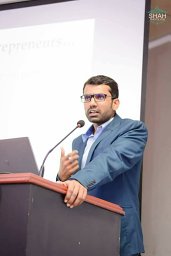 Imran Shafique合作论文数Dept Management Sci, COMSATS Univ Islamabad4
 Md. Abul Kalam Azad合作论文数4
 leaphan loo合作论文数3Waseem Barkat合作论文数Dept Management Sci, Univ Turbat3
 Nurul Liyana Binti Mohd Kamil合作论文数3
 Susan Thomas合作论文数University Malaya, Monash University3
 Raduan Che Rose合作论文数3Qingjin Lin合作论文数2
 Syed Haider Ali Shah合作论文数2
 Nur Hairani Abd Rahman合作论文数Fac Econ & Adm, Univ Malaya2Folk Jee Yoong合作论文数2Mathew Abraham合作论文数Nottingham University Business School, University of Nottingham Malaysia2Siow Li Lai合作论文数2
 Mehwish Iftikhar合作论文数2Abby Ghobadian合作论文数Centre for Interdisciplinary Strategic Management Research;Business School, Middlesex University;Business School, Middlesex University2
 Kazi Enamul Hoque合作论文数Faculty of Education, University of Malaya2
 Qile He合作论文数2
 Khairuddin Idris合作论文数Dept Profess Dev & Continuing Educ, Univ Putra Malaysia2
 Jegak Uli合作论文数universiti2
 Nicholas O'Regan合作论文数Bristol Business School, University of the West of England2
 William R. Kennan合作论文数Communication Department;Radford University2
 David Gallear合作论文数Centre for Interdisciplinary Strategic Management Research;Business School, Middlesex University;Business School, Middlesex University2Diana-Lea Baranovich合作论文数1Mohammad Shariful Islam合作论文数1Rosintansafinas Munir合作论文数1dianalea baronovich合作论文数1
 Sony Jalarajan Raj合作论文数Fac Fine Arts & Commun, MacEwan Univ1Jeannette Taylor合作论文数1
 Adeel Ahmed合作论文数Dept Management Sci, Univ Turbat1
 Muhammad Noman Shafique合作论文数Department of Electronic Engineering, The Islamia University of Bahawalpur1
 Lin Woon Leong合作论文数School of Management and Marketing, Taylor's University1
 Masood Nawaz Kalyar合作论文数Lyallpur Business Sch, Govt Coll Univ Faisalabad1Tiffany Too合作论文数Centre for Mental Health, Melbourne School of Population and Global Health, Faculty of Medicine, Dentistry and Health Sciences, The University of Melbourne1Qiu Ting Chie合作论文数Jeffery Cheah School of Medicine and Health Sciences, Monash University Malaysia1
 Myoung-Jin Lee合作论文数Department of Political Science, Public Administration and Development Studies, Faculty of Business and Economics, University of Malaya1
 Choong Seon Hong合作论文数Networking Intelligence Lab, School of Computing, Kyung Hee University;Department of Computer Science and Engineering, Kyung Hee University1
 Peter F. Wanke合作论文数federal university of rio de janeiro1
 Rusli Bin Nordin合作论文数Department of Community Medicine;School of Medical Sciences;Universiti Sains Malaysia;School of Medical Sciences, Universiti Sains Malaysia1
 Riyaz Ahmed合作论文数Department of Management Sciences, Faculty of Business and Econmics, University of Turbat1
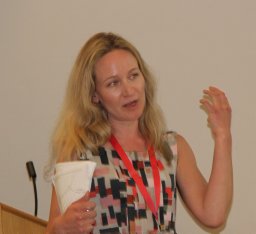 Aino Kianto合作论文数School of Business;Lappeenranta University of Technology;School of Business, Lappeenranta University of Technology1
 Abdullahil Mamun合作论文数1
 Meghna Sabharwal合作论文数Division of Social Sciences, City College of New York1
 Md Golam Rabiul Alam合作论文数Kyung Hee University1
 Jonathan P. West合作论文数Political Science Department, University of Miami1




