Pancreatic ductal adenocarcinoma (PDAC) remains highly lethal and has poor immunogenicity, warranting the use of vaccines to guide and recruit the immune response. Building on prior efforts to achieve clinical immunotherapeutic responses against PDAC, we conducted a phase II study (NCT03190265) that combined attenuated mesothelin (MSLN)-secreting listeria vaccine (CRS-207) and GM-CSF-secreting allogeneic whole-cell vaccine (GVAX) along with checkpoint inhibition. Patients with metastatic PDAC who progressed on chemotherapy were enrolled in one of two treatment arms in a randomized fashion. CRS-207 was given with anti-PD-1 (nivolumab) and anti-CTLA4 (ipilimumab) with (arm A) or without (arm B) GVAX. The primary endpoint was the objective response rate (ORR), and the secondary endpoint was safety. Fifty-seven patients received at least one dose of treatment, with two partial responses (4% ORR), in both arm B. The response rates were not significantly different between the two arms. Related grade ≥3 adverse events were seen in 39 (68%) patients, including 33 events attributed to CRS-207. Mass cytometry analysis of serially obtained biospecimens demonstrated treatment-induced promotion of T-cell memory and infiltration into the tumor microenvironment (TME). Peptide-specific T-cell expansions in vitro, followed by T-cell receptor sequencing, revealed clones specific to MSLN and mutant KRAS within the tumor. Accompanying these antitumor T-cell responses was significant enrichment of myeloid cells. High myeloid and regulatory T-cell signatures correlated with poor responses. We conclude that GVAX/CRS-207 plus nivolumab and ipilimumab successfully generates and expands T-cell clones specific to MSLN and mutant KRAS within the PDAC TME, but immunotherapy-induced myeloid cell enrichment remains a barrier to greater efficacy. See related article by Sidiropoulos et al., p. 399.
Combination vaccine and checkpoint inhibitor therapy has previously demonstrated immunologic responses in patients with pancreatic ductal adenocarcinoma (PDAC), although with limited efficacy. An urgent need to augment responses has warranted a deeper understanding of how each treatment modality contributes to the overall inflammatory response. Serial blood samples from patients with PDAC treated with GVAX, CRS-207, anti-CTLA-4, and/or anti-PD-1 therapies were profiled using two mass cytometry panels. Generating 260 cytometric profiles from 64 unique patients allowed us to create an annotated PDAC immunotherapy atlas. Analysis of this atlas revealed that although GVAX alone did not significantly alter T-cell relative frequencies, it induced T-cell activation and upregulated checkpoint expression. Adding anti-PD-1 blockade to GVAX further enhanced T-cell activation, whereas adding anti-CTLA-4 distinctly enhanced memory formation. Vaccine-mediated effects were similar, but GVAX promoted plasmacytoid dendritic cells more than CRS-207. Derived phenotypic patterns could also be projected onto tumor imaging data, underscoring the potential for discoveries relating treatment-induced peripheral signatures to changes in the tumor microenvironment. See related article by Bever et al., p. 411.
Representative images of immune, stromal, and architectural markers in the IMC panel
Pancreatic ductal adenocarcinoma (PDAC) carries an extremely poor prognosis, in part resulting from cellular heterogeneity that supports overall tumorigenicity. Cancer-associated fibroblasts (CAF) are key determinants of PDAC biology and response to systemic therapy, and multiple CAF subtypes have been defined. However, defining the effects of patient-specific CAF heterogeneity and plasticity on tumor cell behavior is required to better characterize the role of CAFs in PDAC. In this study, we used multiomic analyses to characterize the tumor microenvironment (TME) in tumors from patients undergoing curative-intent surgery for PDAC. In these same patients, matched tumor organoid and CAF lines were established to functionally validate the impact of CAFs on the tumor cells. CAFs promoted epithelial-mesenchymal transition and a switch in tumor cell classification from classical to basal subtype. Furthermore, CAF-specific interleukin 8 functioned as a modulator of tumor cell subtype. Finally, neighborhood relationships between tumor cells and T cell subsets were defined, demonstrating a distinct spatial coordination among CAF and tumor cell subtypes. Overall, this study provides data supporting CAF signaling as a regulator of the cellular and behavioral heterogeneity in the PDAC TME. These findings can be used to explore rational approaches to improve therapies for this difficult-to-treat disease. SIGNIFICANCE:Multidimensional analyses highlight the diverse role of cancer-associated fibroblasts in influencing cells in the tumor microenvironment and provide a platform for evaluating emerging therapeutic approaches and studying mechanisms dictating tumor behavior.
Supplementary Figure 4. Effects of GVAX on T helper cells and myeloid cells. Impact of anti–PD-1 therapy (αPD1) when added to GVAX on T cells.
In this phase I study, we test a pooled synthetic long peptide vaccine targeting the six KRAS mutations (G12V, G12A, G12R, G12C, G12D, G13D) with ipilimumab and nivolumab in resected pancreatic adenocarcinoma. Co-primary endpoints include safety and maximal percent change of IFNγ-producing mutant KRAS T cell responses in the blood within 17 weeks. Secondary endpoints include disease-free survival, overall survival, and maximal percent change of IFNγ-producing mutant KRAS T cell responses at any time after vaccination. Vaccine-related adverse events are grade 1-2. 11/12 and 10/12 patients generate a significant increase in average T cell response to 6 mutant KRAS antigens and tumor-specific response, respectively. Immunophenotyping demonstrate Th1 CD4 central memory and effector memory T cells, and CD8 effector memory T cells at a lower frequency. The vaccine also generates cross-reactive T cells that recognize more than one mutant KRAS antigen. These findings support the safety and diverse anti-tumor immunity of mutant KRAS vaccines (NCT04117087).
Motivation:The Functional Expansion of Specific T cell (FEST)-based assays combine short-term peptide stimulation with TCR sequencing to identify clonotypes that expand in response to specific antigens. These approaches have proven invaluable for detecting neoantigen-specific T cell responses, guiding vaccine development, and assessing checkpoint blockade efficacy. However, variability introduced by biological and technical replicates poses challenges for reproducibility and interpretation, and existing computational tools do not address replicate-level analysis in these assays. Results:We developed replicateFest, a computational framework implemented as an R package and Shiny web application, to analyze FEST-based TCR-seq data with and without replicates. replicateFest applies Fisher's exact test for non-replicate datasets and negative binomial modeling for replicate experiments, returning adjusted p-values and odds ratios to identify clonotypes significantly expanded in antigen-stimulated conditions. The framework distinguishes FEST-expanded clonotypes (relative to a no-antigen control) and FEST-positive clonotypes (expanded compared to all other conditions). Validation using synthetic datasets confirmed accurate detection of antigen-specific clonotypes. Application to published HIV-1 epitope stimulation data reproduced original findings and demonstrated replicateFest's utility for reproducibility assessment and quality control. Availability and Implementation:replicateFest is freely available under the Apache-2.0 license as an R package at https://github.com/OncologyQS/replicateFest and as an interactive Shiny application at http://www.stat-apps.onc.jhmi.edu/FEST/.
Cells analyzed per patient and subset nearest neighbor analysis by treatment status and at increased radii
Quantification of N-cadherin and Krt17 surface expression on organoids with and without coculture
 Elana J. Fertig合作论文数Institute for Genome Sciences, University of Maryland School of Medicine94
 Elizabeth M. Jaffee合作论文数Department of Pathology, School of Medicine, Johns Hopkins University;Institute for Clinical & Translational Research, Johns Hopkins University64
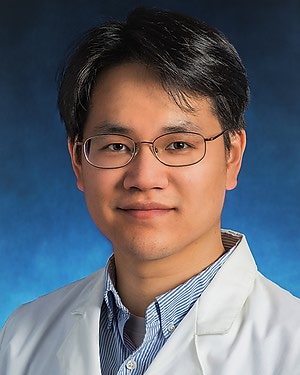 Won Jin Ho合作论文数Department of Otolaryngology-Head and Neck Surgery, School of Medicine, Johns Hopkins University42
 Leslie Cope合作论文数Department of Otolaryngology-Head and Neck Surgery, School of Medicine, Johns Hopkins University42
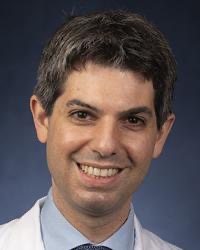 Mark Yarchoan合作论文数Department of Oncology, Sidney Kimmel Comprehensive Cancer Center, Johns Hopkins University School of Medicine42
 Kagohara Luciane T合作论文数Sidney Kimmel Comprehensive Cancer Center, Johns Hopkins University School of Medicine42
 Alexander Favorov合作论文数Johns Hopkins University;Vavilov Institute of General Genetics, Russian Academy of Sciences37
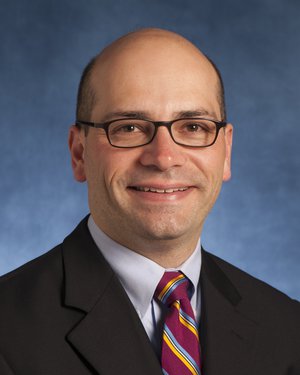 Robert Albert Anders合作论文数Department of Pathology, Johns Hopkins University School of Medicine37
 Daria Gaykalova合作论文数Robert Wood Johnson Medical School, UMDNJ36Qingfeng Zhu合作论文数Pathology, and29Taube Janis M合作论文数28
 Genevieve Stein-O'Brien合作论文数Johns Hopkins University;26
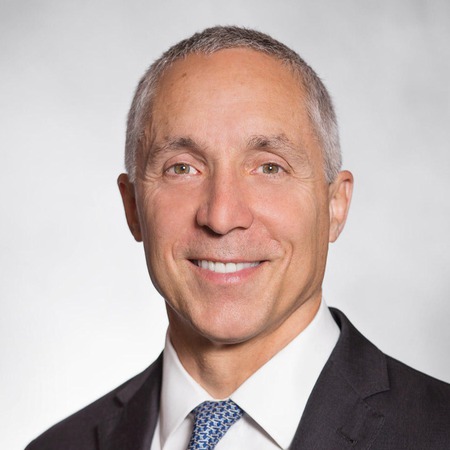 Joseph A. Califano合作论文数Moores Cancer Center, University of California, San Diego;School of Medicine, The Johns Hopkins University25
 Guo Theresa合作论文数23Aleksandra Ogurtsova合作论文数22
 Michael J Considine合作论文数22
 Drew Mark Pardoll合作论文数Department of Oncology, School of Medicine, Johns Hopkins University;Bloomberg~Kimmel Institute for Cancer Immunotherapy, School of Medicine, Johns Hopkins University;Sidney Kimmel Comprehensive Cancer Center, School of Medicine, Johns Hopkins University22Gordon Robertson合作论文数21
 Stephen B. Baylin合作论文数Johns Hopkins School of Medicine;Cancer Genetics and Epigenetics, Johns Hopkins University21
 Lei Zheng合作论文数Department of Oncology and Surgery, School of Medicine, John Hopkins University;Pancreatic Cancer Precision Medicine Center of Excellence,;Sidney Kimmel Comprehensive Cancer Center,21Dylan Kelley合作论文数20
 James G Herman合作论文数Division of Hematology, Department of Medicine, School of Medicine, University of Pittsburgh20Emily Flam合作论文数Johns Hopkins Med Inst, Dept Otolaryngol Head & Neck Surg, Baltimore, MD 21205 USA19
 Neil Hayes合作论文数Division of Med Hematology, Department of Medicine, College of Medicine, The University of Tennessee Health Science Center;Center for Cancer Research, The University of Tennessee Health Science Center;Heme / Onc, Regional One19Atul Deshpande合作论文数18
 Andrew Cherniack合作论文数Meyerson Laboratory Dana-Farber Cancer Institute;Broad Institute of MIT18Daniel Shu合作论文数17
 Dimitrios N Sidiropoulos合作论文数Sidney Kimmel Comprehensive Cancer Center, Johns Hopkins University School of Medicine;Convergence Institute, Johns Hopkins University;Bloomberg-Kimmel Institute for Cancer Immunotherapy, Johns Hopkins University School of Medicine;Cellular and Molecular Medicine, Johns Hopkins University School of Medicine;Johns Hopkins University School of Medicine, Johns Hopkins University School of Medicine17
 Hao Wang合作论文数Department of Oncology, Johns Hopkins University School of Medicine;Division of Biostatistics and Bioinformatics, Sidney Kimmel Comprehensive Cancer Center, Johns Hopkins University School of Medicine;Harvard T.H. Chan School of Public Health, Harvard University17
 Bahman Afsari合作论文数Center for Cancer Research, National Cancer Institute, National Institutes of Health17Tara M Lichtenberg合作论文数16
 Jennifer Durham合作论文数The Medical School, University of Birmingham16
 Rehan Akbani合作论文数Department of Bioinformatics and Computational Biology, Graduate School of Biomedical Sciences, University of Texas MD Anderson Cancer Center16Alexei Hernandez合作论文数15Neeha Zaidi合作论文数Johns Hopkins Univ, Sch Med, Sidney Kimmel Comprehens Canc Ctr, Skip Viragh Ctr Pancreat Canc,Bloomberg Kimmel In, Baltimore, MD USA15
 Azad Nilofer合作论文数The Sidney Kimmel Comprehensive Cancer Center, Johns Hopkins University;The Sidney Kimmel Comprehensive Cancer Center, Johns Hopkins University15
 Julie Brahmer合作论文数School of Medicine, Johns Hopkins University;Sidney Kimmel Comprehensive Cancer Center, Johns Hopkins University;Bloomberg~Kimmel Institute for Cancer Immunotherapy, Johns Hopkins University;Johns Hopkins Sidney Kimmel Comprehensive Cancer Center15Ina Felau合作论文数14
 Sarah J Wheelan合作论文数The National Institutes of Health14Jean C. Zenklusen合作论文数University of Texas;Fox Chase Cancer Center;Department Ã14
 Tricia Cottrell合作论文数Sinclair Cancer Research Institute, Faculty of Health Sciences, Queen's University14
 Matthew D Wilkerson合作论文数Department of Anatomy, Physiology & Genetics, School of Medicine, Uniformed Services University;Center for Military Precision Health, Uniformed Services University14Kristen Leraas合作论文数13Daniel Bergman合作论文数13Jacob Mitchell合作论文数Lab Clin Immunol & Microbiol, NIH13Juliann Shih合作论文数Broad Inst MIT & Harvard, Cambridge, MA 02142 USA13
 Soren Charmsaz合作论文数the Bloomberg-Kimmel Institute for Cancer Immunotherapy, Johns Hopkins University School of Medicine13
 Nita Ahuja合作论文数Department of Surgery, School of Medicine, Yale University;Yale New Haven Hospital13Walter Vonn合作论文数13




