Introduction: Gastroesophageal reflux disease (GERD) plays an important role in lung transplant (LT) outcomes. This study aims to evaluate the impact of a novel sleep positioning device (SPD) on lung function in LT recipients with GERD.Methods: In this single-center cohort study, LT recipients (2014 to 2019) with GERD who were prescribed an SPD within 2 years of LT were included. A historical control group of LT recipients with GERD on PPI only (2011 to 2013) was selected to compare forced expiratory volume in 1 second (FEV1) as a marker of lung function.Results: Twenty LT recipients using SPD (cases) and 54 patients in the historical control group with proven GERD were included. Mean (SD) interval between LT and SPD prescription was 8.6 (5.7) months. Mean % predicted FEV1 was higher in SPD users than controls post-LT at 6 months (80% vs. 69%) and 1 year (80% vs. 71%), respectively. Among SPD users, post-SPD FEV1 was higher than pre-SPD FEV1 (82% vs. 70%).Conclusion: Use of a novel SPD can stabilize or improve pulmonary function in patients with GERD after LT. SPD may be a safe and cost-effective adjunctive therapy for the management of GERD after LT.
Background:We aimed to identify data-driven FEV1 trajectory phenotypes post-chronic lung allograft dysfunction (CLAD), relate these phenotypes to patient factors and future graft loss, and develop a classification approach for prospective patients. Methods:We studied adult first lung recipients with probable CLAD from two prospective multicenter cohorts: CTOT-20 (n=206) and LTOG (n=1418). FEV1 trajectories over the first nine months post-CLAD were characterized using joint latent class mixed models, jointly modelling time-to-graft loss to account for informative censoring. Models were fit independently in both cohorts and also only among LTOG bilateral recipients. A classification and regression tree (CART) model was derived in LTOG bilateral recipients and applied to CTOT-20 bilateral recipients. Findings:Four distinct early FEV1 trajectory classes were identified in CTOT-20, with large differences in nine-month graft loss (72·3%, 31·1%, 2·2%, 0%). In LTOG, similar trajectory patterns were reproduced, with an additional class demonstrating early post-CLAD FEV1 improvement. Among bilateral recipients, trajectory classes showed a clear risk gradient, including a high-risk class with 100% graft loss and a low-risk class with no early graft loss. A CART model incorporating clinical and spirometric variables demonstrated good discrimination in LTOG bilateral recipients (multiclass AUC 0·85) and consistent class assignment and trajectory patterns when applied to CTOT-20. Interpretation:We identified reproducible, clinically meaningful early post-CLAD FEV1 trajectory phenotypes with differential graft loss risk. These phenotypes and a pragmatic classification tool may support risk stratification, trial enrichment, and improved prognostication for patients and clinicians. Funding:National Institutes of Health, Cystic Fibrosis Foundation.
The ISHLT Consensus document for the selection of lung transplant candidates recommends frailty assessment as part of a comprehensive candidacy evaluation. Missing from this and other recent consensus documents were practical recommendations on which frailty measures to consider and what to do with the information once obtained. In this consensus document, we address practical and logistical issues regarding the assessment and management of frailty in lung transplant candidates.
Airway complications remain a major cause of morbidity and mortality after cardiothoracic transplantation. The reported incidence of airway ischemic complications continuously varies widely. We conducted an international multicenter survey to better understand the global adoption of the 2018 ISHLT airway grading consensus system and to identify key challenges across centers and areas for potential refinement.
OBJECTIVE:High-density lipoprotein-cholesterol (HDL-C) has recently garnered attention in lung transplantation studies for its anti-inflammatory properties. Herein, we aimed to study the association between basal HDL-C serum levels and outcomes of lung transplantation with respect to sex. METHODS:In this retrospective cohort study in a tertiary center between 2009 and 2019, 1063 patients that underwent single or double lung transplant were included. Continuous variables are presented as median [25th - 75th percentiles] and analyzed using the Wilcoxon rank-sum test. Primary outcome was primary graft dysfunction (PGD) at 72 h. Survival was evaluated using Kaplan-Meier analysis. Multivariable logistic regression was used to identify independent risk factors for long term mortality, PGD at 72 h, and chronic lung allograft dysfunction. RESULTS:Our study had 349 females and 714 males with a median age of 59 [49 - 63] years and 62 [55-67] years, respectively. Recipients with HDL-C >69 mg/dL had significantly better survival (HR 0.73 [95% CI 0.58-0.91, p = 0.03). Dividing the cohort based on sex, high HDL-C in female recipients was associated with significantly better survival, lower PGD grade, and shorter hospital stay. In male recipients, the same trends were observed but did not reach statistical significance. Higher baseline HDL-C level was associated with better survival (HR 0.46, 95% CI 0.22-0.96; p = 0.040), lower risk for PGD (OR 0.611, 95% CI 0.562-0.86, p = 0.002), chronic allograft dysfunction (OR 0.91, 95% CI 0.84-0.98; p=0.012). CONCLUSION:Higher baseline High-density lipoprotein-cholesterol levels before lung transplant were associated with better outcomes, including lower primary graft dysfunction grades, less graft failure, and better survival. The association between higher high-density lipoprotein-cholesterol levels and better outcomes after lung transplantation in females warrants further studies to better characterize its influence on lung transplantation outcomes.
BACKGROUND:Lung transplant recipients with lower club cell secretory protein (CCSP) levels in bronchoalveolar lavage fluid (BALF) early post-transplantation are at increased risk for chronic lung allograft dysfunction (CLAD). For CLAD risk stratification, we previously identified a potential risk threshold for reduced CCSP (protein-normalised CCSP <8.63 ng·µg-1). Here, we aim to validate this association in an independent patient set from a prospective observational cohort. METHODS:Total protein and CCSP were quantified in 1481 BALF samples collected over the first post-transplant year from 353 patients (validation cohort). A Cox model tested the association between time to first CCSP <8.63 ng·µg-1 and CLAD. If this threshold did not validate, we prespecified combining the discovery and validation cohorts to rederive a reduced CCSP risk threshold considering a larger number of CLAD events. In a subset, gene expression analyses were performed on allograft biopsies to examine molecular alterations at the time of reduced CCSP. RESULTS:BALF CCSP <8.63 ng·µg-1 in the first post-transplant year was not significantly associated with CLAD in the validation cohort (hazard ratio (HR) 1.41; p=0.208). However, in the combined cohort, a dense grid search, including the previously identified threshold of 8.63 ng·µg-1, revealed that the threshold of 8.63 ng·µg-1 had the largest HR for CLAD. Iterative resampling demonstrated robust reproducibility of the association between BALF CCSP <8.63 ng·µg-1 and CLAD risk across the combined cohort. Biopsies corresponding to CCSP <8.63 ng·µg-1 had a pro-inflammatory profile. CONCLUSIONS:Early post-transplant reductions in BALF CCSP identify lung recipients at increased CLAD risk and may associate with heightened allograft inflammation.
BackgroundMedication nonadherence has been associated with poor outcomes in transplant recipients yet identifying these behaviors pre-transplant remains challenging. The simplified medication adherence questionnaire (SMAQ) is a brief, reliable instrument to assess medication adherence. The aim of this study was to perform SMAQ testing on thoracic organ candidates and examine correlations between these scores and individual patient factors predicting medication nonadherence.MethodsConsenting waitlisted lung, heart, and heart-lung transplant candidates from six thoracic transplant centers were mailed a survey that included demographic information and the Simplified Medication Adherence Questionnaire (SMAQ). Univariate logistic regression analysis was performed to assess association between pre-transplant medication adherence and demographic characteristics, psychosocial factors, and mortality.ResultsAmong 298 participants, 60.7% were medication nonadherent. Nonadherence was associated with some college education (OR: 1.73; CI: 1.06, 2.81), lower positive affect (OR: 0.95; CI: 0.92, 0.99), and higher uncertainty (OR: 1.02; CI: 1.01, 1.04). Higher positivity ratio predicted adherence.ConclusionIdentifiable patient-specific characteristics associated with medication nonadherence can be screened for during thoracic transplant evaluation. Interventions aimed at improving these factors during the pre-transplant period may improve clinical post-transplant outcomes, however, larger studies are needed to validate these findings.
Rationale: Chronic lung allograft dysfunction (CLAD) hinders lung transplant success. A 2019 consensus refined CLAD diagnosis, introducing probable or definite CLAD based on persistence of lung function decline. Outcomes and risks for probable CLAD remain uncertain. Objectives: We sought to determine the prognosis and clinical risks for probable CLAD in a prospective multicenter cohort. Methods: Clinical Trials in Organ Transplantation-20 included 745 CLAD-eligible adult lung recipients at five centers and applied rigorous methods to prospectively adjudicate probable CLAD. The impact of probable CLAD on graft loss was determined using a Cox model that considered CLAD as a time-dependent covariate. Regularized Cox modeling with least absolute shrinkage and selection operator (LASSO) penalty was used to evaluate donor or recipient characteristics and the occurrence and timing of posttransplant events as probable CLAD risks. Similar analyses were performed for definite CLAD. Measurements and Main Results: Probable CLAD occurred in 29.7% of patients at 3 years posttransplant and conferred a marked increase in risk for graft loss (unadjusted hazard ratio = 4.38, P < 0.001). Most patients (80%) with probable CLAD progressed to definite CLAD. Cytomegalovirus infection and, specifically, late presence (>90 d posttransplant) of donor-specific alloantibodies, acute rejection, acute lung injury, or organizing pneumonia contributed the greatest independent information about probable CLAD risk. Definite CLAD risks were similar. Conclusions: Probable CLAD identifies patients at high risk for graft loss, supporting prospective identification of this condition for early initiation of CLAD-directed interventions. More effective strategies to prevent posttransplant cytomegalovirus, inhibit allospecific immunity, and reduce tissue injury are needed to reduce probable CLAD and improve lung recipient survival. Clinical trial registered with www.clinicaltrials.gov (NCT02631720).
Background Lung transplantation (LT) has been shown to improve lung function and quality of life (QoL). We sought to clarify if QoL improvements coincide with improvements in spirometry assessments in the first post-transplant year. Methods In the multicenter observational Clinical Trials in Organ Transplantation-20 study, LT recipients had longitudinal forced expiratory volume in 1 second (FEV1) and QoL measurements, specifically the St. George’s Respiratory Questionnaire (SGRQ) and 36-Item Short Form Survey (SF-36), collected at 1, 3, 6, 9, and 12 months post-LT. We assessed whether best QoL scores occurred before, simultaneously, or after best FEV1. Results Of 803 recipients, 702 met the inclusion criteria. The best total SGRQ score occurred before best FEV1 in 16.0% of patients, simultaneously in 28.3%, and afterward in 55.7%. Similarly, the best SF-36 physical score occurred before best FEV1 in 18.7% of patients, simultaneously in 32.7%, and afterward in 48.6%. Single LTs, age >65 years, male sex, and diagnosis other than cystic lung disease were associated with a higher likelihood of achieving best QoL after best FEV1. Conclusions Both spirometry and multiple physical and social QoL domains improved over the first post-LT year, but these improvements did not necessarily occur simultaneously. Nearly half of patients reached their best respiratory-specific and physical QoL scores after best FEV1; however, timing varied by recipient characteristics. As the pace of post-LT recovery is multifactorial, our findings provide insights to patients and providers regarding anticipated post-transplant changes and highlight the importance of considering both spirometry and QoL measures.
BACKGROUND:Basiliximab induction immunosuppression is increasingly employed in lung transplant recipients despite limited prospective evidence to support its use in this population. We sought to determine the relationship between basiliximab induction and development of acute rejection, chronic lung allograft dysfunction, and other clinically relevant outcomes in a multicenter lung transplant cohort with variable induction practice patterns. METHODS:We applied propensity-based statistical methods to rigorous, prospectively collected longitudinal data from 768 newly transplanted adult lung recipients at 5 North American centers (368 who received basiliximab induction immunosuppression and 400 who received no induction immunosuppression). Treatment effects were estimated using outcome-specific propensity score regression models, weighted by the outcome-specific overlap weights, and stratified by center strata. RESULTS:Basiliximab induction immunosuppression was associated with a significant reduction in any grade acute rejection (HR 0.65, 95% CI 0.46-0.92; p=0.015), organizing pneumonia histology (HR 0.38, 95% CI 0.16-0.90; p=0.028), acute lung injury histology (HR 0.28, 95% CI 0.13-0.61; p=0.001), and development of class II donor specific antibodies (HR 0.51, 95% CI 0.27-0.95; p=0.034) within the first posttransplant year. However, there was no significant association between basiliximab and development of chronic lung allograft dysfunction, mortality, or graft loss. For select infections during the first posttransplant year, there was no evidence of a difference in risk between patients who did versus did not receive basiliximab. CONCLUSIONS:Basiliximab induction immunosuppression is associated with a significant reduction in early posttransplant cellular and humoral immune events and lung injury histologies but not chronic lung allograft dysfunction or mortality.
BACKGROUND:Acute cellular rejection (ACR) is the main risk factor for chronic lung allograft dysfunction (CLAD), but diagnosis requires invasive transbronchial biopsy (TBB). We previously demonstrated the feasibility of bronchoalveolar lavage cell pellet (BAL-cp) gene expression for ACR diagnosis. We sought to develop and validate a genomic classifier for ACR in a multicenter cohort. METHODS:We performed RNA-seq on 806 BAL-cp from 181 lung transplant recipients enrolled in CTOT-20. Differential expression was based on fold difference >2.0 and False Discovery adjusted p-value <0.05. Samples were randomly split 80:20 into training and testing sets. A Random Forest model was optimized for area under the curve (AUC), and the threshold for genomic ACR was selected for classification accuracy. We validated performance in an independent single-centre cohort. Cox models evaluated risk for CLAD. FINDINGS:From 37 clinically significant ACR and 151 stable control samples, we identified 62 ACR genes, indicating upregulation of T-cell receptor signalling, and downregulation of CTLA4 signalling in cytotoxic lymphocytes, among other enriched pathways. A 31-gene Random Forest model's AUC was 0.99 (SE 0.0053) in the training set, and 0.72 (SE 0.0874) in the test set. At a probability threshold of 0.396, accuracy for distinguishing clinically significant ACR cases from stable controls was 93.1% (specificity 95.4%, sensitivity 83.8%). In the independent validation cohort, accuracy was 82.1% (specificity 87.5%, sensitivity 73.3%). The model classified 138 (17.1%) CTOT-20 samples as genomic ACR. Late genomic ACR (≥90 days posttransplant) associated with increased CLAD risk (HR 2.52, 95% CI 1.47-4.34, p < 0.001). INTERPRETATION:A BAL-cp genomic classifier can identify ACR, predict CLAD risk, and may be a less invasive alternative to TBB after lung transplant. FUNDING:This study was supported by the National Institute of Allergy and Infectious Diseases awards U01AI113315 and U01AI0635594, the Cystic Fibrosis Foundation award PALMER19AB0, and the Saul and Joyce Brandman Foundation Center for Lung Health at UCLA.
There is substantial variation in access to transplantation across the United States that is not entirely explained by the availability of donor organs. Barriers to transplantation and variation in care among patients with end-stage organ disease exist prior to patients' placement on a transplant waiting list as well as following waitlist placement. However, there are currently no national data available to examine rates and variations in key care processes related to prelisting, including transplant referral, evaluation, or candidate selection. In February of 2024, the Health Resources and Services Administration released a directive and, in November 2024, released for public comment the proposed expansion of the Organ Procurement and Transplantation Network data collection to include pre-waitlist data for all solid organ transplant patients to promote transparency across the transplant continuum. Although data elements and details have not been finalized, the purpose of this article is to detail the rationale and anticipated details for pre-waitlisting data collection to inform the transplant community. These data aim to examine care processes and barriers to care for patients with end-stage organ disease in the United States.
Background: Single lung transplantation (SLT) has been shown to be associated with worse long-term outcomes than bilateral lung transplantation (BLT), but often is performed in older adults at risk of not tolerating BLT. Research Question: How do the outcomes of SLT and BLT compare among older adult recipients? Study Design and Methods: The Scientific Registry of Transplant Recipients database (2005-2022) was queried for lung transplant recipients aged 65 years older. Patients were stratified by whether they underwent BLT or SLT and were propensity matched. Baseline characteristics and morbidity were compared with frequentist statistics. Survival was analyzed via Kaplan-Meier estimation. Risk factors for mortality were identified with Cox regression. Results: Of 9,904 included patients, 4,829 patients (48.8%) underwent SLT. Patients who underwent SLT had lower lung allocation scores (39.6 vs 40.6; P < .001), more interstitial lung disease (74.4% vs 64.6%; P < .001), and lower rates of bridging (0.7% vs 2.4%; P < .001). Groups did not differ significantly by sex, BMI, or donor characteristics. Propensity matching resulted in 2,539 patients in each group. On matched analysis, patients undergoing SLT had shorter lengths of stay (14 days vs 18 day), lower reintubation rates (14.7% vs 19.8%), and less postoperative dialysis use (4.2% vs 6.4%; P < .001 for all). Patients who underwent SLT had comparable survival at 30 days (97.6% vs 97.3%; P = .414) and 1 year (85.5% vs 86.3%; P = .496), but lower survival at 5 years (45.4% vs 53.4%; P < .001) on matched analysis. SLT was a risk factor for 5-year mortality (adjusted hazard ratio, 1.19; P < .001). Interpretation: Our findings show that in older adults, SLT is associated with less morbidity and comparable early survival relative to BLT, but lower 5-year survival. This suggests that SLT is reasonable to perform in older adults at high risk of not tolerating BLT.
 Kenneth R Mccurry合作论文数87
 Gosta Bengt Pettersson合作论文数The Cleveland Clinic Foundation64
 Sudish Murthy合作论文数Department of Thoracic and Cardiovascular Surgery, Cleveland Clinic62
 Atul C. Mehta合作论文数Cleveland Clin, Resp Inst, Cleveland, OH 44106 USA58David P. Mason合作论文数50
 Lianne Singer合作论文数Department of Medicine, Temerty Faculty of Medicine, University of Toronto;Institute of Health Policy, Management and Evaluation, University of Toronto;Toronto General Hospital Research Institute37
 Carol Farver合作论文数Department of Pathology, Medical School, University of Michigan-Ann Arbor37
 Scott Michael Palmer合作论文数Division of Pulmonary, Allergy, and Critical Care Medicine, Department of Medicine, School of Medicine, Duke University;Duke Clinical Research Institute, Duke University36John A. Belperio合作论文数36
 Laurie D. Snyder合作论文数Department of Medicine, School of Medicine, Duke University School of Medicine31Unai Shinya合作论文数29Robin K. Avery合作论文数28
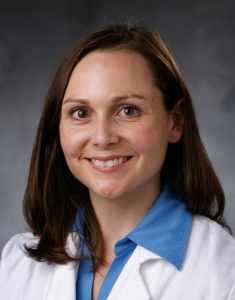 Jamie Lynn Todd合作论文数Department of Medicine, School of Medicine, Duke University School of Medicine26
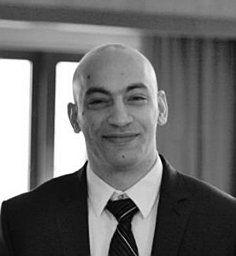 Elgharably Haytham合作论文数Department of Surgery, Davis Heart &Lung Research Institute, The Ohio State University;Davis Heart & Lung Research Institute, The Ohio State University26
 Eugene Blackstone合作论文数Department of Surgery, Temerty Faculty of Medicine, University of Toronto;University of Alabama at Birmingham;Lerner College of Medicine, Cleveland Clinic25
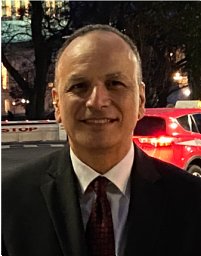 Medhat Askar合作论文数Cleveland Clinic23Okamoto Toshihiro合作论文数22
 James Yun合作论文数21
 Lara A. Danziger-Isakov合作论文数Department of Pediatrics, University of Cincinnati;Cincinnati Children's Hospital Medical Center20Lane Charles R合作论文数19
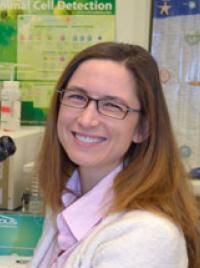 Tereza Martinu合作论文数Department of Immunology, Temerty Faculty of Medicine, University of Toronto18
 Puneet S Garcha合作论文数18J. J. Yun合作论文数18U. Ahmad合作论文数17
 Kamal S Ayyat合作论文数Department of Inflammation and Immunology, Lerner Research Institute17Tsuang Wayne合作论文数17
 Douglas R Johnston合作论文数Department of Surgery, Feinberg School of Medicine, Northwestern University17Aiwen Zhang合作论文数17Olufemi Akindipe合作论文数16
 Lucy Thuita合作论文数16Shruti Gadre合作论文数Cleveland Clin Fdn14
 John Michael Reynolds合作论文数Department of Medicine, School of Medicine, Duke University School of Medicine14Minai Omar A合作论文数14W. Tsuang合作论文数13John M Reynolds合作论文数13Atul Mehta合作论文数13O. Akindipe合作论文数13Machuzak Michael S合作论文数13
 Emilio Poggio合作论文数Department of Nephrology and Hypertension, Glickman Urological and Kidney Institute, Cleveland Clinic13Courtney W Frankel合作论文数12
 M. Usman Ahmad合作论文数12
 Shaf Keshavjee合作论文数Department of Surgery, Temerty Faculty of Medicine, University of Toronto;Institute of Biomedical Engineering, Faculty of Applied Science & Engineering, University of Toronto;Toronto General Hospital Research Institute;Cancer Clinical Research Unit, Princess Margaret Cancer Centre;Latner Thoracic Research Laboratories;SickKids Research Institute12
 Megan Lee Neely合作论文数Duke University School of Medicine;Duke Clinical Research Institute12
 Jesse Schold合作论文数Department of Quantitative Health Sciences, Cleveland Clinic12
 Palak Alap Shah合作论文数Inova Fairfax Hospital12Fadul Rafid合作论文数12
 Alejandro C. Arroliga合作论文数Department of Pulmonary, Allergy, and Critical Care Medicine, Cleveland Clinic12C. Lane合作论文数11
 Stephen S Weigt合作论文数Division of Pulmonary and Critical Care Medicine, University of California at Los Angeles11




