We present power spectra of the cosmic microwave background (CMB) anisotropy in temperature and polarization, measured from the Data Release 6 maps made from Atacama Cosmology Telescope (ACT) data. These cover 19,000 deg(2) of sky in bands centered at 98, 150 and 220 GHz, with white noise levels three times lower than Planck in polarization. We find that the ACT angular power spectra estimated over 10,000 deg(2), and measured to arcminute scales in TT, TE and EE, are well fit by the sum of CMB and foregrounds, where the CMB spectra are described by the Lambda CDM model. Combining ACT with larger-scale Planck data, the joint P-ACT dataset provides tight limits on the ingredients, expansion rate, and initial conditions of the universe. We find similar constraining power, and consistent results, from either the Planck power spectra or from ACT combined with WMAP data, as well as from either temperature or polarization in the joint P-ACT dataset. When combined with CMB lensing from ACT and Planck, and baryon acoustic oscillation data from the Dark Energy Spectroscopic Instrument (DESI DR1), we measure a baryon density of Omega(b)h(2) = 0.0226 +/- 0.0001, a cold dark matter density of Omega(c)h(2) = 0.118 +/- 0.001, a Hubble constant of H-0 = 68.22 +/- 0.36 km/s/Mpc, a spectral index of n(s) = 0.974 +/- 0.003, and an amplitude of density fluctuations of sigma(8) = 0.813 +/- 0.005. Including the DESI DR2 data tightens the Hubble constant to H-0 = 68.43 +/- 0.27 km/s/Mpc; Lambda CDM parameters agree between the P-ACT and DESI DR2 data at the 1.6 sigma level. We find no evidence for excess lensing in the power spectrum, and no departure from spatial flatness. The contribution from Sunyaev-Zel'dovich (SZ) anisotropy is detected at high significance; we find evidence for a tilt with suppressed small-scale power compared to our baseline SZ template spectrum, consistent with hydrodynamical simulations with feedback.
The Simons Observatory (SO) is a ground-based cosmic microwave background (CMB) survey experiment that currently consists of three 0.42 m small-aperture telescopes and one 6 m large-aperture telescope (LAT), located at an elevation of 5200 m in the Atacama Desert in Chile. At the LAT’s focal plane, SO will install >62,000 transition-edge sensor detectors across 13 optics tubes (OTs) within the Large Aperture Telescope Receiver (LATR), the largest cryogenic camera ever built to observe the CMB. Here we report on the validation of the LATR in the laboratory and the subsequent dark testing and validation within the LAT. We show that the LATR meets cryogenic, optical, and detector specifications required for high-sensitivity measurements of the CMB. At the time of writing, the LATR is installed in the LAT with six OTs (corresponding to >31,000 detectors), and the LAT mirrors and remaining seven OTs are undergoing development.
We present Atacama Cosmology Telescope (ACT) Data Release 6 (DR6) maps of the Cosmic Microwave Background temperature and polarization anisotropy at arcminute resolution over three frequency bands centered on 98, 150 and 220 GHz. The maps are based on data collected with the AdvancedACT camera over the period 2017-2022 and cover 19,000 square degrees with a median combined depth of 10 mu K arcmin. We describe the instrument, mapmaking and map properties and illustrate them with a number of figures and tables. The ACT DR6 maps and derived products are available on LAMBDA at https://lambda.gsfc.nasa.gov/product/act/actadv_prod_table.html. We also provide an interactive web atlas at https://phy-act1.princeton.edu/public/snaess/actpol/dr6/atlas and HiPS data sets in Aladin (e.g. https://alasky.cds.unistra.fr/ACT/DR4DR6/color_CMB).
We use new cosmic microwave background (CMB) primary temperature and polarization anisotropy measurements from the Atacama Cosmology Telescope (ACT) Data Release 6 (DR6) to test foundational assumptions of the standard cosmological model, Lambda CDM, and set constraints on extensions to it. We derive constraints from the ACT DR6 power spectra alone, as well as in combination with legacy data from the Planck mission. To break geometric degeneracies, we include ACT and Planck CMB lensing data and baryon acoustic oscillation data from DESI Year-1. To test the dependence of our results on non-ACT data, we also explore combinations replacing Planck with WMAP and DESI with BOSS, and further add supernovae measurements from Pantheon+ for models that affect the late-time expansion history. We verify the near-scale-invariance (running of the spectral index dn(s)/d ln k = 0.0062 +/- 0.0052) and adiabaticity of the primordial perturbations. Neutrino properties are consistent with Standard Model predictions: we find no evidence for new light, relativistic species that are free-streaming (N-eff = 2.86 +/- 0.13, which combined with astrophysical measurements of primordial helium and deuterium abundances becomes N-eff = 2.89 +/- 0.11), for non-zero neutrino masses (Sigma m(nu) < 0.089 eV at 95% CL), or for neutrino self-interactions. We also find no evidence for self-interacting dark radiation (N-idr < 0.134), or for early-universe variation of fundamental constants, including the fine-structure constant (alpha(EM)/alpha(EM,0) = 1.0043 +/- 0.0017) and the electron mass (m(e)/m(e,0) = 1.0063 +/- 0.0056). Our data are consistent with standard big bang nucleosynthesis (we find Y-p = 0.2312 +/- 0.0092), the COBE/FIRAS-inferred CMB temperature (we find T-CMB = 2.698 +/- 0.016 K), a dark matter component that is collisionless and with only a small fraction allowed as axion-like particles, a cosmological constant (w = -0.986 +/- 0.025), and the late-time growth rate predicted by general relativity (gamma = 0.663 +/- 0.052). We find no statistically significant preference for a departure from the baseline Lambda CDM model. In fits to models invoking early dark energy, primordial magnetic fields, or an arbitrary modified recombination history, we find H-0 = 69.9(-1.5)(+0.8), 69.1 +/- 0.5, or 69.6 +/- 1.0 km/s/Mpc, respectively; using BOSS instead of DESI BAO data reduces the central values of these constraints by 1-1.5 km/s/Mpc while only slightly increasing the error bars. In general, models introduced to increase the Hubble constant or to decrease the amplitude of density fluctuations inferred from the primary CMB are not favored over Lambda CDM by our data.
CMB-S4, the next-generation ground-based cosmic microwave background (CMB) observatory, will provide detailed maps of the CMB at millimeter wavelengths to dramatically advance our understanding of the origin and evolution of the universe. CMB-S4 will deploy large and small aperture telescopes with hundreds of thousands of detectors to observe the CMB at arcminute and degree resolutions at millimeter wavelengths. Inflationary science benefits from a deep delensing survey at arcminute resolutions capable of observing a large field of view at millimeter wavelengths. This kind of survey acts as a complement to a degree angular resolution survey. The delensing survey requires a nearly uniform distribution of cameras per frequency band across the focal plane. We present a large-throughput, large-aperture (5-meter diameter) freeform three-mirror anastigmatic telescope and an array of 85 cameras for CMB observations at arcminute resolutions, which meets the needs of the delensing survey of CMB-S4. A detailed prescription of this three-mirror telescope and cameras is provided, with a series of numerical calculations that indicate expected optical performance and mechanical tolerance.
Observations of the millimeter sky contain valuable information on a number of signals, including the blackbody cosmic microwave background (CMB), Galactic emissions, and the Compton-$y$ distortion due to the thermal Sunyaev-Zel'dovich (tSZ) effect. Extracting new insight into cosmological and astrophysical questions often requires combining multi-wavelength observations to spectrally isolate one component. In this work, we present a new arcminute-resolution Compton-$y$ map, which traces out the line-of-sight-integrated electron pressure, as well as maps of the CMB in intensity and E-mode polarization, across a third of the sky (around 13,000 sq.~deg.). We produce these through a joint analysis of data from the Atacama Cosmology Telescope (ACT) Data Release 4 and 6 at frequencies of roughly 93, 148, and 225 GHz, together with data from the \textit{Planck} satellite at frequencies between 30 GHz and 545 GHz. We present detailed verification of an internal linear combination pipeline implemented in a needlet frame that allows us to efficiently suppress Galactic contamination and account for spatial variations in the ACT instrument noise. These maps provide a significant advance, in noise levels and resolution, over the existing \textit{Planck} component-separated maps and will enable a host of science goals including studies of cluster and galaxy astrophysics, inferences of the cosmic velocity field, primordial non-Gaussianity searches, and gravitational lensing reconstruction of the CMB.
We present cosmological constraints from a gravitational lensing mass map covering 9400 sq. deg. reconstructed from CMB measurements made by the Atacama Cosmology Telescope (ACT) from 2017 to 2021. In combination with BAO measurements (from SDSS and 6dF), we obtain the amplitude of matter fluctuations $\sigma_8 = 0.819 \pm 0.015$ at 1.8% precision, $S_8\equiv\sigma_8({\Omega_{\rm m}}/0.3)^{0.5}=0.840\pm0.028$ and the Hubble constant $H_0= (68.3 \pm 1.1)\, \text{km}\,\text{s}^{-1}\,\text{Mpc}^{-1}$ at 1.6% precision. A joint constraint with CMB lensing measured by the Planck satellite yields even more precise values: $\sigma_8 = 0.812 \pm 0.013$, $S_8\equiv\sigma_8({\Omega_{\rm m}}/0.3)^{0.5}=0.831\pm0.023$ and $H_0= (68.1 \pm 1.0)\, \text{km}\,\text{s}^{-1}\,\text{Mpc}^{-1}$. These measurements agree well with $\Lambda$CDM-model extrapolations from the CMB anisotropies measured by Planck. To compare these constraints to those from the KiDS, DES, and HSC galaxy surveys, we revisit those data sets with a uniform set of assumptions, and find $S_8$ from all three surveys are lower than that from ACT+Planck lensing by varying levels ranging from 1.7-2.1$\sigma$. These results motivate further measurements and comparison, not just between the CMB anisotropies and galaxy lensing, but also between CMB lensing probing $z\sim 0.5-5$ on mostly-linear scales and galaxy lensing at $z\sim 0.5$ on smaller scales. We combine our CMB lensing measurements with CMB anisotropies to constrain extensions of $\Lambda$CDM, limiting the sum of the neutrino masses to $\sum m_{\nu}<0.12$ eV (95% c.l.), for example. Our results provide independent confirmation that the universe is spatially flat, conforms with general relativity, and is described remarkably well by the $\Lambda$CDM model, while paving a promising path for neutrino physics with gravitational lensing from upcoming ground-based CMB surveys.
We present new measurements of cosmic microwave background (CMB) lensing over $9400$ sq. deg. of the sky. These lensing measurements are derived from the Atacama Cosmology Telescope (ACT) Data Release 6 (DR6) CMB dataset, which consists of five seasons of ACT CMB temperature and polarization observations. We determine the amplitude of the CMB lensing power spectrum at $2.3\%$ precision ($43\sigma$ significance) using a novel pipeline that minimizes sensitivity to foregrounds and to noise properties. To ensure our results are robust, we analyze an extensive set of null tests, consistency tests, and systematic error estimates and employ a blinded analysis framework. The baseline spectrum is well fit by a lensing amplitude of $A_{\mathrm{lens}}=1.013\pm0.023$ relative to the Planck 2018 CMB power spectra best-fit $\Lambda$CDM model and $A_{\mathrm{lens}}=1.005\pm0.023$ relative to the $\text{ACT DR4} + \text{WMAP}$ best-fit model. From our lensing power spectrum measurement, we derive constraints on the parameter combination $S^{\mathrm{CMBL}}_8 \equiv \sigma_8 \left({\Omega_m}/{0.3}\right)^{0.25}$ of $S^{\mathrm{CMBL}}_8= 0.818\pm0.022$ from ACT DR6 CMB lensing alone and $S^{\mathrm{CMBL}}_8= 0.813\pm0.018$ when combining ACT DR6 and Planck NPIPE CMB lensing power spectra. These results are in excellent agreement with $\Lambda$CDM model constraints from Planck or $\text{ACT DR4} + \text{WMAP}$ CMB power spectrum measurements. Our lensing measurements from redshifts $z\sim0.5$--$5$ are thus fully consistent with $\Lambda$CDM structure growth predictions based on CMB anisotropies probing primarily $z\sim1100$. We find no evidence for a suppression of the amplitude of cosmic structure at low redshifts
We present the design and measured performance of a new carbon fiber strut design that is used in a cryogenically cooled truss for the Simons Observatory Small Aperture Telescope (SAT). The truss consists of two aluminum 6061 rings separated by 24 struts. Each strut consists of a central carbon fiber tube fitted with two aluminum end caps. We tested the performance of the strut and truss by (i) cryogenically cycling and destructively pull-testing strut samples, (ii) non-destructively pull-testing the final truss, and (iii) measuring the thermal conductivity of the carbon fiber tubes. We found that the strut strength is limited by the mounting fasteners and the strut end caps, not the epoxy adhesive or the carbon fiber tube. This result is consistent with our numerical predictions. Our thermal measurements suggest that the conductive heat load through the struts (from 4 K to 1 K) will be less than 1 mW. This strut design may be a promising candidate for use in other cryogenic support structures.
The Polar Mesospheric Cloud (PMC) Turbulence experiment performed optical imaging and Rayleigh lidar PMC profiling during a 6‐day flight in July 2018. A mosaic of seven imagers provided sensitivity to spatial scales from ∼20 m to 100 km at a ∼2‐s cadence. Lidar backscatter measurements provided PMC brightness profiles and enabled definition of vertical displacements of larger‐scale gravity waves (GWs) and smaller‐scale instabilities of various types. These measurements captured an interval of strong, widespread Kelvin‐Helmholtz instabilities (KHI) occurring over northeastern Canada on July 12, 2018 during a period of significant GW activity. This paper addresses the evolution of the KHI field and the characteristics and roles of secondary instabilities within the KHI. Results include the imaging of secondary KHI in the middle atmosphere and multiple examples of KHI “tube and knot” (T&K) dynamics where two or more KH billows interact. Such dynamics have been identified clearly only once in the atmosphere previously. Results reveal that KHI T&K arise earlier and evolve more quickly than secondary instabilities of uniform KH billows. A companion paper by Fritts et al. (2022), https://doi.org/10.1029/2021JD035834 reveals that they also induce significantly larger energy dissipation rates than secondary instabilities of individual KH billows. The expected widespread occurrence of KHI T&K events may have important implications for enhanced turbulence and mixing influencing atmospheric structure and variability.
The Fred Young Submillimeter Telescope (FYST) is a 6-meter diameter telescope with a surface accuracy of 10.7 microns, operating at submillimeter to millimeter wavelengths (100 GHz – 1.5 THz). It will be located at 5600 meters elevation on Cerro Chajnantor in the Atacama desert of northern Chile overlooking the ALMA site. Its novel optical “crossed-Dragone” design will deliver a high-throughput, wide field-of-view telescope capable of mapping the sky very rapidly and efficiently. This paper discusses the mirror panel production and its contribution to the overall half wave front error of the telescope. The first half details the panel manufacturing precision. The effect of panel production quality on the beam shape and beam quality is presented. The second half of the paper looks at the local surface roughness of a mirror panel. Surface roughness data for a machined panel with an etched surface are presented. Some non-ideal surface features for an etched panel are discussed.
CMB-S4 – the next-generation ground-based cosmic microwave background (CMB) experiment - will significantly advance the sensitivity of CMB measurements and improve our understanding of the origin and evolution of the universe. CMB-S4 will deploy large-aperture telescopes fielding hundreds of thousands of detectors at millimeter wavelengths. We present the baseline optical design concept of the large-aperture CMB-S4 telescopes, which consists of two optical configurations: (i) a new off-axis, three-mirror, free-form anastigmatic design and (ii) the existing coma-corrected crossed-Dragone design. We also present an overview of the optical configuration of the array of silicon optics cameras that will populate the focal plane with 85 diffraction-limited optics tubes covering up to 9 degrees of field of view, up to 1.1 mm in wavelength. We describe the computational optimization methods that were put in place to implement the families of designs described here and give a brief update on the current status of the design effort.
We present geometrical and physical optics simulation results for the Simons Observatory Large Aperture Telescope. This work was developed as part of the general design process for the telescope, allowing us to evaluate the impact of various design choices on performance metrics and potential systematic effects. The primary goal of the simulations was to evaluate the final design of the reflectors and the cold optics that are now being built. We describe nonsequential ray tracing used to inform the design of the cold optics, including absorbers internal to each optics tube. We discuss ray tracing simulations of the telescope structure that allow us to determine geometries that minimize detector loading and mitigate spurious near-field effects that have not been resolved by the internal baffling. We also describe physical optics simulations, performed over a range of frequencies and field locations, that produce estimates of monochromatic far-field beam patterns, which in turn are used to gauge general optical performance. Finally, we describe simulations that shed light on beam sidelobes from panel gap diffraction.
Near-field radio holography is a common method for measuring and aligning mirror surfaces for millimeter and sub-millimeter telescopes. In instruments with more than a single mirror, degeneracies arise in the holography measurement, requiring multiple measurements and new fitting methods. We present HoloSim-ML, a Python code for beam simulation and analysis of radio holography data from complex optical systems. This code uses machine learning to efficiently determine the position of hundreds of mirror adjusters on multiple mirrors with few micrometer accuracy. We apply this approach to the example of the Simons Observatory 6 m telescope.
The Simons Observatory is a Cosmic Microwave Background experiment to observe the microwave sky in six frequency bands from 30 to 290 GHz. The Observatory—at ∼5200 m altitude—comprises three Small Aperture Telescopes and one Large Aperture Telescope (LAT) at the Atacama Desert, Chile. This research note describes the design and current status of the LAT along with its future timeline.
Controlling stray light at millimeter wavelengths requires special optical design and selection of absorptive materials that should be compatible with cryogenic operating environments. While a wide selection of absorptive materials exists, these typically exhibit high indices of refraction and reflect/scatter a significant fraction of light before absorption. For many lower index materials such as commercial microwave absorbers, their applications in cryogenic environments are challenging. In this paper, we present a new tool to control stray light: metamaterial microwave absorber tiles. These tiles comprise an outer metamaterial layer that approximates a lossy gradient index anti-reflection coating. They are fabricated via injection molding commercially available carbon-loaded polyurethane (25% by mass). The injection molding technology enables mass production at low cost. The design of these tiles is presented, along with thermal tests to 1 K. Room temperature optical measurements verify their control of reflectance to less than 1% up to 65∘ angles of incidence, and control of wide angle scattering below 0.01%. The dielectric properties of the bulk carbon-loaded material used in the tiles is also measured at different temperatures, confirming that the material maintains similar dielectric properties down to 3 K.
The Simons Observatory (SO) Large Aperture Telescope Receiver (LATR) will be coupled to the Large Aperture Telescope located at an elevation of 5,200 m on Cerro Toco in Chile. The resulting instrument will produce arcminute-resolution millimeter-wave maps of half the sky with unprecedented precision. The LATR is the largest cryogenic millimeter-wave camera built to date with a diameter of 2.4 m and a length of 2.6 m. It cools 1200 kg of material to 4 K and 200 kg to 100 mk, the operating temperature of the bolometric detectors with bands centered around 27, 39, 93, 145, 225, and 280 GHz. Ultimately, the LATR will accommodate 13 40 cm diameter optics tubes, each with three detector wafers and a total of 62,000 detectors. The LATR design must simultaneously maintain the optical alignment of the system, control stray light, provide cryogenic isolation, limit thermal gradients, and minimize the time to cool the system from room temperature to 100 mK. The interplay between these competing factors poses unique challenges. We discuss the trade studies involved with the design, the final optimization, the construction, and ultimate performance of the system.
AbstractThe Polar Mesospheric Cloud Turbulence (PMC Turbo) instrument consists of a balloon‐borne platform which hosts seven cameras and a Rayleigh lidar. During a 6‐day flight in July 2018, the cameras captured images of Polar Mesospheric Clouds (PMCs) with a sensitivity to spatial scales from ~20 m to 100 km at a ~2‐s cadence and a full field of view (FOV) of hundreds of kilometers. We developed software optimized for imaging of PMCs, controlling multiple independent cameras, compressing and storing images, and for choosing telemetry communication channels. We give an overview of the PMC Turbo design focusing on the flight software and telemetry functions. We describe the performance of the system during its first flight in July 2018.
The Cherenkov Telescope Array (CTA) is an international project for a next-generation ground-based gamma ray observatory, aiming to improve on the sensitivity of current-generation experiments by an order of magnitude and provide energy coverage from 30 GeV to more than 300 TeV. The 9.7m Schwarzschild-Couder (SC) candidate medium-size telescope for CTA exploits a novel aplanatic two-mirror optical design that provides a large field of view of 8 degrees and substantially improves the off-axis performance giving better angular resolution across all of the field of view with respect to single-mirror telescopes. The realization of the SC optical design implies the challenging production of large aspherical mirrors accompanied by a submillimeter-precision custom alignment system. In this contribution we report on the status of the implementation of the optical system on a prototype 9.7 m SC telescope located at the Fred Lawrence Whipple Observatory in southern Arizona.
The novel 9.7m Schwarzschild-Couder Telescope (SCT), utilizing aspheric dual-mirror optical system, has been constructed as a prototype medium size x-ray telescope for the Cherenkov Telescope Array (CTA) observatory. The prototype SCT (pSCT) is designed to achieve simultaneously the wide (≥ 8°) field of view and the superior imaging resolution (0.067 per pixel) to significantly improve scientific capabilities of the observatory in conducting the sky surveys, the follow-up observations of multi-messenger transients with poorly known initial localization and the morphology studies of x-ray sources with angular extent. In this submission, we describe the hardware and software implementations of the telescope optical system as well as the methods specifically developed to align its complex optical system, in which both primary and secondary mirrors are segmented. The pSCT has detected Crab Nebula in June 2020 during ongoing commissioning, which was delayed due to worldwide pandemic and is not yet completed. Verification of pSCT performance is continuing and further improvement of optical alignment is anticipated.
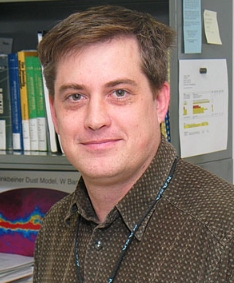 Edward J Wollack合作论文数Goddard Space Flight Center, National Aeronautics and Space Administration110
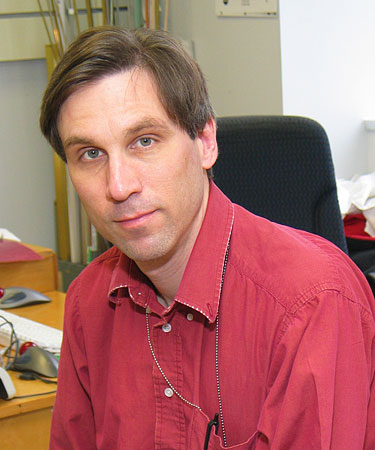 Alan J. Kogut合作论文数Goddard Space Flight Center, National Aeronautics and Space Administration75
 Mark Halpern合作论文数Department of Physics & Astronomy, Faculty of Science, The University of British Columbia65
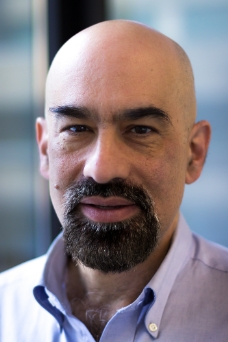 David Spergel合作论文数Center for Computational Astrophysics, Flatiron Institute;Department of Astrophysical Sciences, Princeton University,62
 Gary Hinshaw合作论文数Department of Physics & Astronomy, The University of British Columbia51
 Norman Jarosik合作论文数Department of Physics, Princeton University49
 L. Page合作论文数46
 Mark Devlin合作论文数Department of Physics and Astronomy, School of Arts & Sciences, University of Pennsylvania46
 Michael D. Niemack合作论文数Department of Physics, The College of Arts & Sciences, Cornell University/Astronomy Department, Cornell University43
 Suzanne T. Staggs合作论文数Department of Physics, Princeton University42
 Amber Miller合作论文数42
 Kent Irwin合作论文数Physics Department, School of Humanities and Sciences, Stanford University;Hansen Experimental Physics Laboratory, Stanford University42
 Stephan S. Meyer合作论文数Department of Astronomy and Astrophysics, University of Chicago;Enrico Fermi Institute, University of Chicago;Kavli Institute for Cosmological Physics, University of Chicago41G. S. Tucker合作论文数39
 Jo Dunkley合作论文数Department of Astrophysical Sciences, Princeton University39
 Gene Hilton合作论文数Zanvyl Krieger School of Arts & Sciences, Johns Hopkins University;National Institute of Standards and Technology39Robert Thornton合作论文数Dept Phys & Astron, Univ Penn37M. R. Nolta合作论文数36
 Peter Ade合作论文数School of Physics and Astronomy, Cardiff University36
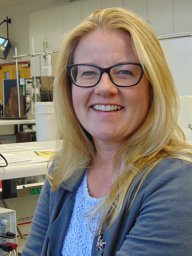 C. Tucker合作论文数School of Physics and Astronomy;Cardiff University;School of Physics and Astronomy, Cardiff University36
 Steven Levin合作论文数Jet Propulsion Laboratory, California Institute of Technology35
 Simon Dicker合作论文数University of Pennslyvania33
 P. Mauskopf合作论文数Sch Earth & Space Explorat, Arizona State Univ31
 Johannes Hubmayr合作论文数Quantum Electromagnetics Division, National Institute of Standards and Technology31
 Adrian Lee合作论文数Department of Physics, University of California, Berkeley30
 Edward L. (Ned) Wright合作论文数University of California, Los Angeles30
 Bradley R. Johnson合作论文数Cardiff University30Patricio A. Gallardo合作论文数Dept Phys, Cornell Univ28
 M. D. Seiffert合作论文数Jet Propulsion Laboratory28
 Rolando Dunner合作论文数28
 Kevin Huffenberger合作论文数Department of Physics & Astronomy, College of Arts & Sciences, Texas A&M University28M. Hasselfield合作论文数Department of Physics and Astronomy;University of British Columbia;Department of Physics and Astronomy, University of British Columbia28
 Lucio Piccirillo合作论文数Department of Physics and Astronomy, School of Natural Sciences, Faculty of Science and Engineering, The University of Manchester27
 Dale J Fixsen合作论文数Goddard Space Flight Center, National Aeronautics and Space Administration;Department of Astronomy, College of Computer, Mathematical & Natural Sciences, University of Maryland27M. Bensadoun合作论文数26
 M. Amiri合作论文数Department of Physics and Astronomy;University of British Columbia;Department of Physics and Astronomy, University of British Columbia26
 Shaul Hanany合作论文数School of Physics and Astronomy, College of Science and Engineering, University of Minnesota;Minnesota Institute for Astrophysics, University of Minnesota26Jeff McMahon合作论文数Dept Phys, Univ Chicago25J. L. Weiland合作论文数25
 Charles L. Bennett合作论文数Center for Astrophysical Science, Department of Physics and Astronomy, Krieger School of Arts and Sciences, Johns Hopkins University25Eric R. Switzer合作论文数Department of Physics;Princeton University;Department of Physics, Princeton University25Elia Stefano Battistelli合作论文数Physics Department, Sapienza University of Rome25P. Mirel合作论文数24
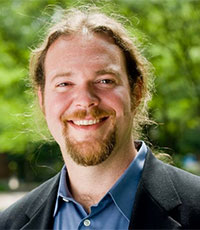 Jeff Klein合作论文数School of Social Policy & Pract, University of Pennsylvania24
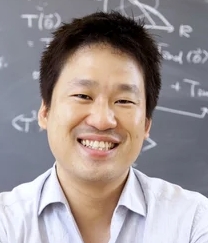 Eiichiro Komatsu合作论文数Department of Physical Cosmology, Max Planck Institute for Astrophysics;The International Max Planck Research School on Astrophysics, Ludwig Maximilians University Munich24
 Marco Bersanelli合作论文数Dipartimento di Fisica;Universita degli Studi di Milano;Dipartimento di Fisica, Universita degli Studi di Milano24
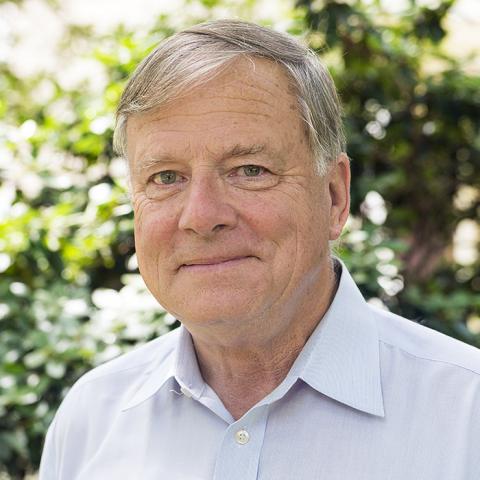 Bruce Partridge合作论文数Haverford College24
 Andrew Jaffe合作论文数Department of Physics, Faculty of Natural Sciences, Imperial College London23
 George Smoot (乔治・斯穆特)合作论文数The Hong Kong University of Science and Technology;Department of Physics, University of California, Berkeley;Lawrence Berkeley National Laboratory23




