We describe observations of low energy excess (LEE) events, background events observed in all light dark matter direct detection calorimeters, and noise in a Transition Edge Sensor based two-channel silicon athermal phonon detector with 375 meV baseline energy resolution. We measure two distinct LEE populations: ``shared'' multichannel events with a pulse shape consistent with substrate athermal phonon events, and sub-eV events that couple nearly exclusively to a single channel with a significantly faster pulse shape. These ``singles'' are consistent with events occurring within the aluminum athermal phonon collection fins. Similarly, our measured detector noise is higher than the theoretical expectation. Measured noise can be split into an uncorrelated component, consistent with shot noise from small energy depositions within the athermal phonon sensor itself, and a correlated component, consistent with shot noise from energy depositions within the silicon substrate's phonon system.
This article presents constraints on dark-matter-electron interactions obtained from the first underground data-taking campaign with multiple SuperCDMS HVeV detectors operated in the same housing. An exposure of 7.63 g-days is used to set upper limits on the dark-matter-electron scattering cross section for dark matter masses between 0.5 and 1000 MeV=c(2), as well as upper limits on dark photon kinetic mixing and axionlike particle axioelectric coupling for masses between 1.2 and 23.3 eV=c(2). Compared to an earlier HVeV search, sensitivity was improved as a result of an increased overburden of 225 meters of water equivalent, an anticoincidence event selection, and better pile-up rejection. In the case of dark-matter-electron scattering via a heavy mediator, an improvement by up to a factor of 25 in cross section sensitivity was achieved.
The characteristic energy of a relic dark matter interaction with a detector scales strongly with the putative dark matter mass. Consequently, experimental search sensitivity at the lightest masses will always come from interactions whose size is similar to noise fluctuations and low energy backgrounds in the detector. In this paper, we correctly calculate the net change in measured differential event rate due to low rate signal interactions that overlap in time with noise and backgrounds, accounting for both periods of time when the signal is coincident with noise/backgrounds and for the decreased amount of time in which only noise/backgrounds occur and we show that the introduction of random simulated signal events into the continuous raw data stream (a form of "salting") provides a correct and practical implementation to estimate this net linear signal sensitivity. Unfortunately this does not apply to the situation with non negligible pileups as we show through explicit examples. Consequently, this exclusion technique should be complemented by less sensitive techniques that can separately exclude large rate, high pileup signal parameter space. An analysis threshold above the Gaussian-like noise component of the measured differential rate spectrum should also likely produce conservative limits. Though previous light mass dark matter searches did not correctly account for decreased background only live time effects in their signal sensitivity, conservative analysis choices likely protected their published limits from being nonconservative.
The SPICE/HeRALD collaboration is performing R&D to enable studies of sub-GeV dark matter models using a variety of target materials. Here we report our recent progress on instrumenting a superfluid $^4$He target mass with a transition-edge sensor based calorimeter to detect both atomic signals (scintillation) and $^4$He quasiparticle (phonon and roton) excitations. The sensitivity of HeRALD to the critical "quantum evaporation" signal from $^4$He quasiparticles requires us to block the superfluid film flow to the calorimeter. We have developed a heat-free film-blocking method employing an unoxidized Cs film, which we implemented in a prototype "HeRALD v0.1" detector of ~10 g target mass. This article reports initial studies of the atomic and quasiparticle signal channels. A key result of this work is the measurement of the quantum evaporation channel's gain of 0.15 $\pm$ 0.01, which will enable $^4$He-based dark matter experiments in the near term. With this gain the HeRALD detector reported here has an energy threshold of 145 eV at 5 sigma, which would be sensitive to dark matter masses down to 220 MeV/c$^2$.
The performance of superconducting qubits is degraded by a poorly characterized set of energy sources breaking the Cooper pairs responsible for superconductivity, creating a condition often called "quasiparticle poisoning". Both superconducting qubits and low threshold dark matter calorimeters have observed excess bursts of quasiparticles or phonons that decrease in rate with time. Here, we show that a silicon crystal glued to its holder exhibits a rate of low-energy phonon events that is more than two orders of magnitude larger than in a functionally identical crystal suspended from its holder in a low-stress state. The excess phonon event rate in the glued crystal decreases with time since cooldown, consistent with a source of phonon bursts which contributes to quasiparticle poisoning in quantum circuits and the low-energy events observed in cryogenic calorimeters. We argue that relaxation of thermally induced stress between the glue and crystal is the source of these events.
Experimental searches for axions or dark photons that couple to the standard model photon require photosensors with low noise, broadband sensitivity, and near zero backgrounds. Here, we introduce an experimental architecture, in which a small photon sensor, in our case a transition edge sensor (TES) with a photon energy resolution σγ=368.4±0.4 meV, is colocated on the same substrate as a large high sensitivity athermal phonon sensor (APS) with a phonon energy resolution σphonon=701±2 meV. We show that single 3.061 eV photons absorbed in the photon-sensing TES deposit ∼35% of their energy in the electronic system of the TES, while ∼26% of the photon energy leaks out of the photon-sensing TES during the downconversion process and becomes absorbed by the APS. Backgrounds, which we associate with the broadly observed “low energy excess” (LEE), are observed to be largely coupled to either the TES (“singles” LEE), or phonon system, (“shared” LEE). At high energies, these backgrounds can be efficiently discriminated from TES photon absorption events, while at low energies, their misidentification as photon events is well modeled. With significant sensitivity improvements to both the TES and APS, this coincidence technique could be used to suppress backgrounds in bosonic dark matter searches down to energies near the superconducting bandgap of the sensor.
We present a new analysis of previously published of SuperCDMS data using a profile likelihood framework to search for sub-GeV dark matter (DM) particles through two inelastic scattering channels: bremsstrahlung radiation and the Migdal effect. By considering these possible inelastic scattering channels, experimental sensitivity can be extended to DM masses that are undetectable through the DM-nucleon elastic scattering channel, given the energy threshold of current experiments. We exclude DM masses down to $220~\textrm{MeV}/c^2$ at $2.7 \times 10^{-30}~\textrm{cm}^2$ via the bremsstrahlung channel. The Migdal channel search provides overall considerably more stringent limits and excludes DM masses down to $30~\textrm{MeV}/c^2$ at $5.0 \times 10^{-30}~\textrm{cm}^2$.
Strong motivation for investing in quantum sensing arises from the need to investigate phenomena that are very weakly coupled to the matter and fields well described by the Standard Model. These can be related to the problems of dark matter, dark sectors not necessarily related to dark matter (for example sterile neutrinos), dark energy and gravity, fundamental constants, and problems with the Standard Model itself including the Strong CP problem in QCD. Resulting experimental needs typically involve the measurement of very low energy impulses or low power periodic signals that are normally buried under large backgrounds. This report documents the findings of the 2023 Quantum Sensors for High Energy Physics workshop which identified enabling quantum information science technologies that could be utilized in future particle physics experiments, targeting high energy physics science goals.
We measured the nuclear-recoil ionization yield in silicon with a cryogenic phonon-sensitive gram-scale detector. Neutrons from a monoenergetic beam scatter off of the silicon nuclei at angles corresponding to energy depositions from 4 keV down to 100 eV, the lowest energy probed so far. The results show no sign of an ionization production threshold above 100 eV. These results call for further investigation of the ionization yield theory and a comprehensive determination of the detector response function at energies below the keV scale.
We have designed and tested a large-area (0.15 m(2)) neutron detector based on neutron capture on Li-6. The neutron detector design has been optimized for the purpose of tagging the scattering angle of keV-scale neutrons. These neutron detectors would be employed to calibrate the low-energy (<100 eV) nuclear recoil in detectors for dark matter and coherent elastic neutrino nucleus scattering (CE nu NS). We describe the design, construction, and characterization of a prototype. The prototype is designed to have a tagging efficiency of similar to 25% at the relevant O(keV) neutron energies, and with a mean capture time of similar to 17 mu s. The prototype was characterized using a Cf-252 neutron source and agreement with the simulation was observed within a few percent level.
Recent experiments searching for sub-GeV/$c^2$ dark matter have observed event excesses close to their respective energy thresholds. Although specific to the individual technologies, the measured excess event rates have been consistently reported at or below event energies of a few-hundred eV, or with charges of a few electron-hole pairs. In the present work, we operated a 1-gram silicon SuperCDMS-HVeV detector at three voltages across the crystal (0 V, 60 V and 100 V). The 0 V data show an excess of events in the tens of eV region. Despite this event excess, we demonstrate the ability to set a competitive exclusion limit on the spin-independent dark matter--nucleon elastic scattering cross section for dark matter masses of $\mathcal{O}(100)$ MeV/$c^2$, enabled by operation of the detector at 0 V potential and achievement of a very low $\mathcal{O}(10)$ eV threshold for nuclear recoils. Comparing the data acquired at 0 V, 60 V and 100 V potentials across the crystal, we investigated possible sources of the unexpected events observed at low energy. The data indicate that the dominant contribution to the excess is consistent with a hypothesized luminescence from the printed circuit boards used in the detector holder.
Superfluid $^4$He is a promising target material for direct detection of light ($<$ 1 GeV) dark matter. Possible signal channels available for readout in this medium include prompt photons, triplet excimers, and roton and phonon quasiparticles. The relative yield of these signals has implications for the sensitivity and discrimination power of a superfluid $^4$He dark matter detector. Using a 16~cm$^3$ volume of 1.75~K superfluid $^4$He read out by six immersed photomultiplier tubes, we measured the scintillation from electronic recoils ranging between 36.3 and 185 keV$_\mathrm{ee}$, yielding a mean signal size of $1.25^{+0.03}_{-0.03}$~phe/keV$_\mathrm{ee}$, and nuclear recoils from 53.2 to 1090 keV$_\mathrm{nr}$. We compare the results of our relative scintillation yield measurements to an existing semiempirical model based on helium-helium and electron-helium interaction cross sections. We also study the behavior of delayed scintillation components as a function of recoil type and energy, a further avenue for signal discrimination in superfluid $^4$He.
Detector instrumentation is at the heart of scientific discoveries. Cutting edge technologies enable US particle physics to play a leading role worldwide. This report summarizes the current status of instrumentation for High Energy Physics (HEP), the challenges and needs of future experiments and indicates high priority research areas. The Snowmass Instrumentation Frontier studies detector technologies and Research and Development (R&D) needed for future experiments in collider physics, neutrino physics, rare and precision physics and at the cosmic frontier. It is divided into more or less diagonal areas with some overlap among a few of them. We lay out five high-level key messages that are geared towards ensuring the health and competitiveness of the US detector instrumentation community, and thus the entire particle physics landscape.
CDMSlite Run 2 was a search for weakly interacting massive particles (WIMPs) with a cryogenic 600 g Ge detector operated in a high-voltage mode to optimize sensitivity to WIMPs of relatively low mass from 2 - 20 GeV/$c^2$. In this article, we present an effective field theory (EFT) analysis of the CDMSlite Run 2 data using an extended energy range and a comprehensive treatment of the expected background. A binned likelihood Bayesian analysis was performed on the recoil energy data, taking into account the parameters of the EFT interactions and optimizing the data selection with respect to the dominant background components. Energy regions within 5$\sigma$ of known activation peaks were removed from the analysis. The Bayesian evidences resulting from the different operator hypotheses show that the CDMSlite Run 2 data are consistent with the background-only models and do not allow for a signal interpretation assuming any additional EFT interaction. Consequently, upper limits on the WIMP mass and coupling-coefficient amplitudes and phases are presented for each EFT operator. These limits improve previous CDMSlite Run 2 bounds for WIMP masses above 5 GeV/$c^2$.
Two photo-neutron sources, (YBe)-Y-88-Be-9 and (SbBe)-Sb-124-Be-9, have been used to investigate the ionization yield of nuclear recoils in the CDMSlite germanium detectors by the SuperCDMS collaboration. This work evaluates the yield for nuclear recoil energies between 1 and 7 keV at a temperature of similar to 50 mK. We use a GEANT4 simulation to model the neutron spectrum assuming a charge yield model that is a generalization of the standard Lindhard model and consists of two energy dependent parameters. We perform a likelihood analysis using the simulated neutron spectrum, modeled background, and experimental data to obtain the best fit values of the yield model. The ionization yield between recoil energies of 1 and 7 keV is shown to be significantly lower than predicted by the standard Lindhard model for germanium. There is a general lack of agreement among different experiments using a variety of techniques studying the low energy range of the nuclear recoil yield, which is most critical for interpretation of direct dark matter searches. This suggests complexity in the physical process that many direct detection experiments use to model their primary signal detection mechanism and highlights the need for further studies to clarify underlying systematic effects that have not been well understood up to this point.
Dark matter direct detection experiments are designed to look for the scattering of dark matter particles that are assumed to move with virial velocities $\sim 10^{-3}$. At these velocities, the energy deposition in the detector is large enough to cause ionization/scintillation, forming the primary class of signatures looked for in such experiments. These experiments are blind to a large class of dark matter models where the dark matter has relatively large scattering cross-sections with the standard model, resulting in the dark matter undergoing multiple scattering with the atmosphere and the rock overburden, and thus slowing down considerably before arriving at underground detectors. We propose to search for these kinds of dark matter by looking for the anomalous heating of a well shielded and sensitive calorimeter. In this detector concept, the dark matter is thermalized with the rock overburden but is able to pierce through the thermal shields of the detector causing anomalous heating. Using the technologies under development for EDELWEISS and SuperCDMS, we estimate the sensitivity of such a calorimetric detector. In addition to models with large dark matter - standard model interactions, these detectors also have the ability to probe dark photon dark matter.
The SuperCDMS Collaboration is currently building SuperCDMS SNOLAB, a dark matter search focused on nucleon-coupled dark matter in the 1-5 GeV/c$^2$ mass range. Looking to the future, the Collaboration has developed a set of experience-based upgrade scenarios, as well as novel directions, to extend the search for dark matter using the SuperCDMS technology in the SNOLAB facility. The experienced-based scenarios are forecasted to probe many square decades of unexplored dark matter parameter space below 5 GeV/c$^2$, covering over 6 decades in mass: 1-100 eV/c$^2$ for dark photons and axion-like particles, 1-100 MeV/c$^2$ for dark-photon-coupled light dark matter, and 0.05-5 GeV/c$^2$ for nucleon-coupled dark matter. They will reach the neutrino fog in the 0.5-5 GeV/c$^2$ mass range and test a variety of benchmark models and sharp targets. The novel directions involve greater departures from current SuperCDMS technology but promise even greater reach in the long run, and their development must begin now for them to be available in a timely fashion. The experienced-based upgrade scenarios rely mainly on dramatic improvements in detector performance based on demonstrated scaling laws and reasonable extrapolations of current performance. Importantly, these improvements in detector performance obviate significant reductions in background levels beyond current expectations for the SuperCDMS SNOLAB experiment. Given that the dominant limiting backgrounds for SuperCDMS SNOLAB are cosmogenically created radioisotopes in the detectors, likely amenable only to isotopic purification and an underground detector life-cycle from before crystal growth to detector testing, the potential cost and time savings are enormous and the necessary improvements much easier to prototype.
Quantum Sensors offer great potential for providing enhanced sensitivity in high energy physics experiments. In this report we provide a summary of key quantum sensors technologies - interferometers, optomechanics, and clocks; spin dependent sensors; superconducting sensors; and quantum calorimeters - highlighting existing experiments along with areas for development. We also provide a set of key messages intended to further advance the state of quantum sensors used for high energy physics specific applications.
The SuperCDMS SNOLAB dark matter search experiment aims to be sensitive to energy depositions down to O (1 eV). This imposes requirements on the resolution, signal efficiency, and noise rejection of the trigger system. To accomplish this, the SuperCDMS level-1 trigger system is implemented in an FPGA on a custom PCB. A time-domain optimal filter algorithm realized as a finite impulse response filter provides a baseline resolution of 0.38 times the standard deviation of the noise, sigma(n), and a 99.9% trigger efficiency for signal amplitudes of 1.1 sigma(n )in typical noise conditions. Embedded in a modular architecture, flexible trigger logic enables reliable triggering and vetoing in a dead-time-free manner for a variety of purposes and run conditions. The trigger architecture and performance are detailed in this article.
The Cryogenic Dark Matter Search low ionization threshold experiment (CDMSlite) achieved efficient detection of very small recoil energies in its germanium target, resulting in sensitivity to lightly ionizing particles (LIPs) in a previously unexplored region of charge, mass, and velocity parameter space. We report first direct-detection limits calculated using the optimum interval method on the vertical intensity of cosmogenically produced LIPs with an electric charge smaller than e/(3×10^{5}), as well as the strongest limits for charge ≤e/160, with a minimum vertical intensity of 1.36×10^{-7} cm^{-2} s^{-1} sr^{-1} at charge e/160. These results apply over a wide range of LIP masses (5 MeV/c^{2} to 100 TeV/c^{2}) and cover a wide range of βγ values (0.1-10^{6}), thus excluding nonrelativistic LIPs with βγ as small as 0.1 for the first time.
 Bernard Sadoulet合作论文数Center for Particle Astrophysics, Lawrence Berkeley Laboratory, University of California, Berkeley;UC system-wide Institute for Nuclear and Particle Astrophysics and Cosmology77
 P.L. Brink合作论文数76
 Bruno Serfass合作论文数Department of Physics, University of California73
 N. Mirabolfathi合作论文数70
 Blas Cabrera合作论文数SLAC Faculty, Stanford University/Physics Department, Stanford University68
 Betty A Young合作论文数63
 J. Cooley合作论文数Southern Methodist University57S. Yellin合作论文数57
 Raymond Bunker合作论文数56
 Richard Schnee合作论文数Case Western Reserve University56
 Sunil Golwala合作论文数The Division of Physics, Mathematics and Astronomy, California Institute of Technology54T. Saab合作论文数53Joel Sander合作论文数Department of Physics, University of California52W. Rau合作论文数50d bauer合作论文数50L. Hsu合作论文数48M. E. Huber合作论文数46
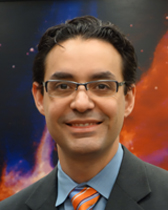 Enectali Figueroa-Feliciano合作论文数Department of Physics and Astronomy, Weinberg College of Arts and Sciences, Northwestern University45
 Ettore Majorana合作论文数Dipartimento di Fisica, Sapienza Università di Roma45Roger M Partridge合作论文数44
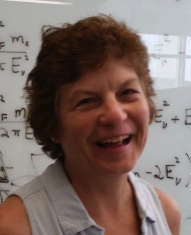 Priscilla Cushman合作论文数School of Physics and Astronomy, College of Science and Engineering, University of Minnesota43
 Angela Reisetter合作论文数School of Physics & Astronomy, University of Minnesota43
 Joanne M Hall合作论文数Physics Department, University of Utah42
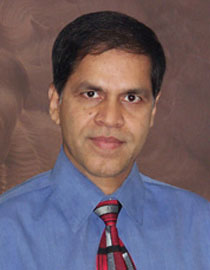 Rabi N. Mahapatra合作论文数Department of Computer Science & Engineering, College of Engineering, Texas A&M University;Embedded System Co-Design Labs, Texas A&M University42M. Fritts合作论文数42
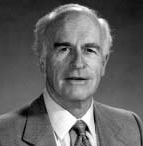 David O. Caldwell合作论文数Department of Physics, University of California, Santa Barbara36A. N. Villano合作论文数35K. M. Sundqvist合作论文数35
 David G. Cerdeno合作论文数35B. Loer合作论文数35
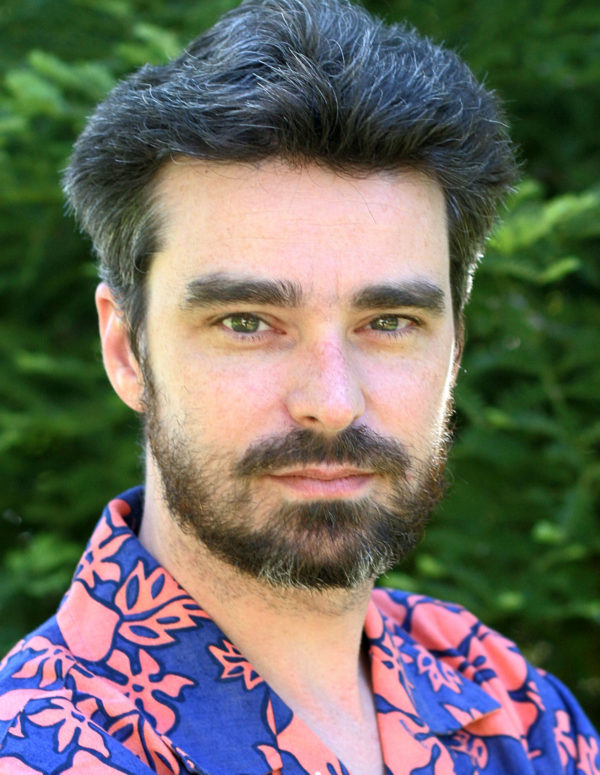 Michael H. Kelsey合作论文数Department of Physics, Texas A&M University34S. Scorza合作论文数34K. A. McCarthy合作论文数32S. A. Hertel合作论文数32Noah Kurinsky合作论文数Natl Accelerator Lab, Fermilab31E. Lopez Asamar合作论文数30
 Miguel Demetrius Daal合作论文数30D. Balakishiyeva合作论文数29t doughty合作论文数29
 Andrew Jastram合作论文数29
 D. J. Holmgren合作论文数Fermi National Accelerator Laboratory28Page W A合作论文数27S. L. Watkins合作论文数Dept Phys, Univ Calif Berkeley27C. W. Fink合作论文数Dept Phys, Univ Calif Berkeley26H. R. Harris合作论文数26o kamaev合作论文数26D. H. Wright合作论文数26s w leman合作论文数25b cornell合作论文数25




