This study aimed to examine position-specific associations of contextual factors (match outcome, match location, and opponent quality) and match running performance (MRP). The dataset comprised 1806 individual observations obtained from 160 matches with 509 players from 36 participating teams across the UEFA Champions League 2024/25 season. Metrics included total distance covered (TD), low-(LIR), moderate-(MIR), and high-intensity running (HIR), high-speed running (HSR), sprinting (SPR), and high-intensity accelerations (HIAs) and decelerations (HIDs). Significant playing position × match outcome interactions were observed for TD (F = 2.75, p = 0.005), MIR (F = 2.39, p = 0.015), HIR (F = 5.24, p < 0.001), HSR (F = 3.90, p < 0.001), and SPR (F = 3.69, p < 0.001). Significant playing position × opponent quality interactions were also identified for TD (F = 8.77, p < 0.001), LIR (F = 3.56, p = 0.007), MIR (F = 6.20, p < 0.001), HSR (F = 3.09, p = 0.015), and HIDs (F = 5.14, p < 0.001). In contrast, no significant playing position × match location interactions were observed. Match outcome, match location, and opponent quality explained 0.7–2.5% of overall variability in MRP (Part R2 = 0.007–0.025). Therefore, these contextual factors should be considered as supplementary information that may improve the interpretation of position-specific MRP rather than as factors that substantially determine the physical demands imposed during match-play.
Performance analysis can provide coaches with a range of relevant information and support more informed decision-making. The objective of this research was to determine running performance (RP) within five-minute intervals when scoring and conceding goals in the UEFA Champions League (UCL). Matches from the UCL 2020/2021 season were analyzed, and relevant data were retrieved using the InStat Fitness semi-automatic video system. Statistical analysis employed one-way analysis of variance (ANOVA) for comparisons and partial eta squared (η2) to determine effect size. Team performance was determined by measuring total distance covered (TD) and high-intensity running (HIR) when the team scored a goal, conceded a goal, and when the score did not change. Our primary results indicated significant differences in three out of 20 five-minute intervals for the TD parameter and four out of 20 for HIR when teams scored goals. There were also significant differences in eight out of 20 intervals for TD and three out of 20 for HIR when teams conceded goals. In conclusion, significant goal concessions were observed during all the five-minute intervals in which teams substantially reduced their RP. From a practical point of view, coaches should be aware, especially in the context of the pacing strategy used, that team RP affects the scoreline directly and the match outcome indirectly.
This study aimed to examine the association between aerobic performance (AP) and match running performance (MRP) in elite soccer players when statistically controlling for playing position and contextual factors. AP was tested at the beginning of the season, including maximal oxygen uptake ( V ˙ O 2 max ), anaerobic threshold (AnT), maximal aerobic speed (MAS), and Yo-Yo Intermittent Recovery Test Level 2 (Yo-Yo IRT2) score. MRP was measured using GPS over a competitive half-season for a total of 216 match performances in elite soccer players, divided into central backs (CBs), full backs (FBs), central midfielders (CMs), wide midfielders (WMs), and strikers. The lowest AP measures were noted among the CBs, while the highest V ˙ O 2 max , AnT, and MAS were recorded among the CMs, CMs and FBs, and FBs, respectively. The CBs had the lowest total distance (TD), high-speed running (HSR; 19.8-25.1 km · h-1) distance, and high-intensity running (HIR; > 19.8 km · h-1) distance; the CMs recorded the greatest TD; and the FBs and WMs covered the greatest HIR distance. Despite the differences in AP and MRP among the players, AP is correlated with MRP independently of the playing position and contextual factors. Higher AP measures were positively associated with the TD, and higher Yo-Yo IRT2 scores were also positively associated with the HSR and HIR distances. The strongest predictors for TD were V ˙ O 2 max and AnT. In conclusion, a higher AP, irrespective of playing position, makes it possible to achieve greater MRPs. This study emphasized the value of integrating AP metrics into individualized training and player role management in elite soccer.
The primary purpose of this study was to adapt selected accuracy and precision tests in table tennis to the specific skills of elite table tennis players with impairment. The study included a sample of 23 Para table tennis players with an average age of 31.8 ± 12.22 years (including 30.4% females) who belonged to the senior Polish Para table tennis team. A battery of six tests evaluating stroke accuracy and serve precision was assessed. The analysis of the reliability of these tests confirmed the legitimacy of using this battery of accuracy and precision tests to assess the skills of Para table tennis players in all three integrated sport classes: players in wheelchairs, in a standing position, and with intellectual impairment. Analysis of the data obtained from the tests could provide coaches with relevant information regarding elite Para table tennis players' level of performance and examine selected accuracy and precision elements of their individual technique.
ABSTRACT:Modric, T, Clemente, FM, Versic, S, Chmura, P, Andrzejewski, M, Kryściak, J, and Sekulic, D. Environmental heat stress detrimentally affects match running performance of elite soccer teams competing in the UEFA Champions League. J Strength Cond Res 39(2): e142-e148, 2025-This study aimed to examine the effect of environmental heat stress (EHS), defined by wet-bulb globe temperature (WBGT), on match running performance (MRP) while controlling for match-related contextual factors. For this purpose, 2 approaches were implemented: (a) the MRP in heat stress nonrisking environment (NoEHS) (WBGT <22° C) and heat stress risking environment (EHSrisk) (WBGT ≥22° C) were compared and (b) changes in MRP according to the 1° C increase in WBGT were evaluated. Data on MRP were collected using an optical tracking system from all teams ( n = 32) in all UEFA Champions League matches ( n = 125) during the 2022-23 season. Metrics included total distance (TD), low-intensity (LIR), moderate-intensity (MIR), and high-intensity running (HIR) distances. Results indicated that less TD (108.84 vs. 110.71 km; Cohen's d [ d ] = 0.53), MIR (15.91 vs. 17.09 km; d = 0.85), and HIR (8.75 vs. 9.23 km; d = 0.46) were covered in matches played in EHSrisk compared with the NoEHS. Further investigation indicated that for every 1° C increase in WBGT, TD averagely decreased by 0.16 km ( d = -0.48), MIR by 0.13 km ( d = -1.09), and HIR by 0.06 km ( d = -0.69). These findings demonstrated decreased overall and intensive workload during the matches in EHSrisk, suggesting the detrimental effect of EHS on match volume and intensity in elite soccer. When EHS risk is anticipated, consideration of playing and recovery strategies should be implemented by coaches to achieve tactical goals while minimizing physical strain during a match.
Background Team management, especially player selection, rotation, and availability, are critical issues when dealing with the high demands of modern training and gameplay. As such, research continuously seeks ways to improve these actions or implement new ideas to gain a competitive advantage through the rotation of players in the starting line-up. The current study aimed to examine the rounds of the 2018 FIFA World Cup Russia in which the most rotations of key players were made and how this affected physical activity. Methods The sample consisted of 110 players from the top eight teams in the 2018 World Cup Russia who played entire matches for up to 90 min in seven consecutive games. All players were divided into key players (KPs, n = 58) and non-key players (NKPs, n = 52). The analysis used data collected by an advanced motion analysis system known as STATS ® , with physical activity variables analyzed, including total distance covered (TDC), distance covered with high intensity over 20 km/h (HIR), and the number of sprints undertaken. In statistical analysis, differences between categories and consecutive matches were calculated using the Kruskal-Wallis H test, and if a significant effect size was found, a multiple comparisons p values test was performed. Results The best teams at the 2018 FIFA World Cup Russia used the most KP rotations with NKPs in the third match of the group stage. In addition, this was even more visible among more successful teams than less successful teams. The rotation strategy among the best eight teams allowed them to maintain the physical activity of KPs and NKPs in all rounds of the tournament. Conclusions Coaches and coaching staff should incorporate squad rotation that includes a large group of players in their team management to improve their success. Team management expertise in player rotation during matches played over congested schedules at top tournaments maintains high levels of physical activity indicators (TDC, HIR, and sprints).
This study aimed to examine the independent effect of different match-related factors on match running performance (MRP) in elite soccer. Players' MRPs (n = 244) were collected during UEFA Champions League (UCL) group stage matches in the 2020-21 season. All MRP data were collected by the semi-automatic optical system InStat Fitness (InStat Limited, Limerick, Republic of Ireland). Match-related factors included match outcome, team quality, match location, opponent quality and difference in team quality, while MRP included cumulative and relative measures of total distance (TD and R-TD), low-intensity running (LIR and R-LIR) (≤ 4 m/s), moderate-intensity running (MIR and R-MIR) (4-5.5 m/s) and high-intensity running (HIR and R-HIR) (≥ 5.5 m/s). Linear mixed models were used to examine the collective effect of match-related factors on MRPs when controlling for between-player, between-playing position and between-team variation. The main findings were that match outcome was associated with reduced HIR (d = -0.38, p = 0.04), match location was associated with increased TD, R-TD, LIR and R-LIR (d = 0.54-0.87, all p < 0.01), while team quality, opponent quality and difference in team quality were not associated with MRP. These results show that (i) winning UCL matches was not strongly influenced by players' physical performance, (ii) away UCL matches were characterized by a slower match pace and greater match volume, and (iii) players' physical performance was similar irrespective of playing either in or against high- or low-quality teams. The findings from this study may help soccer coaches to ensure optimal physical preparation of players in elite soccer.
This study aimed to compare the effects of 1 × 1 small-sided games (SSGs) with different bout durations on external (ETL) and internal training loads (ITL) in youth soccer players. Twenty U18 players were divided into two groups performing six 1 × 1 SSGs with 30 and 45 s bout durations on a playing field of 10 by 15 m. ITL indices, including the percentage of maximum heart rate (HR), blood lactate (BLa) level, pH, bicarbonate (HCO 3 − ) level, and base excess (BE) level, were measured at rest, after each SSG bout, and 15 and 30 min after the entire exercise protocol. ETL (Global Positioning System metrics) was recorded during all six SSG bouts. The analysis showed that the 45 s SSGs had a greater volume (large effect) but a lower training intensity (small to large effect) than the 30 s SSGs. A significant time effect ( p < 0.05) was observed in all ITL indices and a significant group effect (F 1, 18 = 8.84, p = 0.0082, ƞ 2 = 0.33) in the HCO 3 − level only. Finally, the changes in the HR and HCO 3 − level were smaller in the 45 s SSGs than in the 30 s SSGs. In conclusion, 30-s games, characterized by a higher intensity of training effort, are more physiologically demanding than 45-s games. Secondly during short-bout SSG training the HR and BLa level have limited diagnostic value for ITL. Extending ITL monitoring using other indicators, such as the HCO 3 − and BE levels, appears reasonable.
Abstract Marynowicz, J, Lango, M, Horna, D, Kikut, K, Konefał, M, Chmura, P, and Andrzejewski, M. Within-participant principal component analysis of external training load and intensity measures in youth soccer training. J Strength Cond Res 37(12): 2411–2416, 2023—The aim of this study was to identify which combination of external training load (EL) and external intensity (EI) metrics during youth soccer training sessions captured similar or unique information. Data were collected from 18 youth soccer players during an 18-week in-season competition period using a 10-Hz global positioning system, rating of perceived exertion (RPE), and session-RPE (sRPE). External training load measures included total distance (TD, in meters), PlayerLoad (PL, in arbitrary units), high-speed running distance (HSR, in meters), and number of accelerations (ACC, n). All EL metrics were also divided by session duration (minutes) to obtain EI values. A total of 804 training observations were undertaken (43 ± 17 sessions per player). The analysis was performed by use of the principal component analysis technique. The first principal component (PC) captured 49–70% and 68–89% of the total variance in EI and EL, respectively. The findings show that from the 5 EI metrics, most of the information can be explained by either TD per minute or PL per minute, with a loading from 0.87 to 0.98 and from 0.76 to 0.95, respectively. The majority of EL information can be explained by PL (loading: 0.93–0.98), TD (loading: 0.95–0.99), ACC (loading: 0.71–0.91), or sRPE (loading: 0.70–0.93). The second PC for EL metrics is most strongly correlated with HSR, with loadings from 0.53 to 0.84. The results suggest that the majority of the information contained in the EL variables can be captured in 1 PC without losing much information. The findings suggest that stakeholders who intend to provide a fast and holistic view of EL information in a daily training environment should report TD, PL, ACC, or sRPE plus HSR to coaching staff as a metrics that provides additional unique information.
External workloads associated Hockey 5 s, the new version of youth field hockey, were evaluated in 31 elite U16 male field players (15.4 ± 0.7 years) from three national teams. Mixed-longitudinal observations for the 31 players provided complete data for 33 forwards and 43 defenders. Activities of the players during games were monitored with the GPSports SPI Elite System with a sampling frequency of 10 Hz and were analysed with GPSports Team AMS (version R1 2015.14, Australia). Observed variables did not differ between forwards and defenders, and the three periods of play were differentiated only by maximal speed in the second and third periods. The greatest distances covered were in speed zone 3 (10.0–15.9 km h −1 ; 35.5–38.2%) and the smallest in speed zones 4 (16.0–22.9 km h −1 ; 14.8–15.6%) and 5 (> 23 km h −1 ; 0.4–1.4%). The trends indicated high intensity levels for the entire match and by position and periods. Active time of forwards and defenders accounted for about one-half of a game’s duration (~ 15.7 of 30 min). Overall, the Hockey 5s format was highly demanding of players and included relatively short intervals for recovery. The results emphasize the need for preparation that includes specific mixed anaerobic and aerobic training and also the importance of recovery during breaks.
This study compared external training load (ETL) and its temporal changes across repetitions during a speed endurance production (SEP) training comprised of 1 × 1 short-bout, small-sided games (SSGs) in elite youth soccer players. Twenty U18 players were divided into two groups (SEP1 and SEP2) performing six 30 s and 45 s bouts of SSG (work-to-rest ratio 1:4) on a 10 by 15 m field. ETL was characterized by the total distance covered, Player Load, the total number of accelerations/decelerations, and their relative values (per minute). Significant overall decreases in the ETL parameter values across six repetitions in both SSG groups were observed relative to the measurement in the first set beginning in 3rd (SEP1) or 4th (SEP2) repetitions. Significant greater decreases in Player Load (F(5.90) = 2.99, p < 0.05, η P2 = 0.14), Player Load per minute (F(5,90) = 11.32, p < 0.001, η P2 = 0.39), total distance per minute (F(3.43,61.73) = 7.72, p < 0.001, η P2 = 0.30) and accelerations per minute (F(5,90) = 2.59, p < 0.05, η P2 = 0.13) were observed in the 30-s games than in the 45-s games. In conclusion, the use of SSGs in SEP training is associated with a decrease in the effectiveness of physical work performed across repetitions. In practice, due to the decrease in the measured ETL indicators already in the 3rd or 4th repetition (especially in the SEP1 group), the work-to-rest ratio could be increased from the applied 1:4 to 1:6.
This study aimed to determine the effect of team formation on position-specific match running performance (MRP) at highest-level football. Players' MRP (n = 226) was observed in four team formations: 3-5-2 (n = 24), 4-4-2 (n = 44), 4-2-3-1 (n = 77) and 4-3-3 (n = 81). Central defenders in the 3-5-2 formation achieved a greater amount of high-intensity running distance than in the 4-3-3 formation (mean difference (MD) [95% confidence interval] = 144 m [12, 267], medium ES). Fullbacks in the 4-4-2 formation covered less total distance than in 3-5-2 (MD = -762 m [-1431, -94], large ES) and 4-2-3-1 (MD = -662 m [-1055, -269], medium ES). Central midfielders' total distance in the 4-4-2 formation was lower than that in the 3-5-2 (MD = -645 m [-79, -1211], medium ES) and 4-3-3 (MD = -656 m [-1181, -132], medium ES) formations. Wide midfielders' walking distance in the 4-4-2 formation was lower than that in the 4-3-3 (MD = -484 m [-742, -226], very large ES) and 4-2-3-1 (MD = -535 m [-789, -282], very large ES) formations. Forwards' high-intensity running in the 4-2-3-1 formation was lower than that in the 4-3-3 (MD = -363 m [-613, -112], large ES) and 4-4-2 (MD = -396 m, [-688, -103], large ES) formations. These findings show that conditioning programs for players on all playing positions should be tailored according to the formations of their teams.
Abstract This study aimed to compare the effects of 1×1 small-sided games (SSGs) with different bout durations on external (ETL) and internal training loads (ITL) in youth soccer players. Twenty U18 players were divided into two groups performing six 1×1 SSGs with 30 and 45 s bout durations. ITL indices, including the percentage of maximum heart rate (HR), blood lactate (BLa) level, pH, bicarbonate (HCO3¯) level, and base excess (BE) level, were measured at rest, after each SSG bout, and 15 and 30 min after the entire exercise protocol. ETL (Global Positioning System metrics) was recorded during all six SSG bouts. The analysis showed that the 45 s SSGs had a greater volume but a lower training intensity than the 30 s SSGs. A significant time effect was observed in all ITL indices and a significant group effect in the HCO3¯ level only. Finally, the changes in the HR and HCO3¯ level were smaller in the 45 s SSGs than in the 30 s SSGs. In conclusion, the HR and BLa level during short-bout SSG training have limited diagnostic value for ITL. Extending ITL monitoring using other indicators, such as the HCO3¯ and BE levels, appears reasonable.
The purpose of this study was to determine the effectiveness of white-box decision tree models (DTM) for predicting the rating of perceived exertion (RPE). The second aim was to examine the relationship between RPE and external measures of intensity in youth soccer training at the group and individual level. Training load data from 18 youth soccer players were collected during an in-season competition period. A total of 804 training observations were undertaken, with a total of 43 ± 17 sessions per player (range 12-76). External measures of intensity were determined using a 10 Hz GPS and included total distance (TD, m/min), high-speed running distance (HSR, m/min), PlayerLoad (PL, n/min), impacts (n/min), distance in acceleration/deceleration (TD ACC/TD DEC, m/min) and the number of accelerations/decelerations (ACC/DEC, n/min). Data were analysed with decision tree models. Global and individualized models were constructed. Aggregated importance revealed HSR as the strongest predictor of RPE with relative importance of 0.61. HSR was the most important factor in predicting RPE for half of the players. The prediction error (root mean square error [RMSE] 0.755 ± 0.014) for the individualized models was lower compared to the population model (RMSE 1.621 ± 0.001). The findings demonstrate that individual models should be used for the assessment of players' response to external load. Furthermore, the study demonstrates that DTM provide straightforward interpretation, with the possibility of visualization. This method can be used to prescribe daily training loads on the basis of predicted, desired player responses (exertion).
The aims of this study were (1) to determine the match running performance required by different teams based on their final ranking position and (2) to analyze the association between match running performance variables and team success at the end of the season. A total of 1,224 match observations from professional soccer teams competing during two consecutive seasons in the German Bundesliga were analyzed. In addition, the final league ranking position and the total of points obtained by each team at the end of the season were registered for the analysis of the association between team success and match running performance. The main findings were that high ranked teams covered the greatest total distance with ball possession, sprinting distance with ball possession, and completed the greatest number of sprinting actions with ball possession and maximal velocity. Moreover, total distance covered with possession of the ball and maximal velocity were the most important variables to predict the total of points obtained at the end of the season. Specifically, the relative contribution of total distance covered with ball possession to the total of points obtained was greater than maximal velocity. Training programs for professional soccer players should be focused on improving the sprint capacity and running with possession of the ball (e.g., transitional tasks and small-sided games). Moreover, this has implications for injury prevention, physical, psychological, and technical-tactical training since today's soccer requires players to engage in repeated high-intensity actions, reach maximum speeds above 9 m/s, and develop technical-tactical coordination when running with the ball.
This study aimed to examine the effects of low-percentage ball possession teams (LPBPT) and high-percentage ball possession teams (HPBPT) on the physical and technical performance of UEFA Champions League (UCL) players. All data were obtained from group stage matches of UCL during the 2020/21 season using a semi-automatic optical tracking system. Linear mixed model was fitted with contextual variables as covariates. Wide midfielders and forwards in LPBPT covered more total distance, low-intensity running, and achieved greater average speed than in HPBPT (all large effect sizes [ES]). Central defenders and fullbacks covered more high-intensity running (small ES), while CMs covered more sprinting (medium ES) in HPBPT than in LPBPT. Players on all playing positions produced greater number of passes and successful passes in HPBPT than in LPBPT (large ES), except forwards who produced more passes in LPBPT than in HPBPT (small ES). Both physical and technical performance were highly dependent on ball possession percentages, with evident position-specific changes, indicating that the effect of ball possession is highly position-dependent. These findings provide information for soccer coaches on physical and technical demands across teams with varying percentage ball possession, which could be used to individualise training programs based on playing style and position.
Abstract External workloads associated with a new version of youth field hockey, Hockey5s, were evaluated in a sample of 31 elite male field players (15.4 ± 0.7 years; 174.2 ± 8.24 cm; 63.5 ± 8.03 kg). Players were members of U16 National Youth Field Hockey Teams. The total sample included 76 players with 33 forwards and 43 defenders. Activities of the players were monitored using the GPSports SPI Elite System (Australia) with a sampling frequency of 10Hz; the data were analysed using GPSports Team AMS (version R1 2015.14, Australia). Defenders achieved significantly higher maximal speed than forwards. Among all players regardless of field positions, the three periods of the match were differentiated only by the number of sprints. By playing position, differences were only found among forwards in the total number of sprints, sprint numbers per minute, maximum speed, and a high metabolic load distance. The active time of players in both positions was approximately 50% (~ 15.7 of 30min). Overall, the Hockey 5s format was highly demanding for players, suggesting a need for preparation that includes specific mixed anaerobic and aerobic training. The Hockey5s format also allowed relatively short time for recovery, which emphasized the importance of rest during inter-match breaks.
 Pawel Chmura合作论文数58
 Marek Konefał合作论文数Department of Human Motor Skills, Wroclaw University of Health and Sport Sciences53
 Jan Chmura合作论文数52
 Beata Pluta合作论文数21
 Andrzej Rokita合作论文数20
 Edward Kowalczuk合作论文数15
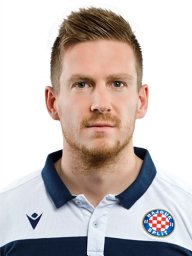 Modric Toni合作论文数Faculty of Kinesiology, University of Split13
 Damir Sekulic合作论文数University of Split Department of Kinesiology Tesla’s Street 12 Split 21000 Croatia9
 Sime Versic合作论文数Faculty of Kinesiology, University of Split8
 Jakub Krysciak合作论文数8
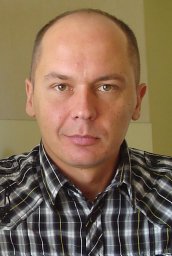 Tomasz Podgorski合作论文数8
 Jakub Marynowicz合作论文数6
 Jan M. Konarski合作论文数6
 Michał Zacharko合作论文数5
 Łukasz Radziminski合作论文数Gdansk University of Physical Education and Sport5
 Dariusz Mroczek合作论文数5Michał Kołodziejczyk合作论文数4
 Tomas Maly合作论文数4
 Magdalena Krzykała合作论文数4
 Tomasz Zajac合作论文数4Dariusz Posiadała合作论文数4
 Igor Z. Zubrzycki合作论文数Faculty of Physiotherapy, University School of Physical Education in Wroclaw4
 Magdalena Wiacek合作论文数4J Chmura合作论文数3Karol Kikut合作论文数3Mateusz Lango合作论文数Institute of Formal and Applied Linguistics, Faculty of Mathematics and Physics, Charles University3
 Patrik Drid合作论文数3Adrian Drożdżowski合作论文数3Szymon Galas合作论文数3
 Damian Horna合作论文数Inst Comp Sci, Poznan Univ Tech3
 Marius Brazaitis合作论文数Department of Applied Physiology and Physiotherapy, Lithuanian Academy of Physical Education3
 Frantisek Zahalka合作论文数Škoda Research Ltd.3l jadczak合作论文数2jerzy smorawinski合作论文数2Sławomir Czarniecki合作论文数2Jacek Adrian合作论文数2Mateusz Skrzypczak合作论文数2Andrzej Kasprzak合作论文数2
 Antonio Figueiredo合作论文数2
 Jose Maria Oliva Lozano合作论文数2
 Alexis Padrón-Cabo合作论文数Faculty of Education and Sport Sciences, University of Vigo2Tomczak Maciej合作论文数2
 Malone James J合作论文数Research Inst for Sport and Exercise Sciences, Liverpool John Moores University2
 Jastrzębski Zbigniew合作论文数Gdansk University of Physical Education and Sport2
 Jose M Muyor合作论文数Lab Kinesiol Biomech & Ergon KIBIOMER, Univ Almeria2
 Hongyou Liu (刘鸿优)合作论文数School of Physical Education and Sports Science, South China Normal University2Mackala Krzysztof合作论文数2Wieczorek A合作论文数2
 Robert Sliwowski合作论文数2




