Regarding the devastating aftermath of divorce among Iranian divorced women, which is mainly affected by sociocultural factors, this qualitative study was conducted to explore their applied strategies in reorganizing their lives. Data collection started through deep unstructured interviews followed by semistructured interviews with 18 divorced women who were chosen by purposive sampling from mental health clinics, social work centers, or available cases. Gathered data were analyzed using the qualitative content analysis method. Two main themes—behaviors of self-preservation and abstinence and struggling for balance—emerged. Subcategories were concealing the divorce, feminine self-restriction, avoidance behaviors, replacement of losses, seeking support, role development, handling the tensions, and defending oneself against the divorce failure. This study provides comprehensive knowledge of how Iranian divorced women reregulate their lives and also highlights their unique and culture-based coping strategies. Therefore, it provides specialists with a context-specific foundation for mental health care and enables them to intervene more effectively.
Several different beliefs about the importance of dreams have been recorded from ancient times to the present. In ancient Iranian culture, dreams had a special importance. Similarly, in modern times, Iranians pay much attention to their dreams. The present questionnaire study of several beliefs about dreams describes the beliefs of 486 Iranian university students in Tehran (men = 253; women = 233) from the Tarbiat Modares and Allameh Tabatabai University about their dreams through administering of the My Beliefs About Dream Questionnaire (MBDQ). The two main objectives of the research were to examine the psychometric properties of the MBDQ and to describe the dream beliefs of Iranian college students. Factor analysis of the MBDQ yielded a six-factor solution. In general, the present investigation revealed moderate to high construct validity and reliability of the MBDQ. A wide range of variation in dream beliefs was found among Iranian college students, with religious beliefs having much influence upon them.
Background and Objective: People’s perceptions toward insomnia are influenced by the socio-cultural context of their lives. Therefore, the purpose of this study was to investigate beliefs, attitudes, and practices of the participants about causes of insomnia and its management. Materials and Methods: Nineteen participants with a self-reported history of insomnia from the community were recruited in this study. Semi-structured qualitative interviews were conducted. The interviews were recorded and tran-scribed verbatim. The transcriptions were analyzed using thematic analysis. Results: Four themes were identified: underlying causes of insomnia, help-seeking barriers, my coping strategies, and good food - bad drugs. Participant’s reactions to insomnia depended on their broader socio-cultural beliefs. Conclusion: Studying these perceptions and responses in our sample would contribute to better understanding of patients’ therapeutic preferences. It would also help to identify effective socio-cultural beliefs on insomnia self-management methods. Identification of these beliefs and practices also can contribute to adaptation of common insom-nia treatments.
ABSRACTPostdivorce identity challenges can be experienced differently in societies that underline the lack of normalcy of divorce. Therefore, this study was conducted to explore Iranian divorced women's perceptions of their identities. A qualitative content analysis method was applied. Participants included 18 divorced women recruited based on purposive sampling. Data were gathered using unstructured interviews, and analyzed via content analysis method. Three categories—stigmatization, separation shock, and remarriage paradox—were extracted, and the main theme was identity threat. Findings illustrate that Iranian divorced women can be considered at risk, and hence, understanding their views is vital for developing context-specific preventive and intervention programs.
Diabetes control as a chronic and complex disease needs doing self-care activity for lifetime. Psychological treatments, like acceptance and commitment therapy, are complementary to medical treatment in efforts to improve self-care activities. The purpose of present study was to investigate the effectiveness of acceptance and commitment group therapy on improvement of glycated hemoglobin and self-care activities in patients with type II diabetes. This was a pretest-posttest experimental design with control group. The study sample consisted of 100 (60 females, 40 males) out-patients diagnosed with type II diabetes who attended Labbafinejad Hospital. Measures used included: A questionnaire to obtain demographic and anthropomorphic characteristics and the Summary of Diabetes Self-Care Activities (SDSCA). The results yielded evidence for the effectiveness of acceptance and commitment therapy on improvement glycated hemoglobin levels and self-care activities. Follow-up comparisons after three months indicated that the beneficial effects of the intervention was still present. Based on the present findings, acceptance and commitment group therapy lead to the decrease of glycated hemoglobin and increase of self-care activities in type II diabetes. These findings suggest that acceptance and commitment therapy can be used as a complementary intervention together with medical treatment for improvement control indices of type II diabetes in order to prevent serious side effects of this illness.
کچ ی هد :همدقم بات لدم ساسا رب هزوح راهچ هداوناخ قابطنا و یراگزاس ،یگدینت رد یروآ دمنراد دومدو یگدمنز رد مهم ی نآ رد یگدینت هک یم دراو اه هزوح نیا رد یگنهامه و لداعت ظفح نیاربانب و دوش رایمسب قامبطنا همب ندیسر یاتسار رد اه یکی .تسا هم هزوح نیا زا یم یتسیز هب ،اه شهوژپ هچرگا .دشاب همب رمب رارمگریذگت یامهریهتم یمسررب همب یرایمسب یاه هتخادرپ یدرف یتسیز اما دنا هتفای یمم نامشن رضاح شهوژپ یاه یمم هداونامخ نطمس رد ییامهریهتم همک دمهد ریذگمت دمنناوت رد هداونامخ ی امبترا یومگلا .دنشاب هتشاد یدرف یتسیز هب رب یقیمع ییامهریهتم هداونامخ یهوتمسن و هوئمسم ممح یاتمسار هب شهوژپ نیا رد هک دنتسه همتفرگ رارما یمسررب درومم هداوناخ یاضعا یتسیز هب رب رذؤم مماوع ناونع میترت نیدمب .دمنا امیآ همک تمسا لاؤس نیا یسررب رضاح شهوژپ فده یهوتمسن همطبار رد هداونامخ رد هداونامخ ی امبترا یومگلا نیمب ی م مح یاتسار یجنایم شقن هداوناخ یتسیز هب و هوئس ؟دراد یرگ :شور هعماد .تسا یگتسبمه تاعلاطم عون زا شهوژپ نیا هاگمشناد یمسانشراک عطقم نایوجشناد مماش یرامآ ی یامه نآ نایم زا هک دوب نارهت رهش یتلود اه 389 همنومن مور همب همنومن رمفن هموحرمدنچ یفدامات یرمیگ رمرن زا و بامختنا یا ترا یوگلا هداد .دمنتفرگ رارما یبامیزرا درومم هداونامخ یتسیز هب و هداوناخ یهوتسن ،هوئسم مح یاتسار رد هداوناخ ی اب امه .تفرگ رارا یسررب دروم یبتارم هوسوس نویسرگر میوحت و یگتسبمه یرض زا هدافتسا اب :جیاتن هطبار رد هداوناخ یهوتسن هک داد ناشن یتسیز هب و هوئسم مح یاتسار رد هداوناخ ی ابترا یوگلا نیب ی یجنایم شقن هداوناخ .دراد یرگ هجیتن و ثحب یریگ : تح یاتتسار رد هداوناخ رثؤم و تبثم یوگلا هک یتیامح یطابترا یوگلا بیترت نیدب یگژیو زا یکی ،تسا هلئسم هداوناخ یاه سن ی هتبرجت یتتسیز هب حطس شیازفا هب رجنم تیاهن رد هک تسا هوت یم هداوناخ یاضعا طسوت هدش .دوش
Background and Aim Evidence of the efficacy of existing psychological interventions for self-management in diabetes is limited. The current study aimed at assessing the effects of group-based ACT on self-management of patients with T2DM, considering the moderating role of coping styles. Methods One hundred and six patients with type 2 diabetes were randomly assigned either to the education alone (n = 53) or to a combination of education and group-based acceptance and commitment therapy (n = 53) over a period of 10 sessions. In each group, 50 participants completed a 3 month follow-up assessment. Results After 3 months, compared to patients who received education alone, those in the group-based acceptance and commitment therapy condition were more likely to use effective coping strategies, reported better diabetes self-care, and optimum glycated hemoglobin (HbA1C) levels in the target range. Conclusions Consideration of the role of coping style for a more accurate evaluation of the effects of acceptance and commitment therapy may be a useful addition to services provided for patients with type 2 diabetes.
Introduction: Considering the stressful nature of the phenomenon of divorce, its unpleasant consequences particularly for women, and furthermore the increasing emphasis on the role of religious and spiritual beliefs in coping with stressful life events, the present study aimed to explore the personal experience by which divorced women cope with divorce via religious / spiritual beliefs. Method: A qualitative study using content analysis approach, was conducted. Deep-interviews were held with 18 divorced women. In this study a purposeful data sampling method was applied. For the analysis of the data, the Graneheim's model of content analysis was applied containing verbatim transcription, reading interviews several times to obtain a sense of the whole, division of the text into meaning units and coding them, categorization of the codes into sub- categories and categories, and finally formulation of the latent content into a theme. Results: Four categories were obtained from data that included: Turning to God, Believe in divine support, Doing religious practice, and Spiritual surrender. Among these categories, the theme Spiritual encounter emerged as an effective strategy. Conclusions: In agreement with the perceived efficacy of spiritual encountering in these women, it is suggested that specialists should pay more attention to divorced women’s religious and spiritual beliefs, integrate them in their supportive programs and help divorced individuals towards a better adjustment.
Iran ABSTRACT Background: One of the important goals in control diabetes to maintain normal levels of glycated hemoglobin, but different social and psychological factors such as social support and alexithymia play role on process of this control. The purpose of present study was to examine the role of alexithymia on the association of social support and glycated hemoglobin in patients with type 2 diabetes. Methods: This was a cross-sectional study. The study sample consisted of 100 (60% females, 40-60 years) type 2 diabetic out-patients visiting the Labbafinejad hospital in 2013. The sample of the present study was a convenience sample. Measures of data collection included demographic and anthropometric questionnaires, Multidimensional Scale of Perceived Social Support, Toronto Alexithymia Scale and test of glycated hemoglobin. The collected data were analyzed, using multiple regression analysis. Results: Pearson's correlation coefficients showed a significant association between better reported perceived social support and lower alexithymia and glycated hemoglobin. Results of hierarchical linear regression analyses indicated that social support explained 23% and alexithymia 31% of glycated hemoglobin variance. As well as, alexithymia moderated association between perceived social support and glycated hemoglobin in patient with type 2 diabetes. Conclusion: Based on the present data, alexithymia has moderate role on the association between perceived social support and glycated hemoglobin in patient with type 2 diabetes. The results of this study highlight effective psychological factors in glycated hemoglobin which can help in the conceptualization, planning and design of treatment policies for control and treatment of type 2
Although large international studies have found consistent patterns of sex differences in personality traits among adults (i.e., women scoring higher on most facets), less is known about cross-cultural sex differences in adolescent personality and the role of culture and age in shaping them. The present study examines the NEO Personality Inventory-3 (McCrae, Costa, & Martin, 2005) informant ratings of adolescents from 23 cultures (N = 4,850), and investigates culture and age as sources of variability in sex differences of adolescents' personality. The effect for Neuroticism (with females scoring higher than males) begins to take on its adult form around age 14. Girls score higher on Openness to Experience and Conscientiousness at all ages between 12 and 17 years. A more complex pattern emerges for Extraversion and Agreeableness, although by age 17, sex differences for these traits are highly similar to those observed in adulthood. Cross-sectional data suggest that (a) with advancing age, sex differences found in adolescents increasingly converge toward adult patterns with respect to both direction and magnitude; (b) girls display sex-typed personality traits at an earlier age than boys; and (c) the emergence of sex differences was similar across cultures. Practical implications of the present findings are discussed. (PsycINFO Database Record (c) 2015 APA, all rights reserved).
Background: Diabetes self-care is a key element in the overall management of diabetes. However, the importance of psychosocial factors for successful disease management is under investigated. This study aimed at exploring the role of coping styles and social support in the relationship between self-care activities and glycated haemoglobin in patients with type 2 diabetes.Methods: One hundred adults (60% female, aged 40-70years) with type 2 diabetes completed questionnaires assessing self-care activities, coping styles and social support. In addition, a blood test was performed to obtain glycated haemoglobin levels.Results: Result showed significant relationships of glycated haemoglobin with self-care activities, coping styles and social support. Regression analysis indicated that social support had a moderating role on the relationship between self-care activities and glycated haemoglobin, such that, at very high levels of social support the association, between Self-Care and HbA1c disappears.Conclusions: Findings indicate that health care providers, within the context of the Iranian social and cultural situation, should pay more attention to psychosocial factors when addressing self-care activities. Delineation of the role of coping styles and social support might be useful for identifying patients in need of particular counselling and support for improving self-care activities and HbA1c levels.
Although the family has an important role in the early detection and intervention of first-episode psychosis (FEP), there are few findings reporting associations between family strengths and early treatment-seeking experiences. This study aimed to investigate, within the framework of the resiliency model of family stress, adjustment, and adaptation, the association between family coping strategies, resource management factors and duration of untreated psychosis (DUP) in Iranian families with one adult child with FEP. Hundred and seven individuals referred to three medical centers in Tehran and diagnosed with FEP participated in this study. Caregiver-perceived DUP was measured via semi-structured interviews administered to primary caregivers. They also completed two questionnaires regarding family resources of stress management and family coping strategies. Data analysis indicated that the Family Inventory of Resources of Management (FIRM) total scale score did not significantly explain the variance of caregiver-perceived DUP, but one of the FIRM subscales, the Extended Family Social Support, and the Family Crisis-Oriented Personal Evaluation scale (F-COPES) total score and one its subscales, the Acquiring Social Support, explained a significant amount of the variance of caregiver-perceived DUP. The results suggest that higher family resiliency, especially social support, facilitates the family׳s appropriate adaptive reaction (i.e., treatment-seeking), with the consequent decrease of DUP.
OBJECTIVE:Based on Problem Based Theory, this study investigated a broad array of putative protective factors associated with psychopathological symptoms and prosodical behaviour.METHODS:Participants were 140 orphan adolescent girls and boys living in foster care homes in Tehran, chosen with convenience sampling procedures. Using a cross-sectional design this study examined the individual and interactive properties of protective factors in this high-risk population.RESULTS:Findings with theoretically derived multi-item subscales indicated a high degree of association specificity based on type of psychopathology and depending on gender. RESULTS with the whole sample indicated that theoretically derived individual protective factor scales associations were obtained mainly for conduct problems and emotional symptoms, and with girls only.CONCLUSION:The present study provides introductory information on the identification of protective factors that can be utilized in educational, interventional and preventive public health programs for this high-risk population. One innovative contribution of the present research is to provide an introductory validation of a theory-based model of adolescent protection and resilience, for which there is ample empirical support, in a high-risk population of Iranian adolescents living in foster homes centers in a metropolitan urban setting.
Consensual stereotypes of some groups are relatively accurate, whereas others are not. Previous work suggesting that national character stereotypes are inaccurate has been criticized on several grounds. In this article we (a) provide arguments for the validity of assessed national mean trait levels as criteria for evaluating stereotype accuracy; and (b) report new data on national character in 26 cultures from descriptions (N=3,323) of the typical male or female adolescent, adult, or old person in each. The average ratings were internally consistent and converged with independent stereotypes of the typical culture member, but were weakly related to objective assessments of personality. We argue that this conclusion is consistent with the broader literature on the inaccuracy of national character stereotypes.
Background: Female sexual dysfunction is a common condition that extremely affects reproductive health and quality of life. To assess this health condition, a valid and reliable questionnaire is required. The aim of this study was to translate and validate the Sexual Quality of Life-Female (SQOL-F) questionnaire in Iran.Method: Forward-backward procedure was applied to translate the questionnaire from English into Persian. After linguistic validation and pilot examination, a cross-sectional study was carried out and psychometric properties of the Iranian version of questionnaire were tested. One hundred reproductive aged, married, healthy and sexually active women completed the questionnaire. Reliability was assessed by internal consistency (Cronbach's alpha), and test-retest (intraclass correlation coefficient) analyses. In addition, content, and face validity were assessed and the factor structure of the questionnaire was extracted by performing exploratory factor analysis.Results: The mean age of participants was 33 (SD = 8.07) years, and the mean quality of sexual life score was 86.4 (SD = 1.78) ranging from 36 to 108. Most women were housewife (n = 92). Reliability evaluation revealed high internal consistency and good test-retest reliability. The Cronbach's alpha coefficient was 0.73 and intraclass correlation coefficient (ICC) was 0.88. The mean scores for the content validity index (CVI) and the content validity ratio (CVR) were 0.91 and 0.84, respectively. The results of exploratory factor analysis (EFA) indicated a four-factor solution for the questionnaire that jointly accounted for 60.8% of variance observed.Conclusion: The findings from this study suggest that the Iranian version of SQOL-F questionnaire has good psychometric properties and it will be useful to assess the female sexual quality of life in reproductive health care settings.
 Zeinab Shayeghian合作论文数Psychology, Tarbiat Modares University8
 Parisa Amiri合作论文数7
 Vanina Schmidt合作论文数Univ Abierta Interamer UAI, Buenos Aires, DF, Argentina7
 Goran Knezevic合作论文数Department of Psychology.7
 Iris Marusic合作论文数Ctr Educ Res & Dev, Inst Social Res Zagreb7
 Michelle Yik (易靄儀)合作论文数Division of Social Science, School of Humanities and Social Science, The Hong Kong University of Science and Technology7Ficková Emília合作论文数7
 Lee Jussim合作论文数Department of Psychology, School of Arts and Sciences, Rutgers University7
 Antonio Terracciano合作论文数Department of Geriatrics, Florida State University7
 Filip De Fruyt合作论文数Department of developmental, Personality and Social Psychology, Faculty of Psychology and Educational Sciences, Universiteit Gent/Lowlands Assessment Systems7
 Jüri Allik合作论文数Department of Psychology, University of Tartu7
 Robert Mccrae合作论文数Gerontology Research Center, National Institute on Aging, National Institutes of Health7
 Paul T. Costa合作论文数Bloomberg School of Public Health, Johns Hopkins University;National Institute on Aging, National Institutes of Health7
 Lei Wang (王垒)合作论文数School of Psychological and Cognitive Sciences, Peking University7
 Khairul Anwar Mastor合作论文数Centre for General Studies, Universiti Kebangsaan Malaysia7Franco Simonetti合作论文数Snam Progretti, L.S.R.7
 Denis Bratko合作论文数Department of Psychology, University of Zagreb7
 Waldemar Klinkosz合作论文数7
 Andrzej Sekowski合作论文数7Lidia Alcalay合作论文数7Jean-Pierre Rolland合作论文数7
 Corinna Loeckenhoff合作论文数Behavioral Economics and Decision Research, Cornell SC Johnson College of Business, Cornell University7Yoshiko Shimonaka合作论文数7Katsuharu Nakazato合作论文数7
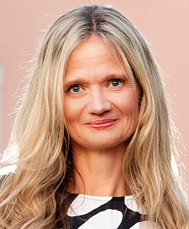 Anu Realo合作论文数Department of Psychology, University of Warwick;Institute of Psychology, Faculty of Social Sciences, University of Tartu7Thomas R. Cain合作论文数7Tatyana V. Avdeyeva合作论文数7
 Jane Shakespeare-Finch合作论文数Institute of Health and Biomedical Innovation, Queensland University of Technology7Barbara Szmigielska合作论文数6Martina Hrebickova合作论文数6De Bolle Marleen合作论文数6Jerzy Siuta合作论文数6Hyun-Nie Ahn合作论文数6
 Jarret T Crawford合作论文数Department of Psychology, Rutgers University6
 Florence Nansubuga合作论文数Makerere University, Makerere Univ.6
 Thomas A. Martin合作论文数6Gillani Kobra Roohi合作论文数5Marina Brunner-Sciarra合作论文数5Changkyu Ahn合作论文数5
 Mohammad Ali Besharat合作论文数Faculty of Psychology and Education, Tehran University5
 Mahmoud Parvin合作论文数SBMU, Shahid Labbafinejad Medical Center5Margarida P Lima合作论文数4
 Wayne Chan合作论文数4
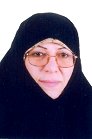 Lamyian Minoor合作论文数4
 Sylvie Graf合作论文数4
 Purić Danka合作论文数Department of Psychology, Belgrade University.4
 Hamidreza Hassanabadi合作论文数4Daniel R. Miramontez合作论文数4
 Farzad Ahmadi合作论文数Department of Nursing, Faculty of Medical Sciences, Tarbiat Modares University4




