Controlling the dynamic mobility of catalyst surface active sites and their interactions with the surrounding environment is critical in generating active surfaces that directly influence catalytic activity and selectivity. Here, we report a strategy for tailoring the dispersion and electronic environment of single-atom Rh catalysts by decorating the alumina support with highly dispersed (HD) cerium and molybdenum oxides. The resulting catalysts exhibit markedly different behaviors in the Reverse Water-Gas Shift (RWGS) reaction. In particular, Rh/MoO x (HD)/Al2O3 maintains atomically dispersed Rh even at elevated temperatures (up to 400 degrees C), achieving CO selectivity of up to 100% and resisting sintering via the formation of a newly developed structure featuring Rh single atoms embedded in MoO x clusters. In situ spectroscopy and microscopy analyses confirm the stabilization of Rh and the dynamic evolution of the Rh-Mo coordination under the reaction conditions. Our findings highlight the power of support modification in steering active site structure and activity, offering a pathway toward enhanced performance and tunable single-atom catalysts for CO2 valorization.
Resolving magnetic field effects on surface and solution structure at the molecular scale is important to a range of applications, including synthesis, separations, and catalysis. We present direct evidence that paramagnetic rare earth element (REE) ions adsorbed onto alumina surfaces respond to magnetic fields by reorganizing interfacial water and hydroxyl structure. Vibrational sum-frequency generation (vSFG) spectroscopy showed that REE adsorption suppresses free aluminol intensity and increases hydrogen- bonded hydroxyls. Mapping the REE ion distribution revealed surface-bound domains correlated with the underlying alumina lattice. When a 1 T magnetic field was applied, dysprosium-treated alumina interfaces experienced pronounced hydroxyl restructuring, including suppression of free hydroxyls, reorganization of weakly hydrogen-bonded species, and increased ordering and adsorption of strongly hydrogen-bonded hydroxyls. Magnetic-field effects were absent for lanthanum-treated alumina and other non-magnetic controls. Density functional theory simulations showed that Dy 3+ is likely to dynamically occupy inner- and outer-sphere adsorption states that induce long-range spin polarization in water and hydroxyls, substantially quenching its magnetic moment while perturbing hydrogen-bond networks across multiple solvation layers; a result validated by magnetometry measurements. This unexpected magnetic field effect on hydroxyl structure presents opportunities for controlling interfacial phenomena and energy landscapes at the molecular scale, beyond simply using magnets to affect mass transport.
Irradiation-induced damage in fusion and fission environments drives complex microstructural changes in structural materials, critically influencing their performance under extreme conditions. Our approach to investigate irradiation-induced microstructural evolution employs a well-defined material structure that allows for a precise assessment of He-induced bubbles and defects. In this study, a 100 nm Fe-8Cr epitaxial film was synthesized on MgO (001) substrate using molecular beam epitaxy, resulting in a grain boundary-free microstructure. The Fe-8Cr alloy film was subsequently irradiated at room temperature with 30 keV He+ at fluences of 1.7 x 10(16) and 1.7 x 10(17) ions/cm(2), corresponding to peak-damages of 0.5 and 5 displacements per atom (dpa), respectively. Cross-sectional transmission electron microscopy revealed swelling of 2.7% for 0.5 dpa and 8.1% for 5 dpa. The defect morphology evolved from isolated dislocation loops primarily oriented along <111> at low fluence to complex dislocation structures at high fluence. Notably, smaller bubbles with low number density were observed at lower fluence, whereas larger bubbles with higher number density developed at higher fluence, coinciding with the formation of an extensive dislocation network. These results provide fundamental insights into the dose-dependent microstructural evolution of Fe-8Cr alloys under irradiation, offering a foundation for understanding defect interactions in model ferritic systems.
Palladium nanoparticles on carbon supports (Pd/C) are effective for catalyzing hydrogen release from aqueous formate solutions but typically suffer from a gradual decrease of activity. This study finds two primary factors influencing activity: (i) the number of available surface Pd sites, and (ii) metal-support interactions which depend on the nature of the C support. We propose that the Pd/C catalyst is structure insensitive and undergoes Ostwald ripening to yield an active 'conditioned' catalyst with dispersion plateauing between ca. 15-20 %. Contrary to earlier studies, in-situ XANES experiments show that PdO is not an active catalyst for formate dehydrogenation. Calcination of Pd/C before dehydrogenation increases the catalytic activity which suggests a beneficial, albeit temporary, modification of the metal support interaction. N-containing supports minimize nanoparticle growth and also increase activity through a metal-support interaction. These findings advance our understanding of catalyst evolution and stability in formate dehydrogenation systems.
Tritium capture in Tritium Producing Burnable Adsorber Rods depends, in part, on the ability of the aluminide coating to contain gas within the components. Pack cementation can be utilized to form protective aluminide coatings on stainless steel tubing utilized for tritium production. Gas permeation performance of the aluminide coating depends upon the structure and composition of the phases at the surface, but these have not been previously elucidated. Using next generation analytical capabilities such as focused ion beam milling and aberration corrected scanning transmission electron microscopy, the surface and near surface microstructures were examined to understand the microstructure, morphology, and microchemistry of the films to aid modeling of tritium transport. Examinations revealed at least three unique surface microstructures with complex geometries that sheds new light onto the films formed during this pack cementation process.
A fundamental understanding of processes that slow divalent metal silicate carbonation is important for developing effective strategies to durably store carbon dioxide and mitigate atmospheric CO2. This study presents a detailed investigation of a passivation effect unique to low-water conditions during the carbonation of forsterite (Mg2SiO4) and highlights the importance of hygroscopicity in influencing metal silicate carbonation. Integrated in situ and ex situ experimental results showed that the decrease in the carbonation rate of forsterite observed after ∼10 h in humid supercritical CO2 (50 °C, 90 bar) correlates with a reduction in water film thickness, and in particular, weakly hydrogen bonded adsorbed water that facilitates ion transport. We attribute the decrease in thickness to a drop in the concentrations of hygroscopic Mg2+, MgHCO3+, and HCO3- ions within the film as the predominate forsterite carbonation product evolves from amorphous magnesium carbonate (AMC) to magnesite (MgCO3). When more soluble AMC is present, hygroscopic ion concentrations are higher, drawing more water from the supercritical phase to the forsterite surface. Carbonation rates are faster because thicker water films can better mobilize ions to growing carbonates. In contrast, when less soluble magnesite predominates, hygroscopic ion concentrations are lower, water films are thinner, and carbonate rates are slower.
The functionality of nuclear structural materials, sensors, and microelectronics in harsh environments such as radiation relies on understanding defect generation and evolution processes in oxide layers. The initial radiation response of epitaxial thin films of Fe 3 O 4 (111), Cr 2 O 3 (0001), and Fe 3 O 4 (111)/Cr 2 O 3 (0001) heterostructures deposited on Al 2 O 3 (0001) by oxygen‐assisted molecular beam epitaxy and irradiated with 200 keV He + is characterized. X‐ray diffraction and X‐ray absorption near edge spectroscopy showed that the Cr 2 O 3 layers underwent significant lattice expansion and disordering under irradiation, whereas the Fe 3 O 4 layers do not exhibit noticeable changes. In contrast, positron annihilation spectroscopy revealed an evolution of cation vacancy point defects in the Fe 3 O 4 layers into larger vacancy clusters with increasing irradiation, while the cation vacancies in Cr 2 O 3 remained primarily as single vacancies and small clusters. The results suggest that the Fe 3 O 4 lattice can utilize the free volume of the larger vacancy clusters to relax but the small vacancies in the Cr 2 O 3 lattice do not facilitate relaxation. Comparing defect concentrations in the single layer films versus the heterostructure suggests that point defects may cross the interface from Fe 3 O 4 into Cr 2 O 3 . Together, these results enhance the understanding of the initial defect evolution mechanisms in oxide layers in harsh irradiation environments.
Lithiation-assisted epitaxy offers a flexible and robust approach for synthesizing high-quality Li-containing materials and interfaces with precise control. In this study, we use lithium tungstate (LixWO3+x/2, where x = 0 to 2) as a model system to investigate the intertwined effects of Li out-diffusion-induced compositional changes and surface-diffusion-induced morphological changes. By systematically varying synthesis and processing conditions, we uncover their impact on lithium tungstate film formation. Comprehensive characterizations, including X-ray diffraction, atomic force microscopy, X-ray photoemission spectroscopy, and time-of-flight secondary ion mass spectrometry, reveal that low-temperature growth (<300(degrees) C) followed by high-temperature annealing yields continuous lithium tungstate films with significantly reduced surface roughness. In contrast, high-temperature deposition (>= 300(degrees) C) accelerates surface diffusion and Li out-diffusion, leading to island formation. Furthermore, in situ scanning transmission electron microscopy demonstrates the beam sensitivity of Li2WO4 and reveals a phase transition from Li2WO4 to LiWO3.5 under prolonged electron beam exposure. These findings deepen our understanding of how to control the composition and morphology of Li-containing films, providing valuable insights for the design and integration of energy materials.
We have investigated the structural and electronic properties of 3 at. % Yb-doped SrTiO3/Si(001) grown by molecular beam epitaxy. Other rare-earth dopants that result in n-type conductivity typically substitute for Sr at the A sites in the ABO3 perovskite lattice. In contrast, Yb is shown to substitute predominantly for Ti at the perovskite B sites based on data from atomically resolved scanning transmission electron microscopy and energy dispersive spectroscopy, as well as extended x-ray absorption fine structure measurements. An atom beam flux (O) mismatch was present during film growth because it was assumed that Yb would occupy A sites. As a result of this assumption, the fluxes were set such that OYb + OSr = OTi. The formation of YbTi rather than YbSr results in Sr vacancies and extraneous (i.e., nonlattice) Ti atoms in the films. Yb exhibits two distinct charge states as determined by x-ray absorption spectroscopy and associated theoretical modeling, +2.7 and +2.1. These aliovalent dopants are compensated by donor electrons from oxygen vacancies that form during film growth. The defect complexes resulting from the flux mismatch, together with oxygen vacancies, lead to deep-level electron traps that were detected by resonant photoemission and predicted to be stable by ab initio theory, as well as much higher sheet resistance than that associated with, for instance, La-doped SrTiO3 (STO) films. Ab initio calculations show that the preference for B-site occupancy is driven by low oxygen chemical potential at the growth front as required to deposit STO on Si without SiO2 formation.
Solubility is crucial for redox flow batteries as it affects their energy density. A data-driven approach based on AI/ML models can speed up the development of highly soluble redox active materials, but accurate solubility prediction remains elusive because of the lack of relevant databases. To overcome this deficiency, we developed a high-throughput experimentation process that combines a robotically controlled platform with high-throughput methodology to collect large-scale and high-quality solubility data. We demonstrate the potential utility and applicability of this high-throughput process by measuring the aqueous and non-aqueous solubilities of redox active materials and studying the effect of additives on their solubilities for both aqueous and non-aqueous redox flow battery applications. A redox flow battery based on our optimized negative electrolyte formulation and ferrocyanide positive electrolyte offers highly stable performance over 18 days (>100 cycles) with consistent capacity and a 24% boost in energy density.
Molecular hydrogen (H 2 ) has emerged as a promising candidate for energy storage due to its high energy content; however, H 2 storage and transportation are still challenging. Traditional methods such as compressed (500 to 700 bar) or liquefied (–253 °C) H 2 have considerable drawbacks in terms of energy requirements and materials of construction for pressurized or cryogenic storage. 1, 2 In contrast, liquid organic hydrogen carriers (LOHCs) represent a safer and potentially more energy-efficient approach to storing and transporting H 2 . 3 In particular, aqueous formate salts can store hydrogen (or energy) in a stable liquid at ambient conditions and can be transported and stored using the existing infrastructure. 4-6 In this work, we explored the electrocatalytic oxidation (ECO) of potassium formate (KHCO 2 ) (KHCO 2 + H 2 O→ KHCO 3 + 2H + + 2e – ) on a Pd-based heterogeneous catalyst in a batch and a continuous-flow electrolyzer. We explored how the applied potential [Open Circuit Potential (OCP) to 0.4 V vs reference hydrogen electrode (RHE)], reaction temperature [room temperature (≈22 °C) to 65 °C], and concentration of species (0.25 to 3.0 M) affect the deactivation and reaction rate. Our work showed that whereas the Pd-based electrocatalysts deactivate during ECO, the electrocatalytic rate can be restored on site by pulsing positive half-cell potentials (Figure 1). In situ Fourier Transform Infrared and Raman spectroscopy reveal that the build-up of reaction product on the electrocatalyst surface during the experiment is responsible for the deactivation. This research highlights the potential of using safe and stable formate solutions offer a safe and stable medium for storing hydrogen, leveraging existing infrastructure for transport and storage of liquids without necessitating major modifications. Moreover, the study addresses a common challenge in catalytic processes: electrocatalyst deactivation. Through innovative methods, the research proposes solutions for in situ regenerating the functionality of the electrocatalyst, thus eliminating the need for reactor dismantling or extensive manual intervention, ensuring continuous and efficient operation. Such advancements pave the way for uninterrupted H 2 production, optimizing overall efficiency and decreasing downtime in industrial processes. REFERENCES : (1) Rampai, M. M.; Mtshali, C. B.; Seroka, N. S.; Khotseng, L. Hydrogen production, storage, and transportation: recent advances. RSC Adv 2024 , 14 (10), 6699-6718, 10.1039/D3RA08305E. DOI: 10.1039/d3ra08305e. (2) Physical Hydrogen Storage . https://www.energy.gov/eere/fuelcells/physical-hydrogen-storage. (3) Ulucan, T. H.; Akhade, S. A.; Ambalakatte, A.; Autrey, T.; Cairns, A.; Chen, P.; Cho, Y. W.; Gallucci, F.; Gao, W.; Grinderslev, J. B.; et al. Hydrogen storage in liquid hydrogen carriers: recent activities and new trends. PRGE 2023 , 5 (1), 012004. DOI: 10.1088/2516-1083/acac5c. (4) Gutiérrez, O. Y.; Grubel, K.; Kothandaraman, J.; Lopez-Ruiz, J. A.; Brooks, K. P.; Bowden, M. E.; Autrey, T. Using earth abundant materials for long duration energy storage: electro-chemical and thermo-chemical cycling of bicarbonate/formate. Green Chem. 2023 , 25 (11), 4222-4233, 10.1039/D3GC00219E. DOI: 10.1039/d3gc00219e. (5) Grubel, K.; Su, J.; Kothandaraman, J.; Brooks, K.; Somorjai, G. A.; Autrey, T. Research Requirements to Move the Bar forward Using Aqueous Formate Salts as H2 Carriers for Energy Storage Applications. JEPT 2020 , 02 (04), 016. DOI: 10.21926/jept.2004016. (6) Hwang, Y. J.; Kwon, Y.; Kim, Y.; Sohn, H.; Nam, S. W.; Kim, J.; Autrey, T.; Yoon, C. W.; Jo, Y. S.; Jeong, H. Development of an Autothermal Formate-Based Hydrogen Generator: From Optimization of Formate Dehydrogenation Conditions to Thermal Integration with Fuel Cells. ACS Sustainable Chem. Eng. 2020 , 8 (26), 9846-9856. DOI: 10.1021/acssuschemeng.0c02775. Figure 1
Supported Pt catalysts are widely used industrially for elimination of harmful volatile compounds, with applications such as H2-SCR (selective catalytic reduction), CO oxidation, NO oxidation, ammonia oxidation (AMOX) as well as unsaturated hydrocarbon hydrogenation for pharmaceutical and organic chemistry. Typical catalysts use high loadings of PGM (typically ~2-5 wt%) to achieve high activity. However, decreasing PGM loading to 1 wt% and below, while maintaining high activity and stability, is needed since the materials with lower loadings of Pt are known to be inferior catalysts. We show that at low Pt loadings the size of particles is small, and they are fully oxidized, which inhibits their activity and stability. We further show that we can circumvent this bottleneck and maximize the activity and stability of Pt catalysts via a simple high-temperature thermal pre-treatment that unexpectedly yields 3D metallic Pt particles that are stable and active. The corresponding catalytic activity of these catalysts with the maximized number of active surface sites, consisting of oxidation-resistant metallic Pt surfaces, rivals the formulations with significantly higher Pt amounts (~6 times) for multiple industrially relevant reactions (H2-SCR, CO oxidation, NO oxidation, AMOX, unsaturated hydrocarbon hydrogenation). Using catalytic measurements, microscopy, and spectroscopy, we provide the atomic level insight into the active ensembles of these catalysts and a general strategy maximize the activity of platinum.
Supported Pt catalysts are widely used industrially for elimination of harmful volatile compounds, with applications such as H2-SCR (selective catalytic reduction), CO oxidation, NO oxidation, ammonia oxidation (AMOX) as well as unsaturated hydrocarbon hydrogenation for pharmaceutical and organic chemistry. Typical catalysts use high loadings of PGM (typically ~2-5 wt%) to achieve high activity. However, decreasing PGM loading to 1 wt% and below, while maintaining high activity and stability, is needed since the materials with lower loadings of Pt are known to be inferior catalysts. We show that at low Pt loadings the size of particles is small, and they are fully oxidized, which inhibits their activity and stability. We further show that we can circumvent this bottleneck and maximize the activity and stability of Pt catalysts via a simple high-temperature thermal pre-treatment that unexpectedly yields 3D metallic Pt particles that are stable and active. The corresponding catalytic activity of these catalysts with the maximized number of active surface sites, consisting of oxidation-resistant metallic Pt surfaces, rivals the formulations with significantly higher Pt amounts (~6 times) for multiple industrially relevant reactions (H2-SCR, CO oxidation, NO oxidation, AMOX, unsaturated hydrocarbon hydrogenation). Using catalytic measurements, microscopy, and spectroscopy, we provide the atomic level insight into the active ensembles of these catalysts and a general strategy maximize the activity of platinum.
Soil organic matter (SOM) is a key reservoir for global carbon (C), supporting soil fertility and influencing greenhouse gas emissions. Microbial residues, composed of dead cells and cellular fragments, are major contributors to SOM formation. Yet, mechanisms by which minerals enhance the accumulation of microbial residues remain poorly understood. Here, we used 13C-labeled glucose in a year-long incubation to trace microbial residue in sandy and silty soils. Across both soils, approximately 89% of retained microbial 13C was recovered in the fine (<53 μm) mineral-associated organic matter (MAOM) pool. Within this pool, the light MAOM fraction, enriched in poorly crystalline Fe minerals, held 4.3 times more 13C than the heavy, phyllosilicate-dominated MAOM fraction, despite accounting for only 17.2% of the total MAOM mass and 12.3% of the total soil mass. Along with 13C enrichment, the light MAOM fraction showed greater abundance of N-containing groups, e.g., (amides and amino groups), indicative of microbial-derived compounds like proteins and amino sugars. Fe oxides in light MAOM from both soils were spatially dispersed. Microbial residue accumulation was greater in finer-textured silty soil. These findings demonstrate that mineral composition and texture jointly regulate microbial necromass accrual, highlighting light MAOM as a key pool for enhancing soil C storage.
Ceria nanoparticles supported on alumina are widely used in various catalytic reactions, particularly in conjunction with platinum group metals (PGMs)1-9. Here we found that treating these catalysts at temperatures between 750 and about 1,000 °C in the presence of CO and NO in steam (reactive treatment under reducing atmosphere) leads to the dispersion of ceria nanoparticles into high-density 2D (roughly one atomic layer thin) CexOy domains, as confirmed by microscopy, X-ray photoelectron spectroscopy (XPS), X-ray absorption spectroscopy (XAS), infrared spectroscopy and density functional theory (DFT) calculations. These domains, which densely cover the alumina, exhibit substantially enhanced oxygen mobility and storage capacity, facilitating easier extraction of oxygen and the formation of Ce3+ sites and oxygen vacancies. As a result, these catalysts-whether with or without PGMs, such as Rh and Pt-show improved activity for several industrially important catalytic reactions, including NO and N2O reduction, as well as CO and NO oxidation, even after exposure to harsh ageing conditions. This study shows a catalyst architecture with superior redox properties under conditions that typically cause sintering, offering a pathway to more efficient metal-ceria catalysts for enhanced general catalysis.
Carbonic anhydrase (CA) mimics have received significant attention due to their promising applications in the enhanced hydration and sequestration of CO2. Herein, we report the assembly of sequence-defined peptoids into crystalline nanomaterials with controlled microenvironment of active sites as CA mimics for promoted hydration and sequestration of CO2. By incorporating specific ligands into self-assembling peptoids and coordinating these ligands with metal cations, we synthesize a variety of crystalline nanosheets and nanotubes as efficient CA mimics comparable to natural bovine CA. Molecular dynamics simulations reveal the critical roles of peptoid-Zn2+ binding energy and the active site local microenvironment on the catalytic performance of these CA mimics. CO2 precipitation results show that these CA mimics promote the hydration and sequestration of CO2 while retaining high thermal and chemical stabilities. This study offers essential guidance for the future design of high-performance CA-mimics suitable for applications in CO2 capture and sequestration.
This study examines a wide range of hybrid ion exchange (IX) resins that simultaneously remove multiple contaminants from groundwater via anion exchange and an additional mechanism, such as chemical reduction or adsorption. Hybrid resins aim to overcome pump-and-treat operational limitations when using singlecontaminant selective IX resins. Performance of hybrid and weak base hybrid IX resins for removing contaminants, including uranium (U as uranyl carbonates UO2(CO3)x2-2x), technetium-99 (as TcO4- ), and hexavalent chromium (Cr(VI) as CrO42-), as well as incidental removal of iodine-129 (as IO3- ), is compared to the performance of strong base anion exchange resins used to treat these contaminants individually. Batch and column tests were performed using ultrapure water and/or a simulated groundwater solution representative of the U.S. Department of Energy's Hanford Site. Several strong base and hybrid candidate resins could remove TcO4- . The weak base hybrid resin SIR-700 in its sulfate form performed the best for both Cr(VI) and U removal, yet demonstrated poor TcO4- removal. Removal of IO3- by anion exchange resins is typically not efficient. In this study, few hybrid resins demonstrated improved IO3- uptake compared to their parent resins because it was outcompeted by other more abundant anions. While the SBG1-Ce resin removed the most IO3- from simulated Hanford groundwater in the presence of all four contaminants, the cerium hybrid resin SIR-110-MP-Ce removed both TcO4- and the secondmost IO3- of the resins evaluated in column tests. IO3- in the presence of the other contaminants and natural groundwater anions, like sulfate, is not competitive for removal by ion exchange. Removal of IO3- is proposed to occur via adsorption as an inner- or outer-sphere complex to the hybrid metal phase. Optimizing access to these phases and increasing hybrid metal loading are expected to improve incidental IO3- removal.
High-entropy oxides (HEOs) offer exceptional compositional flexibility and structural stability, making them promising materials for energy and catalytic applications. Here, we investigate Sr doping effects on B-site cation oxidation states, local composition, and structure in epitaxial La1-xSrx(Cr0.2Mn0.2Fe0.2Co0.2Ni0.2)O3 thin films. X-ray spectroscopies reveal that Sr doping preferentially promotes Cr oxidation from Cr3+ to Cr6+, partially oxidizes Co and Ni, while leaving Mn4+ and Fe3+ unchanged. Atomic-resolution scanning transmission electron microscopy with energy-dispersive X-ray spectroscopy shows pronounced Cr segregation, with depletion at the interface and enrichment at the surface, along with partial amorphization in heavily Sr-doped samples. This segregation is likely driven by oxidation-induced migration of smaller, high-valence Cr cations during growth. These findings highlight the critical interplay between charge compensation, local strain, and compositional fluctuations in HEOs, indicating that precise control over growth conditions is critical for tuning their surface composition and electronic structure toward more robust electrocatalyst design.
Hydrothermal aging (HTA) and chemical poisoning are two primary factors contributing to the real-world degradation of Cu-SSZ-13 SCR catalysts. Investigating field-returned samples offers valuable insights into performance degradation caused by these mechanisms. However, the simultaneous presence of both deactivation pathways complicates the isolation of their individual effects in post-mortem analyses. In this study, we separately prepared model Cu-SSZ-13 SCR catalysts subjected to hydrothermal-aging and sulfur-induced chemical poisoning. Using various characterization techniques, we elucidated the specific role of each aging process in catalyst deactivation and compared the results to real-world field-aged catalysts. Our findings show that hydrothermal aging at 650 degrees C for 100 h caused dealumination of the zeolite framework but no significant CuOx cluster formation. In contrast, sulfur aging (via sulfur exposure, calcination at 550 degrees C, and desulfation up to 750 degrees C) led to CuOx formation without any observable dealumination. On model catalysts, sulfur poisoning was found to reduce Cu mobility and the amount of active Cu sites, thus degrading catalyst activity. Although some activity was recovered upon desulfation, a portion of the initial catalyst activity remained irreversibly lost due to CuOx formation. We demonstrate that this occurs because sulfated species impede the ability of multi-nuclear Cu species (e.g., Cu dimers) to split back into their isolated form, leading to CuSO4-clusters that oxidatively desulfate to CuOx species. This degradation pathway explains the significant reduction in activity of field-aged samples, where substantial CuSO4-cluster accumulation leads to reduced active Cu and subsequent conversion to CuOx. The conclusions from model catalysts were extended directly to field-aged commercial samples, elucidating the decline in activity and chemical properties during field deployment.
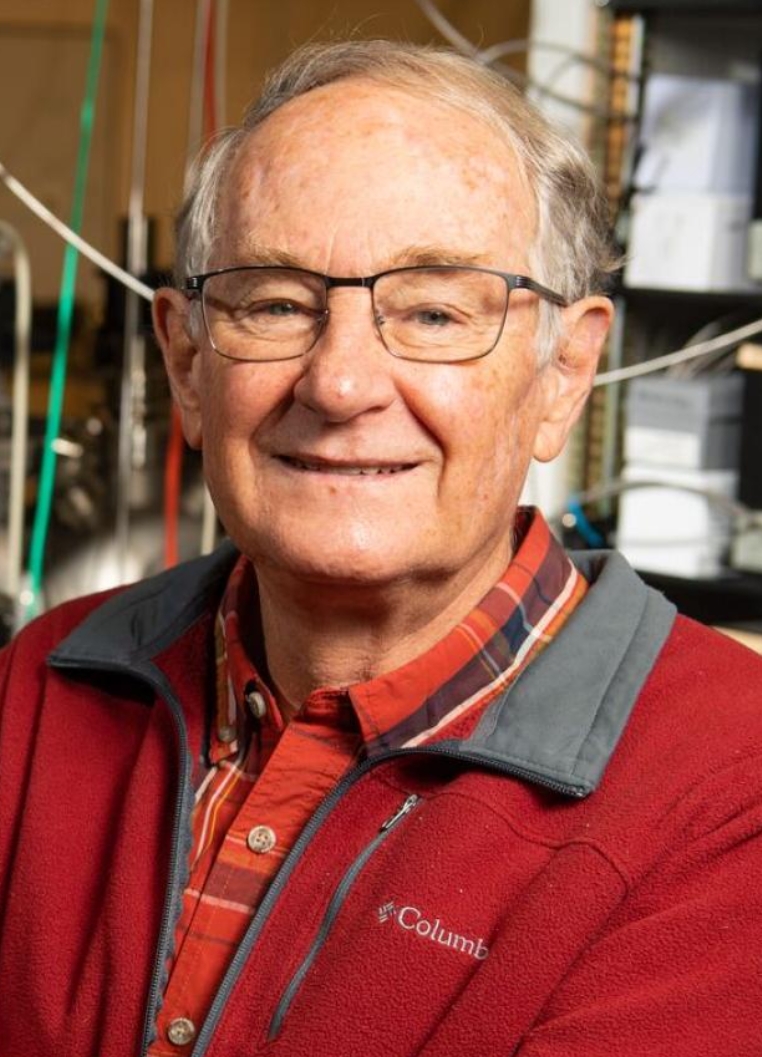 Scott Chambers合作论文数Pacific Northwest National Laboratory86
 Yingge Du合作论文数58
 Libor Kovarik合作论文数Physical Sciences Division, Pacific Northwest National Laboratory49
 Peter V. Sushko合作论文数Physcial Sciences Division, Pacific Northwest National Laboratory49Tom Autrey合作论文数Pacific NW Natl Lab, Richland, WA 99352 USA42
 Mark Engelhard合作论文数Pacific Northwest National Laboratory41
 Kevin Rosso合作论文数Physical Sciences Division for Geochemistry, Pacific Northwest National Laboratory;Center for Understanding Subsurface Signals and Permeability, Pacific Northwest National Laboratory37
 Tiffany Kaspar合作论文数Physical Metallurgy Materials Group, Pacific Northwest National Laboratory37
 Chongmin Wang (王崇民)合作论文数Environmental Molecular Sciences Division, Pacific Northwest National Laboratory;Environmental Molecular Sciences Laboratory, Pacific Northwest National Laboratory36
 Odeta Qafoku合作论文数Environmental Dynamics and Simulation, Pacific Northwest National Laboratory34
 Le Wang (王乐)合作论文数School of Physics, Renmin University of China33
 Vaithiyalingam Shutthanandan合作论文数Environmental Molecular Sciences Division, Pacific Northwest National Laboratory;Environmental Molecular Sciences Laboratory30
 Tamas Varga合作论文数Universität Bern30
 Carolyn Pearce合作论文数Pacific Northwest National Laboratory30
 Timothy Droubay合作论文数28
 Ravi Kukkadapu合作论文数Environmental Molecular Sciences Laboratory, Pacific Northwest National Laboratory;Environmental Molecular Sciences Division, Pacific Northwest National Laboratory28
 Steven Richard Spurgeon合作论文数Department of Materials Science and Engineering, Drexel University26
 Zihua Zhu (朱子华)合作论文数Environmental Molecular Sciences Laboratory, Pacific Northwest National Laboratory;Environmental Molecular Sciences Division, Pacific Northwest National Laboratory26
 Nancy Hess合作论文数Environmental Molecular Sciences Division, Pacific Northwest National Laboratory;Environmental Molecular Sciences Laboratory26
 Miller Quin R S合作论文数†Department of Geology and Geophysics, University of Wyoming24
 Herbert T Schaef合作论文数Pacific Northwest National Laboratory23
 Steve M. Heald合作论文数Argonne National Laboratory20Abhi Karkamkar合作论文数Pacific Northwest National Laboratories20
 Wu Xu (许武)合作论文数Energy Processes and Materials Division, Pacific Northwest National Laboratory19
 Kenneth MacKenzie合作论文数School of Chemical and Physical Sciences, Victoria University of Wellington;MacDiarmid Institute for Advanced Materials and Nanotechnology, Victoria University of Wellington19
 Ian William Murray Brown合作论文数19
 Janos Szanyi合作论文数Pacific Northwest National Laboratory18
 Xin Zhang合作论文数Phys & Computat Sci Directorate, Pacific Northwest Natl Lab18
 Ji-Guang Zhang合作论文数Pacific Northwest National Laboratory17
 Nancy M. Washton合作论文数Environm Mol Sci Lab, Pacific Northwest Natl Lab17Bethany E. Matthews合作论文数Energy & Environm Directorate, Pacific Northwest Natl Lab15
 James J. De Yoreo合作论文数Department of Materials Science & Engineering, College of Arts & Sciences, University of Washington;Pacific Northwest National Laboratory15
 Ryan Comes合作论文数Films, Interfaces, and Nanostructures of Oxides and Chalcogenides Lab, Department of Materials Science and Engineering, College of Engineering, University of Delaware15
 Zhenzhong Yang (杨振中)合作论文数School of Information and Electronic Engineering, East China Normal University14
 Sebastien N. Kerisit合作论文数Pacific Northwest National Laboratory14
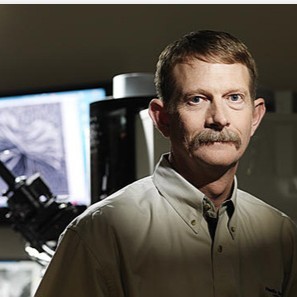 Bruce W. Arey合作论文数Pacific Northwest National Laboratory14
 Sarah A. Saslow合作论文数University of Maryland14Amity Andersen合作论文数Department of Chemistry and Biochemistry;Uni Versity of California;Department of Chemistry and Biochemistry, Uni Versity of California14
 Amanda R. Lawter合作论文数Government of the United States of America13
 Jinhui Tao合作论文数Pacific Northwest Natl Lab, Phys & Computat Sci Directorate, Richland, WA 99352 USA13
 Joseph H Ngai合作论文数Department of Physics, The University of Texas at Arlington13
 Kelsey A. Stoerzinger合作论文数Dept Mat Sci & Engn, MIT13
 John P. Kaszuba合作论文数Los Alamos National Laboratory13iwm brown合作论文数12
 Pengfei Yan (闫鹏飞)合作论文数College of Materials Science and Engineering, Beijing University of Technology12Kruger Albert A合作论文数12Thomas Gennett合作论文数Department of Chemistry, Purdue University12
 Maria L. Sushko合作论文数Phys & Computat Sci Directorate, Pacific Northwest Natl Lab12
 Sarah Leichty合作论文数11




