Summary Iron overload from repeated transfusions has a negative impact on cardiac function, and iron chelation therapy may help prevent cardiac dysfunction in transfusion‐dependent patients with myelodysplastic syndromes (MDS). TELESTO (NCT00940602) was a prospective, placebo‐controlled, randomised study to evaluate the iron chelator deferasirox in patients with low‐ or intermediate‐1–risk MDS and iron overload. Echocardiographic parameters were collected at screening and during treatment. Patients receiving deferasirox experienced a significant decrease in the composite risk of hospitalisation for congestive heart failure (CHF) or worsening of cardiac function (HR = 0.23; 95% CI: 0.05, 0.99; nominal p = 0.0322) versus placebo. No significant differences between the arms were found in left ventricular ejection fraction, ventricular diameter and mass or pulmonary artery pressure. The absolute number of events was low, but the enrolled patients were younger than average for patients with MDS, with no serious cardiac comorbidities and a modest cardiovascular risk profile. These results support the effectiveness of deferasirox in preventing cardiac damage caused by iron overload in this patient population. Identification of patients developing CHF is challenging due to the lack of distinctive echocardiographic features. The treatment of iron overload may be important to prevent cardiac dysfunction in these patients, even those with moderate CHF risk.
Background The prognosis associated with a diagnosis of accelerated-phase (AP, 10-19% blasts) or blast-phase myeloproliferative neoplasms (BP-MPN, ≥20% blasts) remains dismal, with an unmet need for new therapy options. The phase Ib single-arm PHAZAR trial was designed to determine maximum tolerated dose (MTD), safety and efficacy of the JAK1/2 inhibitor ruxolitinib (RUX) in combination with azacitidine (AZA) in patients (pts) with AP/BP-MPN. This academic trial included serial banking of patient samples before and after treatment, providing a unique opportunity to interrogate the cellular and molecular basis of treatment response in AP/MP-MPN. Here we present the final analysis, including serial genetic and single cell transcriptomic profiling of paired samples from responders and non-responders. Method Cohorts of 3-5 patients were enrolled at a fixed AZA dose of 75 mg/m2 s/c for 7 days of a 28-day cycle with continuous oral RUX dosed at 10, 15, 20 or 25 mg BD using a Continuous Reassessment Method design. RUX/AZA-ineligible pts were recruited to an observational (obs) cohort. Baseline (BL) and serial (every 3 cycles) bone marrow (BM) samples were analysed by flow cytometry for hematopoietic stem and progenitor cell (HSPC) and myeloid blast epitopes, a myeloid gene panel, and single-cell CITE (Cellular indexing of transcriptomes and epitopes)-seq to define cell states in response to treatment. Results 58 AP/BP-MPN pts were recruited (n=34 RUX-AZA, n=24 obs). For the RUX-AZA cohort, median age was 72 yrs (range 55-85), 20/34 (59%) were male, and 15/34 (44%) in BP-MPN. Median number of RUX /AZA cycles were 4 (range 1 - 47). MTD was established as 25mg RUX BD as previously reported. 31 pts completed cycle 1 & were response evaluable. 5/31 (16%) pts achieved a complete response (CR) and 5/31 (16%) achieved a partial response (PR) after cycles 3 or 6, with an overall best response rate (CR or PR) of 10/31 (32%). Median response duration across all treatment cycles was 7.2 months (95% CI 2.8 - not reached). Median overall survival was 9.3 months (95% CI 5.7-26.3). For AP-(n=18) and BP-MPN (n=13) pts, 42% (95% CI 18-65%) and 26% (95% CI 6-51%) were alive and leukemia-free at 12 months. BL immunophenotyping confirmed aberrant HSPC profiles with an expanded CD34+Lin- population. AP/BP-MPN blasts were universally CD34+, CD117+ & expressed HLA-DR (90%) & monocytic markers CD13 (80%) and CD33 (50%), while negative for CD235ab. Documented clinical responses were confirmed by reduction in blast % by flow cytometry. Serial genotyping established that in non-responders and 80% of responders (including those with normal counts for > 12 months), there was no change in clone distribution nor emergence of new mutations on treatment. We reasoned that clinical response is therefore driven by altered cellular/molecular properties of cells within the mutant clone. In order to explore this further, serial samples at BL, response & relapse from responders with long-term survival (n=6: 5 CR, 1 PR), non-responders (n=6) and healthy controls (HC, n=5) were selected for CITE-seq (n=32 samples, n=123019 cells post QC) to investigate the impact of RUX-AZA on cell type composition and molecular state. Leukemic blasts were highly heterogeneous, arrested at different differentiation stages (monocytic 4/11, myeloid progenitor (prog) in 4/11, megakaryocyte/erythroid prog in 3/11 at BL). All BL samples showed a proportionate reduction in erythroid prog, while the eosinophil, basophil, mast prog population was expanded. Strikingly, despite no change in clonal burden, responders showed RUX-AZA induced release of the mutant HSPC-associated differentiation block with a notable increase in numbers of T-cells. HSC/MPP populations at the response timepoint were strongly enriched for inflammatory pathways with upregulation of IFN-a, IFN-g, TNFa and TGFb signatures. Blast populations in non-responders at treatment failure and also in responders at relapse showed upregulation of MYC and oxidative phosphorylation pathways, in keeping with increased proliferation and therapy resistance. Discussion Response to RUX-AZA in AP/BP-MPN is mediated by increased ability of mutant HSPC to differentiate to mature cell types and not by molecular (clonal) response. Response correlates with altered inflammation-associated gene expression and increased numbers of BM T-cells, providing insights into the possible mechanism of response to RUX-AZA.
Current therapies for myeloproliferative neoplasms (MPNs) improve symptoms but have limited effect on tumor size. In preclinical studies, tamoxifen restored normal apoptosis in mutated hematopoietic stem/progenitor cells (HSPCs). TAMARIN Phase-II, multicenter, single-arm clinical trial assessed tamoxifen’s safety and activity in patients with stable MPNs, no prior thrombotic events and mutated JAK2 V617F , CALR ins5 or CALR del52 peripheral blood allele burden ≥20% (EudraCT 2015-005497-38). 38 patients were recruited over 112w and 32 completed 24w-treatment. The study’s A’herns success criteria were met as the primary outcome ( ≥ 50% reduction in mutant allele burden at 24w) was observed in 3/38 patients. Secondary outcomes included ≥25% reduction at 24w (5/38), ≥50% reduction at 12w (0/38), thrombotic events (2/38), toxicities, hematological response, proportion of patients in each IWG-MRT response category and ELN response criteria. As exploratory outcomes, baseline analysis of HSPC transcriptome segregates responders and non-responders, suggesting a predictive signature. In responder HSPCs, longitudinal analysis shows high baseline expression of JAK-STAT signaling and oxidative phosphorylation genes, which are downregulated by tamoxifen. We further demonstrate in preclinical studies that in JAK2V617F+ cells, 4-hydroxytamoxifen inhibits mitochondrial complex-I, activates integrated stress response and decreases pathogenic JAK2-signaling. These results warrant further investigation of tamoxifen in MPN, with careful consideration of thrombotic risk.
Understanding the genetic and nongenetic determinants of tumor protein 53 ( TP53 ) - mutation-driven clonal evolution and subsequent transformation is a crucial step toward the design of rational therapeutic strategies. Here we carry out allelic resolution single-cell multi-omic analysis of hematopoietic stem/progenitor cells (HSPCs) from patients with a myeloproliferative neoplasm who transform to TP53- mutant secondary acute myeloid leukemia (sAML). All patients showed dominant TP53 ‘multihit’ HSPC clones at transformation, with a leukemia stem cell transcriptional signature strongly predictive of adverse outcomes in independent cohorts, across both TP53- mutant and wild-type (WT) AML. Through analysis of serial samples, antecedent TP53 -heterozygous clones and in vivo perturbations, we demonstrate a hitherto unrecognized effect of chronic inflammation, which suppressed TP53 WT HSPCs while enhancing the fitness advantage of TP53- mutant cells and promoted genetic evolution. Our findings will facilitate the development of risk-stratification, early detection and treatment strategies for TP53 -mutant leukemia, and are of broad relevance to other cancer types.
The following information describes additional study design criteria and safety considerations used in the phase 1 clinical trial of RG7112 in patients with hematological malignancies
PURPOSE:Polycythemia vera (PV) is characterized by JAK/STAT activation, thrombotic/hemorrhagic events, systemic symptoms, and disease transformation. In high-risk PV, ruxolitinib controls blood counts and improves symptoms. PATIENTS AND METHODS:MAJIC-PV is a randomized phase II trial of ruxolitinib versus best available therapy (BAT) in patients resistant/intolerant to hydroxycarbamide (HC-INT/RES). Primary outcome was complete response (CR) within 1 year. Secondary outcomes included duration of response, event-free survival (EFS), symptom, and molecular response. RESULTS:One hundred eighty patients were randomly assigned. CR was achieved in 40 (43%) patients on ruxolitinib versus 23 (26%) on BAT (odds ratio, 2.12; 90% CI, 1.25 to 3.60; P = .02). Duration of CR was superior for ruxolitinib (hazard ratio [HR], 0.38; 95% CI, 0.24 to 0.61; P < .001). Symptom responses were better with ruxolitinib and durable. EFS (major thrombosis, hemorrhage, transformation, and death) was superior for patients attaining CR within 1 year (HR, 0.41; 95% CI, 0.21 to 0.78; P = .01); and those on ruxolitinib (HR, 0.58; 95% CI, 0.35 to 0.94; P = .03). Serial analysis of JAK2V617F variant allele fraction revealed molecular response was more frequent with ruxolitinib and was associated with improved outcomes (progression-free survival [PFS] P = .001, EFS P = .001, overall survival P = .01) and clearance of JAK2V617F stem/progenitor cells. ASXL1 mutations predicted for adverse EFS (HR, 3.02; 95% CI, 1.47 to 6.17; P = .003). The safety profile of ruxolitinib was as previously reported. CONCLUSION:The MAJIC-PV study demonstrates ruxolitinib treatment benefits HC-INT/RES PV patients with superior CR, and EFS as well as molecular response; importantly also demonstrating for the first time, to our knowledge, that molecular response is linked to EFS, PFS, and OS.
Progression of myeloproliferative neoplasms to blast phase (BPMPN) is associated with lack of response to conventional therapies and dire clinical outcomes. Consequently, there is a major unmet need to develop new therapies for BPMPN. Chromothripsis, the process of catastrophic shattering and haphazard repair of chromosomes, is a key contributor to somatic variation in cancer, but this phenomenon has not yet been described in BPMPN. More broadly, whether chromothripsis might result in actionable molecular events that are amenable to targeting remains an open question. To characterise the contribution of structural variants to BPMPN, we first performed integrated copy number and mutation profiling in 64 BPMPN patients by SNP karyotyping and targeted next generation sequencing. We observed a recurrent pattern of chromothripsis that involved chromosome 21, which together with other structural variants led to amplification of a common region of chromosome 21 (‘chr21amp‘) in ~25% of patients (GISTIC q-val<0.01, Fig 1A). Chr21amp was associated with TP53 mutations and a higher number of copy number alterations. Patients with chr21amp had a particularly aggressive and treatment-resistant phenotype, with 0% surviving 12 months compared to 46% in the non-chr21amp pts ( p=0.0007), retaining significance in multivariate analysis including after correction for TP53 mutation status. Whole genome sequencing confirmed that the chromosomal rearrangements resulting in chr21amp occurred by different mechanisms, ranging from simple amplification to highly complex chromothriptic events involving multiple chromosomes. There were no recurrent translocation partners or mutations. The minimally amplified region (MAR) spanned 2.7Mb and contained 24 genes, with a median copy number of 3.5 (range 2.7-8.3) Single-cell transcriptomics combined with allelic resolution genotyping revealed that chr21amp was present in the dominant subclone and occurred subsequent to JAK2V617F and mut TP53 acquisition. Chr21amp was detectable in phenotypic HSCs and throughout early stages of hematopoiesis, but not in mature erythroid cells, consistent with a differentiation block. Of the 24 genes in the minimally amplified region, only one gene, DYRK1A, a serine threonine kinase linked to cell proliferation and survival, was both differentially expressed (single-cell and bulk RNAseq) and differentially accessible (ATACseq). To explore the functional role of DYRK1A in BPMPN we performed shRNA and CRISPR-mediated DYRK1A-knockdown and knockout (KO) in BPMPN cell lines (HEL and SET-2), which led to impaired cell proliferation. The DYRK1A inhibitors EHT1610 and GNF2133 also led to dose-dependent growth inhibition. DYRK1A-KO BPMPN HEL or SET2 cell clones showed a reduced ability to propagate leukemia in vivo with a significant survival advantage vs. wild type control mice. BPMPN chr21amp+ primary patient CD34+ cells were highly sensitive toDYRK1A inhibitors, while healthy control CD34+ cells were unaffected Prior studies have shown that DYRK1A activates the DREAM complex, a transcriptional repressor of DNA-repair pathways. In chr21amp patient cells, the DREAM DNA repair gene signature was significantly downregulated (NES -1.74, q-val <0.001), while conversely in CRISPR DYRK1A KO SET2 cells the transcriptional DNA repair signature was upregulated (NES 1.76, q-val <0.001). In functional assays, CRISPR DYRK1A KO was protective against DNA damage, with a reduction in γ-H2AX foci after etoposide treatment or irradiation ( p<0.01 for both). A second mechanism of leukemogenesis emerged from geneset enrichment analyses, which suggested enhanced JAK-STAT signaling in chr21amp BPMPN cells and downregulation in the CRISPR DYRK1A KO context. We validated this by showing that DYRK1A overexpression activates and potentiates STAT5B transcriptional activity in a luciferase reporter assay. Finally, we noted that the STAT target BCL2 was selectively upregulated in chr21amp cells. BCL2 inhibition showed strong synergy with DYRK1A inhibitors for induction of BPMPN cell apoptosis (Bliss synergy score 15). Collectively, these findings define the chr21amp event as a novel prognostic biomarker in BPMPN. We pinpoint DYRK1A amplification as a central driver of genomic instability and exacerbated JAK-STAT signalling, for the first time linking chromothripsis to a specific druggable target ( Fig 1B).
Supplementary Table 1. Study stratification and dosing regimen; Supplementary Table 2. p53 target genes examined in this study; Supplementary Table 3. Characteristics of evaluable patients treated at the MTD; Supplementary Table 4. Patient demographic data by cohort; Supplementary Table 5. Adverse events by grade observed in > 10% of the patients/stratum; Supplementary Table 6. Stratum pharmacokinetic parameters based on RG7112 dose regimen and formulation; Supplementary Table 7. Summary of steady state AUC for AML patients treated at the MTD; Supplementary Table 8. Clinical activity for patients with p53 mutations
Supplementary Fig. 1. Day 10 dose-mean PK profiles in patients with leukemia; Supplementary Figure 2. RG7112 induces p53-mediated apoptosis in circulating lymphoma cells from a patient with SLL/CLL (810 mg to 1500 mg BID)
Abstract Current therapies for myeloproliferative neoplasms (MPN) improve symptoms but have limited effect on tumor size. In preclinical studies, tamoxifen restored normal apoptosis in mutated hematopoietic stem and progenitor cells (HSPCs). TAMARIN is a Phase-II, multicenter, single-arm clinical trial assessing tamoxifen’s safety and activity in patients with stable MPNs, no prior thrombotic events and mutated JAK2V617F, CALRins5 or CALRdel52 peripheral blood allele burden ≥20%. The primary outcome (≥50% allele burden reduction at 24 weeks) was met by 3/38 patients; 5/38 additional patients showed ≥25% reductions. Tamoxifen was well tolerated. Baseline analysis of HSPC transcriptome segregated responders and non-responders, suggesting a predictive signature. In responder HSPCs, longitudinal analysis showed high baseline expression of JAK-STAT signaling and oxidative phosphorylation genes, which were downregulated by tamoxifen. In JAK2V617F+ cells, 4-hydroxytamoxifen inhibited mitochondrial complex-I, activating proapoptotic integrated stress response (ISR) and decreasing pathogenic JAK2 signaling. Therefore, tamoxifen inhibits mitochondrial respiration, modulates ISR and suppresses pathogenic JAK-STAT signaling in a subset of prospectively identifiable MPN patients.
TP53 regulates self-renewal and quiescence of hematopoietic stem cells, and its disruption leads to the development of hematological malignancies. In myeloid neoplasms, TP53 mutations define a distinct clinical entity, associated with complex cytogenetics and dismal outcomes. Understanding the cellular and molecular framework through which TP53 mutation drives clonal evolution is a crucial step towards the design of rational therapeutic strategies. Here, we carry out TARGET-seq single-cell multi-omic analysis of haematopoietic stem/progenitor cells (HSPC) from patients with a myeloproliferative neoplasm who had transformed to TP53-mutant secondary acute myeloid leukaemia (sAML), a trackable model of TP53-driven clonal evolution. We invariably identified convergent clonal evolution leading to complete loss of TP53 wild-type (WT) alleles and gain of multiple chromosomal abnormalities upon transformation. TP53-mutant leukaemia stem cells (LSC) were transcriptionally distinct from de novo AML, with evidence of inflammation-associated transcription and aberrant erythroid differentiation. We identified a TP53-mutant LSC signature which was strongly predictive of adverse outcome in both TP53-mutant (HR:3.4) and WT AML (HR:3.1). Finally, we demonstrate a hitherto unrecognised effect of chronic inflammation in promoting disease progression. Sustained inflammatory stimuli (pIpC) led to a 2.5-fold expansion of TP53-mutant cells in WT:TP53R172H/+ chimeras, whereas WT cells were depleted. This indicates that pro-inflammatory cues promote fitness advantage of TP53-mutant cells whilst suppressing antecedent clones. In summary, we present a comprehensive single-cell multi-omic analysis ofTP53-mediated transformation, providing unique insights into the evolution of chronic hematological malignancies towards an aggressive acute leukemia and of broader relevance to other cancer types. TP53 regulates self-renewal and quiescence of hematopoietic stem cells, and its disruption leads to the development of hematological malignancies. In myeloid neoplasms, TP53 mutations define a distinct clinical entity, associated with complex cytogenetics and dismal outcomes. Understanding the cellular and molecular framework through which TP53 mutation drives clonal evolution is a crucial step towards the design of rational therapeutic strategies. Here, we carry out TARGET-seq single-cell multi-omic analysis of haematopoietic stem/progenitor cells (HSPC) from patients with a myeloproliferative neoplasm who had transformed to TP53-mutant secondary acute myeloid leukaemia (sAML), a trackable model of TP53-driven clonal evolution. We invariably identified convergent clonal evolution leading to complete loss of TP53 wild-type (WT) alleles and gain of multiple chromosomal abnormalities upon transformation. TP53-mutant leukaemia stem cells (LSC) were transcriptionally distinct from de novo AML, with evidence of inflammation-associated transcription and aberrant erythroid differentiation. We identified a TP53-mutant LSC signature which was strongly predictive of adverse outcome in both TP53-mutant (HR:3.4) and WT AML (HR:3.1). Finally, we demonstrate a hitherto unrecognised effect of chronic inflammation in promoting disease progression. Sustained inflammatory stimuli (pIpC) led to a 2.5-fold expansion of TP53-mutant cells in WT:TP53R172H/+ chimeras, whereas WT cells were depleted. This indicates that pro-inflammatory cues promote fitness advantage of TP53-mutant cells whilst suppressing antecedent clones. In summary, we present a comprehensive single-cell multi-omic analysis ofTP53-mediated transformation, providing unique insights into the evolution of chronic hematological malignancies towards an aggressive acute leukemia and of broader relevance to other cancer types.
Introduction: Systemic mastocytosis (SM) is a rare myeloid neoplasm driven by KIT D816V mutations in ~95% of patients. Advanced SM (AdvSM) includes three subtypes: aggressive SM (ASM), mast cell leukemia (MCL), and SM with an associated hematologic neoplasm (SM-AHN; most common), all typically with poor prognoses. Avapritinib, an oral, highly selective inhibitor of KIT D816V, is approved in the USA for treatment of adult patients with AdvSM, and in Europe after ≥1 prior systemic therapy. Avapritinib is not recommended for the treatment of patients with AdvSM with platelet counts of <50×109/L. The aim of the multi-center, international, phase 1 EXPLORER (NCT02561988) clinical study was to determine maximum tolerated dose (MTD), recommended phase 2 dose (RP2D), safety, and tolerability. Earlier data from this and the phase 2 PATHFINDER (NCT03580655) studies showed rapid, deep, and durable responses to avapritinib treatment regardless of prior therapy, AdvSM subtype, or presence of high-risk mutations. Here we present long-term analyses from EXPLORER showing sustained efficacy, deepening responses, mature progression-free survival (PFS), updated overall survival (OS), and consistent safety profile. Methods: Analyses included patients aged ≥18 years with centrally confirmed AdvSM who initiated 30-400 mg once daily avapritinib. Primary endpoints were MTD and RP2D, safety, and tolerability. Secondary endpoints included overall response rate (ORR) per modified International Working Group-Myeloproliferative Neoplasms Research and Treatment-European Competence Network on Mastocytosis (mIWG-MRT-ECNM) response criteria defined as complete remission with full (CR) or partial (CRh) recovery of peripheral blood counts, partial remission, or clinical improvement, as well as changes in objective disease burden measures (bone marrow mast cell [BM MC] burden, serum tryptase, KIT D816V variant allele fraction [VAF], and spleen volume), PFS, and OS. Results: As of April 5, 2022, 69 patients with AdvSM were enrolled; 12% (n=8) had ASM, 19% (n=13) MCL, and 70% (n=48) SM-AHN. Median age (range) was 67 years (34-83), 59% were male, 30% had Eastern Cooperative Oncology Group performance status 2-3, and 59% had prior systemic therapy. Median duration of treatment (range) was 23 months (2-67); after 24 weeks most patients (69%) were receiving 100 mg or 200 mg daily. ORR (95% confidence interval [CI]) per mIWG-MRT-ECNM criteria for evaluable patients (N=57) was 77% (64-87) (Table) with ORR of 100% (40-100), 85% (55-98), and 72% (56-85), for ASM, MCL, and SM-AHN subtypes, respectively. There were 4 additional CRs (n=57) since the previous analysis of 53 evaluable patients at median follow-up of 23 months and ORR of 75%. Median duration of response (DOR) for all responders was not reached (NR). In patients with no prior therapy, median DOR (95% CI) was 38 months (22-not evaluable [NE]) and NR for patients with at least one prior therapy. Most patients had observed reductions in objective measures of disease burden including ≥50% reduction in BM MC burden (94%, n=61/69), serum tryptase (99%, n=68/69), KIT D816V VAF (75%, n=50/69), and ≥35% reduction in spleen volume (83%, n=55/69). 52 (80%) patients had total clearance of neoplastic BM MC aggregates. Median PFS (95% CI) in response-evaluable patients was 49 months (31-NE). With a median follow-up of 45 months, only 17 (25%) patients had disease progression, including 7 who progressed to acute myeloid leukemia. Median OS was NR in all AdvSM, ASM, and MCL, and was 46.9 months (95% CI 29.6-NE) in SM-AHN (Table, Figure). The most frequent treatment-related adverse events (TRAEs; any grade) were periorbital edema (64%), anemia (42%), thrombocytopenia (36%), nausea (33%), and peripheral edema (33%). Grade ≥3 TRAEs were observed in 74% of patients. There were no additional intracranial bleeding events since previous reports. Cognitive effects were experienced by 44% of patients, mostly grade 1 and 2. There was no negative impact on clinical efficacy despite 73% of patients having dose reductions or 83% having dose interruptions due to TRAEs. TRAEs led to discontinuations in 27% of patients. Conclusions: At almost 4 years of follow-up, survival benefit was ongoing with median OS not reached. Among all patients treated with avapritinib, rapid, durable responses were observed. Avapritinib was generally well tolerated with a safety profile consistent with previous reports. Figure 1View largeDownload PPTFigure 1View largeDownload PPT Close modal
Introduction: Systemic mastocytosis (SM) is a rare myeloid neoplasm driven by the KIT D816V mutation in ~95% of patients. Patients with advanced SM (AdvSM) have a poor prognosis and treatment options are limited. Avapritinib, an oral, potent, highly selective inhibitor of KIT D816V, is approved in the USA for treatment of adults with AdvSM, and in Europe after ≥1 prior systemic therapy. Avapritinib is not recommended for the treatment of patients with AdvSM with platelet counts <50×109/L. Data from the multi-center, international, phase 1 EXPLORER (NCT02561988) and phase 2 PATHFINDER (NCT03580655) clinical studies demonstrated that responses to avapritinib treatment were rapid, deep, and durable regardless of prior therapy, AdvSM subtype, or presence of high-risk mutations. Here we present analyses from patients with AdvSM treated with avapritinib as first-line therapy in PATHFINDER. Methods: Analyses included adult patients with centrally confirmed AdvSM without prior antineoplastic treatment for AdvSM (treatment-naïve) who initiated 200 mg once-daily avapritinib in the PATHFINDER study. The primary endpoint was overall response rate (ORR), centrally evaluated according to the modified International Working Group-Myeloproliferative Neoplasms Research and Treatment-European Competence Network on Mastocytosis (mIWG-MRT-ECNM) response criteria defined as complete remission with full (CR) or partial (CRh) recovery of peripheral blood counts, partial remission (PR), or clinical improvement (CI). Secondary endpoints included, but were not limited to, mean change from baseline measures of disease burden (bone marrow mast cell [BM MC] burden, serum tryptase, blood KIT D816V variant allele fraction [VAF], and spleen volume), duration of response (DOR), time to response (TTR), overall survival (OS) and safety. Results: As of April 20, 2021, 107 patients with centrally confirmed AdvSM were enrolled, of whom 38 were treatment-naïve; 18% (n=7/38) had ASM, 74% (n=28/38) SM-AHN, and 8% (n=3/38) MCL. Median age (range) was 68 years (39-88), 53% were male, 16% had Eastern Cooperative Oncology Group performance status 2-3, and 95% exhibited KIT D816V. In 25 of 38 (66%) mIWG-MRT-ECNM response-evaluable patients, the ORR (95% CI) was 84% (n=21/25; 64-96) with 32% (n=8/25) achieving CR or CRh, 48% (n=12/25) achieving PR, and 4% (n=1/25) CI (Table). The median TTR (range) was 2.0 months (0.3-12.2). Median DOR across all subtypes was not reached at the time of analysis; however, the DOR rate (95% CI) was 100% (100-100) at 12 months and 86% (60-100) at 18 months. For patients with ASM, the DOR rate was 100% (100-100) at 12 and 18 months. In patients with SM-AHN, the DOR rate was 100% (100-100) at 12 months and 83.3% (53.5-100) at 18 months. After a median follow-up of 9.7 months, median OS in all patients was not reached. The OS rate was 96% (95% CI: 87-100) at 12 months and 88% (95% CI: 71-100) at 24 months. The OS rate at 12 months was 100% for patients with ASM or MCL and 94% (84-100) for patients with SM-AHN. At 24 months, OS rate was 86% (67-100) for patients with SM-AHN. In almost all patients, reductions of ≥50% in measures of disease burden including reduction in BM MC burden (84%, n=32/38), serum tryptase (95%, n=36/38), KIT D816V VAF (89%, n=34/38), and ≥35% reduction in spleen volume (66%, n=25/38) were observed. Total clearance of neoplastic MC aggregates in BM was achieved in 63% of patients (n=24/38). The most frequent (≥25% of N=38) treatment-related adverse events (TRAEs) were (any grade, grade ≥3) periorbital edema (53%, 5%), thrombocytopenia (45%, 21%), peripheral edema (37%, 3%), and anemia (26%, 13%). In total, 7 (18%) patients experienced cognitive effects, all grade 1 or 2; no intracranial bleeding events and no treatment-related deaths were reported. 28 (74%) patients had dose reductions and 25 (66%) had dose interruptions due to TRAEs. Thrombocytopenia was the most common TRAE leading to dose reduction (21%, n=8/38) and dose interruption (26%, n=10/38). 4 (10%) patients discontinued treatment due to TRAEs; 1 discontinuation each was due to neutropenia, thrombocytopenia, cognitive effects, and worsening weight loss. Conclusions: Avapritinib demonstrated a high level of efficacy as the first-line therapy for patients with AdvSM across all disease subtypes with an ORR of 84% and an OS rate of 88% at 2 years. Avapritinib treatment with a 200 mg once-daily starting dose was generally well-tolerated. Figure 1View largeDownload PPTFigure 1View largeDownload PPT Close modal
Abstract Background: Pelabresib (CPI-0610) is a potent, first-in-class, selective, oral small-molecule inhibitor of bromodomain and extraterminal domain (BET) proteins which is able to modify the expression of genes involved in nuclear factor kappa B (NFκB) signaling in patients with myelofibrosis (MF). Here we present results from MANIFEST (NCT02158858), an ongoing, global, open-label Phase 2 study investigating pelabresib monotherapy in patients with advanced MF who are intolerant/refractory to, or ineligible for ruxolitinib (RUX) and typically have very poor prognosis. Methods: Eligibility criteria are MF patients intolerant/refractory to or ineligible for JAKi, Dynamic International Prognostic Scoring System (DIPSS) risk category of ≥intermediate-2, platelets ≥75 × 10 9/L, and ≥2 symptoms measurable (score ≥1) per Myelofibrosis Symptom Assessment Form (MFSAF) v4.0. Additional criteria include red blood cell (RBC) transfusion dependent (TD) per Gale criteria in TD cohort or spleen volume of ≥450 cc by computed tomography/magnetic resonance imaging in non-TD cohort. Patients were enrolled as TD (defined as ≥2 U RBCs/month over 12 wks) and non-TD if TD criteria are not met. The primary endpoint in TD cohort is RBC transfusion independence (TI; defined as no transfusion for ≥12 wks), and ≥35% spleen volume reduction (SVR35) at wk 24 in the non-TD cohort. Secondary endpoints include number of patients with ≥50% total symptom score reduction (TSS50) per MFSAF v4.0 at wk 24, and safety. Additional exploratory endpoints include changes in plasma levels of proinflammatory cytokines and bone marrow (BM) morphology/fibrosis. Patients with assessment at wk ≥24 and those discontinuing after wk 12 are included in the analysis of the corresponding endpoint; these were the evaluable patients. Results: As of 29 September 2020, 27 pts were treated in the non-TD cohort for a median duration of 51 wks (2, 147 wks). At wk 24, 30% (7/23) evaluable pts achieved SVR35 (median change: -29%), and 48% (10/21) pts achieved TSS50 (median change: -56%). In the TD cohort, 19 pts were treated for a median duration of 32 wks (5, 78 wks). 21% (3/14) evaluable TD pts achieved RBC TI for ≥12 wks. Updated 24-wk data with a larger data set and new long-term data at 48 wks will be presented. Pt subgroup analyses revealed evidence of activity of pelabresib in a subset of pts who were ineligible to receive RUX, a patient population that generally has few therapeutic options. Clinical benefits observed with pelabresib included achievement of SVR35 and TSS50, improvements in bone marrow fibrosis, and increases in hemoglobin levels. A panel of 68 cytokines, including those known to be nuclear factor kappa B (NF-κB) targets linked to inflammation and elevated in MF pts, were evaluated in plasma samples obtained at baseline (BL) and during therapy. Cytokines were clustered to show different patterns of change during treatment with pelabresib. Overall, pelabresib significantly reduced plasma levels of several cytokines in RUX naïve or experienced pts (Figure). Cytokine changes with pelabresib in cluster 3 (which includes IL-6, CRP, RANTES, TNFa and IL-18, and is characterized by higher BL values and bigger decreases over time) and in cluster 5 (which includes EPO, TARC, ICAM-1 and IL-8, and is characterized by relatively lower BL values and less profound decreases over time) were more pronounced in RUX-naïve pts. 46 pts were evaluable for safety. The most common hematological treatment emergent adverse events (TEAEs) of any grade were thrombocytopenia (30%; ≥Grade 3: 15%) and anemia (15%; ≥Grade 3: 13%). The most common (≥20%) nonhematological TEAEs were nausea (39%; no ≥Grade 3), diarrhea (37%; ≥Grade 3: 4%), dysgeusia and asthenic conditions (30% each; no ≥Grade 3 for either), respiratory tract infections (28%; ≥Grade 3: 2%), cough (26%; no ≥Grade 3) and constipation and weight decrease (22% each; ≥Grade 3: 2% each). Conclusions: Preliminary data suggested pelabresib monotherapy was generally well tolerated and demonstrated signals of clinical activity in MF pts intolerant/refractory to or ineligible for JAKi, who have limited treatment options and poor outcomes. Figure 1 Figure 1. Disclosures Kremyanskaya: Astellas: Research Funding; Constellation: Research Funding; Incyte: Research Funding; Protagonist Therapeutics: Consultancy, Research Funding; Bristol Myers Squibb: Research Funding; Astex: Research Funding; Chimerix: Research Funding. Mascarenhas: Gilead: Consultancy, Membership on an entity's Board of Directors or advisory committees; Galecto: Consultancy; Kartos: Consultancy, Membership on an entity's Board of Directors or advisory committees, Research Funding; Geron: Consultancy; Promedior: Consultancy, Membership on an entity's Board of Directors or advisory committees; Genentech/Roche: Consultancy, Membership on an entity's Board of Directors or advisory committees; PharmaEssentia: Consultancy, Membership on an entity's Board of Directors or advisory committees, Research Funding; Roche: Consultancy, Membership on an entity's Board of Directors or advisory committees, Research Funding; Forbius: Research Funding; CTI Biopharm: Consultancy, Membership on an entity's Board of Directors or advisory committees, Research Funding; Merck: Consultancy, Membership on an entity's Board of Directors or advisory committees, Research Funding; AbbVie: Consultancy, Membership on an entity's Board of Directors or advisory committees, Research Funding; Novartis: Consultancy, Membership on an entity's Board of Directors or advisory committees, Research Funding; Constellation: Consultancy, Membership on an entity's Board of Directors or advisory committees; Incyte: Consultancy, Membership on an entity's Board of Directors or advisory committees, Research Funding; Merus: Research Funding; Sierra Oncology: Consultancy, Membership on an entity's Board of Directors or advisory committees; Celgene/BMS: Consultancy, Membership on an entity's Board of Directors or advisory committees; Geron: Consultancy, Research Funding; Prelude: Consultancy. Palandri: Novartis: Membership on an entity's Board of Directors or advisory committees; Celgene: Membership on an entity's Board of Directors or advisory committees; Sierra Oncology: Membership on an entity's Board of Directors or advisory committees; AOP: Membership on an entity's Board of Directors or advisory committees; CTI: Consultancy. Vannucchi: Incyte: Honoraria, Membership on an entity's Board of Directors or advisory committees; Novartis: Honoraria, Membership on an entity's Board of Directors or advisory committees; BMS: Honoraria, Membership on an entity's Board of Directors or advisory committees; AbbVie: Membership on an entity's Board of Directors or advisory committees. Verstovsek: Celgene: Consultancy, Research Funding; NS Pharma: Research Funding; AstraZeneca: Research Funding; CTI BioPharma: Research Funding; Promedior: Research Funding; Protagonist Therapeutics: Research Funding; Roche: Research Funding; Ital Pharma: Research Funding; PharmaEssentia: Research Funding; Blueprint Medicines Corp: Research Funding; Sierra Oncology: Consultancy, Research Funding; Gilead: Research Funding; Genentech: Research Funding; Incyte Corporation: Consultancy, Research Funding; Novartis: Consultancy, Research Funding; Constellation: Consultancy; Pragmatist: Consultancy. Harrison: Janssen: Membership on an entity's Board of Directors or advisory committees, Speakers Bureau; Promedior: Membership on an entity's Board of Directors or advisory committees, Speakers Bureau; Abbvie: Membership on an entity's Board of Directors or advisory committees, Speakers Bureau; Roche: Membership on an entity's Board of Directors or advisory committees, Speakers Bureau; AOP Orphan Pharmaceuticals: Membership on an entity's Board of Directors or advisory committees, Speakers Bureau; Sierra Oncology: Honoraria; Incyte Corporation: Speakers Bureau; Constellation Pharmaceuticals: Research Funding; BMS: Membership on an entity's Board of Directors or advisory committees, Speakers Bureau; Geron: Membership on an entity's Board of Directors or advisory committees, Speakers Bureau; Keros: Membership on an entity's Board of Directors or advisory committees, Speakers Bureau; Galacteo: Membership on an entity's Board of Directors or advisory committees, Speakers Bureau; Shire: Membership on an entity's Board of Directors or advisory committees, Speakers Bureau; Gilead Sciences: Membership on an entity's Board of Directors or advisory committees, Speakers Bureau; CTI BioPharma: Membership on an entity's Board of Directors or advisory committees, Speakers Bureau; Celgene: Honoraria, Membership on an entity's Board of Directors or advisory committees, Research Funding, Speakers Bureau; Novartis: Membership on an entity's Board of Directors or advisory committees, Research Funding, Speakers Bureau. Bose: CTI BioPharma: Honoraria, Research Funding; Blueprint Medicines: Honoraria, Research Funding; NS Pharma: Research Funding; Astellas: Research Funding; Promedior: Research Funding; Pfizer: Research Funding; Constellation Pharmaceuticals: Research Funding; Sierra Oncology: Honoraria; Kartos Therapeutics: Honoraria, Research Funding; Novartis: Honoraria; Celgene Corporation: Honoraria, Research Funding; Incyte Corporation: Honoraria, Research Funding; BMS: Honoraria, Research Funding. Schiller: Ono-UK: Consultancy, Research Funding; Daiichi-Sankyo: Research Funding; Deciphera: Research Funding; FujiFilm: Research Funding; Stemline Therapeutics, Inc.: Honoraria, Research Funding, Speakers Bureau; Incyte: Consultancy, Membership on an entity's Board of Directors or advisory committees, Research Funding, Speakers Bureau; Sangamo: Research Funding; Actuate: Research Funding; BMS/Celgene: Consultancy, Current equity holder in publicly-traded company, Research Funding, Speakers Bureau; Constellation Pharmaceuticals: Research Funding; Amgen: Consultancy, Current equity holder in publicly-traded company, Honoraria, Research Funding, Speakers Bureau; Geron: Research Funding; Genentech-Roche: Research Funding; Tolero: Research Funding; Takeda: Research Funding; Forma: Research Funding; Astellas: Honoraria, Research Funding, Speakers Bureau; Jazz: Consultancy, Honoraria, Research Funding, Speakers Bureau; Gamida Cell Ltd.: Research Funding; Arog: Research Funding; Karyopharm: Research Funding; Onconova: Research Funding; Celator: Research Funding; Pfizer: Current equity holder in publicly-traded company, Research Funding; PrECOG: Research Funding; Regimmune: Research Funding; Mateon: Research Funding; Kite/Gilead: Honoraria, Research Funding, Speakers Bureau; Samus: Research Funding; Bio: Research Funding; Delta-Fly: Research Funding; Trovagene: Research Funding; Agios: Consultancy, Research Funding, Speakers Bureau; Elevate: Research Funding; Novartis: Consultancy, Research Funding; Abbvie: Research Funding; Actinium Pharmaceuticals, Inc: Research Funding; Sanofi: Honoraria, Research Funding, Speakers Bureau; Pharma: Consultancy; Johnson & Johnson: Current equity holder in publicly-traded company; Biomed Valley Discoveries: Research Funding; Eli Lilly: Research Funding; ASH foundation: Other: Chair-unpaid; Sellas: Research Funding; Ono: Consultancy; Incyte: Consultancy; Ariad: Research Funding; AstraZeneca: Consultancy; Kaiser Permanente: Consultancy; Cyclacel: Research Funding; MedImmune: Research Funding; Ambit: Research Funding; Leukemia & Lymphoma Society: Research Funding; Bluebird Bio: Research Funding; Boehringer-Ingleheim: Research Funding; Cellerant: Research Funding; CTI Biopharma: Research Funding; Janssen: Research Funding; Kura Oncology: Research Funding; Pharmacyclics: Honoraria, Speakers Bureau; Millennium: Research Funding; National Marrow Donor Program: Research Funding; NIH: Research Funding; Onyx: Research Funding; Pharmamar: Research Funding; UC Davis: Research Funding; UCSD: Research Funding; Evidera: Consultancy; NCI: Consultancy; Novartis: Speakers Bureau. Rampal: Jazz Pharmaceuticals: Consultancy; BMS/Celgene: Consultancy; Stemline: Consultancy, Research Funding; Sierra Oncology: Consultancy; Novartis: Consultancy; Pharmaessentia: Consultancy; CTI: Consultancy; Abbvie: Consultancy; Blueprint: Consultancy; Disc Medicine: Consultancy; Memorial Sloan Kettering: Current Employment; Incyte: Consultancy, Research Funding; Kartos: Consultancy; Constellation: Research Funding. Drummond: BMS: Membership on an entity's Board of Directors or advisory committees, Speakers Bureau; CTI: Membership on an entity's Board of Directors or advisory committees; Novartis: Membership on an entity's Board of Directors or advisory committees, Speakers Bureau. Gupta: Sierra Oncology: Consultancy, Honoraria, Membership on an entity's Board of Directors or advisory committees; AbbVie: Consultancy, Honoraria; Pfizer: Consultancy; Constellation Pharma: Consultancy, Honoraria; Roche: Consultancy; Incyte: Honoraria, Research Funding; BMS-Celgene: Consultancy, Honoraria, Membership on an entity's Board of Directors or advisory committees; Novartis: Consultancy, Honoraria, Membership on an entity's Board of Directors or advisory committees, Research Funding. Patriarca: Novartis: Honoraria; Amgen: Honoraria; Takeda: Honoraria; Incyte: Honoraria; Pfizer: Honoraria; Argenix: Honoraria. Scandura: Constellation: Research Funding; Abbvie: Consultancy, Honoraria, Membership on an entity's Board of Directors or advisory committees, Research Funding; MPN-RF (Foundation): Research Funding; CR&T (Foudation): Research Funding; European Leukemia net: Honoraria, Other: travel fees . Teichmann: Pfizer: Membership on an entity's Board of Directors or advisory committees. Hoffman: Novartis: Other: Data Safety Monitoring Board, Research Funding; Protagonist Therapeutics, Inc.: Consultancy; AbbVie Inc.: Other: Data Safety Monitoring Board, Research Funding; Kartos Therapeutics, Inc.: Research Funding. Colak: Constellation Pharmaceuticals: Current Employment. Ren: Constellation Pharmaceuticals: Current Employment. Bobba: Constellation Pharmaceuticals: Current Employment. Cui: Constellation Pharmaceuticals: Current Employment. Efuni: Constellation Pharmaceuticals: Current Employment. Talpaz: Imago: Consultancy; Constellation: Membership on an entity's Board of Directors or advisory committees; Takeda: Other: Grant/research support ; Celgene: Consultancy; Bristol Myers Squibb: Membership on an entity's Board of Directors or advisory committees; Novartis: Consultancy, Membership on an entity's Board of Directors or advisory committees, Research Funding.
There is sparse evidence of how well haematological targets are met in practice for essential thrombocythemia (ET) and polycythaemia vera (PV) patients. Patient data was collected between 2008 and 2020 from two UK NHS Trusts for ET and PV patients. Longitudinal changes in peripheral blood counts, including the proportion of patients meeting peripheral blood count remission, was modelled. Relative risk of cardiovascular-related events for patients achieving remission within 3-months was estimated. A total of 620 ET and 429 PV patients were analysed. For high-risk patients, haematological parameters decreased in the first months of observation then stabilised within normal reference ranges until year 5. Total time spent in peripheral blood count remission was 39.2% for ET and 29.1% for PV. A lower proportion of ET patients reached target platelet counts (48.3%) compared to WBC (79.1%), whilst PV patients were less likely to reach target haematocrit levels (56.9%) compared to platelets (77.3%) or WBC (74.6%). There was no statistically significant association between reaching target blood counts within 3-months and cardiovascular risk. Complete haematological remission remains a challenging target in managing PV and ET, however this study was unable to show statistically-significant evidence that this was associated with increased risk of cardiovascular events.
 Claire Harrison合作论文数Guy's and St. Thomas' NHS Foundation Trust31
 Tessa L Holyoake合作论文数Paul O'Gorman Leukaemia Research Centre;Institute of Cancer Sciences, University of Glasgow22
 Adam Mead合作论文数Radcliffe Department of Medicine, Medical Sciences Division, University of Oxford20
 Deepti Radia合作论文数St. Thomas's17
 Knapper Steven合作论文数15
 allyson doig合作论文数13
 Jason Gotlib合作论文数Department of Medicine, Stanford University13
 Michael W. N. Deininger合作论文数Huntsman Cancer Institute, University of Utah;Department of Internal Medicine, School of Medicine, University of Utah12Mary Frances Mcmullin合作论文数12
 Daniel J. DeAngelo合作论文数Harvard Medical School;Dana-Farber Cancer Institute12Leach M合作论文数11
 Rodríguez-Meira Alba合作论文数Instituto de Biología Molecular y Celular del Cáncer, CSIC/Universidad de Salamanca;Institute of Biomedical Research of Salamanca (IBSAL), Salamanca, Spain.;Instituto de Biología Molecular y Celular del Cáncer, Universidad de Salamanca11Aimee E Jackson合作论文数10Karen Yee合作论文数University Health Network;Cancer Clinical Research Unit, Princess Margaret Cancer Centre10
 Giovanni Martinelli合作论文数Department of Medical and Surgical Sciences, University of Bologna;Department of Hematology and Sciences Oncology, Institute of Haematology "L. and A. Seràgnoli" S. Orsola, University Hospital in Bologna;Istituto Romagnolo per la Cura dei Tumori10
 Kevin Kelly合作论文数USC Norris Comprehensive Cancer Center, Los Angeles, California (previously University of Texas Health Science Center at San Antonio10Steven Blotner合作论文数10David Bowen合作论文数St James Univ Hosp, Leeds, W Yorkshire, England9Hexner Elizabeth O合作论文数9Nichols Gwen L合作论文数9
 Charlotte Brierley合作论文数9
 Paresh Vyas合作论文数Medical Sciences Division, Radcliffe Department of Medicine, University of Oxford9
 Jennifer O'Sullivan合作论文数Radcliffe Department of Medicine, University of Oxford9
 Sarit Assouline合作论文数Gerald Bronfman Department of Oncology, Faculty of Medicine and Health Sciences, McGill University;Jewish General Hospital9Sonia Fox合作论文数8Jianguo Zhi合作论文数8Jukofsky Lori合作论文数8Ruben A. Mesa合作论文数8
 Srdan Verstovsek合作论文数Department of Leukemia, Division of Cancer Medicine, University of Texas MD Anderson Cancer Center8
 Tracy I. George合作论文数School of Medicine, University of Utah8Dragana Milojkovic合作论文数8
 Bethan Psaila合作论文数Radcliffe Department of Medicine, University of Oxford8
 Nauman Butt合作论文数7Rebecca Boucher合作论文数7Angela Hamblin合作论文数7
 Prithviraj Bose合作论文数7
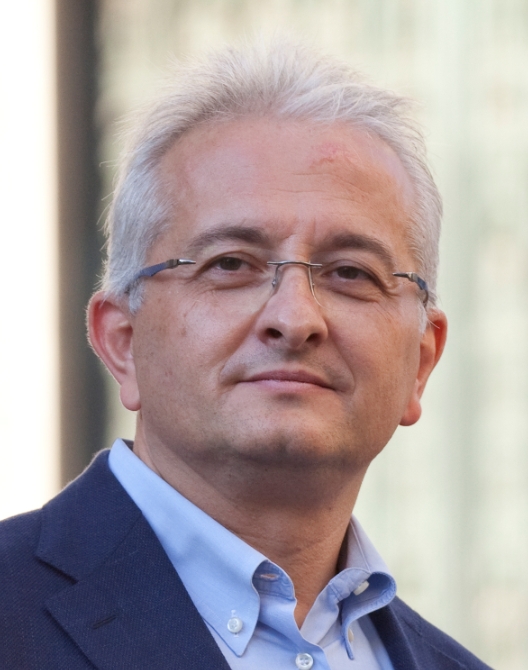 A M Vannucchi合作论文数Hematology Department, University of Florence;Denothe Excellence Center, University of Florence;Specialty School of Hematology, University of Florence7
 Matthew Bashton合作论文数MRC Laboratory of Molecular Biology, Hills Road, Cambridge CB2 2QH, UK7Albert T. Quiery合作论文数6Rachel S Fletcher合作论文数6Jason Coppell合作论文数6Anna L. Godfrey合作论文数6Hui-Min Lin合作论文数6
 Vikas Gupta合作论文数Cancer Clinical Research Unit, Princess Margaret Cancer Centre6
 Brenton G. Mar合作论文数Division of Hematology/Oncology, Children’s Hospital6Joanne Ewing合作论文数6Carla F. Cervantes合作论文数6Norbert Vey合作论文数5Mindaugas Jurgutis合作论文数5




