Maternal care in commercial chickens can partially be replaced with dark brooders that offer heat and a dark area to rest and possibly avoid negative social interactions. Previous research has established the positive effects of dark brooders on reducing disturbance during resting in young pullets and injurious pecking in pullets and laying hens, which could reduce overall activity levels. The objective of this study was to employ precision livestock farming techniques to compare the overall activity levels and behavioural synchrony at resources in pullets reared with dark brooders until 41 days of age and those reared with whole house heating. Four brooder treatments, varying in size (Small/Large) and deployment method (Raised/Fixed), which could have implications for commercial use, were employed. Activity of the whole pen floor area and behavioural synchrony in drinker and feeder areas were automatically assessed over a 12-hour photoperiod at 10 and 60 days of age. Pixel change detection gauged overall activity across the pen, while an object detection model evaluated pullet behavioural synchrony. The analysis revealed increased activity levels in non-Brooder pullets compared to those in most Brooder treatments at both 10 and 60 days of age. However, no significant differences in behavioural synchrony were observed between Brooder and non-Brooder pullets. The underlying mechanism of dark brooder’s effects on the activity levels and behaviour synchrony remains unclear, but the observed reduction in activity levels in brooded pullets likely corresponds to increased resting behaviour and reduced injurious pecking. Furthermore, it is noteworthy that only a small percentage of pullets (up to 57.14%) were observed to use the resources simultaneously. This underscores the importance of conducting additional research to delve into the effects of resource allocation on both behavioural synchrony and activity levels in pullets. We observed minimal differences in the behaviour of pullets raised under different brooder types, suggesting that the simplest (Small-Fixed) brooders may be suitable for commercial use.
The SARS-CoV-2 virus is primarily transmitted through virus-laden fluid particles ejected from the mouth of infected people. Face covers can mitigate the risk of virus transmission but their outward effectiveness is not fully ascertained. Objective: by using a background oriented schlieren technique, we aim to investigate the air flow ejected by a person while quietly and heavily breathing, while coughing, and with different face covers. Results: we found that all face covers without an outlet valve reduce the front flow through by at least 63% and perhaps as high as 86% if the unfiltered cough jet distance was resolved to the anticipated maximum distance of 2-3 m. However, surgical and handmade masks, and face shields, generate significant leakage jets that may present major hazards. Conclusions: the effectiveness of the masks should mostly be considered based on the generation of secondary jets rather than on the ability to mitigate the front throughflow.
Aims Point-of-care viscoelastic tests such as rotational thrombelastometry (ROTEM) and thromboelastography (TEG) give rapid information on the kinetics of clot formation, clot strength and fibrinolysis. We developed a ROTEM algorithm for the management of trauma patients at risk of massive haemorrhage using either 5 or 10 minute EXTEM and FIBTEM ROTEM thresholds. Study aims were (a) to compare time to results for ROTEM testing versus laboratory conventional coagulation testing (CCT) and (b) to compare incidence of Trauma-induced coagulopathy (TIC) for our 5 and 10 minute ROTEM algorithms versus both the CCT-based European guideline algorithm and the ROTEM-based iTACTIC study algorithm, in both MT and non-MT patients. Methods Single centre, prospective, observational Emergency Department based study. All trauma patients who underwent ROTEM testing were included. Data was collected from the ROTEM Sigma machine and hospital Electronic Patient Records and analysed. Results Between April 2016 and May 2019, 57 trauma patients were enrolled. Mean age was 47.4 years (SD 19.4) and 44 patients (77.2%) were male. Eleven patients (19.3%) required massive transfusion (MT), 5 patients died in ED (8.8%) and overall in-hospital mortality was 22.8% (n = 13). Median time from admission to CCT result was 83 minutes (IQR 60–93) compared to 51 minutes (IQR 32-93; p = 0.0006) for ROTEM A5 results. This time difference was present for both MT and non-MT patients. Trauma-induced coagulopathy (TIC) was identified in 14 (24.5%) patients using CCT compared to 22 (38.5%) using ROTEM (p = 0.11 ns). Conclusion Our ROTEM Sigma based algorithm enables a coagulation result to be obtained faster than laboratory CCT and could lead to earlier clinical intervention.
GaN (Gallium-Nitride) devices continue to advance in market acceptance for 5G, radar, and power electronics due to their high-power handling capability and linearity. GaN technology outperforms other RF technologies because it can simultaneously offer the highest power, gain, and efficiency combination at a given frequency. We will review market trends, technology and challenges in using these devices. In 2018, two new physics-based GaN models were accepted as industry standard amid a backdrop of other models. To address the growing need for accurate RF GaN models, new model parameter extraction flows are presented within the IC-CAP software framework, leveraging DC-IV, capacitance and S-parameter data.
Sensing for equipment location and mapping in explosion risk zones such as underground coal mines is a difficult proposition due to the regulatory requirement for certified protective enclosures to safely house the required complex electrical equipment. This paper provides a case study for the process involved in creating and implementing an optical-grade enclosure for use in these environments. The result of this process has been the creation of ExScan®, a 3D laser mapping system that is providing step-change capability for remote operations and automation in the underground coal mining industry.
Background: Flexible endoscopes have been well established for diagnostic and therapeutic interventions in critically ill patients. The purpose of this study was to compare the utility between the novel aScope 4 Broncho and the standard bronchoscope in a non-interventional study. Methods: In a prospective multicentre study, we evaluated the aScope 4 Broncho for different clinical indications involving an endoscopy procedure. We compared the acceptability of and preference for the novel Ambu (R) aScope (TM) 4 Broncho (Ambu (R) A/S, Ballerup, Denmark) with that of the customary flexible endoscope (reusable or single-use) normally used at each of the study centres. Results: A total of 176 aScope 4 Broncho-aided interventions were evaluated, and the primary finding of the study was that the aScope 4 Broncho was preferred over customary devices for both diagnostic/therapeutic bronchoscopy (58% preference, P < 0.001), awake intubation with a flexible endoscope (65% preference, P = 0.0026), and pooled data (59%, P < 0.001). Conclusion: Possible reasons for the higher acceptability of and preference for the aScope 4 Broncho are the manoeuvrability of the scope and the optimised visualisation during tracheal intubation or of the bronchial system. Because of these benefits, any encountered risks may be reduced in patients undergoing bronchoscopic procedures, including in critically ill and presurgical/medical patients. (C) 2020 Elsevier Ltd. All rights reserved.
We present the first speech-based advanced driver assistance prototype. It is based on our previously proposed on-demand communication concept for the interaction between the driver and his or her vehicle. Using this concept, drivers can flexibly activate the system via speech whenever they want to receive assistance. We could show via driver simulator studies that an instantiation of this concept as an intersection assistant, supporting the driver in turning left, was well received by drivers and preferred to an alternative, vision-based system. In this paper, we present a prototype implementation and give details on how we adapted it to the intricacy of urban traffic as well as to the shortcomings of current sensor technology in establishing an adequate environment perception. The accompanying video gives an impression of the interaction between the driver and the system when cooperatively turning left from a subordinate road into crossing traffic.
Patients sleep poorly in ICU owing to multiple factors, including excessive noise. Many sources of disturbance, such as alarms and communication between staff, cannot be modified. Earplugs have been trialled and may offer some benefit; however, newer technologies such as active noise cancelling headphones with white noise masking (ANCH) have never been trialled in critical care patients. In this study, we aimed to assess the impact of ANCH on the sleep of critical care patients, whilst assessing tolerability of equipment, and reliability of actigraphy bands. All critical care patients on the general ICU and HDU were screened daily for eligibility. Patients were excluded if they were receiving invasive or noninvasive ventilation, were delirious, were an infection risk, were expected to be discharged before study completion, did not have capacity to give consent, or refused consent. Patients were enrolled for two nights, spending one night wearing the headphones (intervention night), and one night receiving standard care (control night). Patients were randomised into group A or B, which determined the order of intervention night vs control night, to control for confounders. Primary outcome was the change in perceived sleep quality, measured by the Richards–Campbell Sleep Questionnaire, which is validated for use in ICU patients. Other data was collected using an actigraphy band (Xiaomi MiBand 2) worn by each participant, and a researcher composed a questionnaire capturing patient experience. Fourteen critical care patients in the Royal Infirmary of Edinburgh completed this randomised crossover trial within the first 5 weeks of recruitment. The mean difference in RCSQ score between intervention and control night was 5.7 (95% confidence interval [CI], –14.9–26.3). Although the mean difference suggested improved sleep, this finding was not statistically significant, with CIs overlapping 0, and P-value of 0.55. Data from the actigraphy bands was unreliable and often failed to collect any data. Overall, 76% of participants reported that caregiving activities disturbed their sleep, whereas as only 21% of participants reported that noise disturbed sleep. Active noise cancelling headphones with white noise masking did not improve all patients' sleep in critical care. Adequate noise attenuation may not be enough to improve sleep if other factors, such as pain and caregiving activities, are more disruptive. However some patients may benefit from this simple intervention.
Patient transfer is an important part of many patients' journeys through the healthcare system. In the UK, the majority of transfers are undertaken by land ambulance but some are by air utilizing helicopters or fixed wing aircraft. The transfer of patients is challenging often involving unstable critically ill patients, trainee staff, time pressure, out of hours work and unfamiliar transfer equipment. Patients are exposed to a number of physical factors including acceleration and deceleration, decreased barometric pressure, noise, vibration, reduced humidity and altered ambient temperatures. These factors have a significant effect on patient physiology and it is important that clinicians understand these effects and integrate them with planning and decision making. Other challenges include staff fatigue, communication difficulties, the effects of transfer on medical equipment and the hazards of caring for patients in confined spaces for prolonged periods of time.
Prognostication after resuscitation from out-of-hospital cardiac arrest (OOHCA) remains a challenging aspect of intensive care medicine. Early prognostication would be invaluable, avoiding futile treatment in those with no chance of good recovery and providing relatives with prognostic clarity.1 The optic nerve sheath diameter (ONSD), measured on brain computed tomography (CT), shows promising potential for the early detection of raised intracranial pressure, and thus, poor outcome, in comatose survivors of cardiac arrest. We performed a single-centre retrospective cohort analysis to investigate this relationship further. It has been shown that a strong correlation between the ONSD and the globe transverse diameter (GTD) exists, with the GTD possibly having a degree of variation between individuals.2 This study is the first to investigate the relationship between an indexed ONSD (for GTD) and outcome in OOHCA patients. This study included all patients admitted to the ICU with a diagnosis of OOHCA and receiving a CT scan as part of management. Data were collected from 257 eligible patients from 2013 to 2017 according to Utstein 2014 recommendations.3 The ONSD was bilaterally measured and averaged to yield the mean value. The GTD was measured and averaged to yield a mean value. The indexed ONSD was calculated [(ONSD/GTD)×100]. A Student’s t-test was performed to assess whether there was a significant difference between the ONSDs of those with a good outcome (discharge to home or normal residency) and those with a poor outcome (in-hospital mortality or discharge to institutional care). This was repeated for the indexed ONSDs. Ninety-one patients experienced good outcome; 166 patients experienced poor outcome. The mean (standard deviation) ONSD was 6.57 mm (0.69) in the good-outcome group vs 6.89 mm (0.83) in the poor-outcome group (P=0.001). The mean difference was 0.32; 95% confidence interval (0.12–0.52). The indexed ONSD was 25.07 mm (2.83) in the good-outcome group vs 26.28 mm (3.06) in the poor-outcome group (P=0.002). The mean difference was 1.21; 95% confidence interval (0.44–1.98). The ONSD on brain CT was associated with outcome after OOHCA. Significant differences were found between the good- and poor-outcome groups for both non-indexed and indexed ONSDs. 1.Sandroni C, Cavallaro F, Callaway CW, et al. Resuscitation 2013; 84: 1310–232.Bekerman I, Gottlieb P, Vaiman M. J Ophthalmol 2014; 2014: 5036453.Perkins GD, Jacobs IG, Nadkarni VM, et al. Circulation 2015; 132: 1286–300
Previously, we have presented a speech-based intersection assistant prototype. The system is activated on-demand by the driver and gives afterwards, via speech, information on suitable gaps between the traffic vehicles approaching from the right. It is comparable to a front seat passenger which helps in the maneuver decision for an intended turn left. This system has assumed a more or less constant flow of the traffic. To also handle situations of more dynamic urban traffic, including vehicles that may be slowing down or stopping, we have now extended our previous approach by a dynamic vehicle model. This model predicts the future traffic vehicle state based on second order vehicle dynamics. We perform an in depth analysis of our system on a set of recordings under various traffic conditions. In this analysis we compare in particular the previous and the novel vehicle model. Both approaches lead to a correct recommendation in approximately 90% of the cases. Unexpectedly, the dynamic model does not lead to significant improvements in the system behavior, despite its increased accuracy.
We have recently proposed a speech-based ondemand intersection assistant which helps the driver to handle urban intersections by informing him of the traffic situation on the right hand side and recommending suitable gaps in traffic. In a previous user study, conducted in a simulator, we could show that the system is in general well accepted and preferred by drivers compared to driving without assistance or with only visual support. In this paper, we report on an implementation of this system and its evaluation in real urban traffic. We use LIDAR sensors for the perception of the traffic environment. A scene analyzer estimates the gaps between the vehicles in real time. The result of this analysis is provided to a dialog manager, which uses it to inform the driver of approaching vehicles and suitable gaps. While approaching the intersection, the driver can activate the system via a wake-up-word and control it with subsequent speech commands. The design of the data analyzer and dialog manager is based on evaluations at real intersections. The resulting system can provide suitable support to the driver in a wide range of traffic situations.
We have recently proposed a speech-based on-demand intersection assistant which helps the driver to handle urban intersections by informing him of the traffic situation on the right hand side and recommending suitable gaps in traffic. In a previous user study, conducted in a simulator, we could show that the system is in general well accepted and preferred by drivers compared to driving without assistance or with only visual support. In this paper, we report on an implementation of this system and its evaluation in real urban traffic. We use LIDAR sensors for the perception of the traffic environment. A scene analyzer estimates the gaps between the vehicles in real time. The result of this analysis is provided to a dialog manager, which uses it to inform the driver of approaching vehicles and suitable gaps. While approaching the intersection, the driver can activate the system via a wake-up-word and control it with subsequent speech commands. The design of the data analyzer and dialog manager is based on evaluations at real intersections. The resulting system can provide suitable support to the driver in a wide range of traffic situations.
Currently, the only mass-market service robots are floor cleaners and lawn mowers. Although available for more than 20 years, they mostly lack intelligent functions from modern robot research. In particular, the obstacle detection and avoidance is typically a simple physical collision detection. In this work, we discuss a prototype autonomous lawn mower with camera-based non-contact obstacle avoidance. We devised a low-cost compact module consisting of color cameras and an ARM-based processing board, which can be added to an autonomous lawn mower with minimal effort. For testing our system, we conducted a field test with 20 prototype units distributed in eight European countries with a total mowing time of 3,494 hours. The results show that our proposed system is able to work without expert interaction for a full season and strongly reduces collision events while still keeping the good mowing performance. Furthermore, a questionnaire with the testers revealed that most people would favor the camera-based mower over a non-camera-based mower.
In this paper we present our recently introduced “assistance on demand (AOD)” concept, which allows the driver to request assistance via speech whenever he or she deems it appropriate. The target scenario we currently investigate is turning left from a subordinate road in dense urban traffic. We first compare our system in a driving simulator study to driving without assistance or with visual assistance. The results show that drivers clearly prefer our speech-based AOD approach. Next we investigate differences between drivers in the left-turn behaviour. The results of this driving simulator study show that there are large inter-individual differences. Based on these results we performed another driving simulator study where participants compared manual driving to driving with a default and a personalized AOD system. The results of this study show that the personalization very notably improves the acceptance of the system. Given the choice between driving with any of the AOD variants and manual driving, 87.5% of the participants preferred driving with the AOD. Finally, we present first steps towards the implementation of the AOD system into a prototype car.
This paper explores the ongoing development and implementation of longwall automation technology to achieve greater levels of underground coal mining performance. The primary driver behind the research and development effort is to increase the safety, productivity and efficiency of longwall mining operations to enhance the underlying mining business. A brief review of major longwall automation challenges is given followed by a review of the insights and benefits associated with the LASC longwall shearer automation solution. Areas of technical challenge in sensing, decision support, autonomy and human interaction are then highlighted, with specific attention given to remote operating centres, proximity detection and systems-level architectures in order to motivate further automation system development. The vision for a fully integrated coal mining ecosystem is discussed with the goal of delivering a high-performance, zero-exposure and environmentally coherent mining operations.
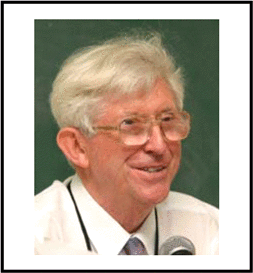 John Billingsley合作论文数12
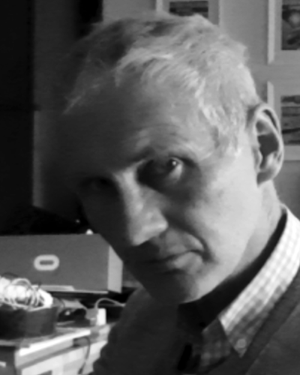 David Reid合作论文数8
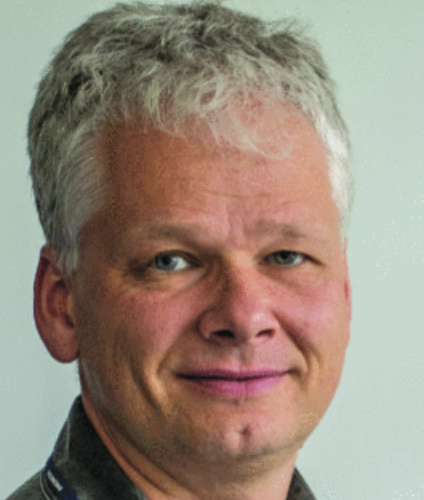 Christian Goerick合作论文数The Honda Research Institute Europe GmbH8
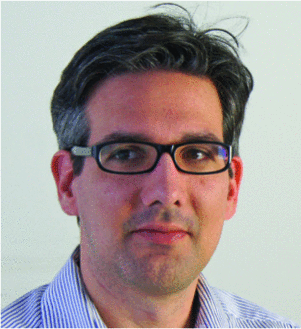 Bram Bolder合作论文数Honda Research Institute7
 Jonathon C. Ralston合作论文数Signal Process. Res. Centre, Queensland Univ. of Technol.7
 Martin Heckmann合作论文数Honda Research Institute6
 Dennis Orth合作论文数Ruhr-University Bochum5
 Dorothea Kolossa合作论文数Ruhr University5
 Nico Steinhardt合作论文数4
 Peter B Reid合作论文数CSIRO4
 McKeown Dermot W合作论文数Edinburgh Royal Infirmary, St George's Hospital and Medical School4
 Michael Gienger合作论文数Honda Research Institute Europe (GmBH)4
 Tobias Rodemann合作论文数Honda Research Institute Europe GmbH4
 Herbert Janssen合作论文数4
 H. Wersing合作论文数The Neuroinformatics Group4Inna Mikhailova合作论文数4T Banhazi合作论文数3
 Alasdair Gray合作论文数Royal Infirmary of Edinburgh3
 Matthew James Reed合作论文数Usher Institute of Population Health Sciences and Informatics, University of Edinburgh3
 Dave White合作论文数University of Southampton;University of Western Australia3Hisashi Sugiura合作论文数3
 Lisa Dalton合作论文数3Kerry W. Withers合作论文数3Dehong Zhang合作论文数3
 Edi Albert合作论文数3Philip G. Hill合作论文数3
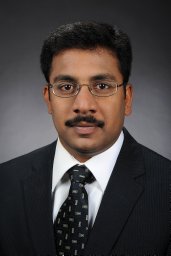 Pavana Vennapusa合作论文数Dept Civil Construct & Environm Engn, Iowa State Univ3a banhazi合作论文数2WELCH ALAN B合作论文数2ahmad abuhawash合作论文数2peter j becker合作论文数2
 Frank Joublin合作论文数Honda Research Institute Europe2richard ancimer合作论文数2ruediger feldmann合作论文数2S. C. Wilkinson合作论文数2
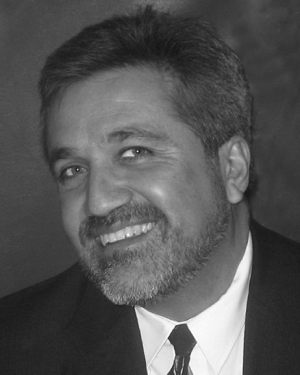 Francisco P. Romero合作论文数2
 cheryl mccarthy合作论文数Ctr Agr Engn, Univ Southern Queensland2Holger Brandl合作论文数2Williams F M合作论文数2
 Deike Hesse合作论文数2
 Judy Spencer合作论文数2Aust G A合作论文数2Moore C A合作论文数2David Bell合作论文数2
 David Johnson合作论文数University Centre for Social and Urban Research;University of Pittsburgh;University Centre for Social and Urban Research, University of Pittsburgh2
 Martin Klingenspor合作论文数School of Life Sciences, Technische Universitat Munchen2
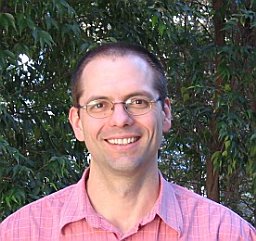 Chad O. Hargrave合作论文数Mining Automation, CSIRO Exploration and Mining2Peter G. Blain合作论文数Department of Environmental and Occupational Medicine, University of Newcastle upon Tyne2
 Louise K. Comfort合作论文数School of Public & International Affairs, University of Pittsburgh;Department of Civil and Environmental Engineering, University of California, Berkeley2




