Abstract This work examines how elevated temperature affects interphase stability and calendar aging in silicon (Si)-based lithium (Li)-ion batteries (Si-LIBs) using a LiNi0.6Mn0.2Co0.2O2 cathode and an electrolyte without fluorine ethylene carbonate. Cells stored for 180 days at 25−47.5 °C show stable impedance, good capacity retention, and robust inorganic-rich interphases that preserve cathode structure. At 55 °C, however, rapid impedance rise and severe capacity loss occur within 90 days due to particle cracking, lithium depletion, and transition-metal migration. These findings show that controlling storage temperature and optimizing electrolyte chemistry are essential strategies to extend the calendar life of Si-LIBs.
Fast-charging lithium (Li)-ion batteries (LIBs) require electrolyte systems that simultaneously enable rapid Li-ion transport and stabilize the evolving interphases during electrochemical cycling. Here, we design and systematically evaluate four different electrolyte formulations tailored for next-generation LIBs employing a disordered rock salt (DRX) cathode and graphite (Gr) anode. Compared with the state-of-the-art carbonate-based electrolyte, the developed electrolytes deliver higher capacities and improved cycling stability at both moderate and elevated charge rates as well as better fast charge and discharge rate capabilities. Notably, Gr||DRX full cells with these electrolytes exhibit substantially higher discharge specific capacities than those using the state-of-the-art electrolyte at charge rates up to 8C (7.5 min charging time). This work also establishes clear electrolyte design principles linking solvation structures, ionic transport properties, and interphase evolutions with fast-charging performance, offering a viable pathway toward next-generation fast-charging LIBs with DRX cathodes.
Hydrated TiO2 nanocrystals play a central role in photocatalysis and biomass conversion; however, the molecular-level structure of water on anatase (101) remains actively debated. Here, we synthesize anatase nanocrystals that expose >90% of the (101) facet with minimal surface contamination, and we combine in situ diffuse reflectance infrared spectroscopy (DRIFTS) with first-principles calculations to establish a consistent thermodynamic and vibrational picture of adsorbed water up to 1.0 monolayer. Density functional theory is used to compute the adsorption energetics, harmonic and anharmonic vibrational spectra, and the free-energy phase diagram. The calculations show that the stoichiometric (101) surface favors a full monolayer of molecularly adsorbed H2O at temperatures (298-355 K), with dissociated hydroxyls becoming favorable only at elevated temperatures and pressures. Projection analyses of the computed normal modes enable rigorous assignment of the nu(OH) region and clarify long-standing ambiguities in peak interpretation. Comparison with DRIFTS spectra reveals that a commonly reported feature near 3640 cm(-1) corresponds to a red-shifted terminal OH group rather than to a water symmetric stretch. The integrated thermodynamic and spectroscopic analysis provides a refined framework for identifying molecular and dissociated water on anatase TiO2(101) and establishes reference points for interpreting water-mediated surface chemistry in oxide-catalyzed transformations.
Hematite photoanodes are promising for the oxygen evolution reaction, however, their high overpotential (0.5-0.6 V) for water oxidation and limited photocurrent make them economically unviable at present. The work needed to orient dipoles at an electrode surface may be an overlooked contribution to the overpotential, especially regarding dipoles of water, the electron source in the oxygen evolution reaction (OER). Here, we employ second harmonic amplitude and phase measurements to quantify the number of net-aligned Stern layer water molecules and the work associated with water flipping, on hematite, an earth abundant OER semiconductor associated with a high overpotential. At zero applied bias, the pH-dependent potentials for Stern layer water molecule flipping exhibit Nernstian behavior. At positive applied potentials and pH 13, approximately one to two monolayers of water molecules points the oxygen atoms towards the electrode, favorable for the OER. The work associated with water flipping matches the cohesive energy of liquid water (44 kJ mol-1) and the OER current density is highest. This current is negligible at pH 5, where the work approaches 100 kJ mol-1. Our findings suggest a causal relationship between the need for Stern layer water flipping and the OER overpotential, which may lead to developing strategies for decreasing the latter.
Multiferroic materials host both ferroelectricity and magnetism, offering potential for magnetic memory and spin transistor applications. Here, we report a multiferroic chalcogenide semiconductor Cu 1−x Mn 1+y SiTe 3 (0.04 ≤ x ≤ 0.26; 0.03 ≤ y ≤ 0.15), which crystallizes in a polar monoclinic structure ( Pm space group). It exhibits a canted antiferromagnetic state below 35 kelvin, with magnetic hysteresis and remanent magnetization under 15 kelvin. We demonstrate multiferroicity and strong magnetoelectric coupling through magnetodielectric and magnetocurrent measurements. At 10 kelvin, the magnetically induced electric polarization reaches ~0.8 microcoulombs per square centimeter, comparable to the highest value in oxide multiferroics. We also observe possible room-temperature ferroelectricity. Given that multiferroicity is very rare among transition metal chalcogenides, our finding sets up a unique materials platform for designing multiferroic chalcogenides.
Supported Pt catalysts are widely used industrially for elimination of harmful volatile compounds, with applications such as H2-SCR (selective catalytic reduction), CO oxidation, NO oxidation, ammonia oxidation (AMOX) as well as unsaturated hydrocarbon hydrogenation for pharmaceutical and organic chemistry. Typical catalysts use high loadings of PGM (typically ~2-5 wt%) to achieve high activity. However, decreasing PGM loading to 1 wt% and below, while maintaining high activity and stability, is needed since the materials with lower loadings of Pt are known to be inferior catalysts. We show that at low Pt loadings the size of particles is small, and they are fully oxidized, which inhibits their activity and stability. We further show that we can circumvent this bottleneck and maximize the activity and stability of Pt catalysts via a simple high-temperature thermal pre-treatment that unexpectedly yields 3D metallic Pt particles that are stable and active. The corresponding catalytic activity of these catalysts with the maximized number of active surface sites, consisting of oxidation-resistant metallic Pt surfaces, rivals the formulations with significantly higher Pt amounts (~6 times) for multiple industrially relevant reactions (H2-SCR, CO oxidation, NO oxidation, AMOX, unsaturated hydrocarbon hydrogenation). Using catalytic measurements, microscopy, and spectroscopy, we provide the atomic level insight into the active ensembles of these catalysts and a general strategy maximize the activity of platinum.
Ceria nanoparticles supported on alumina are widely used in various catalytic reactions, particularly in conjunction with platinum group metals (PGMs)1-9. Here we found that treating these catalysts at temperatures between 750 and about 1,000 °C in the presence of CO and NO in steam (reactive treatment under reducing atmosphere) leads to the dispersion of ceria nanoparticles into high-density 2D (roughly one atomic layer thin) CexOy domains, as confirmed by microscopy, X-ray photoelectron spectroscopy (XPS), X-ray absorption spectroscopy (XAS), infrared spectroscopy and density functional theory (DFT) calculations. These domains, which densely cover the alumina, exhibit substantially enhanced oxygen mobility and storage capacity, facilitating easier extraction of oxygen and the formation of Ce3+ sites and oxygen vacancies. As a result, these catalysts-whether with or without PGMs, such as Rh and Pt-show improved activity for several industrially important catalytic reactions, including NO and N2O reduction, as well as CO and NO oxidation, even after exposure to harsh ageing conditions. This study shows a catalyst architecture with superior redox properties under conditions that typically cause sintering, offering a pathway to more efficient metal-ceria catalysts for enhanced general catalysis.
This study examines a wide range of hybrid ion exchange (IX) resins that simultaneously remove multiple contaminants from groundwater via anion exchange and an additional mechanism, such as chemical reduction or adsorption. Hybrid resins aim to overcome pump-and-treat operational limitations when using singlecontaminant selective IX resins. Performance of hybrid and weak base hybrid IX resins for removing contaminants, including uranium (U as uranyl carbonates UO2(CO3)x2-2x), technetium-99 (as TcO4- ), and hexavalent chromium (Cr(VI) as CrO42-), as well as incidental removal of iodine-129 (as IO3- ), is compared to the performance of strong base anion exchange resins used to treat these contaminants individually. Batch and column tests were performed using ultrapure water and/or a simulated groundwater solution representative of the U.S. Department of Energy's Hanford Site. Several strong base and hybrid candidate resins could remove TcO4- . The weak base hybrid resin SIR-700 in its sulfate form performed the best for both Cr(VI) and U removal, yet demonstrated poor TcO4- removal. Removal of IO3- by anion exchange resins is typically not efficient. In this study, few hybrid resins demonstrated improved IO3- uptake compared to their parent resins because it was outcompeted by other more abundant anions. While the SBG1-Ce resin removed the most IO3- from simulated Hanford groundwater in the presence of all four contaminants, the cerium hybrid resin SIR-110-MP-Ce removed both TcO4- and the secondmost IO3- of the resins evaluated in column tests. IO3- in the presence of the other contaminants and natural groundwater anions, like sulfate, is not competitive for removal by ion exchange. Removal of IO3- is proposed to occur via adsorption as an inner- or outer-sphere complex to the hybrid metal phase. Optimizing access to these phases and increasing hybrid metal loading are expected to improve incidental IO3- removal.
Hematite's common (001) and (012) facets are frequently used in model studies of lead (Pb) adsorption behavior, but there is a lack of research on the high-energy facets, e.g., (104), present in nature. Also, few studies have attempted to connect the molecular details of facet-specific Pb adsorption to the macroscopic uptake behavior. To address these knowledge gaps, we investigated Pb(II) adsorption behaviors on facet-engineered hematite nanoparticles dominated by (001), (104), and (116). Adsorption experiments revealed significant variations in Pb(II) uptake among the three samples, with (001) demonstrating the highest capacity and (116) showing the best adsorption efficiency when normalized to the specific surface area. Adsorption kinetics followed the pseudo-second-order model, indicating that the adsorption process is governed mostly by chemisorption. Adsorption isotherms were well fitted by the Langmuir model, indicating that uptake proceeds until roughly monolayer adsorption. Detailed characterization revealed Pb(II) was adsorbed as single atoms with complex inner-sphere binding modes that varied across different facets, indicating that adsorption is both structurally and energetically facet-dependent. Coadsorption experiments further demonstrated Cu2+, Zn2+, and humic acid significantly promoted Pb(II) adsorption. This study advances the understanding of hematite surface reactivity in controlling macroscopic wet adsorption behaviors, providing valuable insights into the environmental fate of Pb(II).
Nanoscale iron oxides (e.g., hematite (α-Fe2O3)) have unique properties, such as enhanced chemical reactivity and high surface area, when compared with their bulk counterparts. These nanoscale surfaces can be more reactive due to the presence of defects (e.g., oxygen vacancies). In this work, we probed the surface chemistry of bulk and nanoscale hematite via X-ray photoelectron spectroscopy, electron microscopy, and powder X-ray diffraction. Oxygen exposure and vacuum annealing experiments were conducted to add or remove oxygen vacancies and remove adventitious carbon. In the absence of the oxygen annealing step, vacuum annealing resulted in partial reduction of Fe(III) to Fe(II) on all hematite surfaces. This is a size-dependent effect, with the extent of reduction increasing as the crystallite size decreases. In addition, the atomic concentrations of carbon increased on all iron oxide surfaces after vacuum annealing. Oxygen annealing almost completely removed carbon from sample surfaces, and no Fe(III) reduction was observed in the absence of carbon. Under these conditions, the results reveal that carbonaceous material enhances oxygen vacancy formation, which then facilitates the reduction of Fe(III) on hematite surfaces. We provide new insights into the mechanisms of Fe(III) reduction on both bulk and nanoscale hematite surfaces and establish the major role of carbon in oxygen vacancy formation.
Silicon (Si) is a promising anode for the next generation of lithium-ion batteries, but its large volume changes (similar to 300 %) during cycling hindered its practical applications. One method to improve its stability is to etch micron sized Si/SiO2 particles to form porous Si (p-Si) and accommodate volume changes internally. However, the conventional HF etching method generates excess gas/heat and is difficult to scale up. Herein, we developed an organic-solvent-assisted HF etching process (O-HF) using a mixture of benzene and saturated HF aqueous solution. The organic solvent can be preferentially absorbed on the surface of Si/SiO2 powder so etching rate of SiO2 can be controlled to avoid rapid gas/heat generation. This method can also prevent over-etching of Si by minimizing direct contact/react between water and newly exposed Si. Si||NMC622 cells using carbon coated p-Si particles prepared by optimized O-HF etching process demonstrate a capacity retention of 82.0 % after 500 cycles, which is much better than those prepared by conventional HF etching (73.7 %). The thickness of Si anode increases only similar to 10 % during the initial lithiation, which is comparable with those of graphite anode. The O-HF etching strategy developed in this work can also be applied to the etching of a broad range of materials.
In this paper, we report on the synthesis, characterization, and use of ruthenium oxide (RuO2) doped with a secondary metal (M2) (i.e., RuM2) to enhance electrocatalytic activity and stability for the electrocatalytic oxidation (ECO) of biomass-derived wastewaters. We used different electrochemical methods such as cyclic voltammetry (CV), electrochemical active surface area (ECSA), and activity analysis (analogous to the Tafel analysis) as well as physical characterization such as grazing incidence X-ray diffraction, X-ray photoelectron spectroscopy, and scanning electron microscopy to understand how the addition of M2 affects electrocatalytic performance. Since the electrode surface can restructure once the RuM2 anodes are exposed to reaction conditions, the physical properties of the fresh RuM2s might not accurately represent the anode surface under reaction conditions. Therefore, we characterized the RuM2 using our proposed in situ electrocatalytic benchmarking protocol. We observed an increase in ECSA, which may be attributed to enhanced charge transfer for the pH ranges evaluated. Furthermore, the presence of organic (and inorganic) compounds in wastewater generated during the hydrothermal liquefaction (HTL-WW) of food waste impacted the ECO performance in varied ways, depending on M2, the electrolyte composition, and anodic half-cell potential, thereby highlighting the importance of characterizing the RuM2s under realistic reaction regimes. The in situ electrocatalytic benchmarking protocol can quickly assess if the presence of M2 improves the ECO performance, thus saving time and resources compared to excessive ex situ physical characterization, testing, and product analysis. This foundational work provides the basis for characterization and benchmarking of electrodes for the ECO of organic compounds.
Multiferroic materials host both ferroelectricity and magnetism, offering potential for magnetic memory and spin transistor applications. Here, we report a multiferroic chalcogenide semiconductor Cu1-xMn1+ySiTe3 (0.04 ≤ x ≤ 0.26; 0.03 ≤ y ≤ 0.15), which crystallizes in a polar monoclinic structure (Pm space group). It exhibits a canted antiferromagnetic state below 35 kelvin, with magnetic hysteresis and remanent magnetization under 15 kelvin. We demonstrate multiferroicity and strong magnetoelectric coupling through magnetodielectric and magnetocurrent measurements. At 10 kelvin, the magnetically induced electric polarization reaches ~0.8 microcoulombs per square centimeter, comparable to the highest value in oxide multiferroics. We also observe possible room-temperature ferroelectricity. Given that multiferroicity is very rare among transition metal chalcogenides, our finding sets up a unique materials platform for designing multiferroic chalcogenides.
Mineral-organic matter (OM) studies have predominantly focused on acidic soils that are abundant in iron (Fe) oxides and aluminum (Al) oxides. We have probed mineral-OM interactions in an alkaline or calcareous soil of the Aridisols class. Unlike the role of Fe and Al, the role of Ca-minerals (particularly calcite), which are ubiquitous in alkaline soils, in OM sequestration is not well understood. Multiple recent model studies with aqueous Ca2+ or synthetic calcite and a suite of OM compounds have shown Ca-OM assemblages to be spatially correlated with calcite at the microscale. To study the chemical state of both Ca and Fe and their competing role in soil organic matter (SOM) stabilization, we performed laboratory characterization using x-ray diffraction, Mossbauer spectroscopy, x-ray photoelectron spectroscopy, scanning electron microscopy, and scanning transmission electron microscopy, alongside synchrotron-based microscale chemical imaging using scanning transmission xray microscopy combined with near-edge x-ray absorption fine structure. Ca mineral-organic associations were found to be ubiquitous in this system and are likely critical for understanding SOM stabilization/degradation in alkaline soils. From our findings on mineralogy, speciation, and the nature of Ca-OM bridging, we identified differences in C and Ca chemistry based on the relative location of OM to Ca minerals. The OM near the calcite crystal was enriched in lipid and protein moieties, Ca-OM next to Fe minerals displayed a strong contribution from aromatic compounds, while on the surface of microbes, the carbonate was believed to be of microbial in origin, as also suggested by preliminary works reporting on the formation of amorphous calcite or nano-calcite. In Ca-OM admixed with carbonate, it was difficult to distinguish Ca-associated OM from amorphous calcite or nano-calcite.
The transition towards green energy requires both carbon dioxide removal and consistent supplies of energy-critical minerals. Injection and mineralization of supercritical CO2 at active mafic and ultramafic-hosted mines provides a potential avenue to achieve both, through the stable geologic storage of carbon and subsequent mobilization of critical metals. A sample from the Eagle occurrence, an ultramafic-hosted sulfide deposit in Michigan, USA that is the only active Ni mine in the United States, was characterized both before and after reaction with supercritical CO2 at elevated pressure and temperature. We present the changes in mineralogy, feature relocation, and potential for carbon mineralization and critical mineral recovery based on the comparison of pre- and post-reaction datasets. Herein, we present evidence of dissolution-precipitation reactions leading to carbon mineralization and critical mineral mobilization driven by water-saturated supercritical CO2 fluids, including the formation of aragonite and dissolution-reprecipitation of Ni phases Collectively, these results will improve fate and transport models for carbon storage in ultramafic rocks, increase understanding of new unconventional sources for critical minerals, and provide a foundation for future studies on CO2 enhanced mineral recovery (CO2-EMR).
The formation of pyrite is a critical process in sedimentary environments, central to the global iron and sulfur cycles and redox-sensitive biogeochemical processes. Yet the pathways and mechanisms driving pyrite formation, particularly the roles of metastable iron sulfide (FeSx) phases and polysulfides (Sn2-), remain poorly understood under natural conditions. Here we provide the first direct evidence for polysulfide-mediated pyrite formation in marine sediments, using Mössbauer spectroscopy and X-ray photoelectron spectroscopy, on cores from Saanich Inlet. We identify two distinct nanoparticulate FeS1+x phases: a mackinawite-like and a greigite-like phase. We find that under highly reducing conditions the greigite-like phase can compete with pyrite as the prevailing Fe-S mineral. Our results also reveal limitations of sequential chemical extractions, particularly in underestimating highly reactive mineral phases. These findings highlight the advantage of high-resolution deterministic spectroscopic tools for the identification of nanoparticulate complexes. While the polysulfide pathway has been widely inferred, direct detection of polysulfides and intermediate FeSx phases in marine sediments has remained elusive. Our study confirms the polysulfide pathway, bridging a long-standing gap between experimental models and environmental observations. These findings refine our understanding of early-diagenetic Fe-S transformations and how sulfide minerals form and persist in Earth’s dynamic sedimentary environment.
Polymer additives [like polyethylene oxide (PEO)] are widely used for smooth electrode deposition in aqueous zinc and many other battery systems. However, the precise mechanism by which they regulate morphology and suppress dendrite formation remains unclear. In this study, the knowledge gap is addressed by using in situ electrochemical atomic force microscopy to directly observe the interfacial evolution during Zn electrodeposition and polymer adsorption on Cu substrates in the presence of varying concentrations of ZnSO4 and PEO. Contrary to previous literature assumptions, which emphasize the binding to the growing Zn crystal surfaces or Zn2+ ions, the results demonstrate that PEO smooths Zn films by promoting nucleation of (002)-oriented Zn platelets through interactions with the Cu substrate. Density functional theory simulations support this finding by showing that PEO adsorption on Cu modifies the interfacial energy of Zn/Cu/electrolyte interfaces, favoring the stabilization of Zn (002) on the Cu substrate, as well as confines Zn electrodeposition to a narrow near-surface region. These findings elucidate a novel design principle for electrode smoothing, emphasizing the importance of substrate selection paired with polymer additives that exhibit an attractive interaction with the substrate but minimal interaction with growing crystals, offering a mechanistic perspective for improved battery performance.
As the energy density of lithium-ion batteries (LIBs) increases, the shortened cycle life and the increased safety hazards of LIBs are drawing increasing concerns. To address such challenges, a series of localized high-concentration electrolytes (LHCEs) based on a solvating-solvent mixture of tetramethylene sulfone and trimethyl phosphate and a high flash-point diluent 1H,1H,5H-octafluoropentyl 1,1,2,2-tetrafluoroethyl ether were designed. The LHCEs exhibited nonflammability and greatly suppressed heat release at elevated temperatures, which would potentially improve the safety performance of the LIBs. Moreover, the optimal LHCE achieved capacity retentions of 87.1% and 81.7% in graphite||LiNi0.8Mn0.1Co0.1O2 cells after 500 cycles at 25 and 45 °C, respectively, which were significantly higher than the conventional electrolyte, whose capacity retentions were only 75.2% and 38.5% under the same conditions. Mechanistic studies revealed that the LHCE not only formed a more robust solid electrolyte interphase but also exhibited improved anodic stability, compared with the conventional electrolyte. This work sheds light on rational electrolyte design for high-energy density LIBs with high battery performance and low safety concerns.
Water electrolysis is a green method of storing electrical energy in the chemical bonds of high-energy hydrogen gas (H2). However, the anodic oxygen evolution reaction (OER) requires a significant kinetic overpotential, limiting the electrolysis rate. Recently, plasmonic gold nanoparticles (Au NPs) have been introduced to improve charge transfer at the interface between the OER electrocatalysts and the electrolyte under light illumination. Despite this, the mechanism by which Au NPs enhance photoassisted electrochemical processes remains poorly understood. To address this, we employed a model system comprising a plasmonic Au electrode and a cobalt (Co)-based electrocatalyst in alkaline electrolytes, studying the plasmon-mediated OER process through (photo)electrochemical and spectroscopic methods. Our findings revealed that a surfactant-free, electrodeposited plasmonic Au electrode could significantly enhance the electrocatalytic performance of Co-based OER electrocatalysts under continuous visible and near-infrared light illumination. Transient photocurrent studies showed that both the photothermal effect and energetic charge carriers contributed to the improved OER performance, with the Au|Co catalyst interface playing a key role in these enhancements. Additionally, electrochemical Raman measurements identified the active phase of the Co-based OER electrocatalyst to be cobalt oxyhydroxide (CoOOH) at oxidizing potentials.
 Chongmin Wang (王崇民)合作论文数Environmental Molecular Sciences Division, Pacific Northwest National Laboratory;Environmental Molecular Sciences Laboratory, Pacific Northwest National Laboratory145
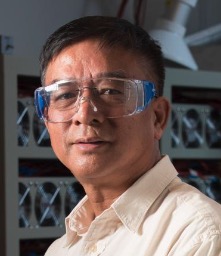 Ji-Guang Zhang合作论文数Pacific Northwest National Laboratory126
 Wu Xu (许武)合作论文数Energy Processes and Materials Division, Pacific Northwest National Laboratory116
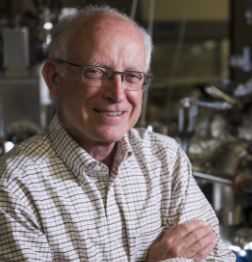 Donald Baer合作论文数Environmental Molecular Sciences Division, Pacific Northwest National Laboratory98
 Jun Liu合作论文数Pacific Northwest National Laboratory;Department of Chemical Engineering, College of Engineering, University of Washington68
 Vaithiyalingam Shutthanandan合作论文数Environmental Molecular Sciences Division, Pacific Northwest National Laboratory;Environmental Molecular Sciences Laboratory59
 Yuehe Lin合作论文数School of Mechanical and Materials Engineering, Washington State University59
 Suntharampillai Thevuthasan合作论文数51
 Libor Kovarik合作论文数Physical Sciences Division, Pacific Northwest National Laboratory48
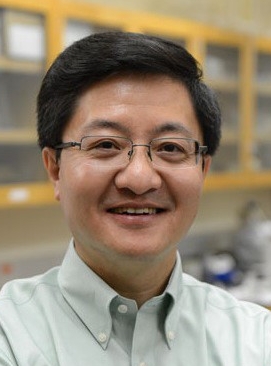 Yong Wang合作论文数Institute for Integrated Catalysis, Pacific Northwest National Laboratory;Gene and Linda Voiland School of Chemical Engineering and Bioengineering, Voiland College of Engineering and Architecture, Washington State University43
 Yuyan Shao合作论文数Pacific Northwest National Laboratory, United States Department of Energy43
 Jie Xiao合作论文数Pacific Northwest National Laboratory;Department of Mechanical Engineering, College of Engineering, University of Washington42
 Mark E. Bowden合作论文数Environmental Molecular Sciences Division, Pacific Northwest National Laboratory41
 Yaobin Xu合作论文数34
 Jianwei Zheng (郑建伟)合作论文数College of Chemistry and Chemical Engineering, Xiamen University33Alan S. Lea合作论文数32
 Annie Du合作论文数College of Pharmacy and Pharmaceutical Sciences, Washington State University32Ponnusamy Nachimuthu合作论文数31Bethany E. Matthews合作论文数Energy & Environm Directorate, Pacific Northwest Natl Lab30
 Xiaolin li合作论文数30Kee Sung Han合作论文数Daegu Center, Korea Basic Science Institute30
 Xiaodi Ren (任晓迪)合作论文数Department of Materials Science and Engineering, University of Science and Technology of China;Hefei National Laboratory for Physical Science at the Microscale, University of Science and Technology of China29
 Laxmikant V. Saraf合作论文数Pacific NW Natl Lab, Richland, WA 99352 USA28Peiyuan Gao合作论文数26
 Chengzhou Zhu (朱成周)合作论文数College of Chemistry, Central China Normal University26
 Xia Cao (曹霞)合作论文数School of Chemistry and Biological Engineering, University of Science and Technology Beijing;Beijing Institute of Nanoenergy and Nanosystems, Chinese Academy of Sciences26
 Zihua Zhu (朱子华)合作论文数Environmental Molecular Sciences Laboratory, Pacific Northwest National Laboratory;Environmental Molecular Sciences Division, Pacific Northwest National Laboratory26
 Donghai Mei (梅东海)合作论文数School of Chemical Engineering and Technology, Tiangong University26
 Kevin Rosso合作论文数Physical Sciences Division for Geochemistry, Pacific Northwest National Laboratory;Center for Understanding Subsurface Signals and Permeability, Pacific Northwest National Laboratory24Lianfeng Zou合作论文数23
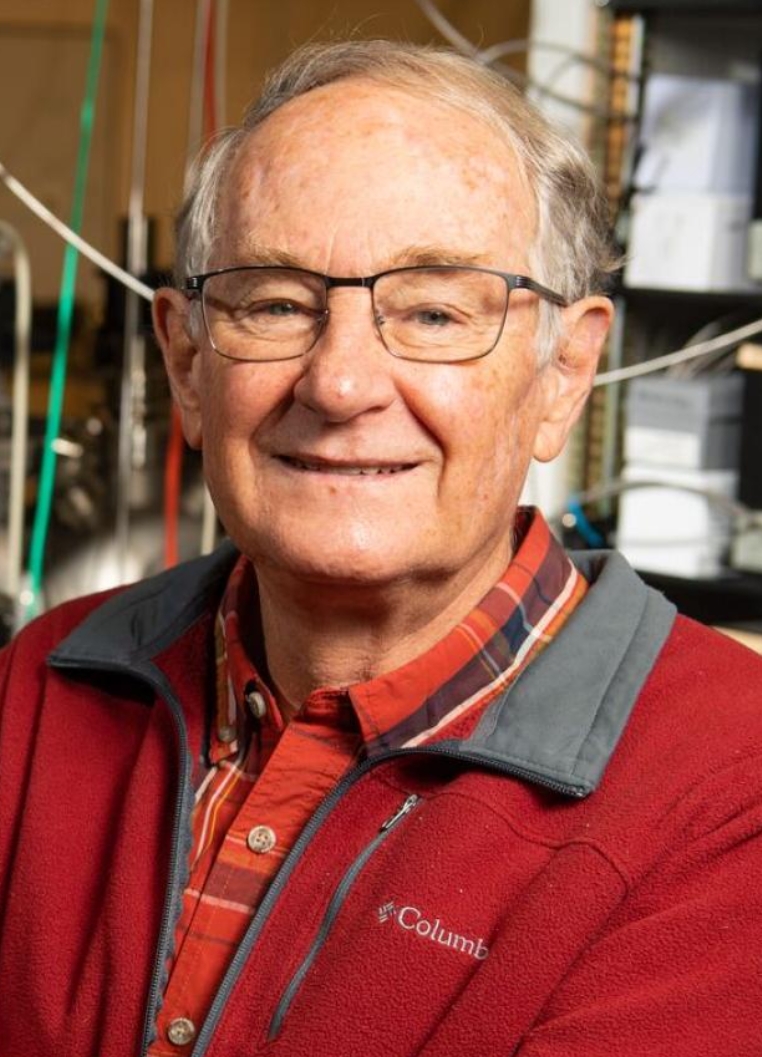 Scott Chambers合作论文数Pacific Northwest National Laboratory23
 Bruce W. Arey合作论文数Pacific Northwest National Laboratory23Eugene S. Ilton合作论文数Pacific Northwest National Laboratory23
 Junhua Song合作论文数Storagenergy Technol Inc22
 Jin Luo合作论文数The Department of Chemistry, State University of New York at Binghamton22
 Chuan-Jian Zhong (钟传建)合作论文数Department of Chemistry, State University of New York at Binghamton22
 Jia Hao (贾浩)合作论文数Shanghai Jiao Tong University College of Basic Medical Sciences21Zimin Nie合作论文数21
 Shaofang Fu合作论文数19
 Chaojiang Niu合作论文数Zhengzhou University19Vincent L Sprenkle合作论文数19Qiuyan Li合作论文数18
 Timothy Droubay合作论文数18
 Pengfei Yan (闫鹏飞)合作论文数College of Materials Science and Engineering, Beijing University of Technology17Yingge Du合作论文数17
 Ruiguo Cao (曹瑞国)合作论文数Department of Materials Science and Engineering, University of Science and Technology of China17
 Ravi Kukkadapu合作论文数Environmental Molecular Sciences Laboratory, Pacific Northwest National Laboratory;Environmental Molecular Sciences Division, Pacific Northwest National Laboratory17De Mccready合作论文数16
 Hongkyung Lee (李弘炅)合作论文数Department of Energy Science and Engineering, Daegu Gyeongbuk Institute of Science and Technology;Energy Science and Engineering Research Center, Daegu Gyeongbuk Institute of Science and Technology;Electrochemical Materials and Devices Laboratory, Daegu Gyeongbuk Institute of Science and Technology16




