A virtual workshop was organized by the Heart Valve Collaboratory to identify areas of expert consensus, areas of disagreement, and evidence gaps related to bioprosthetic aortic valve hemodynamics. Impaired functional performance of bioprosthetic aortic valve replacement is associated with adverse patient outcomes; however, this assessment is complicated by the lack of standardization for labelling, definitions, and measurement techniques, both after surgical and transcatheter valve replacement. Echocardiography remains the standard assessment methodology because of its ease of performance, widespread availability, ability to do serial measurements over time, and correlation with outcomes. Management of a high gradient after replacement requires integration of the patient's clinical status, physical examination, and multimodality imaging in addition to shared patient decisions regarding treatment options. Future priorities that are underway include efforts to standardize prosthesis sizing and labelling for both surgical and transcatheter valves as well as trials to characterize the consequences of adverse hemodynamics.
OBJECTIVES This study sought to determine if percutaneous coronary intervention (PCI) prior to transcatheter aortic valve replacement (TAVR) in patients with significant coronary artery disease would produce noninferior clinical results when compared with no PCI (control arm). BACKGROUND PCI in patients undergoing TAVR is not without risk, and there are no randomized data to inform clinical practice. METHODS Patients with severe symptomatic aortic stenosis and significant coronary artery disease with Canadian Cardiovascular Society class #2 angina were randomly assigned to receive PCI or no PCI prior to TAVR. The primary endpoint was a composite of all-cause death or rehospitalization at 1 year. Noninferiority testing (prespecified margin of 7.5%) was performed in the intention-to-treat population. RESULTS At 17 centers, 235 patients underwent randomization. At 1 year, the primary composite endpoint occurred in 48 (41.5%) of the PCI arm and 47 (44.0%) of the no-PCI arm. The requirement for noninferiority was not met (difference:-2.5%; 1-sided upper 95% confidence limit: 8.5%; 1-sided noninferiority test P = 0.067). On analysis of the as-treated population, the difference was-3.7% (1-sided upper 95% confidence limit: 7.5%; P = 0.050). Mortality was 16 (13.4%) in the PCI arm and 14 (12.1%) in the no-PCI arm. At 1 year, there was no evidence of a difference in the rates of stroke, myocardial infarction, or acute kidney injury, with higher rates of any bleed in the PCI arm (P = 0.021). CONCLUSIONS Observed rates of death and rehospitalization at 1 year were similar between PCI and no PCI prior to TAVR; however, the noninferiority margin was not met, and PCI resulted in a higher incidence of bleeding. (Assessing the Effects of Stenting in Significant Coronary Artery Disease Prior to Transcatheter Aortic Valve Implantation; ISRCTN75836930) (J Am Coll Cardiol Intv 2021;14:1965-1974) (c) 2021 by the American College of Cardiology Foundation.
Aims: Aortic valve surgery in the presence of reduced ejection fraction (EF) or low transaortic gradient is associated with adverse outcome. Low gradient (LG) may be associated with reduced EF, known as low EF-low gradient (LEF-LG), or "paradoxically" low with normal EF (P-LG). Our aim was to investigate the impact of EF and transaortic gradient on outcome following transcatheter aortic valve implantation (TAVI).Methods and results: We retrospectively analysed the UK TAVI Registry from 2007 to 2011 (n=2,535 consecutive patients, mean age 81.3 +/- 7.5, logistic EuroSCORE 21.8 +/- 14). Thirty-day mortality was 7.8%, low EF (<50%) was present in 39%, low gradient (<64 mmHg) was present in 27%, LEF-LG in 15% and P-LG in 12% of patients, respectively. LEF-LG patients had the highest risk profile vs. the other groups (EuroSCORE 30 +/- 16 vs. 20 +/- 12, p<0.001). Neither EF nor gradient impacted on procedural outcome or 30-day mortality. Mortality at two years was significantly higher in LEF-LG patients (34.7%), whereas, in patients with low EF/high gradient (27.8%) or normal EF/low gradient (23%), mortality was not significantly different from that of normal EF/high gradient (23%) patients. LEF-LG independently predicted reduced survival, HR 1.7 (1.4-2.1).Conclusions: Neither low EF nor low gradient affected procedural success or 30-day mortality. Long-term survival was reduced in LEF-LG patients but not in those with low EF and high gradient or P-LG with normal EF.
of anticoagulation. A transoesophageal echocardiogram (Figure 1, Moving image 1) revealed a moderate paraprosthetic leak localised to the non-coronary cusp region of the mechanical aortic valve with pre-served left ventricular function. Diagnostic coronary and graft CASE SUMMARY BACKGROUND: A 62-year-old male underwent mechanical aortic valve replacement and coronary artery bypass grafting. Within 12 months of anticoagulation he developed intracranial haemorrhage requiring neurosurgery. He was referred for consideration of redo aortic valve replacement with a bioprosthesis. INVESTIGATION: TOE revealed moderate paraprosthetic leak. Diagnostic angiography demonstrated a chronic total occlusion (CTO) of the LAD and patent LIMA supplying a large area of the anterior wall; the graft was retrosternal, in close apposition to the posterior aspect of the manubrium on computerised tomography, suggesting a high risk of damage on redo surgery. DIAGNOSIS: A patient with a mechanical aortic valve replacement who has suffered recurrent intracranial bleeds and a patent LIMA in close apposition to the manubrium. TREATMENT: Percutaneous coronary intervention to the LAD CTO followed by a hybrid procedure to secure haemo-stasis and replace the aortic valve
BACKGROUND:A multidisciplinary team (MDT) approach for decision-making in patients with complex coronary artery disease (CAD) is now a class IC recommendation in the European and American guidelines for myocardial revascularisation. The aim of this study was to evaluate the implementation and consistency of Heart Team HT decision-making in complex coronary revascularisation.METHODS:We prospectively evaluated the data of 399 patients derived from 51 consecutive MDT meetings held in a tertiary cardiac centre. A subset of cases was randomly selected and re-presented with the same clinical data to a panel blinded to the initial outcome, at least 6 months after the initial discussion, in order to evaluate the reproducibility of decision-making.RESULTS:The most common decisions included continued medical management (30%), coronary artery bypass grafting (CABG) (26%) and percutaneous coronary intervention (PCI) (17%). Other decisions, such as further assessment of symptoms or evaluation with further invasive or non-invasive tests were made in 25% of the cases. Decisions were implemented in 93% of the cases. On re-discussion of the same data (n=40) within a median period of 9 months 80% of the initial HT recommendations were successfully reproduced.CONCLUSIONS:The Heart Team is a robust process in the management of patient with complex CAD and decisions are largely reproducible. Although outcomes are successfully implemented in the majority of the cases, it is important that all clinical information is available during discussion and patient preference is taken into account.
AIMS We sought to evaluate the effects of significant coronary artery disease (CAD) upon outcome after transcatheter aortic valve implantation (TAVI). METHODS AND RESULTS We performed a retrospective study of 271 consecutive patients undergoing TAVI using either the Edwards SAPIEN or Edwards SAPIEN XT valve. Pre-procedural coronary angiograms were analysed by quantitative coronary angiography (defining significant CAD as a stenosis of ≥70% or ≥50% if in the left main stem or a vein graft). Ninety-three out of 271 patients had significant CAD. There was no difference in mortality at 30 days or 12 months between the two groups (6.7% vs. 7.5% and 21.5% vs. 23.7%; log-rank p=0.805). A secondary analysis using the SYNTAX algorithm of coronary anatomy complexity was performed on 189 patients. Those in the high SYNTAX score (>33) group had higher mortality at 30 days and 12 months (14.3% and 57.1%) than the low (5.2% and 23.3%) and intermediate-risk groups (11.1% and 22.2%; log-rank p=0.007). ROC analysis identified a SYNTAX score of >9 at the time of TAVI as the optimal cut-off, with an independent association with mortality (HR 1.95 [95% CI: 1.21-3.13]; p=0.006). Patients with a SYNTAX score >9 had greater 30-day, 12-month and overall mortalities than those with a SYNTAX score <9 (3.7% vs. 11.3% and 20.7% vs. 34.3%; log-rank p=0.005). CONCLUSIONS Significant CAD, as defined using "real-world" QCA margins, did not have a significant effect upon mortality after TAVI for severe aortic stenosis. However, higher-risk SYNTAX groups, including those with a score >9, had increased mortality.
Transcutaneous aortic valve replacement(TAVR) significantly improves the prognosis of patients; however limitations with repositioning and optimization of placement can result in complications. This investigation evaluates the resheathable and repositionable St Jude Medical Portico self-expanding
Objectives The objective was to define the characteristics of a real-world patient population treated with transcatheter aortic valve implantation (TAVI), regardless of technology or access route, and to evaluate their clinical outcome over the mid to long term.Background Although a substantial body of data exists in relation to early clinical outcomes after TAVI, there are few data on outcomes beyond 1 year in any notable number of patients.Methods The U.K. TAVI (United Kingdom Transcatheter Aortic Valve Implantation) Registry was established to report outcomes of all TAVI procedures performed within the United Kingdom. Data were collected prospectively on 870 patients undergoing 877 TAVI procedures up until December 31, 2009. Mortality tracking was achieved in 100% of patients with mortality status reported as of December 2010.Results Survival at 30 days was 92.9%, and it was 78.6% and 73.7% at 1 year and 2 years, respectively. There was a marked attrition in survival between 30 days and 1 year. In a univariate model, survival was significantly adversely affected by renal dysfunction, the presence of coronary artery disease, and a nontransfemoral approach; whereas left ventricular function (ejection fraction <30%), the presence of moderate/ severe aortic regurgitation, and chronic obstructive pulmonary disease remained the only independent predictors of mortality in the multi-variate model.Conclusions Midterm to long-term survival after TAVI was encouraging in this high-risk patient population, although a substantial proportion of patients died within the first year. (J Am Coll Cardiol 2011;58:2130-8) (C) 2011 by the American College of Cardiology Foundation
OBJECTIVES:This study sought to compare the influence of the extent of multidetector computed tomography (MDCT) area oversizing on the incidence of paravalvular aortic regurgitation (PAR) between the Sapien 3 and the Sapien XT transcatheter heart valve (THV) to define a new MDCT sizing guideline suitable for the Sapien 3 platform. BACKGROUND:The inverse relationship of PAR occurrence and oversizing has been demonstrated for the Sapien XT but the incidence of PAR with comparable oversizing with the Sapien 3 is not known. METHODS:Sixty-one prospectively enrolled patients who underwent transcatheter aortic valve replacement with the Sapien 3 THV were compared with 92 patients who underwent transcatheter aortic valve replacement with the Sapien XT THV. Patients were categorized depending on the degree of MDCT area oversizing percentage: undersizing (below 0%), 0% to 5%, 5% to 10%, and above 10%. The primary endpoint was mild or greater PAR on transthoracic echocardiography. RESULTS:Mild or greater PAR was present in 19.7% of patients (12 of 61) in the Sapien 3 group and in 54.3% of patients (50 of 92) in the Sapien XT group (p < 0.01). The Sapien 3 group, compared with the Sapien XT group, consistently demonstrated significantly lower rates of mild or greater PAR except for oversizing >10% (p for interaction = 0.54). Moderate or severe PAR rates were also lower in the Sapien 3 group than in the Sapien XT group (3.3% vs. 13.0%, p = 0.04). In the Sapien 3 group, a MDCT area oversizing percentage value of ≤4.17% was identified as the optimal cutoff value to discriminate patients with or without mild or greater PAR. CONCLUSIONS:Our retrospective analysis suggests that the Sapien 3 THV displays significantly lower rates of PAR than does the Sapien XT THV. A lesser degree of MDCT area oversizing may be employed for this new balloon-expandable THV.
OBJECTIVES MAVERIC (Mitral Valve Repair Clinical Trial) reports the safety and efficacy of the ARTO system in patients with symptomatic heart failure and functional mitral regurgitation (FMR).BACKGROUND The ARTO system percutaneously modifies the mitral annulus to improve leaflet coaptation in FMR.METHODS The MAVERIC trial is a prospective, nonrandomized first-in-human study. Key inclusion criteria were systolic heart failure New York Heart Association functional classes II to IV, FMR grade >= 2+, left ventricular (LV) ejection fraction <= 40%, LV end-diastolic diameter >50 mm and <= 75 mm. Exclusion criteria were clinical variables that precluded feasibility of the ARTO procedure. Primary outcomes were safety (30-day major adverse events) and efficacy (MR reduction, LV volumes, and functional status).RESULTS Eleven patients received the ARTO system, and there were no procedural adverse events. From baseline to 30 days, there were meaningful improvements. Effective regurgitant orifice area decreased from 30.3 +/- 11.1 mm(2) to 13.5 +/- 7.1 mm(2) and regurgitant volumes from 45.4 +/- 15.0 ml to 19.5 +/- 10.2 ml. LV end-systolic volume index improved from 77.5 +/- 24.3 ml/m(2) to 68.5 +/- 21.4 ml/m(2), and LV end-diastolic volume index 118.7 +/- 28.6 ml/m(2) to 103.9 +/- 21.2 ml/m(2). Mitral annular anteroposterior diameter decreased from 45.0 +/- 3.3 mm to 38.7 +/- 3.0 mm. Functional status was 81.8% New York Heart Association functional class III/IV improving to 54.6% functional class I/II. At 30 days, there were 2 adverse events: 1 pericardial effusion requiring surgical drainage; and 1 asymptomatic device dislodgement.CONCLUSIONS The ARTO system is a novel transcatheter device that can be used safely with meaningful efficacy in the treatment of FMR. (Mitral Valve Repair Clinical Trial [MAVERIC]; NCT02302872) (C) 2015 by the American College of Cardiology Foundation.
AIMS:This prospective, non-randomised, observational study conducted in Europe was designed in order to assess the long-term safety and efficacy of the Parachute device in ischaemic heart failure subjects as a result of left ventricle remodelling after anterior wall myocardial infarction.METHODS AND RESULTS:One hundred subjects with New York Heart Association Class II-IV ischaemic heart failure (HF), ejection fraction (EF) between 15% and 40%, and dilated akinetic or dyskinetic anterior-apical wall without the need to be revascularised were enrolled. The primary safety endpoint was procedural- or device-related major adverse cardiac cerebral events (MACCE). The secondary safety endpoint was the composite of mortality and morbidity. Secondary efficacy endpoints included haemodynamic measurements determined by echocardiography, LV volume indices, and assessment of functional improvement measured by a standardised six-minute walk test. Of the 100 subjects enrolled, device implantation was successful in 97 (97%) subjects. The one-year rates of the primary and secondary safety endpoints were 7% and 32.3%, respectively. The secondary endpoints, LV volume reduction (p<0.0001) and six-minute walk distance improvement (p<0.01), were achieved.CONCLUSIONS:The favourable outcomes observed in this high-risk population provide reassuring safety and efficacy data to support adoption of this technology as a therapeutic option for HF subjects.
Moderate-to-severe mitral regurgitation is present in up to 74% of inpatients and 45% of outpatients with systolic heart failure, and the presence of functional mitral regurgitation (FMR) is associated with a higher mortality rate than for patients without FMR. The ARTO System is a unique endovascular therapy for mitral valve regurgitation associated with congestive heart failure. The ARTO System is currently being investigated in the MAVERIC (MitrAl ValvE RepaIr Clinical) trial program. MAVERIC is a prospective, multicenter, single arm group of studies evaluating the safety and performance of the ARTO System in patients with congestive heart failure associated with mitral regurgitation. Unique features of the ARTO System include a one-size device which can be customized to specific anatomies. The magnitude of benefit that patients will derive from transcatheter correction of FMR when compared to best medical therapy also remains to be determined by future and ongoing clinical trials.
AIMS:The PROMUS™ Element™ European Post-Approval Surveillance Study (PE-Prove) is a prospective, open-label, multicentre observational study designed to assess outcomes following PROMUS Element everolimus-eluting stent implantation in an unselected patient population.METHODS AND RESULTS:A total of 1,010 patients were enrolled at 40 clinical sites in Europe, including 24.9% with medically treated diabetes, 50.0% with Type B2/C lesions, 6.1% with chronic total occlusion, 17.8% with acute myocardial infarction (MI ≤24 hours pre-procedure), and 20.1% with unstable angina. The target lesion was the culprit for ST-segment elevation MI in 7.3% of patients. The one-year, per patient target vessel failure rate was 6.2% (60/975), 3.4% (33) being related to the PROMUS Element stent. Rates of cardiac death, MI, and Academic Research Consortium (ARC) definite/probable stent thrombosis were 1.7%, 3.5%, and 0.6%, respectively. The target vessel revascularisation rate was 3.2% (31/975), 2.1% (20) being related to the PROMUS Element stent.CONCLUSIONS:In a large and relatively complex group of "real-world" patients, coronary artery revascularisation with the PROMUS Element everolimus-eluting stent provides favourable results with low event rates consistent with those reported for other contemporary drug-eluting stents.
AIMS To evaluate the effects of access route upon clinical results and quality of life (QoL) in patients undergoing either transfemoral (TF-TAVI) or transapical balloon-expandable transcatheter aortic valve implantation (TA-TAVI) in the real world. METHODS AND RESULTS A prospective analysis was performed upon 264 consecutive patients receiving TF-TAVI or TA-TAVI. QoL was assessed using the EQ-5D questionnaire. At baseline, TA-TAVI patients reported significantly more problems in mobility, self-care, usual activities and lower overall health status domains (p<0.01 for all). At 30 days, the TF-TAVI group reported fewer problems with usual activity (p=0.01) and pain/discomfort (p<0.01), and higher EQ-5D index and visual analogue scale (VAS) (p=0.01 and p<0.01, respectively) than the TA-TAVI group. Nevertheless, the absolute improvements (ΔEQ-5D index and ΔEQ-5D VAS) were larger in the TA-TAVI group, with most dramatically marked QoL absolute improvements (p<0.01 and p=0.02, respectively). By one year, notwithstanding higher all-cause mortality in the sicker TA-TAVI group, there were no differences between groups in any EQ-5D domain. Indeed, surviving TA-TAVI group's greater absolute improvements remained (p<0.01). CONCLUSIONS QoL is greater at the earlier time point of 30 days in the TF-TAVI cohort but equatable by one year. However, the magnitude of improvement in QoL is greater in the TA-TAVI patients at both 30 days and one year.
OBJECTIVES The SOURCE XT Registry (Edwards SAPIEN XT Aortic Bioprosthesis Multi-Region Outcome Registry) assessed the use and clinical outcomes with the SAPIEN XT (Edwards Lifesciences, Irvine, California) valve in the real-world setting.BACKGROUND Transcatheter aortic valve replacement is an established treatment for high-risk/inoperable patients with severe aortic stenosis. The SAPIEN XT is a balloon-expandable valve with enhanced features allowing delivery via a lower profile sheath.METHODS The SOURCE XT Registry is a prospective, multicenter, post-approval study. Data from 2,688 patients at 99 sites were analyzed. The main outcome measures were all-cause mortality, stroke, major vascular complications, bleeding, and pacemaker implantations at 30-days and 1 year post-procedure.RESULTS The mean age was 81.4 +/- 6.6 years, 42.3% were male, and the mean logistic EuroSCORE (European System for Cardiac Operative Risk Evaluation) was 20.4 +/- 12.4%. Patients had a high burden of coronary disease (44.2%), diabetes (29.4%), renal insufficiency (28.9%), atrial fibrillation (25.6%), and peripheral vascular disease (21.2%). Survival was 93.7% at 30 days and 80.6% at 1 year. At 30-day follow-up, the stroke rate was 3.6%, the rate of major vascular complications was 6.5%, the rate of life-threatening bleeding was 5.5%, the rate of new pacemakers was 9.5%, and the rate of moderate/severe paravalvular leak was 5.5%. Multivariable analysis identified nontransfemoral approach (hazard ratio [HR]: 1.84; p < 0.0001), renal insufficiency (HR: 1.53; p < 0.0001), liver disease (HR: 1.67; p = 0.0453), moderate/severe tricuspid regurgitation (HR: 1.47; p = 0.0019), porcelain aorta (HR: 1.47; p = 0.0352), and atrial fibrillation (HR: 1.41; p = 0.0014), with the highest HRs for 1-year mortality. Major vascular complications and major/life-threatening bleeding were the most frequently seen complications associated with a significant increase in 1-year mortality.CONCLUSIONS The SOURCE XT Registry demonstrated appropriate use of the SAPIEN XT THV in the first year post-commercialization in Europe. The safety profile is sustained, and clinical benefits have been established in the real-world setting. (C) 2015 by the American College of Cardiology Foundation.
Transcatheter mitral interventions has been developed to address an unmet clinical need and may be an alternative therapeutic option to surgery with the intent to provide symptomatic and prognostic benefit. Beyond MitraClip therapy, alternative repair technologies are being developed to expand the transcatheter intervention armamentarium. Recently, the feasibility of transcatheter mitral valve implantation in native non-calcified valves has been reported in very high-risk patients. Acknowledging the lack of scientific evidence to date, it is difficult to predict what the ultimate future role of transcatheter mitral valve interventions will be. The purpose of the present report is to review the current state-of-the-art of mitral valve intervention, and to identify the potential future scenarios, which might benefit most from the transcatheter repair and replacement devices under development.
ObjectivesTo determine the level of the narrowest plane (neo‐annulus) of a surgical heart valve (SHV), which could be used for sizing and securing a transcatheter heart valve (THV) during a valve‐in‐valve (VIV) procedure and define its relationship with the fluoroscopic markers of the SHV.BackgroundIn the native aortic valve, the aortic annulus is used as a reference plane for sizing and deployment of THV as it provides the narrowest dimension to securely anchor the THV. However, the reference level for different models of SHV that are currently treated by a VIV procedure remains unknown.MethodsWe studied 13 aortic SHVs from all major heart valve manufacturers (labeled size 21, 22, or 23). A 26cc valvuloplasty balloon was inflated with contrast within each SHV under fluoroscopy to achieve a ‘waist’. The level of the ‘waist’ was compared with the SHV and its fluoroscopic markers to identify the level of the neo‐annulus.ResultsIn all SHVs tested, the balloon ‘waist’ or ‘neo‐annulus’ was at the level of the sewing ring. When the fluoroscopic marker of the SHV was the sewing ring, the level of the neo‐annulus was also at that level, irrespective of supra‐annular or intra‐annular design. However, when the fluoroscopic marker was the stent frame, the relationship between the fluoroscopic marker and the level of the neo‐annulus was different for supra‐annular and intra‐annular designs. This correlation was not possible in two models of SHV as neither the stent nor the sewing ring was radio‐opaque.ConclusionsWe have demonstrated that the narrowest portion of all SHVs is at the level of its sewing ring, which can be identified fluoroscopically and should be used as a reference level during a VIV procedure. © 2014 Wiley Periodicals, Inc.
IntroductionStent creep is an uncommon mode of structural deterioration of bioprosthetic heart valves defined by a permanent inward deflection of the stent posts. This may occur because of valve over-sizing and leads to intrinsic valve stenosis. It has been described in older generation of bioprosthesis and was thought not to occur in modern devices.MethodsWe describe three patients who were referred for bioprosthetic valve degeneration with presumed aortic stenosis. Investigations demonstrated mid valvular gradient predominantly because of stent creep. We performed valve-in-valve TAVI with Edward SAPIEN prosthesis.ResultsMedian age was 84 and logistic EuroSCORE 34.4. All patients had degenerated bioprosthesis with mean implant duration of 5.6 years. Two patients had Carpentier Edwards Perimount prosthesis (19 and 23 mm) and one patient had a Mitroflow (21 mm). Mean gradients were 33, 54, and 22 mm Hg. About 23 mm Edward SAPIEN valve was implanted in all cases with immediate improvement in haemodynamics with mean gradient reduction to 10, 17, and 8 mm Hg, respectively. The mean aortic valve area increased from 0.63 to 1.76cm(2). There were no serious adverse events. The patients improved from NYHA III/IV to I/II post procedure and remain well at median follow-up of 24-months. Discussion: Stent creep is an uncommon mode of structural deterioration in bioprosthetic heart valves. It has been described in the previous generation of bioprosthesis. It is important to distinguish leaflet dysfunction and stent creep. By forcing the stent posts outwards a balloon expandable TAVI device can be used to treat this condition. (c) 2014 Wiley Periodicals, Inc.
This article provides an overviewon procedure-related issues and uncertainties in outcomes after transcatheter aortic valve implantation (TAVI). The different access sites and how to select them in an individual patient are discussed. Also, the occurrence and potential predictors of aortic regurgitation (AR) after TAVI are addressed. The different methods to quantify AR are reviewed, and it appears that accurate and reproducible quantification is suboptimal. Complications such as prosthesis-patient mismatch and conduction abnormalities (and need for permanent pacemaker) are discussed, as well as cerebrovascular events, which emphasize the development of optimal anti-coagulative strategies. Finally, recent registries haveshown the adoption ofTAVI in the real world, but longer follow-up studies are needed to evaluate the outcome (but also prosthesis durability). Additionally, future studies are briefly discussed, which will address the use of TAVI in pure AR and lower-risk patients.
 Simon Redwood合作论文数School of Cardiovascular Medicine & Sciences, Faculty of Life Sciences & Medicine, King’s College London36Young Christopher合作论文数23
 Vinayak Bapat合作论文数Allina Abbott Northwestern Hospital;Allina Health Minneapolis Heart Institute21Olaf Wendler合作论文数School of Cardiovascular Medicine & Sciences, Faculty of Life Sciences & Medicine, King’s College London20Jane Hancock合作论文数19
 David Hildick-Smith合作论文数Sussex Cardiac Centre16
 Philip A MacCarthy合作论文数14
 Mark Monaghan合作论文数Department of Cardiology, King’s College Hospital12Karen Wilson合作论文数11
 Rizwan Attia合作论文数11
 Thierry Lefèvre合作论文数Interventional Cardiology Department, Institut Cardiovasculaire Paris Sud, Institut Hospitalier Jacques Cartier11
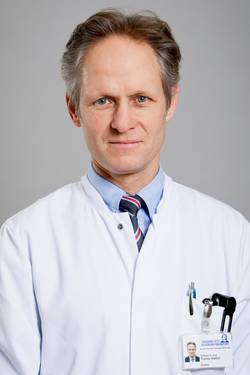 Thomas Walther合作论文数Klinik für Herz- und Gefäßchirurgie, Universitätsklinikum Frankfurt9
 Muhammed Zeeshan Khawaja合作论文数Lewisham and Greenwich NHS Trust8
 John Webb合作论文数St Paul's Hospital, University of British Columbia;Department of Medicine, Faculty of Medicine, University of British Columbia8
 Stephan Windecker合作论文数Faculty of Medicine, University of Bern;Department of Cardiology, University Cardiovascular Center Bern University Hospital8
 Andrejs Erglis合作论文数Faculty of Medicine, University of Latvia;Institute of Cardiology and Regenerative Medicine, University of Latvia;Latvian Centre of Cardiology, Pauls Stradins Clinical University Hospital8
 Divaka Perera合作论文数School of Cardiovascular Medicine & Sciences, Faculty of Life Sciences & Medicine, King’s College London8
 Alec Vahanian合作论文数Department of Cardiology, Paris Diderot University7Treede Hendrik合作论文数7Schymik Gerhard合作论文数7Ruediger Lange合作论文数6Hüseyin Ince合作论文数6
 Christoph Nienaber合作论文数Guy's and St Thomas' NHS Foundation Trust;Royal Brompton and Harefield hospitals6
 Martin Leon合作论文数Center for Interventional Vascular Therapy, Columbia University Medical Center6
 Thuraia Nageh合作论文数6Paolo Rubino合作论文数6
 R H Stables合作论文数Liverpool Heart & Chest Hosp5Khawaja Muhammed Z合作论文数5
 Mendiz Oscar A合作论文数Department of Interventional Cardiology and Cardiovascular Surgery, Hospital Universitario5James Cotton合作论文数5
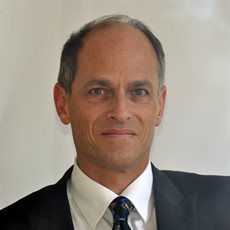 Peter Ludman合作论文数Department of Cardiovascular Sciences, University of Birmingham5
 Josep Rodés-Cabau合作论文数Institut universitaire de cardiologie et de pneumologie de Québec, Université Laval5
 Antonio Colombo合作论文数Department of Cardiology, Humanitas University;Columbia Presbyterian Medical Center;Stamford Medical Hospital5
 Patrick Serruys合作论文数CORRIB Research Centre for Advanced Imaging and Core Laboratory, University of Galway;National University of Ireland5Keith D. Dawkins合作论文数5Stephen Brecker合作论文数5Daniel J. Blackman合作论文数5Mark A. De Belder合作论文数5
 Adam de Belder合作论文数5
 Dominique Himbert合作论文数4Marco Costa合作论文数4Stefan Verheye合作论文数4Vinnie Bapat合作论文数4
 Waqar Ahmed合作论文数Dept Bionano Engn, Hanyang Univ4
 Andreas Baumbach合作论文数The William Harvey Research Institute, Faculty of Medicine and Dentistry, Queen Mary University of London4
 Arie Pieter Kappetein合作论文数Medtronic;Thoraxcenter, Erasmus Medical Center4Cooter Nina合作论文数4Nadra Imad J合作论文数4
 Victor Legrand合作论文数4




