Neisseria gonorrhoeae is a common Gram-negative pathogen with increasing resistance to all recommended antibiotics. There is a critical need to improve the efficiency of the antibiotic hit discovery process to replenish the drug development pipeline. Here, we show that deep learning models can augment high-throughput screens to identify readily available molecules with narrow-spectrum activity against difficult-to-treat strains of N. gonorrhoeae. We phenotypically tested 38,650 small molecules for N. gonorrhoeae growth inhibition to train a predictive graph neural network (GNN) model. We benchmarked the model's performance against other architectures, including a large language model, and found that GNNs more accurately identify active, drug-like molecules that are structurally distinct from the training set and known antibiotics. Using the model to virtually screen ~6 million compounds, we identified 213 compounds for experimental validation and found that 83 (39%) inhibited N. gonorrhoeae growth. Two of these compounds were structurally dissimilar to existing antibiotics, maintained potency against multidrug-resistant N. gonorrhoeae strains in vitro, exhibited promising selectivity indices, and were rapidly bactericidal with low frequencies of resistance. Proteomic studies revealed their distinct mechanisms of action, with one compound targeting alanine racemase, an enzyme involved in the essential process of peptidoglycan synthesis. Furthermore, the compounds showed early promise in reducing N. gonorrhoeae titers in a human vagina-on-a-chip infection model and a mouse vaginal infection model. Our work establishes the deep learning-enabled discovery of selective antibacterial compounds against N. gonorrhoeae as a much-needed hit discovery tool to address the growing crisis of antimicrobial resistance for this pathogen.
A 50-year-old woman was admitted to the hospital because of fever and abdominal pain after visiting rural Brazil. Shock and disseminated intravascular coagulation developed. A diagnosis was made.
The antimicrobial resistance crisis necessitates structurally distinct antibiotics. While deep learning approaches can identify antibacterial compounds from existing libraries, structural novelty remains limited. Here, we developed a generative artificial intelligence framework for designing de novo antibiotics through two approaches: a fragment-based method to comprehensively screen >107 chemical fragments in silico against Neisseria gonorrhoeae or Staphylococcus aureus, subsequently expanding promising fragments, and an unconstrained de novo compound generation, each using genetic algorithms and variational autoencoders. Of 24 synthesized compounds, seven demonstrated selective antibacterial activity. Two lead compounds exhibited bactericidal efficacy against multidrug-resistant isolates with distinct mechanisms of action and reduced bacterial burden in vivo in mouse models of N. gonorrhoeae vaginal infection and methicillin-resistant S. aureus skin infection. We further validated structural analogs for both compound classes as antibacterial. Our approach enables the generative deep-learning-guided design of de novo antibiotics, providing a platform for mapping uncharted regions of chemical space.
Background:Lactobacilli are gastrointestinal commensals and may represent skin contamination when isolated in blood cultures. Although uncommon, Lactobacillus bloodstream infections and endocarditis have been reported. Methods:We conducted a retrospective cohort study of patients with Lactobacillus species bacteremia and/or endovascular infections over a 22-year period to identify potential predictors of possible or definite endocarditis using the modified Duke criteria. Lactobacillus growth in an initial blood culture set without growth in subsequent blood culture sets collected within 7 days was labeled as blood culture contamination (BCC), and these were excluded from the primary analysis. The primary outcome was the proportion of patients with possible or definite endocarditis. For all Lactobacillus isolates, we collected antimicrobial susceptibility data determined via broth microdilution methods according to Clinical and Laboratory Standards Institute guideline M45. Results:We identified 331 patients with blood and/or endovascular cultures positive for Lactobacillus, of whom 100 were included. The primary outcome of possible or definite endocarditis was identified in 29% (29/100) of patients included in the primary analysis. Both the presence of an intracardiac device and/or non-native valve (relative risk [RR], 8.57; 95% CI, 1.89-38.83) and injection drug use (RR, 13.47; 95% CI, 3.18-57.03) were predictors of possible or definite endocarditis. All-cause mortality at ≤90 days was 22% (21/94). Conclusions:Nearly 1 in 3 patients with Lactobacillus bacteremia had possible or definite endocarditis, though polymicrobial infection was common. Growth of Lactobacillus spp. in blood cultures should be considered potentially pathogenic and interpreted in the clinical context before the isolate is labelled as inconsequential.
Abstract Background Despite being normal flora, and sometimes considered a contaminant, there are reports of Lactobacillus endovascular infections. However, large case series are lacking. We evaluated patient characteristics, antimicrobial susceptibility testing (AST), and all-cause mortality among patients with Lactobacillus bacteremia and/or endovascular infections managed in the Mass General Brigham (MGB) healthcare system.Table 1.Patient Characteristics for Lactobacillus Bacteremia and Endovascular Infections* Immunocompromised based on one or more of the following diagnoses:a. Human immunodeficiency virus with CD4 <200b. Active lymphoma or leukemia (including indolent chronic lymphocytic leukemia)c. Metastatic cancerd. Cytotoxic chemotherapy within the prior 3 monthse. Radiation therapy within prior 3 monthsf. Congenital immunodeficiencyg. Aplastic anemiah. Solid organ transplant recipients on immunosuppressive therapyi. Hematopoietic stem cell transplant recipients, unless >2 years post-transplant and no longer on any immunosuppressive therapyj. Immunocompromised based on >1 of the following medications: glucocorticoid therapy equivalent to prednisone >20 mg/d for >2 weeks, or if such therapy has been discontinued within the past month; alkylating agents within the past 3 months; antimetabolites (methotrexate >0.4 mg/kg/week, azathioprine >3 mg/kg/day, 6-mercaptopurine >1.5 mg/kg/day) within the past 3 months; cyclosporine, tacrolimus, sirolimus, everolimus, or mycophenolate mofetil within the past 3 months; biologic immunosuppressants and immunomodulators within the past 3 months (6 months for lymphocyte-depleting agents) Methods The MGB Research Patient Data Registry and Massachusetts General Hospital microbiology database were queried to identify adults with blood, central line, or endovascular device culture(s) positive for Lactobacillus obtained at in-network hospitals between 1/1/00 and 9/1/22. Patient demographics, comorbidities, antibiotic regimens, 90- and 365-day all-cause mortality, and AST data for Lactobacillus isolates were extracted from charts when available. When echocardiography was available, potential endocarditis was classified according to the 2000 Duke criteria. Summary statistics were performed.Table 2.Treatment Strategies and Outcomes for Lactobacillus Bacteremia and Endovascular Infections*Number of cases reported to have completed intended therapy does not include cases for which no anti-Lactobacillus therapy was administered Results We identified 333 patients with Lactobacillus bacteremia and/or endovascular infections. The mean age was 56 years, 42% (140/333) were female, and 36% (120/333) were immunocompromised (Table 1). Possible or definite endocarditis was identified in 19% (64/333), and 36% (121/333) had ≥1 additional organism(s) isolated in culture(s) growing Lactobacillus. The most common intended treatment duration was 1-2 weeks (91/209; 44%). Overall, 59/333 (18%) patients did not receive antibiotics active against Lactobacillus (Table 2). For patients with data available, all-cause mortality was 27% (85/316) at 90 days and 43% (130/301) at 365 days. For isolates with AST data, susceptibility to penicillin, ampicillin, and linezolid was reported for 96% (82/85), 99% (76/77), and 100% (66/66), respectively. Most isolates were resistant to meropenem (40/49; 82%) (Table 3).Table 3.Antimicrobial Susceptibility Data for Unique Lactobacillus Isolates n reflects number of unique Lactobacillus isolates that were tested against each antimicrobial Conclusion Among 333 patients with Lactobacillus bacteremia and/or endovascular infections, 1-year all-cause mortality was high. When Lactobacillus is isolated in blood cultures, clinicians should consider its relevance to the clinical scenario before labeling the organism as a contaminant. Disclosures Melis N. Anahtar, MD, PhD, Day Zero Diagnostics: Advisor/Consultant|Day Zero Diagnostics: Ownership Interest Elizabeth Hohmann, MD, Astra Zeneca: Grant/Research Support|Laguna Biotherapeutics: Grant/Research Support|MicrobiomeX/Tend: Grant/Research Support Sarah Turbett, MD, UpToDate: Author
In a recent issue of Science Translational Medicine, Xie et al. introduce a host defense peptide-mimicking prodrug that activates selectively at acidic infection sites, clearing Gram-negative pathogens and biofilms without inducing resistance-advancing precision antibiotic therapy.
The discovery of novel structural classes of antibiotics is urgently needed to address the ongoing antibiotic resistance crisis1-9. Deep learning approaches have aided in exploring chemical spaces1,10-15; these typically use black box models and do not provide chemical insights. Here we reasoned that the chemical substructures associated with antibiotic activity learned by neural network models can be identified and used to predict structural classes of antibiotics. We tested this hypothesis by developing an explainable, substructure-based approach for the efficient, deep learning-guided exploration of chemical spaces. We determined the antibiotic activities and human cell cytotoxicity profiles of 39,312 compounds and applied ensembles of graph neural networks to predict antibiotic activity and cytotoxicity for 12,076,365 compounds. Using explainable graph algorithms, we identified substructure-based rationales for compounds with high predicted antibiotic activity and low predicted cytotoxicity. We empirically tested 283 compounds and found that compounds exhibiting antibiotic activity against Staphylococcus aureus were enriched in putative structural classes arising from rationales. Of these structural classes of compounds, one is selective against methicillin-resistant S. aureus (MRSA) and vancomycin-resistant enterococci, evades substantial resistance, and reduces bacterial titres in mouse models of MRSA skin and systemic thigh infection. Our approach enables the deep learning-guided discovery of structural classes of antibiotics and demonstrates that machine learning models in drug discovery can be explainable, providing insights into the chemical substructures that underlie selective antibiotic activity.
There is a need to discover and develop non-toxic antibiotics that are effective against metabolically dormant bacteria, which underlie chronic infections and promote antibiotic resistance. Traditional antibiotic discovery has historically favored compounds effective against actively metabolizing cells, a property that is not predictive of efficacy in metabolically inactive contexts. Here, we combine a stationary-phase screening method with deep learning-powered virtual screens and toxicity filtering to discover compounds with lethality against metabolically dormant bacteria and favorable toxicity profiles. The most potent and structurally distinct compound without any obvious mechanistic liability was semapimod, an anti-inflammatory drug effective against stationary-phase E . coli and A . baumannii. . Integrating microbiological assays, biochemical measurements, and single-cell microscopy, we show that semapimod selectively disrupts and permeabilizes the bacterial outer membrane by binding lipopolysaccharide. This work illustrates the value of harnessing non-traditional screening methods and deep learning models to identify non-toxic antibacterial compounds that are effective in infection-relevant contexts.
Background Hormonal changes during the menstrual cycle play a key role in shaping immunity in the cervicovaginal tract. Cervicovaginal fluid contains cytokines, chemokines, immunoglobulins, and other immune mediators. Many studies have shown that the concentrations of these immune mediators change throughout the menstrual cycle, but the studies have often shown inconsistent results. Our understanding of immunological correlates of the menstrual cycle remains limited and could be improved by meta-analysis of the available evidence. Methods We performed a systematic review and meta-analysis of cervicovaginal immune mediator concentrations throughout the menstrual cycle using individual participant data. Study eligibility included strict definitions of the cycle phase (by progesterone or days since the last menstrual period) and no use of hormonal contraception or intrauterine devices. We performed random-effects meta-analyses using inverse-variance pooling to estimate concentration differences between the follicular and luteal phases. In addition, we performed a new laboratory study, measuring select immune mediators in cervicovaginal lavage samples. Results We screened 1570 abstracts and identified 71 eligible studies. We analyzed data from 31 studies, encompassing 39,589 concentration measurements of 77 immune mediators made on 2112 samples from 871 participants. Meta-analyses were performed on 53 immune mediators. Antibodies, CC-type chemokines, MMPs, IL-6, IL-16, IL-1RA, G-CSF, GNLY, and ICAM1 were lower in the luteal phase than the follicular phase. Only IL-1α, HBD-2, and HBD-3 were elevated in the luteal phase. There was minimal change between the phases for CXCL8, 9, and 10, interferons, TNF, SLPI, elafin, lysozyme, lactoferrin, and interleukins 1β, 2, 10, 12, 13, and 17A. The GRADE strength of evidence was moderate to high for all immune mediators listed here. Conclusions Despite the variability of cervicovaginal immune mediator measurements, our meta-analyses show clear and consistent changes during the menstrual cycle. Many immune mediators were lower in the luteal phase, including chemokines, antibodies, matrix metalloproteinases, and several interleukins. Only interleukin-1α and beta-defensins were higher in the luteal phase. These cyclical differences may have consequences for immunity, susceptibility to infection, and fertility. Our study emphasizes the need to control for the effect of the menstrual cycle on immune mediators in future studies.
AbstractBackgroundSevere acute respiratory syndrome coronavirus 2 (SARS-CoV-2) reinfection is poorly understood, partly because few studies have systematically applied genomic analysis to distinguish reinfection from persistent RNA detection related to initial infection. We aimed to evaluate the characteristics of SARS-CoV-2 reinfection and persistent RNA detection using independent genomic, clinical, and laboratory assessments.MethodsAll individuals at a large academic medical center who underwent a SARS-CoV-2 nucleic acid amplification test (NAAT) ≥45 days after an initial positive test, with both tests between 14 March and 30 December 2020, were analyzed for potential reinfection. Inclusion criteria required having ≥2 positive NAATs collected ≥45 days apart with a cycle threshold (Ct) value <35 at repeat testing. For each included subject, likelihood of reinfection was assessed by viral genomic analysis of all available specimens with a Ct value <35, structured Ct trajectory criteria, and case-by-case review by infectious diseases physicians.ResultsAmong 1569 individuals with repeat SARS-CoV-2 testing ≥45 days after an initial positive NAAT, 65 (4%) met cohort inclusion criteria. Viral genomic analysis characterized mutations present and was successful for 14/65 (22%) subjects. Six subjects had genomically supported reinfection, and 8 subjects had genomically supported persistent RNA detection. Compared to viral genomic analysis, clinical and laboratory assessments correctly distinguished reinfection from persistent RNA detection in 12/14 (86%) subjects but missed 2/6 (33%) genomically supported reinfections.ConclusionsDespite good overall concordance with viral genomic analysis, clinical and Ct value-based assessments failed to identify 33% of genomically supported reinfections. Scaling-up genomic analysis for clinical use would improve detection of SARS-CoV-2 reinfections.
Background In 2021, the Clinical and Laboratory Standards Institute revised its susceptible oxacillin minimum inhibitory concentration (MIC) breakpoint for Staphylococcus spp. other than S. aureus and S. lugdunensis (SOSA) from <= 0.25 to <= 0.5 mu g/mL. Here, we describe the response to this breakpoint change, which at the time of this study was not yet recognized by the US Food and Drug Administration (FDA), in our laboratory, where the primary method for antimicrobial susceptibility testing (AST) of SOSA is VITEK 2. VITEK 2 uses the Automated Expert System (AES) to integrate the results of oxacillin MIC and cefoxitin screen tests into a final interpretation; our laboratory also adjudicates discordant oxacillin and cefoxitin results using a PBP2a test. Methods We retrospectively reviewed and assessed the yield of PBP2a testing for 189 SOSA isolates with discordant (when applying the FDA susceptible oxacillin breakpoint of <= 0.25 mu g/mL) VITEK 2 oxacillin and cefoxitin results, and then prospectively incorporated PBP2a testing for isolates with oxacillin MICs of 0.5 mu g/mL and positive cefoxitin screens into our algorithm. Results Compared with accepting the VITEK 2 AES interpretation, PBP2a testing substantially improved the accuracy of mecA-mediated resistance classification in both scenarios, especially for the similar to 4.7% of isolates with oxacillin MICs <= 0.5 mu g/mL and positive cefoxitin screens. Conclusions Although detection of mecA or PBP2a is the gold standard for assessment of beta-lactam resistance in staphylococci, targeting a subset of isolates for mecA or PBP2a testing based on phenotypic AST results that predict an increased risk of misclassification may be a pragmatic, labor- and cost-saving approach. Targeting selected staphylococci for PBP2a testing based on VITEK 2 phenotypic susceptibility testing results is a pragmatic approach for clinical laboratories to increase the accurate classification of mecA-mediated oxacillin resistance among Staphylococcus spp. other than S. aureus and S. lugdunensis.
A Pregnant Woman with Fever, Abdominal Pain, and Headache A 33-year-old pregnant woman with ulcerative colitis presented at 10 weeks of gestation with fever, nausea, vomiting, abdominal pain, and headache. On hospital day 3, the systolic blood pressure declined to 70 mm Hg. Three weeks earlier, the patient had had an ulcerative colitis flare; methylprednisolone and mesalamine were administered. A diagnosis was made.
Enterococcus faecium is a major cause of clinical infections, often due to multidrug-resistant (MDR) strains. Whole-genome sequencing (WGS) is a powerful tool to study MDR bacteria and their antimicrobial resistance (AMR) mechanisms. In this study, we used WGS to characterize E. faecium clinical isolates and test the feasibility of rules-based genotypic prediction of AMR. Clinical isolates were divided into derivation and validation sets. Phenotypic susceptibility testing for ampicillin, vancomycin, high-level gentamicin, ciprofloxacin, levofloxacin, doxycycline, tetracycline, and linezolid was performed using the Vitek 2 automated system, with confirmation and discrepancy resolution by broth microdilution, disk diffusion, or gradient diffusion when needed. WGS was performed to identify isolate lineage and AMR genotype. AMR prediction rules were derived by analyzing the genotypic-phenotypic relationship in the derivation set. Phylogenetic analysis demonstrated that 88% of isolates in the collection belonged to hospital-associated clonal complex 17. Additionally, 12% of isolates had novel sequence types. When applied to the validation set, the derived prediction rules demonstrated an overall positive predictive value of 98% and negative predictive value of 99% compared to standard phenotypic methods. Most errors were falsely resistant predictions for tetracycline and doxycycline. Further analysis of genotypic-phenotypic discrepancies revealed potentially novel pbp5 and tet(M) alleles that provide insight into ampicillin and tetracycline class resistance mechanisms. The prediction rules demonstrated generalizability when tested on an external data set. In conclusion, known AMR genes and mutations can predict E. faecium phenotypic susceptibility with high accuracy for most routinely tested antibiotics, providing opportunities for advancing molecular diagnostics.
A 76-year-old woman with a history of gastric adenocarcinoma and chronic kidney disease presented with lethargy and altered mental status. She had anemia and thrombocytopenia; MRI showed foci of restricted diffusion in the left cerebellar hemisphere and right frontal lobe. A diagnostic test was performed.
Background. Amid the enduring pandemic, there is an urgent need for expanded access to rapid, sensitive, and inexpensive coronavirus disease 2019 (COVID-19) testing worldwide without specialized equipment. We developed a simple test that uses colorimetric reverse transcription loop-mediated isothermal amplification (RT-LAMP) to detect severe acute resrpiratory syndrome coronavirus 2 (SARS-CoV-2) in 40 minutes from sample collection to result. Methods. We tested 135 nasopharyngeal specimens from patients evaluated for COVID-19 infection at Massachusetts General Hospital. Specimens were either added directly to RT-LAMP reactions, inactivated by a combined chemical and heat treatment step, or inactivated then purified with a silica particle-based concentration method. Amplification was performed with 2 SARS-CoV-2-specific primer sets and an internal specimen control; the resulting color change was visually interpreted. Results. Direct RT-LAMP testing of unprocessed specimens could only reliably detect samples with abundant SARS-CoV-2 (>3 000 000 copies/mL), with sensitivities of 50% (95% CI, 28%-72%) and 59% (95% CI, 43%-73%) in samples collected in universal transport medium and saline, respectively, compared with quantitative polymerase chain reaction (qPCR). Adding an upfront RNase inactivation step markedly improved the limit of detection to at least 25 000 copies/mL, with 87.5% (95% CI, 72%-95%) sensitivity and 100% specificity (95% CI, 87%-100%). Using both inactivation and purification increased the assay sensitivity by 10-fold, achieving a limit of detection comparable to commercial real-time PCR-based diagnostics. Conclusions. By incorporating a fast and inexpensive sample preparation step, RT-LAMP accurately detects SARS-CoV-2 with limited equipment for about US$6 per sample, making this a potentially ideal assay to increase testing capacity, especially in resource-limited settings.
Analysis of 772 complete severe acute respiratory syndrome coronavirus 2 (SARS-CoV-2) genomes from early in the Boston-area epidemic revealed numerous introductions of the virus, a small number of which led to most cases. The data revealed two superspreading events. One, in a skilled nursing facility, led to rapid transmission and significant mortality in this vulnerable population but little broader spread, whereas other introductions into the facility had little effect. The second, at an international business conference, produced sustained community transmission and was exported, resulting in extensive regional, national, and international spread. The two events also differed substantially in the genetic variation they generated, suggesting varying transmission dynamics in superspreading events. Our results show how genomic epidemiology can help to understand the link between individual clusters and wider community spread.
Developing and deploying new diagnostic tests are difficult, but the need to do so in response to a rapidly emerging pandemic such as COVID-19 is crucially important. During a pandemic, laboratories play a key role in helping healthcare providers and public health authorities detect active infection, a task most commonly achieved using nucleic acid-based assays. While the landscape of diagnostics is rapidly evolving, PCR remains the gold-standard of nucleic acid-based diagnostic assays, in part due to its reliability, flexibility and wide deployment. To address a critical local shortage of testing capacity persisting during the COVID-19 outbreak, our hospital set up a molecular-based laboratory developed test (LDT) to accurately and safely diagnose SARS-CoV-2. We describe here the process of developing an emergency-use LDT, in the hope that our experience will be useful to other laboratories in future outbreaks and will help to lower barriers to establishing fast and accurate diagnostic testing in crisis conditions.
A Woman with Pain in the Left Upper Quadrant and Hypoxemia A 50-year-old woman with sarcoidosis presented with pain in the left upper quadrant and hypoxemia. The oxygen saturation was 85% while she was breathing ambient air, and crackles were present in both lungs. Chest radiography revealed consolidations in the middle and lower lobes with diffuse ground-glass opacities. A diagnostic test was performed.
Objectives: Patients with comorbidities are at increased risk for poor outcomes in COVID-19, yet data on patients with prior neurological disease remains limited. Our objective was to determine the odds of critical illness and duration of mechanical ventilation in patients with prior cerebrovascular disease and COVID-19.Methods: A observational study of 1,128 consecutive adult patients admitted to an academic center in Boston, Massachusetts, and diagnosed with laboratory-confirmed COVID-19. We tested the association between prior cerebrovascular disease and critical illness, defined as mechanical ventilation (MV) or death by day 28, using logistic regression with inverse probability weighting of the propensity score. Among intubated patients, we estimated the cumulative incidence of successful extubation without death over 45 days using competing risk analysis.Results: Of the 1,128 adults with COVID-19, 350 (36%) were critically ill by day 28. The median age of patients was 59 years (SD: 18 years) and 640 (57%) were men. As of June 2nd, 2020, 127 (11%) patients had died. A total of 177 patients (16%) had a prior cerebrovascular disease. Prior cerebrovascular disease was significantly associated with critical illness (OR = 1.54, 95% CI = 1.14–2.07), lower rate of successful extubation (cause-specific HR = 0.57, 95% CI = 0.33–0.98), and increased duration of intubation (restricted mean time difference = 4.02 days, 95% CI = 0.34–10.92) compared to patients without cerebrovascular disease.Interpretation: Prior cerebrovascular disease adversely affects COVID-19 outcomes in hospitalized patients. Further study is required to determine if this subpopulation requires closer monitoring for disease progression during COVID-19.
 Turbett Sarah E合作论文数13
 Eric Scott Rosenberg合作论文数Microbiology Laboratories, Massachusetts General Hospital/Harvard Medical School12
 Douglas S. Kwon合作论文数Division of Medical Sciences, Harvard Medical School, Harvard University12
 John Branda合作论文数11Pierce Virginia M合作论文数Department of Pediatrics, Children's Hospital of Philadelphia9
 David Hooper合作论文数Mass General Research Institute, Massachusetts General Hospital;Department of Medicine, Harvard Medical School9
 Erica Shenoy合作论文数Division of Infectious Diseases, Massachusetts General Hospital;Mass General Brigham;Harvard Medical School7
 Bruce D Walker合作论文数Howard Hughes Medical Institute;Institute for Medical Engineering and Science, MIT;Nelson Mandela School of Medicine;Ragon Institute of MGH, MIT;Center for AIDS Research, Harvard University6Brittany A. Bowman合作论文数5
 Bennett Shaw合作论文数5Jacob E Lemieux合作论文数Broad Inst, Cambridge, MA 02142 USA5
 Siddle Katherine J合作论文数Department of Genomes and Genetics, Institut Pasteur;CNRS URA3012, Paris 75015, France.;Department of Genomes and Genetics, Institut Pasteur5
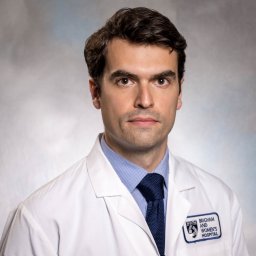 Gogakos Tasos合作论文数5
 Pardis Christine Sabeti合作论文数Department of Immunology and Infectious Diseases, Harvard T.H. Chan School of Public Health, Harvard University;Department of Organismic and Evolutionary Biology, Faculty of Arts & Sciences, Harvard University5
 Thumbi Ndungu合作论文数Nelson R Mandela School of Medicine, University of KwaZulu-Natal;Africa Health Research Institute;Division of Infection and Immunity, University College London4Gordon Adams合作论文数4Juliet Tongue Bramante合作论文数4LaRocque Regina C合作论文数Div Infect Dis, Massachusetts Gen Hosp4Zachary Kimon C合作论文数4
 Joe Lennerz合作论文数BostonGene4
 Emily Hyle合作论文数4
 Wong Felix合作论文数Harvard College4Moodley Amber合作论文数Females Rising through Education, Support, and Health, Durban, KwaZulu-Natal, 4066, South Africa.4
 Nikita Padavattan合作论文数4
 Caitlin M Dugdale合作论文数Department of Internal Medicine, Brown University4
 Musie Ghebremichael合作论文数Department of Epidemiology and Public Health, Yale School of Medicine4
 Stephen Schaffner合作论文数Broad Institute of MIT and Harvard4
 Jason B. Harris合作论文数Graduate School of Genome Science and Technology, University of Tennessee4
 Krista Dong合作论文数Partner AIDS Research Center4
 Andrea Ciaranello合作论文数Division of Infectious Disease, Massachusetts General Hospital4Nasreen Ismail合作论文数4Molly E. Kemball合作论文数3Damien Slater合作论文数3
 Nina Donghia合作论文数The Wyss Institute for Biologically inspired Engineering, Harvard University3
 Melissa Rudy合作论文数Broad Institute of Harvard and MIT, 415 Main Street, Cambridge, MA, 02142, USA.3
 Febriana Pangestu合作论文数Iowa State University3
 James J. Collins合作论文数Department of Biological Engineering, Massachusetts Institute of Technology;Broad Institute of MIT & Harvard3
 Huntley Miriam H合作论文数The Center for Genome Architecture, Baylor College of Medicine;Department of Molecular and Human Genetics, Baylor College of Medicine;Department of Computational and Applied Mathematics, Rice University;Broad Institute of MIT and Harvard, Cambridge, MA 02139, USA;School of Engineering and Applied Sciences, Harvard University;Broad Institute of MIT and Harvard, Harvard University3
 Mohamad Rustom Abdul Sater合作论文数Harvard T.H. Chan School of Public Health, Harvard University3
 Ian Charold Herriott合作论文数3
 Herbert W. Virgin合作论文数Department of Pathology & Immunology, School of Medicine, Washington University3
 Erica Normandin合作论文数Thayer School of Engineering, Dartmouth College3
 McCluskey Suzanne合作论文数3
 Edward Thomas Ryan合作论文数Department of Immunology and Infectious Diseases, Harvard T.H. Chan School of Public Health, Harvard University;Masschusetts General Hospital;Harvard Medical School3
 Curtis Huttenhower合作论文数Department of Biostatistics, Harvard T.H. Chan School of Public Health, Harvard University;Department of Immunology and Infectious Diseases, Harvard T.H. Chan School of Public Health, Harvard University3
 Rochelle P. Walensky合作论文数Harvard Law School3
 Bronwyn Macinnis合作论文数Wellcome Trust Sanger Institute3
 C. Tomkins-Tinch合作论文数Rochester Institute of Technology3Elizabeth H. Byrne合作论文数2




