Background. Delayed graft function (DGF) of a kidney transplant results in increased cost and complexity of management. For clinical care or a DGF trial, it would be ideal to accurately predict individual DGF risk and provide preemptive treatment. A calculator developed by Irish et al has been useful for predicting population but not individual risk. Methods. We analyzed the Irish calculator (IC) in the DeKAF prospective cohort (incidence of DGF = 20.4%) and investigated potential improvements. Results. We found that the predictive performance of the calculator in those meeting Irish inclusion criteria was comparable with that reported by Irish et al. For cohorts excluded by Irish: (a) in pump-perfused kidneys, the IC overestimated DGF risk; (b) in simultaneous pancreas kidney transplants, the DGF risk was exceptionally low. For all 3 cohorts, there was considerable overlap in IC scores between those with and those without DGF. Using a modified definition of DGF-excluding those with single dialysis in the first 24 h posttransplant-we found that the calculator had similar performance as with the traditional DGF definition. Studying whether DGF prediction could be improved, we found that recipient cardiovascular disease was strongly associated with DGF even after accounting for IC-predicted risk. Conclusions. The IC can be a useful population guide for predicting DGF in the population for which it was intended but has limited scope in expanded populations (SPK, pump) and for individual risk prediction. DGF risk prediction can be improved by inclusion of recipient cardiovascular disease.
Inflammation in areas of fibrosis (i-IFTA) in posttransplant biopsies is part of the diagnostic criteria for chronic active TCMR (CA TCMR -- i-IFTA ≥ 2, ti ≥ 2, t ≥ 2). We evaluated i-IFTA and CA TCMR in the DeKAF indication biopsy cohorts: prospective (n = 585, mean time to biopsy = 1.7 years); cross-sectional (n = 458, mean time to biopsy = 7.8 years). Grouped by i-IFTA scores, the 3-year postbiopsy DC-GS is similar across cohorts. Although a previous acute rejection episode (AR) was more common in those with i-IFTA on biopsy, the majority of those with i-IFTA had not had previous AR. There was no association between type of previous AR (AMR, TCMR) and presence of i-IFTA. In both cohorts, i-IFTA was associated with markers of both cellular (increased Banff i, t, ti) and humoral (increased g, ptc, C4d, DSA) activity. Biopsies with i-IFTA = 1 and i-IFTA ≥ 2 with concurrent t ≥ 2 and ti ≥ 2 had similar DC-GS. These results suggest that (a) i-IFTA≥1 should be considered a threshold for diagnoses incorporating i-IFTA, ti, and t; (b) given that i-IFTA ≥ 2,t ≥ 2, ti ≥ 2 can occur in the absence of preceding TCMR and that the component histologic scores (i-IFTA,t,ti) each indicate an acute change (albeit i-IFTA on the nonspecific background of IFTA), the diagnostic category "CA TCMR" should be reconsidered.
Inflammation in areas of fibrosis (i-IFTA) in posttransplant biopsy specimens has been associated with decreased death-censored graft survival (DC-GS). Additionally, an i-IFTA score ≥ 2 is part of the diagnostic criteria for chronic active TCMR (CA TCMR). We examined the impact of i-IFTA and t-IFTA (tubulitis in areas of atrophy) in the first biopsy for cause after 90 days posttransplant (n = 598); mean (SD) 1.7 ± 1.4 years posttransplant. I-IFTA, present in 196 biopsy specimens, was strongly correlated with t-IFTA, and Banff i. Of the 196, 37 (18.9%) had a previous acute rejection episode; 96 (49%) had concurrent i score = 0. Unlike previous studies, i-IFTA = 1 (vs 0) was associated with worse 3-year DC-GS: (i-IFTA = 0, 81.7%, [95% CI 77.7 to 85.9%]); i-IFTA = 1, 68.1%, [95% CI 59.7 to 77.6%]; i-IFTA = 2, 56.1%, [95% CI 43.2 to 72.8%], i-IFTA = 3, 48.5%, [95% CI 31.8 to 74.0%]). The association of i-IFTA with decreased DC-GS remained significant when adjusted for serum creatinine at the time of the biopsy, Banff i, ci and ct, C4d and DSA. T-IFTA was similarly associated with decreased DC-GS. Of these indication biopsies, those with i-IFTA ≥ 2, without meeting other criteria for CA TCMR had similar postbiopsy DC-GS as those with CA TCMR. Those with i-IFTA = 1 and t ≥ 2, ti ≥ 2 had postbiopsy DC-GS similar to CA TCMR. Biopsies with i-IFTA = 1 had similar survival as CA TCMR when biopsy specimens also met Banff criteria for TCMR and/or AMR. Studies of i-IFTA and t-IFTA in additional cohorts, integrating analyses of Banff scores meeting criteria for other Banff diagnoses, are needed.
The DeKAF study was developed to better understand the causes of late allograft loss. Preliminary findings from the DeKAF cross-sectional cohort (with follow-up < 20 months) have been published. Herein, we present long-term outcomes in those recipients (mean follow-up ± SD, 6.6 ± 0.7 years). Eligibility included being transplanted prior to October 1, 2005; serum creatinine ≤ 2.0 mg/dL on January 1, 2006; and subsequently developing new-onset graft dysfunction leading to a biopsy. Mean time from transplant to biopsy was 7.5 ± 6.1 years. Histologic findings and DSA were studied in relation to postbiopsy outcomes. Long-term follow-up confirms and expands the preliminary results of each of 3 studies: (1) increasing inflammation in area of atrophy (irrespective of inflammation in nonscarred areas [Banff i]) was associated with increasingly worse postbiopsy death-censored graft survival; (2) hierarchical analysis based on Banff scores defined clusters (entities) that differed in long-term death-censored graft survival; and (3) C4d-/DSA- recipients had significantly better (and C4d+/DSA+ worse) death-censored graft survival than other groups. C4d+/DSA- and C4d-/DSA+ had similar intermediate death-censored graft survival. Clinical and histologic findings at the time of new-onset graft dysfunction define high- vs low-risk groups for long-term death-censored graft survival, even years posttransplant. These findings can help differentiate groups for potential intervention studies.
BACKGROUND:Identifying kidney allograft recipients who are predisposed to acute rejection (AR) could allow for optimization of clinical treatment to avoid rejection and prolong graft survival. It has been hypothesized that a part of this predisposition is caused by the inheritance of specific genetic variants. There are many publications reporting a statistically significant association between a genetic variant, usually in the form of a single-nucleotide polymorphism (SNP), and AR. However, there are additional publications reporting a lack of this association when a different cohort of recipients is analyzed for the same single-nucleotide polymorphism.METHODS:In this report, we attempted to validate 75 common genetic variants, which have been previously reported to be associated with AR, using a large kidney allograft recipient cohort of 2390 European Americans and 482 African Americans.RESULTS:Of those variants tested, only 1 variant, rs2910164, which alters the expression of the microRNA MIR146A, was found to exhibit a significant association within the African American cohort. Suggestive variants were found in the genes CTLA and TLR4.CONCLUSIONS:Our results show that most variants previously reported to be associated with AR were not validated in our cohort. This shows the importance of validation when reporting the associations with complex clinical outcomes such as AR. Additional work will need to be done to understand the role of MIR146A in the risk of AR in kidney allograft recipients.
To date, thousands of living donor kidneys have been shipped through kidney paired donation (KPD). To expand on this growing segment of living donor transplantation, we evaluated the effect of advanced age donation ("oldest kidneys") and prolonged cold ischemia time ("coldest kidneys") on graft function and survival using the National Kidney Registry database from February 2008 to May 2018. Donors were stratified by age at time of donation (<65 or ≥65 years) and kidneys were stratified by cold ischemia time (<16 or ≥16 hours). We evaluated delayed graft function and death-censored graft failure (DCGF) for up to seven posttransplant years. Of the 2363 shipped living donor kidney transplants, 4.1% of donors were ≥65 years and 6.0% of transplanted kidneys had cold ischemia times ≥16 hours. Delayed graft function and DCGF occurred in 5.2% and 4.7% of cases. There were no significant associations between delayed graft function and donor age (P = .947) or cold ischemia (P = .532). Donor age and cold ischemia time were not predictive of delayed graft function (OR = 0.86,1.20; P = .8, .6) or DCGF (HR = 1.38,0.35, P = .5, .1). These findings may alleviate concerns surrounding the utilization of kidneys from older donors or those originating from distant transplant centers.
The goal of this study was to identify novel anti-endothelial non–HLA antibodies (Ab) associated with kidney allograft rejection and assess a panel of novel and previously discovered non–HLA Ab in a pediatric kidney allograft recipient cohort. Endothelial cell cross matches (ECXM) were used to screen patients for non–HLA Ab associated with rejection. 16 of 279 kidney allograft recipients tested were positive for both ECXM and rejection. Post-transplant neat and EC eluted sera from these 16 ECXM + Rejection + patients, as well as available pre-transplant sera from these patients were analyzed by protein microarrays (ProtoArray, Thermo Fisher Scientific) to screen 9,000 human proteins and identify antigens bound by patient sera (Prospector software, z-score ⩾3 and CV<0.05). 12 novel non–HLA Ab identified by protein microarray and 67 previously published non-Ab targets identified in kidney (n = 27), heart (n = 31), lung (n = 8), and liver (n = 1) transplant were conjugated to multiplex bead arrays. This panel of non–HLA targets was validated in a longitudinal single center pediatric cohort (n = 65). Protein microarray analysis of the ECXM + Rejection + sera identified 391 proteins in the pre-transplant sera, 1252 proteins in the neat sera, and 388 proteins in the EC eluted sera. 135/388 eluted sera of ECXM + Rejection + EC specific proteins were newly detected in post-transplant sera. 12/135 novel Ab were prioritized to select for ligands with endothelial membrane localization, kidney expression and an increased Ab binding frequency. Rank sum analysis of a single-center pediatric kidney allograft recipient cohort (n = 65) identified peroxisomal-trans-2-enoyl-coA-reductase (p = 0.03) and a novel non–HLA Ab (p = 0.05) associated with rejection at the patient level. Non–HLA antibodies are associated with an increased risk of allograft rejection emphasizing the importance of further identification and validation of non–HLA Ab in transplantation. Assessment of a panel of non–HLA Ab appears to be useful to elucidate the incidence and specificity of non–HLA Ab associated with kidney allograft rejection. B.L. Ray: 5. Employee; Company/Organization; Immucor, Inc. E.F. Reed: 1. Grant/Research Support; Company/Organization; Immucor, Inc.
The objective of this study was to evaluate the utility of a complement-dependent C3d assay to risk stratify donor-specific antibodies (DSA) in a multicenter cohort of kidney recipients presenting with new-onset clinical dysfunction. A total of 106 subjects with evidence of DSA at a mean period of 5.3 ± 5.0 years posttransplant underwent testing using C3d reagents. C3d positivity was strongly associated with both the peak and sum IgG DSA MFI, with 98.3% (n = 57/58) of strongly reactive sera (peak MFI > 10 000) eliciting a positive signal. Patients with C3d+ DSA had a higher creatinine (P = .03), more significant graft fibrosis (P = .035), and a faster rate of graft loss posttest compared to those with C3d- DSA (P = .05). Subanalysis of patients with low-moderate level DSA confirmed the inferior outcome associated with C3d positivity. Despite the prognostic value of C3d as a stand-alone test, the assay did not provide independent risk prediction after incorporation of graft fibrosis in a multivariate model (P = .94). Overall, C3d offered limited discriminatory value for strong DSA with peak IgG MFI > 10 000 and in patients where histologic data is available, but its utilization may be considered in those with low-moderate level DSA and where an allograft biopsy is not accessible.
Beyond the first posttransplant year, 3% of kidney transplants fail annually. In a prospective, multicenter cohort study, we tested the relative impact of early versus late events on risk of long-term death-censored graft failure (DCGF). In grafts surviving at least 90 days, early events (acute rejection [AR] and delayed graft function [DGF] before day 90) were recorded; serum creatinine (Cr) at day 90 was defined as baseline. Thereafter, a 25% rise in serum Cr or new-onset proteinuria triggered graft biopsy (index biopsy, IBx), allowing comparison of risk of DCGF associated with early events (AR, DGF, baseline serum Cr >2.0 mg/dL) to that associated with later events (IBx). Among 3678 patients followed for 4.7 ± 1.9 years, 753 (20%) had IBx at a median of 15.3 months posttransplant. Early AR (HR = 1.77, P < .001) and elevated Cr at Day 90 (HR = 2.56, P < .0001) were associated with increased risk of DCGF; however, later-onset dysfunction requiring IBx had far greater impact (HR = 13.8, P < .0001). At 90 days, neither clinical characteristics nor early events distinguished those who subsequently did or did not undergo IBx or suffer DCGF. To improve long-term kidney allograft survival, management paradigms should promote prompt diagnosis and treatment of both early and later events.
A single-centre study found that desensitization therapy permits a good success rate of kidney transplantation with an incompatible living donor. Data from 22 US centres now suggest that this technique could be employed across multiple hospitals to prolong the lives of sensitized transplant recipients.
In Brief Avoiding HLA mismatches is associated with better transplant outcomes, and yet the new kidney allocation system does not take this into consideration. Cecka argues we have the ways and means to improve organ allocation with an emphasis on HLA matching.
Paul Terasaki was a pioneer of transplantation and had a global following. His career, which spanned >50 years, included accomplishments and discoveries that revolutionized the field of transplantation and that advanced the care of transplant patients. Paul is survived by his wife Hisako, his brother, four children and six grandchildren as well as legions of close friends and colleagues around the world who will continue to build on his successes.
UNOS implemented a new Kidney Allocation System (New KAS) on December 4, 2014 with a primary goal of increasing equity to organ transplant for patients that were immunologically or socially disadvantaged by the previous allocation system (Previous KAS) that prioritized long wait times. We examined the effects of the New KAS on patients transplanted from the UCLA deceased donor waitlist during the first year and compared to the last year of the Previous KAS. The total number of deceased donor kidney transplants was increased in the New KAS as compared to the Previous KAS (178 vs 148). Transplant of regraft patients and of highly sensitized patients with cPRA⩾99% was significantly increased in the New KAS (New KAS vs Previous KAS, 29.8% vs 11.5%, p⩽0.0001, and 26.4% vs 2.7%, p⩽0.0001, respectively). In the New KAS, the percentage of patient’s receiving allografts imported from outside our local area was also significantly increased (34.8% vs 15.5%, p<0.0001). In the New KAS, 59.7% and 48.3% of imported organs were allocated to very highly sensitized (⩾99% cPRA) or re-graft patients, respectively, as compared to 8.7% and 8.7% during the Previous KAS (p<0.001). Recipients and donors with age differences exceeding 15years were decreased in the New KAS as compared to the Previous KAS (36.5 vs 48.7%, p⩽0.032). There was a 40.1% reduction in transplant to patients in the 65+ age group in the New KAS (p⩽0.025). The percentage of patients transplanted with preformed donor specific antibody (DSA) was similar in the New as compared to the Previous KAS (19.7% vs 15.5%) and, patients were transplanted with a range of 1–3 preformed DSA of weak to moderate strength. Cold ischemic time was significantly increased over all organs, and in patients transplanted with preformed DSA during the New as compared to the Previous KAS (17.5 vs 19.1h and 17.2 vs 22.2, p<0.04 and p<0.03, respectively). Episodes of delayed graft function and the number of biopsies for cause were similar between the New and the Previous KAS. However, there were more events of biopsy proven antibody mediated rejection in patients transplanted since the start of the New KAS. The data show that the New KAS is working at the center level as designed to better age match recipients and donors and to increase transplantation of very highly sensitized patients through broader sharing.
In this issue of the American Journal of Transplantation, 14 eminent immunogeneticists, 3 surgeons, and 2 transplant physicians share their collective viewpoint that high resolution HLA typing would benefit sensitized renal candidates (1). While it is likely that each of them could identify one or two patients from their lists who might benefit from knowing which HLA alleles are expressed by the donor, the remaining 13 000 or so sensitized candidates on the UNOS waitlist would be better served by paired exchanges, ABO incompatible transplants, desensitization and other approaches to increase their numbers of acceptable potential donors (2), and perhaps by having information about HLA-DQA and -DP typing with better resolution of the DRB3, DRB4, and DRB5 locus types. Among 103 highly sensitized patients at UCLA who are eligible for national, regional or local sharing of HLA-A,B,C,DRB1,DQB compatible kidneys, 103 (79%) had antibodies against the DQA and DP antigens, which cannot even be listed for UNOS donors. Only 1 of 67 crossmatch failures reported to the National Kidney Registry exchange program was due to an allelespecific antibody (3).
 David W. Gjertson合作论文数Department of Pathology and Laboratory Medicine, University of California, Los Angeles58
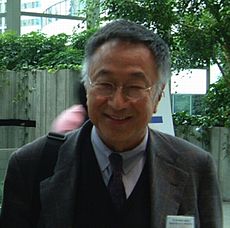 Paul Terasaki (寺崎一郎)合作论文数Department of Surgery, School of Medicine, University of California, Los Angeles52
 P I Terasaki合作论文数30S Takemoto合作论文数30
 Elaine Reed合作论文数Department of Pathology, David Geffen School of Medicine, University of California, Los Angeles;Department of Laboratory Medicine, David Geffen School of Medicine, University of California, Los Angeles30
 Arthur Matas合作论文数Division of Transplantation, Department of Surgery, Medical School, University of Minnesota20David N. Rush合作论文数19Y W Cho合作论文数Department of Pathology (S.K.T., D.W.G., Y.W.C., J.M.C.), UCLA18
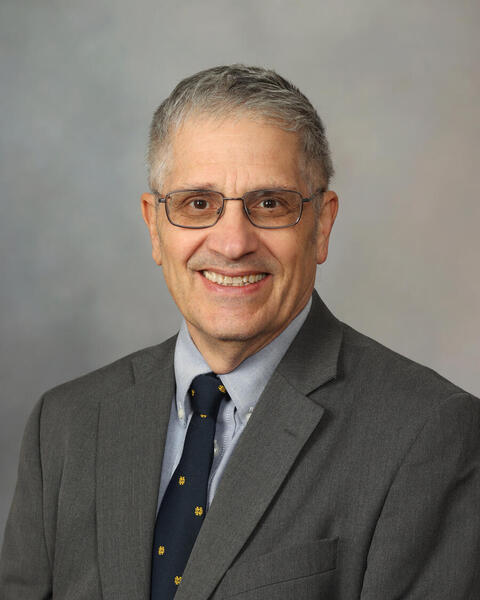 Joseph P. Grande合作论文数Division of Anatomic Pathology, Department of Laboratory Medicine and Pathology, Mayo Clinic18Leduc Robert合作论文数16
 John E. Connett合作论文数Division of Biostatistics, School of Public Health, University of Minnesota15
 Roslyn B. Mannon合作论文数Department of Internal Medicine, College of Medicine, University of Nebraska Medical Center14Robert S. Gaston合作论文数13
 Philip F. Halloran合作论文数Department of Medicine, Faculty of Medicine & Dentistry, University of Alberta;Alberta Transplant Applied Genomics Center, University of Alberta12S. Gourishankar合作论文数11Gabriel M. Danovitch合作论文数11Fernando G Cosio合作论文数11B. Kasiske合作论文数10L. Hunsicker合作论文数10J Yuge合作论文数9
 Jennifer Zhang合作论文数University of California, Los Angeles Health9
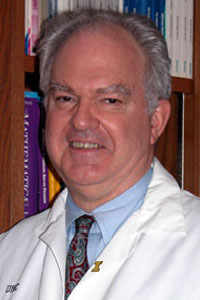 Lawrence Hunsicker合作论文数Department of Internal Medicine, Carver College of Medicine, University of Iowa9Y Cho合作论文数8
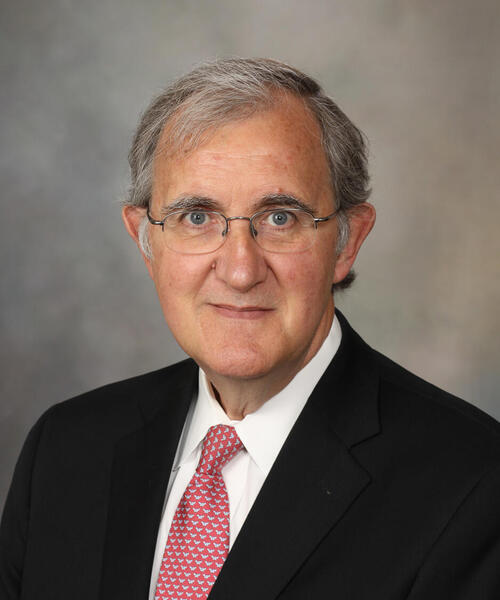 Fernando G. Cosio合作论文数Division of Nephrology & Hypertension, Department of Internal Medicine, Mayo Clinic8
 Min S. Park合作论文数UCLA Tissue Typing Laboratory, University of California Los Angeles8James C Cicciarelli合作论文数8A. Fieberg合作论文数7
 Bertram L. Kasiske合作论文数Kidney Center, Hennepin Healthcare;University Minn7Steven Takemoto合作论文数Department of Anesthesia and Perioperative Care, University of California, San Francisco7
 Suphamai Bunnapradist合作论文数Department of Medicine;Geffen School of Medicine, David;University of ,;David Geffen School of Medicine, University of ,7Jeffrey Veale合作论文数6
 Sita Gourishankar合作论文数6Lau M合作论文数5Hiroo Koyama合作论文数Department of Medicinal Chemistry, Merck Research Laboratories5Steven K Takemoto合作论文数5
 Raja Rajalingam合作论文数David Geffen School of Medicine, University of California at Los Angeles5S Katznelson合作论文数5A. F. Locke合作论文数4Ann Fieberg合作论文数4Gill Jagbir合作论文数4Helgeson Erika合作论文数4M. R. Mickey合作论文数4Michelle J. Hickey合作论文数4Anna Y Kucheryavaya合作论文数4Nancy L. Reinsmoen合作论文数Cedars-Sinai Medical Center;University of Minnesota4
 Jon A. Kobashigawa合作论文数Cedars-Sinai Medical Center;David Geffen School of Medicine, University of California, Los Angeles4Alan H. Wilkinson合作论文数4Xiao-Hai Zhang合作论文数4




