BACKGROUND:Thiamine (vitamin B1) is an essential cofactor in mitochondrial oxidative metabolism. Recent trials evaluating thiamine as a metabolic resuscitator in post-cardiac arrest patients have shown variable results, possibly due to differences in baseline mitochondrial function. We hypothesized that baseline mitochondrial respiration predicts a greater response to thiamine supplementation. METHODS:This is a post hoc analysis of two randomized trials of thiamine administration in cardiac arrest patients (THICA, THACA). Mitochondrial function was assessed in peripheral blood mononuclear cells (PBMCs) using the Seahorse XF Analyzer to measure oxygen consumption rates (OCRs). Patients were stratified above or below the cohort median for each OCR variable. The primary outcome was change in lactate over 24 h. RESULTS:Seventy-four patients (40 thiamine vs. 34 placebo) had baseline OCR measurements and were included in the analysis. In the overall cohort, thiamine did not significantly reduce lactate compared to placebo (geometric mean ratio [GMR] = 0.83; 95% CI 0.64-1.09; p = 0.19). However, among patients with maximal or spare respiration above the median, thiamine treatment was associated with significantly lower lactate levels at 24 h (GMR = 0.61; 95% CI 0.44-0.83; p = 0.003 and GMR = 0.53; 95% CI 0.38-0.75; p < 0.001, respectively). CONCLUSIONS:Thiamine supplementation was associated with reduced lactate in patients with preserved mitochondrial functional reserve. Baseline mitochondrial respiration may serve as a biomarker to identify critically ill patients most likely to benefit from metabolic resuscitation therapies.
Given the potential for mitochondrial medicine as a therapy in various illnesses, mitochondrial tests derived from blood samples have gained increasing value. The aim of this study was to perform an in-depth investigation of mitochondrial respiration in peripheral blood mononuclear cells (PBMCs) of healthy adult participants to characterize mitochondrial respiration in health. Adult participants without acute illness were recruited. PBMCs were isolated and quantitative, real-time measurements of mitochondrial oxygen consumption rate were performed using the Seahorse XF Cell Mito Stress Test Kit with Seahorse XFe96 Analyzer. The study included 184 participants without previously diagnosed medical conditions. There was no association between mitochondrial respiration and sex and age groups (≤ 30 years vs. > 30 years). Maximal and Spare respirations were associated with body mass index (BMI). The findings of this study contribute to the growing body of knowledge on mitochondrial bioenergetics in healthy adults and provide further insights into its association with demographic and anthropometric factors.
In this article, we describe the potential for personalized cardiopulmonary resuscitation using physiology to guide drug administration. We also highlight the limitations of the current evidence to inform a more individualized approach. Several areas for possible modifications to drug management are ripe for investigation, including: vasopressor selection and titration based on diastolic blood pressure responses; special physiologic circumstances in which sodium bicarbonate or calcium may be beneficial; and certain electrophysiologic states in shockable cardiac arrest, which may favor lidocaine or amiodarone.
Objectives: To describe a novel approach to the requirement for public disclosure under regulations for Exception From Informed Consent (EFIC) in an inpatient clinical trial. Design: Single-arm intervention study within a clinical trial. Setting: Medical and medical/surgical PICUs at an academic children’s hospital. Participants: Families of children and young adults younger than 26 years old receiving care in a PICU. Interventions: As part of a multipronged approach to meeting requirements for public disclosure for EFIC, we developed and implemented a process termed “personal public disclosure,” in which a member of the study team notifies all potentially eligible patients/families in-person or by phone about the trial as soon as possible upon PICU admission. Patients/families may choose to opt out of future participation in the trial. Measurements and Main Results: Over a 16-month period, 1577 potentially eligible patients/families were successfully contacted for personal public disclosure. Of these, 473 (30%) opted out of future participation in the trial. In the same period, 64 patients developed the emergent event of interest for the primary trial. Of these, only 9 (14%) were enrolled. Upon notification of enrollment, all 9 (100%) agreed to continue in the data collection phase of the study. Of the remaining 55 missed enrollments, 38 (69%) were due to the event occurring before personal public disclosure had been completed. Conclusions: Personal public disclosure supports patient/family autonomy within an EFIC trial; however, this approach is limited by low cost-effectiveness, feasibility and appropriateness in many circumstances.
Aim:To explore clinical characteristics associated with hemodynamic response to initial dosing of peri-arrest bolus epinephrine (PBE) for acute hypotension in the PICU. Methods:Single center retrospective cohort study of patients < 19 years old who received PBE for acute hypotension in the pediatric intensive care units at our institution from April 2017 to September 2023. Change in systolic blood pressure (SBP) was measured within 5 min before and after PBE. Patients were categorized as non-responders if the change in SBP was ≤ 10 mmHg. The primary analysis used a multivariate logistic regression model to determine factors associated with responder status via manual backward stepwise regression. Post-hoc analyses using Pearson correlation assessed the relationship of age, PBE dose, and SBP and DBP response as continuous variables. Results:Of the 180 patients analyzed, 121 (67 %) were classified as responders and 59 (33%) as non-responders. In the multivariate analysis, non-responder status was independently associated with presence of invasive mechanical ventilation (aOR 5.00; 95 % CI: 1.33, 20; p = 0.017) and acute cardiogenic shock preceding PBE administration (aOR 2.94; 95 % CI:,1.14, 7.69; p = 0.025). In the post hoc analyses, change in SBP was significantly correlated with increasing age (r = 0.27, p = 0.004), and age was inversely correlated with PBE dose by weight (r = -0.50, p < 0.001). Conclusion:Presence of invasive mechanical ventilation and cardiogenic shock were associated with poor response to PBE. As a continuous variable, SBP response to PBE improved with increasing age despite lower weight-based PBE dosing.
OBJECTIVES:We sought to determine whether atorvastatin administration attenuates the inflammatory response and improves clinical outcomes in acute influenza. METHODS:We conducted a randomized double-blind trial administering atorvastatin 40 milligrams or placebo to adults with confirmed influenza for five days between December 2013-May 2018. Patients were primarily enrolled in the emergency department (ED) at an urban, tertiary-care center. Serum was obtained at enrollment and 72 hours for the primary outcome, change in interleukin (IL-6). Patients reported severity of influenza symptoms over 10 days. We used linear mixed-effects models for the primary comparisons. RESULTS:Of the 116 enrolled patients, 59 received atorvastatin and 57 received placebo. Groups were well-matched including baseline influenza symptom scores and receipt of an antiviral medication. There was no difference between groups in the change in interleukin-6 (IL-6) levels (P=0.468). However, there were significant differences in the overall influenza symptom scores, favoring faster resolution in the atorvastatin group (P=0.05). For patients presenting within 48 hours of symptom onset, resolution was faster for the overall score (P <0.001) and for the fever (P=0.001), sore throat (P=0.005) and headache (P=0.006) components. No safety concerns were identified. CONCLUSION:Atorvastatin administration in acute influenza appears safe. We did not find attenuation of IL-6 with atorvastatin. Patients receiving atorvastatin reported improvement in their clinical symptoms at a faster rate than those in the placebo group, particularly in patients presenting within 48 hours of symptom onset. This trial is registered at ClinicalTrials.gov, Identifier: NCT02056340.
BACKGROUND:Management of severe prolongation of the corrected QT interval (QTc) following acute drug overdose presents a challenge to clinicians, as resulting ventricular dysrhythmias are rare but life-threatening. This study aimed to identify which patients with severe QTc prolongation on presentation to the emergency department (ED) after overdose will develop ventricular dysrhythmias, death, cardiac arrest, the need for rhythm control, or extracorporeal membrane oxygenation utilization. METHODS:Secondary analysis of Toxicology Investigators Consortium Core Registry data from 2013 to 2023. We included patients ≥ 13 years old with acute or acute-on-chronic overdose, toxicology consultation in the inpatient or ED setting, and initial ED electrocardiogram QTc ≥ 500 ms. We excluded patients with no or unknown toxicologic exposure, symptoms unlikely or unknown whether related to exposure, or missing data. The primary outcome was ventricular dysrhythmia. Secondary outcomes included death, cardiac arrest, rhythm control, and extracorporeal membrane oxygenation. Independent variables included patient and overdose characteristics, initial QTc and bicarbonate values, clinical findings, and drug exposures. Multivariable logistic regression was performed with ventricular dysrhythmia as the dependent variable to identify potential predictors. Diagnostic test characteristics were calculated for risk factors identified in the regression model. RESULTS:Of 2764 patients screened, 1265 were included. Forty-eight (3.79%) patients developed ventricular dysrhythmias. Bradycardia (aOR 3.12, 95% CI 1.35-6.90), acidosis (aOR 3.02, 95% CI 1.42-6.23), and shock (aOR 4.54, 95% CI 2.07-9.75) were independently associated with ventricular dysrhythmia on regression analysis and were each associated with every secondary outcome. The absence of any of these findings had a negative predictive value of 98.2% (97.2%-98.9%) for developing ventricular dysrhythmia. CONCLUSIONS:In this large international data registry, we identified predictors of ventricular dysrhythmia in patients presenting to the ED after overdose in the setting of severe QTc prolongation.
BACKGROUND:Emotional distress is common in cardiac arrest (CA) survivors and their family caregivers and undermines long-term health and quality of life. To address this, we adapted a resilience intervention for survivors and their caregivers, entitled Recovering Together after Cardiac Arrest (RT-CA). METHODS:We conducted a single-arm feasibility trial of RT-CA between 09/2024-03/2025. We enrolled dyads of consecutively admitted CA survivors at Massachusetts General Hospital and their primary family caregivers. INCLUSION CRITERIA:adult English speakers, survivors must have ability to meaningfully participate (Short Form Mini Mental State Exam ≥5), one dyad member must have emotional distress (≥8 on either subscale of the Hospital Anxiety and Depression Scale [HADS]). PROCEDURE:Dyads participated in six weekly sessions with a clinical psychologist focused on building mindfulness and coping skills. Feasibility outcomes were feasibility of recruitment, assessments, adherence; acceptability outcomes were satisfaction, credibility, expectancy. Dyads completed pre- and post-test psychosocial measures and participated in exit interviews. We calculated frequencies and proportions of our outcomes, conducted exploratory paired t-tests to examine initial signals of changes in psychosocial measures, and performed explanatory-sequential mixed methods to integrate data sources. RESULTS:We screened 12 dyads and enrolled 7. RT-CA exceeded most feasibility and acceptability benchmarks (>70 % on 7 of 8). In exploratory analyses, participants experienced preliminary, yet meaningful reductions in emotional distress (HADS anxiety survivors: mean [95 % CI] = -5.4 [-3.4, -7.5], p < 0.001; depression survivors = -5.1 [-2.2, -8], p < 0.01; anxiety caregivers = -3.1 [-0.8, -5.5], p < 0.05; depression caregivers = -3.5 [-8, 1.1], p > 0.05). Mixed-methods analysis indicated general concordance between quantitative and qualitative data. CONCLUSION:Results support preliminary feasibility of RT-CA. Further testing in a randomized controlled trial is now required. TRIAL REGISTRATION:Clinicaltrials.gov #NCT06517394.
IMPORTANCE:Patient recruitment is a critical factor in running successful and timely clinical trials in the critical care field where the timing of presentation of patients is difficult to predict and the study interventions are often time sensitive. OBJECTIVES:The goal of this study was to analyze the timing of patient enrollments from previous clinical trials to identify patterns and assess the impact of providing extended-hours coverage on patient enrollment. DESIGN, SETTING, AND PARTICIPANTS:This was a retrospective cohort study at a tertiary academic hospital in the United States between 2016 and 2024 on patients who were enrolled in five recent critical care clinical trials. MAIN OUTCOMES AND MEASURES:We reviewed the patient enrollment data. We quantified the number of enrollments during business hours (9 am-5 pm) compared with outside of business hours and analyzed the frequency of enrollment by day of the week and time of day. RESULTS:There were 352 patients enrolled between 2016 and 2024 across five clinical trials. A total of 242 patients (68.8%) were enrolled outside of business hours. 72.4% of patients were enrolled during weekdays and 27.6% during weekends. The enrollment pattern did not differ significantly across days of the week, ranging from 45 (12.8%) on Friday to 56 (15.9%) on Thursday. Enrollment from 2 pm to 10 pm accounted for more than 50% of the total enrollments. Recruiting only during business hours would have resulted in an additional 15 years to complete one of the trials. CONCLUSIONS AND RELEVANCE:A review of our five recent critical care trials showed that nearly 70% of enrollment occurred outside of business hours. Limiting recruitment to only business hours would have resulted in a prohibitively longer time to complete the trials. This analysis provides a strong motivation and rationale for extending research staffing coverage beyond business hours.
OBJECTIVES:To explore the association of intra-arrest sodium bicarbonate (SB) use with outcomes in pediatric in-hospital cardiac arrest (p-IHCA) when accounting for the timing of initial SB administration. We hypothesized that administration of SB within the first 5 minutes of p-IHCA would be associated with greater odds of hospital survival and return of spontaneous circulation (ROSC). DESIGN:Retrospective cohort study. SETTING:Quaternary care academic children's hospital. PATIENTS:Children 18 years old or younger with pulseless IHCA of at least 5 minutes duration at our institution between January 2013 and January 2023 with complete data were included. INTERVENTIONS:None. MEASUREMENTS AND MAIN RESULTS:Of 243 index events of p-IHCA, 99 (41%) received SB in the first 5 minutes of cardiopulmonary resuscitation (CPR). Overall, 107 patients (44%) survived to hospital discharge and ROSC was achieved in 91 of 243 patients (37%). A logistic treatment-effects estimation utilizing inverse-probability weighting via a propensity score was performed to compare the effects of SB use within the first 5 minutes of CPR with those who did not receive early SB. In this analysis, we failed to detect an association between early SB, compared with not, and differing adjusted odds of survival to discharge (adjusted odds ratio [aOR], 0.87; 95% CI, 0.45-1.69; p = 0.687) and ROSC (aOR, 0.82; 95% CI, 0.43-1.56; p = 0.537). CONCLUSIONS:In this retrospective cohort study of p-IHCA, we failed to detect an association between timing of SB and odds of survival to hospital discharge and ROSC. These findings warrant reevaluation of the evidence and support a less restrictive recommendation for SB use during p-IHCA in U.S. national guidelines.
Abstract Background Early pathogen ID and targeted treatment are key to reducing bloodstream infection (BSI) morbidity and mortality. Current diagnostics rely on culture which takes 1-2 days for ID and longer for antimicrobial susceptibility testing (AST) results, or molecular assays with limited panels, few resistance markers, and high false positive rates. We report interim results of a first-in-kind comprehensive ID and predictive AST assay directly from patient blood samples. The system can deliver results in ∼8 hrs, uses ultra-high enrichment of microbial DNA directly from blood, whole-genome sequencing, and a predictive AST machine-learning algorithm to identify a broad range of species and pathogen/drug combinations. Methods We enrolled subjects with suspicion of BSI from 3 EDs and 1 ICU/inpatient in 4 Boston area hospitals in 2 IRB approved observational studies. We collected whole blood in SPS vacutainers and 10mL were processed at Day Zero Diagnostics (DZD) and sequenced on an Oxford Nanopore platform. Sequencing data were analyzed by Keynome® algorithms to determine pathogen ID and predict AST profiles. Tables 1 & 2 list current on-panel pathogens and drug models tested. Performance was compared to hospital microbiology lab phenotypic ID/AST results from blood cultures collected within 0-24 hours of the research draw. Results Species-level ID results in 225 subjects (6525 calls) demonstrated 80.0% sensitivity, 99.9% specificity, 64% PPV, and 99.9% agreement with clinical culture. Eight distinct species were identified among the 20 (8.9%) clinical culture positive samples with on-panel organisms. Thirteen samples had sufficient genome coverage for on-panel AST predictions demonstrating 92.3% categoric agreement with phenotypic AST. Conclusion Our data suggests the DZD diagnostic system can provide accurate ID and AST results directly from blood in patients with suspected BSI. To our knowledge these results are the first demonstration of whole genome recovery and comprehensive ID & AST directly from patient blood samples. This assay has the potential to revolutionize speed to diagnosis of BSI, thus facilitating targeted therapy, improved outcomes, and reduced development of antimicrobial resistance. Disclosures Michael R. Filbin, MD, Day Zero Diagnostics: Grant/Research Support|Quidel: Grant/Research Support Peter Hou, MD, Center for Disease Control: Grant/Research Support|Day Zero Diagnostics: Grant/Research Support|iDoc Telehealth Solutions: Ownership Interest Michael Donnino, MD, Day Zero Diagnostics: Grant/Research Support Archana Asundi, MD, Day Zero Diagnostics: Grant/Research Support|Gilead Sciences: Grant/Research Support|GSK/ViiV Healthcare: Grant/Research Support|Theratechnologies: Grant/Research Support Zoe H. Rogers, MPH, Day Zero Diagnostics: employment Emma Briars, PhD, Day Zero Diagnostics: employment Alison Gassett, MPH, Day Zero Diagnostics: employment Alexander Reidel, BS, Day Zero Diagnostics: employment Alexis Campbell, MA, Day Zero Diagnostics: Grant/Research Support Jason Wittenbach, PhD, Day Zero Diagnostics: employment Nicole Billings, PhD, Day Zero Diagnostics: employment
Background: Chronic emotional distress among cardiac arrest (CA) survivors and their caregivers is prevalent and worsens quality of life and recovery. Interventions to prevent chronic distress post-CA are needed. We developed Recovering Together after Cardiac Arrest (RT-CA), an intervention to increase resiliency in CA survivor-caregiver dyads (pairs). Method: We will conduct an open pilot clinical trial of RT-CA to examine preliminary feasibility and refine the intervention based on participant feedback. We will enroll at least 7 CA survivor-caregiver dyads during their hospitalization at a single academic medical center. We will identify eligible survivors by screening admission reports and through referrals from medical staff. Inclusion criteria: Survivors - sufficient cognitive status to meaningfully participate (Short Form of the Mini Mental State Exam >= 5). Dyads - English-speakers; one member must have clinically significant distress (>= 8 on either Hospital Anxiety and Depression Scale subscale). Procedure: dyads will participate in 6, 30-45 min sessions with a study clinician. Sessions will include mind-body coping skills training and provision of anticipatory guidance and resources to navigate CA-survivorship. Dyads will complete pre- and post-test measures of emotional distress and treatment targets. We will calculate frequencies and proportions of our primary outcomes (feasibility - recruitment, assessments, adherence, therapist fidelity and acceptability/credibility). After completing post-test assessments, dyads will provide feedback via exit interviews. We will integrate qualitative and quantitative data using explanatory-sequential mixed-methods. Discussion: We will use our findings to refine RT-CA content and study procedures. If successful, RT-CA has potential to significantly improve quality of survivorship for CA survivors and their caregivers.
Chronic pain syndromes affect over one-third of the US adult population and often lead to significant disability and a reduced quality of life. Despite their high prevalence, causal links between chronic pain syndromes and anatomic abnormalities are often not apparent. Most current chronic pain treatments provide modest, if any, relief. Thus, there is a pressing need to understand the causal mechanisms implicated in chronic pain as a means to develop more targeted interventions for improvement in clinical outcomes and reduction in morbidity and financial burden. In the present manuscript, we summarize the current literature on treatment for chronic pain, and hypothesize that non-specific chronic back pain (without a clear organic etiology, such as tumors, infections or fractures) is of psychophysiologic origin. Based on this hypothesis, we developed Psychophysiologic Symptom Relief Therapy (PSRT), a novel pain reduction intervention for understanding and treating chronic pain. In this manuscript, we provide the rationale for PSRT, which we have tested in a pilot trial with a subsequent larger randomized trial underway. In the proposed trial, we will evaluate whether non-specific chronic back pain can be treated by addressing the underlying stressors and psychological underpinnings without specific physical interventions.
OBJECTIVE:To determine the normal reference interval (RI) for thiamine concentrations in healthy dogs and investigate the prevalence of thiamine deficiency in critically ill dogs with and without sepsis.DESIGN:Prospective, observational, multicenter study, conducted between 2019 and 2021.SETTING:Two veterinary university teaching hospitals.ANIMALS:A total of 109 dogs were enrolled into 3 groups: 40 healthy dogs, 33 dogs with suspected or confirmed sepsis and evidence of tissue hypoperfusion (Doppler blood pressure ≤90 mm Hg or plasma lactate ≥3 mmol/L), and 36 dogs with other critical illnesses and evidence of tissue hypoperfusion.INTERVENTIONS:For each dog, CBC, serum biochemistry, plasma lactate concentration, whole-blood thiamine concentration, blood pressure, vital parameters, Acute Patient Physiologic and Laboratory Evaluation (APPLE)fast score, and clinical outcomes were recorded, alongside basic patient parameters and dietary history. Whole-blood thiamine pyrophosphate (TPP) concentrations were measured using high-performance liquid chromatography.MEASUREMENTS AND MAIN RESULTS:The RI for whole-blood TPP in healthy dogs was 70.9-135.3 μg/L. Median TPP concentrations were significantly lower in septic dogs compared to healthy controls (P = 0.036). No significant difference in median TPP concentrations was found between septic dogs and nonseptic critically ill dogs, or between healthy dogs and nonseptic critically ill dogs. TPP concentrations were below the normal RI in 27.3% of septic dogs, compared to 19.4% of nonseptic critically ill dogs (P = 0.57). No correlations were found between TPP concentrations and lactate concentrations, age, body condition scores, time since last meal, RBC count, serum alanine aminotransferase, APPLEfast scores, or patient outcomes.CONCLUSIONS:TPP concentrations were significantly lower in septic dogs compared to healthy controls, with an absolute thiamine deficiency found in 27.3% of septic dogs. The established TPP RI allows for further investigation of thiamine deficiency in critically ill dogs.
"Reply to: The Challenges of Using and Measuring Thiamine in Critical Care." American Journal of Respiratory and Critical Care Medicine, 0(ja), pp.
Background: Despite national recommendations against the routine use of sodium bicarbonate (SB) during cardiac arrest, SB is used in about 50% of both pediatric and adult IHCA, making it the second most used drug, after epinephrine. Aims: To explore clinician practices and beliefs surrounding intra-arrest SB administration. Hypothesis: We hypothesized that SB use would vary by specialty, and that indications for intra-arrest SB not endorsed by AHA guidelines would be common. Methods: We performed a mixed methods electronic survey amongst adult and pediatric intensive care unit (ICU), emergency medicine (EM) and anesthesia attendings at two local institutions in Boston, MA from October 3 rd to December 15 th , 2023. Likert scale responses for likelihood of giving SB in 2 cardiac arrest scenarios were compared using a Chi-squared test. These responses were dichotomized to reflect those who would “probably” or “definitely” give SB versus those who would not, and respondent characteristics were compared. For the open-ended items, we performed qualitative thematic analysis. Results: Of 356 physicians invited, 224 (63%) responded. The likelihood of giving SB in Scenario 1 (10-minute asystolic arrest) and Scenario 2 (20-minute asystolic arrest) differed (Figure 1), with 54/224 (24%) respondents indicating they would give SB in Scenario 1 and 110 (49%) for Scenario 2. Additionally, likelihood of giving SB in Scenario 1 varied based on practice location (p = 0.025) with the lowest rates in pediatric and adult EM (8% and 10%, respectively) and the highest amongst those in adult ICUs (38%). These differences persisted for Scenario 2 (p = 0.001). SB use in Scenario 1 also decreased with increasing years of experience (p = 0.032). The most reported indications for SB were: hyperkalemia (78%); metabolic acidosis (76%) with a median reported threshold pH of 7.1 (IQR: 7, 7.2); tricyclic anti-depressant overdose (71%); and arrest duration (64%) with a median reported threshold of 15 minutes (IQR: 10, 20). In the qualitative analysis, additional themes emerged for reasons respondents give SB, including specific diagnoses, arrest rhythms, team dynamics and beliefs about the physiological effects of SB. Conclusions: Physicians reported significant practice variations surrounding cardiac arrest management with SB, including several indications for SB which are not supported by national cardiac arrest guidelines.
Introduction: How mitochondrial damage from cardiac arrest (CA) and resuscitation affects oxygen metabolism, and whether changes in metabolism are associated with outcome, is not well understood. We previously reported an association between higher oxygen consumption (VO2) in the first 12 hours after return of spontaneous circulation (ROSC) and survival in 17 post-arrest (PA) patients. The present study was conducted to investigate the association of VO2, VCO2 and RQ with survival in a larger PA cohort. Methods: From adult patients enrolled in several CA trials at our center, we selected those receiving targeted temperature management with ≥60 minutes of post-ROSC metabolic data collected in the first 24 hours after ROSC, using a gas exchange monitor that measures continuous VO2, VCO2 and RQ.The area under the curve (AUC) for VO2, VCO2 and RQ was calculated using all available values in the first 12 and 24 hours after ROSC. For both time periods, logistic regression was used to describe the relationship between survival and each AUC. We adjusted for temperature, sedation, and vasopressor s. Hourly medians were plotted by survival. Results: Of 64 patients included, 32 (50%) survived. There was no significant association between survival and AUC-VO2 or AUC-VCO2 in the first 12 (n=43) or 24 (n=64) hours after ROSC. 21 (49%) had a median RQ <0.7 in the first 12 hours, and there was an association between survival and AUC-RQ in this time period (see table). Conclusion: There were no significant associations between VO2, VCO2 and survival in the first 12 and 24 hours after ROSC. RQ was abnormally low in many patients, and higher RQ in the first 12 hours after ROSC was associated with survival.
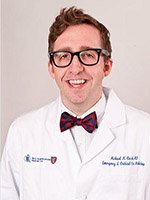 Michael N. Cocchi合作论文数Beth Israel Deaconess Medical Center;Harvard Medical School133
 Katherine Berg合作论文数Ctr Resuscitat Sci, Beth Israel Deaconess Med Ctr111
 Anne Grossestreuer合作论文数Center for Resuscitation Science, Beth Israel Deaconess Medical Center;Department of Emergency Medicine, Beth Israel Deaconess Medical Center;Department of Emergency Medicine, Harvard Medical School95Moskowitz Ari合作论文数Department of Medicine, Beth Israel Deaconess Medical Center81Lars L. Andersen合作论文数80Mathias Johan Holmberg合作论文数54
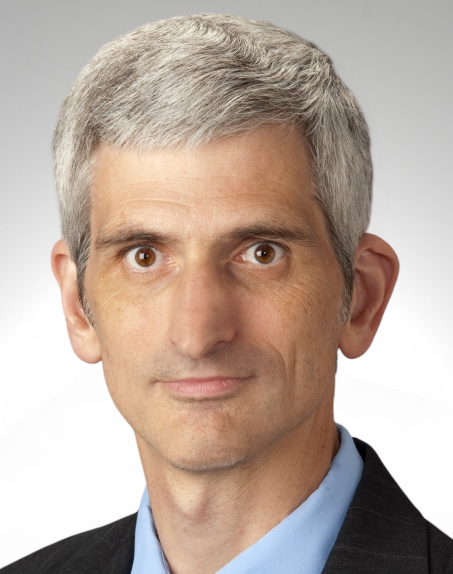 Clifton Callaway合作论文数Department of Emergency Medicine, School of Medicine, University of Pittsburgh;UPMC Health Plan46Maureen Chase合作论文数Department of Emergency Medicine, Beth Israel Deaconess Medical Center44
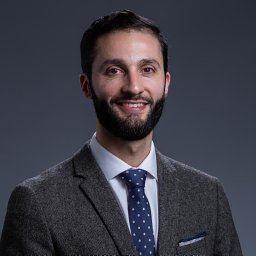 Salciccioli Justin D合作论文数Department of Emergency Medicine, Beth Israel Deaconess Medical Center39
 Xiaowen Liu (刘小文)合作论文数Department of Chemistry, Fudan University34
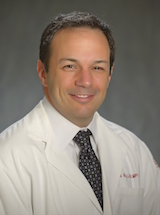 Benjamin S. Abella合作论文数Department of Emergency Medicine, Perelman School of Medicine, University of Pennsylvania;Center for Clinical Epidemiology and Biostatistics, University of Pennsylvania;Center for Resuscitation Science, University of Pennsylvania;Penn Acute Research Collaboration, University of Pennsylvania32
 Parth Patel合作论文数Institute of Health Informatics, University College London30
 David F. Gaieski合作论文数Department of Emergency Medicine, Home of Sidney Kimmel Medical College, Thomas Jefferson University28
 Tyler Giberson合作论文数25Lakshman Balaji合作论文数Dept Emergency Med, Beth Israel Deaconess Med Ctr24
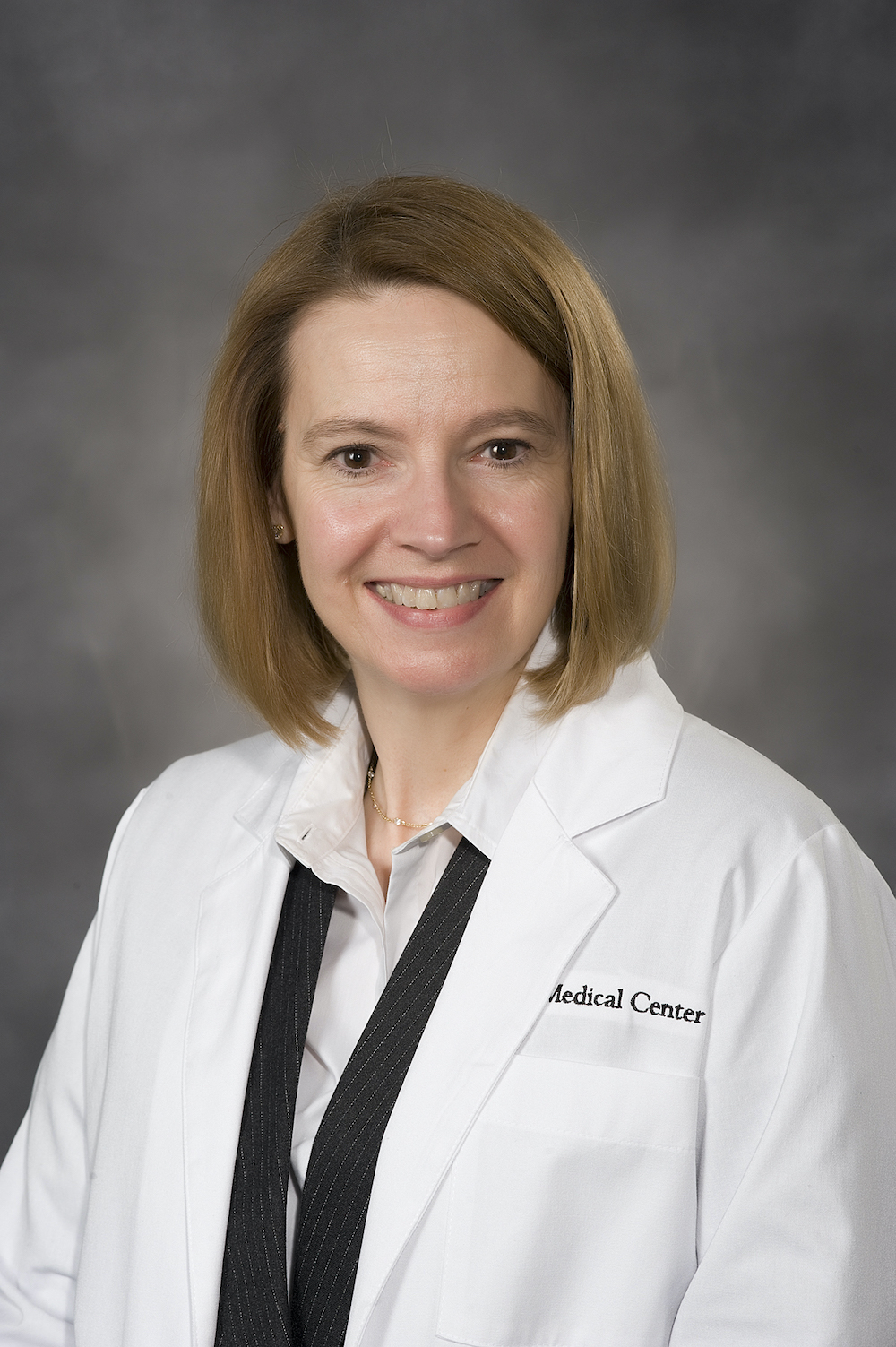 Mary Ann Peberdy合作论文数Department of Internal Medicine, School of Medicine, Virginia Commonwealth University;VCU Health23Nathan I. Shapiro合作论文数22Jon C. Rittenberger合作论文数22
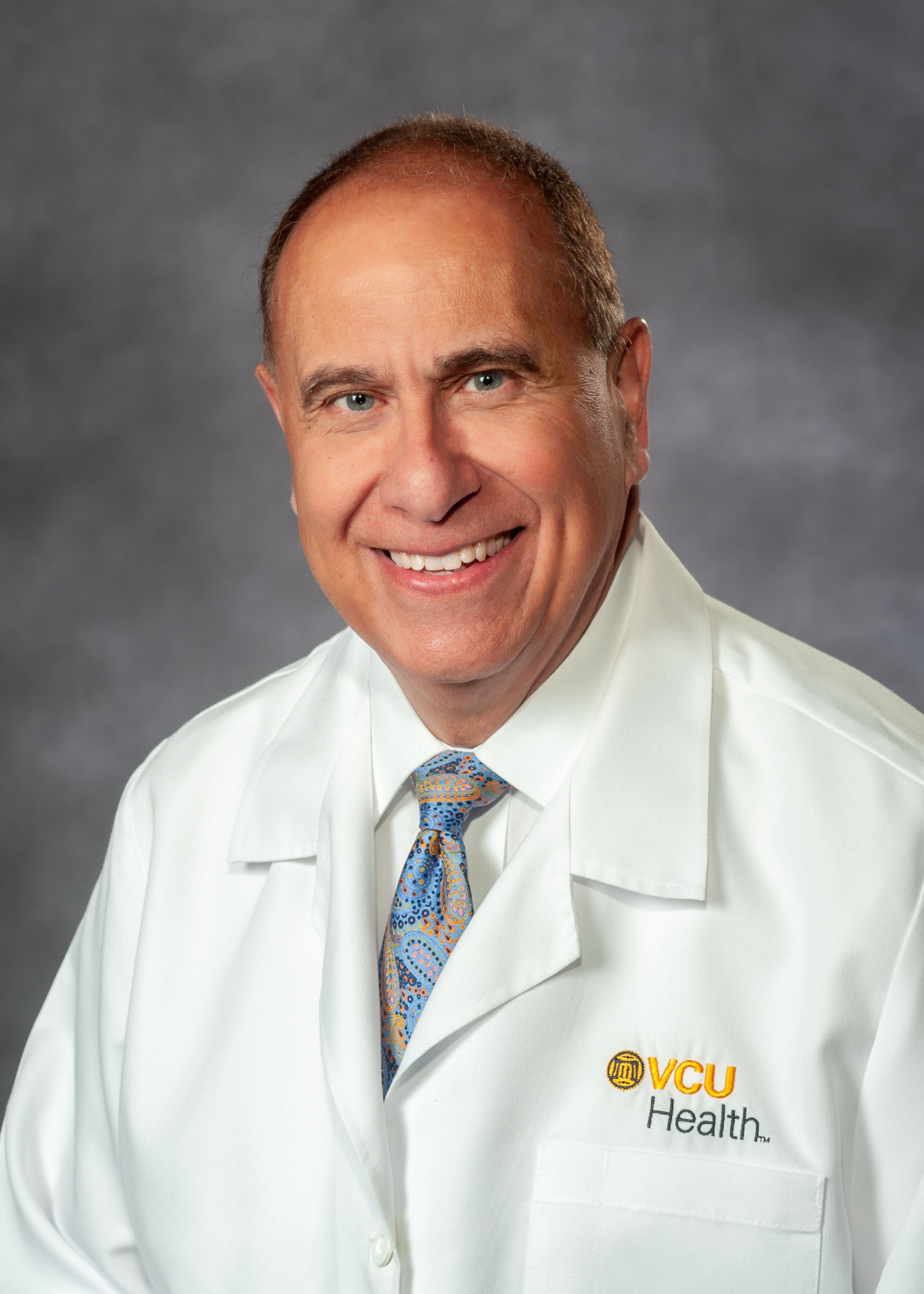 Joseph P. Ornato合作论文数Department of Emergency Medicine, School of Medicine, Virginia Commonwealth University20
 Robert A. Berg合作论文数Department of Anesthesiology and Critical Care Medicine, Children's Hospital of Philadelphia;Center for Health Outcomes and Policy Research, University of Pennsylvania19
 Joseph Miller合作论文数Piedmont Heart Institute19
 Long H. Ngo合作论文数Department of Medicine, Harvard T.H. Chan School of Public Health, Harvard University;Division of General Medicine, Beth Israel Deaconess Medical Center17
 Sarah M. Perman合作论文数Department of Emergency Medicine, Hospital of the University of Pennsylvania17
 Monica E Kleinman合作论文数17
 Vinay M. Nadkarni合作论文数Children's Hospital of Philadelphia16Catherine E Ross合作论文数Harvard Med Sch, 1 Deaconess Rd, Boston, MA 02115 USA15Andersen Lars W合作论文数15
 Amy Uber合作论文数15
 Peter Morley合作论文数Consultant in Anaesthesia and Intensive Care Medicine, Royal United Hospital15Brandon Giberson合作论文数14
 S Mehta合作论文数Sterling Hospital Ahmedabad13Michael D. Howell合作论文数13
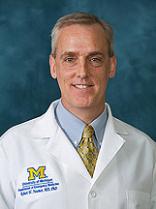 Robert Neumar合作论文数Department of Emergency Medicine, Emergency Medicine Faculty, University of Michigan13
 Jasmeet Soar合作论文数North Bristol NHS Trust13Asger Granfeldt合作论文数Dept Intens Care, Aarhus Univ Hosp13Shiva Gautam合作论文数Beth Israel Deaconess Medical Center, Harvard Medical School13Jacob Vine合作论文数12Tuyen Yankama合作论文数12
 Mahmoud S. Issa合作论文数Dept Emergency Med, Beth Israel Deaconess Med Ctr12
 Jerry Nolan合作论文数School of Physiology, Pharmacology & Neuroscience, University of Bristol;Warwick Medical School, University of Warwick12John N. Clore合作论文数12
 Mark D Walsh合作论文数11Erin Carney合作论文数11
 Charles Wira合作论文数Department of Emergency Medicine, School of Medicine, Yale University10
 Peter J. Kudenchuk合作论文数Division of Cardiology, Arrhythmia Services, Department of Medicine, University of Washington;University of Washington Medical Center10Brian J. O’Neil合作论文数10
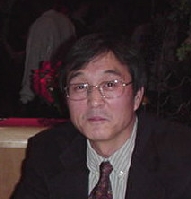 Won Young Kim合作论文数Columbia University10Paul S Chan合作论文数9
 Eric Lavonas合作论文数Denver Hlth & Hosp Author, Rocky Mt Poison & Drug Ctr9




