Ammonium-ion (NH4+) hybrid supercapacitors are promising energy storage devices due to their low cost, high energy/power supply, and environmental friendliness. However, it remains a grand challenge to engineer electrode materials toward high-efficient NH4+ storage. Herein, we report 1D conjugated metal organic frameworks (1D c-MOFs) grown on hierarchical porous carbon nanofibers (HPCNFs), representing an attractive NH4+ host material that enables fast diffusion kinetics. Featuring high electrical conductivity, hierarchical porous structure, and dense active sites, the HPCNFs embedded with Ni-BTA (BTA = 1,2,4,5-benzenetetramine) c-MOF composite (denoted as HPCNFs@Ni-BTA) delivers an ultrahigh specific capacitance of 678.5 F g(-1) at 0.5 A g(-1) and an outstanding rate capability (220.1 F g(-1) at 10 A g(-1)). Experimental analyses and theoretical calculations confirm that, strong NH4+ adsorption capability comes from the reversible redox reaction occurred at NiN4 linkages between the C=N and C N bonds. By coupling HPCNFs@Ni-BTA anode with HPCNFs cathode, the NH4+ full device outputs a high specific capacitance of 156 F g(-1) at 0.3 A g(-1) and a remarkable energy density of 48.8 Wh kg(-1), outperforming most recently reported aqueous supercapacitors. This work provides an exciting strategy for designing advanced functional electrodes for the next-generation energy applications.
Although two-dimensional conjugated metal-organic frameworks (2D c-MOFs) provide an ideal platform for precise tailoring of capacitive electrode materials, high-capacitance 2D c-MOFs for non-aqueous supercapacitors remain to be further explored. Herein, we report a novel phthalocyanine-based nickel-bis(dithiolene) (NiS4)-linked 2D c-MOF (denoted as Ni2[CuPcS8]) with outstanding pseudocapacitive properties in 1 M TEABF4/acetonitrile. Each NiS4 linkage is disclosed to reversibly accommodate two electrons, conferring the Ni2[CuPcS8] electrode a two-step Faradic reaction with a record-high specific capacitance among the reported 2D c-MOFs in non-aqueous electrolytes (312 F g-1) and remarkable cycling stability (93.5% after 10,000 cycles). Multiple analyses unveil that the unique electron-storage capability of Ni2[CuPcS8] originates from its localized lowest unoccupied molecular orbital (LUMO) over the nickel-bis(dithiolene) linkage, which allows the efficient delocalization of the injected electrons throughout the conjugated linkage units without inducing apparent bonding stress. The Ni2[CuPcS8] anode is used to demonstrate an asymmetric supercapacitor device that delivers a high operating voltage of 2.3 V, a maximum energy density of 57.4 Wh kg-1, and ultralong stability over 5000 cycles.
Ammonium ions (NH4+) are emerging non-metallic charge carriers for advanced electrochemical energy storage devices, due to their low cost, elemental abundance, and environmental benignity. However, finding suitable electrode materials to achieve rapid diffusion kinetics for NH4+ storage remains a great challenge. Herein, a 2D conjugated metal-organic framework (2D c-MOF) for immobilizing iodine, as a high-performance cathode material for NH4+ hybrid supercapacitors, is reported. Cu-HHB (HHB = hexahydroxybenzene) MOF embedded with iodine (Cu-HHB/I-2) features excellent electrical conductivity, highly porous structure, and rich accessible active sites of copper bis(dihydroxy) (Cu-O-4) and iodide species, resulting in a remarkable areal capacitance of 111.7 mF cm(-2) at 0.4 mA cm(-2). Experimental results and theoretical calculations indicate that the Cu-O4 species in Cu-HHB play a critical role in binding polyiodide and suppressing its dissolution, as well as contributing to a large pseudocapacitance with adsorbed iodide. In combination with a porous MXene anode, the full NH4+ hybrid supercapacitors deliver an excellent energy density of 31.5 mWh cm(-2) and long-term cycling stability with 89.5% capacitance retention after 10 000 cycles, superior to those of the state-of-the-art NH4+ hybrid supercapacitors. This study sheds light on the material design for NH4+ storage, enabling the development of novel high-performance energy storage devices.
Nowadays, the rapid development of portable micro-electronics has stimulated a significantly increasing demand in micro-supercapacitors (MSCs) for efficient micropower sources. However, the performance of MSCs is hindered by the dense electrode design with sluggish ion diffusion or reaction kinetics and tortuous charge transfer pathways, especially at high mass loading. Inspired by the structure of natural forest with efficient solar energy utilization, we fabricate an innovative biomimetic Pt forest (named forest-like Pt) as a robust three-dimensional (3D) conductive current collector by a simple one-step electrodeposition process. This hierarchical nanoarchitecture significantly improves the exposed surface areas of active electrode materials. As a proof-of-concept, 3D MSCs based on poly(3,4-ethylenedioxythiophene) (PEDOT) conducting polymer grown on such forest-like Pt exhibit an enhanced areal capacitance of 69.3 mF cm-2 at 0.1 mA cm- 2, which is more than 5-fold larger than that of pristine PEDOT-based MSCs using conventional flat Au current collectors. Furthermore, the assembled 3D MSCs show a high areal energy density (6.16 mu W h cm- 2) and outstanding rate capability (63.2 mF cm-2 even at 5 mA cm- 2). Thus, this novel design concept provides a new approach to build advanced electrode nanoarchitectures for the next-generation MSCs.
The class of two-dimensional transition metal carbides/nitrides/oxycarbides (known as MXenes) has shown great potential in energy storage applications due to their intrinsic layered structure, outstanding electrical conductivity, tunable surface chemistry, and unique physicochemical properties. This review summarizes the latest progresses of MXene-based materials for supercapacitors and micro-supercapacitors. First, state-of-the-art structural engineering strategies for the construction of novel MXene-based electrodes are highlighted, as the electrochemical performance of MXenes is influenced by their structure, such as interlayer spacing and surface functional group density. Furthermore, the charge storage mechanisms of MXene-based electrodes in different electrolytes are discussed to stimulate further design and development of tailored materials for high-performance devices. Moreover, different device fabrication technologies are summarized and the achievements of specific device geometries (e.g., fiber -shape, planar -type, and three-dimensional devices) containing MXene-based materials are critically reviewed. Finally, perspectives and outlook for the development of high-performance MXene-based electrodes in terms of material engineering, performance improvement and device innovation are provided, clearly indicating research directions for next -generation advanced energy storage devices.
To overcome the low energy density and poor conductivity of conventional electrode materials for building supercapacitor, herein, a hybrid hydrogel prepared from compositing bio-based chitosan with holey graphene oxide by microwave-assisted hydrothermal is proposed. This binary hydrogel is endowed with heteroatomic functional groups and conductive porous network by chemical pretreatments, where amides and carboxyl groups are introduced during the acylation modification of chitosan to enable it soluble in water for sufficient reaction, while the oxidation etching for graphene oxide in the defect area by H2O2 facilitates in-plane nanopores network to provide abundant active surface and short ion diffusion pathway. Benefited from the high conductivity and flexibility, this hydrogel present promising performance when used as additive-free electrode in a three-electrode, with a high specific capacitance of 377 F/g at 5 A/g. The rich nitrogen and oxygen groups on surface of the hydrogel contribute to high capacitance directly, while the in-plane nanopores and hierarchically porous network benefit to promote their wettability, accelerate the charge transfer and enhance their charge storage ability. When the hydrogel composite is adopted into a flexible solid-state supercapacitor employing lignin hydrogel electrolyte, it unfolds a specific capacitance of 210 F/g at 0.5 A/g, with an ultrahigh energy density of 31 Wh/kg at the power density of 150 W/kg. The solid-state supercapacitor exhibits promising potential in applications such as signal sensor and portable energy storage.
The rapid development of miniaturized electronic devices has greatly stimulated the endless pursuit of high-performance on-chip micro-supercapacitors (MSCs) delivering both high energy and power densities. To this end, an advanced three-dimensional (3D) microelectrode architecture design offers enormous opportunities due to high mass loading of active materials, large specific surface areas, fast ion diffusion kinetics, and short electron transport pathways. In this review, we summarize the recent advances in the rational design of 3D architectured microelectrodes including 3D dense microelectrodes, 3D nanoporous microelectrodes, and 3D macroporous microelectrodes. Furthermore, the emergent microfabrication strategies are discussed in detail in terms of charge storage mechanisms and structure-performance correlation for on-chip MSCs. Finally, we conclude with a perspective on future opportunities and challenges in this thriving field.
High density carbon composite (AC3/G) with hierarchical porous structure is prepared by packing biomass-based carbon (ACs) into graphene network (rGO), via microwave-assisted hydrothermal treatment followed by capillary evaporation-induced drying. Graphene oxide is reduced during the treating process and acts as frame network to embed the ACs. ACs are packed into the network with a density up to 1.23 g/cm3 for AC3/G. ACs can prevent the agglomeration of rGO, and channels formed between rGO sheets and ACs facilitate the hierarchical porous structure. When AC3/G is used as a binder and conductive additive-free electrode in the three-electrode system, a high volumetric capacitance of 775 F/cm3 at 0.5 A/g is achieved with excellent cycling stability of 97.05%. When assembled into a flexible solid-state supercapacitor device with lignin hydrogel electrolytes, the high-density electrode delivers high volumetric and gravimetric energy densities of 9.7 W h/L and 7.9 W h/kg, with volumetric capacitance of 326 F/cm3 at 0.5 A/g. Remarkably, the study paves a new idea for preparation of energy devices with high volumetric performance using biomass resources.
The sandwich construction of chitosan (CS)/reduced graphene oxide (rGO) composite was synthesized through microwave-assisted hydrothermal method without further carbonization or activation process (CRG). CS homogeneous attached between the rGO slice sheet and improve the dispersion of CRG effectively, which can increase its specific surface area with hierarchical porous structure. Dehydration condensation occurred between CS and rGO, forming NHCO groups that can promote the wettability and conductivity of the composites. CRG exhibited improved degree of order and reduced graphitization defect, N-5 and OI groups were the dominant nitrogen and oxygen-containing groups. When used as additive-free electrode, CRG exhibited a high specific capacitance of 274 F g-1 at the current density of 0.5 A g-1 with good rate performance in a three-electrode system using 1 M H2SO4 electrolyte. Solid-state supercapacitor device was assembled with CRG electrode and lignin hydrogel electrolytes, high gravimetric energy densities of 8.4 Wh kg-1 at the power density of 50 W kg-1 was achieved.
Two types of carbon microspheres with abundant nitrogen-containing groups and porous structure were prepared via feasible and cost-effective methods, using chitosan (NCS-T) and glucose (NCSNH3-T) as the raw materials, chitosan and ammonia as nitrogen source respectively. The effect of nitrogen sources on structure of N-doped porous carbon and their supercapacitors/CO2 adsorption performance were discussed in details. The obtained carbon materials both exhibit a graphite-like structure with developed porous structures. For the NCS-T samples, N-5 and N-6 were the main nitrogen-containing groups, and O-I and O-II were the main oxygen-containing groups. For NCSNH3-T samples, N exists as N-5, N-6 N-Q and N-X groups, and O exists as O-I, O-II, and O-III groups. Micro-mesoporous structures developed, and on the specific surface area, pore volumes are more developed in NCSNH3 -T, mainly due to ammonia activation, which results in additional micropores especially ultramicropores (sizes < 0.9 nm). The obtained carbon materials are well suited for use as an electrode material and adsorbent. In three-electrode system, the specific capacitances were in the range of 96-161 F/g for NCS-T, and the values reached 220 -244 F/g for NCSNH3-T at 0.2 A/g in 1 M H2SO4 electrolyte, it's the combination of electric double layer capacitors and faradaic pseudocapacitance. The CO2 capture capacities were 51-141 mg/g for NCS-T and 180-243 mg/g for NCSNH3 -T, due to the developed micropores and ultramicropores. The results suggest that NCSNH3 -T can be a candidate as both electrode material and adsorbent. (C) 2019 Elsevier B.V. All rights reserved.
Enhanced 5-hydroxymethylfurfural (5-HMF) production from cellulose was achieved using a novel and clean Ni-doped biomass-based carbon catalyst (Ni-n /CS) under hydrothermal degradation conditions. The obtained catalyst was characterized by ICP-AES, N-2 adsorption-desorption, TEM, XPS, XRD, FT-IR, NH3-TPD, and pyridine IR. Abundant hydroxyl and carboxyl groups were present on the biomass-based carbon spheres (CSs), providing Lewis and Bronsted acid active sites. Furthermore, adding a Ni source increased the total acid content and the Bronsted acid strength. Ni mainly existed in its metallic form and was embedded in the porous carbon skeleton, providing active sites for cellulose adsorption and catalytic conversion. The effect of Ni dose, reaction time, and reaction conditions on 5-HMF production were investigated and optimized, acid catalyzed hydrolysis instead of hydrogenation reaction occurred when the parameters were optimized. A 5-HMF yield of 85% was obtained when cellulose (1 g) was reacted with H-2 (6 MPa) at 200 degrees C for 60 min using Ni-2.0/CS (200 mg) as catalyst. (C) 2018 Elsevier Ltd. All rights reserved.
Nitrogen-doped carbon materials with controllable morphologies were prepared via a soft template method using chitosan as the carbon and nitrogen source and F127 or ionic liquid as the template. The performance of the materials as electrodes and adsorbents for carbon dioxide removal were evaluated. Carbon spheres (CSs) with developed micropore structures were obtained without a template, whereas a tubular structure (CSF) containing mesopores with long-range order was obtained using F127. Layered carbon (CSI) containing micro-/mesopores with short- and long-range order was obtained using an ionic liquid. The samples exhibited graphite-like structure and the soft template increased the graphitization degree. Nitrogen existed mainly in the form of pyridine and pyridone groups in CSs and CSF and as pyridine, pyridone, and quaternary groups in CSI. The specific capacitances of CSs, CSF, and CSI were 144, 161, and 178 F g-1, respectively, at a current density of 1.0 A g-1 in 1 M sulfuric acid. The carbon dioxide adsorption capacities of CSs, CSF, and CSI were 142, 73, and 115 mg g-1, respectively; CSs displayed the highest value because of its developed micro- and ultramicroporous structure. Our results indicated that these carbon materials with various morphologies can be used as both electrodes and adsorbents.
Layered porous carbon (NCSIL-900) with a graphitization-like layered structure possessing developed oxygen- and nitrogen-containing groups were prepared via hydrothermal carbonization of chitosan in the presence of an ionic liquid (IL; 1-butyl-3-methylimidazolium chloride). The IL served as a dispersant, structure-directing agent and nitrogen source during the reaction, and facilitated the formation of a layered and mesoporous structure. Thus, NCSIL-900 exhibited developed micro/mesoporous characteristics in layered structures. When evaluated as an electrode material for supercapacitors, NCSIL-900 exhibited specific capacitance of 355 F/g at 0.2 A/g in (1 M H2SO4 electrolyte) and 275 F/g at 0.2 A/g in (6 M KOH electrolyte) in a three-electrode system. The values were 157.5 F/g at 0.5 A/g in (1 M H2SO4 electrolyte) and 120.8 F/g at 0.5 A/g in (6 M KOH electrolyte) in a two-electrode system. The layered porous structure and nitrogen-containing groups of NCSIL-900 contributed to its high specific capacitance. In this work, layered carbon materials that are promising candidates for electrode materials were prepared via a "green" route using "green" solvent and raw materials. (C) 2019 Taiwan Institute of Chemical Engineers. Published by Elsevier B.V. All rights reserved.
 Lang Huang合作论文数Coll Chem Engn, Qingdao Univ Sci & Technol7
 Qiong Wu合作论文数7
 Shitao Yu (于世涛)合作论文数青岛科技大学化工学院7
 Panpan Zhang (张盼盼)合作论文数School of Materials Science and Engineering, Huazhong University of Science and Technology6
 Xing Lu (卢兴)合作论文数School of Chemistry and Chemical Engineering, Hainan University;Carbon Center, School of Materials Science and Engineering, Huazhong University of Science and Technology6
 Faxing Wang (王法星)合作论文数School of Energy and Environment, Southeast University6
 Sheng Yang (杨胜)合作论文数Frontiers Science Center for Transformative Molecules, Shanghai Jiao Tong University5
 Mingchao Wang (王明超)合作论文数School of Advanced Materials, Peking University Shenzhen Graduate School4
 Shiwei Liu (刘仕伟)合作论文数Chemical Engineering Institute, Qingdao University of Science and Technology4
 Gaoyue Zhang合作论文数3
 Ying Huang合作论文数Institute of Materials Science, Technische Universität Dresden3
 Renheng Wang (王任衡)合作论文数College of Physics and Optoelectronic Engineering, Shenzhen University3Congxia Xie (谢丛霞)合作论文数3
 Zaichun Liu合作论文数School of Chemistry and Materials Science, University of Science and Technology of China2Shuangshuang Cao合作论文数2Xinglong Gu合作论文数2Li Yang合作论文数2
 Yuehong Zhang合作论文数College of Water Conservancy and Civil Engineering, Inner Mongolia Agricultural University2
 Yubin Fu (付钰彬)合作论文数School of Energy and Environment, Southeast University2
 Xinliang Feng (冯新亮)合作论文数Technische Universität Dresden;Department of Synthetic Materials and Functional Devices, Max Planck Institute of Microstructure Physics2
 Lu Li (李露)合作论文数2
 Arthur J. Ragauskas合作论文数Center for Renewable Carbon, Department of Forestry, Wildlife and Fisheries, School of Natural Resources, The University of Tennessee Institute of Agriculture;Department of Chemical and Biomolecular Engineering, Tickle College of Engineering, The University of Tennessee2
 Kun Guo (郭坤)合作论文数School of Chemical Engineering and Technology, Xi'an Jiaotong University/School of Mathematics, HIT2
 Chen Jiang合作论文数2Honggui Xie合作论文数1Baozheng Zhao合作论文数1Jinqiu Hu合作论文数1Shouyun Zhang合作论文数1Zhihao Wang合作论文数1
 Jinxin Liu合作论文数1Li Tong合作论文数1Yue Liu合作论文数1
 Haoyuan Qi合作论文数1
 Antonio Gaetano Ricciardulli合作论文数ISIS, Université de Strasbourg1Yannan Liu合作论文数Shanghai Jiao Tong Univ, State Key Lab Met Matrix Composites, Sch Chem & Chem Engn, 800 Dongchuan Rd, Shanghai 200240, Peoples R China1
 Guangbo Chen合作论文数Chinese Acad Sci, Tech Inst Phys & Chem, Key Lab Photochem Convers & Optoelect Mat, Beijing 100190, Peoples R China1
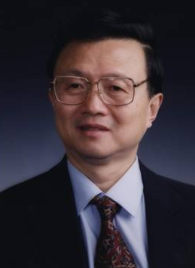 Zhanqian Song (宋湛谦)合作论文数Institute of Chemical Industry of Forest Products, Chinese Academy of Forestry1
 Gang Wang合作论文数†Max Planck Institute for Polymer Research, Ackermannweg 10, Mainz 55128, Germany.1
 Minghao Yu合作论文数Faculty of Chemistry and Food Chemistry, Technische Universität Dresden1
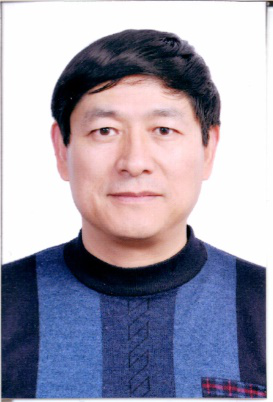 Zhengfang Qian (钱正芳)合作论文数College of Electronic Science and Technology of Shenzhen University1Yu Hailong合作论文数1
 Yu Feng (冯宇)合作论文数College of Textile Engineering, Taiyuan University of Technology;State Key Laboratory of Clean and Efficient Coal Utilization, Taiyuan University of Technology1Youwen Liu (刘友文)合作论文数School of Materials Science and Engineering, Huazhong University of Science and Technology1
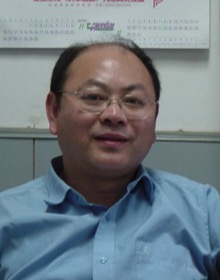 Zhiyong Wang (汪志勇)合作论文数Department of Chemistry, University of Science and Technology of China1
 Jinhua Sun (孙金华)合作论文数University of Science and Technology of China1
 Renhao Dong (董人豪)合作论文数Department of Chemistry, Materials Innovation Institute For Life Sciences and Energy, The University of Hong Kong;Department of Chemistry, Faculty of Science, The University of Hong Kong;School of Chemistry and Chemical Engineering, Shandong University1




