Active-matrix digital microfluidics (AM-DMF) integrates semiconductor-derived electrode arrays to enable scalable, high-throughput manipulation of thousands of micrometre-scale droplets. However, existing design automation flows rely on synthesis invocations that require a stable protocol graph and a fixed resource context. Even uncertainty-aware methods typically synthesize static DAG-like fragments after runtime decisions are made. This assumption becomes limiting on highly parallel AM-DMF platforms, where multiple runtime-activated basic blocks may overlap in time, share chip resources. To address this, we propose a two-layer decoupled synthesis framework that maintains a runtime dynamic DAG and separates operation scheduling/placement from droplet routing. The high-level Scheduler/Placer incrementally incorporates newly activated block DAGs and allocates operation locations without pre-computing droplet routes, while the low-level Router computes droplet movements just-in-time under changing blockages, emerging routing tasks, and movement failures. At the framework level, we evaluate two protocol classes under representative realized execution paths and report path-specific makespan (execution cycles), comparing with a sequential batch synthesis baseline. Direct comparison with Puddle’s public implementation further shows that it completes only a limited subset of small representative instances in our setting; within those completed cases, the proposed framework achieves lower execution cycles. Across the evaluated settings, the proposed framework shows generally lower execution cycles than the baseline, with gains depending on path realization and chip scale. At the routing level, the proposed router achieves up to 14× throughput improvement over a modified A*-based baseline, while maintaining decision time below 15 ms on 300×300 chips with up to 400 concurrent droplets. We validate the framework on a physical 128 × 128 AM-DMF platform.
The use of digital microfluidic biochips (DMFBs) has highlighted their superiority in automatically executing biochemical assays by controlling tiny nano/picoliter droplets, which are moved in parallel to enhance throughput. Routing-based synthesis for DMFBs yields faster assay execution times compared to module-based synthesis when on-chip resource constraints are stringent. However, without predefining modules, it is very challenging to handle all the droplets directly on the chip for successfully executing the desired biochemical assay, especially in dynamic environments. Through modeling routing-based synthesis into two kinds of real-time decision tasks, i.e., transportation and mixing, this article proposes a new routing-based synthesis framework that uses deep reinforcement learning (DRL) to train transportation and mixing agents, respectively. Additionally, we design effective partial observations and curriculum learning (CL) schemes for both kinds of agents to improve their generalization ability and accelerate the training process. Compared to the state-of-the-art heuristic routing-based synthesis methods, more efficient synthesis processes of the given assays can be achieved using the proposed method of combining DRL and CL. For example, the average completion time on several real-world bioassay benchmarks (PCR, INVITRO, and PROTEIN) was reduced by 12.9% similar to 18.5% approximately.
In the past decade, digital microfluidic biochips (DMFBs) have emerged as a transformative technology for laboratory automation, yet their clinical adoption remains constrained by reliability challenges stemming from electrode degradation and droplet cross-contamination. In this paper, we propose a contamination-aware cooperative multi-agent reinforcement learning (CaCMARL) framework that addresses the dual challenge of real-time droplet manipulation and cross-contamination minimization. We design a problem-specific observation space and reward function for agents to accomplish the droplet routing task, while minimizing both cross-contamination and completion steps. We accelerate agent training through the introduction of a curriculum learning mechanism. Extensive simulations demonstrate that our proposed method achieves 47%-58% reduction in cross-contamination events compared to the state-of-the-art method while maintaining similar task success rates and completion steps.
A 2D flexible hydrogel (GO/CNFn) with layered structure and superhydrophilic is synthesized via cross-linking and self-assembling of graphene oxide (GO) with cellulose nanofiber (CNF) through microwave-assisted hydrothermal. CNF acts as "dispersant" and "spacer", making GO nanosheets uniformly disperse on their surface with less agglomerations. The carboxyl groups and hydrophilicity of CNF effectively improve the charge storage capacity of carbon materials through interactions. When the mass ratio of GO to CNF is 3:1, the GO/CNF1 exhibits an excellent comprehensive electrochemical performance as free-standing electrodes, with the specific capacitance reaching 295 F/g at 0.5 A/g in three-electrode system. The influence of press pressure on GO/CNFn reveals that increasing the pressure improves the hydrophilicity of the electrode, favoring their wettability to aqueous electrolyte. GO/CNF1-6 possesses the highest degree of graphitization, and delivers a highest mass specific capacitance up to 493 F/g at 0.5 A/g. Flexible solid-state symmetric supercapacitor with GO/CNF1-6 as electrodes exhibits an energy density of 20.6 Wh/kg at a power density of 250 W/kg. The good flexibility and biocompatibility of the devices show sensitive current response to biological signals, endowing them potential application prospect in wearable portable electronics and human motion detections.
Flexible hybrid hydrogels (GO/AC/CNFn) with a 3D porous network structure and superhydrophilic property are synthesized by cross-linking and self-assembling graphene oxide (GO) and activated carbon (AC) with cellulose nanofiber (CNF) during microwave hydrothermal process. In this ternary composite hydrogel, CNF molecular chains bridge GO sheets to build the 3D skeleton and anchor AC particles within GO nanosheets, forming ordered architecture of GO/AC/CNFn hydrogel that simultaneously possesses high flexibility and excellent mechanical integrity. When using this hydrogel as additive-free electrode, the presence of AC provides developed porous structure and density to promote high volumetric capacitance, while the heteroatom nitrogen groups tune the surface property of the composite with increased electrical conductivity. Benefited from the optimized structure, GO/AC/CNF1 electrode delivers an ultra-high mass specific capacitance of 627 F/g and volume specific capacitance of 618 F/cm3 at 0.5 A/g in three-electrode system in 1 M H2SO4 electrolyte, which is kinetically demonstrated to be essentially originated from the capacitive contributions. The energy density reaches 32.2 Wh/kg at a power density of 150 W/kg for the fabricated flexible solid-state symmetric supercapacitor. Moreover, the obtained flexible device could sensitively response at varied physiological signals, shedding fresh lights on their potential applications in signal sensors and portable electronics.
Digital microfluidic biochips (DMFBs) have shown great advantages in automatically executing biochemical protocols through manipulating discrete nano/picoliter droplets which are transported in parallel to achieve high-throughput outcomes. However, because of electrode degradations, the droplet transportation may fail, causing incorrect fluidic operations. To perform safety-critical bio-protocols, the reliability of droplet transportation becomes an utmost concern for DMFBs. It has been shown by the previous works that a reliable transportation policy can be learned using reinforcement learning (RL)-based methods by capturing the underlying health conditions of electrodes and making online decisions. However, previous RL methods may fail to accomplish routing tasks with multiple droplets, because there is a lack of cooperation among different agents (each agent represents one droplet). To deal with this problem and scale RL methods to many droplets, this article proposes a new cooperative centralized learning and distributed execution multiagent RL (MARL) framework for droplet routing in DMFBs using value-decomposition networks (VDNs). Moreover, to speed up the training and decision process as well as apply our method in large biochips, we use a partial observation space where agents can only observe environment in a limited field of view (FOV) centered around themselves. Compared with the state-of-the-art approach, the superior performance of the proposed approach is demonstrated on different DMFBs in terms of success rate and average completion time. We also validate our method on large biochips (e.g., $\mathbf {50\times 50}$ DMFBs) with more droplets than state-of-the-art approach (e.g., ten droplets).
To overcome the low energy density and poor conductivity of conventional electrode materials for building supercapacitor, herein, a hybrid hydrogel prepared from compositing bio-based chitosan with holey graphene oxide by microwave-assisted hydrothermal is proposed. This binary hydrogel is endowed with heteroatomic functional groups and conductive porous network by chemical pretreatments, where amides and carboxyl groups are introduced during the acylation modification of chitosan to enable it soluble in water for sufficient reaction, while the oxidation etching for graphene oxide in the defect area by H2O2 facilitates in-plane nanopores network to provide abundant active surface and short ion diffusion pathway. Benefited from the high conductivity and flexibility, this hydrogel present promising performance when used as additive-free electrode in a three-electrode, with a high specific capacitance of 377 F/g at 5 A/g. The rich nitrogen and oxygen groups on surface of the hydrogel contribute to high capacitance directly, while the in-plane nanopores and hierarchically porous network benefit to promote their wettability, accelerate the charge transfer and enhance their charge storage ability. When the hydrogel composite is adopted into a flexible solid-state supercapacitor employing lignin hydrogel electrolyte, it unfolds a specific capacitance of 210 F/g at 0.5 A/g, with an ultrahigh energy density of 31 Wh/kg at the power density of 150 W/kg. The solid-state supercapacitor exhibits promising potential in applications such as signal sensor and portable energy storage.
A series of lanthanide-organic pincer hosts were synthesized, which showed allosteric-controlled metal ion binding selectivities due to the lanthanide-induced subtle changes of the central vacant binding site.
As a revolutionary platform for miniaturizing laboratory procedures, the digital microfluidic biochip (DMFB) has the advantages of flexibility and re-configurability over its flow-based counterpart. Droplet routing is one of the most challenging problems in the design automation of DMFBs, which aims to schedule the movements of a set of droplets from their source electrodes to their target electrodes and satisfy both static and dynamic fluidic constraints. In this paper, we propose an evolutionary algorithm (EA) based droplet routing method with an indirect encoding scheme and an improved Dijkstra-based decoding strategy, to minimize the arrival time of the droplets. To be specific, the priority of the movements of the droplets are encoded in the chromosome instead of directly encoding the solution of the problem, i.e., a complete path from the source to the target for each droplet. In the 2D-routing decoding stage, a problem-specific cost function is defined and introduced in the Dijkstra algorithm for obtaining a more time-efficient path for each droplet. Meanwhile, to avoid accidental mixing of the droplets during their movements, several strategies are proposed to modify the paths for satisfying the fluidic constraints in different scenarios of both 2D-routing and 3D-compaction. Compared with the state-of-the-art droplet routing algorithms, the experimental results demonstrate the superiority of the proposed method based on two synthetic benchmark suites and a real-world bioassay benchmark suite.
Lignin-rich black liquor produced from paper-making industries causes severe eco-issues, and how to make full use of it to gain an environmental and economic balance has been gaining increasing attention.
Sulfur doping in carbonaceous materials is an effective approach to improve the performance of Li‐ion batteries (LIBs). Herein, sulfur‐implanted carbon dots‐embedded graphene (S‐CDs/rGO) as an anode material for LIBs is reported. A facile method is used to prepare S‐CDs/rGO by annealing the mixture of benzyl disulfide (BDS) and graphene oxide (GO). Herein, BDS serves as both the sulfur source and precursor of CDs. S‐CDs/rGO as an anode material for LIB delivers initial specific capacities of 938.8 mAh g −1 (first cycle) and 598.6 mAh g −1 (second cycle) at a current density of 100 mA g −1 . S‐CDs/rGO exhibits superior cycling performance with good capacity retentions of 78.8% (500 cycles), 61.5% (2000 cycles), and 75.7% (2000 cycles) at higher current densities of 1000, 2000, and 3000 mA g −1 , respectively. Moreover, the full cell assembly of the prepared S‐CDs/rGO as an anode and commercial LiFePO 4 as a cathode in the voltage range of 1.5–3.9 V delivers a high reversible capacity of 203.3 mAh g −1 after extensive 1000 cycles at 500 mA g −1 with 51.8% retention (a low fading rate of 0.049% per cycle), rendering it as a promising anode material for application in high‐performance LIBs.
High density carbon composite (AC3/G) with hierarchical porous structure is prepared by packing biomass-based carbon (ACs) into graphene network (rGO), via microwave-assisted hydrothermal treatment followed by capillary evaporation-induced drying. Graphene oxide is reduced during the treating process and acts as frame network to embed the ACs. ACs are packed into the network with a density up to 1.23 g/cm3 for AC3/G. ACs can prevent the agglomeration of rGO, and channels formed between rGO sheets and ACs facilitate the hierarchical porous structure. When AC3/G is used as a binder and conductive additive-free electrode in the three-electrode system, a high volumetric capacitance of 775 F/cm3 at 0.5 A/g is achieved with excellent cycling stability of 97.05%. When assembled into a flexible solid-state supercapacitor device with lignin hydrogel electrolytes, the high-density electrode delivers high volumetric and gravimetric energy densities of 9.7 W h/L and 7.9 W h/kg, with volumetric capacitance of 326 F/cm3 at 0.5 A/g. Remarkably, the study paves a new idea for preparation of energy devices with high volumetric performance using biomass resources.
Digital microfluidic biochips (DMFBs) have been a revolutionary platform for automating and miniaturizing laboratory procedures with the advantages of flexibility and reconfigurability. The placement problem is one of the most challenging issues in the design automation of DMFBs. It contains three interacting NP-hard sub-problems: resource binding, operation scheduling, and module placement. Besides, during the optimization of placement, complex constraints must be satisfied to guarantee feasible solutions, such as precedence constraints, storage constraints, and resource constraints. In this article, a new placement method for DMFB is proposed based on an evolutionary algorithm with novel heuristic-based decoding strategies for both operation scheduling and module placement. Specifically, instead of using the previous list scheduler and path scheduler for decoding operation scheduling chromosomes, we introduce a new heuristic scheduling algorithm (called order scheduler) with fewer limitations on the search space for operation scheduling solutions. Besides, a new 3D placer that combines both scheduling and placement is proposed where the usage of the microfluidic array over time in the chip is recorded flexibly, which is able to represent more feasible solutions for module placement. Compared with the state-of-the-art placement methods (T-tree and 3D-DDM), the experimental results demonstrate the superiority of the proposed method based on several real-world bioassay benchmarks. The proposed method can find the optimal results with the minimum assay completion time for all test cases.
Recently, covalent organic nanosheets (CONs) have emerged as functional two-dimensional (2D) materials for versatile applications. Strong interaction among layers and the instability of borate ester in moisture are the major hurdles to obtain few layered boron-containing CONs by exfoliation of their bulk counterparts. In this paper, we report a facile approach for preparation of few layered borate ester-containing CONs based on electrostatic repulsion of ions. We incorporated organic ionic groups into porous covalent organic frameworks (COFs) and it has been proved that the COFs with quaternary ammonium group could self-exfoliate into few layered ionic covalent organic nanosheets (iCONs) in polar organic solvents. Interestingly, the morphology of the iCOFs-A could be changed from a multilayered aggregation to nanocapsules, or 2D sheets when solvents with different polarity were used. In contrast, non-ionic covalent organic frameworks COFs-B could not self-exfoliate in various solvents. In addition, the self-exfoliated nanosheets could be used to fabricate uniform thin films on SiO2 wafer and the film exhibited explicit optical and electrical properties.
2D polymer sheets containing azobenzene are successfully prepared by a facile strategy of "2D self-assembly polymerization (2DSP)" via free radical polymerization in solution. A bola amphiphile containing azobenzene as a novel monomer is designed and synthesized. The results indicate that single-layer covalent pseudo-2D polymers on a micrometer scale are obtained after polymerization with vinyl monomers. Moreover, the 2D polymer sheets are highly sensitive to UV light due to incorporation of azobenzene groups into the polymer. Upon alternative irradiation with UV and visible light, the morphological transformation between sheets and rolled-up nanotubes can be achieved based on the reversible trans-to-cis photoisomerization of azobenzene units in the 2D polymer sheets.
设计、合成了两亲性线型共轭聚合物聚(对亚苯基丁二炔)(A-PPB),研究了它在溶液中的二维自组装行为.首先合成了A-PPB的前驱体聚合物PPB,利用核磁氢谱(1H-NMR)、傅里叶红外光谱(FTIR)和拉曼光谱对聚合物的结构及分子量进行了表征.然后通过水解反应,获得了两亲性共轭聚合物A-PPB,并考察了它在水、甲醇以及甲醇/甲苯混合溶剂中的自组装行为.透射电子显微镜(TEM)的测试结果表明,A-PPB在水溶液中自组装形成了二维超分子纳米片(2D-SNS),尺寸达几微米;用原子力显微镜(AFM)测得2D-SNS的厚度为5nm左右,由不超过3层的二维超分子聚合物层堆积而成.高分辨透射电子显微镜(HRTEM)、选区电子衍射(SAED)及X-射线衍射(XRD)的测试结果表明,2D-SNS是由A-PPB分子链平行堆积而成.在甲醇溶剂中,A-PPB形成了无规聚集体,而在甲醇/甲苯混合溶剂中则自组装形成了多层堆积的二维超分子纳米片.对比研究表明,非亲水的PPB在氯仿/甲醇混合溶剂中形成的是较厚的层状聚集体.还发现聚合物的链长对于自组装形成二维超分子片层也会有影响,当用数均聚合度为8的两亲性低聚(对亚苯基丁二炔)(A-OPB)在水溶液中进行自组装时,只能形成尺寸较小的无规聚集体.由此可见,聚合物的两亲性、电荷排斥作用以及聚合物链长等因素都会对共轭聚合物的二维自组装行为产生重要影响.
It is still a challenge to prepare single-layered or few-layered organic-silica hybrid nanomaterials now. In this study, we designed and synthesized an amphiphilic organosilane (PABI) with phenyl urea and carboxyl groups, and investigated its two-dimensional self-assembly and polymerization. The spontaneous formation of few-layered organic-silica hybrid nanomaterials was driven by synergetic association of the hydrophobic interactions, pi-pi stacking interactions, hydrogen-bond interactions, electrostatic repulsion and hydrolytic condensation of the precursor under the appropriate conditions. The results indicated that the two-dimensional self-assembly and the polymerization were related to the experimental conditions, such as the medium, the type and the content of the base. The structure of the hybrid nanomaterials was demonstrated by nuclear magnetic resonance (H-1-NMR), Fourier transform infrared spectroscopy (FTIR) and Si-29 cross-polarization magic-angle spinning nuclear magnetic resonance (CP-MAS Si-29-NMR). The morphology of the hybrid nanomaterials was confirmed by electron microscopy. Two or three layered organic-silica hybrid nanomaterials were obtained by two-dimensional self-assembly and polymerization of PABI in water when using 1,1,3,3-tetramethylguanidine (TMG) as a base under suitable condition (mole ratio of TMG to PABI was 1.1: 1 or 1.5: 1). The laminated sheet of the materials, with lateral size ranging from several hundred nanometers to several micrometers and thickness of 6 9 nm, was demonstrated by transmission electron microscopy (TEM) and atomic force microscopy (AFM). However, when the content of TMG (mole ratio of TMG to PABI was 2: 1) was too high, irregular aggregates were formed. In addition, irregular hybrid materials were obtained when organic solvents, such as DMF, DMSO, THF and MeOH, were respectively added to water. Moreover, when trimethylamine (TEA) and sodium hydroxide (NaOH) were used as bases, thick laminated sheets were obtained, and the result was consistent with X-ray diffraction spectrogram (XRD). These results are of great significance for preparation of few-layered or singlelayered organic-silica hybrid nanomaterials.
Recently, investigation on two-dimensional (2D) organic polymers has made great progress, and conjugated 2D polymers already play a dynamic role in both academic and practical applications. However, a convenient, noninterfacial approach to obtain single-layer 2D polymers in solution, especially in aqueous media, remains challenging. Herein, we present a facile, highly efficient, and versatile "1D to 2D" strategy for preparation of free-standing single-monomer-thick conjugated 2D polymers in water without any aid. The 2D structure was achieved by taking advantage of the side-by-side self-assembly of a rigid amphiphilic 1D polymer and following topochemical photopolymerization in water. The spontaneous formation of single-layer polymer sheets was driven by synergetic association of the hydrophobic interactions, π-π stacking interactions, and electrostatic repulsion. Both the supramolecular sheets and the covalent sheets were confirmed by spectroscopic analyses and electron microscope techniques. Moreover, in comparison of the supramolecular 2D polymer, the covalent 2D polymer sheets exhibited not only higher mechanical strength but also higher conductivity, which can be ascribed to the conjugated network within the covalent 2D polymer sheets.
This paper presents an overview of a novel two-phase loop called “pump-assisted capillary phase change loop” designed to address the drawbacks of temperature oscillation and limited heat transfer distance in loop heat pipes. The proposed loop is a combination of active and passive systems. It is equipped with an evaporator designed in the type of flat-disk, and a biporous wick that provides the capillary force. In addition, methanol is chosen as the working fluid. During the heat-transfer process, the working fluid is transferred by both the capillary force and the driving force of the mechanical pumping. Both the sensitive and the latent heat of the working fluid are utilized to transfer heat. The liquid circulation through the compensation chamber takes away heat leak from the evaporator to the compensation chamber. Test results indicate that the system shows a very fast response to variable heat loads with no obvious temperature oscillation being detected. The maximum heat load the system could transfer increases up to 180 W (heat flux = 17.7 W/cm2) with transport distance of 1850 mm at the heater surface temperature below 80 °C, when the power input of the mechanical pump is 2 W. The evaporator thermal resistance varies between 0.298 K/W and 0.196 K/W at the heat sink temperature of −10 °C.
A sensitive label-free DNA hybridization biosensing platform was fabricated based on the synergistic effect of polyaniline nanotubes (PANInt) and poly-L-lysine (pLys). The composite of pLys and PANInt was coated onto the carbon paste electrode (CPE) to form a uniform and very stable nanocomposite membrane. The pLys in the composite film not only acts as a membrane to retain good electron transfer capability of PANInt even at physiological pH, but also possesses fine biocompatibility for bio-analytes. DNA probes with negatively charged phosphate groups were readily linked to the positively charged pLys surface due to the strong electrostatic affinity. The synergistic effect of PANInt and pLys could significantly enhance the sensitivity of DNA hybridization recognition. The phosphinothricin acetyltransferase (PAT) gene fragment from transgenic corn and the polymerase chain reaction amplification of the terminator of nopaline synthase gene from the real sample of a kind of transgenic soybean were detected by this DNA electrochemical biosensor via label-free impedance method. This stable composite gives convenient permselectivity properties as a transducer material for the design of modern electrochemical impedance biosensor using [Fe(CN)6]3−/4− as an indicator.
 Qiong Wu合作论文数6
 Shitao Yu (于世涛)合作论文数青岛科技大学化工学院6
 Lang Huang合作论文数Coll Chem Engn, Qingdao Univ Sci & Technol5
 Ruke Bai (白如科)合作论文数Department of Polymer Science and Engineering, University of Science and Technology of China;Key Laboratory of Soft Matter Chemistry, Chinese Academy of Sciences5
 Bo Yuan (袁博)合作论文数Department of Computer Science and Engineering, College of Engineering, Southern University of Science and Technology5
 Kui Jiao合作论文数5Xing Wu (武星)合作论文数4
 Tsung-Yi Ho (何宗易)合作论文数Department of Computer Science and Engineering, The Chinese University of Hong Kong4
 Wei Bai (白玮)合作论文数Institutes of Physical Science and Information Technology, Anhui University4Chen Fang合作论文数3Shouyun Zhang合作论文数2Wang Tai-sheng合作论文数2
 Na Zhou (周娜)合作论文数Institute of Microelectronics of the Chinese Academy of Sciences;University of Chinese Academy of Sciences2
 Rongquan Yang合作论文数2Na Zhang合作论文数2Mingming Gao合作论文数2
 Qi Xu (徐奇)合作论文数School of Microelectronics, University of Science and Technology of China2
 Wei Zhang (张伟)合作论文数College of Chemistry and Chemical Engineering, Hunan Normal University2
 Tao Yang (杨涛)合作论文数Collaborative Innovation Center of Steel Technology, University of Science and Technology Beijing;Institute for Carbon Neutrality, University of Science and Technology Beijing2
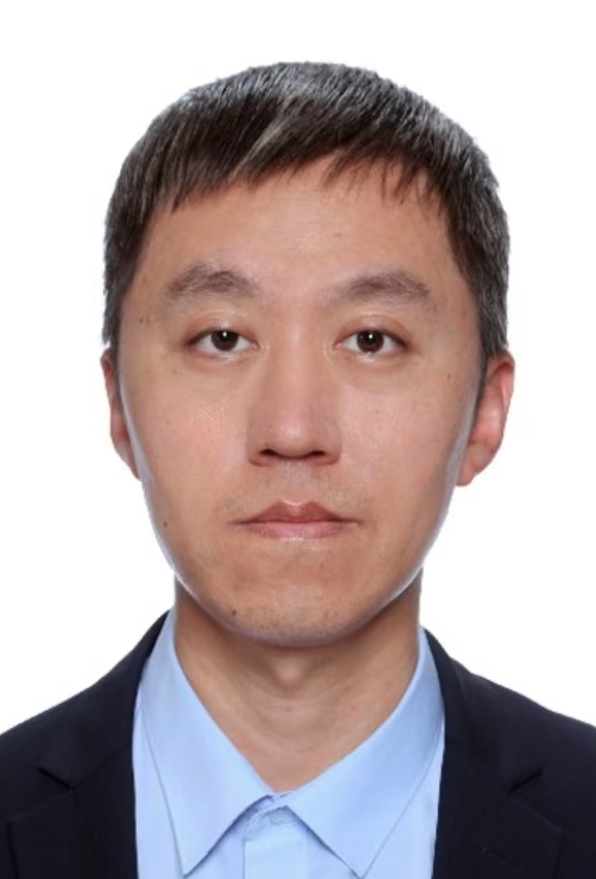 Hailong Yao (姚海龙)合作论文数School of Computer and Communication Engineering, University of Science and Technology Beijing2Ramesh Gottam合作论文数1Hongwei Gao合作论文数1Zhihao Wang合作论文数1
 Xilai Xue合作论文数1Xinglong Gu合作论文数1
 Taiming Zhang (张泰铭)合作论文数School of Biological Science & Medical Engineering, Southeast University1Miao Tang合作论文数1Shao-Jun Hu合作论文数1
 Zili Li (李自力)合作论文数College of Future Information Technology, Fudan University1
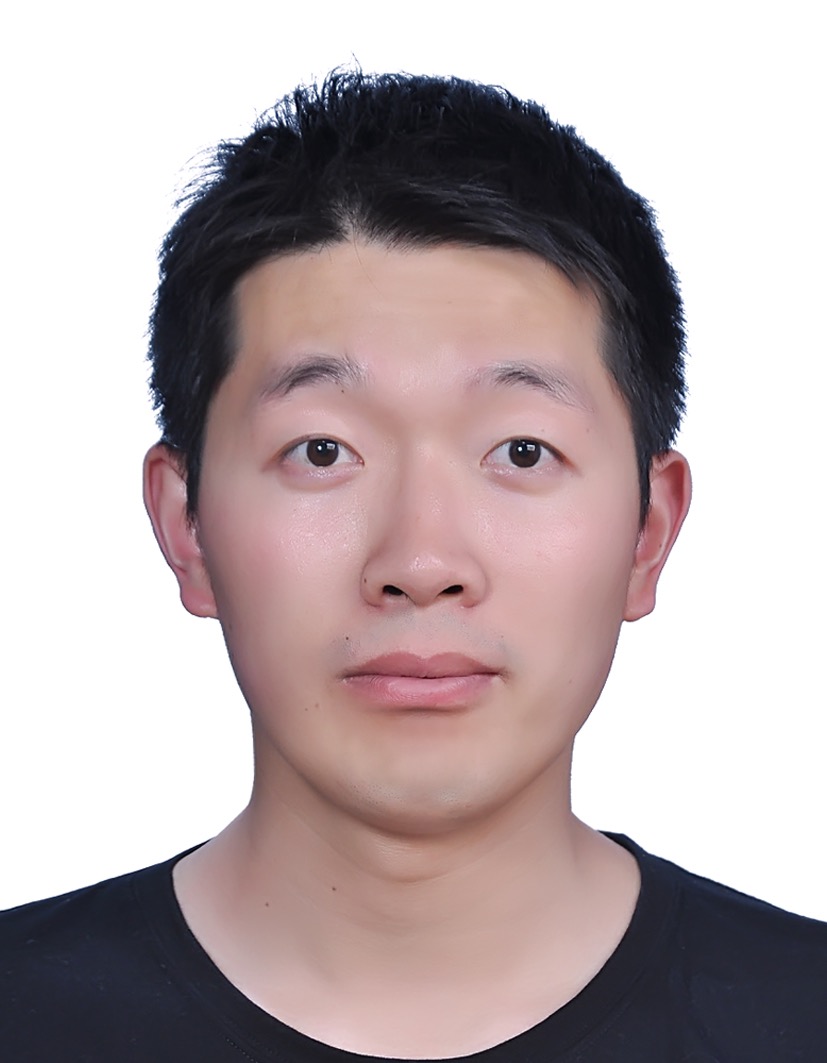 Lipeng Zhou (周黎鹏)合作论文数Fujian Institute of Research on the Structure of Matter, Chinese Academy of Sciences;University of Chinese Academy of Sciences1
 Hengxing Ji (季恒星)合作论文数Department of Applied Chemistry, School of Chemistry and Materials Science, University of Science and Technology of China;Hefei National Laboratory for Physical Sciences at Microscale, University of Science and Technology of China1
 Jian Yang (杨建)合作论文数Shenzhen Medical Academy of Research and Translation1
 Zhanqian Song (宋湛谦)合作论文数Institute of Chemical Industry of Forest Products, Chinese Academy of Forestry1
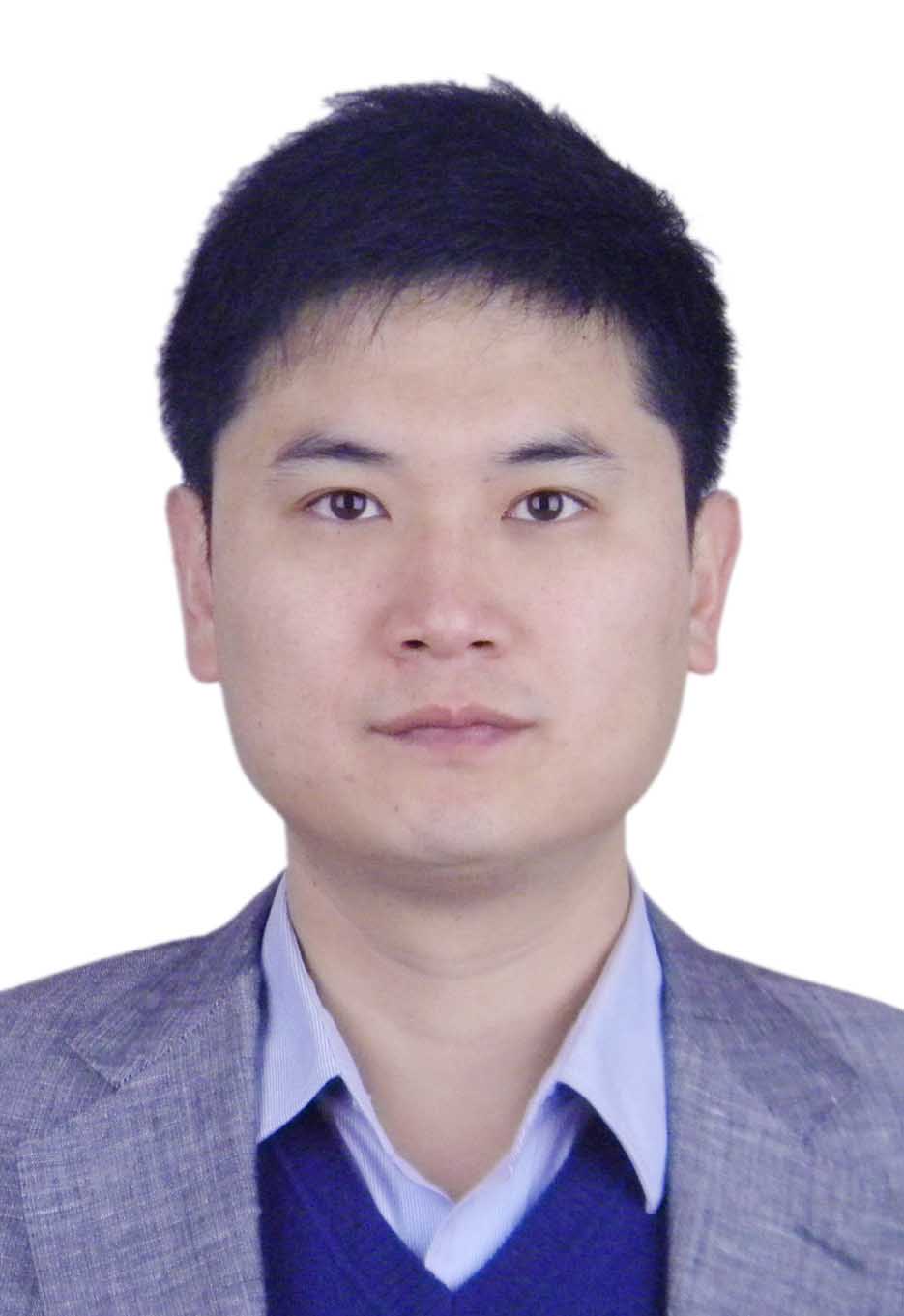 Qing-Fu Sun (孙庆福)合作论文数State Key Laboratory of Structural Chemistry, Fujian Institute of Research on the Structure of Matter, Chinese Academy of Sciences;University of Chinese Academy of Sciences1
 Yongchun Zhang (张永春)合作论文数School of Chemical Engineering, Dalian University Of Technology1
 YiNing Zhang (张易宁)合作论文数Fujian Institute of Research on the Structure of Matter, Chinese Academy of Sciences;University of Chinese Academy of Sciences1
 Wei Liu (刘伟)合作论文数Wuhan University of Technology1
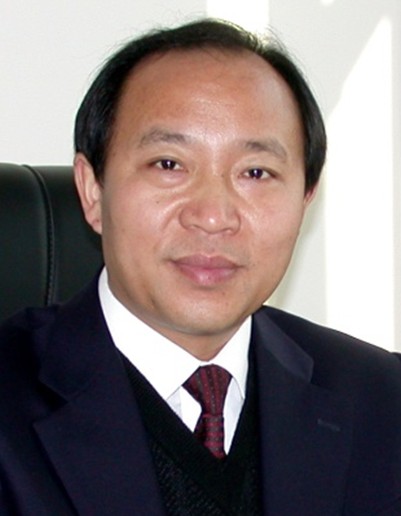 Shuting Yang (杨书廷)合作论文数河南师范大学化学系1
 Yuanyuan Feng (冯媛媛)合作论文数School of Chemistry and Chemical Engineering, Qufu Normal University1
 Xin Yao (姚新)合作论文数Department of Computer Science and Engineering, Southern University of Science and Technology;Centre of Excellence for Research in Computational Intelligence and Applications, University of Birmingham;School of Computer Science, University of Birmingham;School of Artificial Intelligence, Xidian University1Bangkun Jin (金邦坤)合作论文数Chemistry Experiment Teaching Center, School of Chemistry and Materials Science, University of Science and Technology of China1
 Meng Du合作论文数1
 Handing Wang (王晗丁)合作论文数School of Artificial Intelligence, Xidian University1
 Xinxiang Zhang (张新祥)合作论文数College of Chemistry and Molecular Engineering, Peking University1




