In the contemporary digital age, social media platforms like Facebook, Twitter, and YouTube serve as vital channels for individuals to express ideas and connect with others. Despite fostering increased connectivity, these platforms have inadvertently given rise to negative behaviors, particularly cyberbullying. While extensive research has been conducted on high-resource languages such as English, there is a notable scarcity of resources for low-resource languages like Bengali, Arabic, Tamil, etc., particularly in terms of language modeling. This study addresses this gap by developing a cyberbullying text identification system called BullyFilterNeT tailored for social media texts, considering Bengali as a test case. The intelligent BullyFilterNeT system devised overcomes Out-of-Vocabulary (OOV) challenges associated with non-contextual embeddings and addresses the limitations of context-aware feature representations. To facilitate a comprehensive understanding, three non-contextual embedding models GloVe, FastText, and Word2Vec are developed for feature extraction in Bengali. These embedding models are utilized in the classification models, employing three statistical models (SVM, SGD, Libsvm), and four deep learning models (CNN, VDCNN, LSTM, GRU). Additionally, the study employs six transformer-based language models: mBERT, bELECTRA, IndicBERT, XML-RoBERTa, DistilBERT, and BanglaBERT, respectively to overcome the limitations of earlier models. Remarkably, BanglaBERT-based BullyFilterNeT achieves the highest accuracy of 88.04% in our test set, underscoring its effectiveness in cyberbullying text identification in the Bengali language.
University Space Engineering Consortium (UNISEC)-Global has contributed to promoting and supporting practical space projects at the university level worldwide. Initially, the university consortium activities started in Japan in 2002, and currently, it has 24 Local Chapters (LCs) and 63 Points Of Contact (POC) worldwide. UNISEC-Global aims to create a world where university students in all countries/regions can participate in practical space projects and provide educational programs such as CanSat/CubeSat Leader Training Program (CLTP), Mission Idea Contest (MIC) for nano/micro satellite utilization. Also, it provides a forum where people can exchange information, knowledge, and views by organizing in-person and virtual conferences/meetings. Recent changes in the space situation caused by mega-constellation missions have impacted university satellite projects. UNISEC-Global needs diverse experts' support, and restructuring the organization is essential to involve all stakeholders. Given the problematic space situations, future directions are discussed, and three proposals, creating working groups, empowering Local Chapters, and launching UNISEC constellation mission(s), are presented.
A direct numerical simulation is used to solve the two-dimensional plane Poiseuille flow for three different stability cases; Specifically, they are a super-critical case at a Reynolds number of 10 000, a critical-stable case at a Reynolds number of 5772.22, and sub-critical case at a Reynolds number of 1000. The perturbations are developed using the eigenfunctions of Orr-Sommerfeld equation's solution. In many applications, the flow was required to be fully laminar. As a result, a model-based controller is developed for stabilizing the flow field using unsteady strong suction and blowing technique, through distributed slots on the two walls of the channel. This technique is introduced to cancel the propagating wave in the boundary-layers near the two walls. Promising results are achieved for the unstable and critical-stable cases. The stable case is tested. Slight improvements in its growth rate are recorded. In turn, a faster response for the flow field is achieved.
Object detection is a fundamental task in computer vision. In most cases, this motive is often corrupted by the shadows in an image. These scenarios consequence a great need of shadow processing. Along with this, the method of detecting and removing shadow is used to improve computer vision applications such as image segmentation, object recognition and tracking. The prime objective of this paper is to detect and remove shadow from an image by analyzing color models and background texture pattern. Initially, shadow boundaries are detected from a given foreground region by adjusting color models. Then the similarity between texture features of shadow and neighboring non-shadow region is measured. Finally, based on these similarities, texture pattern of non-shadow region is projected onto the shadow region to get a shadow free image. However, it is noteworthy that Local Binary Pattern (LBP) is used here to measure the texture feature as it is simple and efficient. In addition, this simple methodology has achieved a good detection rate of 87.81 % and presented a high PSNR (22.41), SSIM (0.9432) value and low RMSE (3.48) value after shadow removal.
Foggy images suffer from low contrast and poor visibility problem along with little color information of the scene. It is imperative to remove fog from images as a pre-processing step in computer vision. The Dark Channel Prior (DCP) technique is a very promising defogging technique due to excellent restoring results for images containing no homogeneous region. However, having a large homogeneous region such as sky region, the restored images suffer from color distortion and block effects. Thus, to overcome the limitation of DCP method, we introduce a framework which is based on sky and non-sky region segmentation and restoring sky and non-sky parts separately. Here, isolation of the sky and non-sky part is done by using a binary mask formulated by floodfill algorithm. The foggy sky part is restored by using Contrast Limited Adaptive Histogram Equalization (CLAHE) and non-sky part by modified DCP. The restored parts are blended together for the resultant image. The proposed method is evaluated using both synthetic and real world foggy images against state of the art techniques. The experimental result shows that our proposed method provides better entropy value than other stated techniques along with have better natural visual effects while consuming much lower processing time.
The foundation of sustainable democracy and good governance is the transparency and credibility of elections. For last several years, electronic voting systems have gained much more popularity and have been of growing interests. E-voting has been considered as a promising solution to many challenges of traditional paper-ballot voting. Conventional electronic voting systems are vulnerable due to centralization of information system. Blockchain is one of the most secure public ledgers for preserving transaction information and also allows transparent transaction verification. It is a continuously growing list of data blocks which are linked and secured by using cryptography. Blockchain is emerging as a very potential technology for e-voting as it satisfies the essential requirements for conducting a fair, verifiable and authentic election. In this work, we proposed a blockchain based voting mechanism based on predetermined turn for each node to mine new block in the blockchain rather than performing excessive computation to gain the chance to mine block. We analyzed two possible conflicting situation and proposed a resolving mechanism. Our proposed voting system will ensure voter authentication, anonymity of the voter, data integrity and verifiability of the election result.
The current research investigates the use of modern pedagogies in Pakistan. It is intended to address the teaching community's pedagogical problems in Pakistan. Besides, the research also motivates teachers to make use of modern pedagogies and make their teaching effective. Although most teachers use obsolete methods of teaching, this research attempts to investigate and encourage the use of modern pedagogies in Pakistan. Furthermore, modern pedagogies effectively address the learning needs of students. Therefore, this research seeks to investigate which teaching pedagogies are used in teaching English in Pakistan’s Sindh province. Purposive sampling technique and survey questionnaire were used for collecting data from six participants who teach English in government colleges of Pakistan’s Sindh province. The research findings show that the participants are using modern pedagogies when teaching English in their colleges. Additionally, the researchers applied a qualitative method to analyze the data and used a survey questionnaire to collect primary data with the help of purposive sampling. Hence, the current research studies the problem of using modern teaching methodologies in a detailed manner.
Perceived discrimination (PD) in the workplace of individuals diagnosed with cancer has been reported in the literature. Our study aimed at understanding the clinical and social factors related to reported PD in the workplace after return to work (RTW) of women diagnosed with early breast cancer (BC). We used data from a French longitudinal cohort (CANTO; NCT01993498) including women diagnosed with stage I-III BC. Our analysis was conducted among 2130 women working and ≥5 years younger than legal retirement age at BC diagnosis (dx) who had returned to work two years afterwards. Logistic regression models were created, with PD in the workplace after RTW (i.e. being downgraded, unwillingly relocated or refused a promotion, or losing responsibilities) self-reported two years after dx as dependent variable and household income per capita (HI) as independent variable. Adjustment for age, working conditions before and after RTW (e.g. working part/full-time, size of the company, changes in working hours after RTW, number of months worked since RTW), clinical and health variables were carried out. To clarify the role of health in the association between HI and PD, stratified analyses by health status one year after dx (measured with QLQC30-GHS below/over 60) were carried out. Overall, 26% of women reported PD in the workplace after RTW, ranging from 20% when HI >3500€ to 29% when HI <1500€. After adjustment for working conditions, the association between HI and PD attenuated (table). After stratification by health status, no association between HI and PD was found among women with poor health status or among women with good health status.Table 235PMultivariable logistic regression of association between HI and PD in the workplace after RTWHousehold Income (€/month)%OR (95% CI)Model 1: Adjusted for age + clinical variables *Model 1 + Adjusted for working conditions>350012.5RefRef3000-350010.11.19 (0.75 to 1.89)1.15 (0.71 to 1.85)2000-300027.31.34 (0.92 to 1.95)1.24 (0.84 to 1.84)1500-200024.41.56 (1.07 to 2.29)1.30 (0.87 to 1.94)<150025.71.53 (1.04 to 2.24)1.40 (0.93 to 2.11)* stage at dx, treatment, Charlson at dx Open table in a new tab * stage at dx, treatment, Charlson at dx After adjusting for working conditions, HI was not associated with reporting discrimination at work.
The current research work is a critical discourse analysis of Donald Trump's Inaugural Address (2017). The researcher has made use of Ruth Wodak’s Discourse Historical Model (2004) to study the inaugural address. Moreover, the current research work is qualitative in its approach and analysis, as it answers the research questions in accordance with Ruth Wodak’s Discourse Historical Model (2004). Furthermore, research design used in this research is both descriptive and explanatory; and, it also contains purposive sampling as a data collection method. Although much CDA research has been already carried out on Trump’s speeches, the current research studies Trump’s speech in the context of history and power using Ruth Wodak’s Discourse Historical Model (2004). The researcher has focused lexical and syntactic items in Trump’s speech. Besides, the researcher has found out that power relations, historical norms, ideological constraints, and American values have played a significant role in the discursive construction of Trump’s Inaugural address (2017). Finally, the current research convincingly achieves its objectives and answers its questions.
Consensus string is a significant feature of a deoxyribonucleic acid (DNA) sequence. The median string is one of the most popular exact algorithms to find DNA consensus. A DNA sequence is represented using the alphabet Σ= {a, c, g, t}. The algorithm generates a set of all the 4l possible motifs or l-mers from the alphabet to search a motif of length l. Out of all possible l-mers, it finds the consensus. This algorithm guarantees to return the consensus but this is NP-complete and runtime increases with the increase in l-mer size. Using transitional probability from the Markov chain, the proposed algorithm symmetrically generates four subsets of l-mers. Each of the subsets contains a few l-mers starting with a particular letter. We used these reduced sets of l-mers instead of using 4ll-mers. The experimental result shows that the proposed algorithm produces a much lower number of l-mers and takes less time to execute. In the case of l-mer of length 7, the proposed system is 48 times faster than the median string algorithm. For l-mer of size 7, the proposed algorithm produces only 2.5% l-mer in comparison with the median string algorithm. While compared with the recently proposed voting algorithm, our proposed algorithm is found to be 4.4 times faster for a longer l-mer size like 9.
Biological interaction mainly depends on the interactions of various genes and genomes. To identify actual meaning of interactions we have to find out the facts and reasons for these interactions. Gene analysis allows to verify such environment. Gene annotation means to identify the exon regions in metagenomic samples. The de Bruijn graph plays significant role in gene prediction and next generation sequencing (NGS). Apart from that, Eular Path of de Bruijn graph introduced generalized gene annotation for translational and splicing signals, exon introns separation and coding regions. set of graph reduction rules have used to build a de Bruijn graph. Accurate solution for large scale sequencing, trims space complexity and generates optimal gene annotation have tested.
The experiments were carried out to observe the necessary control or elimination of the separation bubble which occurs during SWBLI (shock wave boundary layer interaction) in hypersonic flows. The dielectric barrier discharge plasma actuator (DBD-PA) as an active flow control technique has been used for this investigation. The study examines the effect of local active flow control of DBD-PA on the stability of laminar separation bubble. The Schlieren imaging is used to study the interaction between the DBD-PA and the SWBLI. The actuator was operated at pulsing frequency of 10 kHz, which generates the starting vortex at the frequency of 50 Hz. The results are presented in this paper. The actuator was arranged in two different fashions to observe its effect as a flow control mechanism in a hypersonic flow.
Word Sense Disambiguation (WSD) is the task of determining the specific meaning of an ambiguous word according to the context. In the realm of natural language processing, WSD is an open problem, and its development can significantly assist in human-level machine translation. In this paper, we have proposed a system for Bengali Word Sense Disambiguation through the FP-Growth algorithm. Moreover, we have also implemented the Apriori algorithm and presented an analysis on both of them to explain how the FP-Growth algorithm outperforms the Apriori algorithm performing Bengali Word Sense Disambiguation. Furthermore, In the testing phase we have found that for 80% of the test sentences, our proposed method can retrieve the exact meaning of an ambiguous word.
Consensus string is the most frequent common pattern in a set of string. Consensus string is an important feature of DNA sequence. Many algorithm have been introduced to discover consensus string. Among them, median string algorithm is the most popular one. Basically, that is a brute force algorithm.DNA sequence is composed of a series of four letter alphabet Σ={a,c,g,t}. If the size of the consensus string is l, then the algorithm generates all the 4 <sup xmlns:mml="http://www.w3.org/1998/Math/MathML" xmlns:xlink="http://www.w3.org/1999/xlink">l</sup> number of l length strings called motifs or l-mer. Then try to fit the motifs one by one with the sequence. In this paper we have discovered a way to reduce the search space using chapman kolmogorov relation. We found that, the proposed system can find the same consensus string within a shorter period of time than the time taken by the median string algorithm. As the l-mer size increases, the proposed system takes much less time than the median string algorithm. For l-mer size 7, we found the proposed system is 47 times faster than the median string algorithm.
Automatic handwritten Bangla character recognition (HBCR) is a challenging problem in computer vision due to numerous variations in writing styles of an individual Bangla character and the presence of similarities in shapes among different characters. Considering the complexity of the problem, we need to develop a modern convolutional neural network (CNN) for accurate recognition, but unfortunately, at present, very few Bangla handwritten dataset contain a large number of image samples for each character suitable for training deep learning-based methods. In this paper, we present AIBangla, a new benchmark image database for isolated handwritten Bangla characters with detailed usage and a performance baseline. Our dataset contains 80,403 hand-written images on 50 Bangla basic characters and 249,911 hand-written images on 171 Bangla compound characters which were written by more than 2,000 unique writers from various institutes across Bangladesh. In addition, we have applied three leading state-of-the-art deep CNN networks on our proposed AIBangla dataset to provide baseline performance. We have achieved a maximum accuracy of 98.13% and 81.83% for basic and compound character classes respectively on the test set of the AIBangla dataset.
This is a simple, economic, sensitive stability indicating RPHPLC method for the simultaneous estimation of metformin and teneligliptin in bulk and pharmaceutical formulation. The method was carried out on octa-decyl C18 column (5 μm, 25 cm × 4.6 mm, i.d) using methanol: water in the ratio of 70:30 and pH of the mobile phase up to 3 was adjusted with OPA at a flow rate of 1.0 ml/min. The wavelength for metformin and teneligliptin at 235 nm was found to be appropriate. The linearity range was obtained in the concentration range of 25 150 μg/ml for MET, while 5 30 μg/ml for TNG respectively. The retention time of metformin and teneligliptin was found to be 2.45 and 6.68 min, respectively. The regression equation for MET and TNG were found to be as y = 8.288 x + 0.026 and y = 27.26 x + 38.28 with correlation coefficient (R 2 ) 0.999 and 0.999, respectively. The developed method was found to be robust, accurate and sensitive which can be used for estimation of combination of metformin and teneligliptin in pharmaceutical dosage forms. INTRODUCTION: Metformin hydrochloride (MET), Fig. 1 chemically is 1-carbamimidamidoN, N-dimethylmethanimidamide hydrochloride with a molecular formula of C4H11N5.HCl and a molecular weight of 165.63 1 . It is white to pale white in colour which is freely soluble in water, and is practically insoluble in acetone, ether and chloroform. Metformin hydrochloride is the firstline medication for the treatment of type 2 diabetes 2 , particularly in people who are overweight. QUICK RESPONSE CODE DOI: 10.13040/IJPSR.0975-8232.9(4).1705-12 Article can be accessed online on: www.ijpsr.com DOI link: http://dx.doi.org/10.13040/IJPSR.0975-8232.9(4).1705-12 It is also used in the treatment of polycystic ovary syndrome 3 . Metformin inhibits hepatic gluconeogenesis in mice independently of the LKB1/AMPK pathway via decrease in hepatic energy state 4 .
This study includes the existing cropping pattern, cropping intensity and crop diversity of Khulna region. A pre-designed and pre-tested semi-structured questionnaire was used to collect the information and validated through organizing workshop. Single T. Aman cropping pattern was the most dominant cropping pattern in Khulna region existed in 17 out of 25 upazilas. Boro-Fallow-T. Aman cropping pattern ranked the second position distributed almost in all upazilas. Boro-Fish was the third cropping pattern in the region distributed to 17 upazilas with the major share in Chitalmari, Dumuria, Rupsha, Tala, Kalaroa, Mollahat, Terokhada, Bagerhat sadar, Fakirhat, Rampal and Phultala upazilas. Single Boro rice was recorded as the fourth cropping pattern covered 18 upazilas with the higher share in waterlogged area of Dumuria, Mollahat, Tala, Bagerhat sadar, Fakirhat and Rampal. The highest number of cropping patterns was recorded in Kalaroa (26) followed by Tala (24) and the lowest was reported in Mongla (5). The overall crop diversity index (CDI) for the region was 0.93. The highest CDI was in Tala (0.95) and the lowest in Dacope (0.42). The average cropping intensity (CI) of the Khulna region was 171% with the lowest in Mongla (101%) and the highest in Kalaroa (224%).Bangladesh Rice j. 2017, 21(2): 203-215
Development workers, researchers and extensionists always need a comprehensive understanding and a reliable database on existing cropping patterns, cropping intensity and crop diversity of a particular area for the planning of future research and development. With this view, a survey-work was implemented over all the upazilas of Barisal region during 2016. A pre-tested semi-structured questionnaire was used as tool to document the existing cropping patterns, cropping intensity and crop diversity of the area. In the current investigation, 103 cropping patterns were identified. The highest number of cropping patterns 40 was found in Burhanuddin upazila of Bhola district and the lowest eight was in Betagi and Taltali of Barguna. The most dominant cropping pattern single T. Aman occupied 13.40% of net cropped area (NCA) of the region with its distribution over 33 upazilas out of 42. The second largest area, 10.44% of NCA, was covered by Boro−Fallow− T. Aman, which was spread out over 32 upazilas. The lowest crop diversity index (CDI) was recorded 0.221 in Agailjhara of Barisal district followed by 0.598 in Bhandaria of Pirojpur. The highest value of CDI was observed 0.972 in Charfasson followed by 0.968 in Tazumuddin of Bhola. The range of cropping intensity values was observed 107-249%. The maximum value was for Bhola sadar and minimum for Agailjhara of Barisal. The overall CDI of Barisal region was calculated 0.968 and the grand mean for cropping intensity at regional level was 204%.Bangladesh Rice j. 2017, 21(2): 57-72
Capacity building in space engineering is vital process to space development at both the national and international levels. Long term sustainability is also vital to the future space activities. This is a key theme of the discussions in global space forums such as UNCOPUOS. The issue of increasing density of debris in orbit is very relevant to nano-satellite activities at university level. The University Space Engineering Consortium (UNISEC) in Japan was established to support and promote practical space project development activities, such as nano-satellites and hybrid rockets at university level. The UNISEC concept in Japan is to facilitate activities by providing a platform where members can show and exchange the progress and lessons learned from each other. Sharing UNISEC experience and know-how with non-space faring nations was one of the main motivation to establish the UNISEC-Global in 2013 as well as fostering the international cooperation. This present paper presents the concept of UNISEC, establishment of UNISEC-Global and its contribution to the long term space sustainability and development.
 Lahouari Ghouti合作论文数Dept Informat & Comp Sci, King Fahd Univ Petr & Minerals24
 Yoshiaki Nakamura合作论文数23
 Amar Aggoun合作论文数School of Mathematics and Computer Science, Faculty of Science and Engineering, University of Wolverhampton22
 Mohammad F. Daemi合作论文数14
 Adnan Abdulaziz Muhammad Gutub合作论文数Department of Cybersecurity, College of Computing, Umm Al-Qura University13
 Ashur, Ahmed.S.合作论文数13
 Koichi Mori合作论文数13A. E. Bashagha合作论文数12
 Md Sarwar Kamal合作论文数10Pranab Kumar Dhar合作论文数9
 Harish Kumar Sardana合作论文数6
 Linkon Chowdhury合作论文数Dept CSE, East Delta Univ6
 Iqbal H Sarker合作论文数Security Research Institute, Edith Cowan University;Cyber Security Cooperative Research Centre6
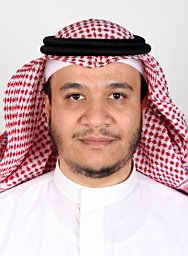 Turki F. Al-Somani合作论文数Computer Engineering Department, Umm Al-Qura University6D Aitboudaoud合作论文数5
 Laurent Bernard合作论文数5
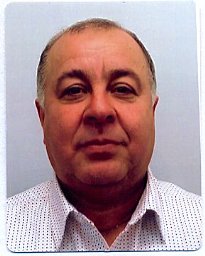 Ahmed Bouridane合作论文数Faculty, Queen’s University Belfast5
 Jong-Myon Kim合作论文数School of Electrical Engineering, University of Ulsan;IT Convergence Department, School of IT convergence, University of Ulsan;Embedded System Lab, University of Ulsan5
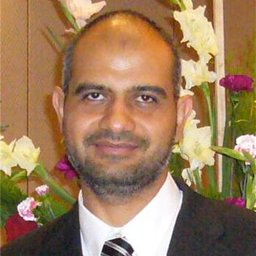 Mahmoud M. El-Gendi合作论文数5Farhad Keissarian合作论文数Chair of College of IT, UOWD5
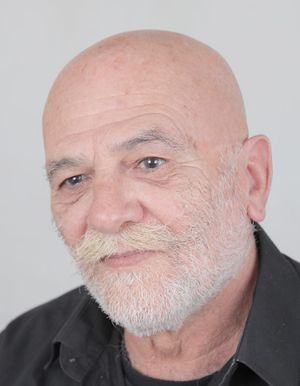 Adel Razek合作论文数National Scientific Research Center5Mc Mekhallalati合作论文数4theeb a algahtani合作论文数4
 Lionel Pichon合作论文数4
 Md. Iftekharul Alam Efat合作论文数Institute of Information Technology, Noakhali Science and Technology University4ahmed ibrahim alherz合作论文数4
 Kaushik Deb合作论文数Dept. of Comput. Sci. & Eng., Chittagong Univ. of Eng. & Technol.;c;Dept. of Comput. Sci. & Eng., Chittagong Univ. of Eng. & Technol.4Abdulaziz Alkhoraidly合作论文数4Atef J. Al-Najjar合作论文数4
 Marie Bassford合作论文数4A. Dirweesh合作论文数3
 Mohammad Shibli Kaysar合作论文数3Garnham, N.W.合作论文数3
 Mohamed El-Ghandour合作论文数3
 Anwar Ali合作论文数Department of Chemistry, Central University3
 Khaled Mostafa Shah合作论文数3
 Sathish Chandran合作论文数RF Consultants3N. Kumar合作论文数3
 Anil Kumar Nain合作论文数Department of Chemistry, Dyal Singh College, University of Delhi3DOI KATSUNORI合作论文数2AAA Gutub合作论文数2
 Ahmed Dirweesh合作论文数2
 Olivier Cayol合作论文数2SM Shahidullah合作论文数2Bakhshi Abdul Rahman Khalil Ahmed合作论文数2Bushra Ambreen合作论文数2Ritika Zijoo合作论文数2
 Mirza Adil Beig合作论文数2
 Muhammad Yasir Khan合作论文数2




