Speleothem carbonate represents a key archive for the reconstruction of paleo-environmental conditions. Its oxygen isotope composition (δ18O) depends on temperature, the δ18O of cave water and kinetic isotope effects. No approach has been available yet that allows reliable reconstruction of both cave temperature and δ18O of cave water from the analysis of the stable isotopic composition of the carbonate. It has recently been postulated that dual clumped isotope thermometry (i.e. simultaneous Δ47 and Δ48 measurements) may overcome this limitation, making quasi-equilibrium speleothems identifiable for the purpose of robust paleoclimate reconstructions (Parvez et al., 2024).We have analyzed the dual clumped isotope compositions of a wide variety of speleothems considering full error propagation at the 95 % confidence interval level. Δ47 and Δ48 values of coarsely grained cryogenic and pool carbonates plot indistinguishably from equilibrium and measured Δ47 values conform to independently constrained formation temperatures. These results imply that slow diffusion of CO2 out of the water column becomes the rate-limiting process in the formation of these carbonates such that isotopic equilibrium in the H2O-DIC-CaCO3 system is likely attained during progressive precipitation.Δ47 and Δ48 values of stalagmites sampled closest to their growth axes also plot indistinguishably from equilibrium. However, most stalagmites exhibit a negative Δ47 disequilibrium bias, i.e. measured Δ47 values yield apparent formation temperatures that are higher than independently constrained cave temperatures. Observed disequilibrium bias agrees with theoretical predictions made by the isotope-enabled diffusion–reaction model IsoCave (Guo and Zhou, 2019a) according to which this bias predominantly originates from unidirectional Rayleigh removal of dissolved bicarbonate through dehydration and dehydroxylation reactions. Due to current shot noise limit constraints on Δ48, isotopic disequilibrium along the stalagmite growth axis remains challenging to be resolved by Δ47/Δ48 analysis alone. Unless kinetic bias can be ruled out independently, Δ47 values of stalagmites should, therefore, only be considered as upper limits of cave temperature.Correction of kinetic bias in carbonate formation temperatures seems possible yielding uncertainties of ±3–4 °C on the 68 % confidence interval level but requires further constraints on the accuracy of kinetic isotope effects associated with dehydration and dehydroxylation reactions.
The Arabian Desert experienced multiple periods of wetter and greener conditions that sustained human populations and allowed the dispersal of mammal fauna across the Arabian Peninsula. A recently published speleothem-based paleoclimate reconstruction of central Arabia extends the record of such recurrent short-lasting humid periods over at least the past 8 million years. Here, we applied multiple recently developed paleothermometers to this late Miocene to late Pleistocene speleothem record: Fluid inclusion stable isotopes, microthermometry and dual-clumped isotopes. The data indicate that in the late Miocene and Pliocene, wetter episodes in central Arabia were up to ~4 °C warmer than current Mean Annual Air Temperature (MAAT). These temperature estimates imply that potential evapotranspiration was significantly higher during the late Miocene and Pliocene than during the late Pleistocene. From these temperature estimates, we calculated Pliocene potential evapotranspiration and estimated precipitation amounts for the humid periods in central Arabia. All the evidence from the speleothems combined (temperature, precipitation, δ¹³C values) suggests that over the past 8 million years, the wetter phases in central Arabia typically led to savanna-like environments.Modern climate data show that our study area has already reached Pliocene MAATs in recent years due to anthropogenic warming. The concomitant drying trend in modern settings indicates that higher temperatures are not the key factor in creating wetter conditions on the Arabian Peninsula. Previously proposed orbital control on the incursion of monsoonal moisture from the south into the Arabian Peninsula remains the most important driver of humidity during these past humid periods. In the modern orbital configuration, monsoonal moisture advection is displaced to the south, and increasing temperatures will likely lead to increased potential evaporation and aridity in central Arabia.
Understanding how climate drivers have influenced Eastern Australia (EA) hydroclimate variability over recent millennia is hampered by the short duration of instrumental climate records (<120 years). Proxy data measured from a stalagmite collected from Wombeyan Caves (NSW, Australia) extends the EA hydroclimate record to a 3000-year period, from 1045 BCE to 2006 CE. High-resolution time series of past water infiltration are derived from microstratigraphy, trace element concentrations, stable carbon and oxygen isotope ratios, and dated using radiocarbon. Principal Component Analysis (PCA) of hydroclimate-sensitive trace elements identified a dominant mode of variability (PC1) that strongly aligns with cool-season water balance. This mode demonstrates coherence with known climate drivers, highlighting a persistent influence of the El Ni & ntilde;o-Southern Oscillation (ENSO), the Interdecadal Pacific Oscillation (IPO) and the Southern Annular Mode (SAM) on EA hydroclimate over the past three millennia. Solar variability, volcanic aerosol forcing and temperature variability also modulate effective infiltration, which closely follows reconstructed Common-Era temperature trends, suggesting that atmospheric precipitation-temperature scaling can increase total precipitation and/or precipitation intensity in EA with increasing temperatures. Decades-to-centuries-long wetter conditions (from ca. 200-1080 CE and in the 15th and 16th centuries) alternated with dry conditions of similar duration (for example from 1490 to 1590 CE, in the early and later parts of the 1800s and in the early 1900s), supporting the idea that pluvial and drought periods can be even longer than those observed in the instrumental record. The Wombeyan stalagmite provides a baseline for advancing our current understanding of how interactions between different drivers of hydroclimate in EA result in long drought spells/pluvial events.
The role that climate played in human evolution has been controversially discussed among scientists for decades. Inspired by these discussions, the Hominin Sites Paleolakes Drilling Project (HSPDP) conducted five deep drilling campaigns adjacent to key hominin fossil sites in eastern Africa, including the Chew Bahir Basin in southern Ethiopia. Analysis of the Chew Bahir lacustrine sedimentary record revealed that over the past 620,000 years, phases of environmental stability and instability occurred contemporaneously with milestones in human history, including pulsed dispersal events out of Africa coinciding with potential humid periods. Although proxies from Chew Bahir sediments have provided important qualitative information about relative changes in environmental conditions, we still lack quantitative information on water availability and an understanding of the dominant climatic forcings controlling water balance. Here we present the first radiogenic strontium isotope (87Sr/86Sr) record covering the past 50,000 years from four Chew Bahir sediment short cores (CB01, CB03, CB05, CB06) and one long core HSPDP-CHB-1A in a resolution of 100 to 1000 years measured on fish bones, endogenic calcites, and ostracods. We interpret the Sr isotope proxy to reflect water provenance changes, particularly controlled by the varying contribution of water overflowing from a series of lakes further north in Ethiopia. Our new Sr-isotope record shows a remarkable correlation with global sea level variability and does not show a pattern of precession paced cycles. Superimposed on this pattern, we see concurrent excursions in the Sr-isotope record of centennial- to millennial scale events such as Heinrich Event 1 (H1) or the Younger Dryas (YD). As Chew Bahir dominantly receives Indian Ocean moisture, the most likely driver of moisture availability in this part of eastern Africa is the temperature of western Indian Ocean surface water that varies in pace with glacial-interglacial climate change. Also on shorter time scales, reduced Indian Ocean surface temperatures correspond to reduced moisture in the tropical rainbelt resulting in dry conditions around H1 and the YD. Where other paleohydrological proxy data from lake fossils can be comparatively noisy because of the high spatial and seasonal variability in such tropical systems, the relatively conservative hydrochemistry of the Sr isotope signal in lakes like Chew Bahir makes this proxy relatively insensitive to seasonal variability while it faithfully captures decadal to longer time scale signals.
Drylands cover almost half of Earth’s land surfaces, supporting ~30% of the world’s population. The International Panel on Climate Change predicts increasing aridification and expansion of drylands over the course of this century. As we approach new climate states without societal precedent, Earth’s geological past may offer the best tool to understand hydroclimate change under previously, allowing us to elucidate responses to external forcing. Paleo-records from previously warm and high-CO2 periods in Earth’s past, such as the mid-Pliocene (~3 Ma), point towards higher humidity in many dryland regions. Here, we examine desert speleothems from the hyper-arid desert in central Arabia, part of the largest near-continuous chain of drylands in the world, stretching from north-western Africa to the northern China, to elucidate substantial and recurrent humid phases over the past 8 million years. Independent quantitative paleo-thermometers suggest that mean annual air temperatures in central Arabia were approximately between 1 to 5 °C warmer than today. The analyses of the isotopic composition (δ18O and δ2H) of speleothem fluid inclusion waters, representing ‘fossil rainwater’, reveal an aridification trend in Arabia from the Late Miocene to Late Pleistocene during Earth’s transition from a largely ‘ice-free’ northern hemisphere to an ‘ice-age’ world. Together, our data provide evidence for recurrent discrete wetter intervals during past warmer periods, such as the Pliocene. Data-model comparisons allow us to assess the agreement between our paleoclimate data and climate model output using the HadCM3 isotope-enabled model simulations during past ‘warmer worlds’ – namely the mid-Piacenzian warm period (3.264 to 3.025 Ma). To assess the hydroclimate response to external forcing, we examine model output from a series of sensitivity experiments with different orbital configurations allowing us to postulate the mechanisms responsible for the occurrence of humid episodes in the Arabian desert, with potential implications for other dryland regions at similar latitudes. Together, our approach unveils the long-term controls on Arabian hydroclimate and may provide crucial insights into the future variability.
The hydroclimate change in the hot and arid Arabian Desert under anthropogenic global warming is a subject of ongoing discussions. Climate models project rising mean annual temperatures coupled with decreasing precipitation averaged over Saudi Arabia with regional variance (Almazroui, 2020). Stable isotope analysis on a combined speleothem record from central Arabia revealed recurring local humid periods during globally warmer intervals over the past ~8 million years (Markowska et al., in review). The speleothem record showed a long-term drying trend towards present, which may potentially be controlled by temperature change. The present study aims to reconstruct mean annual air temperatures (MAATs) of central Arabia during humid periods. These temperatures provide valuable benchmark data for past and future climate models in a region where terrestrial climate archives are scarce. Recent advances in speleothem-based paleothermometry facilitate extracting robust MAATs. We present data from several independent paleothermometers: Fluid inclusion isotopes (de Graaf et al., 2020), TEX86 (Meckler et al., 2021; Wassenburg et al., 2021), fluid inclusion microthermometry (Krüger et al., 2011), and dual clumped isotopes (Bajnai et al., 2020). These reconstructions show that recurrent wet intervals during the Miocene to Pleistocene in the Arabian Peninsula occurred at warmer than modern MAATs. We note, however, that temperature is not the only driver of humidity in the Arabian Peninsula and that both dry and humid periods likely existed under a warmer than today’s climate. Therefore, these observations cannot directly be interpreted as indicator that anthropogenic global warming will lead to future wet conditions in Saudi Arabia. Overall, we provide novel quantitative paleoclimate parameters that can inform climate model experiments leading to improved predictions for future climate scenarios.
Speleothems (stalagmites, stalactites and flowstones) are a powerful archive for reconstructing past climate conditions. These are secondary calcium-carbonate deposits that form in caves from the adequate supply of rainwater, soil CO2 and dissolved bicarbonate. They have been used extensively in arid regions, such as SW Asia, to reconstruct and benchmark past hydroclimatic conditions. Analysis of the distribution of active and inactive speleothem deposition across the Negev desert suggested a precipitation threshold of ~300-350 mm yr-1 is required for speleothems to deposit. This threshold has been applied to the broader SW Asia region to understand the minimum rainfall during periods of climate amelioration but has lacked specific region-wide analysis. Here, we apply logistic regression techniques and machine-learning methods to understand the climatic parameters which predict speleothem deposition across SW Asia. We show a gradual, rather than threshold response between speleothem deposition and rainfall amount, suggesting 1) precipitation over 300-350 mm yr is not a simple predictor of speleothem deposition across SW Asia, and 2) sites specific climates/environments and processes play an important role. We then apply a Random Forest machine-learning algorithm to our dataset to create a prediction of speleothem deposition. We show that minimum and maximum monthly rainfall, elevation, and a terrain roughness index are the most important variables, suggesting that water availability and topography are important predictors of speleothem deposition. Climate indices associated with temperature and evaporation contribute but play a less important role in the prediction. We emphasise the need for additional monitoring of external and internal cave environments to refine the climatic predictors of speleothem deposition in SW Asia and understand the site-specific processes that lead to the activation or cessation of speleothem growth. Importantly, our prediction provides a model which includes a range of climate-environmental data and may be used by researchers to locate new speleothem-bearing cave sites for study.
Unusually high delta N-15 values in the Neoarchean sedimentary record in the time period from 2.8 to 2.6 Ga, termed the Nitrogen Isotope Event (NIE), might be explained by aerobic N cycling prior to the Great Oxidation Event (GOE). Here we report strongly positive delta N-15 values up to +42.5 parts per thousand in similar to 2.75 - 2.73 Ga shallow-marine carbonates from Zimbabwe. As the corresponding deeper-marine shales exhibit negative delta N-15 values that are explained by partial biological uptake from a large ammonium reservoir, we interpret our data to have resulted from hydrothermal upwelling of 15N-rich ammonium into shallow, partially oxic waters, consistent with uranium isotope variations. This work shows that anomalous N isotope signatures at the onset of the NIE temporally correlate with extensive volcanic and hydrothermal activity both locally and globally, which may have stimulated primary production and spurred biological innovation in the lead-up to the GOE.
The Saharo-Arabian Desert is one of the largest biogeographical barriers on Earth, impeding dispersals between Africa and Eurasia, including movements of past hominins. Recent research suggests that this barrier has been in place since at least 11 million years ago 1 . In contrast, fossil evidence from the late Miocene epoch and the Pleistocene epoch suggests the episodic presence within the Saharo-Arabian Desert interior of water-dependent fauna (for example, crocodiles, equids, hippopotamids and proboscideans) 2–6 , sustained by rivers and lakes 7,8 that are largely absent from today’s arid landscape. Although numerous humid phases occurred in southern Arabia during the past 1.1 million years 9 , little is known about Arabia’s palaeoclimate before this time. Here, based on a climatic record from desert speleothems, we show recurrent humid intervals in the central Arabian interior over the past 8 million years. Precipitation during humid intervals decreased and became more variable over time, as the monsoon’s influence weakened, coinciding with enhanced Northern Hemisphere polar ice cover during the Pleistocene. Wetter conditions likely facilitated mammalian dispersals between Africa and Eurasia, with Arabia acting as a key crossroads for continental-scale biogeographic exchanges.
Speleothems are calcium carbonate deposits formed by the degassing of high pCO2 groundwaters typically found in karstic caves. They are a globally distributed geological archive that store information of climate and environmental changes at the time of their formation in multiple proxies, and crucially, provide excellent age control through uranium- thorium dating methods going back to 500,000+ years at seasonal to multi-decadal resolutions.
Understanding the mechanisms controlling spatial heterogeneity of drip water percolation into caves is essential for interpreting karst aquifer recharge and speleothem isotopic and geochemical records for paleoclimate analyses. Here we present the first analysis of drip rate variability using a novel time-varying Functional Principal Component Analysis (FPCA), validated against drip water stable isotope composition. Twenty-six drip sites were monitored across Harrie Wood Cave, south-east Australia, over a 2.5 year period. A positive relationship with cave drip water hydrology and rainfall and soil moisture was identified, with soil moisture recording the strongest relationship. FPCA was used to classify drip-water flow (percolation) pathways based on temporal shifts in the drip rate time series. Our results reveal that three percolation classes can be used to explain water movement within the cave: storage baseflow, fracture baseflow and overflow. The successful application of FPCA in this study suggests that this statistical technique will be useful for the analysis and interpretation of other large, discontinuous hydrological datasets.
Palaeoclimate information on multiple climate variables at different spatiotemporal scales is becoming increasingly important to understand environmental and societal responses to climate change. A lack of high-quality reconstructions of past hydroclimate has recently been identified as a critical research gap. Speleothems, with their precise chronologies, widespread distribution, and ability to record changes in local to regional hydroclimate variability, are an ideal source of such information. Here, we present a new version of the Speleothem Isotopes Synthesis and AnaLysis database (SISALv3), which has been expanded to include trace element ratios and Sr isotopes as additional, hydroclimate-sensitive geochemical proxies. The oxygen and carbon isotope data included in previous versions of the database have been substantially expanded. SISALv3 contains speleothem data from 365 sites from across the globe, including 95 Mg/Ca, 85 Sr/Ca, 52 Ba/Ca, 25 U/Ca, 29 P/Ca, and 14 Sr-isotope records. The database also has increased spatiotemporal coverage for stable oxygen (892) and carbon (620) isotope records compared with SISALv2 (which consists of 673 and 430 stable oxygen and carbon records, respectively). Additional meta information has been added to improve the machine-readability and filtering of data. Standardized chronologies are included for all new entities along with the originally published chronologies. Thus, the SISALv3 database constitutes a unique resource of speleothem palaeoclimate information that allows regional to global palaeoclimate analyses based on multiple geochemical proxies, permitting more robust interpretations of past hydroclimate and comparisons with isotope-enabled climate models and other Earth system and hydrological models. The database can be accessed at https://doi.org/10.5287/ora-2nanwp4rk (Kaushal et al., 2024).
<p>The fluctuating climatic conditions of the Saharo-Arabian desert belt are increasingly important for both palaeoclimatic and palaeoanthropological debates. Currently, Saharo-Arabia acts as a vast biogeographic barrier between the Afrotropical and Palaearctic realms. On orbital timescales, northward incursions of the African (ASM) and Indian (ISM) Summer Monsoons activated fluvio-lacustrine systems and led to the formation of grassland habitats. The formation of these habitats has been considered a crucial factor in&#160;<em>Homo sapiens&#160;</em>dispersals into the Saharo-Arabian deserts and beyond. The so-called &#8220;northern route&#8221; favours a terrestrial dispersal through green palaeohydrological corridors. However, a maritime &#8220;southern route&#8221; during the sea-level low-stand of Glacial Termination-II (T-II) has also been proposed. The precise phasing between the onset of wetter conditions and rising sea-levels may thus be a crucial factor for testing these alternative hypotheses. Here, we present a precisely dated high-resolution (<100 yrs) stalagmite record from Mukalla Cave, Yemen, at a key location on the &#8220;southern route&#8221;. Wetter conditions in Southern Arabia prevailed from ~127.7 to ~121.1 ka BP and occurred when sea-levels were already higher than at present, revealing a phase-lag of several thousand-years between sea-level rise and the onset of pluvial conditions. This lag is likely related to the colder conditions of Heinrich Stadial-11, which supressed the interhemispheric pressure gradient and the ASM and ISM throughout T-II despite rising insolation. &#948;<sup>18</sup>O<sub>ca</sub>&#160;values indicate rainfall intensity during the ~127.7 to ~121.1 ka BP interval 1) followed low-latitude insolation, and 2) was the greatest in the last 130,000 years. &#160;Additionally, a mixed C3/C4 grassland environment, as revealed by stalagmite &#948;<sup>13</sup>C<sub>ca</sub>&#160;values, was present in the now desert interior of Yemen. Combined with archaeological evidence, we discuss the potential implications our results have for&#160;<em>H. sapiens</em>&#160;biogeographical shifts and dispersal processes across Saharo-Arabia during early MIS 5.</p><p>&#160;</p>
The Pliocene Epoch (∼5.3–2.6 million years ago, Ma) was characterized by a warmer than present climate with smaller Northern Hemisphere ice sheets, and offers an example of a climate system in long‐term equilibrium with current or predicted near‐future atmospheric CO 2 concentrations ( p CO 2 ). A long‐term trend of ice‐sheet expansion led to more pronounced glacial (cold) stages by the end of the Pliocene (∼2.6 Ma), known as the “intensification of Northern Hemisphere Glaciation” (iNHG). We assessed the spatial and temporal variability of ocean temperatures and ice‐volume indicators through the late Pliocene and early Pleistocene (from 3.3 to 2.4 Ma) to determine the character of this climate transition. We identified asynchronous shifts in long‐term means and the pacing and amplitude of shorter‐term climate variability, between regions and between climate proxies. Early changes in Antarctic glaciation and Southern Hemisphere ocean properties occurred even during the mid‐Piacenzian warm period (∼3.264–3.025 Ma) which has been used as an analog for future warming. Increased climate variability subsequently developed alongside signatures of larger Northern Hemisphere ice sheets (iNHG). Yet, some regions of the ocean felt no impact of iNHG, particularly in lower latitudes. Our analysis has demonstrated the complex, non‐uniform and globally asynchronous nature of climate changes associated with the iNHG. Shifting ocean gateways and ocean circulation changes may have pre‐conditioned the later evolution of ice sheets with falling atmospheric p CO 2 . Further development of high‐resolution, multi‐proxy reconstructions of climate is required so that the full potential of the rich and detailed geological records can be realized.
Over recent years, a growing number of case studies have highlighted the relevance of fluid inclusion (FI) isotope analysis on speleothem calcite for the reconstruction of rainfall isotope variation back in time. Multiple studies documented FI isotope results consistent with projected local meteoric water line values, demonstrating that FI isotope analysis can provide unique and quantitative paleohydrological data. Several other studies have shown that FI isotope data can be compromised due to diagenetic effects, or (petrography-controlled) analytical artefacts. Such diagenetic or analytical artefacts typically have a detrimental impact on the accuracy of isotope equilibrium-based cave temperatures calculated from paired oxygen isotope values of FI water and host calcite.Here, we will highlight some recent FI isotope records, discuss current views on the recognition of FI isotopic artefacts, and provide guidelines for the interpretation of FI isotope data as a paleo-rainfall proxy, with particular focus on direct comparison to novel TEX86 paleotemperatures that can be derived from the same speleothem calcite.
The Saharo-Arabian desert is part of the largest near-continuous chain of drylands stretching from north-western Africa to the northern China. This harsh and often hyper-arid belt acts as a transition zone separating major biogeographic realms, including the Palearctic, Afrotropics and Indomalayan. This aridity is thought responsible for the creation of unique geographic endemism between Africa and Eurasia. However, there are no direct hydroclimate records from the Arabian hyper-arid interior before the mid-Pleistocene, leaving the terrestrial hydroclimate and the role of Arabia as a biogeographic crossroads or barrier largely unknown.We use desert speleothems preserved from the northern Arabian interior to identify past humid phases over the last 8 million years. These are particularly useful terrestrial climate archives as they act as underground rain gauges, requiring a minimum of ~300 mm a-1 precipitation, pedogenesis and vegetation cover to form. Moreover, they can be accurately and precisely dated and are subsequently a valuable tool in identifying past large-scale hydrological and vegetation changes in ancient drylands. Our data reveal evidence of multiple ‘windows of opportunity’ of climate amelioration, allowing biogeographic exchange and dispersals to occur across the Arabian hyper-arid zone. Further, the novel analyses of the isotopic composition (d18O and d2H) of speleothem fluid inclusion waters, representing ‘fossil rainwater’, reveal the diminishing influence of tropical rain-belt precipitation in Arabia across Earth’s transition from a largely ‘ice-free’ northern hemisphere to an ‘ice-age’ world. The extent of Arabian aridity may thus be important in controlling biogeographic dispersals through the Arabian corridor, becoming increasingly less favourable through time. This is supported by fossil evidence which suggest that exchange between biogeographic regions across the Old World Savannah Biome were favoured in the Late Miocene, but became increasingly latitudinally fragmented from the Pliocene onwards. These results have significant implications for understanding the drivers of dryland aridity in non-polar deserts globally.
Modern to Holocene tropical Pacific stalagmites are commonly difficult to date with the U-series, the most commonly used dating method for speleothems. When U-series does not provide robust age models, due to multiple sources of 230Th or little U, radiocarbon is, potentially, the best alternative. The 14C content of two stalagmites (Pu17 and Nu16) collected from Pouatea and Nurau caves in the Cook Island Archipelago of the South Pacific were measured to obtain accurate chronology for their most modern parts. The bomb-pulse soil continuum modelling indicates that bomb radiocarbon in Pu17 onsets in 1956 and reaches its maximum in 1966 CE, suggesting a fast transfer of atmospheric carbon to the stalagmite of < 1 year. The modelling for Pu17 suggests a 20% contribution from C1 - an instantaneous carbon source, which renders possible an immediate transfer of atmospheric signal into the cave. Nu16 shows a slower transfer of atmospheric carbon to the stalagmite than Pu17, with bomb radiocarbon onsetting in 1957 CE and peaking in 1972 CE. The less negative δ13C values in Nu16 than Pu17, and also the modelling corroborated this, which points out no contribution from the instantaneous carbon source. The radiocarbon age models and laminae counting age models were then spliced to achieve a single master chronology for the top part of each stalagmite. This study is an example of 14C age modelling combined with visible physical and chemical laminae counting and how it can improve the accuracy and precision of dating for otherwise hard-to-date tropical Pacific speleothems. Such accurate and precise age models pave the way to obtain sub-annually resolved paleoclimate records by further improving the calibration of climate proxy data with the current and instrumental weather parameters.
 Andy Baker合作论文数Earth and Sustainability Science Research Centre, School of Biological, Earth and Environmental Sciences, Faculty of Science, The University of New South Wales31
 Pauline C. Treble合作论文数Australian Nuclear Science and Technology Organisation26
 Martin S. Andersen合作论文数15
 Mark Cuthbert合作论文数School of Earth and Environmental Sciences, Cardiff University15
 Hubert B. Vonhof合作论文数15
 Helen Rutlidge合作论文数School of Civil & Environmental Engineering, Faculty of Engineering, The University of New South Wales13
 Gabriel C. Rau合作论文数School of Civil and Environmental Engineering, University of New South Wales13
 Christopher Marjo合作论文数UNSW Analytical Centre, University of New South Wales13
 Ashley N. Martin合作论文数Cancer Research UK Institute for Cancer Studies, The University of Birmingham13
 Catherine N. Jex合作论文数School of Geography, Earth and Environmental Sciences, University of Birmingham11
 Gerald H. Haug合作论文数Department of Climate Geochemistry, Max Planck Institute for Chemistry;Department of Earth Sciences, ETH Zurich11
 Carol Tadros合作论文数Connected Waters Initiative Research Centre, UNSW Sydney10Denis Scholz合作论文数Forschungsstelle Radiometrie, Heidelberger Akademie der Wissenschaften10
 Annett Junginger合作论文数Institut für Geowissenschaften and DFG Leibniz Centre for Surface Process and Climate Studies, Universität Potsdam9
 Andrea Borsato合作论文数Museo Tridentino di Scienze Naturali9
 Huw S. Groucutt合作论文数Res Lab Archaeol & Hist Art, Univ Oxford8
 Peter Graham合作论文数8
 Gregoire Mariethoz合作论文数Centre for Hydrogeology, University of Neuchâtel8
 Michael Petraglia合作论文数Australian Research Centre for Human Evolution, Griffith University8Samuel L. Nicholson合作论文数7
 Alfredo Martínez-García合作论文数Geological Institute, ETH Zürich7Hankin Stuart I合作论文数7
 Nikita Kaushal合作论文数Asian Sch Environm, Nanyang Technol Univ6
 Andrea Columbu合作论文数Dipartimento Sci Biol Geol & Ambientali, Univ Bologna6
 Stefan Weyer合作论文数Institut für Mineralogie, Universität Frankfurt6
 Asfawossen Asrat合作论文数Department of Geology and Geological Engineering, School of Earth Sciences and Engineering, Botswana International University of Science and Technology6Jens Fohlmeister合作论文数6
 Zoltan Kern合作论文数Institute for Geological and Geochemical Research, Hungarian Academy of Sciences6
 István Gábor Hatvani合作论文数Institute for Geological and Geochemical Research, Research Centre for Astronomy and Earth Sciences6
 Sophie Warken合作论文数Institute of Earth Sciences, Heidelberg University5
 Weber Michael合作论文数Max Planck Institute of Molecular Cell Biology and Genetics, Pfotenhauerstr. 108, 01307 Dresden, Germany.5
 Dominik Fleitmann合作论文数Inst Geol Sci, Univ Bern5
 Axel Gerdes合作论文数Institut fur Geowissenschaften, Goethe-Universität Frankfurt am Main5
 Hamid Roshan合作论文数School of Minerals & Energy Resources Engineering, Faculty of Engineering, The University of New South Wales5Julian Schroeder合作论文数4Regina Roach合作论文数4
 Yuval Burstyn合作论文数Inst Earth Sci, Hebrew Univ Jerusalem4
 Natasha Sekhon合作论文数Dept Earth Environm & Planetary Sci, Brown Univ4
 Sakonvan Chawchai合作论文数Morphol Earth Surface & Adv Geohazards Southeast, Chulalongkorn Univ4
 Franziska A. Lechleitner合作论文数Dept Chem Biochem & Pharmaceut Sci, Univ Bern4
 Verena Foerster合作论文数Inst Geog Educ, Univ Cologne4Laia Comas-Bru合作论文数Univ Reading, Sch Archaeol Geog & Environm Sci, Reading, Berks, England4
 Carole Nehme合作论文数IDEES UMR 6266CNRS, Univ Rouen Normandy4
 Ezgi Ünal-İmer合作论文数Dept Geol Engn, Middle East Tech Univ4
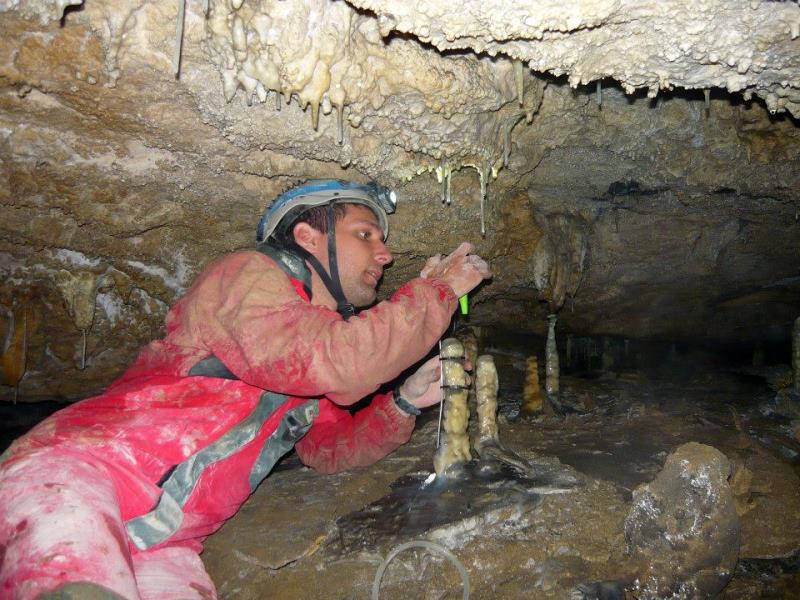 Perez Megias Carlos合作论文数School of Human Settlements and Civil Engineering, Xi'an Jiaotong University4
 Kerstin Braun合作论文数4
 Haiwei Zhang (张海伟)合作论文数School of Human Settlements and Civil Engineering, Xi'an Jiaotong University4
 Kira Rehfeld合作论文数Potsdam Institute for Climate Impact Research, Potsdam Institut fur Klimafolgenforschung4
 Valdir F. Novello合作论文数Universidade de São Paulo, University of São Paulo4




