Background The current standard of care for the treatment of patients with primary mitral regurgitation (MR) is surgical mitral valve repair. Transcatheter edge‐to‐edge repair with the MitraClip device provides a less invasive treatment option for patients with both primary and secondary MR. Worldwide, >150 000 patients have been treated with the MitraClip device. However, in the United States, MitraClip is approved for use only in primary patients with MR who are at high or prohibitive risk for mitral valve surgery. The REPAIR MR (Percutaneous MitraClip Device or Surgical Mitral Valve Repair in Patients With Primary Mitral Regurgitation Who Are Candidates for Surgery) trial is designed to compare early and late outcomes associated with transcatheter edge‐to‐edge repair with the MitraClip and surgical repair of primary MR in older or moderate surgical risk patients. Methods and Results The REPAIR MR trial is a prospective, randomized, parallel‐controlled, open‐label multicenter, noninferiority trial for the treatment of severe primary MR (verified by an independent echocardiographic core laboratory). Patients with severe MR and indications for surgery because of symptoms (New York Heart Association class II–IV), or without symptoms with left ventricular ejection fraction ≤60%, pulmonary artery systolic pressure >50 mm Hg, or left ventricular end‐systolic diameter ≥40 mm are eligible for the trial provided they meet the moderate surgical risk criteria as follows: (1) ≥75 years of age, or (2) if <75 years of age, then the subject has a Society of Thoracic Surgeons Predicted Risk Of Mortality score of ≥2% for mitral repair (or Society of Thoracic Surgeons replacement score of ≥4%), or the presence of a comorbidity that may introduce a surgery‐specific risk. The local surgeon must determine that the mitral valve can be surgically repaired. Additionally, an independent eligibility committee will confirm that the MR can be reduced to mild or less with both the MitraClip and surgical mitral valve repair with a high degree of certainty. A total of 500 eligible subjects will be randomized in a 1:1 ratio to receive the MitraClip device or to undergo surgical mitral valve repair (control group). There are 2 co–primary end points for the trial, both of which will be evaluated at 2 years. Each subject will be followed for 10 years after enrollment. The study has received approval from both the Food and Drug Administration and the Centers for Medicare and Medicaid Services, and enrolled its first subject in July 2020. Conclusions The REPAIR MR trial will determine the safety and effectiveness of transcatheter edge‐to‐edge repair with the MitraClip in patients with primary MR who are at moderate surgical risk and are candidates for surgical MV repair. The trial will generate contemporary comparative clinical evidence for the MitraClip device and surgical MV repair. Registration https://clinicaltrials.gov/ct2/show/NCT04198870 ; NCT04198870.
A virtual workshop was organized by the Heart Valve Collaboratory to identify areas of expert consensus, areas of disagreement, and evidence gaps related to bioprosthetic aortic valve hemodynamics. Impaired functional performance of bioprosthetic aortic valve replacement is associated with adverse patient outcomes; however, this assessment is complicated by the lack of standardization for labelling, definitions, and measurement techniques, both after surgical and transcatheter valve replacement. Echocardiography remains the standard assessment methodology because of its ease of performance, widespread availability, ability to do serial measurements over time, and correlation with outcomes. Management of a high gradient after replacement requires integration of the patient's clinical status, physical examination, and multimodality imaging in addition to shared patient decisions regarding treatment options. Future priorities that are underway include efforts to standardize prosthesis sizing and labelling for both surgical and transcatheter valves as well as trials to characterize the consequences of adverse hemodynamics.
The Society for Cardiovascular Angiography and Interventions (SCAI) Think Tank is a collaborative venture that brings together interventional cardiologists, administrative partners, and select members of the cardiovascular industry community annually for high-level field-wide discussions. The 2021 Think Tank was organized into four parallel sessions reflective of the field of interventional cardiology: (a) coronary intervention, (b) endovascular medicine, (c) structural heart disease, and (d) congenital heart disease. Each session was moderated by a senior content expert and co-moderated by a member of SCAI's Emerging Leader Mentorship program. This document presents the proceedings to the wider cardiovascular community in order to enhance participation in this discussion, create additional dialog from a broader base, and thereby aid SCAI, the industry community and external stakeholders in developing specific action items to move these areas forward.
Importance:Observational studies have suggested that the use of radial artery grafts for coronary artery bypass grafting may improve clinical outcomes compared with the use of saphenous vein grafts, but this has not been confirmed in randomized trials.Objective:To compare clinical outcomes between patients receiving radial artery vs saphenous vein grafts for coronary artery bypass grafting after long-term follow-up.Design, Setting, and Participants:Patient-level pooled analysis comparing radial artery vs saphenous vein graft in adult patients undergoing isolated coronary artery bypass grafting from 5 countries (Australia, Italy, Serbia, South Korea, and the United Kingdom), with enrollment from 1997 to 2009 and follow-up completed in 2019.Interventions:Patients were randomized to undergo either radial artery (n = 534) or saphenous vein (n = 502) grafts for coronary artery bypass grafting.Main Outcomes and Measures:The primary outcome was a composite of death, myocardial infarction, or repeat revascularization and the secondary outcome was a composite of death or myocardial infarction.Results:A total of 1036 patients were randomized (mean age, 66.6 years in the radial artery group vs 67.1 years in the saphenous vein group; 376 [70.4%] men in the radial artery group vs 351 [69.9%] in the saphenous vein group); 942 (90.9%) of the originally randomized patients completed 10 years of follow-up (510 in the radial artery group). At a median (interquartile range) follow-up of 10 (10-11) years, the use of the radial artery, compared with the saphenous vein, in coronary artery bypass grafting was associated with a statistically significant reduction in the incidence of the composite outcome of death, myocardial infarction, or repeat revascularization (220 vs 237 total events; 41 vs 47 events per 1000 patient-years; hazard ratio, 0.73 [95% CI, 0.61-0.88]; P < .001) and of the composite of death or myocardial infarction (188 vs 193 total events; 35 vs 38 events per 1000 patient-years; hazard ratio, 0.77 [95% CI, 0.63-0.94]; P = .01).Conclusions and Relevance:In this individual participant data meta-analysis with a median follow-up of 10 years, among patients undergoing coronary artery bypass grafting, the use of the radial artery compared with the saphenous vein was associated with a lower risk of a composite of cardiovascular outcomes.
OBJECTIVES:A large comprehensive analysis of transcatheter aortic valve replacement (TAVR) was performed for failed stentless bioprostheses. BACKGROUND:Valve-in-valve (ViV) transcatheter aortic replacement (TAVR) is an alternative to redo surgery for patients with a failing aortic bioprosthesis. METHODS:Unadjusted outcome data were collected from the VIVID (Valve-in-Valve International Data) registry between 2007 and 2016 from a total of 1,598 aortic ViV procedures (291 stentless, 1,307 stented bioprostheses). RESULTS:Bioprosthetic failure was secondary to aortic regurgitation in 56% of stentless and 20% stented devices (p < 0.001). ViV-TAVR access was transfemoral in 71.1% stentless and 74.2% stented ViV-TAVR. Self-expanding devices were more frequently used in stentless ViV-TAVR (56.0% vs. 39.9%; p = 0.05), but there was no difference between balloon-expanding and self-expanding TAVR devices for stented ViV-TAVR (48.6% vs. 45.1%). The degree of oversizing for all mechanisms of bioprosthesis failure was 9 ± 10% for stentless ViV-TAVR vs. 6 ± 9% for stented ViV-TAVR (and 8 ± 10% for stentless ViV-TAVR vs. 3 ± 9% for stented ViV-TAVR in patients with predominant aortic regurgitation; both p < 0.001). Initial device malposition (10.3% vs. 6.2%; p = 0.014), second transcatheter device (7.9% vs. 3.4%), coronary obstruction (6.0% vs. 1.5%), and paravalvular leak occurred more frequently in stentless ViV-TAVR (all p < 0.001). Hospital stay duration (median 7 days) was no different, and 30-day (6.6% vs. 4.4%; p = 0.12) and 1-year mortality year (15.8% vs. 12.6%; p = 0.15) were numerically higher, but not statistically different, after stentless ViV-TAVR. CONCLUSIONS:Stentless ViV-TAVR is associated with greater periprocedural complications (initial device malposition, second transcatheter device, coronary obstruction, paravalvular leak), but no difference in 30-day and 1-year outcome.
•Primary mitral regurgitation (MR) is commonly due to mitral valve (MV) prolapse.•Off-pump minimally invasive MV repair is an alternative to conventional MV surgery.•This case describes MV repair using the Harpoon TSD-5 device.•The technique facilitates image-guided minimally invasive repair.•Early data suggest the Harpoon procedure is safe and durable and reduces morbidity.
BACKGROUND:Few studies have evaluated the effect of chronic calcium-channel blocker therapy (CCB) on the angiographic and clinical outcome of radial artery (RA) grafts used for coronary bypass surgery.OBJECTIVES:The purpose of this study was to evaluate if CCB influences midterm clinical and angiographic outcomes of RA grafts.METHODS:Patient-level data of 6 angiographic randomized trials evaluating RA graft status at midterm follow-up were joined in this observational analysis. Cox regression and propensity score methods were used to evaluate the effect of CCB on the incidence of a composite of major adverse cardiac events (MACE) (death, myocardial infarction, and repeat revascularization) and graft occlusion.RESULTS:The study population included 732 patients (502 on CCB). The median clinical follow-up was 60 months. The cumulative incidence of MACE at 36, 72, and 108 months was 3.7% vs. 9.3%, 13.4% vs. 17.6%, and 16.8% vs. 20.5% in the CCB and no CCB groups, respectively (log-rank p = 0.003). Protocol-driven angiographic follow-up was available in 243 patients in the CCB group and 200 in the no CCB group. The median angiographic follow-up was 55 months. The cumulative incidence of RA occlusion at 36, 72, and 108 months was 0.9% vs. 8.6%, 9.6% vs. 21.4%, and 14.3% vs. 38.9% in the CCB and no CCB groups, respectively (log-rank p < 0.001). After controlling for known confounding, CCB therapy was found to be consistently associated with a significantly lower risk of MACE (multivariate Cox hazard ratio: 0.52; 95% confidence interval: 0.31 to 0.89; p = 0.02) and RA graft occlusion (multivariate Cox hazard ratio: 0.20; 95% confidence interval: 0.08 to 0.49; p < 0.001).CONCLUSIONS:In patients with RA grafts CCB is associated with significantly better midterm clinical and angiographic RA outcomes.
It is generally accepted that radial artery (RA) grafts have better mid-term patency rate compared to saphenous vein grafts. However, the clinical correlates of the improved patency rate are still debated. Observational studies have suggested increased survival and event-free survival for patients who receive an RA rather than a saphenous vein, but they are open to bias and confounders. The only evidence based on randomized data is a pooled meta-analysis of 6 randomized controlled trial comparing the RA and the saphenous vein published by the RADial artery International Alliance (RADIAL). In the RADIAL database, improved freedom from follow-up cardiac events (death, myocardial infarction and repeat revascularization) was found at 5-year follow-up in the RA arm. The most important limitation of the RADIAL analysis is that most of the included trials had an angiographic follow-up in the first 5 years and it is unclear whether the rate of repeat revascularization (the main driver of the composite outcome) was clinically indicated due to per-protocol angiographies. Here, we present the protocol for the long-term analysis of the RADIAL database. By extending the follow-up beyond the 5th postoperative year (all trials except 1 did not have angiographic follow-up beyond 5 years), we aim to provide data on the role of RA in coronary artery bypass surgery with respect to long-term outcomes.
Bioprostheses are prone to structural valve degeneration, resulting in limited long-term durability. A significant challenge when comparing the durability of different types of bioprostheses is the lack of a standardized terminology for the definition of a degenerated valve. This issue becomes especially important when we try to compare the degeneration rate of surgically inserted and transcatheter bioprosthetic valves. This document, by the VIVID (Valve-in-Valve International Data), proposes practical and standardized definitions of valve degeneration and provides recommendations for the timing of clinical and imaging follow-up assessments accordingly. Its goal is to improve the quality of research and clinical care for patients with deteriorated bioprostheses by providing objective and strict criteria that can be utilized in future clinical trials. We hope that the adoption of these criteria by both the cardiological and surgical communities will lead to improved comparability and interpretation of durability analyses.
BACKGROUND The use of radial-artery grafts for coronary-artery bypass grafting (CABG) may result in better postoperative outcomes than the use of saphenous-vein grafts. However, randomized, controlled trials comparing radial-artery grafts and saphenous-vein grafts have been individually underpowered to detect differences in clinical outcomes. We performed a patient-level combined analysis of randomized, controlled trials to compare radial-artery grafts and saphenous-vein grafts for CABG. METHODS Six trials were identified. The primary outcome was a composite of death, myocardial infarction, or repeat revascularization. The secondary outcome was graft patency on follow-up angiography. Mixed-effects Cox regression models were used to estimate the treatment effect on the outcomes. RESULTS A total of 1036 patients were included in the analysis (534 patients with radialartery grafts and 502 patients with saphenous-vein grafts). After a mean (+/- SD) follow-up time of 60 +/- 30 months, the incidence of adverse cardiac events was significantly lower in association with radial-artery grafts than with saphenousvein grafts (hazard ratio, 0.67; 95% confidence interval [CI], 0.49 to 0.90; P = 0.01). At follow-up angiography (mean follow-up, 50 +/- 30 months), the use of radial-artery grafts was also associated with a significantly lower risk of occlusion (hazard ratio, 0.44; 95% CI, 0.28 to 0.70; P<0.001). As compared with the use of saphenous-vein grafts, the use of radial-artery grafts was associated with a nominally lower incidence of myocardial infarction (hazard ratio, 0.72; 95% CI, 0.53 to 0.99; P = 0.04) and a lower incidence of repeat revascularization (hazard ratio, 0.50; 95% CI, 0.40 to 0.63; P< 0.001) but not a lower incidence of death from any cause (hazard ratio, 0.90; 95% CI, 0.59 to 1.41; P = 0.68). CONCLUSIONS As compared with the use of saphenous-vein grafts, the use of radial-artery grafts for CABG resulted in a lower rate of adverse cardiac events and a higher rate of patency at 5 years of follow-up. (Funded by Weill Cornell Medicine and others.)
Transcatheter aortic valve implantation (TAVI) is often undertaken in the oldest frailest cohort of patients undergoing cardiac interventions. We plan to investigate the potential benefit of cardiac rehabilitation (CR) in this vulnerable population.
•Critical aortic stenosis can cause severe biventricular disease.•Painless jaundice can present secondary to severe biventricular failure.•TAVR treats high-risk critical aortic stenosis.•TAVR can reverse clinical and biochemical congestive hepatopathy.•High-risk TAVR can be performed using circulatory support.
Aim: To evaluate if chronic calcium-channel blocker therapy (CCB) influences mid-term clinical and angiographic outcomes of radial artery (RA) grafts used for coronary bypass surgery (CABG). Method...
Objective: The long-term benefits of multiple arterial revascularization (MAR) in coronary artery bypass grafting remain uncertain. The aim of this study was to investigate the clinical outcome, graft patency, and need for subsequent target revascularization of radial artery (RA) versus saphenous vein graft in patients undergoing MAR in both patient- and graft-specific analyses. Methods: Between 2001 and 2016, we followed 1654 patients over a median of 7.4 years in a prospective, longitudinal study. Major adverse cardiac and cerebrovascular events, graft patency, and need for revascularization were assessed through clinical manifestation, coronary angiography, or coronary computed tomography and analyzed with propensity score-adjusted Cox regression, general estimating equation, and competing risk models. Results: Bilateral internal thoracic artery (BITA) grafting was performed in 910 patients (55.0%), and 744 patients (45.0%) received a left internal thoracic artery graft together with at least 1 RA graft. Patients receiving BITA, of whom 187 received an additional RA, showed improved survival (hazard ratio, 0.57; 95% confidence interval [CI], 0.38-0.86; P = .009), major adverse cardiac and cerebrovascular event-free survival (hazard ratio, 0.33; 95 % CI, 0.23-0.46; P < .001), and lower need for repeat revascularization (subhzhard ratio, 0.59; 95 % CI, 0.390.90; P = .015). In a subgroup of 512 patients, comparing 419 RA with 487 saphenous vein grafts, RA grafting showed a lower risk for graft occlusion (odds ratio, 0.59; 95% CI, 0.47-0.73; P < .001) and target revascularization (subhazard ratio, 0.58; 95% CI, 0.43-0.78; P < .001). Conclusions: MAR with BITA and RA grafting revealed to be the recommended strategy in coronary artery bypass grafting to achieve long-term beneficial results. The use of saphenous vein graft showed less favorable outcomes regarding patency and the need for target-vessel revascularization.
Objective Existing clinical prediction models (CPM) for short-term mortality after transcatheter aortic valve implantation (TA VI) have limited applicability in the UK due to moderate predictive performance and inconsistent recording practices across registries. The aim of this study was to derive a UK-TA VI CPM to predict 30-day mortality risk for benchmarking purposes. Methods A two-step modelling strategy was undertaken: first, data from the UK-TA VI Registry between 2009 and 2014 were used to develop a multivariable logistic regression CPM using backwards stepwise regression. Second, model-updating techniques were applied using the 2013-2014 data, thereby leveraging new approaches to include frailty and to ensure the model was reflective of contemporary practice. Internal validation was performed by bootstrapping to estimate in-sample optimism-corrected performance. Results Between 2009 and 2014, up to 6339 patients were included across 34 centres in the UK-TA VI Registry (mean age, 81.3; 2927 female (46.2%)). The observed 30-day mortality rate was 5.14%. The final UK-TA VI CPM included 15 risk factors, which included two variables associated with frailty. After correction for in-sample optimism, the model was well calibrated, with a calibration intercept of 0.02 (95% CI -0.17 to 0.20) and calibration slope of 0.79 (95% CI 0.55 to 1.03). The area under the receiver operating characteristic curve, after adjustment for in-sample optimism, was 0.66. Conclusion The UK-TA VI CPM demonstrated strong calibration and moderate discrimination in UK-TA VI patients. This model shows potential for benchmarking, but even the inclusion of frailty did not overcome the need for more wide-ranging data and other outcomes might usefully be explored.
Introduction ‘Porcelain aorta’ is listed in the second consensus document of the Valve Academic Research Consortium as a risk factor in aortic valve replacement. However, the extent of circumferential involvement is poorly defined with great variability in reported incidence. We present a simple, reproducible classification to describe the extent of aortic calcification and thus appropriately define ‘porcelain aorta’, aiding clinical decision-making and registry data collection. Methods 175 consecutive CT aortograms were reviewed. The aorta was divided into three sections, and each section divided into quadrants. These were individually scored using a 5-point scale (0—no calcification, 5—complete contiguous calcification). Results for each quadrant were summated for each segment to provide an indication of the distribution of calcification. Results Only one patient (0.6%) had a ‘true’ porcelain aorta, defined as contiguous calcification across all quadrants at any aortic level. Intraobserver and interobserver variation was excellent for the ascending aorta (K=0.85–0.88 and 0.81–0.96, respectively) while the interobserver variation in the transverse arch was good at 0.75. Conclusions Our data suggest the incidence of ‘true’ porcelain aorta may be significantly lower than reported in the literature. The predominance of calcification within the anterior wall of the proximal ascending aorta and the superior wall of the transverse arch may be clinically important. Application of this quick, simple and reproducible grading system, with no requirement for advanced software, may provide a tool to support accurate assessment of focal aortic calcification and its relationship to subsequent procedural risk.
Background Tricuspid valve (TV) repair at the time of left-sided valve surgery is indicated in patients with either severe functional tricuspid regurgitation (TR) or mild-to-moderate TR with coexistent tricuspid annular dilation or right heart failure. We assessed the benefits of a concomitant TV repair strategy during left-sided surgical valve interventions, focusing on mortality and echocardiographic TR-related outcomes. Methods A meta-analysis was performed of studies reporting outcomes of patients who underwent left-sided (mitral and/or aortic) valve surgery with or without concomitant TV repair. Primary endpoints were all-cause and cardiac-related mortality; secondary endpoints were the presence of more-than-moderate TR, TR progression, and TR severity grade. All endpoints were evaluated at the longest available follow-up. Results Fifteen studies were included for a total of 2840 patients. TV repair at the time of left-sided valve surgery was associated with a significantly lower risk of cardiac-related mortality (odds ratio [OR] 0.38; 95% confidence interval [CI]: 0.25–0.58; p < 0.001), with a trend towards a lower risk of all-cause mortality (OR 0.57; 95% CI: 0.32–1.05; p = 0.07) at a mean weighted follow-up of 6 years. The presence of more-than-moderate TR (OR 0.19; 95% CI: 0.12–0.30; p < 0.001), TR progression (OR 0.03; 95% CI: 0.01–0.05; p < 0.001), and TR grade (standardized mean difference −1.11; 95% CI: −1.57 to −0.65; p < 0.001) were significantly lower in the TV repair group at a mean weighted follow-up of 4.7 years. Conclusions A concomitant TV repair strategy during left-sided valve surgery is associated with a reduction in cardiac-related mortality and improved echocardiographic TR outcomes at follow-up.
 Simon Davies合作论文数Department of Psychiatry, Temerty Faculty of Medicine, University of Toronto43
 Alison Duncan合作论文数Department of Human Health and Nutritional Sciences, University of Guelph42
 Carlo Di Mario合作论文数Università degli Studi di Firenze;University Hospital Careggi41
 Peter Ludman合作论文数Department of Cardiovascular Sciences, University of Birmingham25Nicolo Piazza合作论文数21
 David Hildick-Smith合作论文数Sussex Cardiac Centre18
 Susanna Price合作论文数17
 Olaf Franzen合作论文数Medizinische Klinik III, Universitätsklinikum Hamburg-Eppendorf16Snow Thomas M合作论文数14Stephen Brecker合作论文数14
 Alistair C. Lindsay合作论文数Department of Cardiovascular Medicine, University of Oxford;University of Oxford;University of Oxford, University of Oxford14Mark A. De Belder合作论文数14
 Chan Pak-Hei合作论文数Queen Mary Hospital, The University of Hong Kong13Uday Trivedi合作论文数13
 Raad Mohiaddin合作论文数National Heart & Lung Institute, Faculty of Medicine, Imperial College London;Royal Brompton Hospital12
 Eduardo Alegria-Barrero合作论文数Cardiovascular Biomedical Research Unit, Royal Brompton Hospital11Cesare Quarto合作论文数11
 Stephan Windecker合作论文数Faculty of Medicine, University of Bern;Department of Cardiology, University Cardiovascular Center Bern University Hospital11David Cunningham合作论文数10
 Stuart Mealing合作论文数10Daniel J. Blackman合作论文数10Johan M. Bosmans合作论文数10
 Rachele Busca合作论文数10Michael B Rubens合作论文数9
 Arie Pieter Kappetein合作论文数Medtronic;Thoraxcenter, Erasmus Medical Center9
 Mark Sculpher合作论文数Centre for Health Economics, University of York9
 James Eaton合作论文数8Barker Sarah合作论文数8
 Peter Wenaweser合作论文数8
 Sanjay Prasad合作论文数Cardiomyopathy National Heart & Lung Institute, Faculty of Medicine, Imperial College London;Royal Brompton Hospital8
 Ben Bridgewater合作论文数Department of Cardiothoracic Surgery;South Manchester University Hospital;Department of Cardiothoracic Surgery, South Manchester University Hospital8Danny Dvir合作论文数7
 Lars Sondergaard合作论文数7Maureen Watt合作论文数7Olaf Wendler合作论文数School of Cardiovascular Medicine & Sciences, Faculty of Life Sciences & Medicine, King’s College London7
 Didier Tchetche合作论文数Clinique Pasteur7
 Michele De Bonis合作论文数7Brasseur Pascale合作论文数7
 Josep Rodés-Cabau合作论文数Institut universitaire de cardiologie et de pneumologie de Québec, Université Laval7
 Jan Kovac合作论文数7
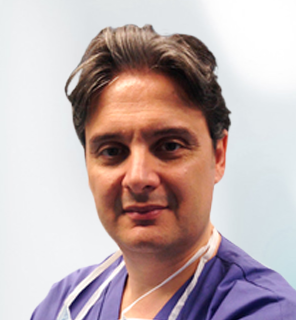 Giuseppe Nasso合作论文数Università Cattolica del Sacro Cuore7
 Umberto Benedetto合作论文数Division of Cardiac Surgery;Andrea Hospital;University of Rome ' ' La Sapienza ' ' Via di Grottarossa;Andrea Hospital, University of Rome ' ' La Sapienza ' ' Via di Grottarossa7
 Haim Danenberg合作论文数Wolfson Medical Center;Hebrew University of Jerusalem - Hadassah7
 Georg Nickenig合作论文数Medizinische Klinik und Poliklinik II, Universitatsklinikum Bonn7Miodrag Peric合作论文数Department of Cardiac Surgery, Chest Disease Hospital7
 Stephen Fremes合作论文数Department of Surgery, Temerty Faculty of Medicine, University of Toronto;Sunnybrook Research Institute;Sunnybrook Health Sciences Centre;Institute for Clinical Evaluative Studies6Hayward Philip A合作论文数6
 Ran Kornowski合作论文数Herzliya Medical Center;Department of Cardiology, School of Medicine, Sackler Faculty of Medicine, Tel Aviv University6
 Stephen Palmer合作论文数6




