Rationale: The impact of screening for chronic obstructive pulmonary disease (COPD) on U.S. primary care clinician behavior and patient outcomes is unclear. Objectives: We sought to assess the impact of receiving screening scores for clinical and patient outcomes using the COPD Assessment in Primary Care To Identify Undiagnosed Respiratory Disease and Exacerbation Risk (CAPTURE) tool. Methods: This cluster-randomized trial included 49 usual-care (COPD education only) and 51 intervention (COPD and CAPTURE education plus screening scores) primary care practices. Twelve-month medical record and patient survey outcome data were collected from patients with elevated screening scores or study spirometric abnormalities. Measurements and Main Results: Among 387 CAPTURE screen-positive (CAPTURE+) patients, no significant difference was noted between usual-care and intervention practices in the primary composite outcomes of 1) spirometry referral/completion, or 2) new COPD diagnosis, or 3) newly prescribed inhaled long-acting respiratory medication, or 4) referral to a respiratory specialist, or 5) pulmonary rehabilitation referral/completion; 45.9% versus 41.9%, respectively (absolute difference, 4.0%; 95% confidence interval, -6.9, 15.0; P = 0.47). Only spirometry referral/completion was higher in the intervention group (absolute difference, 10.4%; 95% confidence interval, 0.1, 20.7; P = 0.0465). No differences were noted for secondary outcomes, composite components, change in COPD Assessment Test scores, rates of respiratory illnesses, or hospitalizations. For the 1,028 CAPTURE screen-negative (CAPTURE-) patients, composite primary and all secondary outcomes were similar in the two arms. In secondary and post hoc analyses evaluating the potential impact of the pandemic, intervention group differences in clinician and patient outcomes were noted for CAPTURE+ and CAPTURE- patients in the prepandemic period that diminished during the pandemic. Conclusions: Within these U.S. primary care practices, COPD and CAPTURE education plus receipt of CAPTURE screening scores did not change clinician COPD assessment or care or patient outcomes for CAPTURE+ patients. However, in the prepandemic period, CAPTURE+ patients were more likely to undergo spirometry referral completion, whereas for CAPTURE- patients, clinicians were significantly less likely to assess for COPD, suggesting that the intervention resulted in a more appropriate use of healthcare resources. Clinical trial registered with www.clinicaltrials.gov (NCT03581227).
Shortly after the first case of SARS-CoV-2 was diagnosed a public health emergency (PHE) was declared and a multi-agency response was initiated within the US federal government to create and propagate testing capacity. As part of this response, an unprecedented program designated Rapid Acceleration of Diagnostics (RADx) Tech was established by the National Institutes of Health (NIH) to facilitate the development of point-of-care tests for the COVID-19. The RADx Tech Clinical Studies Core (CSC), located at the University of Massachusetts Chan Medical School (UMass Chan), with partnering academic, private, and non-governmental organizations around the country, was tasked with developing clinical studies to support this work. This manuscript details development of a biorepository specifically focused on the collection and storage of samples designed for diagnostic platform development. It highlights the unified collection and annotation process that enabled gathering a diverse set of samples. This diversity encompasses the geography and backgrounds of the participants as well as sample characteristics such as variant type and RT-PCR cycle threshold (CT) value of the corresponding reference sample on a uniform clinical reference platform.
Introduction Telehealth may address healthcare disparities for rural populations. This systematic review assesses the use, effectiveness, and implementation of telehealth-supported provider-to-provider collaboration to improve rural healthcare. Methods We searched Ovid MEDLINE®, CINAHL®, EMBASE, and Cochrane CENTRAL from 1 January 2010 to 12 October 2021 for trials and observational studies of rural provider-to-provider telehealth. Abstracts and full text were dual-reviewed. We assessed the risk of bias for individual studies and strength of evidence for studies with similar outcomes. Results Seven studies of rural uptake of provider-to-provider telehealth documented increases over time but variability across geographic regions. In 97 effectiveness studies, outcomes were similar with rural provider-to-provider telehealth versus without for inpatient consultations, neonatal care, outpatient depression and diabetes, and emergency care. Better or similar results were reported for changes in rural clinician behavior, knowledge, confidence, and self-efficacy. Evidence was insufficient for other clinical uses and outcomes. Sixty-seven (67) evaluation and qualitative studies identified barriers and facilitators to implementing rural provider-to-provider telehealth. Success was linked to well-functioning technology, sufficient resources, and adequate payment. Barriers included lack of understanding of rural context and resources. Methodologic weaknesses of studies included less rigorous study designs and small samples. Discussion Rural provider-to-provider telehealth produces similar or better results versus care without telehealth. Barriers to rural provider-to-provider telehealth implementation are common to practice change but include some specific to rural adaptation and adoption. Evidence gaps are partially due to studies that do not address differences in the groups compared or do not include sufficient sample sizes.
Introduction Little is known about the impact of mandated vaccination policies on the primary care clinic workforce in the United States or differences between rural and urban settings, especially for COVID-19. With the continued pandemic and an anticipated increase in novel disease outbreaks and emerging vaccines, healthcare systems need additional information on how vaccine mandates impact the healthcare workforce to aid in future decision-making. Methods We conducted a cross-sectional survey of Oregon primary care clinic staff between October 28, 2021– November 18, 2021, following implementation of a COVID-19 vaccination mandate for healthcare personnel. The survey consisted of 19 questions that assessed the clinic-level impacts of the vaccination mandate. Outcomes included job loss among staff, receipt of an approved vaccination waiver, new vaccination among staff, and the perceived significance of the policy on clinic staffing. We used univariable descriptive statistics to compare outcomes between rural and urban clinics. The survey also included three open-ended questions that were analyzed using a template analysis approach. Results Staff from 80 clinics across 28 counties completed surveys, representing 38 rural and 42 urban clinics. Clinics reported job loss (46%), use of vaccination waivers (51%), and newly vaccinated staff (60%). Significantly more rural clinics (compared to urban) utilized medical and/or religious vaccination waivers (71% vs 33%, p = 0.04) and reported significant impact on clinic staffing (45% vs 21%, p = 0.048). There was also a non-significant trend toward more job loss for rural compared to urban clinics (53% vs. 41%, p = 0.547). Qualitative analysis highlighted a decline in clinic morale, small but meaningful detriments to patient care, and mixed opinions of the vaccination mandate. Conclusions Oregon’s COVID-19 vaccination mandate increased healthcare personnel vaccination rates, yet amplified staffing challenges with disproportionate impacts in rural areas. Staffing impacts in primary care clinics were greater than reported previously in hospital settings and with other vaccination mandates. Mitigating primary care staffing impacts, particularly in rural areas, will be critical in response to the continued pandemic and novel viruses in the future.
As noted by McWhinney as early as the 1960s, one of the critical criteria for the ongoing development of an academic discipline, such as primary care, is an active area of research.[1][1] Added to this is the long-standing premise that it is essential for primary care evidence to be generated by
Importance:Chronic obstructive pulmonary disease (COPD) is underdiagnosed in primary care. Objective:To evaluate the operating characteristics of the CAPTURE (COPD Assessment in Primary Care To Identify Undiagnosed Respiratory Disease and Exacerbation Risk) screening tool for identifying US primary care patients with undiagnosed, clinically significant COPD. Design, Setting, and Participants:In this cross-sectional study, 4679 primary care patients aged 45 years to 80 years without a prior COPD diagnosis were enrolled by 7 primary care practice-based research networks across the US between October 12, 2018, and April 1, 2022. The CAPTURE questionnaire responses, peak expiratory flow rate, COPD Assessment Test scores, history of acute respiratory illnesses, demographics, and spirometry results were collected. Exposure:Undiagnosed COPD. Main Outcomes and Measures:The primary outcome was the CAPTURE tool's sensitivity and specificity for identifying patients with undiagnosed, clinically significant COPD. The secondary outcomes included the analyses of varying thresholds for defining a positive screening result for clinically significant COPD. A positive screening result was defined as (1) a CAPTURE questionnaire score of 5 or 6 or (2) a questionnaire score of 2, 3, or 4 together with a peak expiratory flow rate of less than 250 L/min for females or less than 350 L/min for males. Clinically significant COPD was defined as spirometry-defined COPD (postbronchodilator ratio of forced expiratory volume in the first second of expiration [FEV1] to forced vital capacity [FEV1:FVC] <0.70 or prebronchodilator FEV1:FVC <0.65 if postbronchodilator spirometry was not completed) combined with either an FEV1 less than 60% of the predicted value or a self-reported history of an acute respiratory illness within the past 12 months. Results:Of the 4325 patients who had adequate data for analysis (63.0% were women; the mean age was 61.6 years [SD, 9.1 years]), 44.6% had ever smoked cigarettes, 18.3% reported a prior asthma diagnosis or use of inhaled respiratory medications, 13.2% currently smoked cigarettes, and 10.0% reported at least 1 cardiovascular comorbidity. Among the 110 patients (2.5% of 4325) with undiagnosed, clinically significant COPD, 53 had a positive screening result with a sensitivity of 48.2% (95% CI, 38.6%-57.9%) and a specificity of 88.6% (95% CI, 87.6%-89.6%). The area under the receiver operating curve for varying positive screening thresholds was 0.81 (95% CI, 0.77-0.85). Conclusions and Relevance:Within this US primary care population, the CAPTURE screening tool had a low sensitivity but a high specificity for identifying clinically significant COPD defined by presence of airflow obstruction that is of moderate severity or accompanied by a history of acute respiratory illness. Further research is needed to optimize performance of the screening tool and to understand whether its use affects clinical outcomes.
Background Unhealthy alcohol use (UAU) is a leading cause of morbidity and mortality in the United States, contributing to 95,000 deaths annually. When offered in primary care, screening, brief intervention, referral to treatment (SBIRT), and medication-assisted treatment for alcohol use disorder (MAUD) can effectively address UAU. However, these interventions are not yet routine in primary care clinics. Therefore, our study evaluates tailored implementation support to increase SBIRT and MAUD in primary care. Methods ANTECEDENT is a pragmatic implementation study designed to support 150 primary care clinics in Oregon adopting and optimizing SBIRT and MAUD workflows to address UAU. The study is a partnership between the Oregon Health Authority Transformation Center—state leaders in Medicaid health system transformation—SBIRT Oregon and the Oregon Rural Practice-based Research Network. We recruited clinics providing primary care in Oregon and prioritized reaching clinics that were small to medium in size (<10 providers). All participating clinics receive foundational support (i.e., a baseline assessment, exit assessment, and access to the online SBIRT Oregon materials) and may opt to receive tailored implementation support delivered by a practice facilitator over 12 months. Tailored implementation support is designed to address identified needs and may include health information technology support, peer-to-peer learning, workflow mapping, or expert consultation via academic detailing. The study aims are to 1) engage, recruit, and conduct needs assessments with 150 primary care clinics and their regional Medicaid health plans called Coordinated Care Organizations within the state of Oregon, 2) implement and evaluate the impact of foundational and supplemental implementation support on clinic change in SBIRT and MAUD, and 3) describe how practice facilitators tailor implementation support based on context and personal expertise. Our convergent parallel mixed-methods analysis uses RE-AIM (reach, effectiveness, adoption, implementation, maintenance). It is informed by a hybrid of the i-PARIHS (integrated Promoting Action on Research Implementation in Health Services) and the Dynamic Sustainability Framework. Discussion This study will explore how primary care clinics implement SBIRT and MAUD in routine practice and how practice facilitators vary implementation support across diverse clinic settings. Findings will inform how to effectively align implementation support to context, advance our understanding of practice facilitator skill development over time, and ultimately improve detection and treatment of UAU across diverse primary care clinics.
Objectives. To assess the use, effectiveness, and implementation of telehealth-supported provider-to-provider communication and collaboration for the provision of healthcare services to rural populations and to inform a scientific workshop convened by the National Institutes of Health Office of Disease Prevention on October 12–14, 2021. Data sources. We conducted a comprehensive literature search of Ovid MEDLINE®, CINAHL®, Embase®, and Cochrane CENTRAL. We searched for articles published from January 1, 2015, to October 12, 2021, to identify data on use of rural provider-to-provider telehealth (Key Question 1) and the same databases for articles published January 1, 2010, to October 12, 2021, for studies of effectiveness and implementation (Key Questions 2 and 3) and to identify methodological weaknesses in the research (Key Question 4). Additional sources were identified through reference lists, stakeholder suggestions, and responses to a Federal Register notice. Review methods. Our methods followed the Agency for Healthcare Research and Quality Methods Guide (available at https://effectivehealthcare.ahrq.gov/topics/cer-methods-guide/overview) and the PRISMA reporting guidelines. We used predefined criteria and dual review of abstracts and full-text articles to identify research results on (1) regional or national use, (2) effectiveness, (3) barriers and facilitators to implementation, and (4) methodological weakness in studies of provider-to-provider telehealth for rural populations. We assessed the risk of bias of the effectiveness studies using criteria specific to the different study designs and evaluated strength of evidence (SOE) for studies of similar telehealth interventions with similar outcomes. We categorized barriers and facilitators to implementation using the Consolidated Framework for Implementation Research (CFIR) and summarized methodological weaknesses of studies. Results. We included 166 studies reported in 179 publications. Studies on the degree of uptake of provider-to-provider telehealth were limited to specific clinical uses (pharmacy, psychiatry, emergency care, and stroke management) in seven studies using national or regional surveys and claims data. They reported variability across States and regions, but increasing uptake over time. Ninety-seven studies (20 trials and 77 observational studies) evaluated the effectiveness of provider-to-provider telehealth in rural settings, finding that there may be similar rates of transfers and lengths of stay with telehealth for inpatient consultations; similar mortality rates for remote intensive care unit care; similar clinical outcomes and transfer rates for neonates; improvements in medication adherence and treatment response in outpatient care for depression; improvements in some clinical monitoring measures for diabetes with endocrinology or pharmacy outpatient consultations; similar mortality or time to treatment when used to support emergency assessment and management of stroke, heart attack, or chest pain at rural hospitals; and similar rates of appropriate versus inappropriate transfers of critical care and trauma patients with specialist telehealth consultations for rural emergency departments (SOE: low). Studies of telehealth for education and mentoring of rural healthcare providers may result in intended changes in provider behavior and increases in provider knowledge, confidence, and self-efficacy (SOE: low). Patient outcomes were not frequently reported for telehealth provider education, but two studies reported improvement (SOE: low). Evidence for telehealth interventions for other clinical uses and outcomes was insufficient. We identified 67 program evaluations and qualitative studies that identified barriers and facilitators to rural provider-to-provider telehealth. Success was linked to well-functioning technology; sufficient resources, including time, staff, leadership, and equipment; and adequate payment or reimbursement. Some considerations may be unique to implementation of provider-to-provider telehealth in rural areas. These include the need for consultants to better understand the rural context; regional initiatives that pool resources among rural organizations that may not be able to support telehealth individually; and programs that can support care for infrequent as well as frequent clinical situations in rural practices. An assessment of methodological weaknesses found that studies were limited by less rigorous study designs, small sample sizes, and lack of analyses that address risks for bias. A key weakness was that studies did not assess or attempt to adjust for the risk that temporal changes may impact the results in studies that compared outcomes before and after telehealth implementation. Conclusions. While the evidence base is limited, what is available suggests that telehealth supporting provider-to-provider communications and collaboration may be beneficial. Telehealth studies report better patient outcomes in some clinical scenarios (e.g., outpatient care for depression or diabetes, education/mentoring) where telehealth interventions increase access to expertise and high-quality care. In other applications (e.g., inpatient care, emergency care), telehealth results in patient outcomes that are similar to usual care, which may be interpreted as a benefit when the purpose of telehealth is to make equivalent services available locally to rural residents. Most barriers to implementation are common to practice change efforts. Methodological weaknesses stem from weaker study designs, such as before-after studies, and small numbers of participants. The rapid increase in the use of telehealth in response to the Coronavirus disease 2019 (COVID-19) pandemic is likely to produce more data and offer opportunities for more rigorous studies.
Screening reduces incidence and mortality from colorectal cancer (CRC), yet US screening rates are low, particularly among Medicaid enrollees in rural communities. We describe a two-phase project, SMARTER CRC, designed to achieve the National Cancer Institute Cancer MoonshotSM objectives by reducing the burden of CRC on the US population. Specifically, SMARTER CRC aims to test the implementation, effectiveness, and maintenance of a mailed fecal test and patient navigation program to improve rates of CRC screening, follow-up colonoscopy, and referral to care in clinics serving rural Medicaid enrollees. Phase I activities in SMARTER CRC include a two-arm cluster-randomized controlled trial of a mailed fecal test and patient navigation program involving three Medicaid health plans and 30 rural primary care practices in Oregon and Idaho; the implementation of the program is supported by training and practice facilitation. Participating clinic units were randomized 1:1 into the intervention or usual care. The intervention combines (1) mailed fecal testing outreach supported by clinics, health plans, and vendors and (2) patient navigation for colonoscopy following an abnormal fecal test result. We will evaluate the effectiveness, implementation, and maintenance of the intervention and track adaptations to the intervention and to implementation strategies, using quantitative and qualitative methods. Our primary effectiveness outcome is receipt of any CRC screening within 6 months of enrollee identification. Our primary implementation outcome is health plan- and clinic-level rates of program delivery, by component (mailed FIT and patient navigation). Trial results will inform phase II activities to scale up the program through partnerships with health plans, primary care clinics, and regional and national organizations that serve rural primary care clinics; scale-up will include webinars, train-the-trainer workshops, and collaborative learning activities. This study will test the implementation, effectiveness, and scale-up of a multi-component mailed fecal testing and patient navigation program to improve CRC screening rates in rural Medicaid enrollees. Our findings may inform approaches for adapting and scaling evidence-based approaches to promote CRC screening participation in underserved populations and settings. Registered at clinicaltrial.gov ( NCT04890054 ) and at the NCI’s Clinical Trials Reporting Program (CTRP #: NCI-2021-01032) on May 11, 2021.
PURPOSE:Research on primary care's role in a pandemic response has not adequately considered the day-to-day needs of clinicians in the midst of a crisis. We created an Oregon COVID-19 ECHO (Extension for Community Healthcare Outcomes) program, a telementoring education model for clinicians. The program was adapted for a large audience and encouraged interactivity among the hundreds of participants via the chat box. We assessed how chat box communications within the statewide program identified and ameliorated some of clinicians' needs during the pandemic.METHODS:We conducted a qualitative analysis of chat box transcripts from 11 sessions.We coded transcripts using the editing method, whereby analysts generate categories predominantly from the data, but also from prior knowledge. We then explored the context of clinicians' needs in a pandemic, as conceptualized in Maslow's hierarchy of needs adapted for physicians: physiologic, safety, love and belonging, esteem, and self-actualization.RESULTS:The mean number of chat box participants was 492 per session (range, 385 to 763). Participants asked 1,462 questions and made 819 comments throughout the program. We identified 3 key themes: seeking answers and trustworthy information, seeking practical resources, and seeking and providing affirmation and peer support. These themes mapped onto the Maslow's needs framework. We found that participants were able to create a virtual community in the chat box that supported many of their needs.CONCLUSIONS:Using a novel data source, we found sharing the experience of practicing in a rapidly changing environment via comments and questions in an ECHO program both defined and supported participants' needs.
PURPOSE:The importance of the COVID-19 pandemic for the health of selected populations is being studied and described but little data exists from primary care populations not selected due to specific types of diagnoses, symptoms or surveillance screening.During the NIH funded COPD screening study, CAPTURE, we collected respiratory symptom data at baseline and relevant COVID-19 testing, infection, and recovery results at 12 month follow up.Our objective was to describe COVID-19 infection and recovery rates among this primary care population not diagnosed with COPD stratified by baseline respiratory symptoms.METHODS: 871 individuals recruited from primary care practices between March 15, 2020 and December 31, 2020.All completed baseline data and 77% (N¼668) completed 12 month follow up.Demographic and clinical data from the 668 s were summarized using means and standard deviations for continuous variables and frequencies with proportions for categorical variables.For questions of confirmed or suspected infections, complete recovery rates and time to recovery, results were compared for those with COPD Assessment Test (CAT) scores < or $10 using risk ratios.CAT scores were used as a proxy for respiratory symptom burden at baseline. RESULTS:Of the 668 participants, 418 (63%) were female, 437 (65%) were white, 340 (51%) had higher respiratory burden or CAT scores $ 10 at baseline.There were 80 (12%) suspected or confirmed COVID-19 cases of whom were tested and 6 (12%) had a positive test result, 4 (0.6%) were hospitalized and 2 (0.3%) had ICU stays.Among the 80 participants with confirmed or suspected COVID-19, 50 (63%) were completely recovered by the time of survey completion with an average time to recovery of 18 days (SD 18.2).The most commonly experienced symptoms in confirmed or suspected cases were cough (N¼33, 42%), fatigue (N¼30, 39%), and shortness of breath (N¼30, 39%).Participants with CAT scores $ 10 were at increased risk of reporting suspected or confirmed COVID-19 [52 (15%) vs 28 (8%), RR = 1.9 (1.2-3.0)], were less likely to report complete recovery [29 (56%) vs 21 (81%), RR 4.4 (1.1-17.4)]but not significantly more likely to have complete recovery times of > 2 weeks.Testing for COVID-19 was more common in those with a history of asthma vs those without (N¼45, 40% vs N¼159, 29%) and in those with a history of inhaler use vs those without (N¼49, 37% vs N¼155, 29%).COVID-19 testing varied over time with a steady increase from July to November 2020 before decreasing in December.CONCLUSIONS: Suspected cases were much higher than confirmed cases with testing rates highest in the fall and winter surge.Hospitalization rates were low but reported recovery required a mean of almost 3 weeks.Primary care populations, especially those with baseline respiratory burden (CAT $ 10) were at increased risk of suspected or confirmed COVID-19 and incomplete recovery.CLINICAL IMPLICATIONS: PC populations also experience COVID-19 with extended recovery periods.
Background Implementation science (IS) and quality improvement (QI) inhabit distinct areas of scholarly literature, but are often blended in practice. Because practice-based research networks (PBRNs) draw from both traditions, their experience could inform opportunities for strategic IS-QI alignment. Objective To systematically examine IS, QI, and IS/QI projects conducted within a PBRN over time to identify similarities, differences, and synergies. Design Longitudinal, comparative case study of projects conducted in the Oregon Rural Practice-based Research Network (ORPRN) from January 2007 to January 2019. Approach We reviewed documents and conducted staff interviews. We classified projects as IS, QI, IS/QI, or other using established criteria. We abstracted project details (e.g., objective, setting, theoretical framework) and used qualitative synthesis to compare projects by classification and to identify the contributions of IS and QI within the same project. Key Results Almost 30% (26/99) of ORPRN’s projects included IS or QI elements; 54% (14/26) were classified as IS/QI. All 26 projects used an evidence-based intervention and shared many similarities in relation to objective and setting. Over half of the IS and IS/QI projects used randomized designs and theoretical frameworks, while no QI projects did. Projects displayed an upward trend in complexity over time. Project used a similar number of practice change strategies; however, projects classified as IS predominantly employed education/training while all IS/QI and most QI projects used practice facilitation. Projects including IS/QI elements demonstrated the following contributions: QI provides the mechanism by which the principles of IS are operationalized in order to support local practice change and IS in turn provides theories to inform implementation and evaluation to produce generalizable knowledge. Conclusions Our review of projects conducted over a 12-year period in one PBRN demonstrates key synergies for IS and QI. Strategic alignment of IS/QI within projects may help improve care quality and bridge the research-practice gap.
Rationale: Enhancing COPD management should include optimal disease recognition at the primary care level. As effective COPD diagnosis may involve all levels of primary care clinic staff, the CAPTURE validation study included workflow reviews, patient opinion surveys, staff questionnaires, clinician focus groups and case-based vignettes to cohesively form a robust real-world practice assessment of COPD case-finding readiness. We employed this multi-method qualitative sub-aim approach to guide CAPTURE's longitudinal quantitative assessments and to inform strategies for practice implementation of the CAPTURE tool after study completion.Methods: 196 adults without diagnosis of COPD from 82 US practices;and, 114 primary care clinic staff evenly enrolled in the CAPTURE study from 7 US practice-based research networks (PBRNs) that serve rural and urban locales. Sitespecific practice information, clinician questionnaires, and patient responses populated focus group themes. Analyses of clinician and patient responses including frequencies and correlations by clinician level and practice were assessed. 10 practices participated in clinician focus groups that investigated salience, patterning, and contexts of key discourse items. Responses were assigned a priori codes as relevant for CAPTURE implementation planning, COPD diagnosis, CAPTURE intra-office clinical communication, and COPD and CAPTURE education preference, as well as COPD assessment options before and after the COVID-19 pandemic. Results: Patients strongly agreed (>90%) the CAPTURE tool was easy to read and understand, without response difference to questions via verbal versus written administration. Despite lack of COPD staff knowledge reflecting known national primary care education need, clinicians agreed (> 90%) the CAPTURE tool would aid COPD casefinding and aligned with patients (>90%) that CAPTURE could be implemented and completed as part of routine health screening within 5 minutes. Despite most clinicians reporting a lack of reliable on-site pulmonary function capability, physicians, nurses, nurse practitioners, physician assistants, medical assistants uniformly strongly agreed (>90%) that the peak flow testing (PEF) component of CAPTURE could aid respiratory assessment. All practices agreed they'd consider alternate PEF strategies as part of in-person or telehealth assessments if pandemic public health concerns persisted. Conclusions: Thorough qualitative review of CAPTURE in primary care practice demonstrates readiness for this COPD case-finding tool's implementation into US primary care. With CAPTURE operating characteristic validation underway among 5000 patients in practices with wide demographic and geographic variability, this qualitative methodology 1) offered critical in-study information guiding protocol adjustment impacted by unforeseen events (e.g. the COVID crisis);and, 2) clearly outlined COPD diagnosis processes preferred for real-world primary care use. Figure 1.
BACKGROUND:The National Drug Abuse Treatment Clinical Trials Network (CTN) called for its national nodes to promote the translation of evidence-based interventions from substance use disorder (SUD) research into clinical practices. This collaborative demonstration project engaged CTN-affiliated practice-based research networks (PBRNs) in research that describes aspects of opioid prescribing in primary care.METHODS:Six PBRNs queried electronic health records from a convenience sample of 134 practices (84 participants) to identify the percent of adult patients with an office visit who were prescribed an opioid medication from October 1, 2015, to September 30, 2016, and, of those, the percent also prescribed a sedative in that year. Seven PBRNs sent an e-mail survey to a convenience sample of 108 practices (58 participants) about their opioid management policies and procedures during the project year.RESULTS:Of 561,017 adult patients with a visit to one of the 84 clinics in the project year, 22.9% (PBRN range 3.1%-25.4%) were prescribed opioid medications, and 52.1% (PBRN range 8.5%-60.6%) of those were prescribed a sedative in the same year. Of the 58 practices returning a survey (45.3% response rate), 98.1% had formal written treatment agreements for chronic opioid therapy, 68.5% had written opioid prescribing policies, and 43.4% provided reports to providers with feedback on opioid management. Only 24.1% were providing buprenorphine for OUD.CONCLUSION:CTN-affiliated PBRNs demonstrated their ability to collaborate on a project related to opioid management; results highlight the important role for PBRNs in OUD treatment, research, and the need for interventions and additional policies addressing opioid prescribing in primary care practice.
In a pattern repeated around the country, Oregon reported its first coronavirus patient on February 28, 2020.1 A week later, the governor declared a state of emergency.2 While the media initially focused on efforts to address COVID-19 in large cities, many rural communities were working in parallel to prepare. In these rural areas, there was an increasing concern that the burden of COVID-19 may be particularly dire due to factors such as older populations, higher prevalence of chronic diseases and poverty, and less health care access.3-6 Rural clinicians, especially those working in outpatient settings, are caring for patients during the pandemic with few resources and many questions. There was, and continues to be, an urgent need for the rapid dissemination of emerging public health and treatment best practices, scientific evidence, and available resources for rural clinicians. Project ECHO (Extension for Community Healthcare Outcomes) provides an ideal model for the rapid dissemination of pertinent information to rural clinicians during a crisis. Developed at the University of New Mexico in 2003, Project ECHO is a telementoring education model that expands primary care clinicians' ability to manage complex health conditions. An interdisciplinary expert faculty, an "all teach, all learn" approach, and a combination of didactic and case-based learning characterize ECHO programs.7-9 Since 2016, the Oregon ECHO Network (OEN) has provided telementoring to rural and urban clinicians through a variety of ECHO programs, including substance use disorders, adult and pediatric psychiatry, and smoking cessation. The OEN is housed within a statewide primary care practice-based research network, the Oregon Rural Practice-based Research Network (ORPRN).10-12 Shortly after the first COVID-19 case, OEN, ORPRN staff and consultants realized Project ECHO could provide a unique and valuable tool to connect and share emerging information with clinicians across the state. While OEN leadership initially wondered whether we had the resources to create and implement a COVID-19 program in just a few days, we could not sit on the sidelines when we had a successful, well-established Project ECHO program that could bring together public health and health care experts to share timely information in response to this novel situation. The process of creating the COVID-19 ECHO program for frontline clinicians, along with results from the first 4 weekly sessions, confirm crucial factors and strategies that we believe allowed us to support clinicians, especially in rural areas, in this pandemic. Our experience can provide guidance for others in future health crises. A few days after OEN and ORPRN leadership brought their idea to the state, the governor's office made a request to OEN on March 13, 2020: Create a COVID-19 Response ECHO for health care providers to launch on March 19, 2020. Two key challenges presented: (1) how to rapidly prepare and (2) how to accommodate a much larger number of participants than normal. OEN programs typically take 3 to 6 months of planning, including identifying faculty, developing curricula, securing accreditation to provide continuing medical education (CME), and recruiting participants. Our programs usually accept no more than 35 participants to maximize interactions. We had less than a week to prepare, and we anticipated over 500 participants. With this short timeframe, OEN's previously established systems and relationships were paramount. They allowed us to widely promote the COVID-19 ECHO, register participants through an established registration portal (though to maximize participation, registration was not required), identify highly qualified and credible faculty experts, develop a secure process for evaluation, and offer CME. Adapting for the high volume of participants necessitated certain deviations from the traditional ECHO model. It was important to create a format that was more interactive and responsive than a traditional webinar, but still feasible with a large audience. Quickly striking that balance required using the participant chat box feature in multiple ways. We did a real time reading, synthesizing and asking of key questions during each session, as well as an iterative process of debriefing after each session, utilizing a close reading through the entire chat box (15 to 20 pages of text) along with postsession survey responses. This allowed us to make week-by-week adjustments in both the content and format of the sessions. A total of 737 individuals participated in the first COVID-19 Response ECHO; mean participation across the first 4 sessions was 718. As of April 15, 2020, 1,110 individuals had registered for the ECHO series. Although registration was not required to attend, participants were incentivized to register because OEN uploaded resources (eg, session recordings, chat box history) to the registration website. In addition, participants received CME by registering and completing postsession surveys. We sent postsession surveys to all registrants, and 413 unique individuals (a subset of registrants) returned at least 1 postsession survey by the week following the fourth session. The demographics between all registrants and those who completed a postsession survey are similar, as seen in Table 1. Over 25% of participants reported practicing in either a rural or frontier area (comparable to Oregon's rural population13), and over 75% provide direct patient care. Each COVID-19 ECHO session began with a public health update, given by Oregon's Chief Medical Officer and members of her team and a local County Health Officer. The update included the latest information about cases, hospital capacity, personal protective equipment, testing, telehealth, and treatment. After this update and an initial round of questions from the chat box moderator (a family physician), expert presenters, such as infectious disease specialists, gave updates on clinical features of COVID-19. Each session also featured a community presenter sharing their on-the-ground experience regarding best practices and lessons learned. We selected community presenters and topics based on feedback from ECHO participants. For example, 1 urban and 1 rural provider presented on changes to their workflows and staffing during the fourth session after numerous participants requested more information about the experiences of primary care settings. Other community presentations included guidance on telehealth, advanced care planning and end-of-life care, and best practices for nursing home care in rural areas. Beyond the content of the formal session, participants constantly asked questions of and learned from each other through the chat box. Additional OEN staff monitored the chat box in real-time to answer questions about registration, how to access information and resources following the session, and to post links into the chat box from presenters' slides. We assessed satisfaction with the sessions via an email survey sent to all registrants. Over 200 participants returned postsession surveys each week (mean 213). Participants rated these first 4 sessions highly, with 94% rating the sessions good, very good, or excellent. There were no significant differences between rural and urban participants. We also asked participants to answer several open-ended questions in the postsession surveys, including "What did you like best about this ECHO session?" and "Changes in my practice I'm going to make." As demonstrated in Table 2, preliminary qualitative results suggest that rural participants appreciated up-to-date, locally relevant information. They also valued being able to connect with fellow health care providers from around the state, and learn from shared experiences. Table 3 describes sample quotes regarding the actions rural respondents planned to make. These included: disseminating knowledge to colleagues, implementing clinic changes, and improving discussions with patients. Through implementing the COVID-19 Response ECHO, OEN is learning important lessons about what health care clinicians need during a public health crisis, especially in small rural practices. Each week we consistently found that participants were hungry for credible, up-to-date and honest information, regardless of their geographic location. Although we could not offer a traditional ECHO program with dialogue, the 700 participants each week still found a way to connect via ideas, stories, experiences, and suggestions, as well as questions, in the chat box. For rural health care providers, in particular, being able to connect virtually with peers from across the state also served to ease feelings of isolation during an incredibly stressful time. We were initially uncertain if we could create and implement a COVID-19 ECHO program in less than a week. In reviewing our actions from that week, we found 3 key factors were essential to our ability to quickly respond and create this program. First, we already had an established ECHO support system, including a project manager, IT support, and a registration/communication platform. Prior to launching the COVID-19 ECHO program, over 780 unique health professionals, including primary care providers from 225 practices, had participated in previous ECHO programs. Second, OEN's existence within ORPRN further expanded our reach and strengthened the trust Oregon clinicians had with us. Since 2002, ORPRN has worked with 350 primary care practices statewide on diverse technical assistance, quality improvement, and research projects. Finally, OEN had spent 5 years strengthening relationships and building trust with diverse health leaders through our OEN Advisory Board. This Board consists of partners from the Oregon Health Authority, an academic medical center, 6 Coordinated Care Organizations (Medicaid Accountable Care Organizations), and 1 large health system. Having relationships with leaders in state government and across Oregon allowed us to successfully enlist key public health officials and others to participate in the ECHO program. Overall, having the existing foundation of strong systems and relationships is vital to succeed in rapidly responding to a health crisis. Fast-moving public health emergencies necessitate the rapid delivery of high-quality information to health care professionals, including those practicing in rural communities. The Project ECHO model and a modified process was an effective vehicle to meet these urgent needs and reach a large proportion of the state. In order to mount a timely response, however, systems and relationships must already be in place.
Background Atopic dermatitis (AD) is a common, chronic skin disorder often beginning in infancy. Skin barrier dysfunction early in life serves as a central event in the pathogenesis of AD. In infants at high risk of developing AD, preventative application of lipid-rich emollients may reduce the risk of developing AD. This study aims to measure the effectiveness of this intervention in a population not selected for risk via a pragmatic, randomized, physician-blinded trial in the primary care setting. Methods Infant–parent dyads are recruited from a primary care practice participating through one of four practice-based research networks in Oregon, Colorado, Wisconsin, and North Carolina. Eligible dyads are randomized to the intervention (daily use of lipid-rich emollient) or the control (no emollient) group ( n = 625 infants in each) and are followed for 24 months. The primary outcome is the cumulative incidence of physician-diagnosed AD and secondary outcomes include caregiver-reported measures of AD and development of other atopic diseases. Data collection occurs via chart review and surveys, with no study visits required. Data will be analyzed utilizing intention-to-treat principles. Discussion AD is a common skin condition in infants that affects quality of life and is associated with the development of other atopic diseases. If a safe intervention, such as application of lipid-rich emollients, in the general population effectively decreases AD prevalence, this could alter the guidance given by providers regarding routine skin care of infants. Because of the pragmatic design, we anticipate that this trial will yield generalizable results. Trial registration ClinicalTrials.gov : NCT03409367 . Registered on 11 February 2018.
PURPOSE:Although chronic obstructive pulmonary disease (COPD) is a leading cause of morbidity and mortality in the United States, a majority of COPD patients are not diagnosed.Spirometry remains the "gold standard" for COPD diagnosis; however, it is not recommended for screening and not widely available.The CAPTURE (COPD Assessment in Primary Care To Identify Undiagnosed Respiratory Disease and Exacerbation Risk) study is validating a simple case finding tool consisting of five questions, and peak flow in selected individuals, to find undiagnosed patients with clinically significant COPD in primary care.Education was provided to healthcare providers to increase knowledge related to the identification and management of COPD in diverse primary care practices in six Primary Care Based Research Networks and also offered to the general healthcare provider community through an online distribution platform.This abstract reports the effectiveness of the education. METHODS:Live and online certified continuing education was developed to support the educational needs of primary care teams.Required live sessions for CAPTURE study primary care practices featured team viewing of COPD 101: Basic Diagnosis and Management followed by a virtual discussion with study investigators.All clinic sites completed a pre-test to gauge baseline knowledge of COPD prior to the education and a post-test to assess learning after the education. RESULTS:From September 2018 to January 2020, 616 CAPTURE study healthcare professionals participated in 62 live educational sessions.Significant learning gains were noted across all sites with an aggregate relative knowledge gain of 38%, and an aggregate effect size of 0.61 representing a moderate effect.Similarly, the online module available publicly (N¼267) resulted in a 47% overall relative knowledge gain and aggregate effect size of 0.61 representing a moderate effect.Both live and online education demonstrated learning gains for each of the study objectives with significant increases in knowledge related to application of updated clinical practice guidelines to the diagnosis and management of patients with COPD (Figure 1).In addition to measuring knowledge, providers were asked to fill out an evaluation that measured satisfaction and intent to change.Of those that completed the evaluation (N¼250, live; N¼234, online), 97% reported the education met their educational needs and reinforced/improved their current skills.Ninety-five percent indicated that they intended to make changes to their practice as a result of the education. CONCLUSIONS:This study indicates that targeted COPD education provided online and in live sessions for primary care teams improved knowledge, skills and intent to change practice by employing evidence-based recommendations to appropriately diagnose and manage patients with COPD.CLINICAL IMPLICATIONS: Education to primary care can improve care of COPD.
Two key advancements in improving the quality of primary care have been practice-based research networks (PBRNs) and Project Extension for Community Health care Outcomes (ECHO). PBRNs advance quality through research and transformation projects, often using practice facilitation. Project ECHO uses case-based telementoring to support community clinicians to deliver best-practice care. Although some PBRNs sponsor ECHO programs, the Oregon Rural Practice-based Research Network (ORPRN) has created a statewide network for ECHO programs (Oregon ECHO Network [OEN]). We facilitated a unique funding stream for the OEN by partnering with payers and health systems. The purpose of this article is to share our experience of how OEN programs and ORPRN research and transformation projects enhance practice recruitment and retention and improve financial stability. We describe the synergy between ORPRN projects and ECHO programs using 3 examples: tobacco cessation, chronic pain and opioid prescribing, and diabetes management. We highlight challenges and opportunities in these examples, beginning with their development, their implementation, and their ultimate alignment, despite varied funding streams and timelines. We believe that incorporating the OEN within ORPRN has been a success for both PBRN research and Project ECHO programs, allowing us to better support primary care practices across the state. ( J Am Board Fam Med 2020;33:789–795.)
 Rowena J Dolor合作论文数Dept Med, Duke Univ11
 Harini Pallerla合作论文数11
 Hazel Tapp合作论文数Department of Family Medicine, Carolinas HealthCare System10Hickner John合作论文数10Saundra Regan合作论文数10
 Fernando J Martinez合作论文数NewYork-Presbyterian Hospital;Division of Pulmonary and Critical Care Medicine, Weill Cornell Medical College, Cornell University9McEwen Timothy R合作论文数9
 John Ely合作论文数Department of Family Medicine, Carver College of Medicine, University of Iowa8
 John M. Flach合作论文数Psychology Department, Wright State University8
 Barbara Yawn合作论文数7
 Min J Joo合作论文数7Catherine a Meldrum合作论文数7Deborah Graham合作论文数6Menachem Miodovnik合作论文数6
 Jennie J. Gallimore合作论文数6Melinda M. Davis合作论文数5Lyndee Knox合作论文数5Melissa Swain合作论文数5
 Meilan Han合作论文数Division of Pulmonary and Critical Care, Medical School, University of Michigan;Weil Institute for Critical Care Research, Michigan Medicine, University of Michigan5Anita Das合作论文数5
 C. Jeffrey Jacobson合作论文数5
 Susan M Dovey合作论文数the Robert Graham Center for Policy Studies in Family Practice and Primary Care5Risa Ramsey合作论文数5
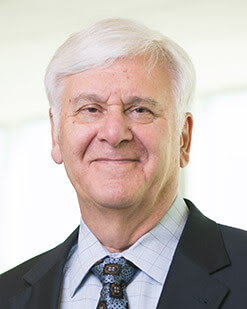 Barry J. Make合作论文数University of Colorado Hospital5B. J. Make合作论文数4L. Zittleman合作论文数4E Thom合作论文数4
 Randall Brown合作论文数Department of Family Medicine and Community Health, School of Medicine and Public Health, University of Wisconsin-Madison4E Brandt合作论文数4
 Anna Steeves-Reece合作论文数From the Oregon Health & Science University, Portland State University;School of Medicine, Oregon Health & Science University;School of Medicine, Oregon Health & Science University;School of Social Work, Portland State University;School of Medicine, Oregon Health & Science University;School of Medicine, Oregon Health & Science University;Oregon Health & Science University, Oregon Health & Science University4
 Erin Kenzie合作论文数Oregon Rural Practice-Based Research Network, Oregon Health & Science University4F Johnson合作论文数4D McNellis合作论文数4
 Susan Murray合作论文数Department of Biostatistics, School of Public Health, University of Michigan-Ann Arbor4
 Cathie Spino合作论文数Center for South Asian Studies, College of Literature, Science, and the Arts, University of Michigan-Ann Arbor4Vinson D C合作论文数4
 Mark B. Landon合作论文数Wexner Medical Center, The Ohio State University4
 Mark A. Klebanoff合作论文数College of Public Health Directory, The Ohio State University4
 Baha Sibai合作论文数Department of Obstetrics and Gynecology, College of Medicine, University of Cincinnati4Meilan K. Han合作论文数4Brian M Mercer合作论文数4
 Linda Zittleman合作论文数4M Cotroneo合作论文数3E Mueller-Heubach合作论文数3D. M. Mannino合作论文数3Tuesday Graham合作论文数3Miriam Wolf合作论文数3Daniel Hargraves合作论文数3Elizabeth Peters合作论文数3




