Objective To analyse the clinical profile of SARS-CoV-2 breakthrough infections in at least double-vaccinated patients with inflammatory rheumatic diseases (IRDs).Methods Data from the physician-reported German COVID-19-IRD registry collected between February 2021 and July 2022 were analysed. SARS-CoV-2 cases were stratified according to patients’ vaccination status as being not vaccinated, double-vaccinated or triple-vaccinated prior to SARS-CoV-2 infection and descriptively compared. Independent associations between demographic and disease features and outcome of breakthrough infections were estimated by multivariable logistic regression.Results In total, 2314 cases were included in the analysis (unvaccinated n=923, double-vaccinated n=551, triple-vaccinated n=803, quadruple-vaccinated n=37). SARS-CoV-2 infections occurred after a median of 151 (range 14–347) days in patients being double-vaccinated, and after 88 (range 14–270) days in those with a third vaccination. Hospitalisation was required in 15% of unvaccinated, 8% of double-vaccinated and 3% of triple-vaccinated/quadruple-vaccinated patients (p<0.001). Mortality was 2% in unvaccinated, 1.8% in the double-vaccinated and 0.6% in triple-vaccinated patients. Compared with unvaccinated patients, double-vaccinated (OR 0.43, 95% CI 0.29 to 0.62) and triple-vaccinated (OR 0.13, 95% CI 0.08 to 0.21) patients showed a significant lower risk of COVID-19-related hospitalisation. Using multivariable analysis, the third vaccination was significantly associated with a lower risk for COVID-19-related death (OR 0.26; 95% CI 0.01 to 0.73).Conclusions Our cross-sectional data of COVID-19 infections in patients with IRD showed a significant reduction of hospitalisation due to infection in double-vaccinated or triple-vaccinated patients compared with those without vaccination and even a significant reduction of COVID-19-related deaths in triple-vaccinated patients. These data strongly support the beneficial effect of COVID-19 vaccination in patients with IRD.Trial registration number EuDRACT 2020-001958-21.
Systemic sclerosis (SSc) is a multisystem autoimmune disease, which is classified into a diffuse cutaneous (dcSSc) and a limited cutaneous (lcSSc) subset according to the skin involvement. In order to better understand the vascular, immunological and fibrotic processes of SSc and to guide its treatment, the EULAR Scleroderma Trials And Research (EUSTAR) group was formed in June 2004. WALKER, U, et al. & EUSTAR Group, RIBI, Camillo (Collab.), CHIZZOLINI, Carlo (Collab.). Clinical risk assessment of organ manifestations in systemic sclerosis: a report from the EULAR Scleroderma Trials And Research group database. Annals of the Rheumatic Diseases, 2007, vol. 66, no. 6, p. 754-63 DOI : 10.1136/ard.2006.062901
Objective To assess the safety and efficacy of rituximab in systemic sclerosis (SSc) in clinical practice. Methods We performed a prospective study including patients with SSc from the European Scleroderma Trials and Research (EUSTAR) network treated with rituximab and matched with untreated patients with SSc. The main outcomes measures were adverse events, skin fibrosis improvement, lung fibrosis worsening and steroids use among propensity score-matched patients treated or not with rituximab. Results 254 patients were treated with rituximab, in 58% for lung and in 32% for skin involvement. After a median follow-up of 2 years, about 70% of the patients had no side effect. Comparison of treated patients with 9575 propensity-score matched patients showed that patients treated with rituximab were more likely to have skin fibrosis improvement (22.7 vs 14.03 events per 100 person-years; OR: 2.79 [1.47-5.32]; p=0.002). Treated patients did not have significantly different rates of decrease in forced vital capacity (FVC)>10% (OR: 1.03 [0.55-1.94]; p=0.93) nor in carbon monoxide diffusing capacity (DLCO) decrease. Patients having received rituximab were more prone to stop or decrease steroids (OR: 2.34 [1.56-3.53], p<0.0001). Patients treated concomitantly with mycophenolate mofetil had a trend for better outcomes as compared with patients receiving rituximab alone (delta FVC: 5.22 [0.83-9.62]; p=0.019 as compared with controls vs 3 [0.66-5.35]; p=0.012). Conclusion Rituximab use was associated with a good safety profile in this large SSc-cohort. Significant change was observed on skin fibrosis, but not on lung. However, the limitation is the observational design. The potential stabilisation of lung fibrosis by rituximab has to be addressed by a randomised trial.
Objective: Qualitative capillaroscopy patterns in juvenile- and adult-onset systemic sclerosis (SSc) were studied in adulthood using data from the EULAR Scleroderma Trials and Research (EUSTAR) database.Methods: Data collected between June 2004 and April 2013 were examined with focus on capillaroscopy. In this retrospective exploratory study, series of patients with juvenile-onset SSc were matched with series of adult-onset SSc having the same gender and autoantibody profile.Results: 30 of 123 patients with juvenile-onset and 2108 of 7133 with adult-onset SSc had data on capillaroscopy. Juvenile-onset SSc showed scleroderma pattern more frequently than adult-onset SSc (93.3% and 88%). The OR was 2.44 and 95% Cl 0.57-10.41. An active scleroderma pattern was present in 58% of juvenile- and 61% of adult-onset SSc. The OR was 0.91 and 95% Cl 0.28-2.93. The late scleroderma pattern was present in 61% of juvenile- and 55.5% of adult-onset SSc. The OR was 1.06 and 95% Cl 0.34-3.56.Conclusion: This is the first exploratory study on the comparison of capillaroscopy between juvenile- and adult-onset SSc in adulthood. Juvenile-onset SSc had an increase prevalence of sderoderma pattern, but a similar distribution of the three patterns was suggested. Further studies are needed to define this issue. (C) 2015 Elsevier Inc. All rights reserved.
OBJECTIVESThe aim of this study was to examine the distribution of lectin-like oxidised LDL receptor-1 (LOX-1) levels in patients with active BD, possible association of LOX-1 with the oxidised LDL (oxLDL), endothelial nitric oxide synthase (eNOS), nitric oxide (NO), endothelin-1 (ET-1) levels, and to characterise the differences between patients with active BD and those with systemic lupus erythematosus( SLE) in terms of these parameters compared with healthy controls.METHODSA total of 30 patients with active BD, 22 patients with SLE as patients controls, and 30 healthy subjects were enrolled in this study.RESULTSSignificantly lower eNOS ve NO levels were observed in patients with BD and SLE compared with healthy controls. oxLDL, LOX-1 ve ET-1 levels were significantly increased in active periods of patients with BD and SLE compared with healthy control. There was no significant difference in oxLDL levels between subjects with BD and SLE. LOX-1 levels were significantly higher in active periods of patients with BD than in SLE , ET-1 levels were significantly lower.CONCLUSIONSEndothelial dysfunction parameters are elevated in patients with BD having active disease. The necessary measures should be considered in terms of risk of atherosclerosis in BD, especially for the early identification of endothelial damage by looking at LOX-1 levels.
Systemic sclerosis (SSc) is a chronic autoimmune connective tissue disease. Of the numerous organ manifestations, involvement of the upper and lower gastrointestinal tract (GIT) appears to be the most frequent with regard to the clinical symptoms. However, as the frequency and clinical relevance of GI involvement in patients with SSc are not known in detail, the German network of the systemic sclerosis (DNSS) has developed a detailed questionnaire to evaluate the extent and profile of gastrointestinal involvement in SSc patients. The multi-symptom questionnaire was used at baseline and after 1 year in registered patients of the DNSS. In addition, the results were compared with gastrointestinal disorders in patients with SSc and other rheumatic diseases, as well as with the medical history of the patients. In total, 90 patients were included in the study. The results of the study show that in reality, a much higher (nearly all) percentage of (98,9%) patients than expected suffer from GI-symptoms, regardless of the stage of their disease. Of these, meteorism (87,8%) was the most common followed by coughing/sore voice (77,8%), heartburn (daytime 68,9%, nighttime 53,3%), diarrhea (67,8%), stomach ache (68,9%) and nausea (61,1%). Although SSc patients were treated according to the respective recommendations, only limited improvements with regard to GI-symptoms could be achieved after 1 year of follow-up. In addition, the study revealed that the multi-symptom questionnaire is a useful tool to contribute to identify the gastrointestinal sequelae in systemic sclerosis.
OBJECTIVE Although gastrointestinal tract dysfunction is a common feature in patients with systemic sclerosis (SSc; scleroderma), few studies have addressed the pathogenetic mechanisms of gastrointestinal tract involvement in SSc. We previously showed that severe fibrosis and increased expression of profibrotic cytokines are important hallmarks in the gastric wall of patients with SSc. The aim of the present study was to investigate whether immune and/or microvascular abnormalities may account for tissue damage in gastric wall specimens obtained from patients with SSc. METHODS Gastric biopsy samples from 27 patients with SSc and 15 healthy control subjects were analyzed by immunohistochemistry for CD45/leukocyte common antigen, CD3/T cells, CD4/T helper cells, CD8/cytotoxic T cells, CD20/B cells, CD14/monocytes, CD68/macrophages, cell adhesion molecules CD11a/lymphocyte function-associated antigen 1 (LFA-1), CD49d/very late activation antigen 4 (VLA-4), CD54/intercellular adhesion molecule 1 (ICAM-1), CD106/vascular cell adhesion molecule 1 (VCAM-1), CD31/platelet endothelial cell adhesion molecule 1, and vascular endothelial growth factor (VEGF). RESULTS T cell infiltration was a prominent finding in gastric specimens from patients with SSc. The CD4+/CD8+ T cell ratio was significantly increased in SSc specimens compared with controls. T cells were found in both lymphocyte aggregates and diffuse infiltrates and strongly expressed the activation markers VLA-4, LFA-1, and ICAM-1. Endothelial cells showed corresponding surface activation with strong expression of VCAM-1 and ICAM-1. Mature B cells were frequently observed arranged in aggregates and rarely were seen in a diffuse pattern. Most lymphocyte aggregates lacked monocyte/macrophages. No difference in microvascular density was observed between SSc specimens and controls. Both SSc and control specimens showed weak or no expression of VEGF. CONCLUSION Our findings provide the first evidence that endothelial/lymphocyte activation leading to prominent CD4+ T cell infiltration may play a key pathogenetic role within the gastric wall of patients with SSc and may represent an important therapeutic target.
Objective. Systemic sclerosis (SSc) is a rare, heterogeneous disease, which affects different organs and therefore requires interdisciplinary diagnostic and therapeutic management. To improve the detection and follow-up of patients presenting with different disease manifestations, an interdisciplinary registry was founded with contributions from different subspecialties involved in the care of patients with SSc.Methods. A questionnaire was developed to collect a core set of clinical data to determine the current disease status. Patients were grouped into five descriptive disease subsets, i.e. lcSSc, dcSSc, SSc sine scleroderma, overlap-syndrome and UCTD with scleroderma features.Results. Of the 1483 patients, 45.5 of patients had lcSSc and 32.7 dcSSc. Overlap syndrome was diagnosed in 10.9 of patients, while 8.8 had an undifferentiated form. SSc sine scleroderma was present in 1.5 of patients. Organ involvement was markedly different between subsets; pulmonary fibrosis for instance was significantly more frequent in dcSSc (56.1) than in overlap syndrome (30.6) or lcSSc (20.8). Pulmonary hypertension was more common in dcSSc (18.5) compared with lcSSc (14.9), overlap syndrome (8.2) and undifferentiated disease (4.1). Musculoskeletal involvement was typical for overlap syndromes (67.6). A family history of rheumatic disease was reported in 17.2 of patients and was associated with early disease onset (P < 0.005).Conclusion. In this nationwide register, a descriptive classification of patients with disease manifestations characteristic of SSc in five groups allows to include a broader spectrum of patients with features of SSc.
Systemic sclerosis (SSc) belongs to the family of autoimmune connective tissue diseases and is still a challenge to every practicing physician. The disorder is characterized by progressing fibrosis of the skin and internal organs, abnormal activation of the immune system, and distinct changes in microcirculation. Although it is rare--with a prevalence of about 20:100000--patients need to be cared for in a daily setting. In general thickening of the skin is the first sign of the disease, so dermatologists are most frequently consulted first. Two subtypes exist, limited and diffuse forms. Both entities usually involve internal organs, and therefore interdisciplinary cooperation is mandatory. The increased morbidity and mortality depend predominantly on the grade of involvement of the affected organs. Therefore it is essential to diagnose systemic sclerosis early and to identify and monitor all complications closely. In this respect gastrointestinal involvement is frequently neglected, owing to its primarily non-life-threatening character, resulting in substantially delayed therapy.
Die zu den Kollagenosen gehörende systemische Sklerose ist gekennzeichnet durch eine voranschreitende Fibrose von Haut und inneren Organen, eine abnorme Aktivierung des Immunsystems und ausgeprägte Veränderungen in der Mikrozirkulation. Mit einer Prävalenz von etwa 20:100000 zählt sie zu den seltenen rheumatischen Erkrankungen, dennoch wird man ihr im Praxisalltag immer wieder begegnen. Da es in den meisten Fällen zuerst zu einer Veränderung der Haut kommt, erfolgt in der Regel primär eine dermatologische Vorstellung. Die beiden Formen der systemischen Sklerose (limitiert und diffus) involvieren jedoch häufig innere Organe, so dass eine interdisziplinäre Betreuung unumgänglich wird. Die Lebenserwartung ist eingeschränkt und hängt stark von den beteiligten Organsystemen ab. Deshalb sind eine frühzeitige Diagnosestellung, das Erkennen von Organbeteiligungen sowie deren Behandlung essenziell. Gerade die Beteiligung des Magen-Darm-Traktes wird häufig – da nicht primär lebensbedrohlich – eher verharmlost oder nicht ernst genommen bzw. nicht ausreichend therapiert.
Die diabetische autonome Neuropathie (DAN) stellt eine ernsthafte und häufig vorkommende Komplikation des Diabetes mellitus dar. Die kardiovaskuläre autonome Neuropathie (CAN) gilt als eine der wichtigsten Formen der DAN. Reduzierte Herzfrequenzvariabilität (HRV) ist der früheste Indikator der CAN. Hinsichtlich der Signifikanz der zeit- und frequenzabhängigen HRV-Messung während Hypoglykämie ist wenig bekannt. Während einer hyperinsulinämisch-euglykämischen Clampuntersuchung mit anschließender hyperinsulinämischen Hypoglykämie wurden bei 5 gesunden Probanden (3 Frauen und 2Männer, 36,2±3,7 Jahre und BMI 23,5±0,7kg/m2) die HRV-Parameter (zeitabhängig: SDNN, RMSSD und pNN50– frequenzabhängig: total power, high frequency, low frequency und very low frequency) mittels Langzeit-EKG jeweils über einen Zeitraum von 10 Minuten registriert. Desweiteren wurde die Zykluslänge des Sinusrhythmus gemessen. Der Adrenalin-Spiegel (Norm <20 pg/ml) wurde im Blut bestimmt. Die Hypoglykämie-Wahrnehmung wurde mit einem standardisierten Score (Skala 1–5) erfasst. Ergebnisse (Euglykmämie, Hypoglykämie, p-Wert): Zykluslänge (ms) 991±151, 848±78, p 0,02; SDNN (ms) 82±17, 72±14, p 0,27; RMSSD (ms) 71±25, 30±6,5, p 0,01; pNN50 (%) 34±10, 8±4,7, p 0,004; total power (ms2) 6530±2452, 4687±1496, p 0,08; HF (ms2) 1680±606, 432±225, p 0,002; LF (ms2) 1725±1186, 1471±595, p 0,69; VLF (ms2) 2743±1023, 2483±664, p 0,61; Adrenalin (pg/ml) 47±35, 1006±127, p 0,007; hypoglyk. Wahrnehmung 0, 5[4;13]. Die Hypoglykämie führt zu einer signifikanten Reduktion der kardialen vagalen Aktivität, bestimmt sowohl durch zeitabhängige Variablen (RMSSD), als auch frequenzabhängige Variablen (high frequency).
Die zu den Kollagenosen gehörende systemische Sklerose (SSc) ist gekennzeichnet durch eine voranschreitende Fibrose von Haut und inneren Organen, eine abnorme Aktivierung des Immunsystems und ausgeprägte Veränderungen in der Mikrozirkulation. Mit einer Prävalenz von etwa 20:100.000 zählt sie zu den seltenen rheumatischen Erkrankungen, dennoch wird man ihr im Praxisalltag immer wieder begegnen. Die SSc wird eingeteilt in eine limitierte und eine diffuse Form. Beide Formen involvieren häufig innere Organe. Die Lebenserwartung ist eingeschränkt und hängt stark von den beteiligten Organsystemen ab. Deshalb sind eine frühzeitige Diagnosestellung, das Erkennen von Organbeteiligungen sowie deren Behandlung essenziell.
 N Soydan合作论文数9Müller-Ladner U合作论文数7Michael Eckhard合作论文数7
 Marco Matucci Cerinic合作论文数Department of Experimental and Clinical Medicine, University of Florence;Rheumatology Division, Faculty of Medicine, University of Florence6Rg Bretzel合作论文数5Thomas Linn合作论文数5Ulf Mueller-Ladner合作论文数4T. Schmeiser合作论文数4Valeria Riccieri合作论文数4
 Mirko Manetti合作论文数Department of Anatomy, Histology and Forensic Medicine, University of Florence4Lidia Ibba-Manneschi合作论文数4Ingo H Tarner合作论文数4
 Oliver Distler合作论文数Klinik für Rheumatologie, UniversitätsSpital Zürich4
 Carlomaurizio Montecucco合作论文数3
 David Launay合作论文数3
 Christian G Meyer合作论文数3AF Milia合作论文数3Franco Cozzi合作论文数Osped Villa Salus Mestre3
 Radim Becvar合作论文数3Annegret Kuhn合作论文数3Reinhard G Bretzel合作论文数3
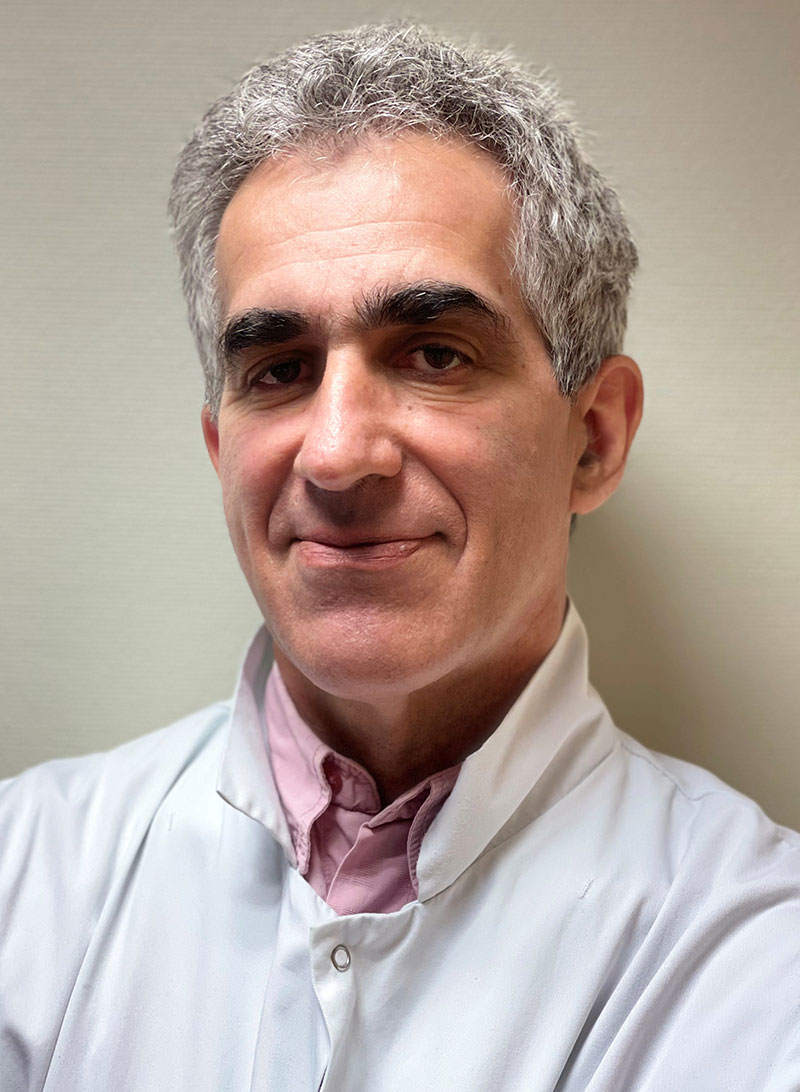 Luc Mouthon合作论文数Internal Medicine Department, Cochin Hospital, Université Paris Cité3Paola Caramaschi合作论文数3Elena Neumann合作论文数3
 Vera Ortiz-Santamaria合作论文数3A. Knedla合作论文数3Rüdiger Hein合作论文数3Raffaella Scorza合作论文数3Ingo H. Tarner合作论文数3Anna Kotulska合作论文数3Thierry Zenone合作论文数3
 Bojana Stamenković合作论文数Department of Rheumatology, Institute Niška Banja;Medicinski Fakultet, Univerzitet u Nišu;Medical School Nis University3
 Cecilia Varju合作论文数Rheumatology and Immunology Clinic, University of Pecs3
 Martin Aringer合作论文数Division of Rheumatology, Department of Medicine III, Faculty of Medicine, TU Dresden3P. Summanen合作论文数2Ruxandra Maria Ionescu合作论文数2L Polidori合作论文数2
 Roberto Caporali合作论文数2Gitte Strauss合作论文数2Fabiana Montoya合作论文数2Lev Denisov合作论文数2C. Jaeger合作论文数2U. Lange合作论文数2
 Paloma Garcia de la Pena Lefebvre合作论文数2Ira Litinsky合作论文数2
 Esthela Loyo合作论文数2henrik nielsen合作论文数2Eric Hachulla合作论文数2




