Marginal zone lymphoma (MZL) is a group of indolent B-cell malignancies that have a natural history that follows a remitting and relapsing course. For systemic disease, available first-line therapies include anti-CD20 antibody as monotherapy with or in combination with chemotherapy (chemoimmunotherapy), with second-line options such as covalent (c) Bruton tyrosine kinase inhibitors (BTKi). However, management of relapsed and refractory (R/R) MZL remains a challenge. Pirtobrutinib, a highly selective, non-covalent BTKi has shown promising efficacy and tolerability in patients with poor-prognosis B-cell malignancies following prior therapy, including cBTKi. Here we report the safety and efficacy of pirtobrutinib in patients with MZL from the phase 1/2 BRUIN study. Endpoints included investigator assessed ORR by Lugano 2014 criteria, DOR, PFS, OS, and safety. Among 36 R/R MZL patients (EMZL: n=6; NMZL: n=17; SMZL: n=13), median age was 68 years (range, 22-83) and median prior lines of therapy were 3 (range, 2-10) including anti-CD-20 antibody (100%), chemotherapy (86%) and cBTKi therapy (72%). The ORR was 55.6% (95% confidence interval [CI], 38.1- 72.1) including 3 (8.3%) complete responses and 17 (47.2%) partial responses. Median DOR was 17.8 months (95%CI, 7.4-non-estimable [NE]), and median PFS was 16.6 months (95%CI, 9.0-22.1). With median follow-up of 32.4 months (IQR, 28.0, 41.3), median OS was NE (95%CI, 29.5-NE). The ORR for patients with prior cBTKi therapy was 53.8% (95%CI, 33.4-73.4). Pirtobrutinib was well-tolerated with dose reductions in 4 patients (11.1%) and permanent discontinuation due to TEAEs in 4 (11.1%). Pirtobrutinib showed promising efficacy and safety in patients with heavily pre-treated R/R MZL, including prior cBTKi. NCT03740529
Therapeutic advances in large B-cell lymphoma (LBCL) are rapidly emerging, but their development and availability are largely concentrated in academic centers. Most patients receive care within community health systems where more limited resources, infrastructure, and access to novel treatments may influence outcomes. This narrative review summarizes current treatment strategies and real-world outcomes for patients with relapsed or refractory (R/R) LBCL. Polatuzumab-based regimens remain standard for high-risk disease in the frontline setting and achieve durable responses; however, approximately 30-40% of patients experience R/R disease. While chimeric antigen receptor T-cell therapy offers curative potential, its use is constrained by logistical, socioeconomic, and geographic barriers. Novel therapies, including bispecific antibodies and antibody-drug conjugates, may improve treatment access in community settings. We also discuss patient- and practice-level factors affecting treatment strategies, unmet clinical needs, and the need for collaboration between community and academic centers in optimizing outcomes for patients with R/R LBCL.
The Bridging the Gaps (BTG) in Leukemia, Lymphoma and Multiple Myeloma Consensus Conference 2025 brought together a multidisciplinary group of oncology experts to address the complexities of lymphoma management, focusing on mantle cell lymphoma (MCL), chronic lymphocytic leukemia (CLL), and diffuse large B-cell lymphoma (DLBCL). This article presents consensus recommendations developed through a modified Delphi process, which emphasize the need for tailored therapeutic strategies in light of recent advancements in treatment options. Key recommendations include the screening for high-risk features in MCL, use of the BOVen regimen (zanubrutinib, obinutuzumab, and venetoclax) for TP53-aberrant cases, and integration of chimeric antigen receptor T-cell therapy for patients with mantle cell lymphoma that is refractory to covalent Bruton tyrosine kinase inhibitors. For CLL, recommendations include consideration of time-limited therapies for younger patients and a "watch and wait" strategy for asymptomatic patients despite the improved activity and safety of current treatment regimens. For DLBCL, this article highlights the challenges in treatment sequencing and the role of circulating tumor DNA and minimal residual disease testing in monitoring disease progression. Overall, the conference describes the importance of ongoing research to refine management strategies and improve patient outcomes in lymphoma care, addressing the gaps in clinical practice where high-level evidence is lacking.
ABSTRACT:Pirtobrutinib, a noncovalent, reversible Bruton tyrosine kinase inhibitor (BTKi), demonstrated efficacy in patients with chronic lymphocytic leukemia (CLL), resistant to covalent BTKi (cBTKi). We analyzed genomic correlations with response and resistance to pirtobrutinib in relapsed/refractory (R/R) patients with CLL pretreated with cBTKi enrolled in the phase 1/2 BRUIN trial. DNA sequencing was performed on peripheral blood mononuclear cells at baseline, on treatment, and at progressive disease (PD). Common alterations at baseline included mutations in BTK (43%), TP53 (38%), SF3B1 (25%), NOTCH1 (23%), ATM (19%), XPO1 (11%), PLCG2 (9%), BCL2 (8%), and 17p deletion (28%). Common baseline BTK mutations included C481S (85%), C481R (10%), C481F (6%), and C481Y (4%). At PD, 60 of 88 patients (68%) acquired ≥1 mutation, including 44% with acquired BTK mutations and 24% with other acquired mutations. A total of 55 acquired BTK mutations were detected in 39 patients, including gatekeeper mutations (T474I/F/S/Y/L, 26%), kinase-impaired L528W (16%), C481S/R/Y (5%), V416L (2%), and A428D (1%) and others proximal to the adenosine triphosphate-binding pocket, D539A/G/H (1%) and Y545N (1%). Decrease or complete clearance of BTK C481x was observed at PD in 36 of 43 patients (84%). Using a more sensitive assay, 37% (18/49) of acquired BTK mutations were detected at baseline at low allele frequency. Using a highly sensitive assay at progression, a similar frequency of acquired BTK mutations (39%) was detected, and all patients had detectable acquired mutations. This study highlights the complex clonal dynamics of BTK mutations in patients with R/R CLL undergoing pirtobrutinib treatment, and the extent of resistance without an obvious genomic driver. Trial registration: #NCT03740529 at www.ClinicalTrials.gov.
More than 50% of patients (pts) with LBCL who receive CAR T-cell treatment (tx), experience progression, partially due to CD19 tumor antigen escape, which might be overcome by dual targeting of CD20 and CD19. JNJ-90014496 (JNJ-4496) is a CD20/CD19 bi-specific CAR T-cell therapy currently under clinical investigation in pts with relapsed/refractory (R/R) LBCL in an ongoing phase 1b study (NCT05421663). Initial results showed high objective response (OR) and complete response (CR) rates in CAR T-cell-naive pts and a favorable safety profile. We report an analysis of biomarkers and their correlation with clinical outcomes from this study.JNJ-4496 dose levels included a weight-based dose of 2.0 million (M) CAR+ T cells/kg (n=18), a fixed dose of 150M (n=8), and a fixed step-down dose of 75M CAR+ T cells (n=25). Peripheral blood and tumor-based samples were analyzed. Peripheral blood assessments included CAR T-cell expansion (by qPCR and flow cytometry); B-cell depletion and recovery (by flow cytometry); and cytokine analysis (by immunoassay). Tumor-based assessments included CD20 and CD19 target expression analysis by immunohistochemistry (IHC) and gene-expression-based LymphoMAP tumor microenvironment archetypes assessment (by RNA sequencing).JNJ-4496 cellular kinetics showed comparable CAR T-cell expansion across all 3 dose levels in 51 pts with R/R LBCL. The expansion of total CD3+, CD4+, CD8+ CAR T cells, and B-cell depletion were similar across all doses. Elevated levels of cytokines associated with T-cell cytotoxicity coincided with the onset of cytokine release syndrome or immune effector cell-associated neurotoxicity syndrome and correlated with severity grade. Of the fixed doses evaluated, overall lower median cytokine levels were observed at 75M. Higher median peak CAR T-cell levels normalized to pre-infusion tumor burden were observed in pts with CR. Tumor samples from 43 pts showed high levels of baseline CD20 expression (79% of pts), but variable CD19 expression by IHC. 16% of pts had low or heterogenous expression levels of target antigen: 9% had low levels of either CD20 or CD19 expression, and 7% showed low levels of both target antigens. OR and CR rates were 100% and 90%, respectively, in 31 pts with both CD20 and CD19 high/medium and were 82% and 73% in 11 pts with at least 1 antigen low. Among 24 pts with available gene expression data, OR rate was 100% across all LymphoMAP archetypes; CR rates were 92% in lymph node, 86% in fibroblast/macrophage, and 80% in T-cell exhausted archetypes.Comparable CAR T-cell expansion and peripheral B-cell depletion were observed across all doses and high response rates were observed in pts with varying levels of CD19 or CD20. These initial results suggest that JNJ-4496 may be able to overcome an immunosuppressive tumor microenvironment and contribute to improved tx responses, supporting further evaluation of JNJ-4496 in pts with R/R LBCL.
Abstract Acalabrutinib is a selective, covalent Bruton tyrosine kinase inhibitor approved for marketing in chronic lymphocytic leukemia (CLL)/small lymphocytic lymphoma (SLL). We report final, long-term phase 1/2 study results in 99 patients with treatment-naive (TN) and 134 with relapsed/refractory (R/R) CLL/SLL. At final data cutoff, 71% and 31% of patients in the TN and R/R cohorts, respectively, remained on acalabrutinib treatment (median follow-up of 73.7 and 52.6 months). Among the events of clinical interest (any grade) in the TN and R/R cohorts, atrial fibrillation was reported in 6.1% and 9.0%, hypertension in 29.3% and 23.1%, other malignancies (excluding nonmelanoma skin cancer) in 14.1% and 17.2%, and major bleeding in 8.1% and 8.2% of patients, respectively. The incidence of the most common adverse events decreased over time. Overall response rates were 97.0% and 94.8% in the TN and R/R cohorts, respectively, with similar response findings among patients with standard and high-risk genomic features. In the TN cohort, median progression-free survival (PFS) was not reached and the 72-month PFS rate was 86.7% (95% confidence interval [CI], 77.0-92.5). For the R/R cohort, median PFS was 66.1 months (range, 0.4-87.8) and the 72-month PFS rate was 45.1% (95% CI, 35.6-54.1). This final analysis extends the duration of benefit observed with acalabrutinib, demonstrates that no new safety signals are apparent with longer follow-up, and confirms the safety and tolerability of acalabrutinib monotherapy for patients with CLL/SLL. This trial was registered at www.clinicaltrials.gov as #NCT02029443.
ABSTRACT:Brexucabtagene autoleucel (brexu-cel) is an autologous anti-CD19 chimeric antigen receptor (CAR) T-cell therapy approved for adults with relapsed/refractory (R/R) mantle cell lymphoma (MCL) based on the ZUMA-2 cohort 1 (ClinicalTrials.gov identifier: NCT02601313) study in which brexu-cel demonstrated a 93% objective response rate (ORR) and 67% complete response (CR) rate in patients with R/R MCL and previous BTKi therapy (N = 60). Here, we report the primary results of ZUMA-2 cohort 3 (brexu-cel in patients with BTKi-naive R/R MCL). Adults received brexu-cel at 2 × 10⁶ anti-CD19 CAR T cells per kilogram. The primary end point was ORR assessed by independent radiology review committee (IRRC). As of 26 November 2023, 95 patients were enrolled, and 86 received brexu-cel; median follow-up was 15.5 months. The primary end point was met, with a 91% ORR (95% confidence interval [CI], 82.5-95.9; P< .0001; N = 86) and a CR rate of 73% (95% CI, 62.6-82.2). Estimated 12-month progression-free survival (PFS), duration of response, and overall survival (OS) rates were 75%, 80%, and 90%, respectively. Among 95 enrolled patients, the ORR was 82%, the CR rate was 66%, and the 12-month PFS and OS rates (95% CI) were 73% (62.1-80.8) and 85% (75.6-90.7), respectively. Most patients (88%) experienced treatment-related grade ≥3 adverse events, including 4 treatment-related grade 5 events. Consistent with cohort 1, brexu-cel demonstrated a high ORR and similar safety profile. These results support the continued use of brexu-cel in patients with R/R MCL, and consideration in some patients without previous BTKi therapy who have high-risk disease. This trial was registered at clinicaltrials.gov as #NCT04880434.
Background Liso-cel has a well-established safety profile that supports outpatient administration. Augmentation by remote patient monitoring (RPM) may enable early detection of complications and reduce inpatient burden. We studied the timing of complications and contributors towards hospitalization along with alarm patterns in order to optimize outpatient management and refine RPM. Methods We retrospectively analyzed 100 patients with B-cell malignancies treated with liso-cel in the outpatient setting with RPM monitoring and followed for up to 30-days across 4 Sarah Cannon Transplant and Cellular Therapy Network centers in the U.S. (Apr 2023–Jul 2025). Baseline characteristics, RPM adherence outside of clinic hours, RPM alarm episodes (grouped ≤1hr gap), RPM triggers, RPM trends, outcomes including time to first hospitalization, and complications (CRS, ICANS and cytopenia) were evaluated. Results Median age was 70 years, 60% were male, 22% Hispanic/Latino, 41% Medicare, 51% had HCT-CI ≥2, median state/national area deprivation index scores were 4 and 46, 84% KPS ≥90, and 85% had LBCL. RPM adherence was high (73%) with a median of 20 monitoring days (IQR 12-28) [Table 1]. No alarms were triggered in 14% of the patients. Among 86 patients with ≥1 alarm(s) (median of 5, IQR 1–10), 25 (29%) were managed without hospitalization. The first alarm episode was typically detected within 2 days of infusion (IQR 1–6) [Table 1]. The detailed alarm patterns are visualized in Figure 1. Median time to first hospitalization was 5 days (IQR 3–8) among the 61% hospitalized; 51% ≤ 7 days, 7% between 8–14 days, and 3% between 15–30 days [Table 1 & Figure 2]. All hospitalizations for CRS/ICANS occurred within first 10 days post-infusion. Median hospital stay was 5 days (IQR 2.5–11). Contributing factors to first hospitalization included CRS (38%), ICANS (27%), cytopenia (52%), and other reasons (15%), which were not mutually exclusive [Table 1 & Figure 2]. Conclusions Understanding patterns of RPM alarms as well as timing and contributors towards hospitalization is critical to optimize care and resource use. In this large diverse cohort treated with liso-cel in the outpatient setting supported by RPM, 39% were successfully managed without any hospitalization. Furthermore, 29% with alarm(s) did not require hospitalization. All CRS/ICANS hospitalizations occurred in the first 10 days. These data suggest restricting RPM to the first 14-days is safe while reducing resource utilization. Importantly, these data provide further evidence for elimination of the FDA REMS and streamlining patient monitoring post-infusion.
ABSTRACT:This study assessed real-world effectiveness and safety of lisocabtagene maraleucel (liso-cel) in patients with relapsed/refractory (R/R) large B-cell lymphoma (LBCL), including those with high-risk disease, secondary central nervous system (sCNS) involvement, comorbidities, and poor fitness, using data in the Center for International Blood and Marrow Transplant Research Registry from 5 February 2021 to 4 February 2025. Eligible patients (N = 1116) received liso-cel and had ≥1 effectiveness and safety assessment after infusion, including 195 in the second-line setting, 71 with sCNS, and 257 with transformed LBCL. Median age was 71.1 years (range, 21.5-91.2), with 72.3% aged ≥65 years. Within the overall population, 6.6% had an Eastern Cooperative Oncology Group performance status of ≥2, 53.4% had ≥1 comorbidity, and the median number of previous lines of therapy was 3 (range, 1-16). Median study follow-up was 12.6 months (95% confidence interval [CI], 12.5-12.8). Among effectiveness-evaluable patients (n = 1109), objective response rate was 81.2% and complete response rate was 71.3%. Duration of response, progression-free survival, and overall survival rates at 12 months were 60.2% (95% CI, 56.4-63.9), 51.2% (95% CI, 48.0-54.4), and 67.6% (95% CI, 64.5-70.6), respectively. Cytokine release syndrome was reported in 51.0% of patients, with grade ≥3 events in 2.5%. Immune effector cell-associated neurotoxicity syndrome was reported in 26.6% of patients, with grade ≥3 events in 9.2%. The 12-month nonrelapse mortality rate was 6.1% (95% CI, 4.6-7.8). These real-world data reinforce the effectiveness and safety of liso-cel in this broad population of patients with R/R LBCL, including younger patients and those with high-risk disease features.
Background Fludarabine/cyclophosphamide (Flu/Cy) is the standard lymphodepleting (LD) regimen for autologous CAR-T therapy, but bendamustine (Benda) has emerged as an alternative during fludarabine shortages and in patients with comorbidities. While feasibility and clinical outcomes have been previously reported, the impact on endogenous immune subsets and engineered CAR-T expansion is less defined. We hypothesized that Benda and Flu/Cy would have differential effects on these immune cell subsets. Methods We prospectively studied 15 patients (Benda n=9, Flu/Cy n=6) with relapsed/refractory B-cell malignancies (mostly lymphoma, some myeloma) treated with commercial CAR-T at the Providence Swedish Cancer Institute in Seattle. Peripheral blood was collected on days -1, 3, 5, 7, 11, 14, 30, 60, 90, and 180 days after CAR-T cell infusion. High-dimensional flow cytometry distinguished endogenous lymphocyte subsets (naïve and memory CD8+ and CD4+ T cells, monocytes, NK cells, B cells) from CAR-T cells. Multiplex cytokine assays assessed systemic immune activation. Results High-dimensional flow showed similar recovery of endogenous immune cell subsets across regimens, including CD8+ naïve cells, NK cells, monocytes, and B cells, but CD4 and CD8 memory cell counts were higher in the Benda cohort (Figure 1). CAR-T cell expansion was also similar, with overlapping kinetics of peak proliferation and contraction (Figure 2). Cytokine kinetics were similar across regimens, but Flu/Cy was associated with higher early pro-inflammatory IL-18 and lower anti-inflammatory IL-1Ra compared with Benda (Figure 3). Clinical outcomes and toxicity were similar in this small cohort. Conclusions CAR-T expansion, cytokine activation, and endogenous lymphocyte recovery were similar between Benda and Flu/Cy, but greater T memory cell representation and anti-inflammatory cytokines were noted with Benda LD. The clinical consequences of increased endogenous CD8 memory T-cells after Benda LD are unclear. However, given increasing use of T-cell redirecting therapies after initial CAR-T therapy, such as other CAR-T cells or bispecific antibodies, and the effect of late infections on treatment-related mortality, these findings may warrant additional study. This is one of the first analyses using high-dimensional flow cytometry to isolate endogenous and engineered lymphocyte subsets in this context. Our findings support Benda as a feasible and biologically comparable alternative to Flu/Cy LD in CAR-T therapy.
TPS7103 Background: Despite recent advancements in NHL therapies, many patients experience disease progression or relapse. Agents with novel mechanisms of action and combination strategies are needed to improve clinical outcomes. B-cell lymphoma 6 (BCL6) is a master transcriptional regulator of immune cells, particularly of germinal center B cells, and an established oncogenic driver in NHL. ARV-393 is an oral PROteolysis TArgeting Chimera (PROTAC) BCL6 degrader that binds an E3 ubiquitin ligase and BCL6 to induce ubiquitination of BCL6 and its subsequent proteasomal degradation. ARV-393 monotherapy potently inhibited tumor growth and induced tumor regressions across NHL cell-derived xenograft (CDX) and patient-derived xenograft models, including models of DLBCL, transformed follicular lymphoma, and nodal T-follicular helper cell lymphoma (nTFHL). Furthermore, administration of ARV-393 with a CD20×CD3 bispecific antibody, glofitamab, demonstrated combinatorial antitumor activity in a humanized high-grade B-cell lymphoma CDX model, inducing deeper tumor growth inhibition and increased tumor regressions vs either monotherapy. These preclinical findings demonstrated single-agent ARV-393 antitumor activity across NHL subtypes and suggested mechanistic synergy with glofitamab, supporting clinical investigation of monotherapy in NHL and this chemotherapy-free combination in patients with DLBCL. Methods: This global, multicenter, open-label, first-in-human, phase 1 dose escalation and optimization/expansion study (NCT06393738) is evaluating the safety, tolerability, pharmacokinetics, pharmacodynamics, and preliminary antitumor activity of ARV-393 as monotherapy in relapsed or refractory (R/R) NHL or in combination with glofitamab in R/R DLBCL, with a primary objective of determining provisional doses for further exploration. Patients eligible for ARV-393 monotherapy are adults with confirmed R/R B-cell NHL who previously received ≥2 lines of systemic therapy (including rituximab), or nTFHL who previously received standard of care therapy. Patients eligible for ARV-393 in combination with glofitamab are adults with pathologically confirmed R/R DLBCL, DLBCL not otherwise specified, or large B-cell lymphoma arising from follicular lymphoma who were treated with ≥2 prior lines of systemic therapy. ARV-393 will be administered orally once daily in 28-day cycles alone or in combination with intravenous glofitamab during 21-day cycles. Approximately 255 patients will be enrolled across study cohorts. As of January 2026, enrollment is ongoing. Copyright © 2026 AACR. Originally presented at AACR 2026. Reprinted with permission. Clinical trial information: NCT06393738 .
Axicabtagene ciloleucel (axi-cel), an anti-CD19 chimeric antigen receptor (CAR) T-cell therapy, is approved for treatment of relapsed/refractory diffuse large B-cell lymphoma (DLBCL). Due to risks of cytokine release syndrome (CRS) and immune effector cell-associated neurotoxicity syndrome (ICANS), it is typically administered in an inpatient (IP) setting. Emerging data suggest outpatient (OP) administration, supported by structured care pathways, prophylactic dexamethasone, and remote patient monitoring (RPM), may offer comparable outcomes. However, real-world evidence on OP use remains limited. The primary objective was to compare clinical outcomes, safety, and healthcare utilization of axi-cel in OP versus IP settings. This retrospective study included adults with DLBCL who received axi-cel outside of clinical trials across five centers in a multi-state US transplant network (January 2019 to June 2023). OP eligibility was based on institutional protocols and enrollment in an RPM platform. Association between therapy setting and CRS/ICANS, overall survival (OS), and progression-free survival (PFS) was assessed using multivariable logistic and Cox regression models, adjusted for age, tumor burden, comorbidities, performance status, and prophylactic dexamethasone use. Among 143 eligible patients, 47 (33%) received OP therapy, with uptake increasing over time (36% in 2022, 64% in 2023). OPs were older (median 65 years OP vs. 60 years IP; P < .001) and more likely to receive prophylactic dexamethasone (89% OP vs. 21% IP; P < .001). There were no notable differences in other clinicodemographic and socioeconomic characteristics. The median hospital length of stay (LOS) was shorter for OPs (7 vs. 15 days; P < .001) with similar ICU utilization between groups (28% OP vs. 23% IP; P = .54). Notably, 13% of OPs avoided any post-infusion hospitalization. CRS occurred in 85% of all patients, with no difference by setting (83% OP vs. 85% IP; P = .89) and CRS grade ≥2 was comparable (47% OP vs. 46% IP; P = .519). In OPs ICANS was less frequent (34% OP vs. 56% IP; P = .020) and less severe (grade ≥2: 17% for OP vs. 33% for IP; P = .006) possibly due to higher prophylactic dexamethasone use in this group. Reactive steroid use was observed in 53% OP vs. 36% IP; P = .085, with a shorter median duration in OP (3 days OP vs. 7 days IP; P < .001). Multivariable models showed no significant association between therapy setting and CRS grades ≥2 (OR: 0.77; 95% CI: 0.29-2.01; P = .584), ICANS any grade (OR: 0.69; 95% CI: 0.67-0.72; P = .270), OS (HR: 0.63; 95% CI: 0.26-1.50; P = .301). OP therapy was not associated with worse PFS (HR: 0.59; 95% CI: 0.54-1.62; P = .151). OP administration of axi-cel, supported by RPM, was associated with reduced hospitalization, while having comparable toxicities and survival outcomes as IP administration. These findings support broader adoption of OP axi-cel delivery in appropriately selected patients.
BACKGROUND:This study presents patient-reported outcomes (PROs) from the phase 1/2 BRUIN (NCT03740529) trial of pirtobrutinib monotherapy for the treatment of B-cell malignancies, including chronic lymphocytic leukemia/small lymphocytic lymphoma (CLL/SLL) and mantle cell lymphoma (MCL). METHODS:PROs were collected at each cycle using the European Organization for Research and Treatment of Cancer Quality of Life Questionnaire and item library (IL) sets for CLL/SLL- and MCL-related symptoms and an Expanded Fatigue measure. Prespecified analyses included descriptive change from baseline, time to worsening (TTW) using Kaplan-Meier method, and longitudinal analyses using a mixed model for repeated measures. RESULTS:A total of 263 patients with CLL/SLL and 124 with non-blastoid MCL who received pirtobrutinib monotherapy after prior BTKi were included in the final PRO analysis. The proportion of patients with CLL/SLL who improved or remained stable from baseline through Cycle 31 remained above 80% for physical function (PF), CLL/SLL-related symptoms, fatigue, and global health status/quality of life (GHS/QoL). The proportion of patients with MCL who improved or remained stable through Cycle 20 remained above 70% for PF, MCL-related symptoms, fatigue, and GHS/QoL. Median TTW was not reached in either CLL or MCL. Longitudinal analyses for PF, CLL/SLL-related symptoms, fatigue, and GHS/QoL consistently met statistically significant and clinically-meaningful improvement from baseline for CLL. PRO assessments remained stable over time for MCL. CONCLUSIONS:The final analysis from the BRUIN trial demonstrates stability in PROs throughout the duration of treatment with pirtobrutinib. Most patients with CLL/SLL and MCL reported stable or improved outcomes throughout the study.
BACKGROUND:Covalent Bruton tyrosine kinase (BTK) inhibitors have advanced the treatment of Waldenström macroglobulinaemia; however, the occurrence of progression, intolerance, and acquired resistance are not fully understood. We aim to report on the safety and activity of pirtobrutinib (a highly selective, non-covalent BTK inhibitor) in patients with relapsed or refractory Waldenström macroglobulinaemia, including those who received previous covalent BTK inhibitors as part of the phase 1/2 BRUIN trial. METHODS:The BRUIN study was an open-label, multicentre, phase 1/2 trial that enrolled patients with relapsed or refractory B-cell malignancies from 29 sites across eight countries. Patients aged 18 years or older who previously received BTK inhibitor-containing regimens, had an Eastern Cooperative Oncology Group performance status of 0-2, and histologically confirmed Waldenström macroglobulinaemia were eligible. In phase 1, patients received 100-300 mg oral pirtobrutinib once a day in 28-day cycles and the recommended phase 2 dose (RP2D) of 200 mg pirtobrutinib once a day was determined. The phase 2 primary endpoint was antitumour activity of pirtobrutinib based on objective response rate as assessed by an investigator in patients with chronic lymphocytic leukaemia, small lymphocytic leukaemia, or mantle cell lymphoma. In patients with Waldenström macroglobulinaemia, response was evaluated using the Sixth International Workshop on Waldenström Macroglobulinemia (IWWM-6) criteria. BRUIN is registered with ClinicalTrials.gov, NCT03740529 (completed). FINDINGS:BRUIN recruited patients from Aug 12, 2019, to March 14, 2022, and 778 patients received pirtobrutinib. 80 patients had relapsed or refractory Waldenström macroglobulinaemia (n=18 in phase 1 and n=62 in phase 2), with a median age of 68·5 years (IQR 61·0-75·0). 52 (65%) patients were male and 28 (35%) were female. The median number of previous lines of systemic therapy was 3·0 (2·0-5·0). 63 (79%) patients received previous covalent BTK inhibitors. 73 (91%) received 200 mg pirtobrutinib once per day (the RP2D). Using IWWM-6 criteria, the objective response rate was 82·5% (95% CI 72·4-90·1), with one (1·3%) patient reaching complete response, eight (10·0%) reaching very good partial response, 49 (61·3%) reaching partial response, and eight (10·0%) reaching minor response. The median study follow-up was 35·0 months (17·7-47·7). The objective response rate was 81·0% (69·1-89·8) for those who received previous covalent BTK inhibitors and 88·2% (63·6-98·5) for covalent BTK inhibitor-naive patients. Grade 3 or higher treatment-emergent adverse events occurred in 57 (71%) patients, with the most common being neutropenia or neutrophil count decreased (15 [19%]) and anaemia (19 [24%]). Treatment-emergent deaths were reported in five (6%) patients (bacterial sepsis, intracranial haemorrhage, COVID-19 pneumonia, hypertensive cardiomegaly and pneumonia [n=1 each unrelated to treatment], and treatment-related necrotising pneumonia [n=1]). Treatment-emergent adverse events leading to dose reductions occurred in four (5%) patients and pirtobrutinib discontinuation in 12 (15%). INTERPRETATION:Pirtobrutinib was highly active and well tolerated, regardless of previous exposure to covalent BTK inhibitors, and might be a promising new therapeutic option for patients with relapsed or refractory Waldenström macroglobulinaemia, particularly in those previously exposed to covalent BTK inhibitors, for whom durable and effective treatments are needed. FUNDING:Eli Lilly and Company.
Introduction Liso-cel is an autologous, CD19-directed, CAR T cell product with favorable efficacy and well-established safety profile across B-cell malignancies. Understanding outcomes of liso-cel treatment (tx) in younger pts remains an area of interest. Objectives To evaluate effectiveness and safety of liso-cel in pts aged < 50 y with R/R LBCL. Methods Pts in the US with R/R LBCL who received commercial liso-cel as second-line (2L) or later tx from 02/2021–05/2025 and had ≥ 1 postinfusion assessment reported to the Center for International Blood and Marrow Transplant Research (CIBMTR) were included. Effectiveness outcomes were ORR, CR rate, DOR, PFS, and OS. Safety outcomes were AEs of special interest and nonrelapse mortality (NRM) rates; results are descriptive. Results Of 1144 total pts assessed, 74 (6%) were aged < 50 y at infusion (median age 42 y [range, 21.5–49.5]) and 62% were male. Among pts aged < 50 y with data available, 73% had DLBCL, 9% had primary mediastinal B-cell lymphoma (PMBCL), and 9% had high-grade B-cell lymphoma; 83% had refractory disease; and 52% had elevated LDH preinfusion. Most pts had ≥ 1 comorbidity per HCT-CI criteria (80%) and ECOG PS of 0–1 (90%). Median number of prior lines of therapy (LOT) was 3 (range, 1–13), and 18% received liso-cel as 2L tx; 61% received bridging therapy and 36% were reported as intended for outpatient (OP) infusion. Compared with the overall cohort, pts aged < 50 y had higher prevalence of PMBCL, refractory disease, elevated LDH, and comorbidities, but similar ECOG PS, number of prior LOTs, and receipt of bridging therapy. Median follow-up in pts aged < 50 y was 14.8 mo (95% CI, 12.7–24).In pts aged < 50 y, responses were deep (ORR, 72%; CR rate, 68%) and durable, with median DOR not reached (NR) and 12-mo DOR rate of 80%, consistent with outcomes in the overall cohort (Table 1). Survival outcomes were also consistent in pts aged < 50 y and the overall cohort, with median PFS and OS NR and similar 12-mo rates (Figure 1; Table 1).Liso-cel safety profile in pts aged < 50 y was consistent with the overall cohort and clinical trials. Any-grade cytokine release syndrome and immune effector cell–associated neurotoxicity syndrome were reported in 58% and 28% of pts aged < 50 y, respectively, with low rates of grade ≥ 3 events (4% and 12%) (Table 1). Cytopenia at day 30 was reported in 11% of pts and clinically significant infections at any time after infusion in 55%. Rates of second primary malignancies (1%), tumor lysis syndrome (3%), and grade 3/4 organ toxicity (7%) were low. In pts aged < 50 y, 22 (30%) died, most commonly due to PD (n = 19/22 [86%]). Conclusion Consistent with clinical trials, these results reinforce that despite higher incidence of high-risk disease factors, younger pts with R/R LBCL experience clinically meaningful efficacy while the well-established safety profile of liso-cel is maintained, allowing potential OP use in the real-world setting.
CD19-negative relapse occurs in 30 NCT04002401 . In this phase 2 ZUMA-14 clinical trial, Strati et al. reported the safety and efficacy of axicabtagene ciloleucel plus rituximab in adult participants with chemorefractory large B cell lymphomas and compared the results with previous findings from ZUMA-1 cohort 1.
Over the past decade, treatment recommendations for patients with chronic lymphocytic leukemia or small lymphocytic lymphoma (CLL/SLL) have shifted from traditional chemoimmunotherapy to targeted therapies. Multiple new therapies are commercially available, and in many cases a lack of randomized clinical trial data makes selection of the optimal treatment for each patient challenging. Additionally, many patients continue to receive chemoimmunotherapy in the US, suggesting a gap between guidelines and real-world practice. The Lymphoma Research Foundation convened a workshop comprised of a panel of CLL/SLL experts in the US to develop consensus recommendations for selection and sequencing of therapies for patients with CLL/SLL in the US. Herein, the recommendations are compiled for use as a practical clinical guide for treating providers caring for patients with CLL/SLL, which complement existing guidelines by providing a nuanced discussion relating how our panel of CLL/SLL experts in the US care for patients in a real-world environment.
 Wojciech Jurczak合作论文数Dept Hematol, Jagiellonian Univ41
 Toby A. Eyre合作论文数Department of Haematology, Oxford University Hospitals NHS Trust39
 Jonathon B. Cohen合作论文数Winship Cancer Institute, Emory University;Department of Hematology and Medical Oncology, School of Medicine, Emory University35
 Luhua Wang(Michael)合作论文数The University of Texas MD Anderson Cancer35
 Jennifer R. Brown合作论文数CLL Center, Division of Hematologic Malignancies, Dana-Farber Cancer Institute;Harvard Medical School33
 Talha Munir合作论文数33
 Jennifer Woyach合作论文数College of Pharmacy, The Ohio State University;Division of Hematology, Department of Internal Medicine, College of Medicine, The Ohio State University32
 William G. Wierda合作论文数Department of Leukemia, Division of Cancer Medicine, The University of Texas MD Anderson Cancer Center32
 Chan Cheah合作论文数Department of Haematology, Sir Charles Gairdner Hospital31
 Shuo Ma合作论文数Hematology and Oncologys, Department of Medicine, Feinberg School of Medicine, Northwestern University30
 Nirav N. Shah合作论文数29
 John Maher合作论文数School of Cancer & Pharmaceutical Sciences, Faculty of Life Sciences & Medicine, King’s College London29
 Ian Flinn合作论文数Center for Blood Cancers, Tennessee Oncology;OneOncology29Donald E. Tsai合作论文数27Neil Bailey合作论文数Swedish Cancer Institute25Abada Paolo B合作论文数23Stephens Deborah M合作论文数Department of Internal Medicine and Comprehensive Cancer Center, The Ohio State University23
 Ewa Lech-Marańda合作论文数Instytut Hematologii i Transfuzjologii23Ujjani Chaitra合作论文数22
 Catherine C. Coombs合作论文数Division of Hematology and Oncology, Medicine, School of Medicine, University of California Irvine22
 Mato Anthony合作论文数John Theurer Cancer Center, Hackensack University Medical Center22
 Pier Luigi Zinzani合作论文数Department of Medical and Surgical Sciences, Università di Bologna22
 Constantine Tam合作论文数Alfred Health;Australian Centre for Blood Diseases, School of Translational Medicine, Faculty of Medicine, Nursing and Health Sciences, Monash University22Mazyar Shadman合作论文数22
 Brian T. Hill合作论文数Department of Hematology and Medical Oncology, Cleveland Clinic;Department of Medicine, School of Medicine, Case Comprehensive Cancer Center, Case Western Reserve University21
 Lindsey E Roeker合作论文数21
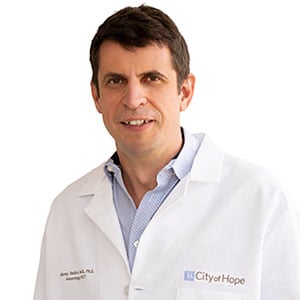 Alexey Danilov合作论文数City of Hope National Medical Center;Toni Stephenson Lymphoma Center, City of Hope21Nicole Lamanna合作论文数19Bita Fakhri合作论文数Department of Medicine, Stanford University18
 Koji Izutsu合作论文数Graduate School of Medicine, University of Tokyo18
 Alencar Alvaro合作论文数17Rhodes Joanna合作论文数17
 Richard R Furman合作论文数Joan and Sanford I. Weill Department of Medicine, Weill Cornell Medicine, Cornell University16
 Ghia Paolo Prospero合作论文数Medical School, Università Vita-Salute San Raffaele;B-Cell Neoplasia Unit, Division of Experimental Oncology, IRCCS Ospedale San Raffele16
 Danielle Marie Brander合作论文数Department of Medicine, Duke University School of Medicine15
 Andrew D. Zelenetz合作论文数Memorial Sloan Kettering Cancer Center15
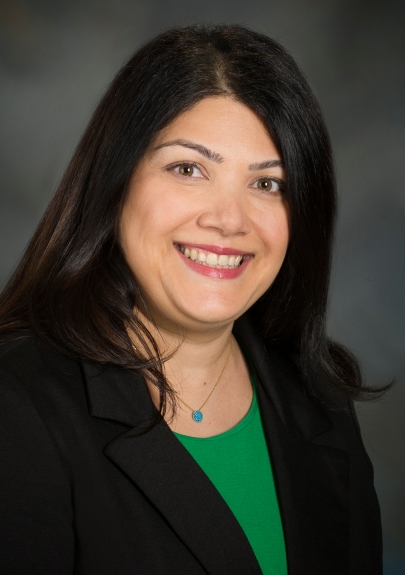 Sairah Ahmed合作论文数Department of Lymphoma/Myeloma, Division of Cancer Medicine, The University of Texas MD Anderson Cancer Center15
 Rajyalakshmi Luthra合作论文数15
 Matthew Genyeh Mei合作论文数Division of Lymphoma, Department of Hematology & Hematopoietic Cell Transplantation, City of Hope National Medical Center15Chunxiao Wang合作论文数14
 Mudit Chowdhary合作论文数‡‡Northside Radiation Oncology Consultants, Northside Hospital Cancer Institute14
 Michael Choi合作论文数Division of Nephrology, Johns Hopkins University14
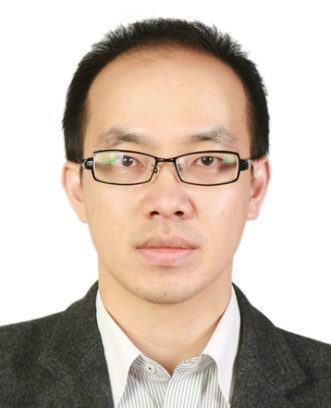 Yucai Wang (王育才)合作论文数School of Life Sciences, University of Science and Technology of China;The CAS Key Laboratory of Innate Immunity and chronic Disease14Binoj Nair合作论文数13
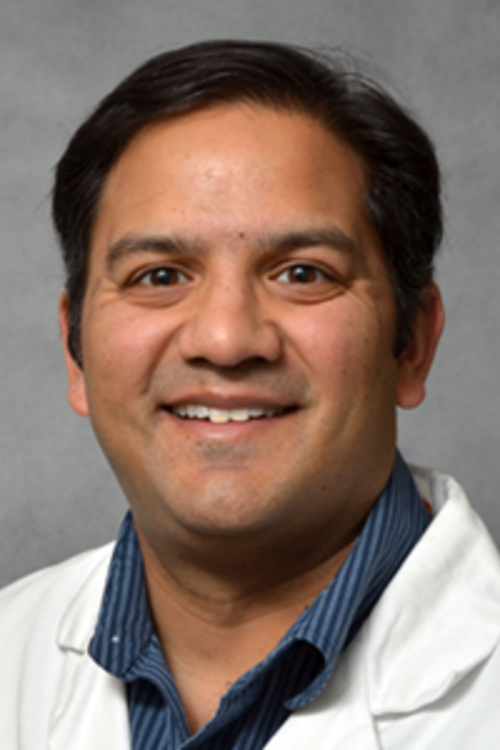 Patel Manish合作论文数13
 Gordon Max合作论文数13
 Youngil Koh合作论文数Seoul National University Hospital13Minna Balbas合作论文数12Paul Wisniewski合作论文数12




