Einstein famously claimed that “the most incomprehensible thing about the universe is that it is comprehensible.” This statement suggests that no amount of scientific explanation will suffice to make sense of the bizarre situation of the human mind within the universe. So what are the actual roles of awe and wonder within the framework of contemporary science? How, for instance, do awe and wonder inform scientists’ understanding of the phenomena they are researching? What aspects of contemporary science are more likely to elicit wonder, and why? Is science rechanneling our innate thirst for knowledge and understanding toward more concrete and palpable realities, or is it aggravating the tension between truth and meaning by revealing the scope of our ignorance when it comes to probing the ultimate nature of reality? Physicist Marcelo Gleiser, experimental psychologist Tania Lombrozo, and physician Gavin Francis analyze the impact of awe and wonder on their own work and on the mindsets of their colleagues carrying out leading-edge scientific research.
From the macrocosm of the universe to the microcosm of the human body, our discoveries about ourselves and the natural world continue to spark our experience of awe and wonder . But how exactly does science define and explain the experience of awe and wonder? Social psychologist Michelle Shiota, writer Caspar Henderson, and astrophysicist Alex Filippenko unpack the emerging science behind the emotions of awe and wonder, including their role in our ongoing quest for understanding and knowledge.
Einstein famously claimed that “the most incomprehensible thing about the universe is that it is comprehensible.” This statement suggests that no amount of scientific explanation will suffice to make sense of the bizarre situation of the human mind within the universe. So what are the actual roles of awe and wonder within the framework of contemporary science? How, for instance, do awe and wonder inform scientists’ understanding of the phenomena they are researching? What aspects of contemporary science are more likely to elicit wonder, and why? Is science rechanneling our innate thirst for knowledge and understanding toward more concrete and palpable realities, or is it aggravating the tension between truth and meaning by revealing the scope of our ignorance when it comes to probing the ultimate nature of reality? Physicist Marcelo Gleiser, experimental psychologist Tania Lombrozo, and physician Gavin Francis analyze the impact of awe and wonder on their own work and on the mindsets of their colleagues carrying out leading‐edge scientific research.
From the macrocosm of the universe to the microcosm of the human body, our discoveries about ourselves and the natural world continue to spark our experience of awe and wonder. But how exactly does science define and explain the experience of awe and wonder? Social psychologist Michelle Shiota, writer Caspar Henderson, and astrophysicist Alex Filippenko unpack the emerging science behind the emotions of awe and wonder, including their role in our ongoing quest for understanding and knowledge.
Awe and wonder appear to be powerful emotions that can inform and shape our attitudes toward ourselves and others, especially in relation to the larger meaning and purpose of our lives. What are the psychological underpinnings of these universal emotions? How does awe, for example, relate to self-knowledge, and more generally to understanding the enigmatic contradictions of human nature? Is it possible to cultivate and develop this emotion as an ethical incentive in our relationships with others? Are awe and wonder capable of awakening and engendering moral transformation? Does the emotion of awe lie at the root of the religious impulse in humans? and Is there any room left for a sense of the miraculous in today's increasingly scientific and secular world? Professor of religious studies Lisa Sideris joins psychologists Jennifer Stellar and Piercarlo Valdesolo to explore how awe shapes our perspectives and views on everything from science to morality.
Why is it that fundamental laws discovered through pure mathematics have been able to describe the behavior of our physical world with such precision? Given that the physical universe is composed of mathematical properties, some have posited that mathematics is the language of the universe, whose laws reveal what appears to be a hidden order in the natural world. Physicist S. James Gates, Jr. and science writer Margaret Wertheim explore the uncanny ability of mathematics to reveal the laws of nature.
Discovering the true nature of reality may ultimately hinge on grasping the nature and essence of human understanding. What are the fundamental elements or building blocks of human cognition? And how will the rise of superintelligent machines challenge our ideas about cognition, reality, and the limits of human understanding? Logician/mathematician Roger Antonsen and computer science pioneer Barbara J. Grosz join forces to shed light on these questions and the horizon of artificial intelligence.
The prevalent view in cognitive science is that we construct our perception of reality in real time. But could we be misinterpreting the content of our perceptual experiences? Does what we perceive with our brain and senses reflect the true nature of reality? Might evolution have shaped our perceptions to guide adaptive behavior, without enabling us to see reality as it actually is? In a discussion moderated by Steve Paulson, cognitive scientist Donald D. Hoffman and neurologist Suzanne O'Sullivan analyze these questions and their profound implications for our understanding of human consciousness.
The prevalent view in cognitive science is that we construct our perception of reality in real time. But could we be misinterpreting the content of our perceptual experiences? Does what we perceive with our brain and senses reflect the true nature of reality? Might evolution have shaped our perceptions to guide adaptive behavior, without enabling us to see reality as it actually is? In a discussion moderated by Steve Paulson, cognitive scientist Donald D. Hoffman and neurologist Suzanne O'Sullivan analyze these questions and their profound implications for our understanding of human consciousness.
Why is it that fundamental laws discovered through pure mathematics have been able to describe the behavior of our physical world with such precision? Given that the physical universe is composed of mathematical properties, some have posited that mathematics is the language of the universe, whose laws reveal what appears to be a hidden order in the natural world. Physicist S. James Gates, Jr. and science writer Margaret Wertheim explore the uncanny ability of mathematics to reveal the laws of nature.
Discovering the true nature of reality may ultimately hinge on grasping the nature and essence of human understanding. What are the fundamental elements or building blocks of human cognition? And how will the rise of superintelligent machines challenge our ideas about cognition, reality, and the limits of human understanding? Logician/mathematician Roger Antonsen and computer science pioneer Barbara J. Grosz join forces to shed light on these questions and the horizon of artificial intelligence.
From the birth of galaxies to the self-organizing dynamics of our planet to the ongoing expansion of the universe, the more we discover about the evolution of the cosmos, the more acutely we realize the enormity of what remains to be known. Just this year astrophysicists at the University of Nottingham confirmed that there are at least two trillion galaxies in the cosmos, 10 times more than had been previously thought. What guidance or wisdom can the study of cosmology and astrophysics offer us in our search for meaning and purpose? In conversation with Steve Paulson, executive producer and host of To the Best of Our Knowledge , theoretical physicists Paul Davies and Ard Louis, and astrophysicist Lucianne Walkowicz share their perceptions based on years of gazing upward and beyond our own intimate planet.
Where can we turn to find the story of our lives-an existential roadmap that explains where we have come from, why we are here, and where we are headed? Must each of us discover meaning within the context of our individual lives, or are there universal sources of meaning that we can all access? Is there any relationship between living a meaningful life and the quality of our health and well-being? And how can we find meaning in the face of adversity and suffering? Neurologist Jay Lombard, philosophers Massimo Pigliucci and Michael Ruse, and author Emily Esfahani Smith shed light on these perennial questions in conversation with Steve Paulson, executive producer and host of To the Best of Our Knowledge.
Where can we turn to find the story of our lives—an existential roadmap that explains where we have come from, why we are here, and where we are headed? Must each of us discover meaning within the context of our individual lives, or are there universal sources of meaning that we can all access? Is there any relationship between living a meaningful life and the quality of our health and well-being? And how can we find meaning in the face of adversity and suffering? Neurologist Jay Lombard, philosophers Massimo Pigliucci and Michael Ruse, and author Emily Esfahani Smith shed light on these perennial questions in conversation with Steve Paulson, executive producer and host of To the Best of Our Knowledge .
Purpose This paper is an interview with Gayatri Chakravorty Spivak, whose work is inspiration for this special issue. Design/methodology/approach Public radio interview methodology was used. Findings This paper provides autobiographical reflections by Spivak. Practical implications The paper provides a glimpse into Spivak’s reflections on her life and work and its impact on her practice. Originality/value This is an excerpt of a previously published interview, included here by permission, and adds value to the special issue with insights from the author of “Can the Subaltern Speak?”.
Annals of the New York Academy of SciencesVolume 1432, Issue 1 p. 3-5 COMMENTARY The Will to Meaning: Seeking the Why of Our Existence Richard Rass, Richard Rass Program Director, the Nour Foundation, New York, New YorkSearch for more papers by this author Richard Rass, Richard Rass Program Director, the Nour Foundation, New York, New YorkSearch for more papers by this author First published: 12 October 2018 https://doi.org/10.1111/nyas.13982Read the full textAboutPDF ToolsRequest permissionExport citationAdd to favoritesTrack citation ShareShare Give accessShare full text accessShare full-text accessPlease review our Terms and Conditions of Use and check box below to share full-text version of article.I have read and accept the Wiley Online Library Terms and Conditions of UseShareable LinkUse the link below to share a full-text version of this article with your friends and colleagues. Learn more.Copy URL Share a linkShare onFacebookTwitterLinkedInRedditWechat No abstract is available for this article. Volume1432, Issue1Special Issue: The Will to Meaning: Seeking the Why of Our ExistenceNovember 2018Pages 3-5 RelatedInformation
The notion that humans, in all their complexity, are merely an evolutionary accident, an insignificant speck in a boundless cosmos, is deeply unsatisfying for most nonscientists and fails to resonate with their life experience. What, then, can evolutionary biology ultimately tell us about the meaning of our lives? In conversation with Steve Paulson, executive producer and host of To the Best of Our Knowledge, paleoanthropologists Melanie Lee Chang and Ian Tattersall, and paleontologist Simon Conway Morris share their insights on these competing concepts and explain how meaning and purpose can be gleaned from the remarkable story of life itself.
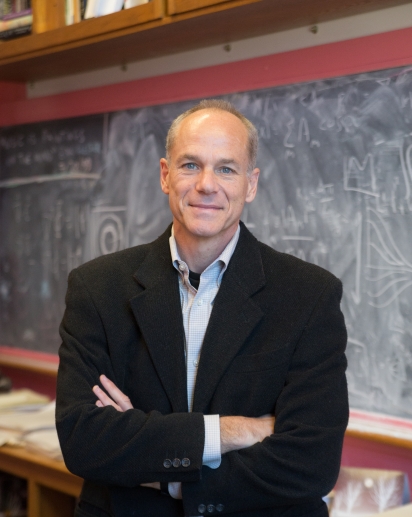 Marcelo Gleiser合作论文数Department of Physics and Astronomy, Dartmouth College4
 Heather A Berlin合作论文数4
 Sam Parnia合作论文数4
 Andre Aciman合作论文数3Darrin M. McMahon合作论文数3
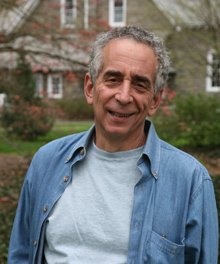 Barry Schwartz合作论文数Department of Psychology, Swarthmore College3
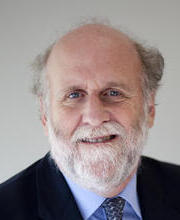 Daniel L. Schacter合作论文数Schacter Memory Lab, Department of Psychology, Harvard University3Siri Hustvedt合作论文数2Suzanne O'Sullivan合作论文数2Sonu Shamdasani合作论文数2
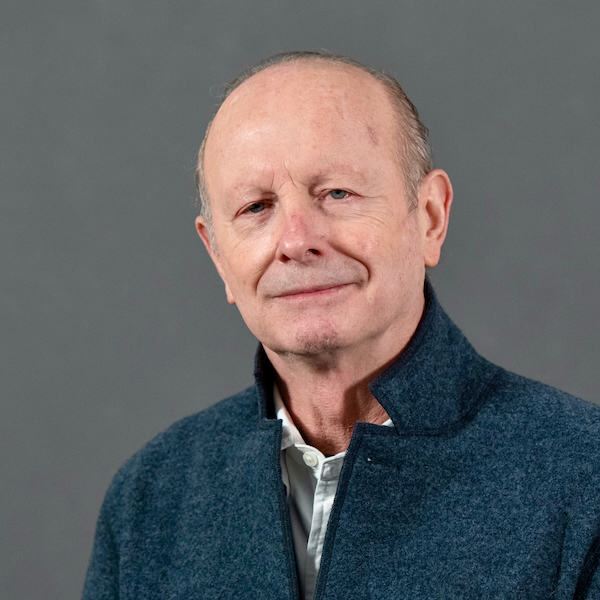 Joseph E. Ledoux合作论文数Department of Child and Adolescent Psychiatry, Grossman School of Medicine, New York University;Department of Psychiatry, Grossman School of Medicine, New York University;Center for Neural Science, New York University2
 Tim Maudlin合作论文数Department of Philosophy, College of Arts & Science, New York University;Harvard University2Laurie Santos合作论文数Neuroscience, Biological & Biomedical Sciences, Yale University2
 Tania Lombrozo合作论文数Department of Philosophy, Princeton University2
 Daniel Kahneman合作论文数School of Public and International Affairs, Princeton University2
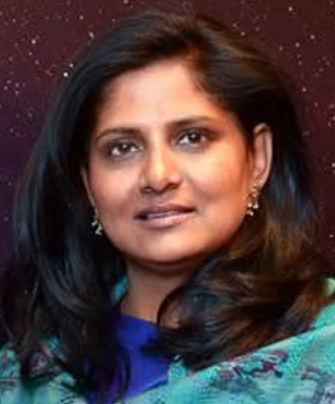 Priyamvada Natarajan合作论文数Department of Physics, Yale University;Flatiron Institute, Center for Computational Astrophysics;Black Hole Initiative, Harvard University;DARK Cosmology Center, Niels Bohr Institute;Dark Cosmology Centre, Niels Bohr Institute, University of Copenhagen2
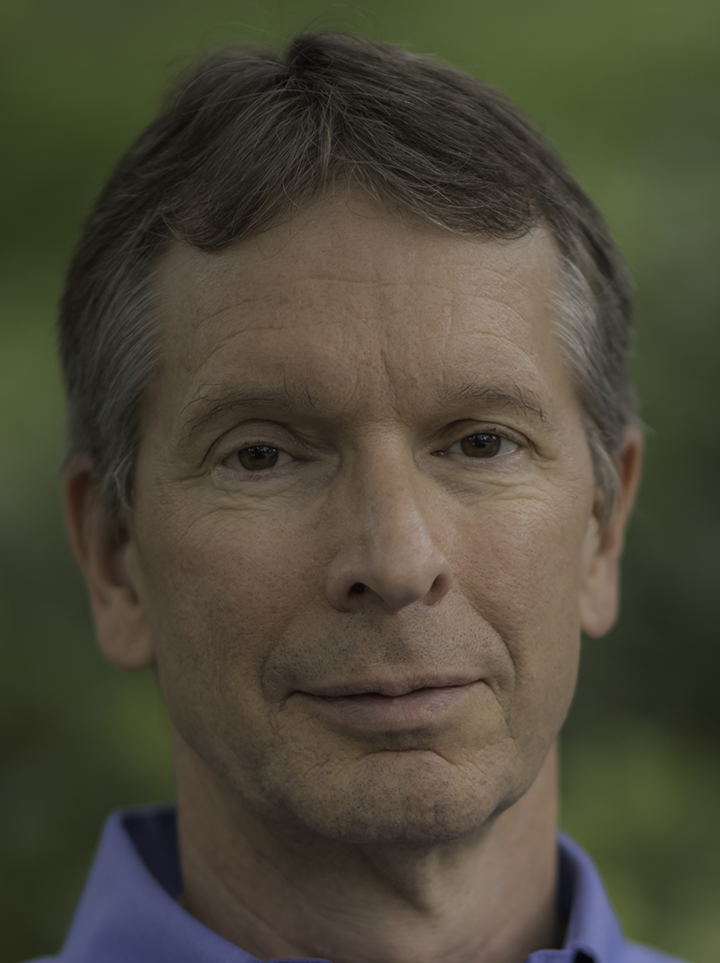 Donald D. Hoffman合作论文数Department of Cognitive Science|University of California , Irvine2
 Stephan A. Mayer合作论文数Henry Ford Health System;Westchester Medical Center2
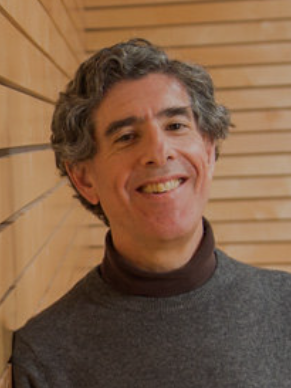 Richard J. Davidson合作论文数Center for Healthy Minds, Waisman Center, College of Letters & Science, University of Wisconsin-Madison;Department of Psychology, School of Medicine, University of Wisconsin-Madison;Healthy Minds Innovations, Inc.2
 Michael Ruse合作论文数Florida State University2
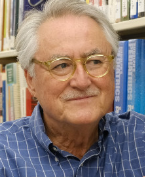 Allan Kellehear合作论文数Department of Nursing, College of Nursing and Health Sciences, The University of Vermont;Department of Medicine, The Robert Larner College of Medicine, The University of Vermont2
 Valerie Tiberius合作论文数Department of Philosophy, University of Minnesota2
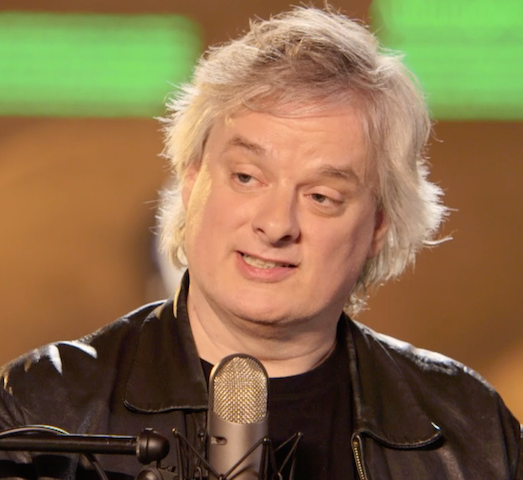 David Chalmers合作论文数Department of Philosophy, College of Arts & Science, New York University;Australian National University;Center for Mind, Brain, and Consciousness, New York University2Sam D. Shemie合作论文数2
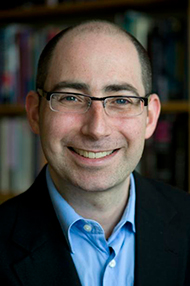 David Kaiser合作论文数Department of Physics, Massachusetts Institute of Technology2
 Adam Frank合作论文数Department of Physics and Astronomy, University of Rochester2
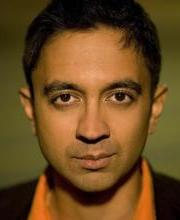 Vijay Iyer合作论文数Department of Music, Harvard University/Department of African and African American Studies, Harvard University2Alison Winter合作论文数2
 Jeffrey J. Kripal合作论文数Center for the Study of Women, Gender, and Sexuality, School of Humanities, Rice University2Jon Kabat Zinn合作论文数Division of Preventive And Behavioral Medicine, Department of Medicine, T.H. Chan School of Medicine, UMass Chan Medical School, University of Massachusetts2
 Max Tegmark合作论文数Department of Physics, MIT2
 Christian Miller合作论文数at Austin, The University of Texas2lani leary合作论文数1Paul Davies合作论文数1
 Jennifer Stellar合作论文数Department of Psychology, Faculty of Arts and Science, University of Toronto, Mississauga;Health, Emotions, & Altruism Laboratory, University of Toronto1
 Owen Flanagan合作论文数Department of Philosophy, Trinity College of Arts & Sciences, Duke University1
 Roy F. Baumeister合作论文数School of Psychology, University of Queensland;Florida State University1
 Paul Bloom合作论文数University of Toronto;Yale University1
 Nicholas D Schiff合作论文数Brain and Mind Research Institute, Weill Cornell Medicine College, Cornell University1Sideris Lisa合作论文数1
 Deirdre Barrett合作论文数1Lee Barbara Coombs合作论文数1
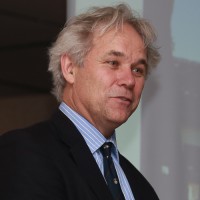 Mark Leonard De Gier Solms合作论文数Department of Psychology, University of Cape Town1
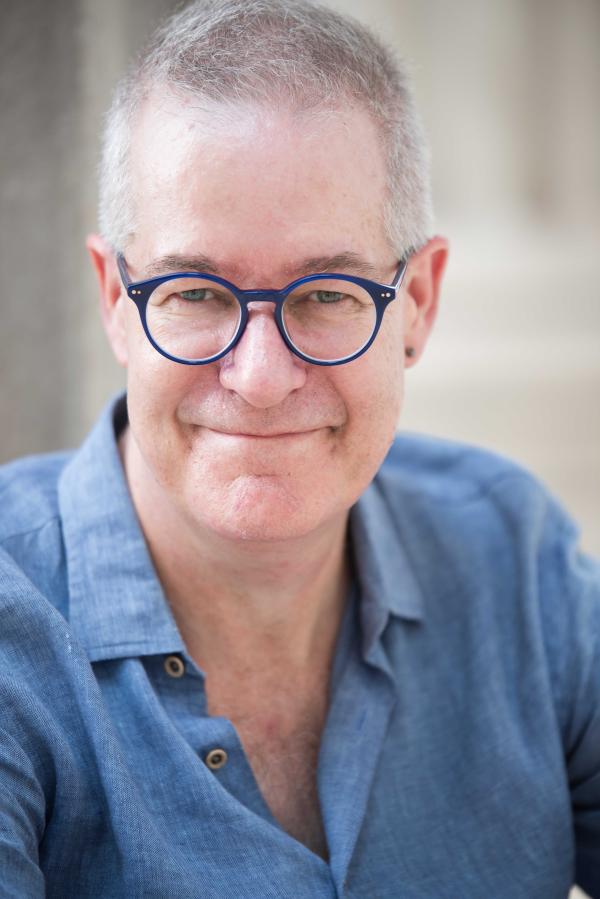 Massimo Pigliucci合作论文数Department of Philosophy, Division of Humanities & the Arts, City College of New York1
 Emily Smith合作论文数1Neal Mary合作论文数1Makari G J合作论文数1
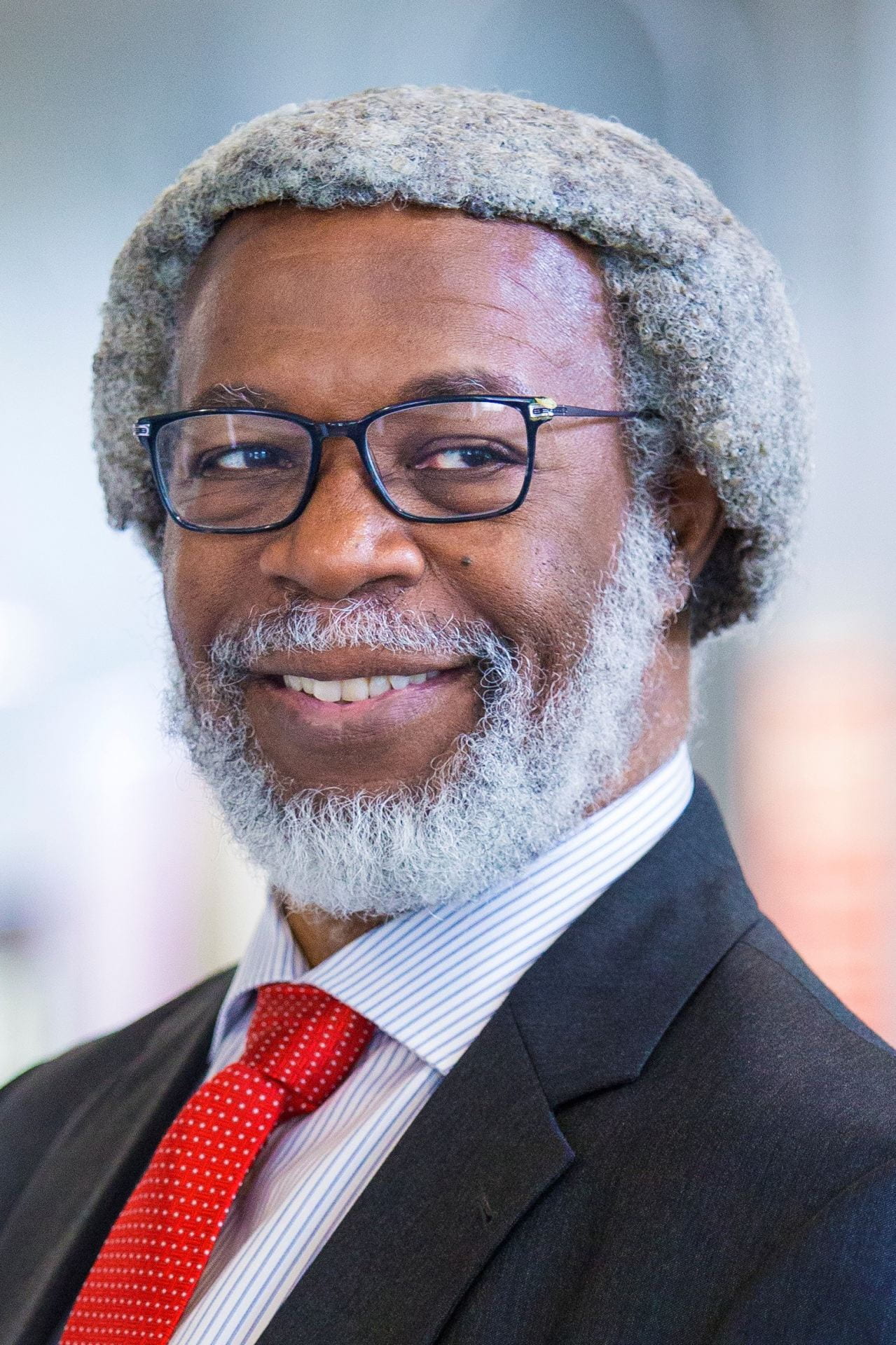 Sylvester James Gates, Jr.合作论文数Department of Physics, Brown University1
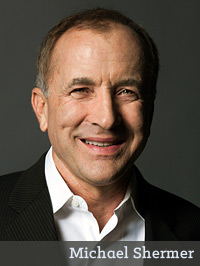 Michael Shermer合作论文数Skeptics Society1




