s can be submitted at: http://amsa19.amsa.asn.au/ until 15 February 2019. New insights into the Indian Ocean Lynnath Beckley, Murdoch University, Australia The upcoming Australian Marine Sciences Association conference AMSA 2019 (7 – 11 July 2019) will feature the symposium “New insights into the Indian Ocean”. The symposium invites oral and poster presentations that focus on all aspects of research in the Indian Ocean particularly those pertaining to the six science themes of the Second International Indian Ocean Expedition (IIOE-2): Human impacts and benefits Boundary current dynamics, upwelling variability and ecosystem impacts Monsoon variability and ecosystem response Circulation, climate variability and change Extreme events and their impacts on ecosystems and human populations Unique geological, physical, biogeochemical and ecological features of the Indian Ocean Networking
Inkjet bioprinting is a new and versatile technology which has found novel applications in cell biology and associated biomedical research. Cells suspended in a low-viscosity liquid medium can be readily dispensed using piezoelectric and thermal actuation-based drop-on-demand inkjet printers, which are the most commonly used inkjet printing technologies. As inkjet printing has the advantage of producing high resolution and high precision prints, it is one of the most suitable technologies for bottom-up cell deposition for building intricate biological constructs. In addition, with the use of appropriate bioinks, inkjet printing can produce both, 2D as well as 3D structures. This review paper is an attempt to curate inkjet bioprinting research, with an exclusive focus on mammalian cells, and comprehend the main application areas, such as intracellular delivery and transfection, gene expression modification, single cell sorting, cell microarray, cell micropatterning, tissue engineering, and in vivo cell printing. The printability of cells has also been discussed in order to understand how the process of inkjet bioprinting affects the cellular mechanics and physiology and subsequent survival, proliferation and differentiation.
Payments for Ecosystem Services (PES) mechanisms leverage economic and social incentives to shape how people influence natural processes and achieve conservation and sustainability goals. Beneficiaries of nature's goods and services pay owners or stewards of ecosystems that produce those services, with payments contingent on service provision (1, 2). Integrating scientific knowledge and methods into PES is critical (3, 4). Yet many projects are based on weak scientific foundations, and effectiveness is rarely evaluated with the rigor necessary for scaling up and understanding the importance of these approaches as policy instruments and conservation tools (2, 5, 6). Part of the problem is the lack of simple, yet rigorous, scientific principles and guidelines to accommodate PES design and guide research and analyses that foster evaluations of effectiveness (4). As scientists and practitioners from government, nongovernment, academic, and finance institutions, we propose a set of such guidelines and principles.
Few projects adequately address design and evaluation
Oligotrophic subtropical gyres are the largest oceanic ecosystems, covering >40% of the Earth's surface. Unicellular cyanobacteria and the smallest algae (plastidic protists) dominate CO(2) fixation in these ecosystems, competing for dissolved inorganic nutrients. Here we present direct evidence from the surface mixed layer of the subtropical gyres and adjacent equatorial and temperate regions of the Atlantic Ocean, collected on three Atlantic Meridional Transect cruises on consecutive years, that bacterioplankton are fed on by plastidic and aplastidic protists at comparable rates. Rates of bacterivory were similar in the light and dark. Furthermore, because of their higher abundance, it is the plastidic protists, rather than the aplastidic forms, that control bacterivory in these waters. These findings change our basic understanding of food web function in the open ocean, because plastidic protists should now be considered as the main bacterivores as well as the main CO(2) fixers in the oligotrophic gyres.
Long-term changes in mesozooplankton and phytoplankton populations have been well documented in the North Atlantic region, whereas data for microzooplankton are scarce. This neglected component of the plankton is a vital link in marine food-webs, grazing on smaller flagellates and cyanobacteria and in turn providing food for the larger mesozooplankton. We use the latest tintinnid (Ciliophora, Protista) data from the Continuous Plankton Recorder (CPR) survey in the NE Atlantic and North Sea to examine the phenology, distribution and abundance of this important group of ciliates. Presence/absence data came from 167 122 CPR samples collected between 1960 and 2009 and abundance data from 49 662 samples collected between 1996 and 2009. In the North Atlantic the genus Dictyocysta spp. dominated and Parafavella gigantea showed an increase in abundance around Iceland and Greenland. In the North Sea higher densities of Tintinnopsis spp., Favella serrata and Ptychocylis spp. were found. The presence of tintinnids in CPR samples collected in the North Atlantic has increased over the last 50 years and the seasonal window of high abundance has lengthened. Conversely in the North Sea there has been an overall reduction in abundance. We discuss possible drivers for these long-term changes and point the way forward to more holistic studies that examine how ecosystems, rather than just selected taxa, are responding to climate change.
After the collective failure to achieve the Convention on Biological Diversity's (CBD's) 2010 target to substantially reduce biodiversity losses, the CBD adopted a plan composed of five strategic goals and 20 “SMART” (Specific, Measurable, Ambitious, Realistic, and Time‐bound) targets, to be achieved by 2020. Here, an interdisciplinary group of scientists from DIVERSITAS – an international program that focuses on biodiversity science – evaluates these targets and considers the implications of an ecosystem‐services‐based approach for their implementation. We describe the functional differences between the targets corresponding to distinct strategic goals and identify the interdependency between targets. We then discuss the implications for supporting research and target indicators, and make several specific suggestions for target implementation.
Arising from D. G. Boyce, M. R. Lewis & B. Worm Nature466, 591–596 (2010)10.1038/nature09268 ; Boyce et al. reply Phytoplankton account for approximately 50% of global primary production, form the trophic base of nearly all marine ecosystems, are fundamental in trophic energy transfer and have key roles in climate regulation, carbon sequestration and oxygen production. Boyce et al. 1 compiled a chlorophyll index by combining in situ chlorophyll and Secchi disk depth measurements that spanned a more than 100-year time period and showed a decrease in marine phytoplankton biomass of approximately 1% of the global median per year over the past century. Eight decades of data on phytoplankton biomass collected in the North Atlantic by the Continuous Plankton Recorder (CPR) survey 2 , however, show an increase in an index of chlorophyll (Phytoplankton Colour Index) in both the Northeast and Northwest Atlantic basins 3 , 4 , 5 , 6 , 7 (Fig. 1), and other long-term time series, including the Hawaii Ocean Time-series (HOT) 8 , the Bermuda Atlantic Time Series (BATS) 8 and the California Cooperative Oceanic Fisheries Investigations (CalCOFI) 9 also indicate increased phytoplankton biomass over the last 20–50 years. These findings, which were not discussed by Boyce et al. 1 , are not in accordance with their conclusions and illustrate the importance of using consistent observations when estimating long-term trends.
The smallest phototrophic protists (<3 μm) are important primary producers in oligotrophic subtropical gyres - the Earth's largest ecosystems. In order to elucidate how these protists meet their inorganic nutrient requirements, we compared the phosphate uptake rates of plastidic and aplastidic protists in the phosphate-depleted subtropical and tropical North Atlantic (4-29°N) using a combination of radiotracers and flow cytometric sorting on two Atlantic Meridional Transect cruises. Plastidic protists were divided into two groups according to their size (<2 and 2-3 μm). Both groups of plastidic protists showed higher phosphate uptake rates per cell than the aplastidic protists. Although the phosphate uptake rates of protist cells were on average seven times (P<0.001) higher than those of bacterioplankton, the biomass-specific phosphate uptake rates of protists were one fourth to one twentieth of an average bacterioplankton cell. The unsustainably low biomass-specific phosphate uptake by both plastidic and aplastidic protists suggests the existence of a common alternative means of phosphorus acquisition - predation on phosphorus-rich bacterioplankton cells.
Observations of the ultraplankton (<5 mu m) are presented from a 4 day mesoscale survey centred on the Porcupine Abyssal Plain (PAP) study site (49 degrees 00'N 16 degrees 30'W), in July 2006. The organisms enumerated include two groups of phytoplankton. Synechococcus cyanobacteria, heterotrophic bacteria, large viruses, and two size classes of heterotrophic protist. The dataset comprises over 400 samples from the mixed layer taken over a 100 x 100 km(2) area at a spatial resolution of typically 2-3 km. For phytoplankton and heterotrophic bacteria there is a clear bimodal structure to the histograms of abundance indicative of two distinct communities in the region. Using the strong bimodality of one of the phytoplankton groups' histogram as a basis, the dataset is split into two subsets, with roughly 200 points in each, corresponding to the two histogram peaks. Doing so provides evidence that Synechococcus and viruses may also have a bimodal structure. Correlations between all pairings of these five organisms (both phytoplankton groups, Synechococcus, heterotrophic bacteria and viruses) are positive and quite high (r > 0.7). The two communities can therefore be characterised as high and low abundance. Although there is a coincidence of low abundances with high temperatures in the southwest corner of the region, where there was known to be an eddy present, the spatial distributions of these organisms over the whole region is poorly predicted by temperature (or salinity or density). Furthermore, the spatial distributions of heterotrophic protists are found to differ strongly from those of the other organisms, having a unimodal structure and no obvious large scale structure. The more random structure of the heterotrophs' spatial distribution compared to their prey is consistent with previous results from the continental shelf, but is demonstrated for the open ocean here for the first time. Spatial variability is a large potential source of error in point samples, such as those comprising time series or transect cruises, unless a sufficient number of samples are taken. This large dataset is further used to provide guidance on the number of samples that would be required to estimate the mean abundance for the organisms accurately in this spatially variable region. Even if the bimodal structure was known initially, many of the organisms would require 10 or more samples to estimate the mean with 25% accuracy. (C) 2010 Elsevier Ltd. All rights reserved.
○ C isotherm across three consecutive trophic levels. This conservative behaviour in plankton ecosystems offers a method of prediction into the future. The survey has also shown transfer of Pacific phytoplankton in to the Atlantic for the first time in 800,000 years with unknown consequences for the native ecosystem. Understanding global issues requires a global approach and a future cooperative commonwealth of regional plankton biodiversity surveys is proposed that links current surveys and generates new ones.
A major obstacle in the molecular investigation of natural, especially oceanic, microbial cells is their adequate preservation for further land-based molecular analyses. Here, we examined the use of microwaves for cell fixation before high-speed flow cytometric sorting to define the metaproteomes and metagenomes of key microbial populations. The microwave fixation procedure was established using cultures of Synechococcus cyanobacteria, the photosynthetic eukaryote Micromonas pusilla and the gammaproteobacterium Halomonas variabilis. Shotgun proteomic analyses showed that the profile of microwave-fixed and -unfixed Synechococcus sp. WH8102 cells was the same, and hence proteome identification of microwave-fixed sorted cells by nanoLC-MS/MS is possible. Microwave-fixed flow-sorted Synechococcus cells can also be successfully used for whole-genome amplification and fosmid library construction. We then carried out successful metaproteomic and metagenomic analyses of microwave-fixed Synechococcus cells flow sorted from concentrates of microbial cells, collected in the North Atlantic Ocean. Thus, the microwave fixation procedure developed appears to be useful for molecular studies of microbial populations in aquatic ecosystems.
The Continuous Plankton Recorder (CPR) began its first routine deployment to collect plankton samples in the North Sea in 1931. The better part of a century after that event, the Recorder is used for sampling plankton widely in many oceans. The CPR is designed to be towed behind ships of opportunity (such as commercial and passenger vessels) and to collect plankton samples along the ship’s path. The samples provide information on the broad scale spatial distributions of larger hard-shelled phytoplankton and robust mesozooplankton organisms (Richardson et al., 2006). Changes in these distributions provide indices for the biological health of the ocean including those required for fisheries and for assessment of climate change impacts.
In their Policy Forum “Ecosystem services for 2020” (15 October, p. [323][1]), C. Perrings et al. discuss possible missing elements in the Convention on Biological Diversity's proposed new targets. They suggest that targets for biodiversity be based directly on ecosystem services because people will then have a stake in the program's success. This approach undersells both biodiversity and the role of ecosystem services. Biodiversity's value extends beyond current ecosystem services and includes likely future benefits we cannot anticipate. Recognizing the benefits of ecosystem services can reduce the cost of retaining relatively intact areas of local biodiversity, but we need to plan for larger-scale conservation. A recognized ecosystem service does more than support some local elements of biodiversity; it makes a low-cost contribution toward conserving the biodiversity of the larger region. Regionally, ecosystem services may be more important as indicators of relative cost and intactness than of biodiversity. When considering regional trade-offs, we cannot simply target ecosystem services and ignore the elements of biodiversity that are not required for the service. Adopting the ecosystem services option for a specific locality may not be as good for balanced regional biodiversity conservation as adopting full conversion of that locality ([ 1 ][2]). An example that has been used to illustrate this point is a locality offering either complete conversion to forestry logging or “sympathetic” logging with partial biodiversity retention. Adopting the ecosystem service based on sympathetic logging, while lowering opportunity costs and maintaining some biodiversity in that locality, nevertheless would mean greater regional biodiversity loss for a given level of regional forestry production. As an alternative to targets focused on current perceptions of important services, it is time to consider higher-level targets and goals in an effort to better balance overall biodiversity conservation, ecosystem services, and other needs of society. I propose that we implement new systematic conservation planning to more efficiently serve these different needs ([ 2 ][3], [ 3 ][4]). Because greater efficiency can mean more biodiversity protection for a given rate of land conversion, higher-level targets could allow us to focus on reducing the rate of biodiversity loss as opposed to the more narrow goal of maintaining ecosystem services. 1. [↵][5] 1. D. P. Faith , Biodiversity and Regional Sustainability Analysis, (CSIRO, Canberra, 1995); . 2. [↵][6] 1. D. P. Faith , Glob. Environ. Change Soc. Pol. Dimensions 15, 5 (2005). [OpenUrl][7][CrossRef][8] 3. [↵][9] 1. F. Grant, 2. J. Young, 3. P. Bridgewater, 4. A. D. Watt , Eds., “Targets for biodiversity beyond 2010: Research supporting policy” (Report of e-conference, 2009), p. 44; [www.epbrs.org/PDF/Final%20long%20report.pdf][10]. [1]: /lookup/doi/10.1126/science.1196431 [2]: #ref-1 [3]: #ref-2 [4]: #ref-3 [5]: #xref-ref-1-1 View reference 1 in text [6]: #xref-ref-2-1 View reference 2 in text [7]: {openurl}?query=rft.jtitle%253DGlob.%2BEnviron.%2BChange%2BSoc.%2BPol.%2BDimensions%26rft.volume%253D15%26rft.spage%253D5%26rft_id%253Dinfo%253Adoi%252F10.1016%252Fj.gloenvcha.2004.12.003%26rft.genre%253Darticle%26rft_val_fmt%253Dinfo%253Aofi%252Ffmt%253Akev%253Amtx%253Ajournal%26ctx_ver%253DZ39.88-2004%26url_ver%253DZ39.88-2004%26url_ctx_fmt%253Dinfo%253Aofi%252Ffmt%253Akev%253Amtx%253Actx [8]: /lookup/external-ref?access_num=10.1016/j.gloenvcha.2004.12.003&link_type=DOI [9]: #xref-ref-3-1 View reference 3 in text [10]: http://www.epbrs.org/PDF/Final%20long%20report.pdf
The research and operational community represented at the OceanObs'09 conference has stated clearly that the future global ocean observing system must focus on applications that society cares about.This necessitates expanding the current system to include biogeochemical and ecosystem observations.There was also an unambiguous message that various gaps in the system need to be closedin terms of technology, sampling, and geographical coverage.Closer integration is needed to exploit synergies between platforms and communities, and to provide seamless data access across all components.Capacity building and training the next generation of ocean observers is another area requiring work and funding.This paper argues that an efficient way forward is to (1) maintain the existing system, (2) close gaps, especially geographic ones, and (3) enhance Argo, OceanSITES (OCEAN Sustained Interdisciplinary Time series Environment Observation System) and VOS (Volunteer Observing Ship) to serve and be jointly operated with the biogeochemistry and ecosystem communities.
The Convention on Biological Diversity's 2020 targets are an improvement over the 2010 target, but they could be strengthened.
The Continuous Plankton Recorder Survey operates across northern ocean basins where it has generated definitive datasets on decadal scale changes in plankton biodiversity. The survey has shown biological, environmental and climatic indicators that relate to global change impacts within marine ecosystems. In the last decade, the survey has demonstrated major alteration within Atlantic plankton communities including the northerly displacement of communities by ~1,000 km. Regime shifts have been identified with sensitivity to a 10 ○ C isotherm with similar responses across multiple trophic levels. Such behaviour of plankton ecosystems offers a method of prediction the locations of future communities. The survey has also shown transfer of Pacific phytoplankton in to the Atlantic for the first time in 800,000 years with unknown consequences for the native ecosystem. Understanding global issues requires a global approach and a future cooperative commonwealth of regional plankton biodiversity surveys is proposed that links current surveys with proposed new surveys.
 Mikhail Zubkov (Mike Zubkov)合作论文数Scottish Association for Marine Science39
 Michael A. Sleigh合作论文数Freshwater Biological Association22E.S. Edwards合作论文数15
 Stephen D. Archer合作论文数Plymouth Marine Laboratory15RJG Leakey合作论文数13R.F.C. Mantoura合作论文数13GA Tarran合作论文数13
 Glen A Tarran合作论文数12
 Bernhard Fuchs合作论文数Department of Molecular Ecology, Max Planck Institute for Marine Microbiology10
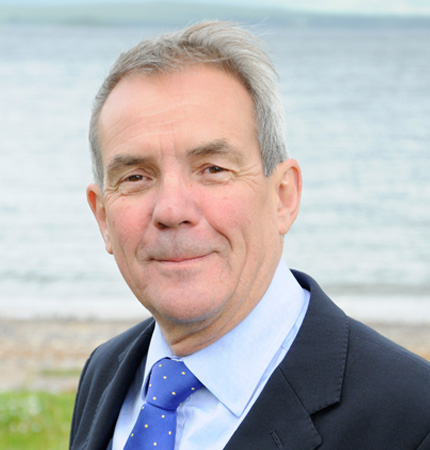 Nicholas Owens合作论文数University of the Highlands and Islands;Scottish Association for Marine Science10
 Rudolf Amann合作论文数Department of Molecular Ecology, Max Planck Institute for Marine Microbiology;University of Bremen9
 David Scanlan合作论文数Marine Microbiology in the Department, School of Life Sciences, The University of Warwick8
 Shahid Naeem合作论文数Earth Institute Center for Environmental Sustainability, Columbia University;Department of Ecology, Evolution, and Environmental Biology, Columbia University;School of Professional Studies, Columbia University7
 Charles Perrings合作论文数School of Life Sciences, Arizona State University7
 Ann Kinzig合作论文数School of Life Sciences, Arizona State University;Center for Biosocial Complex Systems, Arizona State University;Water Institute, Arizona State University7
 Wolfgang W. Weisser合作论文数Department for Life Science Systems, TUM School of Life Sciences, Technische Universitat Munchen7Isabelle Mary合作论文数Université Blaise Pascal7
 Carole A. Llewellyn合作论文数Plymouth Marine Laboratory7F. Milano合作论文数6Ross J. Holland合作论文数6
 Adrian Martin合作论文数National Oceanography Centre6
 E. Malcolm S. Woodward合作论文数6
 Martin Edwards合作论文数The Laboratory, Sir Alister Hardy Foundation for Ocean Science6G. Malin合作论文数5
 Phillip E Warwick合作论文数5
 Philip Boyd合作论文数Institute for Marine and Antarctic Studies, University of Tasmania;Antarctic Climate & Ecosystems Cooperative Research Centre5Ce Stelfox-Widdicombe合作论文数5
 Thomas Elmqvist合作论文数Stockholm Resilience Centre, Stockholm University4
 Abigail McQuatters-Gollop合作论文数The Laboratory, Sir Alister Hardy Foundation for Ocean Science4John Tschirhart合作论文数Department of Economics and Finance;University of Wyoming;Department of Economics and Finance, University of Wyoming4Philip C. Reid合作论文数4
 Andrew P. Rees合作论文数Plymouth Marine Laboratory4
 David C Cook合作论文数3Sonia D. Batten合作论文数3M T Vargas合作论文数3David R. Turner合作论文数3
 Steve Polasky合作论文数Department of Applied Economics, University of Minnesota;Department of Ecology, Evolution, and Behavior, University of Minnesota3
 Paige Olmsted合作论文数Inst Resources Environm & Sustainabil, Univ British Columbia3C. Ching合作论文数3T. Gartner合作论文数3
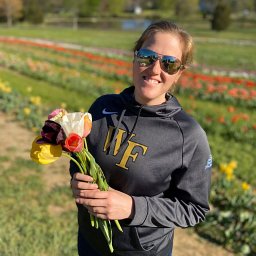 Cathryn A. Freund合作论文数Dept Biol, Wake Forest Univ3F Quetier合作论文数3
 Kent Redford合作论文数Archipelago Consulting3
 David Jarrett合作论文数3
 Megan E. Cattau合作论文数3
 Harold Mooney合作论文数Department of Biology, School of Humanities and Sciences, Stanford University;Stanford Woods Institute for the Environment, Stanford University;Freeman Spogli Institute for International Studies, Stanford University3
 Leah Bremer合作论文数Institute for Sustainability and Resilience, University of Hawai'i at Manoa;Water Resources Research Center, University of Hawai'i at Manoa;The Economic Research Organization at The University of Hawai'i3
 Sven Wunder合作论文数European Forest Institute3
 Case M. Prager合作论文数Columbia University in the City of New York, Columbia University3




