Table S1a: Representativeness of study participants. Table S1b: Response and MRD rates at 12 and 24 cycles of combination treatment in intention-to-treat population (N=79). Table S2: Response and MRD rates at 12 and 24 cycles of combination treatment in evaluable patients. Table S3a: Univariate analysis of factors associated with CR/CRi at the end of treatment. Table S3b: Multivariate analysis of factors associated with CR/CRi at the end of treatment. Table S3c: Univariate analysis of factors associated with the best CR/CRi response. Table S3d: Multivariate analysis of factors associated with the best CR/CRi response. Table S4a: Univariate analysis of factors associated with marrow UMRD4 at the end of treatment. Table S4b: Multivariate analysis of factors associated with marrow UMRD4 at the end of treatment. Table S4c: Univariate analysis of factors associated with the best marrow UMRD4 response. Table S4d: Multivariate analysis of factors associated with the best marrow UMRD4 response. Table S5a: Univariate analysis of factors associated with progression-free survival. Table S5b: Multivariate analysis of factors associated with progression-free survival. Table S6: Summary of dose modifications. Table S7: The common reasons for dose reductions and dose interruptions. Table S8a: Summary of patients with U-MRD4 at EOT who had CLL progression. Table S8b: Summary of patients with MRD at EOT who had CLL progression.
The clinical utility of routine monitoring of chimeric antigen receptor (CAR) T-cell expansion post-infusion remains controversial. We conducted a retrospective analysis of a prospectively collected cohort of 176 patients with relapsed/refractory large B-cell lymphoma (LBCL) treated with axicabtagene ciloleucel (axi-cel). CAR T-cell expansion was measured by flow cytometry at days 7, 14 and 28 following infusion with real-time reporting to the clinical service in 111 patients. We examined the association between CAR T-cell expansion, efficacy (progression-free survival [PFS]), toxicity (cytokine release syndrome [CRS] and immune effector cell-associated neurotoxicity syndrome [ICANS]) and toxicity management, accounting for baseline risk factors. A multivariable model combining day 7 expansion with pre-lymphodepletion lactate dehydrogenase (LDH) and bridging response demonstrated that robust day 7 expansion (≥48 cells/μL) was independently associated with improved PFS (hazard ratio [HR], 0.43; 95% confidence interval [CI] 0.22-0.83; p = 0.01). Higher day 7 expansion was associated with increased CRS severity and ICANS incidence. Higher corticosteroid exposure reflected this toxicity burden but was not associated with inferior PFS. Thus, incorporating quantitative CAR-T enumeration into clinical practice may dynamically refine risk stratification post-infusion and guide individualised management, such as the frequency of monitoring for progressive disease in the era of effective subsequent therapies.
Richter transformation (RT) is an aggressive lymphoma that arises in patients with chronic lymphocytic leukemia (CLL), most commonly diffuse large B-cell lymphoma (DLBCL-RT). Outcomes remain poor with conventional chemoimmunotherapy, reflecting the role of increased genomic instability and impaired DNA repair in the pathogenesis of RT.. Targeted therapies used in CLL (BTK or BCL2 inhibition) have shown efficacy in RT; however, durable disease control remains elusive, highlighting the need for immunological approaches. This review discusses the clinical evidence supporting immunologic approaches in RT, focusing on allogeneic stem cell transplantation, chimeric antigen T-cell (CAR T-cell) therapy, bispecific T-cell directing antibodies, and checkpoint inhibition. Allogeneic stem cell transplantation can provide long-term remission in selected patients; however, there are considerable barriers, such as the requirement for adequate patient fitness and pre-transplant disease control. Post-approval observational studies have provided evidence of the efficacy and safety of CAR T-cell therapy, as well as the risk of immunologic toxicity. Early phase studies on bispecific antibodies and checkpoint inhibition have demonstrated disease activity, and multiple studies on combination strategies are ongoing. Future priorities include optimizing disease control prior to immunologic therapy, testing novel combination approaches and conducting correlative studies to optimize future therapeutic strategies.
Figures S1a: Response rates at serial time points in evaluable patients. Histogram showing iwCLL 2018 response at serial study time points in evaluable patients. CR/CRi rate was 64% at the end of cycle 12 and 77% at the end of cycle 24 of combination therapy. The best CR/CRi rate was 71% at anytime during the study treatment Figure S1b: Marrow UMRD4 rates in evaluable patients. Histogram showing bone marrow UMRD4 rates at serial study time points in evaluable patients. Bone marrow UMRD4 rate was 48% at the end of cycle 12 and 71% at the end of cycle 24 of combination therapy. The best bone marrow UMRD4 rate was 64% at anytime during the study treatment. Figure S2: Time to First Bone Marrow UMRD4. Reversed Kaplan-Meier survival estimate curve for time to first bone marrow UMRD4. The analysis included all patients who had MRD assessments after 3 months of combination therapy. Figure S3: Progression-free survival and overall survival stratified by IGHV mutation status (n=76). Kaplan-Meier progression-free and overall survival estimate curves stratified by IGHV mutation status. Log-rank test was used to compare between IGHV mutated and unmutated subgroups. Figure S4: Progression-free survival and overall survival in stratified by prior chemoimmunotherapy treatment. Kaplan-Meier progression-free and overall survival estimate curves stratified by prior chemoimmunotherapy treatment status. Log-rank test was used to compare between the two subgroups. Figure S5a: Time to treatment discontinuation in all patients. Kaplan-Meier survival estimate curve for time to treatment discontinuation. Figure S5b: Time to treatment discontinuation, stratified by IGHV status. Kaplan-Meier survival estimate curve for time to treatment discontinuation stratified by IGHV mutation status. Log-rank test was used to compare between the two subgroups. Figure S5c: Time to treatment discontinuation, stratified by TP53 aberration. Kaplan-Meier survival estimate curve for time to treatment discontinuation stratified by TP53 aberration status. Log-rank test was used to compare between the two subgroups. Figure S5d: Time to treatment discontinuation, stratified by prior chemoimmunotherapy treatment. Kaplan-Meier survival estimate curve for time to treatment discontinuation stratified by prior chemoimmunotherapy treatment status. Log-rank test was used to compare between the two subgroups. Figure S6: Patient Disposition. Flowchart showing patient disposition. Figure S7: Time to MRD recurrence in peripheral blood. Reversed Kaplan-Meier survival estimate curve for time to MRD recurrence in peripheral blood. Figure S8: Time to next treatment. Kaplan-Meier survival estimate curve for time to next treatment.
The relapsed/refractory chronic lymphocytic leukemia treatment landscape has continued to evolve with Bruton's tyrosine kinase inhibitor (BTKi) emergence. Alongside extensive clinical trial results, real-world evidence for BTKi use in clinical practice is useful. Yet, published Australian real-world evidence is limited. This retrospective study describes ibrutinib and acalabrutinib use in the Australian real-world context, using data from December 2017 to August 2023 from the Pharmaceutical Benefits Scheme (PBS) 10% sample dataset. Acalabrutinib and ibrutinib were primarily dispensed in the second-line setting, corresponding to their PBS indications. Between agents, no statistically significant difference was seen in co-medication use or treatment persistence. Acalabrutinib treatment adherence was significantly higher than ibrutinib, despite similar treatment persistence. This may be attributed to dose reductions, unable to be captured by the PBS 10% dataset, which may have impacted ibrutinib adherence results. These data illustrate similar use and treatment persistence of acalabrutinib and ibrutinib in Australian clinical practice.
ABSTRACT:Targeted therapy with covalent Bruton tyrosine kinase inhibitors (cBTKis) and/or the B-cell lymphoma 2 inhibitor (BCL-2i) venetoclax is now well established in the first-line management of chronic lymphocytic leukemia (CLL). However, patients with "double-refractory" disease due to the acquired resistance to both drug classes represent an increasing clinical challenge for whom few well-tolerated and effective treatment options currently exist. The highly selective, noncovalent BTKi pirtobrutinib and CD19-directed chimeric antigen receptor T-cell therapy lisocabtagene maraleucel have both recently gained US Food and Drug Administation approval for use in patients with CLL, which has progressed following ≥2 prior lines, including a cBTKi and a BCL-2i. Additionally, novel BTK-directed therapies and T-cell-engaging bispecific antibodies have achieved promising responses in pretreated CLL in early-phase clinical trials. Here, we review the mechanisms responsible for resistance to cBTKi and venetoclax in CLL, appraise recent evidence supporting the use of each of the novel and emerging agent classes, and then suggest innovative treatment strategies incorporating these in patients with double-refractory disease, remaining cognizant of the variability of access to novel therapies and clinical trials.
The sensitivity of reverse-transcription polymerase chain reaction (RT-PCR) is limited for diagnosis of severe acute respiratory syndrome coronavirus 2 (SARS-CoV-2). The sensitivity and positive predictive values of the assessment by artificial intelligence were 96.8% and 90.9%, respectively, while the normal chest radiographs were closely correlated with the likelihood of normal chest radiographs by the artificial intelligence prediction. The model was validated with the first, second, and third external data. The assessment method by artificial intelligence identified suspicious lung lesions on chest radiographs. This novel approach can identify patients with early signs of COVID-19 pneumonia. Background: The sensitivity of reverse-transcription polymerase chain reaction (RT-PCR) is limited for diagnosis of severe acute respiratory syndrome coronavirus 2 (SARS-CoV-2). Chest computed tomography (CT) is reported to have high sensitivity; however, given the limited availability of chest CT during a pandemic, the assessment of more readily available imaging, such as chest radiographs, augmented by artificial intelligence may substitute for the detection of the features of coronavirus disease 2019 (COVID-19) pneumonia. Methods: We trained a deep convolutional neural network to detect SARS-CoV-2 pneumonia using publicly available chest radiography imaging data including 8,851 normal, 6,045 pneumonia, and 200 COVID-19 pneumonia radiographs. The entire cohort was divided into training (n = 13,586) and test groups (n = 1510). We assessed the accuracy of prediction with independent external data. Results: The sensitivity and positive predictive values of the assessment by artificial intelligence were 96.8% and 90.9%, respectively. In the first external validation of 204 chest radiographs among 107 patients with confirmed COVID19, the artificial intelligence algorithm correctly identified 174 (85%) chest radiographs as COVID-19 pneumonia among 97 (91%) patients. In the second external validation with 50 immunocompromised patients with leukemia, the higher probability of the artificial intelligence assessment for COVID-19 was correlated with suggestive features of COVID19, while the normal chest radiographs were closely correlated with the likelihood of normal chest radiographs by the artificial intelligence prediction. Conclusions: The assessment method by artificial intelligence identified suspicious lung lesions on chest radiographs. This novel approach can identify patients for confirmatory chest CT before the progression of COVID-19 pneumonia.
BTK inhibitors (BTKi) are established standards-of-care in multiple B-cell malignancies including chronic lymphocytic leukemia, mantle cell lymphoma and Waldenstrom macroglobulinemia. The first-generation BTKi ibrutinib demonstrated superiority over standard chemoimmunotherapy regimens in multiple randomized trials but is limited by cardiovascular side-effects such as atrial fibrillation and hypertension. Second-generation BTKi have improved selectivity and demonstrate reduced rates of cardiovascular complications in three head-to-head ibrutinib studies. The emergence of BTK C481S mutation led to the development of non-covalent,“reversible” BTKi such as pirtobrutinib which are agnostic to the C481S mutation, but which in turn are associated with resistant mutations outside the C481 hotspot. These variant non-C481 mutations are of great clinical interest as some are shared among pirtobrutinib, zanubrutinib and acalabrutinib, with potential implications for cross-resistance and treatment sequencing. Finally BTK protein degraders with in-vitro activity against C481 and non-C481 mutations are currently in clinical development. In this review, we review the evolution of therapeutic BTK targeting and discuss future directions for clinical research.
Aim: Autologous anti-CD19 CAR T-cell therapy is an established standard-of-care (SOC) for relapsed/refractory (R/R) LBCL, but successful delivery requires disease control through the manufacturing period. The effects of bridging radiotherapy (RT) on outcome are unclear and impacted by disease factors such as bulk and distribution. We sought to compare outcomes of patients receiving RT-alone versus systemic-based bridging therapies (BT) delivered after apheresis and prior to axi-cel infusion. Method: Data were collected retrospectively for all patients with R/R LBCL treated with SOC axi-cel between 2020-2024 with ≥3 months of follow-up post CAR T-cell infusion. Patients were included in the RT-alone group if they received radiotherapy and no systemic therapy (apart from corticosteroids) as their BT. All other patients were included in the systemic-based bridging (ST) group. The primary endpoints were complete response (CR) rate and progression-free survival (PFS) measured from date of axi-cel infusion. We performed univariable and multivariable Cox proportional hazards (CoxPH) modelling of candidate predictive factors at two time points: (1) apheresis, and (2) pre-LD chemotherapy. Results: 98 patients received axi-cel with a median follow-up of 12.9 months. 35 patients received RT-alone and 63 patients received ST (including 22 patients in the ST group who received systemic and RT to a dominant mass as BT). Baseline characteristics were similar between RT-alone and ST groups at both the pre-apheresis and pre-LD timepoint. Median age pre-LD was 63 (range 22-81), RT median age 62 (range 42-80); ST median age 64 (range 22-81)), pre-LD ECOG ≥1 n=38, 39% (RT n=12, 34%; ST n=26, 41%), 54% had elevated LDH pre-apheresis (RT n=21, 62%; ST n=31, 49%), 42% had elevated LDH pre-LD (RT n=15, 43%; ST n=26, 41%), median total metabolic tumour volume (TMTV, ml) pre-apheresis was 48 (range 0 - 2809, RT median 46 (range 1 -1562); ST median 48.5 (range 0 - 2809)), median TMTV pre-LD was 21.5 (range 0 - 2777, RT median 22 (range 0 - 948); ST median 21 (range 0 - 2777)), 64% had stage 3-4 disease pre-apheresis (RT n=16, 46%; ST n=45, 75%) and 56% of patients had stage 3-4 disease pre-LD (RT n=19, 54%; ST n=36, 57%). Within the RT group, the median dosage was 30 (range 8-40) Gy delivered in a median of 10 fractions (range 1-20), with volumetric modulated arc therapy (VMAT) utilised in the 14/17 patients with assessable data. The CR rate post axi-cel infusion was 76%: 85% in the RT and 71% in the ST group (p=0.21). PFS at 12 months was 58% (95% CI: 0.49 - 0.69) for all patients: 75% (95%CI: 0.61 - 0.92) in the RT and 49% (95% CI: 0.38 - 0.64) in the ST group (p=0.02, log-rank test). Within the ST group, those who received concurrent RT (n=22) had near identical 12-month PFS when compared to the remaining patients in the ST group (n=41) - 12-month PFS 53% (95% CI: 0.35 - 0.79) versus 53% (95% CI: 0.37 - 0.75). On univariable CoxPH modelling, elevated LDH (Hazard Ratio (HR) 2.29, 95% CI 1.22 - 4.29) and TMTV continuous per 100ml (HR 1.10, 95% CI 1.05 - 1.15) were negatively associated with PFS at the pre-LD time point. This association was not seen at apheresis (elevated LDH HR 1.15 (95% CI 0.61 - 2.14) and TMTV HR 1.03 (95% C1 0.97 - 1.08)) suggesting that the impact of these risk factors is modifiable with BT. On multivariable CoxPH modelling of PFS adjusted for pre-LD ECOG, LDH, TMTV, and stage, RT alone in comparison to ST was associated with improved PFS (HR 0.41, 95% CI 0.19 - 0.88). Rates of grade 3 or above CAR T-cell associated toxicity were similar between groups, namely cytokine release syndrome n=2, 2% (RT n=1, 3%; ST n=1, 2%), immune effector cell associated neurotoxicity syndrome n=15, 15% (RT n=6, 17%; ST n=9, 14%), month 3 neutropenia n=13, 17% (RT n=7, 21%; ST n=6, 13%) and thrombocytopenia n=7, 9% (RT n=1, 3%; ST n=6, 15%). Conclusion: Bridging with radiotherapy-alone to axi-cel was associated with improved CR rates and PFS for LBCL in third-line and beyond, over systemic therapy-based BT. Multivariable analysis, adjusted for predictors of poor PFS, suggests the effect is not simply explained by better disease control at infusion. In this retrospective analysis it was not possible to separate the impact of disease distribution that is amenable to radiotherapy from the impact of radiotherapy itself. However, given the favourable outcomes seen, radiotherapy should be considered as part of the bridging strategy wherever feasible.
TPS7084 Background: Follicular lymphoma (FL) is the most common indolent non-Hodgkin lymphoma. Most patients with advanced-stage FL in need of systemic therapy are treated with an anti-CD20 monoclonal antibody (eg, rituximab [R] or obinutuzumab [G]) with cyclophosphamide, doxorubicin, vincristine, and prednisone [CHOP] or bendamustine [benda]). Recent studies have shown R plus lenalidomide (R2) is a potent FL treatment in the 1L and relapsed or refractory (R/R) settings and is a promising backbone for combination therapies. Epcoritamab, a subcutaneous CD3xCD20 bispecific antibody, received breakthrough therapy designation by the FDA for R/R FL after ≥2 lines of systemic therapy. In the phase 1/2 trial (NCT04663347), epcoritamab plus R2 demonstrated high complete response (CR) rates in the 1L and R/R settings. The objective of this trial is to evaluate the safety and efficacy of 1L epcoritamab plus R2 vs CIT in patients with FL. Methods: EPCORE FL-2 (NCT06191744) is a global, randomized, open-label phase 3 trial. Eligible adult patients must have CD20+ histologically confirmed classic FL (previously grade 1–3A), stage III or IV disease (or bulky stage II), and in need of systemic treatment by meeting GELF criteria. Approximately 1080 patients will be randomized to 3 treatment arms (Table). Patients achieving CR or PR upon 6 cycles will move to epcoritamab on day 1 of cycles 7–12 (28-day cycles) and 13–21 (56-day cycles). After 120 weeks of treatment, patients will be followed for progression and survival. Dual primary endpoints will be CR rate at 30 months and progression-free survival in arm A vs arm B. Key secondary efficacy endpoints include overall survival, minimal residual disease negativity, and changes in patient-reported outcomes on the physical functioning scale of the European Organization for Research and Treatment of Cancer Quality of Life-C30 Questionnaire from baseline to week 25. Safety endpoints include incidence and severity of adverse events (AEs), including AEs of special interest (cytokine release syndrome, immune effector cell–associated neurotoxicity syndrome, and clinical tumor lysis syndrome). The study is open for enrollment. Clinical trial information: NCT06191744 . [Table: see text]
BACKGROUND:Richter transformation usually presents as an aggressive diffuse large B-cell lymphoma, occurs in up to 10% of patients with chronic lymphocytic leukaemia, has no approved therapies, and is associated with a poor prognosis. Pirtobrutinib has shown promising efficacy and tolerability in patients with relapsed or refractory B-cell malignancies, including those who progress on covalent Bruton tyrosine kinase (BTK) inhibitors. This study aims to report the safety and activity of pirtobrutinib monotherapy in a subgroup of patients with Richter transformation from the multicentre, open-label, phase 1/2 BRUIN study. METHODS:This analysis included adult patients (aged ≥18 years) with histologically confirmed Richter transformation, an Eastern Cooperative Oncology Group performance status score of 0-2, and no limit of previous therapies, with patients receiving first-line treatment added in a protocol amendment (version 9.0, Dec 15, 2021). Pirtobrutinib 200 mg was administered orally once a day in 28-day cycles. The primary endpoint of phase 1 of the BRUIN trial as a whole, which has been previously reported, was to establish the recommended phase 2 dose for pirtobrutinib monotherapy and the phase 2 primary endpoint was overall response rate. Safety and activity were measured in all patients who received at least one dose of pirtobrutinib monotherapy. This BRUIN phase 1/2 trial was registered with ClinicalTrials.gov and is closed to enrolment (NCT03740529). FINDINGS:Between Dec 26, 2019, and July 22, 2022, 82 patients were enrolled, of whom five were enrolled during phase 1 and 77 during phase 2. All but one patient received a starting dose of 200 mg pirtobrutinib once a day as the recommended phase 2 dose. The remaining patient received 150 mg pirtobrutinib once a day, which was not escalated to 200 mg. The median age of patients was 67 years (IQR 59-72). 55 (67%) of 82 patients were male and 27 (33%) were female. Most patients were White (65 [79%] of 82). 74 (90%) of 82 patients received at least one previous Richter transformation-directed therapy. Most patients (61 [74%] of 82) had received previous covalent BTK inhibitor therapy for chronic lymphocytic leukaemia or Richter transformation. The overall response rate was 50·0% (95% CI 38·7-61·3). 11 (13%) of 82 patients had a complete response and 30 (37%) of 82 patients had a partial response. Eight patients with ongoing response electively discontinued pirtobrutinib to undergo stem-cell transplantation. The most common grade 3 or worse adverse event was neutropenia (n=19). There were no treatment-related deaths. INTERPRETATION:Pirtobrutinib shows promising safety and activity among patients with Richter transformation, most of whom received previous Richter transformation-directed therapy, including covalent BTK inhibitors. These data suggest that further investigation is warranted of pirtobrutinib as a treatment option for patients with relapsed or refractory Richter transformation after treatment with a covalent BTK inhibitor. FUNDING:Loxo Oncology.
Peptides are ideal for theranostic development as they afford rapid target accumulation, fast clearance from background tissue, and exhibit good tissue penetration. Previously, we developed a novel series of peptides that presented discreet folding propensity leading to an optimal candidate [68Ga]Ga-DOTA-GA1 ([D-Glu]6-Ala-Tyr-NMeGly-Trp-NMeNle-Asp-Nal-NH2) with 50 pM binding affinity against cholecystokinin-2 receptors (CCK2R). However, we were confronted with challenges of unfavorably high renal uptake. Methods: A structure activity relationship study was undertaken of the lead theranostic candidate. Prudent structural modifications were made to the peptide scaffold to evaluate the contributions of specific N -terminal residues to the overall biological activity. Optimal candidates were then evaluated in nude mice bearing transfected A431-CCK2 tumors, and their biodistribution was quantitated ex vivo. Results: We identified and confirmed that D-Glu3 to D-Ala3 substitution produced 2 optimal candidates, [68Ga]Ga-DOTA-GA12 and [68Ga]Ga-DOTA-GA13. These radiopeptides presented with high target/background ratios, enhanced tumor retention, excellent metabolic stability in plasma and mice organ homogenates, and a 4 -fold reduction in renal uptake, significantly outperforming their non-alanine counterparts. Conclusions: Our study identified novel radiopharmaceutical candidates that target the CCK2R. Their high tumor uptake and reduced renal accumulation warrant clinical translation.
ABSTRACT:In the phase 2 clinical trial (AIM) of venetoclax-ibrutinib, 24 patients with mantle cell lymphoma (MCL; 23 with relapsed/refractory [R/R] disease) received ibrutinib 560 mg and venetoclax 400 mg both once daily. High complete remission (CR) and measurable residual disease negative (MRD-negative) CR rates were previously reported. With median survivor follow-up now exceeding 7 years, we report long-term results. Treatment was initially continuous, with elective treatment interruption (ETI) allowed after protocol amendment for patients in MRD-negative CR. For R/R MCL, the estimated 7-year progression-free survival (PFS) was 30% (95% confidence interval [CI], 14-49; median, 28 months; 95% CI, 13-82) and overall survival (OS) was 43% (95% CI, 23-62; median, 32 months; 95% CI, 15 to not evaluable). Eight patients in MRD-negative CR entered ETI for a median of 58 months (95% CI, 37-79), with 4 experiencing disease recurrence. Two of 3 reattained CR on retreatment. Time-to-treatment failure (TTF), which excluded progression in ETI for those reattaining response, was 39% overall and 68% at 7 years for responders. Beyond 56 weeks, grade ≥3 and serious adverse events were uncommon. Newly emergent or increasing cardiovascular toxicity were not observed beyond 56 weeks. We demonstrate long-term durable responses and acceptable toxicity profile of venetoclax-ibrutinib in R/R MCL and show feasibility of treatment interruption while maintaining ongoing disease control. This trial was registered at www.clinicaltrials.gov as #NCT02471391.
Introduction: High-grade B-cell lymphoma with MYC and BCL2 rearrangements (HGBL-MYC/BCL2-R) has worse prognosis compared to diffuse large B-cell lymphoma, not otherwise specified (DLBCL, NOS) when treated with R-CHOP. Given this and historically poor outcomes with salvage therapy in HGBL-MYC/BCL2-R, intensification of front-line induction and consolidation with autologous stem cell transplant (ASCT) in first complete remission (CR1) have emerged as popular treatment strategies despite a lack of prospective randomized studies indicating superior outcomes. CAR-T and novel antibody-based therapies have shown promise in patients with relapsed/refractory (R/R) DLBCL, but data in the “double-hit lymphoma” setting remain limited. We aimed to assess the impact of initial treatment intensification and salvage with CAR-T for HGBL-MYC/BCL2-R in the contemporary era. Methods: We performed a retrospective analysis of 79 consecutive patients newly diagnosed with HGBL-MYC/BCL2-R, as detected by fluorescence in situ hybridization (FISH), at our center from 06/2013 to 03/2023. MYC, BCL2, and BCL6 disruptions were identified by Vysis break apart probes. Baseline clinicopathologic variables, treatment, response, and outcome data were collected from electronic records. The Kaplan-Meier method was used to estimate overall survival (OS) and progression-free survival (PFS) with data cut-off date of 26/07/2024. Results: Median age at diagnosis was 62 (33-93) years. At baseline, 76% patients had advanced stage (Ann Arbor 3-4) disease, 56% had elevated LDH, 52% had bulky disease (largest tumor diameter ≥10 cm), and 3% had CNS involvement. Forty-nine cases arose de novo and 30 cases were transformed from follicular lymphoma. Regarding rearrangement status, 66 cases had MYC/BCL2-R and 13 had MYC/BCL2/BCL6-R. Front-line induction therapy included R-CHOP (n=29), DA-R-EPOCH (n=29), R-CODOX-M/IVAC (n=4), Pola-R-CHP + glofitamab (n=2), R-ICE (n=2), R-HyperCVAD/MA (n=1), obinutuzumab (G)-CHOP (n=1), R-CHOP + glofitamab (n=1), R-CHOP + tafasitamab (n=1), R-CHOP + lenalidomide (n=1), DA-G-EPOCH (n=1), and R-ESHAC (n=1), as well as palliative regimens including R-mini-CHOP (n=2), PEP-C (n=1), and rituximab + prednisolone (n=1). Patients with age >60 years at diagnosis were more likely to receive standard R-CHOP compared with an intensified induction regimen (DA-R-EPOCH, R-CODOX-M/IVAC, R-HyperCVAD/MA) (χ2, p=0.011). Forty received CNS prophylaxis with high-dose methotrexate (MTX) (n=15), intrathecal MTX (n=11), or both (n=14). A total of 17 patients received consolidative ASCT at any time (15 in CR1, 2 in CR2); conditioning regimens were CBV (n=15), BEAM (n=1), and unknown (n=1). After a median follow-up of 42 (2-91) months, median PFS and OS for the entire cohort were 9 and 88 months, respectively, and 7-year PFS and OS rates were 31% and 52%, respectively. Compared to standard R-CHOP, an intensified induction regimen (DA-R-EPOCH, R-CODOX-M/IVAC, R-HyperCVAD/MA) was associated with higher CR rate (44% vs 66%) and improved PFS (p=0.045), but no significant difference in OS (p=0.182). Of the 40 patients who achieved CR to frontline therapy, no significant difference in PFS or OS were observed between those who received consolidation with ASCT and those who did not (7-year PFS rate 83% vs 30%, p=0.178; 7-year OS rate 92% vs 55%, p=0.113). Among patients without CNS involvement identified at diagnosis who received curative-intent induction, use of MTX-containing CNS prophylaxis was associated with a lower rate of CNS relapse and improved OS compared to those who did not (CNS relapse rate 3% vs 6%; median OS 88 months vs 29 months, p=0.044). For the 42 patients with R/R disease, the median OS was 16 months from date of initial diagnosis. Nineteen patients received CAR-T therapy (8 at first relapse, 11 at subsequent relapse), including axicabtagene ciloleucel (n=10), tisagenlecleucel (n=5), rapcabtagene autoleucel (n=2), and CTX110 (n=2); the 4-year PFS and OS rates from date of CAR-T infusion were 62% and 55%, respectively. Conclusions: Our series indicates that intensification of front-line induction in patients with HGBL-MYC/BCL2-R maximizes first response and PFS, and incorporation of CNS prophylaxis into initial therapy minimizes risk of CNS relapse and improves OS. CAR-T represents a promising salvage option for patients with R/R disease.
 William G. Wierda合作论文数Department of Leukemia, Division of Cancer Medicine, The University of Texas MD Anderson Cancer Center137
 Nitin Jain合作论文数Qorvo, Inc.132
 Alessandra Ferrajoli合作论文数110
 Hagop M. Kantarjian合作论文数Department of Leukemia, Division of Cancer Medicine, The University of Texas MD Anderson Cancer Center100
 Michael J. Keating合作论文数University of Texas MD Anderson Cancer Center99
 Jan Burger合作论文数Department of Leukemia, Division of Cancer Medicine, The University of Texas MD Anderson Cancer Center;Graduate School of Biomedical Sciences, University of Texas-Houston Health Science Center;School of Medicine, Albert-Ludwigs University98
 Zeev Estrov合作论文数Department of Leukemia, Division of Cancer Medicine, The University of Texas MD Anderson Cancer Center93
 Elias Jabbour合作论文数Department of Leukemia, Division of Cancer Medicine, MD Anderson Cancer Center, University of Texas68
 Prithviraj Bose合作论文数57
 Tapan M. Kadia合作论文数Department of Leukemia, Division of Cancer Medicine, M.D. Anderson Cancer Center57
 Naveen Pemmaraju合作论文数Department of Leukemia, The University of Texas MD Anderson Cancer Center56
 Gautam Borthakur合作论文数Department of Leukemia, Division of Cancer Medicine, The University of Texas MD Anderson Cancer Center55
 Naval G. Daver合作论文数Department of Leukemia, Division of Cancer Medicine, The University of Texas MD Anderson Cancer Center52
 Farhad Ravandi-Kashani合作论文数Section of Developmental Therapeutics, Department of Leukemia, The University of Texas MD Anderson Cancer Center;Division of Cancer Medicine, The University of Texas MD Anderson Cancer Center49
 Koichi Takahashi合作论文数48
 Marina Konopleva合作论文数Department of Oncology, Albert Einstein College of Medicine;Department of Molecular Pharmacology, Albert Einstein College of Medicine47
 Guillermo Garcia-Manero合作论文数Section of Myelodysplastic Syndromes, Department of Leukemia, Division of Cancer Medicine, The University of Texas MD Anderson Cancer Center;UTHealth Houston Graduate School of Biomedical Sciences44
 Susan M. O Brien合作论文数Division of Oncology, School of Medicine, University of California;Division of Hematology, School of Medicine, University of California;Sue & Ralph Stern Center for Clinical Trials & Research, University of California, Irvine;Chao Family Comprehensive Cancer Center, University of California, Irvine44
 Courtney DiNardo合作论文数Department of Leukemia, The University of Texas MD Anderson Cancer Center38
 Jorge Cortes合作论文数Georgia Cancer Center, Augusta University;Department of Medicine, Medical College of Georgia, Augusta University;The Graduate School, Augusta University;Latin America Leukemia Net Lalnet38
 Koji Sasaki合作论文数37
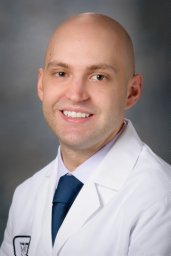 Nicholas Short合作论文数Department of Cellular and Structural Biology, University of Texas Health Science Center at San Antonio35Yesid Alvarado合作论文数34
 Musa Yilmaz合作论文数Department of Leukemia, MD Anderson Cancer Center34
 Rashmi Kanagal Shamanna合作论文数Molecular Diagnostic Laboratory, Department of Hematopathology, Division of Pathology and Laboratory Medicine, The University of Texas MD Anderson Cancer Center;Leukemia Planning Clinic, Department of Hematopathology, Division of Pathology and Laboratory Medicine, The University of Texas MD Anderson Cancer Center30Neil L. Misso合作论文数27
 Stephanie Pierce合作论文数Western Governors University25
 Xuemei Wang合作论文数Department of Biostatistics, Division of Quantitative Sciences, The University of Texas MD Anderson Cancer Center25Ohanian Maro合作论文数24Darryl A. Knight合作论文数24
 Ian George Jennings合作论文数23
 Svetlana Baltic合作论文数22Naveen Garg合作论文数21Sa Wang合作论文数19
 Keyur P. Patel合作论文数Department of Hematopathology, Division of Pathology/Lab Medicine, The University of Texas MD Anderson Cancer Center;Department of Molecular Diagnostics Laboratory, Division of Pathology/Lab Medicine, The University of Texas MD Anderson Cancer Center19Naqvi Kiran合作论文数19
 Jeffrey L. Jorgensen合作论文数Department of Hematopathology, The University of Texas M.D. Anderson Cancer Center19
 David K. Chalmers合作论文数Biota Holdings19
 William Plunkett合作论文数Department of Experimental Therapeutics, Division of Cancer Medicine, The University of Texas MD Anderson Cancer Center;Graduate School of Biomedical Sciences, The University of Texas MD Anderson Cancer Center18
 Jian Li (李健)合作论文数Biomedicine Discovery Institute, Monash University;Data Futures Institute, Monash University;Centre to Impact Antimicrobial Resistance, Monash University17
 Jain Preetesh合作论文数Dept Leukemia, Univ Texas MD Anderson Canc Ctr17
 Varsha Gandhi合作论文数Department of Experimental Therapeutics, Division of Cancer Medicine, The University of Texas MD Anderson Cancer Center;Department of Leukemia, Division of Cancer Medicine, The University of Texas MD Anderson Cancer Center;Department of Translational Molecular Pathology, Division of Pathology-Lab Medicine, The University of Texas MD Anderson Cancer Center17Simon J. Mountford合作论文数17Caitlin R Rausch合作论文数16
 Steven M. Kornblau合作论文数Department of Leukemia, Division of Cancer Medicine, University of Texas MD Anderson Cancer Center;Department of Stem Cell Transplantation, Division of Cancer Medicine, The University of Texas MD Anderson Cancer Center16
 Ghayas C Issa合作论文数16
 Tony Velkov合作论文数Victorian College of Pharmacy, Monash University16Kade D. Roberts合作论文数16Ana Ayala合作论文数15




