We identified the role of a conserved hypothetical protein (SSA_0451) in S. sanguinis that is involved in the virulence of infective endocarditis. An in vitro whole blood killing assay and rabbit endocarditis model studies revealed that the SSA_0451 mutant (ΔSSA_0451) was significantly less virulent than the wild-type (SK36) and its complementation mutant (ΔSSA_0451C). The mechanism underlying the SSA_0451 mutant's reduced virulence in infective endocarditis was evidentially linked to oxidative stress and environmental stress. The genes related to the survival of S. sanguinis in an oxidative stress environment were downregulated in ΔSSA_0451, which affected its survival in blood. Our findings suggest that SSA_0451 is a novel IE virulence factor and a new target for drug discovery against IE.
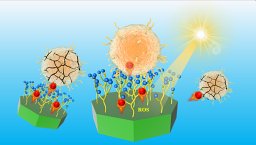
Photocatalytic oxidative disinfection (POD) towards pathogenic bacteria has become a popular approach in public health due to its environmentally friendly antimicrobial capabilities. However, this approach is still limited by inherent fast electron-hole recombination within photocatalysts and poor interactions between bacterial cells and photogenerated reactive oxygen species (ROS) at the biointerface. Particularly, those ROS with extremely short migration distances cannot reach the bacterial cells before they deteriorate into less potent or neutral species, resulting in reduced antibacterial activities. By far, these phenomena are still poorly understood. Inspired by the fact that bacterial cells are negatively charged, we rationally designed a photocatalyst (i.e., g-C3N4/MIL-125-NH2) by coating a layer of positively charged quaternary ammonium compound (QAC) polymer onto the surface to enhance its affinity towards bacterial cells via electrostatic attractions. This surface-modulated photocatalyst is denoted as QAC@g-C3N4/MIL-125-NH2. The visualization and quantification of the electrostatic interactions between the bacterial cells and the QAC@g-C3N4/MIL-125-NH2 photocatalyst were conducted using a confocal laser scanning microscope and atomic force microscope, respectively. The results showed that the positively charged QAC layer did promote the bacteria-photocatalyst contact via electrostatic attractions. Due to the cooperative effects of bacterial cell adhesion and ROS generation, the POD performance of the photocatalyst is significantly enhanced. Notably, the photocatalyst achieves 3.20 logs of inactivation efficiency for Staphylococcus epidermidis within 60 min under visible light irradiation. This work provides insights into a mechanistic understanding of bacterial adhesion and disinfection at the biointerface and sheds light on rational photocatalyst design with surface charge modulation for antibacterial applications.
Streptococcus sanguinis is a primary colonizer of teeth and is associated with oral health. When it enters the bloodstream, however, this bacterium may cause the serious illness infective endocarditis. The genes required for survival and proliferation in blood have not been identified. The products of these genes could provide a rich source of targets for endocarditis-specific antibiotics possessing greater efficacy for endocarditis, and also little or no activity against those bacteria that remain in the mouth. We previously created a comprehensive library of S. sanguinis mutants lacking every nonessential gene. We have now screened each member of this library for growth in human serum and discovered 178 mutants with significant abundance changes. The main biological functions disrupted in these mutants, including purine metabolism, were highlighted via network analysis. The components of an ECF-family transporter were required for growth in serum and were shown for the first time in any bacterium to be essential for endocarditis virulence. We also identified two mutants whose growth was reduced in serum but not in saliva. This strategy promises to enable selective targeting of bacteria based on their location in the body, in this instance, treating or preventing endocarditis while leaving the oral microbiome intact.
Streptococcus sanguinis is a primary colonizer of teeth and is typically considered beneficial due to its antagonistic relationship with the cariogenic pathogen Streptococcus mutans. However, S. sanguinis can also act as an opportunistic pathogen should it enter the bloodstream and colonize a damaged heart valve, leading to infective endocarditis. Studies have implicated manganese acquisition as an important virulence determinant in streptococcal endocarditis. A knockout mutant lacking the primary manganese import system in S. sanguinis, SsaACB, is severely attenuated for virulence in an in vivo rabbit model. Manganese is a known cofactor for several important enzymes in S. sanguinis, including superoxide dismutase, SodA, and the aerobic ribonucleotide reductase, NrdEF. To determine the effect of manganese depletion on S. sanguinis, we performed transcriptomic analysis on a ΔssaACB mutant grown in aerobic fermentor conditions after the addition of the metal chelator EDTA. Despite the broad specificity of EDTA, analysis of cellular metal content revealed a decrease in manganese, but not in other metals, that coincided with a drop in growth rate. Subsequent supplementation with manganese, but not iron, zinc, or magnesium, restored growth in the fermentor post-EDTA. Reduced activity of Mn-dependent SodA and NrdEF likely contributed to the decreased growth rate post-EDTA, but did not appear entirely responsible. With the exception of the Dps-like peroxide resistance gene, dpr, manganese depletion did not induce stress response systems. By comparing the transcriptome of ΔssaACB cells pre- and post-EDTA, we determined that manganese deprivation led to altered expression of diverse systems. Manganese depletion also led to an apparent induction of carbon catabolite repression in a glucose-independent manner. The combined results suggest that manganese limitation produces effects in S. sanguinis that are diverse and complex, with no single protein or system appearing entirely responsible for the observed growth rate decrease. This study provides further evidence for the importance of this trace element in streptococcal biology. Future studies will focus on determining mechanisms for regulation, as the multitude of changes observed in this study indicate that multiple regulators may respond to manganese levels.
Experimental techniques for identification of essential genes (EGs) in prokaryotes are usually expensive, time-consuming and sometimes unrealistic. Emerging in silico methods provide alternative methods for EG prediction, but often possess limitations including heavy computational requirements and lack of biological explanation. Here we propose a new computational algorithm for EG prediction in prokaryotes with an online database (ePath) for quick access to the EG prediction results of over 4,000 prokaryotes ( https://www.pubapps.vcu.edu/epath/ ). In ePath, gene essentiality is linked to biological functions annotated by KEGG Ortholog (KO). Two new scoring systems, namely, E_score and P_score, are proposed for each KO as the EG evaluation criteria. E_score represents appearance and essentiality of a given KO in existing experimental results of gene essentiality, while P_score denotes gene essentiality based on the principle that a gene is essential if it plays a role in genetic information processing, cell envelope maintenance or energy production. The new EG prediction algorithm shows prediction accuracy ranging from 75% to 91% based on validation from five new experimental studies on EG identification. Our overall goal with ePath is to provide a comprehensive and reliable reference for gene essentiality annotation, facilitating the study of those prokaryotes without experimentally derived gene essentiality information.
Mixed species biofilms are shaped and influenced by interactions between species. In the oral cavity, dysbiosis of the microbiome leads to diseases such as periodontitis. Porphyromonas gingivalis is a keystone pathogen of periodontitis. In this study, we showed that polymicrobial biofilm formation promoted the tolerance of Porphyromonas gingivalis to oxidative stress under micro-aerobic conditions. The presence of Streptococcus sanguinis, an oral commensal bacterium, inhibited the survival of P. gingivalis in dual-species biofilms via the secretion of hydrogen peroxide (H2O2). Interestingly, this repression could be attenuated by the presence of Aggregatibacter actinomycetemcomitans in tri-species biofilms. It was also shown that the katA gene, encoding a cytoplasmic catalase in A. actinomycetemcomitans, was responsible for the reduction of H2O2 produced by S. sanguinis, which consequently increased the biomass of P. gingivalis in tri-species biofilms. Collectively, these findings reveal that polymicrobial interactions play important roles in shaping bacterial community in biofilm. The existence of catalase producers may support the colonization of pathogens vulnerable to H2O2, in the oral cavity. The catalase may be a potential drug target to aid in the prevention of periodontitis.
Streptococcus sanguinis is an early colonizer of tooth surfaces and a key player in plaque biofilm development. However, the mechanism of biofilm formation of S. sanguinis is still unclear. Here, we showed that deletion of a transcription factor, brpL, promotes cell aggregation and biofilm formation in S. sanguinis SK36. Glucan, a polysaccharide synthesized from sucrose, was over-produced and aggregated in the biofilm of ΔbrpL, which was necessary for better biofilm formation ability of ΔbrpL. Quantitative RT-PCR demonstrated that gtfP was significantly up-regulated in ΔbrpL, which increased the productions of water-insoluble and water-soluble glucans. The ΔbrpLΔgtfP double mutant decreased biofilm formation ability of ΔbrpL to a level similar like that of ΔgtfP. Interestingly, the biofilm of ΔbrpL had an increased tolerance to ampicillin treatment, which might be due to better biofilm formation ability through the mechanisms of cellular and glucan aggregation. RNA sequencing and quantitative RT-PCR revealed the modulation of a group of genes in ΔbrpL was mediated by activating the expression of ciaR, another gtfP-related biofilm formation regulator. Double deletion of brpL and ciaR decreased biofilm formation ability to the phenotype of a ΔciaR mutant. Additionally, RNA sequencing elucidated a broad range of genes, related to carbohydrate metabolism and uptake, were activated in ΔbrpL. SSA_0222, a gene involved in the phosphotransferase system, was dramatically up-regulated in ΔbrpL and essential for S. sanguinis survival under our experimental conditions. In summary, brpL modulates glucan production, cell aggregation and biofilm formation by regulating the expression of ciaR in S. sanguinis SK36.
The paradoxical response of Streptococcus sanguinis to drugs prescribed for dental and clinical practices has complicated treatment guidelines and raised the need for further investigation. We conducted a high throughput study on concomitant transcriptome and proteome dynamics in a time course to assess S. sanguinis behaviour under a sub-inhibitory concentration of ampicillin. Temporal changes at the transcriptome and proteome level were monitored to cover essential genes and proteins over a physiological map of intricate pathways. Our findings revealed that translation was the functional category in S. sanguinis that was most enriched in essential proteins. Moreover, essential proteins in this category demonstrated the greatest conservation across 2774 bacterial proteomes, in comparison to other essential functional categories like cell wall biosynthesis and energy production. In comparison to non-essential proteins, essential proteins were less likely to contain ‘degradation-prone’ amino acids at their N-terminal position, suggesting a longer half-life. Despite the ampicillin-induced stress, the transcriptional up-regulation of amino acid-tRNA synthetases and proteomic elevation of amino acid biosynthesis enzymes favoured the enriched components of essential proteins revealing ‘proteomic signatures’ that can be used to bridge the genotype–phenotype gap of S. sanguinis under ampicillin stress. Furthermore, we identified a significant correlation between the levels of mRNA and protein for essential genes and detected essential protein-enriched pathways differentially regulated through a persistent stress response pattern at late time points. We propose that the current findings will help characterize a bacterial model to study the dynamics of essential genes and proteins under clinically relevant stress conditions.
To increase the menaquinone (MK) content of an Elizabethkingia meningoseptica, site-directed mutagenesis was generated to suppress 4-hydroxybenzoate octaprenyl transferase (UbiA) activity and subsequently blocked the ubiquinone (UQ) biosynthesis pathway. Fourteen conserved residues except L174 and G211 were mutated to analyze the effect of site-directed mutagenesis. The expression of UbiA in twelve mutants was decreased in both mRNA and protein levels, which resulted in the decrease of UQ concentration. Based on MenA expression level, 12 mutants were divided into two groups. Second group such as N72A, D76A, K81A, L139A, and D198A enhanced the expression of MenA, which increased MK production by 127.1%, 87.9%, 96.2%, 109.7% and 130.0% in wt-EmUbiA, respectively. In general, blocking UQ synthesis pathway for by site-directed mutagenesis of the active site of UbiA in E. meningoseptica was a promising strategy to increase MK production in E. meningoseptica.
Biofilm accounts for 65–80 % of microbial infections in humans. Considerable evidence links biofilm formation by oral microbiota to oral disease and consequently systemic infections. Streptococcus sanguinis, a Gram-positive bacterium, is one of the most abundant species of the oral microbiota and it contributes to biofilm development in the oral cavity. Due to its altered biofilm formation, we investigated a biofilm mutant, ΔSSA_0351, that is deficient in type I signal peptidase (SPase) in this study. Although the growth curve of the ΔSSA_0351 mutant showed no significant difference from that of the wild-type strain SK36, biofilm assays using both microtitre plate assay and confocal laser scanning microscopy (CLSM) confirmed a sharp reduction in biofilm formation in the mutant compared to the wild-type strain and the paralogous mutant ΔSSA_0849. Scanning electron microscopy (SEM) revealed remarkable differences in the cell surface morphologies and chain length of the ΔSSA_0351 mutant compared with those of the wild-type strain. Transcriptomic and proteomic assays using RNA sequencing and mass spectrometry, respectively, were conducted on the ΔSSA_0351 mutant to evaluate the functional impact of SPase on biofilm formation. Subsequently, bioinformatics analysis revealed a number of proteins that were differentially regulated in the ΔSSA_0351 mutant, narrowing down the list of SPase substrates involved in biofilm formation to lactate dehydrogenase (SSA_1221) and a short-chain dehydrogenase (SSA_0291). With further experimentation, this list defined the link between SSA_0351-encoded SPase, cell wall biosynthesis and biofilm formation.
Streptococcus sanguinis is an early colonizer of the tooth surface and competes with oral pathogens such as Streptococcus mutans to maintain oral health. However, little is known about its mechanism of biofilm formation. Here, we show that mutation of the ciaR gene, encoding the response regulator of the CiaRH two-component system in S. sanguinis SK36, produced a fragile biofilm. Cell aggregation, gtfP gene expression and water-insoluble glucan production were all reduced, which suggested polysaccharide production was decreased in ΔciaR. RNA sequencing and qRT-PCR revealed that arginine biosynthesis genes (argR, argB, argC, argG, argH and argJ) and two arginine/histidine permease genes (SSA_1568 and SSA_1569) were upregulated in ΔciaR. In contrast to ΔciaR, most of strains constructed to contain deletions in each of these genes produced more biofilm and water-insoluble glucan than SK36. A ΔciaRΔargB double mutant was completely restored for the gtfP gene expression, glucan production and biofilm formation ability that was lost in ΔciaR, indicating that argB was essential for ciaR to regulate biofilm formation. We conclude that by promoting the expression of arginine biosynthetic genes, especially argB gene, the ciaR mutation reduced polysaccharide production, resulting in the formation of a fragile biofilm in Streptococcus sanguinis.
Two diastereomeric analogs (1 and 2) of diaminopimelic acid (DAP) bearing an isoxazoline moiety were synthesized and evaluated for their inhibitory activities against meso-diaminopimelate dehydrogenase (m-Ddh) from the periodontal pathogen, Porphyromonas gingivalis. Compound 2 showed promising inhibitory activity against m-Ddh with an IC50 value of 14.9µM at pH 7.8. The two compounds were further tested for their antibacterial activities against a panel of periodontal pathogens, and compound 2 was shown to be selectively potent to P. gingivalis strains W83 and ATCC 33277 with minimum inhibitory concentration (MIC) values of 773µM and 1.875mM, respectively. Molecular modeling studies revealed that the inversion of chirality at the C-5 position of these compounds was the primary reason for their different biological profiles. Based on these preliminary results, we believe that compound 2 has properties consistent with it being a lead compound for developing novel pathogen selective antibiotics to treat periodontal diseases.
Streptococcus sanguinis is a commensal and early colonizer of oral cavity as well as an opportunistic pathogen of infectious endocarditis. Extracting the soluble proteome of this bacterium provides deep insights about the physiological dynamic changes under different growth and stress conditions, thus defining “proteomic signatures” as targets for therapeutic intervention. In this protocol, we describe an experimentally verified approach to extract maximal cytoplasmic proteins from Streptococcus sanguinis SK36 strain. A combination of procedures was adopted that broke the thick cell wall barrier and minimized denaturation of the intracellular proteome, using optimized buffers and a sonication step. Extracted proteome was quantitated using Pierce BCA Protein Quantitation assay and protein bands were macroscopically assessed by Coomassie Blue staining. Finally, a high resolution detection of the extracted proteins was conducted through Synapt G2Si mass spectrometer, followed by label-free relative quantification via Progenesis QI. In conclusion, this pipeline for proteomic extraction and analysis of soluble proteins provides a fundamental tool in deciphering the biological complexity of Streptococcus sanguinis.
Here, we report for the first time that the Streptococcus sanguinis nox gene encoding NADH oxidase is involved in both competition with Streptococcus mutans and virulence for infective endocarditis. An S. sanguinis nox mutant was found to fail to inhibit the growth of Streptococcus mutans under microaerobic conditions. In the presence of oxygen, the recombinant Nox protein of S. sanguinis could reduce oxygen to water and oxidize NADH to NAD(+). The oxidation of NADH to NAD(+) was diminished in the nox mutant. The nox mutant exhibited decreased levels of extracellular H2O2; however, the intracellular level of H2O2 in the mutant was increased. Furthermore, the virulence of the nox mutant was attenuated in a rabbit endocarditis model. The nox mutant also was shown to be more sensitive to blood killing, oxidative and acid stresses, and reduced growth in serum. Thus, NADH oxidase contributes to multiple phenotypes related to competitiveness in the oral cavity and systemic virulence.
Biofilms play important roles in microbial communities and are related to infectious diseases. Here, we report direct evidence that a bacterial nox gene encoding NADH oxidase is involved in biofilm formation. A dramatic reduction in biofilm formation was observed in a Streptococcus sanguinis nox mutant under anaerobic conditions without any decrease in growth. The membrane fluidity of the mutant bacterial cells was found to be decreased and the fatty acid composition altered, with increased palmitic acid and decreased stearic acid and vaccenic acid. Extracellular DNA of the mutant was reduced in abundance and bacterial competence was suppressed. Gene expression analysis in the mutant identified two genes with altered expression, gtfP and Idh, which were found to be related to biofilm formation through examination of their deletion mutants. NADH oxidase-related metabolic pathways were analyzed, further clarifying the function of this enzyme in biofilm formation.
Oral diseases including periodontal disease and caries are some of the most prevalent infectious diseases in humans. Different microbial species cohabitate and form a polymicrobial biofilm called dental plaque in the oral cavity. Metagenomics using next generation sequencing technologies has produced bacterial profiles and genomic profiles to study the relationships between microbial diversity, genetic variation, and oral diseases. Several oral metagenomic studies have examined the oral microbiome of periodontal disease and caries. Gene annotations in these studies support the association of specific genes or metabolic pathways with oral health and with specific diseases. The roles of pathogenic species and functions of specific genes in oral disease development have been recognized by metagenomic analysis. A model is proposed in which three levels of interactions occur in the oral microbiome that determines oral health or disease.
Streptococcus sanguinis is a Gram-positive bacterium that is indigenous to the oral cavity. S. sanguinis, a primary colonizer of the oral cavity, serves as a tether for the attachment of other oral pathogens. The colonization of microbes on the tooth surface forms dental plaque, which can lead to the onset of periodontal disease. We examined a comprehensive mutant library to identify genes related to cellular chain length and morphology using phase-contrast microscopy. A number of hypothetical genes related to the cellular chain length were identified in this study. Genes related to the cellular chain length were analysed along with clusters of orthologous groups (COG) for gene functions. It was discovered that the highest proportion of COG functions related to cellular chain length was 'cell division and chromosome separation'. However, different COG functions were also found to be related with altered cellular chain length. This suggested that different genes related with multiple mechanisms contribute to the cellular chain length in S. sanguinis SK36.
A clear perception of gene essentiality in bacterial pathogens is pivotal for identifying drug targets to combat emergence of new pathogens and antibiotic-resistant bacteria, for synthetic biology and for understanding the origins of life. We have constructed a comprehensive set of deletion mutants and systematically identified a clearly defined set of essential genes for Streptococcus sanguinis. Our results were confirmed by growing S. sanguinis in minimal medium and by double-knockout of paralogous or isozyme genes. Careful examination revealed that these essential genes were associated with only three basic categories of biological functions: maintenance of the cell envelope, energy production and processing of genetic information. Our finding was subsequently validated in two other pathogenic streptococcal species, Streptococcus pneumoniae and Streptococcus mutans and in two other gram-positive pathogens, Bacillus subtilis and Staphylococcus aureus. Our analysis has thus led to a simplified model that permits reliable prediction of gene essentiality.
 Todd Kitten合作论文数Department of Microbiology and Immunology, Philips Institute of Oral and Craniofacial Medicine9
 Bin Zhu合作论文数Division of Cancer Epidemiology and Genetics.8
 Stone Victoria合作论文数8Xiuchun Ge合作论文数8Fadi El-Rami合作论文数6
 Xiangzhen Kong (孔祥珍)合作论文数School of Food Science and Technology, Jiangnan University4Liang Bao合作论文数a Biosystems Science Course;Graduate School of Life Science;Hokkaido University;Sapporo;Graduate School of Life Science, Hokkaido University3
 Lei Chen (陈磊)合作论文数School of Chemical Engineering and Technology, Tianjin University3Lorna Macleod合作论文数2
 Tanya Puccio合作论文数Sch Dent, Virginia Commonwealth Univ2
 Zan Zhu合作论文数Department of Mechanical & Nuclear Engineering, Virginia Commonwealth University2Karra Evans合作论文数2Fanxiang Kong (孔繁翔)合作论文数Nanjing Institute of Geography & Limnology, Chinese Academy of Sciences2Gregory A. Buck合作论文数1Karina S Kunka合作论文数1Shannon P Green合作论文数1Jenishkumar R Patel合作论文数1John Gunsolley合作论文数1Ming-hong Chen合作论文数1XUE Zheng-lian合作论文数1
 Limei Shi (施丽梅)合作论文数University of Chinese Academy of Sciences;Nanjing Institute of Geography & Limnology, Chinese Academy of Sciences1Xiu-min Ding合作论文数1Liu-xiu Hu合作论文数1Huiqun Wang合作论文数1Qian Cheng合作论文数1Xiaojing Wang合作论文数1
 Jennifer Leigh Bradley合作论文数1刘岩合作论文数Shanghai Institute of Ceramics, Chinese Academy of Sciences1Dou Yuetan合作论文数School of Medicine, Loma Linda University1
 Danail G Bonchev合作论文数Virginia Commonwealth University1Trinh My合作论文数1
 Yun Su合作论文数1
 Hardik I. Parikh合作论文数Virginia Commonwealth University, Virginia Commonwealth University1
 Jinlin Liu (刘金林)合作论文数华中师范大学1
 Min Zhang (张敏)合作论文数College of Fisheries, Huazhong Agricultural University1
 Xiaoli Shi (史小丽)合作论文数Nangjing Institute of Geography & Limnology, Chinese Academy of Sciences;University of Chinese Academy of Sciences1
 Yu Yang (杨郁)合作论文数Research Center for Eco-Environmental Sciences, Chinese Academy of Sciences;University of Chinese Academy of Sciences1
 Yan Zhang (张岩)合作论文数School of Medicine, Zhejiang University1
 Hongguang Ma (马红光)合作论文数School of Economics and Management, Beijing University of Chemical Technology1
 Dmitry Pestov合作论文数Department of Mechanical Engineering, Virginia Commonwealth University1
 Glen E. Kellogg合作论文数1
 Wei-Ning Wang合作论文数Hiroshima University1Kristina Nelson合作论文数1




