Introduction Our prior work showed that adding mycophenolate mofetil (MMF) to post-transplant cyclophosphamide (PTCy)/tacrolimus graft-versus-host disease (GvHD) prophylaxis in HLA-matched donor hematopoietic stem cell transplantation (HCT) was associated with higher moderate acute GvHD, delayed immune reconstitution, and increased bacterial infections (Mehta et al, Transplant Cell Ther, 2022). These findings prompted a larger, more detailed investigation focused on infectious complications. Methods We included 833 patients who underwent their first HCT for treatment of AML/MDS between 2018-2024 and received myeloablative conditioning using Fludarabine (Flu)/melphalan (Mel) or Flu/busulfan, PTCy-based (± MMF) prophylaxis, and a peripheral blood stem cell graft from HLA-matched unrelated (MUD, n=536) or related (MRD, n=297) donor. Results Patients in the MMF group were older (median 64 vs 61 years), had a higher proportion of MUD (69% vs 53%), and were more likely to received Flu/Mel (35% vs 12%), but had a similar proportion with a high Hematopoietic Cell Transplantation-specific Comorbidity Index (HCT-CI ≥3: 54% vs 48%) and high/very high disease risk index (30% vs 31%). Median follow-up was 28 months (MMF) vs 34 months (no MMF) (Fig 1).Six-month (mo) cumulative incidence of bacterial infections was significantly higher (46% vs 33%) in the MMF subset in multivariate analysis (HR=1.5, p=.002) after adjusting for age (≥60 years: HR=1.3, p=.02) and conditioning (Flu/Mel: HR=1.3, p=.02); the only additional factors significantly associated with the incidence of bacterial infections (Fig 2). Notably, the first bacterial infection occurred within 28 days in 74% vs 61% (p=.02) of the MMF vs no MMF subsets. No significant differences were observed in the 3-month rates of CMV reactivation (HR=1.1, p=.7), EBV reactivation (HR=1.1, p=.8), and HHV6 (HR=2.7, p=.1) in the MMF vs no MMF subsets in univariate analysis. This was likely due to the low incidence of CMV (8%) or EBV (1%) reactivation, or HHV6 (3%) infections, which precluded the performance of multivariate analysis.Median time to ANC engraftment was 16 vs 15 days in the MMF vs no MMF subsets. ANC engraftment occurred after 21 days in 10% vs 3% of MMF vs no MMF recipients (p=.001). Median time to platelet engraftment was 20 days in each of the MMF subsets. Platelet engraftment occurred after 28 days in 24% vs 17% of MMF vs no MMF recipients (p=.03). Median donor T cell and myeloid chimerism at day 30 were 100% in both subsets. Conclusions The use of MMF with PTCy/tacrolimus for GvHD prophylaxis in HLA matched donor HCT was linked to a significantly higher risk of early and overall bacterial infections, while viral reactivation rates remained low and comparable. This effect was independent of other key clinical variables and underscores the need to reconsider the routine use of MMF in this GvHD prophylaxis platform.
Background Studies show that melphalan exposure is associated with response and toxicity; however, there is significant inter-patient variability in pharmacokinetics (PK). We set out to determine whether the population PK models developed using traditional melphalan, which has short stability (2 mg/ml in normal saline for 2 hours) can be used to predict Evomela (stable for 24 hours at 2 mg/mL NS)1 clearance (CL). Methods In a prospective trial, we determined Evomela plasma concentration at various time points using liquid chromatography-mass spectrometry and estimated CL using noncompartmental analysis. Predicted Evomela CL were determined from two published population PK models, Nath et al. (n = 100)2 and Shah et al (n = 452)3, which were developed using data from autologous and allogeneic transplant recipients receiving traditional melphalan formulation. These models identified covariates such as creatinine clearance, hematocrit, glomerular filtration rate, body weight, body mass index, fat-free mass, age and sex as predictors of melphalan CL. To evaluate predictive performance, we compared observed vs. model-predicted CL, expressed as a percentage of the observed CL. A ±20% deviation from observed CL was considered an acceptable prediction threshold, accounting for expected variability in pharmacokinetic estimates. Results Sixty patients were enrolled, of which 30 were in short infusion (30 min, S-IV) and 30 in long infusion (8-hour, L-IV). One subject in each of the S-IV and L-IV schedule groups lacked enough samples for PK analysis. Evomela CL could be calculated for 55 of the 58 patients. We found significant differences between the observed and predicted CL. The median (range) was 19.53% (-40.81 – 96.29) and -1.11% (-51.72 – 51.22%) with the Nath and Shah models, respectively. The Shah model was better at predicting clearance within ± 20% of the observed CL with 32/55 (58.2%) vs. 21/55 (38%) with the Nath model. Similar trends were observed between infusion arms. In the S-IV group, the Shah model predicted clearance within ±20% in 17 of 27 patients (63%) compared to 9 of 27 (33.3%) with the Nath model. In the L-IV group, Shah predicted 15 of 28 patients (53.6%) accurately versus 12 of 28 (42.9%) with Nath model. Conclusion Our evaluation of population PK models shows that the Shah model more accurately predicts Evomela clearance than the Nath model. However, fewer than 60% of patients had CL within the ±20% prediction range. The extended stability of reconstituted Evomela may influence CL, contributing to lower model concordance. These models may be better suited for predicting traditional melphalan CL. Further studies comparing Evomela and traditional melphalan are needed to assess model applicability.
Background Evomela, a propylene-glycol–free melphalan formulation, allows prolonged stability and flexible infusion duration as a preparative regimen in autologous hematopoietic-cell transplantation (ASCT). A prospective phase I/II randomized trial compared short (30–60 min; S-IV) versus long (8–9 h; L-IV) infusion schedules of evomela as conditioning for ASCT in newly diagnosed multiple myeloma (MM). Methods Patients were randomized fairly to S-IV or L-IV evomela (225 mg/m²). Evomela plasma concentrations at various time points were determined using liquid chromatography-mass spectrometry for pharmacokinetic (PK) analysis using non-compartmental method. Best response (BR) after ASCT was defined as minimal residual disease (MRD)-negative complete response (CR). A 1:1 propensity-matched Melphalan 200 mg/m² (MEL200) cohort served as a historical control comparator. Results Sixty patients (30 per arm, median age 59.5 yrs) were enrolled. Five (17%) patients in S-IV and 11 (37%) patients in L-IV had high-risk cytogenetics. All patients, except 1 (early progression) received maintenance therapy after ASCT. BR at day-90 (before starting maintenance therapy) was 47% (L-IV) vs 43% (S-IV). BR at 1-year was 60% vs 63%, respectively. Median PFS was 58 mo (L-IV) vs not reached (S-IV), p=0.49. In a fitted Bayesian regression model, a higher area under curve (AUC) correlated with improved BR (probability of beneficial effect [PBE] = 0.966). There were no grade ≥4 toxicities. The most frequent grade 3 events were febrile neutropenia (8 L-IV, 7 S-IV) and diarrhea (5 L-IV, 7 S-IV). One year treatment-related mortality (TRM) was 0; three late non-relapse deaths (second malignancy, n=2, and diffuse alveolar hemorrhage, n=1) occurred beyond 3 yrs. ROC analysis identified an AUC ≈17,800 µg·h/L with Youden’s index 0.6 (good performance) as a potential PK target for L-IV in high-risk patients.Because there was no significant difference between the long and short evomela infusion schedules, they were combined for a matched pairs comparison to the historical MEL200 data. In this comparison (Evomela, vs MEL200, n = 60, matched pairs), BR rates at day-90 were 45% vs 30%, respectively. Median PFS was 58 months vs 50 months (p = 0.48) (Figure). Regression modeling showed an approximately 87% probability that evomela improved BR at day-90 compared to MEL200, and an approximately 86% probability of longer PFS vs Melphalan-200, suggesting a likely but not definitive benefit. Conclusion Evomela 225 mg/m2 given over either 30 min or 8–9 h was safe and effective. Compared with MEL200, evomela showed a higher probability of achieving MRD-negative CR after ASCT. PK modeling identified AUC ≈ 17,800 µg·h/L as a potential target goal for L-IV in high-risk patients, supporting further evaluation of PK-guided evomela dosing as a conditioning regimen for ASCT in MM.
Introduction Light chain (AL) amyloidosis is a rare clonal plasma cell disorder that affects multiple organs, with renal involvement occurring in approximately 70% of cases. ASCT is a preferred standard consolidation therapy for patients with AL amyloidosis. Several factors are known to impact AL outcomes but less is known about the threshold below which compromised estimated glomerular filtration rate (eGFR) can influence transplant outcomes. Objectives Primary objective is to compare PFS and OS by eGFR status at time of transplant. Secondary objectives included cumulative incidence of relapse (CIR) and non-relapse mortality (NRM) rates. Methods All consecutive patients with AL amyloidosis who underwent ASCT using single agent melphalan conditioning regimen were included. Survival estimates were calculated using Kaplan-Meier method. Results One hundred-and-seventy-nine patients, with a median age of 61 (range, 27-77) years, were identified between 09/2005 and 11/2021. A total of 175 patients had eGFR data at time of transplant, 144 (82%) had eGFR ≥40 and 31 (18%) had eGFR <40 (impaired renal function group). Table 1 summarizes patient, disease and transplant characteristics for all study patients and by eGFR group. With a median follow up of 62 months (range 3.2-167.4), the 5-year PFS and OS for all study patients were 49% and 72%, respectively. The 5-year PFS/OS rates for eGFR ≥40 were 51%/75% compared to 40%/52% for eGFR<40 (p=.2073 for PFS; p=.0210 for OS). There was no significant difference in 5-year CIR (38% for eGFR ≥40 vs 35% for eGFR <40; p=0.4016), but eGFR <40 was associated with a higher 5-year NRM of 25% compared to 12% for patients with eGFR ≥40 (p=0.0291). Multivariable analyses included eGFR and factors with p value ≤0.1 in the UVA for PFS (age, Revised Mayo Staging, and dFLC) and OS (Age and Revised Mayo Staging). In MVA, none of the factors had statistically significant impact on PFS. Age ≥60 (HR 2.23, 95% CI: 1.09-4.56; p=0.0277) and Revised Mayo Stage III/IV (HR 2.43, 95% CI: 1.21-4.87; p=0.0123) were significantly associated with inferior OS. In a MVA model where we excluded Revised Mayo Staging giving high missing values, eGFR<40 was significantly associated with worse OS (HR 2.05, 95% CI: 1.15-3.64; p=0.0144). Adjusting for melphalan dose intensity in the conditioning, eGFR but not melphalan dose was associated with worse OS. In a subgroup analysis stratifying patients by age and eGFR, patients ≥60 years with an eGFR <40 has worse survival with 5-year OS of 29% (P<0.0001). Conclusion Impaired kidney function with eGFR <40 at time of transplant is associated with increased non-relapse mortality and worse survival for AL patients undergoing ASCT. Older patients with compromised renal function should be carefully assessed before transplant, and alternative treatment options should be considered. Larger studies are needed to validate these findings.
Introduction Our previous work suggested that adding mycophenolate mofetil (MMF) to post-transplant cyclophosphamide (PTCy) and tacrolimus in HLA-matched hematopoietic stem cell transplantation (HCT) may not provide the intended clinical benefit, as its use was linked to a higher rate of moderate acute graft-versus-host disease (GvHD), delayed immune reconstitution, and more bacterial infections (Mehta et al, Transplant Cell Ther, 2022). These findings prompted further investigation in a larger, single-center cohort. Methods We included 833 patients with acute myeloid leukemia (AML) or myelodysplastic syndrome (MDS) who underwent their first HCT between 2018-2024. Patients received peripheral blood stem cells grafts from HLA-matched unrelated (MUD, n=536) or related (MRD, n=297) donor, myeloablative conditioning with fludarabine (Flu)/melphalan (Mel) or busulfan/Flu, and PTCy-based (± MMF) prophylaxis. Primary outcomes were severe acute GvHD (aGvHD) and chronic GvHD (cGvHD). Results Patients in the MMF (vs no MMF) group were older (median 64 vs 61 years), had a higher proportion of MUD (69% vs 53%) and were more likely to receive Flu/Mel (35% vs 12%), but they had a comparable proportion with a high Hematopoietic Cell Transplantation-specific Comorbidity Index (HCT-CI ≥3: 54% vs 48%) and high/very high disease risk index (30% vs 31%). Median follow-up was 28 months (MMF) vs 34 months (no MMF) (Fig 1).Six-month cumulative incidence of grade III-IV aGvHD (7% vs 6%) and cGvHD (18% vs 16%) did not differ between the MMF vs no MMF group, respectively (Fig 2-3). Multivariable analysis confirmed the lack of significant impact of MMF on grade III-IV aGvHD (hazard ratio (HR) 1.0, p=.9) or cGvHD (HR 1.2, p=.3).MMF was not associated with non-relapse mortality (NRM: HR 1.2, p=.4), relapse (HR 1.0, p=.9), or overall survival (OS: HR 1.2, p=.2) in univariate analyses. However, a significant interaction was noted with HCT-CI in multivariable analyses. Among patients with HCT-CI ≥3, MMF was associated with significantly higher NRM (20% vs 13%, HR 1.6, p=.007) and worse OS (54% vs 65%, HR 1.6 , p<.001), with no significant difference in relapse (HR 1.3 , p=.07) (Fig 4-5). No significant impact was shown for patients with HCT-CI<3.Median time to neutrophil engraftment was comparable between the MMF (16 days) and no MMF (15 days) groups, however, a significantly higher proportion of patients engrafted beyond 3-weeks in the MMF arm (10% vs 3%, p=.001). Conclusions The use of MMF with PTCy-based prophylaxis was not associated with a reduction in GvHD in the matched donor HCT setting. Conversely, in patients with higher comorbidities, MMF may be associated with higher NRM and worse OS. Whether this effect is related to prolonged neutropenia and associated infections requires further investigation. These results warrant investigation in independent cohorts and reconsideration of routine use of MMF in this setting.
Bortezomib, lenalidomide and dexamethasone (VRd) and carfilzomib, lenalidomide and dexamethasone (KRd) regimens have been widely used for induction in transplant-eligible newly diagnosed multiple myeloma (NDMM), yet direct comparisons between these regimens have been limited and inconsistent. We retrospectively analysed 1129 NDMM patients who received KRd (n = 364) or VRd (n = 765) before upfront autologous haematopoietic stem cell transplantation at a single-centre between 2006 and 2021. KRd-treated patients more often had high-risk cytogenetics and advanced Second revision of the International Staging System (R2-ISS) stage. Pretransplant complete response (CR) and ≥very good partial response (VGPR) rates were higher with KRd (23% and 71%) than VRd (16% and 61%; p = 0.002), with superior best post-transplant ≥CR (71% vs. 60%; p = 0.001) and higher pretransplant measurable residual disease (MRD) negativity (49% vs. 42%; p = 0.027). After a median follow-up of 38.6 months, median progression-free survival (PFS) was 62.2 versus 48.7 months (hazard ratio [95% confidence interval] 0.74 [0.59-0.93], p = 0.009) and median overall survival (OS) was not reached versus 122.7 months (0.86 [0.59-1.25], p = 0.43) for KRd and VRd respectively. In inverse probability-weighted multivariable analysis, KRd remained associated with improved PFS (0.76 [0.60-0.97], p = 0.025), with no OS difference. The PFS benefit was most pronounced in standard-risk, younger and male patients, and those with fewer comorbidities. Overall, KRd induction led to deeper responses and improved PFS compared with VRd.
Background Adenovirus can cause serious illness in immunocompromised hosts. While Cidofovir is the primary treatment, its nephrotoxicity and limited efficacy restrict use. Methods/Objectives We administered most closely HLA matched adenovirus-specific cytotoxic T lymphocytes (CTL) at a dose of 2.0 × 10⁵ cells per kg to patients with adenovirus viremia or disease (virus attributable end organ damage). The CTLs were manufactured by isolating mononuclear cells from healthy donors, cultured for 14 days with immunodominant adenovirus peptides in the presence of IL-2, IL-7 and IL-15. Patients were assessed at baseline then weekly for three months after CTL administration. Partial response (PR) to CTLs was defined as one log reduction in viral copy number or reduction by at least one CTCAE grade of disease symptoms. A complete response (CR) was resolution of symptoms and viremia. Patients who did not respond within 14 days of each dose were eligible for an additional dose. Results 44 patients were enrolled, of which 42 received CTLs. Patients received a median of 1 unit of CTL (1-5). 40 had viremia only, two had pneumonia and two had nephritis (diagnosed by BAL and urine studies), no hepatitis. All patients had an underlying hematological malignancy, 36 had undergone transplantation. Full demographics are described in Figure one. Patients had a median viral load of 26,000 IU/mL (IQR 1400-184500 IU/ml) 80% (35/42) were on concomitant antiviral therapy for 34 it was cidofovir. No infusion reactions were noted. No patient suffered grade III/IV aGVHD. No adverse events (of any grade I-IV) or toxicities related to CTL were recorded.The overall response (OR=PR+CR) at study completion was 76% (32/42) with 69% (29/42) achieving a CR. One patient with a PR recrudesced (at one month), no CR recrudesced. The median time to PR was 7 days (95% CI 7-14) and the median time to CR was 20 days (95% CI 13-26) (Figure Two). Both cases of pneumonitis resolved. Creatinine normalized for 1 patient with nephritis, and it remained stable in the other until they elected hospice care.Among patients who responded by day 28 there was no evidence of spontaneous immune reconstitution. Comparing the ALC at time first infusion and at time of first response there was no statistical difference (p=0.46). When comparing responders vs non-responders baseline ALC, viral load, and rate of cidofovir use were not statistically different between the two groups.Those who had achieved an OR by day 28 had an OS of 93% (27/29), in patients who failed to respond the OS was 38% (5/13). To help eliminate early death bias we performed a landmark survival analysis from day 28 to 3 months (Figure three). Day 28 responders had an OS of 91.8% (CI 74.7-97.7) and non-responders at day 28 had an OS of 50% (CI 21.5-78.5). Conclusion CTL therapy for adenovirus infection was safe with no attributable adverse events. CTLs appear efficacious in treating both viremia and disease.
BACKGROUND:For eligible patients with newly diagnosed multiple myeloma (MM), induction with VRD used to be the standard of care, followed by autologous stem cell transplantation (autoHCT) and lenalidomide maintenance. Most patients relapse and require second-line (2L) therapy. PATIENTS AND METHODS:We conducted a retrospective, single-center study of MM patients who received VRD induction, autoHCT between 2005-2021, and lenalidomide maintenance before relapse. RESULTS:A total number of 146 patients were included, with a median age of 60 years (range, 32-80), and 39 (27%) patients had high-risk cytogenetics. Following first progression, 31%received an immunomodulatory drug (IMiD) + proteasome inhibitor (PI)-containing triplet as 2L therapy, 21% received an IMiD/PI-containing doublet, and 24% received a daratumumab (Dara)-based 2L therapy. Patients receiving Dara-based regimens had higher rates of ≥VGPR (63%) compared to those receiving other regimens (IMiD + PI triplet: 35%, IMiD/PI doublet: 34%) (P = .026). After a median follow-up of 35.8 months from 2L therapy, median PFS2 with Dara-based regimens was 59.9 months, versus 12.3 months and 11.5 months for doublets and triplets, respectively (P = .007). Median overall survival (OS) for the entire cohort was 52.6 months. In multivariable analysis, Dara-based therapy was associated with improved PFS2 (HR 0.35, P < .001), while clinical progression (vs. biochemical) predicted worse PFS2 (HR 1.58, P = .026). Progression ≥ 12 months post-autoHCT was associated with improved OS (HR 0.23, P < .001); busulfan-melphalan conditioning (HR 4.06, P < .001) and clinical progression (HR 1.99, P = .006) were associated with inferior OS. CONCLUSION:Dara-based 2L regimens were associated with superior PFS2 approaching almost 5 years.
Blastic plasmacytoid dendritic cell neoplasm (BPDCN) is an aggressive hematologic malignancy with complex clinical manifestations, frequently involving multiple organs. Treatment of BPDCN has evolved over the years from conventional chemotherapy to novel targeted therapies including anti-CD123 antibody drug conjugates, namely tagraxofusp and pivekimab sunirine, and the BCL-2 inhibitor, namely venetoclax. However, because anticipated long term disease control is not generally possible, it is standard practice to offer allogeneic hematopoietic cell transplantation (HCT) as a consolidation strategy for eligible patients. No HCT societal guidelines exist to guide contemporary clinical practice of HCT in patients with BPDCN. A panel of 17 experts, including one representative of community practice, was convened to develop relevant guidelines and followed the Grading of Recommendations, Assessment, Development and Evaluation methodology. For BPDCN in first complete remission (CR1), the panelists recommended allogeneic HCT and suggested autologous HCT for patients who are unfit for allogeneic HCT but without BPDCN marrow involvement. Acknowledging that some patients might not have received either allogeneic or autologous HCT in CR1, panelists voted similarly for patients in second CR (CR2). Conversely, the panelists did not recommend allogeneic or autologous HCT in BPDCN after primary induction failure or with active relapsed-refractory disease. The panel recommended that conditioning intensity for younger fitter patients be myeloablative, preferentially containing total body irradiation, whereas reduced intensity conditioning was recommended for older and/or frail ones, in both CR1 or CR2. Post-HCT intrathecal chemotherapy was also recommended regardless of involvement of the central nervous system. Panelists recognized that other unique clinical scenarios not included in these recommendations might demand individualized treatment approaches.
Lenalidomide (Len) maintenance improves survival after upfront autologous stem cell transplantation (autoHCT) in multiple myeloma (MM), but its role after delayed/salvage autoHCT is less defined. We performed a retrospective study of 163 MM patients who received delayed (n = 102) or salvage (n = 61) autoHCT between 2009 and 2023, followed by Len maintenance. After median follow-up of 50 months, median progression-free survival (PFS) and overall survival (OS) were 23 (95% CI, 20-26) and 62 (95% CI, 50-80) months, respectively. Patients with high-risk cytogenetic abnormalities had inferior outcomes (PFS 8 months; OS 27 months). In multivariable analysis, achieving ≥ complete response post-transplant improved PFS (hazard ratio [HR] 0.49, p = 0.002) and OS (HR 0.44; p = 0.002). Len maintenance ≥5 years was associated with improved PFS (HR 0.19; p < 0.001) and OS (HR 0.15; p = 0.002). Fourteen patients (9%) developed second primary malignancies. In conclusion, extended Len maintenance was associated with prolonged survival after delayed/salvage autoHCT.
Background For eligible patients with newly diagnosed multiple myeloma (MM), induction with bortezomib, lenalidomide, and dexamethasone (VRD) used to be the standard of care until a few years ago, when it was gradually replaced by Daratumumab + VRD (Dara-VRD), followed by autologous stem cell transplantation (autoHCT) and lenalidomide maintenance. Most patients relapse and require second-line (2L) therapy. Patients and Methods We conducted a retrospective, single-center study of MM patients who received VRD induction, upfront autoHCT between 2005 and 2021, and lenalidomide maintenance before relapse. Results 146 patients were included, with a median age of 60 years (range 32–80), and 39 (27%) patients had high-risk cytogenetics. Following first progression, 31% (n=45) received an immunomodulatory drug (IMiD) + proteasome inhibitor (PI)-containing triplet as 2L therapy, 21% (n=30) received an IMiD/PI-containing doublet, and 24% (n=35) received a daratumumab (Dara)-based 2L therapy. Patients receiving Dara-based regimens had higher rates of ≥VGPR (63%) compared to those receiving other regimens (IMiD+PI triplet: 35%, IMiD/PI doublet: 34%) (p=0.026). After a median follow-up of 35.8 months from 2L therapy, median PFS2 with Dara-based regimens was 59.9 months, versus 12.3 months and 11.5 months for doublets and triplets, respectively (p=0.007). Median OS from initiation of second-line therapy for the entire cohort was 52.6 months. In multivariable analysis, Dara-based therapy was associated with improved PFS2 (HR 0.35, p<0.001), while clinical progression (vs. biochemical) predicted worse PFS2 (HR 1.58, p=0.026). Progression ≥12 months post-autoHCT was associated with improved OS (HR 0.23, p<0.001); busulfan-melphalan conditioning (HR 4.06, p<0.001) and clinical progression (HR 1.99, p=0.006) were associated with inferior OS. Conclusion Dara-based 2L regimens were associated with superior PFS2 approaching almost 5 years. Microabstract This single-center retrospective study examined outcomes of 146 patients with multiple myeloma who relapsed after receiving bortezomib, lenalidomide, and dexamethasone (VRD) induction, upfront autologous hematopoietic stem cell transplantation between 2005 and 2021, and lenalidomide maintenance. Recipients of daratumumab-based second line therapy exhibited superior progression-free survival compared to recipients of immunomodulatory drug and proteasome inhibitor-containing triplet or doublet therapies. These findings support the benefit of daratumumab-based second line therapy in anti-CD38-naïve patients.
Deletion (13q)/monosomy 13 (del[13q]/-13) is common in multiple myeloma (MM), but its independent prognostic value remains unclear, particularly in patients treated with modern therapy and upfront autologous haematopoietic stem cell transplantation (autoHSCT). This study aimed to assess its impact on progression-free survival (PFS) and overall survival (OS), and to evaluate its prognostic impact in the context of established high-risk cytogenetic abnormalities (HRCA). We conducted a retrospective, single-centre study of MM patients undergoing autoHSCT between 2010 and 2021 with available fluorescence in situ hybridization results. Among 1680 patients, del(13q)/-13 was identified in 591 (35.2%). Compared with patients without HRCA or del(13q)/-13, isolated del(13q)/-13 was associated with shorter median PFS (37.3 vs. 64.6 months) and OS (105.4 vs. 131.0 months). Patients with concurrent HRCA and del(13q)/-13 had the poorest outcomes, with median PFS and OS of 33.9 and 81.6 months, respectively. Multivariable Cox regression confirmed that isolated/non-HRCA-associated del(13q)/-13, was independently associated with inferior PFS (hazard ratio [HR] 1.36, 95% confidence interval [CI]: 1.17-1.58, p = 0.0001) and OS (HR 1.49, 95% CI: 1.21-1.84, p = 0.0002). Del(13q)/-13 is independently associated with inferior PFS and OS in MM patients undergoing autoHSCT, with an additive adverse effect when co-occurring with HRCA.
Introduction The quadruplet induction regimen of daratumumab, bortezomib, lenalidomide (Len), and dexamethasone (DVRD) induction followed by autologous hematopoietic cell transplantation (autoHCT) and Len maintenance has become the standard of care for transplant-eligible, newly diagnosed MM patients. Real world data for this approach is still scarce. Objectives To evaluate outcomes of newly-diagnosed MM patients treated with DVRD followed by upfront autoHCT and Len maintenance. Methods Retrospective, single-center analysis of newly-diagnosed MM patients who received standard of care DVRD induction, autoHCT and Len maintenance between 2021-2024. High-risk cytogenetic abnormalities (HRCA) were defined as del17p, t(4;14), t(14;16), 1q21 gain/amplification by FISH. We also identified high-risk patients using the 2025 IMS/IMWG risk classification (Avet-Loiseau JCO 2025). Primary outcome was PFS. MRD status was determined in bone marrow samples using an 8-color next generation flow assay with a sensitivity of 1/10⁵ cells. Results 71 patients were included, with a median age of 61.5 years (range 40-77), 35% (n=25) were female and 16% identified as Black (n=11). 31 of patients had HCTCI of >3 (n=22), 22% (n=16) had HRCA, and 15% (n=10) had stage III R-ISS disease. 38% had high-risk disease by 2025 IMS/IMWG criteria. Patients received a median of 4 DVRD induction cycles (range 2-11). The maximum Len dose during induction was ≥20mg in 82%.Prior to transplant, 21% (n=15) of patients achieved CR and 79% (n=57) achieved ≥VGPR; 49% had MRD negative status. At day 100 post-transplant, 44% (n=32) achieved CR and 94% (n=68) achieved ≥VGPR. At best post-transplant response, 72% (n=52) achieved CR and 98% (n=70) ≥VGPR (Figure 1), while 71% had MRD negative status. Median times to neutrophil (ANC>500) and platelet (>20K) engraftment were 12 (range, 12-14) and 13 (range, 9-19) days, respectively.With a median follow up of 22.1 months (range 3.9-47.4), the 1- and 2-year PFS rates for the entire cohort were 94% and 88%, respectively. In univariate analysis, there was a trend towards inferior PFS in patients with R-ISS stage III (HR, 4.19; 95% CI, 0.82-21.48; p=0.09) and those with high-risk disease by the 2025 IMS/IMWG criteria (HR, 3.17; 95% CI, 0.82-12.34; p=0.10, Figure 2). For patients with high-risk disease per 2025 IMS/IMWG criteria the 1-year and 2-year PFS rates were 83% and 77%, respectively. Only two patients died during the follow up, therefore overall survival analysis was not performed. Conclusion In this single-center analysis of MM patients who received DVRD induction, autoHCT and Len maintenance, we showed CR and MRD negativity rates of 72% and 71%, respectively, and 2-year PFS of 88%. Patients with high-risk disease by the new IMS/IMWG criteria had a worse 2-year PFS of 77%, and these patients may need an alternative therapeutic approach, such as a doublet maintenance regimen.
Background Although patients (pts) living with disabilities face unique challenges accessing essential, complex care (eg transplant, BMT), approaches to optimize this care are understudied. Methods We conducted a mixed-method analysis to identify BMT pts living with disabilities & explore barriers they face to care. Our study team included those with lived experience as &/or caring for people with disabilities. Starting in 7/2024, consecutive BMT pts at our Center were asked to report any physical/intellectual/sensory disabilities (clinicaltrials.gov NCT06431347), after an explanation re: the relevance of this information to their care. We retrospectively reviewed how identified disabilities were recorded/reported in the pt chart from initial BMT MD consult to discharge post-BMT. We also interviewed BMT pts with disabilities & their caregivers & healthcare providers & led a qualitative analysis to identify barriers/facilitators to care & develop best practices to optimize complex hematologic care delivery for pts with disabilities. Results From 7/1/24-10/1/25, of 474 BMT pts screened for disabilities, 45 (9.5%; median age 64 yrs, range 23-76; 16 auto & 29 allo-BMT) reported disabilities likely to impact care delivery: 24 physical, 5 intellectual, 15 sensory & 1 with a disability-related service animal. However, of these, only half were discussed in the BMT pre-admission note or discharge summary with less than half discussed in both (Fig 1). Intellectual disabilities were least often discussed. Although most disabilities were noted in ≥1 BMT MD or allied healthcare note, nearly one fifth (8/45, 18%) were not listed anywhere in the chart.To explore care delivery in-depth, we interviewed 14 pts, 10 caregivers & 17 providers who shared lived experience as/caring for 41 BMT pts with disabilities (Fig 2A-B). Most participants described unique barriers to care due to disabilities. However, many pts were not asked & did not discuss their disabilities with the care team. Several did not share their disability due to fear of being treated differently or belief it was not relevant & faced further hurdles to care. Pts described adaptive tools they used, although independence/autonomy were frequently compromised by obstacles in accessing assistive devices/supports (eg placement/proximity of mobility/communication aids; permission to use service animals). Participants shared examples of communication barriers & solutions. Based on these data, we generated detailed best practices to optimize complex hematologic care delivery for pts with disabilities (Fig 3). Conclusions Our work will support development of policies/practices which uplift, empower & support pts with disabilities to receive essential complex hematologic care. Implementing these recommendations will help dismantle structural barriers to care & advance a more inclusive healthcare system for pts with disabilities.
Melphalan 200 mg/m² is the standard conditioning regimen for autologous hematopoietic stem cell transplantation (ASCT) in multiple myeloma, but further dose escalation is limited by toxicity. Evomela, a propylene‑glycol-free melphalan with enhanced stability, enables safer dose intensification and pharmacokinetic (PK) optimization. We conducted a prospective phase I/II trial to optimize Evomela dosing and infusion schedule in newly diagnosed myeloma patients undergoing ASCT. Primary objectives included dose/schedule optimization using a Bayesian design and PK characterization; secondary objectives included minimal residual disease (MRD)‑negative complete response (CR) at day 90, toxicity, and progression‑free survival (PFS). Sixty patients were randomized to short (30-60 mins) or long (8-9 hrs) Evomela infusions at 200 or 225 mg/m². No grade ≥4 non‑hematologic toxicities or day‑100 non‑relapse mortality occurred. MRD-negative stringent (s)CR/CR at day 90 was 45% (43% in the short infusion arm and 47% in the long infusion arm), with similar toxicity and PFS between the schedules. A higher melphalan area under the concentration-time curve (AUC) was strongly associated with MRD‑negative sCR/CR (posterior probability of benefit [PBE] = 0.99) without increased toxicity, but not with PFS. In propensity‑matched comparisons, Evomela was associated with longer PFS than melphalan 200 mg/m² (MEL200) (PBE = 0.90). These results support Evomela as a platform for safe dose intensification and AUC‑guided conditioning in newly diagnosed myeloma patients undergoing ASCT. (NCT03417284).
BACKGROUND:A myeloablative busulfan (Bu) and fludarabine (Flu) regimen that includes fractionating Bu and extending its delivery time results in low toxicity, permitting its use in stem cell transplantation recipients who otherwise would receive reduced-intensity conditioning. Cladribine (Clad) is an active agent in acute myeloid leukemia (AML) that may synergize with Flu. This phase 2 randomized trial examined whether additional Bu fractionation improved the efficacy and safety of a Clad- and Flu-containing regimen. STUDY DESIGN:Patients with AML or myelodysplastic syndrome (MDS) age 18 to 70 years with a matched donor were randomized to 2 arms. Patients in arm A received outpatient Bu 80 mg/m2 on days -13 and -12, while those in arm B received outpatient Bu 80 mg/m2 on days -20 and -13. Both groups also received Flu 10 mg/m2, Clad 10 mg/m2, and Bu pharmacokinetically dosed for a total exposure of 20,000 ± 12% µmol·minute on days -6 to -3. The primary outcome was progression-free survival (PFS). RESULTS:A total of 116 patients were randomized, including 59 to arm A and 57 to arm B. The 3-year PFS was 48.7% (95% confidence interval [CI], 37.4% to 63.4%) in arm A and 61.3% (95% CI, 49.9% to 75.4%) in arm B (P = .19). The rate of grade ≥3 toxicities was higher in arm A compared with arm B (93.2% versus 73.7%; P = .005). Three-year nonrelapse mortality in the 2 groups was 19% (95% CI, 8.7% to 29.2%) and 7% (95% CI, 0.3% to 13.7%) (P = .066), and the 3-year relapse rate was 32.3% (95% CI, 20.2% to 44.4%) and 31.7% (95% CI, 19.4% to 43.9%) (P = .99). A multivariate Bayesian regression analysis supported an overall survival and PFS benefit in the longer-duration arm B. CONCLUSIONS:This Bu, Flu, and Clad regimen with 3 weeks of busulfan fractionation appears to be safe and effective. Furthermore, fractionation of Bu with administration over a 3-week period reduces toxicity without increasing the relapse rate, allowing safe delivery of a myeloablative regimen to older patients.
 Richard E. Champlin合作论文数Department of Stem Cell Transplantation and Cellular Therapy, Division of Cancer Medicine, The University of Texas MD Anderson Cancer Center;Division of Internal Medicine, The University of Texas Health Science Center330
 Muzaffar H. Qazilbash合作论文数Department of Stem Cell Transplantation, Division of Cancer Medicine, The University of Texas MD Anderson Cancer Center;James A. Baker III Institute for Public Policy, Rice University311
 Kebriaei Partow合作论文数255
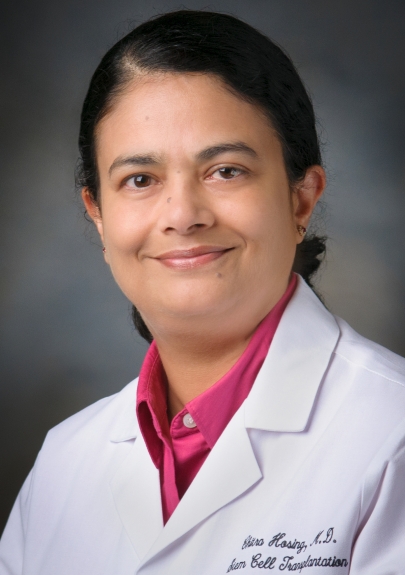 Chitra Hosing合作论文数Department of Stem Cell Transplantation and Cellular Therapy, Division of Cancer Medicine, The University of Texas MD Anderson Cancer Center223
 Uday R Popat合作论文数Department of Stem Cell Transplantation, Division of Cancer Medicine, The University of Texas MD Anderson Cancer Center;Department of Stem Cell Transplant Fellowship, The University of Texas MD Anderson Cancer Center214
 Elizabeth J. Shpall合作论文数Department of Stem Cell Transplantation and Cellular Therapy, Division of Cancer Medicine, The University of Texas MD Anderson Cancer Center202
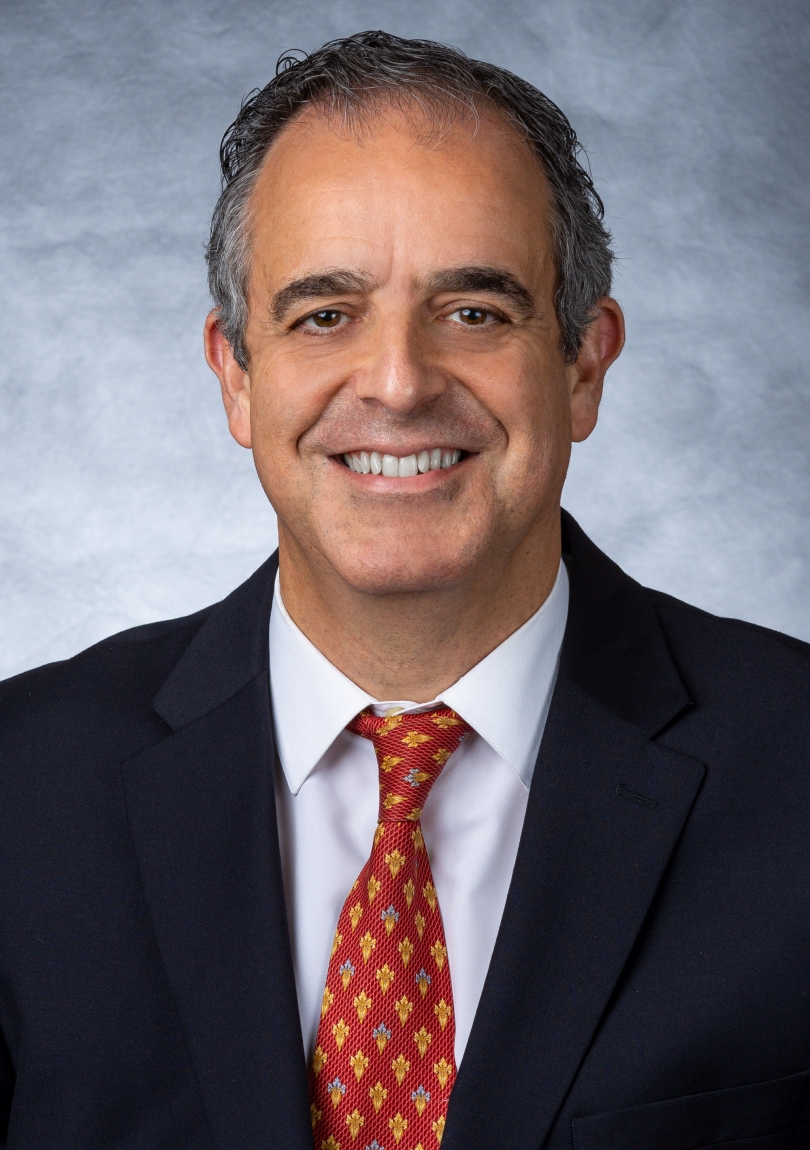 Yago L. Nieto合作论文数Department of Stem Cell Transplantation and Cellular Therapy, Division of Cancer Medicine, The University of Texas MD Anderson Cancer Center189Betul Oran合作论文数159
 Robert Z. Orlowski合作论文数Department of Lymphoma - Myeloma, Division of Cancer Medicine, The University of Texas MD Anderson Cancer Center;Department of Experimental Therapeutics, Division of Cancer Medicine, The University of Texas MD Anderson Cancer Center155
 Amin M. Alousi合作论文数Department of Stem Cell Transplantation and Cellular Therapy, Division of Cancer Medicine, The University of Texas MD Anderson Cancer Center144Samer Srour合作论文数135Gabriela Rondon合作论文数134
 Krina K. Patel合作论文数124
 Stefan Octavian Ciurea合作论文数School of Medicine, University of California, Irvine119Thomas Sheeba K合作论文数117
 Nina Shah合作论文数School of Medicine, University of California, San Francisco115
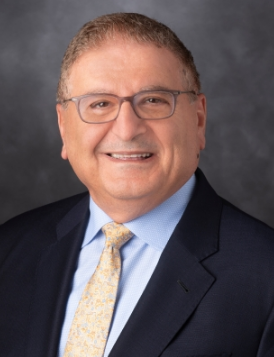 Issa F. Khouri合作论文数Department of Stem Cell Transplantation and Cellular Therapy, Division of Cancer Medicine, The University of Texas MD Anderson Cancer Center113
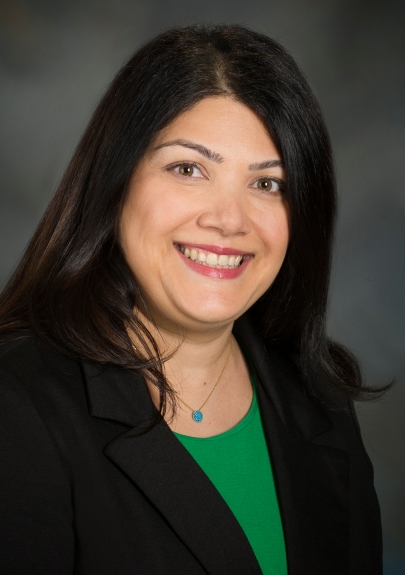 Sairah Ahmed合作论文数Department of Lymphoma/Myeloma, Division of Cancer Medicine, The University of Texas MD Anderson Cancer Center105Saini Neeraj合作论文数Internal Medicine, NSMC104Rohtesh S. Mehta合作论文数102Jeremy L Ramdial合作论文数100Lee Hans C合作论文数100Parmar Simrit合作论文数98Olson Amanda合作论文数92Donna M. Weber合作论文数85David Marin合作论文数84
 Borje S. Andersson合作论文数Department of Stem Cell Transplantation and Cellular Therapy, Division of Cancer Medicine, The University of Texas MD Anderson Cancer Center;College of Pharmacy, University of Houston81Denái Milton合作论文数The University of Texas MD Anderson Cancer Center80Saliba Rima M合作论文数76Alatrash Gheath合作论文数75
 Elisabet Manasanch合作论文数Center for Cancer Research, National Cancer Institute, National Institutes of Health64
 Katayoun Rezvani合作论文数59Oren Pasvolsky合作论文数Inst Hematol, Rabin Med Ctr58Paolo Anderlini合作论文数57Chen Julianne合作论文数52Tanner Mark R合作论文数45Ruby Delgado合作论文数44
 Jatin P. Shah合作论文数David H. Koch Center for Cancer Care, Memorial Sloan Kettering Cancer Center44Roland L. Bassett合作论文数The University of Texas MD Anderson Cancer Center43Paul Lin合作论文数42
 Guilin Tang合作论文数38Jin S. Im合作论文数38
 Sergio A. Giralt合作论文数Division of Hematologic Malignancies, Memorial Sloan Kettering Cancer Center;Weill Cornell Medical College, Memorial Sloan Kettering Cancer Center35Samer Ali Srour合作论文数32
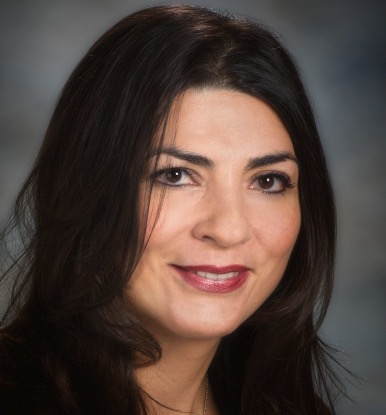 Katy Rezvani合作论文数Department of Stem Cell Transplantation and Cellular Therapy, Division of Cancer Medicine, The University of Texas MD Anderson Cancer Center31de Lima Marcos J合作论文数31
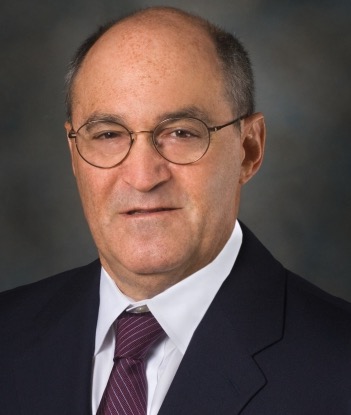 Peter F. Thall合作论文数Department of Biostatistics, The University of Texas MD Anderson Cancer Center31
 Alison Gulbis合作论文数MD Anderson Cancer Center30Yvonne T Dinh合作论文数25




