Deep reinforcement learning (DRL) has gained increasing attention in quantum physics, especially for quantum control problems, as it effectively handles high dimensionality and complex dynamics. However, many existing DRL-based quantum control methods assume full observability of quantum states, which tends to be impractical due to the massive state copies required for precise quantum measurements. To address this, we model quantum control under partial observations and introduce a memory-based DRL (MDRL) method that efficiently handles such scenarios. The proposed MDRL comprises two key components: a memory-based exploration strategy and a memory-based reward scheme. Specifically, the agent is equipped with a biology-inspired brain to memorize information derived from partial observations, including whether an episode is successful and the number of steps spent on a successful episode. The exploration strategy leverages the memorized information to guide interactions with the quantum system, while the reward scheme assigns appropriate rewards, together enabling the agent to learn an effective control strategy. The effectiveness of MDRL is verified by three examples, i.e., one-qubit state control, two-qubit state control, and $T_{x}$ gate design. Numerical results demonstrate that MDRL outperforms several representative DRL algorithms for quantum control.
Chatbot is a type of program model that can interact with people through voice or text. The diversification of application scenarios and the effectiveness of information interaction will make the application of chatbots increasingly popular in the future. Therefore, research on chatbots has high social and economic benefits. We implemented a chatbot model based on the seq2seq architecture in this paper. Then, the attention mechanism is introduced to further optimize the model, and the teacher forcing mechanism is introduced to help the model converge faster throughout the training phase. Based on the LCCC-mini dataset and the Qingyun dataset, a series of dialogue experiments and BLEU metrics are evaluated on the model. The results show that the model incorporating the attention mechanism has significantly improved the response effect of long sequence dialogue compared with the single seq2seq model, and the BLEU-1 to BLEU-4 metrics on both datasets have been improved.
High-fidelity quantum control is one of the key elements in quantum computing and information processing. In view of possible inaccuracies in quantum system modeling and inevitable errors in control fields, the design of robust control fields is of great importance. In this paper, we propose a neural network-based robust control strategy that incorporates physics-informed neural networks (PINNs) and sampling-based learning control techniques for uncertain closed and open quantum systems. We employ the gradient descent algorithm with momentum for the network training, where two methods including direct calculation and automatic differentiation are used to compute the gradient of the loss function with respect to network weights. The direct calculation method demonstrates the internal mechanism of the gradient computation, while the automatic differentiation technology is easier to utilize. We provide some guidelines for the parameter selection of the sampling learning algorithm in the PINN robust control scheme to ensure good control performance. In particular, for open quantum systems with uncertainties, we point out the necessity of fast control. Some simulation experiments are conducted on closed and open systems with uncertainties and the results show the effectiveness of the proposed PINN control scheme in achieving high-fidelity state transfer of uncertain quantum systems.
Tracking the dynamics of a quantum system is conventionally achieved by monitoring the system continuously in time and filtering the information contained in measurement records via the causal quantum trajectory approach. However, in practical scenarios there is often loss of information to the environment, leading to filtered states that are impure because of decoherence. If real-time tracking is not required, the lost information can be maximally extracted via acausal quantum state smoothing, which has been theoretically proven to better restore the system's coherence (purity) than causal filtering. Interestingly, quantum state smoothing requires assumptions of how any lost quantum information (unobserved by the experimenter) was turned into classical information by the environment. In this work, we experimentally demonstrate smoothing scenarios, using an optical parametric oscillator and introducing `observed' and `unobserved' channels by splitting the output beam into two independent homodyne detectors. We achieve improvement in state purification of 10.3
This paper briefly introduces the design and implementation of an intelligent traditional Chinese medicine Q A system based on traditional Chinese medicine knowledge graph and large language models. By integrating the traditional Chinese medicine knowledge graph and natural language processing technology, the system aims to provide efficient traditional Chinese medicine Q A services.
The task to estimate all the parameters of an unknown quantum state, also called quantum state tomography, is essential for characterizing and controlling quantum systems. In this paper, we utilize observable time traces to identify the initial quantum state of a closed quantum system, based on the state space approach in the control theory. In the informationally complete scenario, we show that with a linear regression estimation (LRE), the mean squared error (MSE) scales as O( 1/N) , where N is the resource number. In the informationally incomplete scenario, we introduce regularization LRE to perform the state tomography task. We employ PBH test to demonstrate that closed quantum systems with only one observable are informationally incomplete and propose using d-1 observables, where d is the dimension of the quantum state, for informational completeness. Numerical examples demonstrate the effectiveness of our method.
To provide proof of the evidence-based medicine and decision-making information for the clinical decision of functional gastrointestinal disorders(FGIDs), this study evaluated and compared the efficacy, safety, and economy of four oral Chinese patent medicines(CPMs) in the treatment of FGIDs using the method of rapid health technology assessment. The literature was systematically retrieved from CNKI, Wanfang, VIP, SinoMed, EMbase, PubMed, Cochrane Library and ClinicalTrials.gov from the establishment of the databases to May 1, 2022. Two evaluators screened out the literature, extracted data, evaluated the quality of the literature, and descriptively analyzed the results according to the prepared standard. Eventually, 16 studies were included, all of which was rando-mized controlled trial(RCT). The results showed that Renshen Jianpi Tablets, Renshen Jianpi Pills, Shenling Baizhu Granules, and Buzhong Yiqi Granules all had certain effects on the treatment of FGIDs. Renshen Jianpi Tablets treated FGIDs and persistent diarrhea. Shenling Baizhu Granules treated diarrhea with irritable bowel syndrome and FGIDs. Buzhong Yiqi Granules treated diarrhea with irritable bowel syndrome, FGIDs, and chronic diarrhea in children. Renshen Jianpi Pills treated chronic diarrhea. The four oral CPMs all have certain effects on the treatment of FGIDs and have specific advantages for specific patients. Compared with other CPMs, Renshen Jianpi Tablets have higher clinical universality. However, there are problems such as insufficient clinical research evidence, generally low quality of evidence, lack of comparative analysis among medicines, and lack of academic evaluation. More high-quality clinical research and the economic research should be carried out in the future, so as to provide more evidence for the evaluation of the four CPMs.
目的 从安全性、有效性、经济性、创新性、适宜性、可及性6个维度对人参健脾片治疗功能性胃肠病(FGIDs)进行综合临床评价,为国家基本药物遴选提供依据.方法 采用名义群体法、访谈法和调查问卷法等多种方式构建临床综合评价指标体系,通过文献检索、问卷调查、企业资料搜集等方法获取人参健脾片及3个同类药物(参苓白术颗粒、补中益气颗粒、人参健脾丸)临床证据.采用多准则决策分析模型对药物的临床价值进行综合评估,采用层次分析法计算准则层、指标层、备选方案权重.采用等频离散化原则对评价结果进行分级.结果 安全性证据表明,人参健脾片不良反应主要表现为轻微腹胀和头晕,无严重不良反应,基于现有研究,认为安全性证据较充分,风险较可控,安全性评为A级;临床研究表明,人参健脾片治疗FGIDs在改善腹泻症状方面较布拉氏酵母菌效果好,在改善餐后饱胀不适感、腹部疼痛和慢性腹泻症状体征方面较马来酸曲美布汀片效果好,有效性评为A级;人参健脾片与参苓白术颗粒、补中益气颗粒、人参健脾丸相比,日用药费最低,经济性评为A级;人参健脾片能改善FGIDs的多种临床症状,并且在药品制备工艺方面有多项专利,创新性强,评为A级;在药品的临床使用和患者依从性等方面,人参健脾片问卷调查得分较高,适宜性评为A级;药品药材供应可持续,价格低廉,疗程费用低,销售范围广,购买方便,可及性评为A级.结论 人参健脾片治疗FGIDs的临床价值评A类,建议该药可按程序转化为基本药物目录用药.
目的 利用古今医案云平台(V2.3.2)整理并挖掘名老中医治疗慢性胃炎的用药规律.方法 收集古今医案云平台(V2.3.2)名医医案库中75位名老中医及其书籍中的医案数据,以古今医案云平台(V2.3.2)进行用药频次统计分析、聚类分析、复杂网络分析.结果 共纳入医案423个,涉及中药269味,主要有陈皮、柴胡、茯苓、法半夏、白术、白芍、黄连、黄芩、甘草、党参、砂仁、木香;药性以温、平、微寒为主;药味多属辛、苦、甘;归经主归脾、胃、肺、肝经.高频中药系统聚类分析聚为4组,C1:柴胡、黄芩、法半夏、黄连;C2:陈皮、茯苓、党参、白术、甘草、白芍、砂仁、木香.C2可进一步分为C3与C4,C3:党参、白术、甘草、白芍、砂仁、木香;C4:陈皮、茯苓.复杂网络分析得到4组中医证候及其核心处方,痰热中阻证常用法半夏、枳实、黄连、瓜蒌、吴茱萸、海螵鞘、郁金、延胡索、柴胡、茯苓;肝胃不和证常用柴胡、黄芩、白芍、桂枝、木香、陈皮、茯苓;脾胃气虚证常用陈皮、白术、茯苓、党参、木香;寒热错杂证常用黄连、半夏、黄芩、党参、干姜.结论 名老中医治疗慢性胃炎以行气健脾、清热燥湿、疏肝降逆、滋补胃气为诊疗思路,从虚实、气血、寒热、脏腑4个方面进行辨证.
目的 运用数据挖掘方法分析治疗脂溢性脱发的内服中药复方专利的用药规律,为中药组方优化及临床新药研发提供参考.方法 检索国家知识产权局网站建库至2021年11月1日发布的治疗脂溢性脱发的中药复方专利,采用古今医案云平台(V2.4.3)分析高频中药(频数≥10)的类别、性味、归经,以及中药关联网络,进行层次聚类分析及复杂网络分析,采用Excel2010及R4.2.1软件进行高频药物因子分析.结果 纳入中药复方专利44项,涉及中药179味,其中使用频次最高者为制何首乌,用药以寒性、甘味药为主,归经以肝经为首;高频中药因子分析提取出5个公因子;关联规则及聚类分析分别得到药对组合10个和聚类方3个,核心药物为制何首乌、当归、茯苓、白鲜皮、墨旱莲、女贞子、桑椹、牡丹皮、生地黄、熟地黄、菟丝子、侧柏叶.结论 脂溢性脱发病因病机多与肝肾不足、脾失健运、血热风热等相关,中药复方专利治疗本病以清热解毒、滋补肝肾药为主.
Precise and resilient quantum gate design is important for the building of quantum devices. In this paper, we consider the optimal and robust quantum gate design problem for three classes of two-level quantum systems. The aim is to construct quantum gates in a given fixed time with limited control resources. A modified dueling deep Q-learning (MDuDQL) is employed for the optimal and robust gate design problem. To improve the performance of the classical DuDQL method, we propose a unique semi-Markov DuDQL algorithm based on a modified action selection procedure, modified replay memory, and soft update procedure. The proposed algorithm outperforms ordinary DuDQL in terms of discovering global optimal or near-global optimal control protocols and faster convergence to a better policy. Moreover, the modified DuDQL agent shows improved performance in finding robust control protocols which achieve high-fidelity quantum gate design for varying uncertainties in a certain range. The effectiveness of the proposed algorithm for the optimal and robust gate design problems has been illustrated by numerical results.
Objective: This study analyzed the data of the medical cases in the book, “Clinical Guide Medical records” using a data mining method, to provide a reference for Ye Tianshi's academic thoughts. Methods: We used the web version of the ancient and modern medical records cloud platform to complete distribution statistics, association rules, cluster analysis, and complex network analysis of all the medical records in the “Clinical Guide Medical records.” These methods were used to summarize the baseline data and to identify the core relationship between Chinese medicine diseases and Chinese medicine, as well as the Chinese medicine Classification. Results: A total of 2572 medical records, 3136 visits, and 2879 prescriptions of 1127 traditional Chinese medicines were included in this study. The most common diseases (such as hematemesis), syndromes (such as liver–stomach disharmony), symptoms (such as rapid pulse), disease sites (such as gastric cavity), disease properties (such as Yang deficiency), treatment methods (such as activating Yang), and traditional Chinese medicines (such as Poria cocos) were identified. Furthermore, medicines with a warm, flat, cold, sweet, or bitter taste with its effects on the lungs, spleen, and heart were the most common. The observed effects of the drugs included clearing dampness, promoting diuresis, and strengthening the spleen. The association analysis showed that the associations between TCM diseases and traditional Chinese medicines that had a high confidence were “phlegm and fluid retention–Poria cocos,” “diarrhea–Poria cocos,” etc. The cluster analysis showed that traditional Chinese medicines were classified into five categories. The complex network showed the core relationship between nine high-frequency diseases and nine high-frequency traditional Chinese medicine. Conclusion: This study revealed the most important relationships between traditional Chinese medicines diseases and traditional Chinese medicines and classified the most used traditional Chinese medicines. These findings may help the coming generations of doctors to make accurate diagnoses and treat patients effectively and to improve the clinicians' efficacy in clinical diagnosis and treatment.
In this article, we consider the dynamical modeling of a class of quantum network systems consisting of qubits, where information extraction is allowed by performing measurement on several selected qubits of the system. For a variety of applications, a state space model is a useful approach to modeling the system dynamics. To construct a state space model for a quantum network system, the major task is to find an accessible set containing all of the operators coupled to the measurement operators. This article focuses on the generation of a proper accessible set for a given system and measurement scheme. We provide analytic results on simplifying the process of generating accessible sets for systems with a time-independent Hamiltonian. Since the order of elements in the accessible set determines the form of state space matrices, guidance is provided to effectively arrange the ordering of elements in the state vector. Defining a system state according to the accessible set, one can develop a state space model with a special pattern inherited from the system structure. As a demonstration, we specifically consider a typical 1-D-chain system with several common measurements and employ the proposed method to determine its accessible set.
In this paper, we consider the filtering problem for a hybrid system where a quantum qubit system is disturbed by a classical signal. The quantum filtering theory, which is based on quantum probability theory, can not be directly applied to a hybrid system where a classical stochastic process is also needed in describing the system dynamics. An optical cavity system is employed to model the classical disturbance. By designing the parameters of the auxiliary cavity system, the expectation of the quadrature operator of the cavity shares the same dynamics with the classical signal. With this correspondence guaranteed, one can obtain the real time expectation of the classical signal. The quantum concatenation product is adopted to describe the quantum system which contains both the qubit subsystem and the cavity subsystem. A stochastic master equation, which provides estimates for the quantum state and the classical signal, is given. To reduce the computational complexity, the quantum extended Kalman filter is also applied to this system.
Traditional Chinese Medicine (TCM) clinical intelligent decision-making assistance has been a research hotspot in recent years. However, the recommendations of TCM disease diagnosis based on the current symptoms are difficult to achieve a good accuracy rate because of the ambiguity of the names of TCM diseases. The medical record data downloaded from ancient and modern medical records cloud platform developed by the Institute of Medical Information on TCM of the Chinese Academy of Chinese Medical Sciences (CACMC) and the practice guidelines data in the TCM clinical decision supporting system were utilized as the corpus. Based on the empirical analysis, a variety of improved Naïve Bayes algorithms are presented. The research findings show that the Naïve Bayes algorithm with main symptom weighted and equal probability has achieved better results, with an accuracy rate of 84.2%, which is 15.2% higher than the 69% of the classic Naïve Bayes algorithm (without prior probability). The performance of the Naïve Bayes classifier is greatly improved, and it has certain clinical practicability. The model is currently available at http://tcmcdsmvc.yiankb.com/.
Traditional Chinese Medicine (TCM) clinical intelligent decision-making assistance has been a research hotspot in recent years. However, the recommendations of TCM disease diagnosis based on the current symptoms are difficult to achieve a good accuracy rate because of the ambiguity of the names of TCM diseases. *e medical record data downloaded from ancient and modern medical records cloud platform developed by the Institute of Medical Information on TCM of the Chinese Academy of Chinese Medical Sciences (CACMC) and the practice guidelines data in the TCM clinical decision supporting system were utilized as the corpus. Based on the empirical analysis, a variety of improved Naı̈ve Bayes algorithms are presented. *e research findings show that the Naı̈ve Bayes algorithm with main symptom weighted and equal probability has achieved better results, with an accuracy rate of 84.2%, which is 15.2% higher than the 69% of the classic Naı̈ve Bayes algorithm (without prior probability). *e performance of the Naı̈ve Bayes classifier is greatly improved, and it has certain clinical practicability.*emodel is currently available at http://tcmcdsmvc.yiankb.com/.
Quantum sensors may provide extremely high sensitivity and precision to extract key information in a quantum or classical physical system. A fundamental question is whether a quantum sensor is capable of uniquely inferring unknown parameters in a system for a given structure of the quantum sensor and admissible measurement on the sensor. In this paper, we investigate the capability of a class of quantum sensors which consist of either a single qubit or two qubits. A quantum sensor is coupled to a spin chain system to extract information of unknown parameters in the system. With given initialization and measurement schemes, we employ the similarity transformation approach and the Gröbner basis method to prove that a single-qubit quantum sensor cannot effectively estimate the unknown parameters in the spin chain system while the two-qubit quantum sensor can. The work demonstrates that it is a feasible method to enhance the capability of quantum sensors by increasing the number of qubits in the quantum sensors for some practical applications.
With the rapid development of science and technology, more and more new methods and technologies have been added to the traditional Chinese Medicine Inheritance model, which makes the process of inheritance of famous doctors have more means, and the results of inheritance are more objective, rigorous and intelligent. In the process of inheriting the informationization of famous doctors, there are some bottlenecks, such as data acquisition difficulties, data processing difficulties, algorithm application difficulties, analysis and summary difficulties. Integration of artificial intelligence with big data, deep learning algorithm and knowledge atlas technology has brought technological innovation to the informationization of famous doctors' inheritance. Under this wave, the team of the Intelligent Research and Development Center of Traditional Chinese Medicine, Institute of Traditional Chinese Medicine Information, Chinese Academy of Traditional Chinese Medical Sciences, has developed a series of professional application systems in the field of traditional Chinese medicine around the planning of famous doctors' inheritance and excavation, and has developed ancient Chinese medicine, such as Today's Medical Records Cloud Platform, Medical Records Big Data Analysis Platform, Cloud Medical Records APP, Famous Medical Heritage Workstation. To a certain extent, it can solve the problems of inefficient collection of medical records, lack of objective data support and information barriers in the summary of famous doctors' experience under the limitation of traditional model, so as to promote the inheritance of famous doctors' experience and enhance the teaching ability and efficiency of teachers and apprentices.
In this paper, we consider the filtering problem of an optical parametric oscillator (OPO). The OPO pump power may fluctuate due to environmental disturbances, resulting in uncertainty in the system modeling. Thus, both the state and the unknown parameter may need to be estimated simultaneously. We formulate this problem using a state-space representation of the OPO dynamics. Under the assumption of Gaussianity and proper constraints, the dual Kalman filter method and the joint extended Kalman filter method are employed to simultaneously estimate the system state and the pump power. Numerical examples demonstrate the effectiveness of the proposed algorithms.
Quantum sensing, utilizing quantum techniques to extract key information of a quantum (or classical) system, is a fundamental area in quantum science and technology. For quantum sensors, a basic capability is to uniquely infer unknown parameters in a system based on measurement data from the sensors. In this paper, we investigate the capability of a class of quantum sensors for a spin-12 chain system with unknown parameters. The sensors are composed of qubits which are coupled to the object system and can be initialized and measured. We consider the capability of the single- and two-qubit sensors and show that the capability of single-qubit quantum sensors can be enhanced by adding an extra qubit into the sensor under a certain initialization and measurement setting.
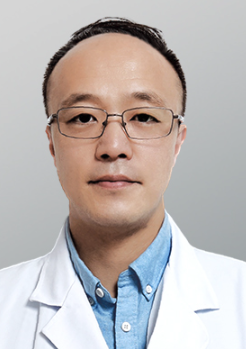 Jinghua Li (李敬华)合作论文数Institute of Information on Traditional Chinese Medicine, China Academy of Chinese Medical Sciences;Beijing Chongwenmen Tcm Hospital14
 Daoyi Dong合作论文数School of Engineering and Information Technology, University of New South Wales, Canberra11
 Ian Petersen合作论文数School of Engineering, College of Engineering, Computing and Cybernetics, Australian National University7
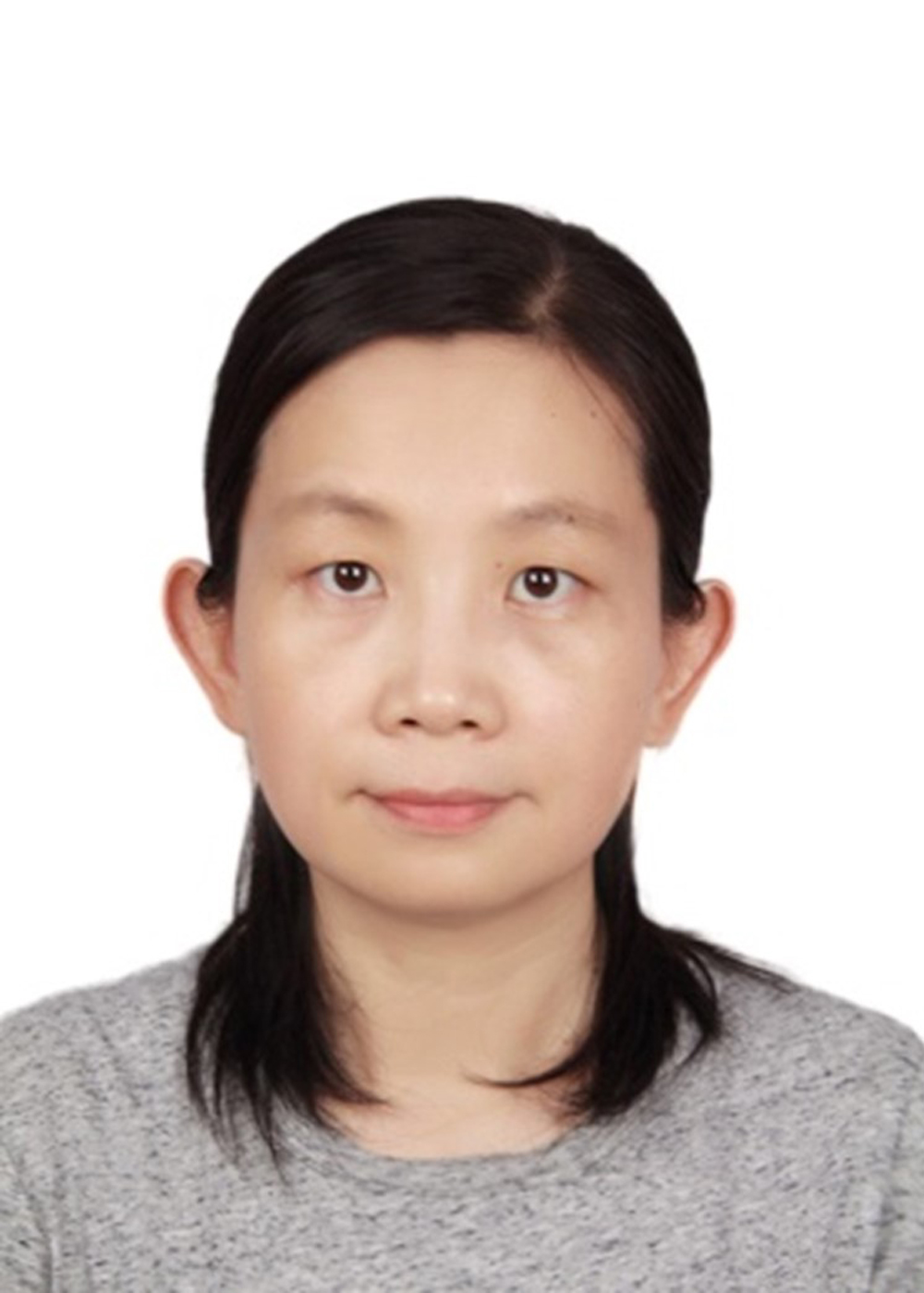 Ling Zhu (朱玲)合作论文数Institute of Information on Traditional Chinese Medicine, China Academy of Chinese Medical Sciences7
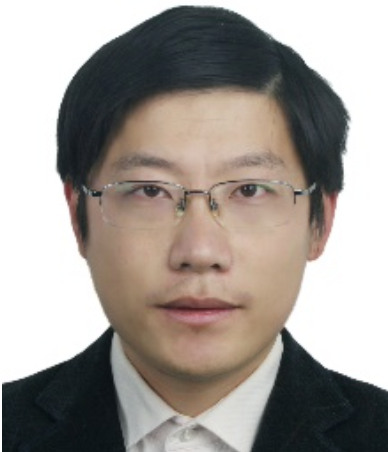 Tong Yu (于彤)合作论文数Institute of Information on Traditional Chinese Medicine, China Academy of Chinese Medical Sciences6
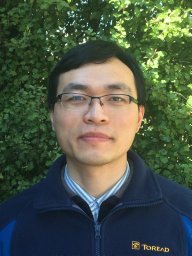 Yuanlong Wang合作论文数School of Engineering and Information Technology, University of New South Wales6
 ZU Yaqi (祖雅琪)合作论文数4
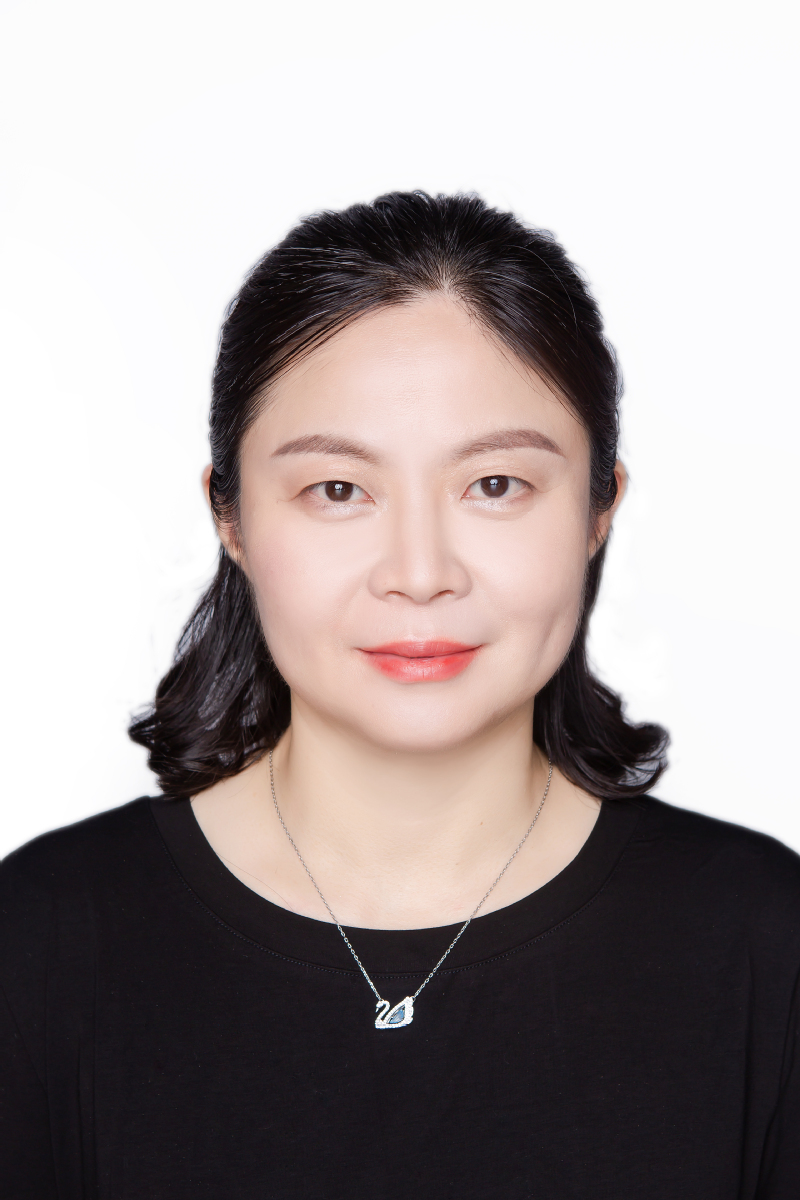 Xinhua Peng (彭新华)合作论文数Department of Modern Physics, School of Physical Sciences, University of Science and Technology of China;Key Laboratory of Microscopic Magnetic Resonance, Chinese Academy of Sciences4Yueguo Gu合作论文数3Qinan Hu合作论文数3ShaoLei Tian (田少雷)合作论文数3
 YingHui Wang (王映辉)合作论文数nstitute of Chinese Medicine Information, China Academy of Chinese Medical Sciences3Zheng Wanting (郑婉婷)合作论文数2Yimeng WANG (王一萌)合作论文数2zirui liu合作论文数2ZhuLv Zhang (张竹绿)合作论文数中国中医科学院中医药信息研究所2
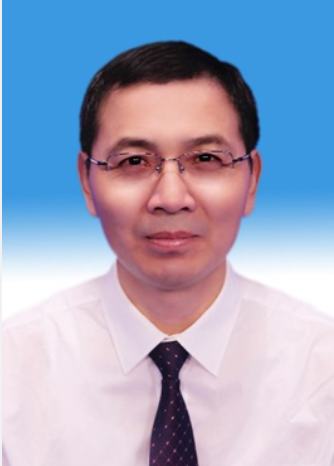 Zongyou Li (李宗友)合作论文数Institute of Information on Traditional Chinese Medicine, China Academy of Chinese Medical Sciences2LiLi Xu (徐丽丽)合作论文数2
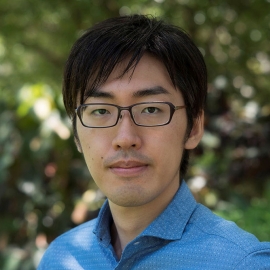 Shota Yokoyama合作论文数School of Engineering & Information Technology, The University of New South Wales Canberra2
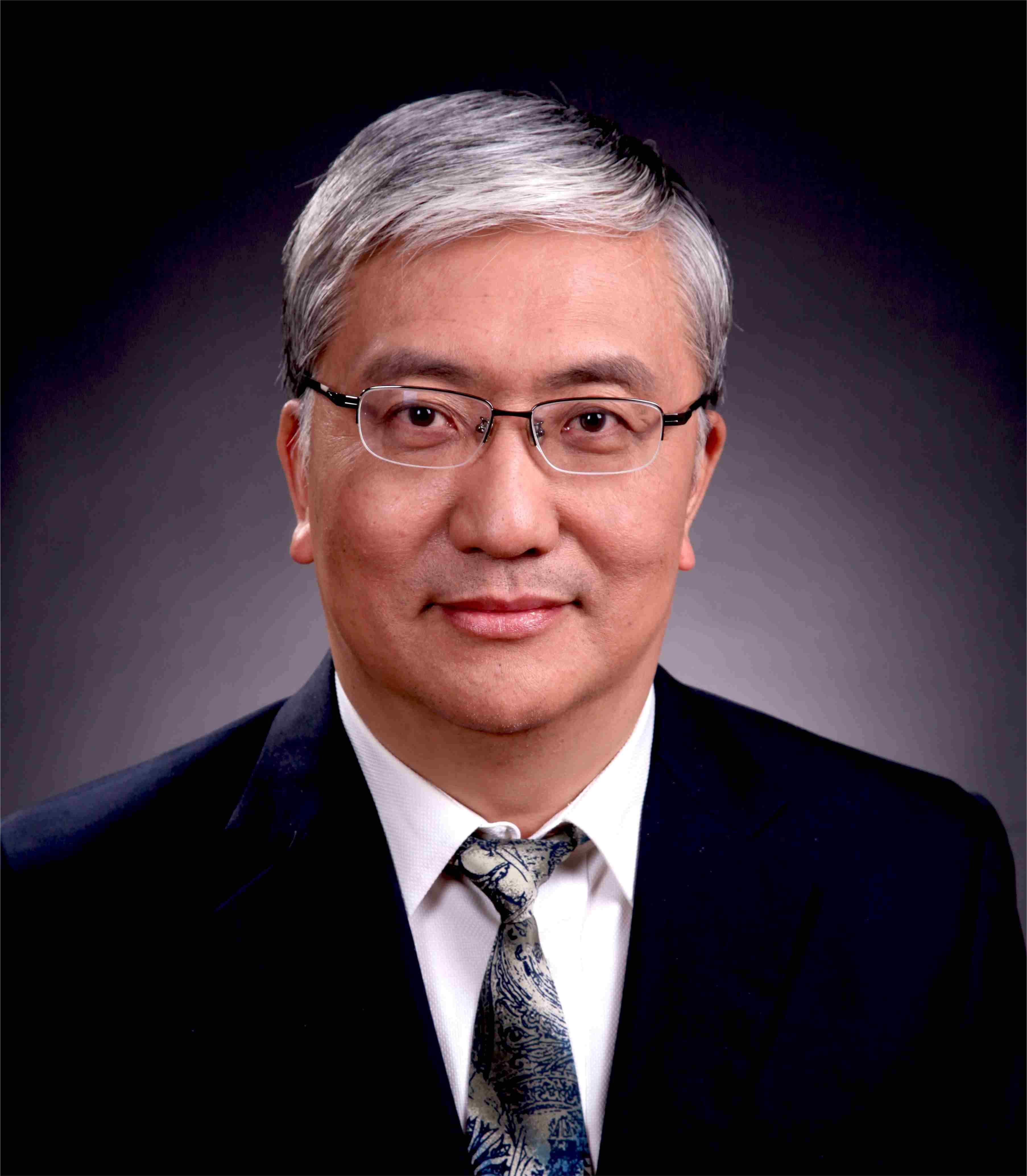 Xudong Tang (唐旭东)合作论文数Xiyuan Hospital of China Academy of Chinese Medical Sciences2Shan Wang合作论文数2Jian Pan合作论文数2
 Zhaokai Li (李兆凯)合作论文数Laboratory of Spin Magnetic Resonance, University of Science and Technology of China;School of Physical Sciences, University of Science and Technology of China2
 Bo Zhou (周波)合作论文数College of Computer Science and Technology, Zhejiang University2
 Li Jun合作论文数2
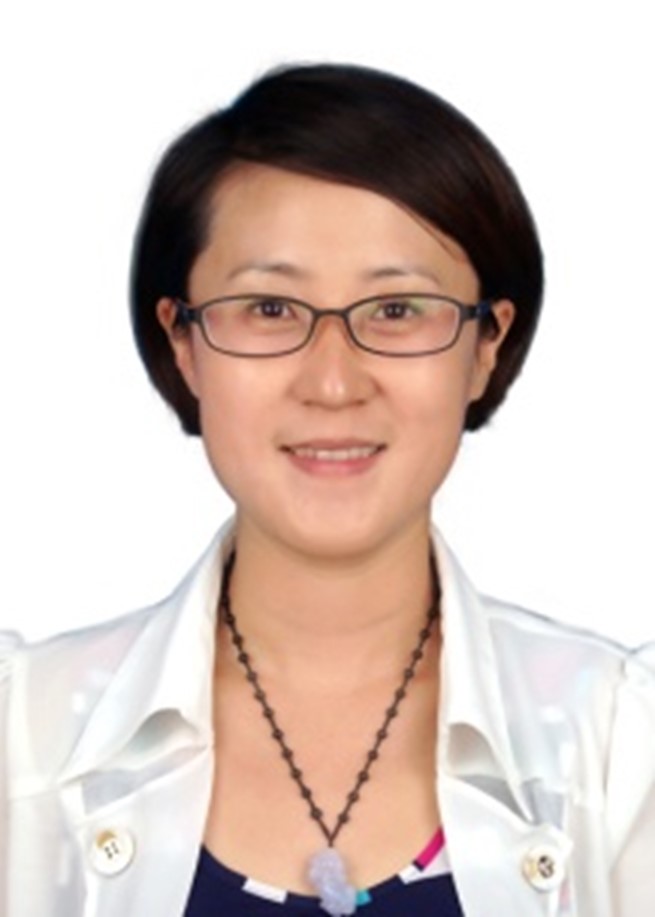 Hongjie Gao (高宏杰)合作论文数Institute of Information on Traditional Chinese Medicine, China Academy of Chinese Medical Sciences2Keting Yin (尹可挺)合作论文数2
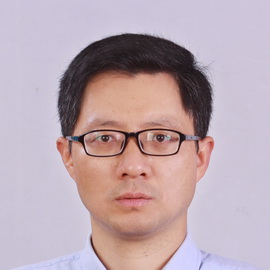 Guoyong Xiang (项国勇)合作论文数Chinese Academy of Sciences;University of Science and Technology of China2
 Jiangfeng Du (杜江峰)合作论文数University of Science and Technology of China;Ministry of Education of the People's Republic of China2
 Hidehiro Yonezawa合作论文数School of Engineering & Information Technology, The University of New South Wales Canberra2David D. McManus合作论文数1
 Omar Shindi合作论文数1Hengyan Wang合作论文数1Yinghui Wang合作论文数1Jiahui Chen合作论文数1
 Shuixin Xiao合作论文数1Wu Yang (吴恙)合作论文数1
 Warit Asavanant合作论文数OptQC Corp.1
 Areeya Chantasri合作论文数Opt & Quantum Phys Lab, Mahidol Univ1
 Parth Girdhar合作论文数Ctr Engn Quantum Syst, Univ Sydney1Jiangyu Cui合作论文数Key Lab Microscale Magnet Resonance, CAS1
 Xiaodong Yang (杨晓冬)合作论文数Suzhou Institute of Biomedical Engineering and Technology, Chinese Academy of Sciences1
 Mang Feng (冯芒)合作论文数Wuhan Institute of Physics and Mathematics, Chinese Academy of Sciences;University of Chinese Academy of Sciences1
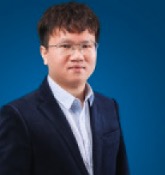 Zhihuang Luo (罗智煌)合作论文数School of Physics and Astronomy, Sun Yat-sen University1
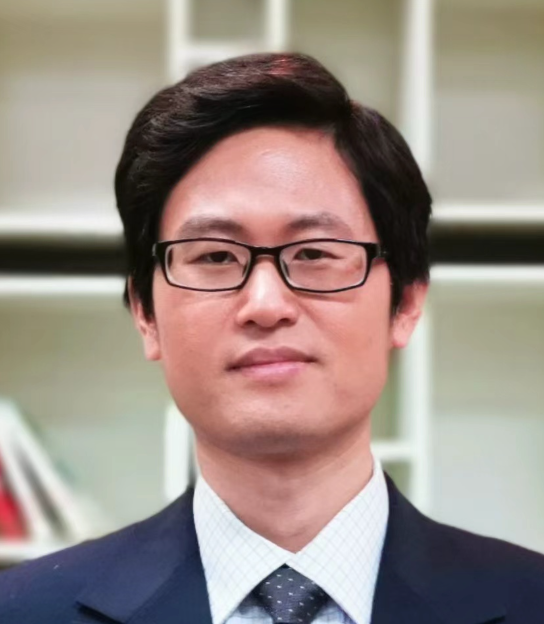 Chunlin Chen (陈春林)合作论文数School of Management and Engineering, Nanjing University1
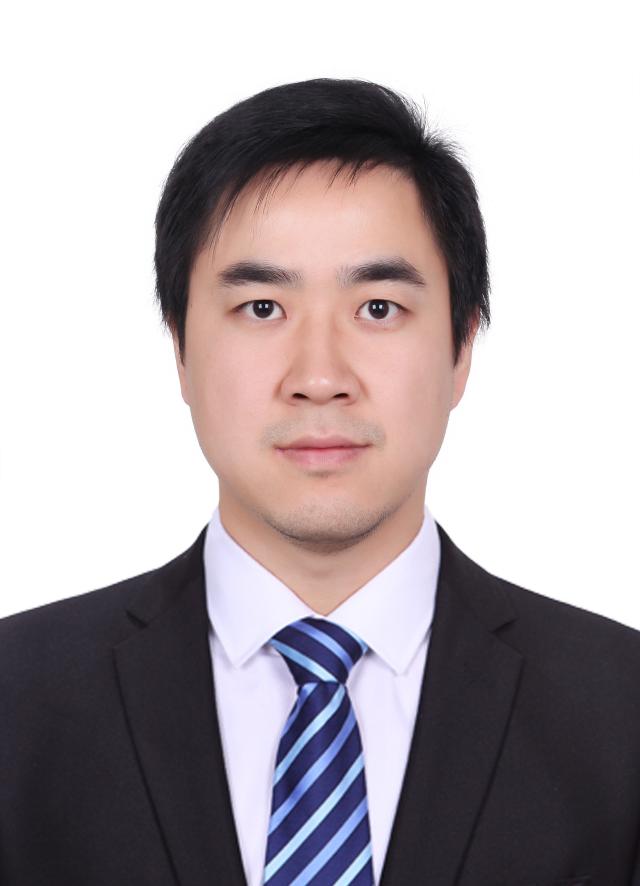 Qing Gao (高庆)合作论文数School of Automation Science and Electrical Engineering, Beihang University1
 Xiaofeng Sun (孙晓峰)合作论文数Institute of Metal Research, Chinese Academy of Sciences1
 Weng-Long Chang合作论文数Department of Information Management, Southern Taiwan University of Technology1
 Howard Wiseman合作论文数Centre for Quantum Dynamics, Griffith University1




