Most studies concluding that living kidney donation does not increase cardiovascular risk have been conducted in low-risk cohorts. As transplant programs increasingly encounter medically complex donors, careful consideration of long-term cardiovascular risks is essential. There is significant variation among institutions in the practices regarding the selection of living donors. This comprehensive review examines the existing evidence on post-donation cardiovascular outcomes, and prevalent risk factors in the donor candidate population including older age, hypertension, prediabetes, diabetes, obesity, dyslipidemias and metabolic syndrome. The use of atherosclerotic cardiovascular risk calculators for coronary artery disease screening and medical optimization is discussed. Data on outcomes with commonly encountered electrocardiographic and echocardiographic abnormalities identified on screening tests in the donor population are essentially non-existent. To address this gap, we review the literature on their prevalence, natural history and outcomes in the general population. Extrapolating from these data, we make recommendations on risk stratification, decision-making regarding donor selection and follow up. Uncertainties in the context of living kidney donation are highlighted. This review underscores the importance of informed consent, and the need for ongoing research regarding long-term cardiovascular effects of kidney donation in higher-risk individuals.
Introduction: Following the 2018 revision to the heart transplantation (HT) allocation policy by UNOS, the criteria for transplant candidates were changed to enhance access to HT and reduce waitlist times. With expanded donor/recipient matching, HT has become more accessible to sicker patients on temporary mechanical circulatory support (tMCS), despite limited data on their long-term survival. Hypothesis: This study aims to investigate the impact of policy revision by comparing post-policy survival outcomes between patients on tMCS and those without. We hypothesized that the probability of survival has not changed for tMCS patients. Methods: The UNOS registry was used for analysis of adult HT recipients prior and after the policy change. The cohort consists of HT between 2018-2019 (n=2280) which was further separated into recipients on tMCS (ECMO, IABP, and/or Impella) at transplant (n=981). The 5-year Kaplan-Meier survival curves and hazard ratios were generated with multivariable Cox regression statistical testing. Transplant recipient characteristics were also compared with t-test and chi-square statistical evaluation. Results: Patients using tMCS in the first year of post-policy HT during 2018-2019 did not have a higher long-term risk of mortality compared patients without tMCS. Regardless of tMCS status, patients that had higher BMI, diabetes, or lengthened hospital stays were observed to have significantly increased risk of mortality (Table 2). The use of tMCS itself was not associated with mortality (Table 2). The 5-year survival did not significantly change between the overall cohort and tMCS patients (p>0.5). Furthermore, there were a significant decrease in female recipients and female donor to male recipient HT with an increase in ischemic time; however, these did not impact the risk of mortality (Table 1). Conclusion: Contrary to preliminary studies of the UNOS policy, this survival consistency suggests that the policy revisions have not adversely impacted long-term HT success, offering insight into allocation strategies. Our findings demonstrate that despite a significant shift in use of tMCS in the post-policy era as well as changes in perioperative factors, the 5-year survival outcomes and mortality risk for HT recipients remain unchanged.
Background In October 2018, a new heart transplant allocation policy was implemented in the United States to address inequalities. Under the new policy, some patient outcomes for patients with heart transplant have improved; however, outcomes of multiorgan transplants combined with heart remain unclear. Methods We examined the waitlist mortality, time to transplant, and posttransplant survival for all patients listed between 2013 and 2022 for multiorgan transplants with heart (n=3798) and compared the old policy era to the new policy era using cumulative incident curves and multivariable Cox regression models. Cumulative incidence curves also compared multiorgan transplants to patients listed for heart alone (n=31 840) under the new policy era. Results Patients awaiting multiorgan transplants had higher use of intra‐aortic balloon pumps (4.7% versus 11%) and extracorporeal membrane oxygenation support (2.4% versus 4.9%) in the new policy era. Under the new policy, despite receiving transplants sooner (n=2200 transplants, hazard ratio [HR], 1.74 [95% CI, 1.59–1.91]), patients who received multiorgan transplants had no change in waitlist mortality (n=340 deaths, HR, 1.06 [95% CI, 0.84–1.34]) compared with the old policy era. The rate of death post‐multiorgan transplant was significantly higher in incidence curves under the new policy compared with the old policy era (log‐rank P=0.02). However, in multivariable Cox models, the risk of death post‐multiorgan transplant was similar under the new policy (n=287 deaths, HR, 1.11 [95% CI, 0.87–1.41]) compared with the old policy era. Conclusions Under the new policy, waitlist deaths have decreased for patients awaiting heart alone, but not for those awaiting multiorgan transplants. Post‐transplant survival remains lower for patients who underwent multiorgan transplant (compared with heart‐alone transplant), with no change under the new policy.
Purpose: Guidance on induction use is not well defined in heart transplantation (HT). The assessment of gene expression profiling (GEP) and donor-derived cell-free DNA (dd-cfDNA) after HT may provide insight into the sustained effects of induction therapy on post-HT outcomes. This study aims to assess the relationship between elevations in dd-cfDNA and GEP in the first 12 months and the utilization of induction among isolated HT recipients.
BACKGROUND:Therapies are needed to address worsening congestion, without hospitalization, in patients with chronic heart failure (HF). OBJECTIVES:This pilot study assessed outcomes of a novel subcutaneous (SC) furosemide formulation compared to usual care in outpatients with worsening congestion. METHODS:Participants with chronic HF and worsening congestion were randomized open-label 2:1 to SC furosemide compared to usual care (UC). Decongestion was estimated by tracking body weight. The primary endpoint was a win ratio of a 30-day hierarchical composite of cardiovascular death, HF events, and change in N-terminal pro-B-type natriuretic peptide. Secondary endpoints included dyspnea severity, functional capacity, and quality of life. RESULTS:Thirty-four participants were randomized to SC furosemide and 17 to UC. SC furosemide caused greater reduction in body weight: between-group difference in least square mean change was -2.02 kg at day 3 (95% CI: -3.9 to -0.14; P = 0.035). SC furosemide-to-UC win ratio was 1.11 (95% CI: 0.48-2.50; P = 0.806). Significant between-group least square mean differences favoring SC furosemide occurred in 7-point dyspnea score (P = 0.017) and 6-minute walk test (P = 0.032), with trend in Kansas City Cardiomyopathy Questionnaire (KCCQ)-12 Overall Summary Score of 9.15 (95% CI: 1.95-20.3; P = 0.106). The most common related adverse event with SC furosemide was mild infusion site pain (11.8%). CONCLUSIONS:SC furosemide augmented weight loss in patients with HF and worsening congestion. The composite primary endpoint was not statistically significant in this pilot investigation. However, findings of improved dyspnea scores and functional capacity, with favorable trend in KCCQ-12 score, warrant additional investigation to further document the clinical value of SC furosemide as an alternative to hospitalization (AT HOME-HF [Avoiding Treatment in the Hospital With Furoscix for the Management of Congestion in Heart Failure-A Pilot Study]; NCT04593823).
Invasive aspergillosis (IA) is a rare and often fatal complication of immunosuppression following orthotopic heart transplant. Prophylaxis plays a crucial role in preventing the emergence of this opportunistic infection. The azole class of medications are the bellwether agents utilized in this patient population. Unfortunately, given their impact on the Cytochrome P450 enzyme system, significant fluctuations in serum tacrolimus concentrations occur when initiating and stopping azole therapy, increasing the risk for prolonged periods of sub-optimal immunosuppression. While there are recommended dosing adjustments for these transition periods based on small data sets primarily with fluconazole, there is no published literature on recommended dosing adjustments for posaconazole. Given our institution utilizes posaconazole as the primary therapeutic for aspergillosis prophylaxis, we aimed to explore and report our local data to better guide dosing decisions during these transition periods.
Despite the availability of potent antiviral therapy and increasingly long prophylaxis courses, cytomegalovirus (CMV) infection continues to negatively affect outcomes after cardiothoracic transplant (CT). CMV antiviral stewardship (AVS) represents an opportunity to implement organ-specific prophylaxis, treatment, and monitoring algorithms while optimizing care of the allograft and patient. Within the nuanced context of heart and lung transplant recipients, CMV prophylaxis, monitoring, and treatment strategies are reviewed for efficacy and safety. These insights highlight opportunities for CMV AVS programs to combine organ- and patient-specific data while implementing CMV guidelines, appropriately adopted to local context by local experts, with concurrent and retrospective evaluation for each patient and the transplant program. By applying concepts of CMV AVS currently practiced in abdominal transplant, CT programs can work to improve graft and patient outcomes related to CMV, including ongoing challenges such as atherosclerosis and impaired endothelial function in heart transplant recipients and chronic lung allograft dysfunction in lung transplant recipients. While implementation of CMV AVS is not without challenges, it also represents an opportunity for multidisciplinary teams to foster the development of CMV-specific cell-mediated immunity and improve long-term outcomes.
BackgroundMolecular testing with gene expression profiling (GEP) and donor-derived cell-free DNA (dd-cfDNA) is increasingly used in the surveillance for acute cellular rejection (ACR) after heart transplant. However, the performance of dual testing over each test individually has not been established. Further, the impact of dual non-invasive surveillance on clinical decision-making has not been widely investigated.MethodsWe evaluated 2077 subjects from the SHORE registry who were enrolled between 2018 and 2021 and had verified biopsy data, and were categorized as dual negative, GEP positive/dd-cfDNA negative, GEP negative/dd-cfDNA positive, or dual positive. Incidence of ACR and follow-up testing rates for each group were evaluated. Positive likelihood ratios (LR+) were calculated and biopsy rates over time were analyzed.ResultsThe incidence of ACR was 1.5% for dual negative, 1.9% for GEP positive/dd-cfDNA negative, 4.3% for GEP negative/dd-cfDNA positive and 9.2% for dual positive groups. Follow-up biopsies were performed after 8.8% for dual negative, 14.2% for GEP positive/dd-cfDNA negative, 22.8% for GEP negative/dd-cfDNA positive and 35.4% for dual positive results. The LR+ for ACR was 1.37, 2.91 and 3.90 for GEP positive, dd-cfDNA positive and dual positive testing, respectively. From 2018-2021, first-year biopsy rates declined from 5.9 to 5.3 biopsies/patient, and second year from 1.5 to 0.9 biopsies/patient. At two-years, survival was 94.9% and only 2.7% had graft dysfunction.ConclusionsDual molecular testing demonstrated improved performance for ACR surveillance compared to single molecular testing. Use of dual non-invasive testing was associated with lower biopsy rates over time, excellent survival, and low incidence of graft dysfunction.
BACKGROUND: While tricuspid annular plane systolic excursion (TAPSE) captures the predominant longitudinal motion of the right ventricle (RV), it does not account for ventricular morphology and radial motion changes in various forms of pulmonary hypertension. This study aims to account for both longitudinal and radial motions by dividing TAPSE by RV area and to assess its clinical significance. METHODS: We performed a retrospective analysis of 71 subjects with New York Heart Association class II to III dyspnea who underwent echocardiogram and invasive cardiopulmonary exercise testing (which defined 4 hemodynamic groups: control, isolated postcapillary pulmonary hypertension, combined postcapillary pulmonary hypertension, and pulmonary arterial hypertension). On the echocardiogram, TAPSE was divided by RV area in diastole (TAPSE/RVA-D) and systole (TAPSE/RVA-S). Analyses included correlations (Pearson and linear regression), receiver operating characteristic, and survival curves. RESULTS: On linear regression analysis, TAPSE/RVA metrics (versus TAPSE) had a stronger correlation with pulmonary artery compliance (r=0.48–0.54 versus 0.38) and peak VO 2 percentage predicted (0.23–0.30 versus 0.18). Based on the receiver operating characteristic analysis, pulmonary artery compliance ≥3 mL/mm Hg was identified by TAPSE/RVA-D with an under the curve (AUC) of 0.79 (optimal cutoff ≥1.1) and by TAPSE/RVA-S with an AUC of 0.83 (optimal cutoff ≥1.5), but by TAPSE with only an AUC of 0.67. Similarly, to identify peak VO 2 <50% predicted, AUC of 0.66 for TAPSE/RVA-D and AUC of 0.65 for TAPSE/RVA-S. Death or cardiovascular hospitalization at 12 months was associated with TAPSE/RVA-D ≥1.1 (HR, 0.38 [95% CI, 0.11–0.56]) and TAPSE/RVA-S ≥1.5 (HR, 0.44 [95% CI, 0.16–0.78]), while TAPSE was not associated with adverse outcomes (HR, 0.99 [95% CI, 0.53–1.94]). Among 31 subjects with available cardiac magnetic resonance imaging, RV ejection fraction was better correlated with novel metrics (TAPSE/RVA-D r=0.378 and TAPSE/RVA-S r=0.328) than TAPSE (r=0.082). CONCLUSIONS: In a broad cohort with suspected pulmonary hypertension, TAPSE divided by RV area was superior to TAPSE alone in correlations with pulmonary compliance and exercise capacity. As a prognostic marker of right heart function, TAPSE/RVA-D <1.1 and TAPSE/RVA-S <1.5 predicted adverse cardiovascular outcomes.
IMPORTANCE Pretransplant obesity and higher pulmonary vascular resistance (PVR) are risk factors for death after heart transplant. However, it remains unclear whether appropriate donor-torecipient size matching using predicted heart mass (PHM) is associated with lower risk. OBJECTIVE To investigate the association of size matching using PHM with risk of death posttransplant among patients with obesity and/or higher PVR. DESIGN, SETTING, AND PARTICIPANTS All adult patients (>18 years) who underwent heart transplant between 2003 and 2022 with available information using the United Network for Organ Sharing cohort database. Multivariable Cox models and multivariable-adjusted spline curves were used to examine the risk of death posttransplant with PHM matching. Data were analyzed from October 2022 to March 2023. EXPOSURE Recipient's body mass index (BMI) in categories (<18.0 [underweight], 18.1-24.9 [normal weight, reference], 25.0-29.9 [overweight], 30.0-34.9 [obese 1], 35-39.9 [obese 2], and similar to 40.0 [obese 3]) and recipient's pretransplant PVR in categories of less than 4 (29 061 participants), 4 to 6 (2842 participants), and more than 6Wood units (968 participants); and less than 3 (24 950 participants), 3 to 5 (6115 participants), and 5 or more (1806 participants) Wood units. MAIN OUTCOME All-cause death posttransplant on follow-up. RESULTS The mean (SD) age of the cohort of 37 712 was 52.8 (12.8) years, 27 976 (74%) were male, 25 342 were non-Hispanic White (68.0%), 7664 were Black (20.4%), and 3139 were Hispanic or Latino (8.5%). A total of 12 413 recipients (32.9%) had a normal BMI, 13 849 (36.7%) had overweight, and 10 814 (28.7%) had obesity. On follow-up (median [IQR] 5.05 [0-19.4] years), 12 785 recipients (3046 female) died. For patients with normal weight, overweight, or obese 2, receiving a PHM-undermatched heart was associated with an increased risk of death (normal weight hazard ratio [HR], 1.20; 95% CI, 1.07-1.34; overweight HR, 1.12; 95% CI, 1.02-1.23; and obese 2 HR, 1.07; 95% CI, 1.01-1.14). Moreover, patients with higher pretransplant PVR who received an undermatched heart had a higher risk of death posttransplant in multivariable-adjusted spline curves in graded fashion until appropriately matched. In contrast, risk of death among patients receiving a PHM-overmatched heart did not differ from the appropriately matched group, including in recipients with an elevated pretransplant PVR. CONCLUSION AND RELEVANCE In this cohort study, undermatching donor-to-recipient size according to PHM was associated with higher posttransplant mortality, specifically in patients with normal weight, overweight, or class II obesity and in patients with elevated pretransplant PVR. Overmatching donor-to-recipient size was not associated with posttransplant survival.
Background The definition of isolated cardiac sarcoidosis (ICS) has been proposed recently by the Japanese Circulation Society (JCS) based only on clinical and imaging criteria. However, little is known about the clinical features of ICS and if they differ from those with systemic sarcoidosis with cardiac sarcoidosis (SCS). The aim of this study was to evaluate the clinical presentation and outcomes in patients with ICS compared to patients with SCS. Methods We retrospectively reviewed 60 consecutive patients with suspicion of cardiac sarcoidosis from 2016-2019 who underwent whole‐body and cardiac F18-fluorodeoxyglucose positron emission tomography (FDG-PET). ICS and SCS were diagnosed by histological and clinical criteria as outlined in the Heart Rhythm Society guidelines and the updated JSC guidelines. The end points were recurrent sustained ventricular arrhythmias (VA), appropriate implantable cardio defibrillator (ICD) shock, admission for heart failure (HF) and cardiac death. Results 43 patients with SCS and 17 patients (28 %) with ICS were identified in the study. The frequency of atrioventricular block (AV Block), ventricular tachycardia (VT), VT/ventricular fibrillation (VF) arrest, syncope, left ventricular dysfunction, presence of late gadolinium enhancement (LGE) on cardiac MRI (CMR), and FDG cardiac uptake on FDG-PET, did not differ between the two groups. The use of immunosuppression was significantly lower amongst patients with ICS (39%) vs. patients with SCS (79%) (p < 0.001). There were no statistically significant differences between the two group's clinical outcomes including recurrent VA (ICS: 35 % vs 27 % in SCS, p =0.6), appropriate ICD shock, HF admission, cardiac death. Conclusion Patients diagnosed with ICS have similar rates of important clinical events as compared to patients with SCS. The use of immunosuppression was lower in ICS, which may have affected the observed outcomes. Further studies are warranted to characterize this population to allow adequate management and treatment. The definition of isolated cardiac sarcoidosis (ICS) has been proposed recently by the Japanese Circulation Society (JCS) based only on clinical and imaging criteria. However, little is known about the clinical features of ICS and if they differ from those with systemic sarcoidosis with cardiac sarcoidosis (SCS). The aim of this study was to evaluate the clinical presentation and outcomes in patients with ICS compared to patients with SCS. We retrospectively reviewed 60 consecutive patients with suspicion of cardiac sarcoidosis from 2016-2019 who underwent whole‐body and cardiac F18-fluorodeoxyglucose positron emission tomography (FDG-PET). ICS and SCS were diagnosed by histological and clinical criteria as outlined in the Heart Rhythm Society guidelines and the updated JSC guidelines. The end points were recurrent sustained ventricular arrhythmias (VA), appropriate implantable cardio defibrillator (ICD) shock, admission for heart failure (HF) and cardiac death. 43 patients with SCS and 17 patients (28 %) with ICS were identified in the study. The frequency of atrioventricular block (AV Block), ventricular tachycardia (VT), VT/ventricular fibrillation (VF) arrest, syncope, left ventricular dysfunction, presence of late gadolinium enhancement (LGE) on cardiac MRI (CMR), and FDG cardiac uptake on FDG-PET, did not differ between the two groups. The use of immunosuppression was significantly lower amongst patients with ICS (39%) vs. patients with SCS (79%) (p < 0.001). There were no statistically significant differences between the two group's clinical outcomes including recurrent VA (ICS: 35 % vs 27 % in SCS, p =0.6), appropriate ICD shock, HF admission, cardiac death. Patients diagnosed with ICS have similar rates of important clinical events as compared to patients with SCS. The use of immunosuppression was lower in ICS, which may have affected the observed outcomes. Further studies are warranted to characterize this population to allow adequate management and treatment.
Purpose: Intravenous contrast poses challenges to computed tomography (CT) muscle density analysis. We developed and tested corrections for contrast-enhanced CT muscle density to improve muscle analysis and the utility of CT scans for the assessment of myosteatosis. Materials and Methods: Using retrospective images from 240 adults who received routine abdominal CT imaging from March to November 2020 with weight-based iodine contrast, we obtained paraspinal muscle density measurements from noncontrast (NC), arterial, and venous-phase images. We used a calibration sample to develop 9 different mean and regression–based corrections for the effect of contrast. We applied the corrections in a validation sample and conducted equivalence testing. Results: We evaluated 140 patients (mean age 52.0 y [SD: 18.3]; 60% female) in the calibration sample and 100 patients (mean age 54.8 y [SD: 18.9]; 60% female) in the validation sample. Contrast-enhanced muscle density was higher than NC by 8.6 HU (SD: 6.2) for the arterial phase (female, 10.4 HU [SD: 5.7]; male, 6.0 HU [SD:6.0]) and by 6.4 HU [SD:8.1] for the venous phase (female, 8.0 HU [SD: 8.6]; male, 4.0 HU [SD: 6.6]). Corrected contrast-enhanced and NC muscle density was equivalent within 3 HU for all correctionns. The −7.5 HU correction, independent of sex and phase, performed well for arterial (95% CI: −0.18, 1.80 HU) and venous-phase data (95% CI: −0.88, 1.41 HU). Conclusions: Our validated correction factor of −7.5 HU renders contrast-enhanced muscle density statistically similar to NC density and is a feasible rule-of-thumb for clinicians to implement.
Introduction: Frailty is a state of increased vulnerability and decline in multi-organ physiologic reserve. Among patients considered for left ventricular assist device (LVAD), frailty is associated with increased morbidity and mortality. However, a biomarker profile that is associated with the presence of frailty and reflects multiorgan dysfunction is unknown. Methods: We selected all patients from Interagency Registry for Mechanical Assisted Circulatory Support (INTERMACS) national database who underwent an LVAD between years 2006-2017 and had available data on provider-assessed frailty (n=21,977; 4,659 females). Then, using several pre-implant variables (n=32) such as vitals, right heart catheterization hemodynamics, echocardiographic and serum biomarkers we created a stepwise multivariable logistic regression model that allowed every variable to enter or leave the model at a significance of 0.05 to examine the odds of provider-assessed frailty prior to LVAD. Results Frailty was present in 968 patients (238 females; mean age 63.1yrs). Frail patients were more likely to be older, had higher levels of blood urea nitrogen (BUN), alanine transaminase, total bilirubin, lactate dehydrogenase, B-type natriuretic peptide (BNP), N-terminal proBNP, international normalized ratio (INR) and white blood cell counts but lower albumin, prealbumin, hemoglobin and platelet counts (p <0.05 for all comparisons). In stepwise logistic regression model, advancing age, higher bilirubin, BUN, INR and a lower albumin, hemoglobin, creatinine and platelets levels were the remaining variables associated with higher odds of frailty (see table). Conclusion In our study, 7 commonly obtained serum biomarkers and age were associated with presence of frailty. Future studies will examine if treatment that ensures modifying these biomarkers can reduce the risk of post-LVAD morbidity and mortality. Table
1. Introduction: While tricuspid annular plane systolic excursion (TAPSE) captures the predominant longitudinal motion of right ventricle (RV), it may not accurately predict ventricular function as the RV dilates. Hence, normalizing TAPSE to ventricular area (in systole: TAPSE/RV-area-S, and diastole: TAPSE/RV-area-D) may lead to improved assessment of right heart function. In this study, we aim to determine the utility of RV size-indexed-TAPSE metrics in predicting exercise capacity and clinical outcomes. 2. Methods: We perform a retrospective analysis of 71 consecutive subjects undergoing invasive exercise hemodynamics with cardiopulmonary exercise test for evaluation of dyspnea. Patients were classified into four groups: pulmonary arterial hypertension, isolated post-capillary, combined pre-/post-capillary PH, and control (no PH) based on hemodynamic analysis. Transthoracic echocardiogram data included: TAPSE (mm), TAPSE-index-D (RV end-diastole area in cm), and TAPSE-index-S (RV end-systole area in cm). Subjects were followed for 12 months after hemodynamic study for adverse events (death, heart failure hospitalization). 3. Results: On ROC analysis of indexed-TAPSE to predict pulmonary compliance (>3.0 ml/mmHg), we identified optimal cutoff of 1.1 for TAPSE-index-D (AUC=0.792, p<0.001), 1.5 for TAPSE-index-S (AUC=0.827, p<0.001), and 17 mm for TAPSE (AUC=0.672, p=0.005). Similar results were obtained for predicting %predicted VO 2 max (>50%). We dichotomized indexed-TAPSE based on ROC analysis. As shown in the Figure, compared to the current recommended TAPSE cut-off of 17 mm, RV size-indexed TAPSE metrics were both superior in predicting adverse outcome (p<0.01). 4. Discussion/Conclusion: Normalizing TAPSE to RV size can capture longitudinal and radial motion of the RV as the ventricle dilates and have better ability to predict clinical outcomes (death and HF hospitalization).
Purpose : Systemic blood pressure is known to display a circadian rhythm in most healthy individuals, characterized by a nocturnal fall and a diurnal rise. Dysregulation of this pattern is associated with higher risk of cardiovascular disease. However, the circadian rhythm in the pulmonary arterial circulation and its impact on cardiovascular disease is less established. The aim of this study is to perform a preliminary investigation of any circadian variations of pulmonary artery (PA) pressures in patients with implanted cardiomem devices. Methods : Among 15 subjects with heart failure with preserved ejection fraction (HFpEF) and an implanted cardiomem device who were offered participation in this study, four subjects enrolled. Study participants recorded PA pressure signals three times a day: AM (7-9AM), mid-day (Noon-2PM), and PM (7-9PM). We excluded the readings that were preceded by changes in the diuretic regimen (change in dose and/or prn use of metolazone) within 3 days prior to the reading. Results : In the first two subjects (#1 and #2), we identified a "steady trend or slight rise" in PA pressures from morning-to-evening. These subjects had clinical stability (defined as no hospitalizations within the last year or medication changes within last 3-months), and relatively well controlled risk factors (diabetes, hypertension, sleep apnea). In the other two subjects (#3 and #4), we identified a "drop" in PA pressures from morning-to-evening. Subjects #3 and #4 have poorly controlled sleep-disordered breathing and DM, respectively. Both of these disease processes have been implicated in circadian misalignment of systemic BP. Conclusion : Based on these preliminary findings, a diurnal rise or steady PA pressures may reflect well-controlled risk factors in HFpEF. However, a nocturnal rise may indicate poorly controlled risk factors like sleep apnea or metabolic syndrome. Future studies are needed to confirm the circadian misalignment and its impact on cardiovascular outcomes. : Systemic blood pressure is known to display a circadian rhythm in most healthy individuals, characterized by a nocturnal fall and a diurnal rise. Dysregulation of this pattern is associated with higher risk of cardiovascular disease. However, the circadian rhythm in the pulmonary arterial circulation and its impact on cardiovascular disease is less established. The aim of this study is to perform a preliminary investigation of any circadian variations of pulmonary artery (PA) pressures in patients with implanted cardiomem devices. : Among 15 subjects with heart failure with preserved ejection fraction (HFpEF) and an implanted cardiomem device who were offered participation in this study, four subjects enrolled. Study participants recorded PA pressure signals three times a day: AM (7-9AM), mid-day (Noon-2PM), and PM (7-9PM). We excluded the readings that were preceded by changes in the diuretic regimen (change in dose and/or prn use of metolazone) within 3 days prior to the reading. : In the first two subjects (#1 and #2), we identified a "steady trend or slight rise" in PA pressures from morning-to-evening. These subjects had clinical stability (defined as no hospitalizations within the last year or medication changes within last 3-months), and relatively well controlled risk factors (diabetes, hypertension, sleep apnea). In the other two subjects (#3 and #4), we identified a "drop" in PA pressures from morning-to-evening. Subjects #3 and #4 have poorly controlled sleep-disordered breathing and DM, respectively. Both of these disease processes have been implicated in circadian misalignment of systemic BP. : Based on these preliminary findings, a diurnal rise or steady PA pressures may reflect well-controlled risk factors in HFpEF. However, a nocturnal rise may indicate poorly controlled risk factors like sleep apnea or metabolic syndrome. Future studies are needed to confirm the circadian misalignment and its impact on cardiovascular outcomes.
BACKGROUND:Continuous flow left ventricular assist devices have improved outcomes in patients with end-stage heart failure that require mechanical circulatory support. Current devices have an adverse event profile that has hindered widespread application. The EVAHEART®2 left ventricular assist device (EVA2) has design features such as large blood gaps, lower pump speeds and an inflow cannula that does not protrude into the left ventricle that may mitigate the adverse events currently seen with other continuous flow devices. METHODS:A prospective, multi-center randomized non-inferiority study, COMPETENCE Trial, is underway to assess non-inferiority of the EVA2 to the HeartMate 3 LVAS when used for the treatment of refractory advanced heart failure. The primary end-point is a composite of the individual primary outcomes: Survival to cardiac transplant or device explant for recovery; Free from disabling stroke; Free from severe Right Heart Failure after implantation of original device. Randomization is in a 2:1 (EVA2:HM3) ratio. RESULTS:The first patient was enrolled into the COMPETENCE Trial in December of 2020, and 25 subjects (16 EVA2 and 9 HM3) are currently enrolled. Enrollment of a safety cohort is projected to be completed by third quarter of 2022 at which time an interim analysis will be performed. Short-term cohort (92 EVA2 subjects) and long-term cohort is expected to be completed by the end of 2023 and 2024, respectively. CONCLUSIONS:The design features of the EVA2 such as a novel inflow cannula and large blood gaps may improve clinical outcomes but require further study. The ongoing COMPETENCE trial is designed to determine if the EVA2 is non-inferior to the HM3.
 Farhan Raza合作论文数Department of Medicine, School of Medicine and Public Health, University of Wisconsin-Madison21
 Timothy Hess合作论文数16
 Naga Dharmavaram合作论文数14
 Jason William Smith合作论文数12
 Vasan Ramachandran合作论文数Department of Quantitative and Qualitative Health Sciences, School of Public Health, The University of Texas Health Science Center at San Antonio;College of Health, Community and Policy, The University of Texas at San Antonio12James Runo合作论文数10Aurangzeb Baber合作论文数9
 Lucian Lozonschi合作论文数9
 Maryl Johnson合作论文数Department of Medicine, School of Medicine and Public Health, University of Wisconsin-Madison8
 Fiedler Amy合作论文数Division of Cardiac Surgery, Brigham and Women's Hospital, Boston, Massachusetts.8Takushi Kohmoto合作论文数8
 Shahab Akhter合作论文数7Ran Tao合作论文数7
 Ralph B. D'Agostino Sr.合作论文数Statistics and Consulting Unit, Department of Mathematics and Statistics, Boston University7
 Thomas Wang合作论文数Department of Internal Medicine, UT Southwestern Medical Center;Clements University Hospital7
 Sofia C Masri合作论文数Thomas Jefferson University Hospitals;Jefferson Methodist Hospital;University of Washington7Joshua Hermsen合作论文数6David Murray合作论文数5
 Emelia J. Benjamin合作论文数Chobanian and Avedisian School of Medicine, Boston University;School of Public Health, Boston University5
 John Michael Gaziano合作论文数Division of Aging, Brigham and Women's Hospital;Harvard Medical School5Adam Kuchnia合作论文数4Marlowe Eldridge合作论文数4Didier Mandelbrot合作论文数4
 Peter Rahko合作论文数Department of Medicine, School of Medicine and Public Health, University of Wisconsin-Madison4
 Caroline S. Fox合作论文数Brigham and Women's Hospital4
 Naomi Chesler合作论文数Department of Biomedical Engineering;University of Wisconsin;Department of Biomedical Engineering, University of Wisconsin4Nathan Wheeler合作论文数3Shannon Heffernan合作论文数3
 Satoru Osaki合作论文数Division of Cardiothoracic Surgery, Department of Surgery, University of Wisconsin-Madison3
 Sandesh Parajuli合作论文数Department of Medicine, School of Medicine and Public Health, University of Wisconsin-Madison3
 Lisa M. Sullivan合作论文数School of Public Health, Boston University;Evans Center for Interdisciplinary Biomedical Research, Boston University3
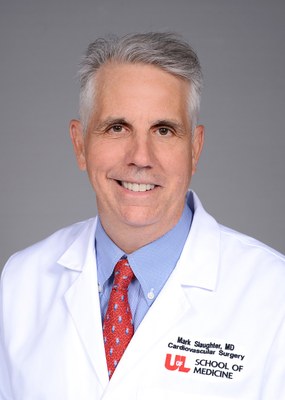 Mark S. Slaughter合作论文数Department of Cardiovascular and Thoracic Surgery, School of Medical, University of Louisville3Kusmirek Joanna合作论文数3Konstam Jeremy合作论文数University of Massachusetts Medical School3
 Marvin Konstam合作论文数Cardiovascular Center, Tufts Medical Center, Tufts University;School of Medicine, Tufts University3
 Daniel Levy合作论文数Laboratory for Cardiovascular Epidemiology and Genomics, National Heart, Lung, and Blood Institute, National Institutes of Health;Chobanian & Avedisian School of Medicine, Boston University3
 James B. Meigs合作论文数Division of Nutrition, Harvard Medical School;Department of Medicine, Harvard Medical School;General Internal Medicine, Massachusetts General Hospital3
 Christopher Francois合作论文数School of Medicine and Public Health, University of Wisconsin-Madison3
 James Udelson合作论文数CardioVascular Center, Tufts University School of Medicine;Division of Cardiology, Tufts Medical Center, Tufts University3
 Philimon Gona合作论文数The NHLBI's Framingham Heart Study3Thomas M. Ellis合作论文数3Michael S. Kiernan合作论文数3
 Dhanunjaya D J Lakkireddy合作论文数Overland Park Regional Medical Center, Kansas City Heart Rhythm Institute, HCA Midwest Health;Belton Regional Medical Center, Kansas City Heart Rhythm Institute, HCA Midwest Health;University of Missouri2Kenneth Korr合作论文数2Arthur Chandler合作论文数2Matthew Romeling合作论文数2Inga Melvinsdottir合作论文数2Furqan Rajput合作论文数2Roderick Deano合作论文数2




