TPS1677 Background: Identification of pathogenic germline variants (PGV) in patients with solid tumors is critical for directing targeted therapies, surveillance, and cascade testing for family members. Despite established National Comprehensive Cancer Network (NCCN) guidelines, uptake of genetic counseling and testing (GCT) remains suboptimal, with recent data suggesting <7% utilization in some cancer populations. Barriers are pronounced in community oncology settings due to limited access to genetic counselors and reliance on physician-initiated referrals. Oncology nurses routinely provide education during systemic therapy initiation, presenting a unique, underutilized touchpoint to bridge this gap. The GENESIS study (NCT06436157) evaluates the feasibility and impact of a novel, nurse-led "enhanced education" intervention on GCT uptake. Methods: This is a single-center, prospective, randomized (1:1) pilot trial conducted at a community cancer center. Eligible participants are adults (≥18 years) with solid tumors (breast, ovarian, prostate, pancreatic, colorectal, and others per NCCN guidelines) who are starting or switching systemic therapy, meet NCCN criteria for GCT, and have no prior germline testing. The study plans to accrue 60 patients. Participants are randomized to the Usual Care arm (standard therapy education; clinician-initiated referral) or the Enhanced Education Intervention arm. In the intervention arm, trained oncology nurses integrate a specific GCT educational module into the standard chemotherapy teaching session. For eligible/agreeable patients, the nurse directly places the GCT referral order and executes a follow-up "nudge" to referral coordinators within one week. The primary endpoint is the percentage of patients proceeding to GCT consultation. Secondary endpoints include GCT referral rates, time from order to consultation, time to testing completion, and implementation feasibility assessed via the Acceptability of Intervention Measure (AIM) and retention rates. Clinical trial information: NCT06436157 .
Introduction: For patients with advanced epidermal growth factor receptor (EGFR)-mutated non-small-cell lung cancer (NSCLC) who progress on first-line osimertinib, the optimal second-line treatment regimen after progression is not known. We sought to assess practice patterns and evaluate the association between different therapies and survival in patients with EGFR-mutated NSCLC following progression on first-line osimertinib. Methods: Retrospective cohort study of patients who received first-line treatment with osimertinib using a population-based, multicenter nationwide electronic health record-derived deidentified database. Results: We identified 2373 patients who received first-line osimertinib. The majority (n = 2279) received osimertinib monotherapy. A total of 538 patients received first-line osimertinib and had second-line treatment data available. Second-line treatment regimens were varied: 65% (n = 348) included chemotherapy, 37% (n = 197) included an immune checkpoint inhibitor (ICI), and 44% (n = 234) included an EGFR tyrosine kinase inhibitor (TKI). We then analyzed the 333 patients with performance status 0-2 who received chemotherapy with osimertinib (n = 107, 32%) versus chemotherapy without osimertinib (n = 226, 68%). The continuation of osimertinib with chemotherapy was associated with superior progression-free survival (PFS; median: 10.1 versus 5.9 months, Hazard Ratio [HR]: 0.48, 95% Confidence Interval [CI]: [0.34, 0.68], P < .001) and overall survival (OS; median: 17.0 versus 12.8 months, HR: 0.64, 95% CI: [0.44, 0.93], P = .018) compared to other chemotherapy approaches without osimertinib. This effect was most pronounced in patients with an EGFR exon 19 deletion. Conclusions: Following progression on osimertinib, a wide variety of treatment regimens were used. The continuation of osimertinib with chemotherapy in the second line was associated with increased PFS and OS.
Background: Tobacco control is important for cancer patient health, but delivering effective low-dose CT (LDCT) screening and tobacco cessation is more difficult in underserved and patients from racial and ethnic minority groups. At City of Hope (COH), we have developed strategies to overcome barriers to the delivery of LDCT and tobacco cessation. Methods: We performed a needs assessment. New tobacco control program services were implemented focusing on patients from racial and ethnic minority groups. Innovations included Whole Person Care with motivational counseling, placing clinician and nurse champions at points of care, training module and leadership newsletters, and a patient-centric personalized medicine Personalized Pathways to Success (PPS) program. Results: Emphasis on patients from racial and ethnic minority groups was implemented by training cessation personnel and lung cancer control champions. LDCT increased. Tobacco use assessment increased and abstinence was 27.2%. The PPS pilot program achieved 47% engagement in cessation, with self-reported abstinence at 3 months of 38%, with both results slightly higher in patients from racial and ethnic minority groups than in Caucasian patients. Conclusions: Tobacco cessation barrier-focused innovations can result in increased lung cancer screening and tobacco cessation reach and effectiveness, especially among patients from racial and ethnic minority groups. The PPS program is promising as a personalized medicine patient-centric approach to cessation and lung cancer screening.
Purpose: Evidence-based models of cancer survivorship care are lacking. Such models should take into account the perspectives of all stakeholders. The purpose of this integrative review is to examine the current state of the literature on cancer survivorship care from the cancer survivor, the oncology care team, and the primary care team perspectives. Methods: Using defined inclusion and exclusion criteria, we conducted a literature search of PubMed, PsycINFO, CINAHL, and Scopus databases to identify relevant articles on the stakeholders’ perspectives on cancer survivorship care published between 2010 and 2021. We reviewed and abstracted eligible articles to synthesize findings. Results: A total of 21 studies were included in the review. Barriers to the receipt and provision of cancer survivorship care quality included challenges with communication, cancer care delivery, and knowledge. Conclusion: Persistent stakeholder-identified barriers continue to hinder the provision of quality cancer survivorship care. Improved communication, delivery of care, knowledge/information, and resources are needed to improve the quality of survivorship care. Novel models of cancer survivorship care that address the needs of survivors, oncology teams, and PCPs are needed.
9038 Background: ADXS-503 (A503) is an off-the-shelf, attenuated Listeria monocytogenes (Lm)-based immunotherapy bioengineered to elicit potent T-cell responses against 22 tumor antigens commonly found in non-small-cell lung cancer (NSCLC, i.e. 11 hotspot mutations and 11 tumor-associated antigens, TAAs). Pembrolizumab (pembro) is a programmed death receptor-1 (PD-1)-blocking antibody approved for the treatment of advanced lung cancer. A503 and pembro have complementary mechanisms of immune activation and reversal of immune tolerance. Methods: A phase 2 study of A503 ± pembro is being conducted in patients with metastatic squamous or non-squamous NSCLC. In Part B of the study, A503 was added-on to pembro within 12 weeks of the first scan showing disease progression following pembro (per RECIST criteria v1.1). In Part C of the study, A503 and pembro were administered to previously untreated patients. Both A503 (1x10⁸ CFU) and pembro (200 mg) were infused by IV every 3 weeks until disease progression or limiting toxicity. Results: A total of 17 patients have been treated/evaluated from Part B (n = 14/13) and Part C (n = 3/3). Pembro + A503 was well tolerated in both parts of the study, with mostly grade 1–2, transient and reversible treatment-related adverse events, the most common being fever (47%), chills (35%), fatigue (29%) and nausea (21%). There have been no added immune-related toxicities associated with the combination. Of the 13 evaluable patients in Part B, 2 achieved partial response (PR) and 4 achieved stable disease (SD), yielding an objective response rate (ORR) of 15.4% and a disease control rate (DCR) of 46.2%. Two patients from Part C also achieved SD (DCR 67%). The 2 PRs in Part B have been durable (i.e. 710 and 189 days) as were 5 of the SDs: 3 in Part B (i.e. 448, 175, 117 days) and 2 in Part C (i.e. 322 and 175 days). Both patients with PR in Part B are still undergoing therapy in addition to the other patients who achieved SD. Patients who seem to achieve clinical benefit in both parts of the study include those with PD-L1 expression ≥ 50% and those who show proliferation and/or activation of NK and CD8+ T cells within the first weeks of therapy. In addition, patients with prior pembro exposure ≥ 6 months and DCR > 6 months seem to have clinical benefit when A503 is added to pembro (Part B). Conclusions: The addition of A503 to pembro after disease progression on pembro appears to be well tolerated and induced antigen-specific T-cell responses and durable disease control in 46% of patients in Part B and 67% of patients in Part C. Additional patients are currently being enrolled into both parts of the study to further explore the potential of A503 to restore or enhance sensitivity to checkpoint inhibitors. Clinical trial information: NCT03847519.
Background: The role of post-operative radiotherapy (PORT) for completely resected N2 non-small-cell lung cancer (NSCLC) is controversial in light of recent randomized data. We sought to utilize machine learning to identify a subset of patients who may still benefit from PORT based on extent of nodal involvement. Materials/Methods: Patients with completely resected N2 NSCLC were identified in the National Cancer Database. We trained a machine-learning based model of overall survival (OS). SHapley Additive exPlanation (SHAP) values were used to identify prognostic and predictive thresholds of number of positive lymph nodes (LNs) involved and lymph node ratio (LNR). Cox proportional hazards regression was used for confirmatory analysis. Results: A total of 16,789 patients with completely resected N2 NSCLC were identified. Using the SHAP values, we identified thresholds of 3+ positive LNs and a LNR of 0.34+. On multivariate analysis, PORT was not significantly associated with OS (p = 0.111). However, on subset analysis of patients with 3+ positive LNs, PORT improved OS (HR: 0.91; 95% CI: 0.86-0.97; p = 0.002). On a separate subset analysis in patients with a LNR of 0.34+, PORT improved OS (HR: 0.90; 95% CI: 0.85-0.96; p = 0.001). Patients with 3+ positive lymph nodes had a 5-year OS of 38% with PORT compared to 31% without PORT. Patient with positive lymph node ratio 0.34+ had a 5-year OS of 38% with PORT compared to 29% without PORT. Conclusions: Patients with a high lymph node burden or lymph node ratio may present a subpopulation of patients who could benefit from PORT. To our knowledge, this is the first study to use machine learning algorithms to address this question with a large national dataset. These findings address an important question in the field of thoracic oncology and warrant further investigation in prospective studies.(c) 2022 Elsevier B.V. All rights reserved. Radiotherapy and Oncology 173 (2022) 10-18
Tyrosine kinase inhibitor (TKI) therapy is the recommended first-line treatment for metastatic non-small-cell lung cancer (NSCLC) positive for epidermal growth factor receptor (EGFR) gene mutation. However, most individuals treated with TKI therapy for EGFR-mutant NSCLC will develop tumor resistance to TKI therapy. Therapeutic strategies to overcome TKI resistance are the topic of several ongoing clinical trials. One potential strategy, which has been explored in numerous trials, is the treatment of progressive sites of disease with stereotactic body radiation treatment (SBRT) or stereotactic radiosurgery (SRS). We sought to review the literature pertaining to the use of local ablative radiation therapy in the setting of acquired resistance to TKI therapy and to discuss stereotactic radiation therapy as a strategy to overcome TKI resistance.
STK11 has been recently reported to be associated with primary resistance to PD-(L1)1 axis inhibitors. We report a case of near-complete response to first-line pembrolizumab/platinum-doublet regimen in a patient with KRAS/STK11-mutant advanced lung adenocarcinoma. Our case highlights that STK11 should not be used to select patients for PD(L)-1 blockade therapy, especially with used together with chemotherapy until further prospective validation and clarification of interactions with other biomarkers such as TMB and PD-L1. (C) 2021 Elsevier Inc. All rights reserved.
Purpose/Objective(s) The role of post-operative radiotherapy (PORT) for completely resected N2 non-small cell lung cancer (NSCLC) is controversial, given the recently published LungART and PORT-C trials. We sought to utilize machine learning to identify a subset of patients who may still benefit from PORT based on the extent of nodal involvement. Materials/Methods Patients with completely resected N2 NSCLC were identified in the National Cancer Database diagnosed between 2004 and 2017. The query was subsequently limited to patients with pN2 disease, known pathologic T stage, and no evidence of distant metastasis. Patients were excluded if they had unknown follow-up, did not undergo surgery (lobectomy, bilobectomy, or pneumonectomy), did not undergo lymph node dissection, had positive margins, had unknown number of positive lymph nodes or total lymph nodes examined, or received neoadjuvant radiation. We trained a machine-learning based model of overall survival (OS). SHapley Additive exPlanation values (SHAP) were used to identify prognostic and predictive thresholds for the number of positive lymph nodes (LNs) involved and lymph node ratio (LNR). Multivariable (MVA) Cox proportional-hazards regression was used for confirmatory analysis. Results A total of 16,789 patients with completely resected N2 NSCLC were identified. Of the patients that met inclusion criteria, 6181 (36.8%) received PORT. When radiation treatment technique could be determined, about half received 3D conformal radiation therapy (18.7% of all patients) and about half received IMRT (19.9% of all patients). Median follow-up for the entire cohort was 32.0 months (0-183.1 months). Median OS of the whole population was 41.7 months (95%CI: 40.7-43.1). For patients who received PORT, median OS was 47.6 months (95%CI: 45.2-49.7). For patients who did not receive PORT, median OS was 38.6 months (95%CI: 37.1-39.9). Using SHAP values, we identified thresholds of 3+ positive LNs and a LNR of 0.34+. On MVA, PORT was not significantly associated with OS (HR: 0.96; 95%CI: 0.92-1.01); (p=0.111). However, a subset analysis of patients with 3+ positive LNs revealed that PORT improved OS (HR: 0.91; 95%CI: 0.86-0.97; p=0.002). Patients with 3+ positive LNs had a 5-year OS of 38% (95%CI: 36-40%) with PORT compared to 31% (95%CI: 29-32%) without PORT. Patients with 1-2 positive LNs had a 5-year OS of 49% (95%CI: 47-51%) with PORT compared to 44% (95%CI: 43-46%) without PORT. On a separate subset analysis, in patients with a LNR of 0.34+, PORT improved OS (HR: 0.90; 95%CI: 0.85-0.96; p=0.001). Patient with positive LNR of 0.34+ had a 5-year OS of 38% (95%CI: 36-40%) with PORT compared to 29% (95%CI: 28-31%) without PORT. Patients with a positive LNR of 0.00-0.33 had a 5-year OS of 47% (95%CI: 45-49%) with PORT compared to 43% (95%CI: 42-44%) without PORT. Conclusion This study suggests that patients with 3+ positive LNs or a LNR of 0.34+ may present a subpopulation of patients who could benefit from PORT. These findings warrant further investigation in a future prospective study.
Rationale, Aims, and Objectives It is generally believed that evidence from low quality of evidence generate inaccurate estimates about treatment effects more often than evidence from high (certainty) quality evidence (CoE). As a result, we would expect that (a) estimates of effects of health interventions initially based on high CoE change less frequently than the effects estimated by lower CoE (b) the estimates of magnitude of effect size differ between high and low CoE. Empirical assessment of these foundational principles of evidence-based medicine has been lacking. Methods We reviewed the Cochrane Database of Systematic Reviews from January 2016 through May 2021 for pairs of original and updated reviews for change in CoE assessments based on the Grading of Recommendations Assessment, Development and Evaluation (GRADE) method. We assessed the difference in effect sizes between the original versus updated reviews as a function of change in CoE, which we report as a ratio of odds ratio (ROR). We compared ROR generated in the studies in which CoE changed from very low/low (VL/L) to moderate/high (M/H) versus M/H to VL/L. Heterogeneity and inconsistency were assessed using the tau and I-2 statistic. We also assessed the change in precision of effect estimates (by calculating the ratio of standard errors) (seR), and the absolute deviation in estimates of treatment effects (aROR). Results Four hundred and nineteen pairs of reviews were included of which 414 (207 x 2) informed the CoE appraisal and 384 (192 x 2) the assessment of effect size. We found that CoE originally appraised as VL/L had 2.1 [95% confidence interval (CI): 1.19-4.12; p = 0.0091] times higher odds to be changed in the future studies than M/H CoE. However, the effect size was not different (p = 1) when CoE changed from VL/L -> M/H [ROR = 1.02 (95% CI: 0.74-1.39)] compared with M/H -> VL/L (ROR = 1.02 [95% CI: 0.44-2.37]). Similar overlap in aROR between the VL/L -> M/H versus M/H -> VL/L subgroups was observed [median (IQR): 1.12 (1.07-1.57) vs. 1.21 (1.12-2.43)]. We observed large inconsistency across ROR estimates (I-2 = 99%). There was larger imprecision in treatment effects when CoE changed from VL/L -> M/H (seR = 1.46) than when it changed from M/H -> VL/L (seR = 0.72). Conclusions We found that low-quality evidence changes more often than high CoE. However, the effect size did not systematically differ between the studies with low versus high CoE. The finding that the effect size did not differ between low and high CoE indicate urgent need to refine current EBM critical appraisal methods.
Background We designed a process to increase tobacco cessation in an academic center and its widely distributed network community sites using clinical champions to overcome referral barriers. Methods In 2020 a needs assessment was performed across the City of Hope Medical Center and its 32 community treatment sites. We reviewed information science strategies to choose elements for our expanded tobacco control plan, focusing on distributed leadership with tobacco cessation champions. We analyzed smoking patterns in patients with cancer before and following program implementation. We evaluated the champion experience and measured tobacco abstinence after 6 months of follow-up. Results Cancer center leadership committed to expanding tobacco control. Funding was obtained through a Cancer Center Cessation Initiative (C3I) grant. Multi-disciplinary leaders developed a comprehensive plan. Disease-focused clinics and community sites named cessation champions (a clinician and nurse) supported by certified tobacco treatment specialists. Patient, staff, clinician, and champion training/education were developed. Roles and responsibilities of the champions were defined. Implementation in pilot sites showed increased tobacco assessment from 80.8 to 96.6%, increased tobacco cessation referral by 367%, and moderate smoking abstinence in both academic (27.2%) and community sites (22.5%). 73% of champions had positive attitudes toward the program. Conclusion An efficient process to expand smoking cessation in the City of Hope network was developed using implementation science strategies and cessation champions. This well-detailed implementation process may be helpful to other cancer centers, particularly those with a tertiary care cancer center and community network.
Abstract Background: City of Hope (COH) is an NCCN academic cancer center in Duarte CA and delivers care in 36 geographically dispersed community sites in Los Angeles, Riverside, San Bernardino, Orange and Ventura counties. We implemented a multi-departmental tobacco use control program (TUCP) (J Clin Med 2020; 1820). In order to facilitate implementation of the TUCP, we developed a multi-level multi-departmental program of clinician/nurse tobacco cessation champions using implementation science principles. Methods: A TUCP centered in Population Science included representatives of all clinical specialties. Cancer center leadership was engaged for resource allocation, and monthly staff communications (Moonshot Shout-outs). Tobacco-using patients were referred for tobacco cessation. To incentivize and promote cessation referrals and patient participation, TUCP worked with physician leaders and nurse leaders to name a clinician and nurse in each academic center clinic and each community site as champions. Results of this program were evaluated by tobacco use assessments and clinician attitude surveys. Results: Among the 36 COH sites and the Duarte academic center, 6 sites were selected for pilot implementation of the champion program. Champions (physicians, advanced practice providers, and nurses in multiple oncology specialties) were appointed and received structured training. Champions were tasked to promote cessation referrals by clinicians and staff, provide support for any problems, meet with TUCP leaders, report barriers to effective cessation implementation, and provide assistance in prescribing tobacco control medications. Tobacco use screening was nearly universal (96%), and showed 5.87% current use overall. Among patients who were smokers, 7.92% were African American, 17.61% were Hispanic, 5.18% were Asian/Pacific Islanders, and 44.09% were non-Hispanic white. Current tobacco use was more prevalent in the community sites than in the academic center and more prevalent in minority patients in community sites. Clinician attitude surveys at the academic center versus community sites revealed similar importance of tobacco cessation, feeling that continued smoking adversely impacted treatment outcomes, referral of patients for cessation, and need for increased training in tobacco control and cessation. Clinicians at the community site with the highest rate of tobacco use and greatest percent of non-white patients, Antelope Valley, expressed the highest need for training into availability of tobacco control services and program support. Conclusions: Tobacco use is widely perceived by clinicians as an important component of cancer treatment, but requires increased resource allocation and leadership, especially at sites with higher tobacco use and greater percentage of racial/ethnic minorities, and worse social determinants of health. Among resources important for tobacco control, multi-level champions (e.g. physicians, nurses, and advanced practice providers) can help promote and implement a TUCP in both academic centers and community sites. Citation Format: Cary A. Presant, Kimlin Tam Ashing, Sophia Yeung, Jonjon Macalintal, Brian Tiep, Argelia Sandoval, Dan Raz, Ravi Salgia, Loretta Erhunmwunsee, Arya Amini, Amar Merla, Heather Graves, Ranjan Pathak, Shaira Dingal, TingTing Tan, Kelly Tarkeshian, Liana Nikolaenko, Kathleen Burns, Sagus Sampath, Beverly Laksana, Steven Rosen. Use of clinician and nurse tobacco cessation champions to implement a tobacco control program in a geographically disseminated academic center-led clinical network analyzed by patient racial/ethnic group [abstract]. In: Proceedings of the AACR Virtual Conference: 14th AACR Conference on the Science of Cancer Health Disparities in Racial/Ethnic Minorities and the Medically Underserved; 2021 Oct 6-8. Philadelphia (PA): AACR; Cancer Epidemiol Biomarkers Prev 2022;31(1 Suppl):Abstract nr PO-011.
8521 Background: Adjuvant chemotherapy (AC) have been shown to improve overall survival in non-small cell lung cancer (NSCLC). Despite showing significant survival benefit across various age groups, patients are known to refuse AC. However, the factors associated with such a decision remain poorly understood in lung cancer. We therefore sought to investigate the factors associated with AC refusal in a nationally representative database in the United States (US). Methods: From 2004 to 2017, adults (≥20 years) with histologically confirmed non-small cell lung cancer (NSCLC) who underwent complete resection and were deemed to be chemotherapy eligible (node-positive or size ≥5 cm) were identified in the National Cancer Database (NCDB). Annual trends and factors associated with refusal of AC in chemotherapy-eligible NSCLC patients were evaluated using Joinpoint regression and multivariable logistic regression. Results: Among the 44,957 patients who met the inclusion criteria, 18,468 (3,678 (8.2%)) were noted to refuse chemotherapy in the NCDB. Patients refusing adjuvant chemotherapy were more likely to be elderly (OR 1.08, 95% CI, 1.07-1.08; P<.001), uninsured when compared with government insurance (OR 1.79, 95% CI, 1.38-2.33; P<.001), treated in the Western region of the when compared with patients in the Northeast (OR 1.47, 95% CI, 1.28-1.68; P<.001). They were also more likely to have a higher Charlson score versus patients with Charlson score of zero (OR 1.31, 95% CI, 1.18-1.46; P<.001), have squamous cell carcinoma versus adenocarcinoma (OR 1.20, 95% CI, 1.11-1.31; P<.001), undergo pneumonectomy versus lobectomy (OR 1.31, 95% CI, 1.16-1.47, P<.001), and have ≥2 weeks hospital length of stay versus < 2 weeks (OR 2.25, 95% CI, 1.93-2.63; P<.001). Conclusions: In our analysis, we identified several sociodemographic and clinicopathologic variables that were independently associated with chemotherapy refusal. We saw the number of patients refusing AC increased sharply during the study period. Our study shows that in addition to poor post-operative recovery, underlying sociodemographic factors might predict patients at risk for refusing adjuvant chemotherapy in lung cancer. Further understanding of these factors might help devise effective interventions to motivate patients to undergo potentially life-extending chemotherapy in lung cancer.
Our website uses cookies to enhance your experience. By continuing to use our site, or clicking "Continue," you are agreeing to our Cookie Policy | Continue JAMA Oncology HomeNew OnlineCurrent IssueFor Authors Podcast Publications JAMA JAMA Network Open JAMA Cardiology JAMA Dermatology JAMA Health Forum JAMA Internal Medicine JAMA Neurology JAMA Oncology JAMA Ophthalmology JAMA Otolaryngology–Head & Neck Surgery JAMA Pediatrics JAMA Psychiatry JAMA Surgery Archives of Neurology & Psychiatry (1919-1959) JN Learning / CMESubscribeJobsInstitutions / LibrariansReprints & Permissions Terms of Use | Privacy Policy | Accessibility Statement 2023 American Medical Association. All Rights Reserved Search All JAMA JAMA Network Open JAMA Cardiology JAMA Dermatology JAMA Forum Archive JAMA Health Forum JAMA Internal Medicine JAMA Neurology JAMA Oncology JAMA Ophthalmology JAMA Otolaryngology–Head & Neck Surgery JAMA Pediatrics JAMA Psychiatry JAMA Surgery Archives of Neurology & Psychiatry Input Search Term Sign In Individual Sign In Sign inCreate an Account Access through your institution Sign In Purchase Options: Buy this article Rent this article Subscribe to the JAMA Oncology journal
BackgroundRandomized clinical trials comparing the efficacy and safety of direct oral anticoagulants (DOAC) with vitamin K antagonist (VKA) or low molecular weight heparin (LMWH) for the treatment of venous thromboembolism (VTE) generally exclude patients who are morbidly obese (body mass index ≥ 40 kg/m 2 or weight ≥ 120 kg).Recently, smaller studies have compared DOACs with warfarin or low molecular weight heparin (LMWH) in morbidly obese patients with VTE.We aim to systematically review and do a metaanalysis of the studies that directly compared DOACs with VKAs or LMWH in morbidly obese patients. MethodsStudies comparing DOAC with warfarin or LMWH in patients with acute VTE were identified through electronic literature searches of MEDLINE, EMBASE, Scopus, clinicaltrials.gov,and the Cochrane Library up to March 2020.The primary efficacy outcome was recurrent VTE and the primary safety outcome was major bleeding as defined by the International Society on Thrombosis and Haemostasis (ISTH) guidelines.Studyspecific odds ratios (OR) were calculated and combined using a random-effects model meta-analysis. ResultFive studies were identified.Recurrent VTE occurred in 95 of 3207 (2.96%) patients in the DOAC group and 81 of 3181 (2.54%) patients in the VKA and LMWH group (OR: 1.17; 95% CI 0.87 to 1.59, p=.30).Major bleeding occurred in 63 of 3316 (1.89%) patients in the DOAC group, and 83 of 3259(2.54%)patients in the VKA or LMWH group (OR: 0.74; 95% CI: 0.53 to 1.03, p=.08).Sensitivity analysis comparing factor Xa inhibitors apixaban and rivaroxaban to warfarin also yielded consistent findings. ConclusionDOACs showed similar efficacy and safety in the prevention of recurrent VTE risk and major bleeding events in morbidly obese patients when compared to warfarin/LMWH.Our study underscores the need for further modifications of therapy to reduce the high VTE recurrence rate irrespective of whether the patient is on a DOAC or VKA.This might be possible through a very large multi-institutional randomized clinical trial.
An experiment was conducted to evaluate the influence of different organic manures on growth, yield, and quality of radish (Raphanus sativus) at Institute of Agriculture and Animal Science (IAAS), Rupandehi, Nepal. The experiment was laid in Randomized Complete Block Design single factorial with seven treatments and three replications. The treatments were consisted as farmyard manure (FYM) (30 tha-1), poultry manure (PM) (30 tha-1), FYM(15 tha-1) + PM (15 tha-1), FYM (15 tha-1) + vermin compost (2.5 tha-1) + phosphate solubilizing bacteria (PSB) (10kgha-1), FYM (15 tha-1) + bone meal (5 tha-1) + PSB ( 10 kgha-1), PM (15 tha-1) + vermi compost (2.5 tha-1) + PSB (10 kgha-1), PM (15 tha-1) + bone meal (5 tha-1) + PSB (10 kgha-1). A significant variation was observed among the treatments. The poultry manures combined with bone meal and PSB significantly increased the growth and yield attributes viz., plant height (43.43 cm), number of leaves (20.9), shoot length (44.49 cm), root length (21.68 cm), root diameter (3.77 cm), root weight (211.3 gm plant-1 ), shoot weight (170.9 gm plant-1), biological yield (82.28 gm plant-1), dry root weight (46.89 gm plant-1), dry shoot weight (50.33 gm plant-1), total dry weight (97.22 gm plant-1), root yield (49.31 tha-1), shoot yield (939.87 tha-1) and biological yield (89.19 tha-1) at 70 days after sowing. The vitamin-C in radish root was recorded highest (2.87 mgml-1) with PM. However, the total soluble solid remains unchanged among the treatments. In total, the results suggested that poultry manures combined with bone meal and PSB is suitable to cultivate radish. SAARC J. Agri., 18(2): 101-114 (2020)
Rationale, aims and objectives 39 Evidence-based medicine (EBM) holds that estimates of effects of health interventions based on 40 high-certainty evidence (CoE) are expected to change less frequently than the effects generated 41 in low CoE studies. However, this foundational principle of EBM has never been empirically 42 tested. 43 Methods 44 We reviewed all systematic reviews and meta-analyses in Cochrane Database of Systematic 45 Reviews from January 2016 through May 2021 (n=3,323). We identified 414(207x2) and 384 46 (192x2) pairs of original and updated Cochrane reviews that assessed CoE and pooled 47 treatment effect estimates. We appraised CoE using the Grading of Recommendations 48 Assessment, Development and Evaluation (GRADE) method. We assessed the difference in 49 effect sizes between the original versus updated reviews as a function of change in CoE, which 50 we report as a ratio of odds ratio (ROR). We compared ROR generated in the studies that 51 changed CoE from very low/low (VL/L) to moderate/high (M/H) vs. MH/H VL/L. We also 52 assessed the heterogeneity and inconsistency (using the tau and I2 statistic), the change in 53 precision of effect estimates (by calculating the ratio of standard errors) (seR), and the absolute 54 deviation in estimates of treatment effects (aROR). 55 Results 56 57 We found that CoE originally appraised as VL/L had 2.1 (95%CI: 1.19 to 4.12; p=0.0091) times 58 higher odds to be changed in the future studies than M/H CoE. However, the effect size was not 59 different when CoE changed from VL/L M/H vs. M/H VL/L [ROR=1.02 (95%CI: 0.74 to 1.39) 60 vs. 1.02 (95%CI: 0.44 to 2.37); p=1 for the between subgroup differences]. aROR was similar 61 between the subgroups [median (IQR):1.12 (1.07 to 1.57) vs 1.21 (1.12 to 2.43)]. We observed 62 large inconsistency (I 2=99%) and imprecision in treatment effects (seR=1.09). 63 Conclusions 64 We provide the first empirical support for a foundational principle of EBM showing that low65 quality evidence changes more often than high CoE. However, the effect size was not different 66 between studies with low vs high CoE. The finding that the effect size did not differ between low 67 and high CoE indicate urgent need to refine current EBM critical appraisal methods
Adjuvant chemotherapy is the standard of care for resected non-small cell lung cancer (NSCLC) patients with node-positive disease and those with tumors larger than 5 cm. Despite showing survival benefits, adjuvant chemotherapy's utilization rates in the United States on a national level remain unclear. Moreover, it also remains unknown what proportion of patients refuse agent chemotherapy despite being offered. We, therefore, sought to analyze the national patterns of adjuvant chemotherapy utilization and refusal and the associated sociodemographic and clinicopathologic factors.
BACKGROUND:The development of immune checkpoint inhibitors (ICIs) represents a paradigm shift in the treatment of cancers. Despite showing remarkable efficacy, these agents can be associated with life-threatening immune-related adverse events. In recent years, several cases of myocarditis with myositis and/or myasthenia gravis overlap syndrome (IM3OS) have been reported. However, given the rarity, the clinical features and outcomes of these cases remain poorly understood. We, therefore, attempted to systematically review and summarize all cases of IM3OS reported in the literature.MATERIALS AND METHODS:Studies reporting IM3OS were identified in Embase and MEDLINE. Only case reports and case series published in journals or presented at conferences were included. We conducted a systematic review according to the PRISMA Harms guidelines.RESULTS:A total of 60 cases were eligible. The patients' median age was 71 years, and the majority (67%) were males; melanoma was the most common indication for ICIs (38%). The most-reported symptoms were fatigue (80%) and muscle weakness (78%). The median number of doses to the development of IM3OS was one. The average creatine kinase level was 9,645 IU/L. Cardiac arrhythmias occurred in 67% of patients, and 18% had depressed ejection fraction. Initial treatment consisted of immunosuppression with high-dose steroids and supportive therapies. Sixty percent of the patients died in hospital because of acute complications.CONCLUSION:IM3OS can be associated with significant mortality and morbidity. Prospective studies are needed to understand the optimal approach to diagnose and manage these patients and to develop biomarkers to predict the occurrence and severity of this rare but serious condition.IMPLICATIONS FOR PRACTICE:Clinicians should suspect coexisting myositis and/or myasthenia gravis in all patients with immune checkpoint inhibitor-induced myocarditis, given their propensity to occur together. Early recognition and prompt treatment with the help of a multidisciplinary team might help improve the outcomes of this life-threatening condition.
Background Complete tumor removal via esophagectomy or endoscopic excision has been associated with the greatest survival in early-stage esophageal cancer. However, patient health, anatomy, or goals of care may render patients ineligible for excision or resection. In this setting, chemoradiation (CRT) may be considered as a nonsurgical approach, however the outcomes associated with CRT in early-stage esophageal cancer are incompletely understood. Methods The National Cancer Database was queried for treatment-naïve cT1/T2, N0, M0 esophageal cancer patients managed with concurrent multi-agent CRT (≥50 Gy) between 2004 and 2015. Medically inoperable patients were excluded. Kaplan-Meier curves were generated to estimate 5-year overall survival (OS) from diagnosis in both stages. Results Of the 828 patients identified, 279 were cT1 and 549 were cT2. For cases after 2010, cT1 (N=124) was further stratified in cT1a (N=32, 25.8%) and cT1b (N=46, 37.1%). Kaplan-Meier estimates demonstrated a 5-year survival of 21.7% for cT1 and 25.9% for cT2. Sensitivity analyses were performed to mitigate competing survival risk from poor health. Among 589 comorbidity-free patients (i.e., Charlson = score zero), the 5-year survival with CRT was 23.4% for cT1 and 27.8% for cT2. Finally, a subset of patients who refused a recommended surgery were evaluated with 5-year survival cT1 =33.5% and cT2 =33.4%). Conclusions Up to a third of selected patients with early-stage esophageal cancer may be cured after CRT as definitive non-surgical treatment. However, cure rates may be underestimated in this setting, secondary to persistent health-related bias.
 Paras Karmacharya合作论文数Reading Hlth Syst80
 Giri Smith合作论文数Department of Medicine, University of Tennessee Health Science Center79
 Aryal Madan Raj合作论文数Dept Internal Med, Reading Hlth Syst73
 Bhatt Vijaya Raj合作论文数Div Hematol Oncol, Univ Nebraska Med Ctr50
 Anthony J. Donato合作论文数School of Medicine, University of Utah;Division of Geriatrics, Department of Internal Medicine, University of Utah29
 Poudel Dilli Ram合作论文数Department of Medicine, Reading Health System28
 Alweis Richard合作论文数21
 Sushil Ghimire合作论文数Department of Medicine, Reading Health System20Martin Mike G合作论文数16
 Shrestha Pragya合作论文数Department of Internal Medicine, Nanjing Medical University14
 Khanal Raju合作论文数Department of Internal Medicine, Reading Health System;drraju34@gmail.com.13
 Ravi Salgia合作论文数Department of Medical Oncology and Therapeutics Research, City of Hope10
 Daniel J. Boffa合作论文数Department of Surgery, Yale School of Medicine, Yale University9R. G. Bociek合作论文数8
 Jalota Leena合作论文数Department of Internal Medicine, The Reading Health System8
 Jehangir Asad合作论文数Department of Internal Medicine, Reading Health System8Ukaigwe Anene合作论文数Department of Internal Medicine, Reading Health System8
 James O. Armitage合作论文数Division of Oncology and Hematology, Department of Internal Medicine, College of Medicine, University of Nebraska Medical Center8
 Anil Pandit合作论文数Dept Hosp Adm, Chellaram Diabet Inst7
 Arya Amini合作论文数Department of Radiation Oncology, City of Hope National Medical Center7
 Jessica R Hoag合作论文数ICON Plc6
 Sarah Goldberg合作论文数Section of Medical Oncology, Department of Internal Medicine, School of Medicine, Yale University;Center for Thoracic Cancers, Yale University6Rettew Andrew合作论文数Department of Internal Medicine, Reading Health System6
 Dan J Raz合作论文数6Verma Vivek合作论文数Allegheny General Hospital;Mercy Health - St. Elizabeth Boardman Hospital6
 Julie M. Vose合作论文数Division of Oncology and Hematology, Department of Internal Medicine, College of Medicine, University of Nebraska Medical Center6
 Anjan Katel合作论文数Internal Med, Kathmandu Univ5
 Sumit Dahal合作论文数Department of Hospital Medicine, St. Joseph Hospital5
 Resio Benjamin合作论文数5
 Dhakal Prajwal合作论文数Institute of Medicine, Tribhuvan University5Sagus Sampath合作论文数5Naba R. Mainali合作论文数4Michael G Martin合作论文数4
 Nabin Khanal合作论文数4Supriya Shrestha Tamrakar合作论文数4
 Rajesh Shrestha合作论文数4Han Yu合作论文数4Marianna V Papageorge合作论文数Boston Medical Center, Boston University School of Medicine;Institute for Cancer Outcomes and Survivorship, University of Alabama-Birmingham;Boston University School of Medicine, University of Alabama-Birmingham4Maryam Mahmood合作论文数Department of Medicine, Mayo Clinic4
 Maureen Canavan合作论文数General Internal Medicine, Internal Medicine, Yale School of Medicine, Yale University4
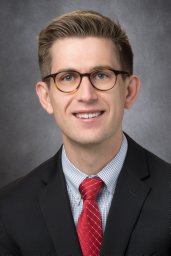 Hahn Andrew合作论文数Health Science Center, The University of Tennessee4
 Shoaib Bilal Fareedy合作论文数4
 Mainali Naba Raj合作论文数Department of Internal Medicine, Reading Health System4Ghimire Sailu合作论文数4
 Virginia Sun合作论文数4Loretta Erhunmwunsee合作论文数4Samyak Manandhar合作论文数3Shaira Dingal合作论文数3Beverly Laksana合作论文数3




