OBJECTIVE:To provide practical, evidence-based guidance for the evaluation and management of bleeding complications associated with oral anticoagulations, including vitamin K antagonists and direct oral anticoagulants, with emphasis on reversal strategies, supportive care, and safe resumption of anticoagulation. METHODS:This Brazilian multidisciplinary consensus was developed by the Brazilian Society of Thrombosis and Hemostasis (SBTH) based on contemporary international guidelines and the best available scientific evidence. Recommendations were reviewed by a multidisciplinary panel of experts and adapted to the Brazilian clinical setting and local resource availability. RESULTS:The document proposes a structured stepwise approach for the management of oral anticoagulation-related bleeding, including initial stabilization, bleeding severity assessment, laboratory evaluation, temporary interruption of anticoagulation, and indication of reversal or hemostatic therapies in patients with major bleeding and significant circulating anticoagulant levels. Specific management strategies are detailed according to anticoagulant class, including idarucizumab for dabigatran and andexanet alfa or prothrombin complex concentrates for factor Xa inhibitors. The consensus also emphasizes multidisciplinary follow-up and individualized decision-making regarding anticoagulation resumption after bleeding control. CONCLUSION:Management of bleeding in patients receiving oral anticoagulants requires rapid clinical assessment, severity stratification, targeted reversal strategies, and multidisciplinary care. Individualized reassessment of thrombotic versus hemorrhagic risk is essential to optimize outcomes and guide safe reintroduction of anticoagulation therapy after bleeding resolution.
There is limited contemporary prospective real-world evidence of patients with chronic arterial disease in Latin America. The Network to control atherothrombosis (NEAT) registry is a national prospective observational study of patients with known coronary (CAD) and/or peripheral arterial disease (PAD) in Brazil. A total of 2,005 patients were enrolled among 25 sites from September 2020 to March 2022. Patient characteristics, medications and laboratorial data were collected. Primary objective was to assess the proportion of patients who, at the initial visit, were in accordance with good medical practices (domains) for reducing cardiovascular risk in atherothrombotic disease. From the total of patients enrolled, 2 were excluded since they did not meet eligibility criteria. Among the 2,003 subjects included in the analysis, 55.6% had isolated CAD, 28.7% exclusive PAD and 15.7% had both diagnoses. Overall mean age was 66.3 (± 10.5) years and 65.7% were male patients. Regarding evidence-based therapies (EBTs), 4% were not using any antithrombotic drug and only 1.5% were using vascular dose of rivaroxaban (2.5 mg bid). Only 0.3% of the patients satisfied all the domains of secondary prevention, including prescription of EBTs and targets of body-mass index, blood pressure, LDL-cholesterol, and adherence of lifestyle recommendations. The main barrier for prescription of EBTs was medical judgement. Our findings highlight that the contemporary practice does not reflect a comprehensive approach for secondary prevention and had very low incorporation of new therapies in Brazil. Large-scale populational interventions addressing these gaps are warranted to improve the use of evidence-based therapies and reduce the burden of atherothrombotic disease. ClinicalTrials.gov NCT04677725
Background It is estimated that atrial fibrillation (AF) affects approximately 1.5 million people in Brazil; however, epidemiological data are limited. We sought to evaluate the characteristics, treatment patterns, and clinical outcomes in patients with AF in Brazil by creating the first nationwide prospective registry. Methods RECALL was a multicenter, prospective registry that included and followed for 1 year 4,585 patients with AF at 89 sites across Brazil from April 2012 to August 2019. Patient characteristics, concomitant medication use, and clinical outcomes were analyzed using descriptive statistics and multivariable models. Results Of 4,585 patients enrolled, the median age was 70 (61, 78) years, 46% were women, and 53.8% had permanent AF. Only 4.4% of patients had a history of previous AF ablation and 25.2% had a previous cardioversion. The mean (SD) CHA 2 DS 2 -VASc score was 3.2 (1.6); median HAS-BLED score was 2 (2, 3). At baseline, 22% were not on anticoagulants. Of those taking anticoagulants, 62.6% were taking vitamin K antagonists and 37.4% were taking direct oral anticoagulants. The primary reasons for not using an oral anticoagulant were physician judgment (24.6%) and difficulty in controlling (14.7%) or performing (9.9%) INR. Mean (SD) TTR for the study period was 49.5% (27.5). During follow-up, the use of anticoagulants and INR in the therapeutic range increased to 87.1% and 59.1%, respectively. The rates/100 patientyears of death, hospitalization due to AF, AF ablation, cardioversion, stroke, systemic embolism, and major bleeding were 5.76 (5.12-6.47), 15.8 (14.6-17.0), 5.0 (4.4-5.7), 1.8 (1.4-2.2), 2.77 (2.32-3.32), 1.01 (0.75-1.36), and 2.21 (1.81 2.70). Older age, permanent AF, New York Heart Association class III/IV, chronic kidney disease, peripheral arterial disease, stroke, chronic obstructive pulmonary disease, and dementia were independently associated with increased mortality while the use of anticoagulant was associated with lower risk of death. Conclusions RECALL represents the largest prospective registry of patients with AF in Latin America. Our Findings highlight important gaps in treatment, which can inform clinical practice and guide future interventions to improve the care of these patients. (Am Heart J 2023;264:97-105.)
Background: Heart failure (HF), a common cause of hospitalization, is associated with poor short-term clinical outcomes. Little is known about the long-term prognoses of patients with HF in Latin America. Methods: BREATHE was the fi rst nationwide prospective observational study in Brazil that included patients hospitalized due to acute heart failure (HF). Patients were included during 2 time periods: February 2011 -December 2012 and June 2016 -July 2018 In -hospital management, 12 -month clinical outcomes and adherence to evidence -based therapies were evaluated. Results: A total of 3013 patients were enrolled at 71 centers in Brazil. At hospital admission, 83.8% had clear signs of pulmonary congestion. The main cause of decompensation was poor adherence to HF medications (27.8%). Among patients with reduced ejection fraction, concomitant use of beta-blockers, renin-angiotensin-aldosterone inhibitors and spironolactone decreased from 44.5% at hospital discharge to 35.2% at 3 months. The cumulative incidence of mortality at 12 months was 27.7%, with 24.3% readmission at 90 days and 44.4% at 12 months. Conclusions: In this large national prospective registry of patients hospitalized with acute HF, rates of mortality and readmission were higher than those reported globally. Poor adherence to evidence -based therapies was common at hospital discharge and at 12 months of follow-up.
Background The efficacy and safety of rivaroxaban in patients with bioprosthetic mitral valves and atrial fibrillation or flutter remain uncertain. Design RIVER was an academic-led, multicenter, open-label, randomized, non-inferiority trial with blinded outcome adjudication that enrolled 1005 patients from 49 sites in Brazil. Patients with a bioprosthetic mitral valve and atrial fibrillation or flutter were randomly assigned (1:1) to rivaroxaban 20 mg once daily (15 mg in those with creatinine clearance <50 mL/ min) or dose-adjusted warfarin (target international normalized ratio 2.0-30.); the follow-up period was 12 months. The primary outcome was a composite of all-cause mortality, stroke, transient ischemic attack, major bleeding, valve thrombosis, systemic embolism, or hospitalization for heart failure. Secondary outcomes included individual components of the primary composite outcome, bleeding events, and venous thromboembolism. Summary RIVER represents the largest trial specifically designed to assess the efficacy and safety of a direct oral anticoagulant in patients with bioprosthetic mitral valves and atrial fibrillation or flutter. The results of this trial can inform clinical practice and international guidelines.
BACKGROUND:The effects of rivaroxaban in patients with atrial fibrillation and a bioprosthetic mitral valve remain uncertain.METHODS:In this randomized trial, we compared rivaroxaban (20 mg once daily) with dose-adjusted warfarin (target international normalized ratio, 2.0 to 3.0) in patients with atrial fibrillation and a bioprosthetic mitral valve. The primary outcome was a composite of death, major cardiovascular events (stroke, transient ischemic attack, systemic embolism, valve thrombosis, or hospitalization for heart failure), or major bleeding at 12 months.RESULTS:A total of 1005 patients were enrolled at 49 sites in Brazil. A primary-outcome event occurred at a mean of 347.5 days in the rivaroxaban group and 340.1 days in the warfarin group (difference calculated as restricted mean survival time, 7.4 days; 95% confidence interval [CI], -1.4 to 16.3; P<0.001 for noninferiority). Death from cardiovascular causes or thromboembolic events occurred in 17 patients (3.4%) in the rivaroxaban group and in 26 (5.1%) in the warfarin group (hazard ratio, 0.65; 95% CI, 0.35 to 1.20). The incidence of stroke was 0.6% in the rivaroxaban group and 2.4% in the warfarin group (hazard ratio, 0.25; 95% CI, 0.07 to 0.88). Major bleeding occurred in 7 patients (1.4%) in the rivaroxaban group and in 13 (2.6%) in the warfarin group (hazard ratio, 0.54; 95% CI, 0.21 to 1.35). The frequency of other serious adverse events was similar in the two groups.CONCLUSIONS:In patients with atrial fibrillation and a bioprosthetic mitral valve, rivaroxaban was noninferior to warfarin with respect to the mean time until the primary outcome of death, major cardiovascular events, or major bleeding at 12 months. (Funded by PROADI-SUS and Bayer; RIVER ClinicalTrials.gov number, NCT02303795.).
1. Introdução Atualmente, doenças cardiovasculares (DCV) e câncer são as principais causas de mortalidade em todo o mundo e no Brasil.– As transições demográfica e epidemiológica ocorridas recentemente no nosso país resultaram no aumento da expectativa de vida da população, hoje em torno de 76 anos, e na modificação no perfil de saúde, em que doenças crônicas e suas complicações são prevalentes. Esses fatores ocasionam importantes desafios e a necessidade de uma agenda para as políticas de saúde que possam [...]
Appropriate Use Criteria (AUC) for coronary revascularization were developed in order to deliver high-quality care; however, the prognostic impact of these criteria remains unclear. We sought to assess the outcomes of patients (pts) treated with 2nd generation DES classified according to the updated
 Eduardo Sousa合作论文数43
 Amanda G M R Sousa合作论文数Instituto Dante Pazzanese de Cardiologia, Fundação Adib Jatene;Heart Hospital, Sanatorio Sirio Association;University of São Paulo36Adriana Moreira合作论文数35
 Ricardo A Costa合作论文数33
 Jose De Ribamar Costa合作论文数Instituto Dante Pazzanese de Cardiologia29
 Galo Maldonado合作论文数Instituto Dante Pazzanese de Cardiologia29Manuel Cano合作论文数27Enilton Egito合作论文数19Alexandre Abizaid合作论文数16Fausto Feres合作论文数16
 Ibraim Masciarelli Pinto合作论文数Serviço De Métodos Complementares, Instituto Dante Pazzanese de Cardiologia;Universidade de São Paulo16
 Otavio Berwanger合作论文数The George Institute for Global Health;Imperial College London13
 Leopoldo Soares Piegas合作论文数Hospital do Coração;Faculdade de Medicina da Universidade de São Paulo12Rodolfo Staico合作论文数12Luiz Carlos Bento De Souza合作论文数11Edson Renato Romano合作论文数11Marcos Barbosa合作论文数10
 Paulo Chaccur合作论文数10Cantidio Campos合作论文数10
 Jarbas Jakson Dinkhuysen合作论文数10
 Lucas Petri Damiani合作论文数School of Nursing, University of São Paulo9Adib D. Jatene合作论文数9Camilo Abdulmassih Neto合作论文数9Mariana Carballo合作论文数9
 Luiz Alberto Mattos合作论文数Rede D'or São Luiz9Pedro Gabriel Melo de Barros E Silva合作论文数8Cantidio Campos Neto合作论文数8
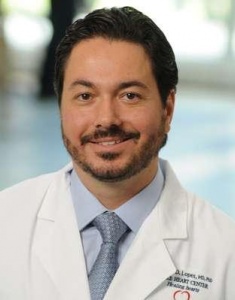 Renato Delascio Lopes合作论文数Department of Medicine, School of Medicine, Duke University;Duke Clinical Research Institute, School of Medicine, Duke University7Jardim César合作论文数6Antoninho Sanfins Arnoni合作论文数6Paulo P. Paulista合作论文数6Manuel Nicolas Cano合作论文数5Antonio Massamitsu Kambara合作论文数5maria helena dib合作论文数4José Eduardo Moraes Rego Sousa合作论文数4Edson Romano合作论文数4Mario Pini合作论文数4
 Manuel Monreal合作论文数4Jean-François Bergmann合作论文数4
 Alex C. Spyropoulos合作论文数Institute of Health System Science, Feinstein Institutes for Medical Research;Donald and Barbara Zucker School of Medicine, Hofstra University;Lenox Hill Hospital;University of Rochester4
 Macedo Ariane Vieira Scarlatelli合作论文数4
 Frederick Arthur Anderson合作论文数Chan Medical School, University of Massachusetts4
 Frederick Spencer合作论文数Division of Cardiology, Department of Medicine, Faculty of Health Sciences, McMaster University4
 Beng Hock Chong合作论文数Department of Haematology, The St George Hospital;School of Clinical Medicine, University of New South Wales4
 Victor Tapson合作论文数Department of Medicine, Cedars-Sinai Medical Center;Inari Medical4
 Franco Piovella合作论文数Institute of Clinical Medicine II°, University of Pavia-IRCCS S. Matteo4
 Geno J. Merli合作论文数Sidney Kimmel Medical College, Thomas Jefferson University;Jefferson Vascular Center, Thomas Jefferson University Hospital4
 Mashio Nakamura合作论文数4Gordon Fitzgerald合作论文数4




