To identify therapeutic targets for KRAS mutant pancreatic cancer, we conduct a druggable genome small interfering RNA (siRNA) screen and determine that suppression of BCAR1 sensitizes pancreatic cancer cells to ERK inhibition. Integrative analysis of genome-scale CRISPR-Cas9 screens also identify BCAR1 as a top synthetic lethal interactor with mutant KRAS. BCAR1 encodes the SRC substrate p130Cas. We determine that SRC-inhibitor-mediated suppression of p130Cas phosphorylation impairs MYC transcription through a DOCK1-RAC1-β-catenin-dependent mechanism. Additionally, genetic suppression of TUBB3, encoding the βIII-tubulin subunit of microtubules, or pharmacological inhibition of microtubule function decreases levels of MYC protein in a calpain-dependent manner and potently sensitizes pancreatic cancer cells to ERK inhibition. Accordingly, the combination of a dual SRC/tubulin inhibitor with an ERK inhibitor cooperates to reduce MYC protein and synergistically suppress the growth of KRAS mutant pancreatic cancer. Thus, we demonstrate that mechanistically diverse combinations with ERK inhibition suppress MYC to impair pancreatic cancer proliferation.
The transcriptional co-activator YAP1 oncogene is the downstream effector of the Hippo pathway, which regulates tissue homeostasis, organ size, regeneration, and tumorigenesis. Multiple cancers are dependent on sustained expression of YAP1 for cell proliferation, survival, and tumorigenesis, but the molecular basis of this oncogene dependency is not well understood. To identify genes that can functionally substitute for YAP1, we performed a genome-scale genetic rescue screen in YAP1-dependent colon cancer cells expressing an inducible YAP1-specific shRNA. We found that the transcription factor PRDM14 rescued cell proliferation and tumorigenesis upon YAP1 suppression in YAP1-dependent cells, xenografts, and colon cancer organoids. YAP1 and PRDM14 individually activated the transcription of calmodulin 2 (CALM2) and a glucose transporter SLC2A1 upon YAP1 suppression, and CALM2 or SLC2A1 expression was required for the rescue of YAP1 suppression. Together, these findings implicate PRDM14-mediated transcriptional upregulation of CALM2 and SLC2A1 as key components of oncogenic YAP1 signaling and dependency.
Doublecortin like kinase 1 (DCLK1) is an understudied kinase that is upregulated in a wide range of cancers, including pancreatic ductal adenocarcinoma (PDAC). However, little is known about its potential as a therapeutic target. We used chemoproteomic profiling and structure-based design to develop a selective, in vivo-compatible chemical probe of the DCLK1 kinase domain, DCLK1-IN-1. We demonstrate activity of DCLK1-IN-1 against clinically relevant patient-derived PDAC organoid models and use a combination of RNA-sequencing, proteomics and phosphoproteomics analysis to reveal that DCLK1 inhibition modulates proteins and pathways associated with cell motility in this context. DCLK1-IN-1 will serve as a versatile tool to investigate DCLK1 biology and establish its role in cancer.
To identify therapeutic targets for KRAS-mutant pancreatic cancer, we conducted a druggable genome siRNA screen and determined that suppression of BCAR1 sensitizes pancreatic cancer cells to ERK inhibition. Integrative analysis of genome-scale CRISPR-Cas9 screens also identified BCAR1 as a top synthetic lethal interactor with mutant KRAS. BCAR1 encodes the SRC substrate p130Cas. We determined that SRC inhibitor-mediated suppression of p130Cas phosphorylation impairs MYC transcription through a DOCK1-RAC1-beta-catenin dependent mechanism. Additionally, genetic suppression of TUBB3, encoding the betaIII-tubulin subunit of microtubules, or pharmacological inhibition of microtubule function, decreased levels of MYC protein and potently sensitized pancreatic cancer cells to ERK inhibition. Accordingly, the combination of a dual SRC/tubulin inhibitor with an ERK inhibitor cooperated to reduce MYC protein and to synergistically suppress the growth of KRAS-mutant pancreatic cancer. Thus, we demonstrate that mechanistically diverse combinations with ERK inhibition suppress MYC to impair pancreatic cancer proliferation.
The mitogen-activated protein kinase (MAPK) pathway is a critical effector of oncogenic RAS signaling, and MAPK pathway inhibition may be an effective combination treatment strategy. We performed genome-scale loss-of-function CRISPR-Cas9 screens in the presence of a MEK1/2 inhibitor (MEKi) in KRAS-mutant pancreatic and lung cancer cell lines and identified genes that cooperate with MEK inhibition. While we observed heterogeneity in genetic modifiers of MEKi sensitivity across cell lines, several recurrent classes of synthetic lethal vulnerabilities emerged at the pathway level. Multiple members of receptor tyrosine kinase (RTK)-RAS-MAPK pathways scored as sensitizers to MEKi. In particular, we demonstrate that knockout, suppression, or degradation of SHOC2, a positive regulator of MAPK signaling, specifically cooperated with MEK inhibition to impair proliferation in RAS-driven cancer cells. The depletion of SHOC2 disrupted survival pathways triggered by feedback RTK signaling in response to MEK inhibition. Thus, these findings nominate SHOC2 as a potential target for combination therapy.
This dataset contains supporting data for "Synthetic lethal interaction of SHOC2 depletion with MEK inhibition in RAS-driven cancers", Cell Reports (2019).Contents:genomewide.chip: Alignment file for the three screens performed with the Avana CRISPR libraryFiles beginning with genomewide_scores: raw sequencing readcounts for the three cell lines screened with the Avana CRISPR library. Column headers indicate early or late time point and treatment condition (DMSO or trametinib). There are multiple sequencing replicates for each cell line in separate files.minipool.chip: Alignment file for the seven screens performed with the reduced representation CRISPR library.Files beginning with minipool_scores: raw sequencing readcounts for the three cell lines screened with the Avana CRISPR library. Column headers indicate early or late time point and treatment condition (DMSO or trametinib). A pDNA reference is also provided.
Intrinsic resistance and RTK-RAS-MAPK pathway reactivation has limited the effectiveness of MEK and RAF inhibitors (MAPKi) in RAS- and RAF-mutant cancers. To identify genes that modulate sensitivity to MAPKi, we performed genome-scale CRISPR-Cas9 loss-of-function screens in two KRAS mutant pancreatic cancer cell lines treated with the MEK1/2 inhibitor trametinib. Loss of CIC, a transcriptional repressor of ETV1, ETV4, and ETV5, promoted survival in the setting of MAPKi in cancer cells derived from several lineages. ATXN1L deletion, which reduces CIC protein, or ectopic expression of ETV1, ETV4, or ETV5 also modulated sensitivity to trametinib. ATXN1L expression inversely correlates with response to MAPKi inhibition in clinical studies. These observations identify the ATXN1L-CIC-ETS transcription factor axis as a mediator of resistance to MAPKi.
Compacted chromatin and nucleosomes are known barriers to gene expression; the nature and relative importance of other transcriptional constraints remain unclear, especially at distant enhancers. Polycomb repressor complex 2 (PRC2) places the histone mark H3K27me3 predominantly at promoters, where its silencing activity is well documented. In adult tissues, enhancers lack H3K27me3, and it is unknown whether intergenic H3K27me3 deposits affect nearby genes. In primary intestinal villus cells, we identified hundreds of tissue-restricted enhancers that require the transcription factor (TF) CDX2 to prevent the incursion of H3K27me3 from adjoining areas of elevated basal marking into large well-demarcated genome domains. Similarly, GATA1-dependent enhancers exclude H3K27me3 from extended regions in erythroid blood cells. Excess intergenic H3K27me3 in both TF-deficient tissues is associated with extreme mRNA deficits, which are significantly rescued in intestinal cells lacking PRC2. Explaining these observations, enhancers show TF-dependent binding of the H3K27 demethylase KDM6A. Thus, in diverse cell types, certain genome regions far from promoters accumulate H3K27me3, and optimal gene expression depends on enhancers clearing this repressive mark. These findings reveal new “anti-repressive” function for hundreds of tissue-specific enhancers.
Sox2 expression marks gastric stem and progenitor cells, raising important questions regarding the genes regulated by Sox2 and the role of Sox2 itself during stomach homeostasis and disease. By using ChIP-seq analysis, we have found that the majority of Sox2 targets in gastric epithelial cells are tissue specific and related to functions such as endoderm development, Wnt signaling, and gastric cancer. Unexpectedly, we found that Sox2 itself is dispensable for gastric stem cell and epithelial self-renewal, yet Sox(2+) cells are highly susceptible to tumorigenesis in an Apc/Wnt-driven mouse model. Moreover, Sox2 loss enhances, rather than impairs, tumor formation in Apc-deficient gastric cells in vivo and in vitro by inducing Tcf/Lef-dependent transcription and upregulating intestinal metaplasia-associated genes, providing a mechanistic basis for the observed phenotype. Together, these data identify Sox2 as a context-dependent tumor suppressor protein that is dispensable for normal tissue regeneration but restrains stomach adenoma formation through modulation of Wnt-responsive and intestinal genes.
Background & AimsIntestinal metaplasia (Barrett’s esophagus, BE) is the principal risk factor for esophageal adenocarcinoma (EAC). Study of the basis for BE has centered on intestinal factors, but loss of esophageal identity likely also reflects the absence of key squamous-cell factors. As few determinants of stratified epithelial cell-specific gene expression have been characterized, identifying the necessary transcription factors is important.MethodsWe tested regional expression of mRNAs for all putative DNA-binding proteins in the mouse digestive tract and verified the esophagus-specific factors in human tissues and cell lines. Integration of diverse data defined a human squamous esophagus-specific transcriptome. We used chromatin immunoprecipitation with high-throughput sequencing (ChIP-seq) to locate transcription factor binding sites, computational approaches to profile the transcripts in cancer data sets, and immunohistochemistry to reveal protein expression.ResultsThe transcription factor Sex-determining region Y-box 15 (SOX15) is restricted to esophageal and other murine and human stratified epithelia. SOX15 mRNA levels are attenuated in BE, and its depletion in human esophageal cells reduces esophageal transcripts significantly and specifically. SOX15 binding is highly enriched near esophagus-expressed genes, indicating direct transcriptional control. SOX15 and hundreds of genes coexpressed in squamous cells are reactivated in up to 30% of EAC specimens. Genes normally confined to the esophagus or intestine appear in different cells within the same malignant glands.ConclusionsThese data identify a novel transcriptional regulator of stratified epithelial cells and a subtype of EAC with bi-lineage gene expression. Broad activation of squamous-cell genes may shed light on whether EACs arise in the native stratified epithelium or in ectopic columnar cells.
Cell differentiation requires remodeling of tissue-specific gene loci and activities of key transcriptional regulators, which are recognized for their dominant control over cellular programs Using epigenomic methods, we characterized enhancer elements specifically modified in differentiating intestinal epithelial cells and found enrichment of transcription factor-binding motifs corresponding to CDX2, a critical regulator of the intestine Directed investigation revealed surprising lability in CDX2 occupancy of the genome, with redistribution from hundreds of sites occupied only in proliferating cells to thousands of new sites in differentiated cells Knockout mice confirmed distinct Cdx2 requirements in dividing and mature adult intestinal cells, including responsibility for the active enhancer configuration associated with maturity Dynamic CDX2 occupancy corresponds with condition-specific gene expression and, importantly, to differential co-occupancy with other tissue-restricted transcription factors, such as GATA6 and HNF4A These results reveal dynamic, context-specific functions and mechanisms of a prominent transcriptional regulator within a cell lineage
Surprisingly few pathways signal between cells, raising questions about mechanisms for tissue-specific responses. In particular, Wnt ligands signal in many mammalian tissues, including the intestinal epithelium, where constitutive signaling causes cancer. Genome-wide analysis of DNA cis -regulatory regions bound by the intestine-restricted transcription factor CDX2 in colonic cells uncovered highly significant overrepresentation of sequences that bind TCF4, a transcriptional effector of intestinal Wnt signaling. Chromatin immunoprecipitation confirmed TCF4 occupancy at most such sites and co-occupancy of CDX2 and TCF4 across short distances. A region spanning the single nucleotide polymorphism rs6983267, which lies within a MYC enhancer and confers colorectal cancer risk in humans, represented one of many co-occupied sites. Co-occupancy correlated with intestine-specific gene expression and CDX2 loss reduced TCF4 binding. These results implicate CDX2 in directing TCF4 binding in intestinal cells. Co-occupancy of regulatory regions by signal-effector and tissue-restricted transcription factors may represent a general mechanism for ubiquitous signaling pathways to achieve tissue-specific outcomes.
 William C. Hahn合作论文数Department of Medical Oncology, Dana-Farber Cancer Institute;Harvard Medical School;Broad Institute, MIT7
 Ramesh A. Shivdasani合作论文数Dana-Farber Cancer Institute;Harvard Medical School7
 Andrew J. Aguirre合作论文数6Srivatsan Raghavan合作论文数Dana Farber Canc Inst, Dept Med Oncol, Boston, MA 02115 USA3Amy Goodale合作论文数Broad Inst MIT & Harvard, Cambridge, MA 02142 USA3Raymond W S Ng合作论文数3
 Katherine Walsh合作论文数3Piccioni Federica合作论文数3
 Myles A. Brown合作论文数Center for Functional Cancer Epigenetics, Dana-Farber Cancer Institute;Harvard Medical School3Rennhack Jonathan P合作论文数Department of Biology, Albion College3
 Nathanael S. Gray合作论文数Stanford University;Dana-Farber Cancer Institute;Harvard Medical School3
 Behnam Nabet合作论文数Human Biology Division, Fred Hutchinson Cancer Center3
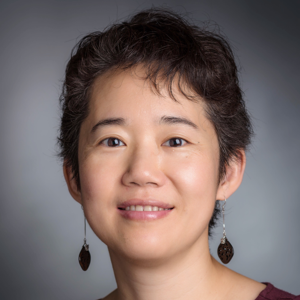 X. Shirley Liu合作论文数GV20 Therapeutics3
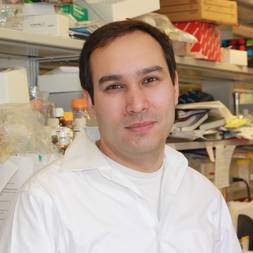 Adam Bass合作论文数Novartis Institutes for BioMedical Research3
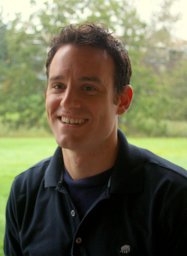 Michael P. Verzi合作论文数Cardiovascular Research Institute and Department of Biochemistry and Biophysics, University of California3Rosy Liao合作论文数2Nanyun Tang合作论文数2Hansen He合作论文数2Kyle Flattery合作论文数2Hyunjin Shin合作论文数2
 Alfredo Gonzalez合作论文数Broad Institute of MIT and Harvard, Cambridge, MA2
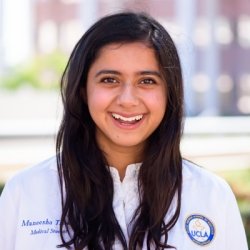 Maneesha Thaker合作论文数2Timothy L Bosse合作论文数2
 Jennifer E Klomp合作论文数UNC Chapel Hill2
 Jason J Kwon合作论文数Broad Institute of MIT and Harvard, Cambridge, MA 02142, USA; Department of Medical Oncology, Dana-Farber Cancer Institute, Boston, MA 02215, USA.2Unmesh Jadhav合作论文数Department of Medical Oncology, Dana-Farber Cancer Institute, Boston, Massachusetts2
 Bjoern Papke合作论文数Univ North Carolina Chapel Hill, Lineberger Comprehens Canc Ctr, Chapel Hill, NC 27599 USA2
 Laura E Herring合作论文数Department of Pharmacology, University of North Carolina at Chapel Hill2Miju Kim合作论文数Dept Med, Brigham & Womens Hosp2Xinsen Xu合作论文数2
 Joshua M Dempster合作论文数Broad Inst MIT & Harvard, Cambridge, MA 02142 USA2Niyati Desai合作论文数Department of Pathology, Massachusetts General Hospital, Harvard Medical School, Charlestown, Massachusetts 02129, USA.2Yenarae Lee合作论文数Broad Institute of Harvard and MIT, 415 Main Street, Cambridge, MA, USA.2
 Sehrish Javaid合作论文数Univ N Carolina2Diego Almanza合作论文数2
 Andrew M Waters合作论文数Lineberger Comprehens Canc Ctr, Univ N Carolina2
 John A. Bachman合作论文数Department of Systems Biology, Harvard Medical School2
 Clint A. Stalnecker合作论文数Departments of Chemistry and Chemical Biology and2
 Michelle Kassner合作论文数2
 Abby Sarkar合作论文数2Yram Mary Anna合作论文数2
 John Doench合作论文数Broad Institute of MIT and Harvard2
 Aviad Tsherniak合作论文数Dana-Farber Cancer Institute;Koch Institute for Integrative Cancer Research, Massachusetts Institute of Technology;Stealth2
 Francisca Vazquez合作论文数Broad Institute2
 David Root合作论文数Broad Institute2Emma Pailler合作论文数2
 Goodwin Craig M合作论文数Department of Biochemistry, Vanderbilt University School of Medicine2
 Antje Schaefer合作论文数Academic Medical Center and Swammerdam Institute of Life Sciences, University of Amsterdam2Yuan Tina L合作论文数2




