Conceptualizations of the nature of acquired personality disturbances after brain damage, especially to prefrontal cortex, have progressed from clinical observations of a large, disparate set of disturbances to theories concerning neuroanatomically-based subgroups with prefrontal damage. However, hypothesized subtypes have not yet been studied systematically. Based on our previous investigations of acquired personality disturbances, we hypothesized five subtypes of acquired personality disturbances: Executive Disturbances, Disturbed Social Behavior, Emotional Dysregulation, Hypo-emotionality/De-Energization, and Distress, as well as an undisturbed group. Subtypes were investigated in 194 adults with chronic, stable, focal lesions located in various aspects of prefrontal lobes and elsewhere in the brain, using two different cluster analysis techniques applied to ratings on the Iowa Scales of Personality Change. One technique was a hypothesis-driven approach; the other was a set of strictly empirical analyses to assess the robustness of clusters found in the first analysis. The hypothesis-driven analysis largely supported the hypothesized set of subtypes. However, in contrast to the hypothesis, it suggested that disturbed social behavior and emotional dysregulation are not two distinct subtypes, but two aspects of one multifaceted type of disturbance. Additionally, the so-labeled "executive disturbances" group also showed disturbances in other domains. Results from the second (empirical) set of cluster analyses were consistent with findings from the hypothesis-driven cluster analysis. Overall, findings across the two cluster analyses indicated four subtypes of acquired personality disturbances: (1) executive disturbances in association with generalized disturbance, (2) dysregulation of emotions and behavior, (3) hypo-emotionality and de-energization, and (4) distress/anxiety. These findings show strong correspondence with subtypes suggested by prominent models of prefrontal systems based on neuroanatomically-defined circuits. Clarification of distinctive subtypes of acquired personality disturbances is a step toward enhancing our ability to tailor rehabilitative interventions for patients with prefrontal brain injuries.
OBJECTIVE:The intracarotid sodium amytal procedure (the "Wada test") has for many years been the gold standard for language and memory lateralization and remains an important part of presurgical analysis for patients with medically intractable seizures. Due to shortages in the key sedative (amobarbital), neuropsychologists have turned to alternatives such as propofol. Our aim was to investigate the safety and efficacy of propofol relative to amobarbital in the Wada test.METHODS:We performed a retrospective review of the 97 Wada procedures performed at University of Iowa Hospitals and Clinics from 2007 through mid-2015.RESULTS:Propofol produced similar lateralization rates as amobarbital for both language and memory. Similar rates of patients in each group went on to have the resection surgery. With regard to safety, there were no differences found in average rate or severity of adverse effects. None of the demographic characteristics reviewed were predictive of increased risk for either drug.SIGNIFICANCE:These findings support previous studies indicating that propofol is as safe and efficacious as amobarbital, and can continue to be used in Wada procedures with confidence.
BACKGROUND:Sensitive outcome measures are needed to quantify the effects of neuromodulation in mood disorders. OBJECTIVE:This study examined the utility of a novel affective bias (AB) task in identifying transient mood changes induced by amygdala stimulation in a single rare participant. METHODS:Localized, pulsed electrical stimulation was delivered for 8 min during measures of AB and self-reported mood. Responses were compared with those gathered without stimulation on the same day in the same setting, using paired t-tests. RESULTS:Stimulation of the basolateral nucleus of the right amygdala at 50 Hz, 15 V, and 200 μs pulse-width produced a significant positive shift in AB (t = -2.864, df = 53, P = .006), despite equivocal findings on self-reported mood (t = -.184, df = 12, P = .857). CONCLUSION:Affective bias may be more sensitive to stimulation-induced fluctuations in mood than subjective report, suggesting utility as an outcome measure in neuromodulation studies.
The place of the posterolateral superior temporal (PLST) gyrus within the hierarchical organization of the human auditory cortex is unknown. Understanding how PLST processes spectral information is imperative for its functional characterization. Pure-tone stimuli were presented to subjects undergoing invasive monitoring for refractory epilepsy. Recordings were made using high-density subdural grid electrodes. Pure tones elicited robust high gamma event-related band power responses along a portion of PLST adjacent to the transverse temporal sulcus (TTS). Responses were frequency selective, though typically broadly tuned. In several subjects, mirror-image response patterns around a low-frequency center were observed, but typically, more complex and distributed patterns were seen. Frequency selectivity was greatest early in the response. Classification analysis using a sparse logistic regression algorithm yielded above-chance accuracy in all subjects. Classifier performance typically peaked at 100-150 ms after stimulus onset, was comparable for the left and right hemisphere cases, and was stable across stimulus intensities. Results demonstrate that representations of spectral information within PLST are temporally dynamic and contain sufficient information for accurate discrimination of tone frequencies. PLST adjacent to the TTS appears to be an early stage in the hierarchy of cortical auditory processing. Pure-tone response patterns may aid auditory field identification.
We report a psychophysiological study of "recognition without awareness" in patient 2354, who had severe but circumscribed atrophy in the occipitoparietal region bilaterally (caused by visual-variant Alzheimer's disease, documented by structural and functional neuroimaging) and an accompanying Balint syndrome that prevented her from recognizing the emotional valence of many highly charged negative visual scenes (e.g., a burned body). Despite this lack of overt recognition, patient 2354 nonetheless generated large amplitude skin conductance responses to highly charged negative pictures, demonstrating the same kind of recognition without awareness that has been reported previously in patients with bilateral occipitotemporal dysfunction and prosopagnosia [e.g., Tranel, D., & Damasio, A. R. (1985). Knowledge without awareness: an autonomic index of facial recognition by prosopagnosics. Science, 228, 1453–1454.]. Our case complements both previous evidence of covert, nonconscious recognition in patients with prosopagnosia, and previous behavioral studies of patients with Balint syndrome that have shown evidence of "preattentive" visual processing. The findings add to the small but important set of empirical observations regarding nonconscious visual processing in neurological patients, and indicate that recognition without awareness can occur in the setting of dorsal visual stream dysfunction and Balint syndrome. The findings in our patient suggest that she has patent pathways from higher-order visual cortices to autonomic effectors in the amygdala or hypothalamus, even though the results of such information processing are not made available to conscious awareness.
Murine embryonic stem (ES) cells can be committed to neural differentiation with high efficiency in culture through the use of feeder- and serum-free media. This system is proving to be an excellent model to study processes involved in ES cell commitment to neural cell fate. We used this approach to generate neurogenic embryoid bodies (NEBs) in a serum-free culture system to perform proteomic analysis of soluble fractions and identify early changes in protein expression as ES cells differentiate. Ten candidate proteins were altered significantly in expression levels. One of the most significant alterations was for the small heat shock protein Hsp25. Three species of Hsp25 are detected in ES cells, and this expression pattern changes during the first 24 h of differentiation until expression is decreased to levels that are barely detectable at 4 days following differentiation. We used immunofluorescence studies to confirm that following ES cell differentiation, expression of Hsp25 becomes excluded from neural precursors as well as other differentiating cells, making it a potentially useful marker of early ES cell differentiation.
The ability to situate autobiographical memories accurately in the "time-line" of one's own life is a particular aspect of retrograde memory that has received little attention in well-controlled, systematic studies. Here, we addressed this issue by testing the hypothesis that patients with basal forebrain damage would be impaired in their ability to place various autobiographical memories accurately on a 'time-line' of their life. Seven such subjects were contrasted with 11 medial temporal lobe subjects, 8 brain-damaged comparison subjects, and 18 normal comparison subjects, using a procedure in which subjects placed autobiographical events on a time-line of their life. The basal forebrain group was very impaired in this task, relative to the other groups, and on average, misplaced events by more than five years. Although the basal forebrain group was also impaired in retrieving the contents of autobiographical memory, they did not differ statistically from the medial temporal lobe group in this regard (and the medial temporal lobe group did not have impaired time placement of memories). The results indicate an intriguing dissociation between "knowing what" and "knowing when," and suggest that the basal forebrain contains structures that are especially important for "knowing when." Our findings are compatible with the view that the basal forebrain participates critically in retrieval strategies important for memory chronology, which contrasts with the medial temporal lobe's critical role in relational memory per se.
The authors report a patient with biopsy-proven temporal arteritis who manifested Charles Bonnet syndrome (CBS). Treatment with steroid resulted in prompt resolution of visual hallucinations, despite persistent visual loss, suggesting that cerebral ischemia is a cofactor for the development of CBS.
The authors examined behavioral and pathophysiologic substrates in a patient with adult-onset Hallervorden-Spatz syndrome who presented with insidious cognitive decline but no motor impairment. The authors combined longitudinal case history and serial neuropsychologic testing with functional neuroimaging (positron emission tomography), structural neuroimaging (magnetic resonance imaging), and brain tissue analyses. Serial assessments of a 29-year-old woman showed progressive dementia. Marked cognitive and behavioral deficits were seen on neuropsychologic testing, corresponding to striking cortical abnormalities on positron emission tomography, magnetic resonance imaging, and histopathologic studies. Typical motor manifestations of the disorder did not emerge until the patient was 34 years old, 5 years after the onset of cognitive symptoms. Hallervorden-Spatz syndrome should be considered in the differential diagnosis of progressive cortical dementia in a young adult, even in the absence of motor dysfunction.
Lesion studies have suggested that retrieval of old, factual, concrete knowledge (retrograde memory) and learning of new, factual, concrete knowledge (anterograde memory) depend on distinct systems in the temporal lobe. Here we report a case study using serial neuropsychological assessments and serial structural and functional imaging studies which provides further support for this notion. A 70-year-old right-handed woman with limbic encephalitis attributed to thymoma was evaluated 4 months after diagnosis. Severe multimodal anterograde and retrograde memory defects were found. An [18F] fluorodeoxyglucose (FDG) resting positron emission tomography (PET) scan showed diffuse cortical, but especially right anterolateral temporal hypometabolism. Two years later, there was marked resolution of the retrograde memory defect, with persistent anterograde memory Impairment. A repeat FDG resting PET showed improved metabolism in the anterolateral temporal cortex and in other cortical regions. Metabolism in both mesial temporal regions declined markedly. Striking recovery of retrograde memory, but not anterograde memory, occurred in conjunction with the improvement in anterolateral temporal metabolism and despite reduction in mesial temporal metabolism. These findings provide further support for the hypotheses that 1) mesial temporal structures are not the repository of retrograde factual knowledge, and 2) anterolateral temporal lobe structures, especially on the right, may be critical for retrieval of retrograde factual knowledge.
The H alpha difference profiles of beta Per obtained from 1976 to 1977 have been analyzed in several ways to study the gas flows in the binary. These difference profiles were obtained by removing the combined stellar photospheric absorption contribution from the observed profiles to enhance the weak emission from circumstellar gas. The difference profiles display strong narrow single-peaked emission and broader double-peaked emission. The line strengths peaked near phase 0.7 for the blueshifted emission and near phase 0.2 for the redshifted emission. These maxima occur at phases where our line of sight would pass through the gas stream or an accretion region located between the stars. The orbital variations of the radial velocities of the single- and double-peaked emission followed S-waves. The source of the single-peaked emission was found at velocities close to the L(1) point on the side of the secondary star in the direction of the gas stream trajectory, as if associated with the gas stream. However, the source of the double-peaked emission was found at velocities almost halfway between that of the stars, in the direction away from the gas stream. The double-peaked nature of these profiles imply that they arise from an accretion region surrounding the primary star, with the most intense, concentrated part between the stars. Reconstructed Doppler images of the binary from Doppler tomography are consistent with the S-wave analysis and show that there are several sources of emission (from strongest to weakest): a gas stream, a localized region, and an unstable asymmetric accretion annulus. The gas stream extends from the L(1) point to the impact site on the stellar surface, but it tapers sharply about halfway along its path as if blocked by material around the primary. Finally, the weakest source arose from the region around the secondary star, so chromospheric emission from the magnetically active subgiant secondary has been detected in the Doppler image.
Half and full cylindrical frozen cortical bone allografts were transplanted into groups of horses. All horses accepted, resorbed, and began replacement of their grafts to varying degrees, according to frequent radiographic and monthly histologic evaluation. Clinically, all the recipients appeared to return to varying degrees of function. This method of bone allografting is suggested as an adjunct to current methods of fracture fixation in the horse.
Notes on the behaviour of three yearlings kept two and a half months in 1954 in a dry environment at Amchitka in the Aleutians. Their sleeping, preening, reaction to man and feeding habits, drinking, locomotion, handling, food and sociability voice, etc., are discussed in detail. Their anatomy and environment in captivity are also discussed: water for swimming was found desirable, if not necessary. Results of physiological investigations are reported by D.E. Stullken and C.M. Kirkpatrick, q.v.
 Daniel Tranel合作论文数Department of Psychological and Brain Sciences, College of Liberal Arts and Sciences, University of Iowa;Department of Neurology, Carver College of Medicine, University of Iowa7
 Hiroto Kawasaki合作论文数Department of Neurosurgery, University of Iowa College of Medicine3Kenneth Manzel合作论文数2Arthur L. Benton合作论文数2
 Matthew Howard合作论文数Department of Neurosurgery, Carver College of Medicine, University of Iowa2
 Hiroyuki Oya合作论文数College of Medicine, University of Iowa2
 Jane Paulsen合作论文数Department of Neurology, University of Wisconsin School of Medicine and Public Health2
 Mitchell Steinschneider合作论文数2
 Kirill V Nourski合作论文数Department of Speech Pathology and Audiology, University of Iowa2Joseph Barrash合作论文数2Mamiko Niwa合作论文数1AW FETTER合作论文数1kevin n oconnor合作论文数1Kaci McCleary合作论文数1DW MILNE合作论文数1Wakeman Jane A合作论文数1Semple Malcolm N合作论文数1
 Dlouhy Brian J合作论文数Department of Neurosurgery, University of Iowa Carver College of Medicine1
 Steven Anderson合作论文数Department of Neurology, Carver College of Medicine, University of Iowa Health Care1Razavi M合作论文数1Johnson Jeffrey S合作论文数1Engall Elizabeth合作论文数1
 Kelly Rowe Bijanki合作论文数College of Medicine, University of Iowa Carver1
 Kathryn Lilley合作论文数Department of Biochemistry, University of Cambridge1
 Henk R. Braig合作论文数School of Biological Sciences, Bangor University1Alysia Battersby合作论文数1
 Donald T. Stuss合作论文数Sunnybrook Health Science Centre, University of Toronto1
 Ramsay Macfarlane合作论文数1
 Mark A. Granner合作论文数Department of Neurology-, University of Iowa Hospitals and Clinics1Mercedes T. Richards合作论文数1
 Christopher K Kovach合作论文数Department of Neurosurgery, University of Iowa1Nicholas D. Allen合作论文数1
 Laurie M. Mccormick合作论文数Department of Psychiatry, University of Iowa Carver College of Medicine1
 Brian H. Scott合作论文数Center for Neural Science, New York University1Brian J. Malone合作论文数Malone Associates Ottawa1Donald E. Stullked合作论文数1
 Natalie L. Denburg合作论文数Department of Neurology;University of Iowa;Hospitals and Clinics;Hospitals and Clinics, University of Iowa1Charles M. Kirkpatrick合作论文数1
 Thomas Grabowski合作论文数Memory and Brain Wellness Center, School of Medicine, University of Washington;Integrated Brain Imaging Center, University of Washington1
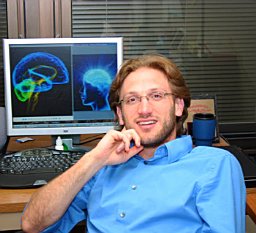 Justin S. Feinstein合作论文数University of Iowa, University of Iowa1Deema Fattal合作论文数1
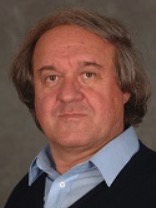 Josef Rauschecker合作论文数Laboratory of Integrative Neuroscience and Cognition, Georgetown University Medical Center;Department of Neuroscience, Georgetown University Medical Center1
 Nazan Aksan合作论文数Department of Psychology, University of Iowa1Mitchell L. Sutter合作论文数1




