Objective:Pregnant persons historically have been excluded from clinical trials. Recently, there has been a shift from exclusion toward inclusion of pregnant persons in research while acknowledging the complexity of reproductive ethics and the intertwined interests of the pregnant person and fetus. Our objective was to use a principle-based approach to review the ethics of clinical research concerning pregnancy-related disorders that predominantly affect fetal well-being. Study Design:Ethical principles are applied to the design of interventional trials in two rare conditions of pregnancy, hemolytic disease of the fetus and newborn (HDFN) and fetal and neonatal alloimmune thrombocytopenia (FNAIT). Results:Severe HDFN and FNAIT are fetal and neonatal diseases caused by maternal alloantibodies with potential outcomes including maternal and neonatal morbidity, preterm delivery, and fetal or neonatal death. Early-onset severe HDFN was the initial indication for a phase 2 open-label study of nipocalimab in pregnancy, given poor outcomes after prior severe HDFN pregnancy(s). After establishing proof of concept, a phase 3 randomized placebo-controlled study was initiated based on the ethical principles of equipoise and generating socially valuable data to support the efficacy and safety of nipocalimab in severe HDFN. However, off-label use of antenatal intravenous immunoglobulin (IVIg) in standard-risk FNAIT pregnancies made a randomized placebo-controlled study challenging. Thus, the FNAIT clinical program for nipocalimab in pregnant persons with standard-risk FNAIT includes a randomized, placebo-controlled study limited to sites that do not use antenatal IVIg, and a global randomized open-label study of nipocalimab or IVIg. Conclusion:Knowledge of the clinical course and management of severe HDFN and FNAIT, the non-clinical and non-pregnant human clinical evidence, and input from physicians, patients, and health authorities permitted the design of clinical protocols that satisfy the principles of beneficence and non-maleficence in these rare and complex diseases. Key Points:· Ethical principles apply to pregnancy-related disorders affecting fetal well-being.. · Placebo-controlled randomized trials in HDFN are based on equipoise.. · FNAIT programs must account for the off-label use of IVIg..
The use of master protocols allows for innovative approaches to clinical trial designs, potentially enabling new approaches to operations and analytics and creating value for patients and drug developers. Pediatric research has been conducted for many decades, but the use of novel designs such as master protocols in pediatric research is not well understood. This study aims to provide a systematic review on the utilization of master protocols in pediatric drug development. A search was performed in September 2022 using two data sources (PubMed and ClinicalTrials.gov) and included studies conducted in the past10 years. General study information was extracted such as study type, study status, therapeutic area, and clinical trial phase. Study characteristics that are specific to pediatric studies (such as age of the participants and pediatric drug dosing) and important study design elements (such as number of test drug arms and whether randomization and/or concurrent control was used) were also collected. Our results suggest that master protocol studies are being used in pediatrics, with platform and basket trials more common than umbrella trials. Most of this experience is in oncology and early phase studies. There is a rise in the use starting in 2020, largely in oncology and COVID-19 trials. However, adoption of master protocols in pediatric clinical research is still on a small scale and could be substantially expanded. Work is required to further understand the barriers in implementing pediatric master protocols, from setting up infrastructure to interpreting study findings.
<p>Multiangle Imaging SpectroRadiometer (MISR) multi-wavelength and multi-angle observations offer a unique capability for retrieving aerosol optical depth (AOD) and particle properties over most surface types, including land. The excellent quality of MISR aerosol retrievals has been documented in a number of studies. The current MISR land algorithm combines the benefits of two powerful approaches: (1) the heterogeneous surface algorithm (HET) that makes use of surface contrasts and empirical orthogonal functions to represent the surface hemispherical-directional reflectance factors (HDRFs), and (2) the homogenous surface algorithm (HOMOG) that applies spectral and angular invariance constraints to the surface HDRFs. HOMOG was introduced in 2005 to limit occasional outliers and unphysical region-to-region noise in basic HET AOD retrievals. Recently, extensive testing has shown that HOMOG works very well in the low- to medium-AOD range (0.8), but its application under higher aerosol loadings is problematic due to reduced sensitivity to surface reflection. As a result, retrieved MISR AODs over land tend to become more and more underestimated as pollution levels increase. Here we report on a prototype MISR aerosol retrieval algorithm over land that alleviates this AOD underestimation at medium to high aerosol loadings. The improvements introduced to the basic HET algorithm do not require use of the HOMOG constraint at high AODs, thus removing the main cause for AOD underestimation. Simultaneously, the prototype algorithm shows very high AOD retrieval accuracy (quantitatively) as well as spatial consistency (qualitatively). The results are a testament to the physical principles and empirical prowess of the original multi-angle aerosol retrieval algorithm over heterogeneous surfaces.</p>
Master protocols are innovative clinical trial designs that enable new approaches to analytics and operations, creating value for patients and drug developers. To date, the use of master protocols in pediatric drug development has been limited, focused primarily on pediatric oncology with limited experience in rare and ultra-rare pediatric diseases. This article explores the application of master protocols to pediatric programs required by FDA and EMA based on adult developmental programs. These required programs involve multiple assets developed in limited pediatric populations for registrational purposes. However, these required programs include the possibility for extrapolation of efficacy and safety from the adult population. The use of master protocols is a potential solution to the challenge of conducting clinical trials in small pediatric populations provided that such use would improve enrollment or reduce the required sample size. Toward that end, Janssen and Lilly have been working on a collaborative cross-company pediatric platform trial in pediatric Crohn's disease using an innovative Bayesian analysis. We describe how two competing companies can work together to design and execute the proposed platform, focusing on selected aspects—the usefulness of a single infrastructure, the regulatory submission process, the choice of control group, and the use of pediatric extrapolation. Master protocols offer the potential for great benefit in pediatrics by streamlining clinical development, with the goal of reducing the delay in pediatric marketing approvals when compared to adults so that children have timelier access to safe and effective medications.
The Orbiting Carbon Observatory 3 (OCO-3) was installed on the International Space Station (ISS) in May 2019 and began routine operations in August 2019 to continue global CO2 and solar-induced chlorophyll fluorescence (SIF) observations using the flight spare instrument from OCO-2. The first version of the data, called vEarly, was released in early 2020, and an update, v10, is being prepared. The growing OCO-3 dataset includes the standard ocean and land measurements, as well as a large set of validation measurements over TCCON stations and a new locally focused measurement. The new Snapshot Area Map (SAM) mode, where 80km by 80km areas are sampled with 2km by 2km footprints in 2 minutes is measurement approach unique to OCO-3. This is a new observation mode made possible by the agile pointing mirror assembly of OCO-3. Data has been collected over hundreds of cities, volcanos, over areas of interest to the terrestrial carbon community, and in coordination with field campaigns. The cross comparison of OCO-3 and OCO-2 data, for radiances, XCO2, and SIF is underway to gain insights into data quality and to create and OCO-3 dataset that can be used seamlessly with OCO-2 measurements. We will discuss these intercomparisons, highlighting a few examples, such as the OCO-2 and OCO-3 target and SAM measurements in Los Angeles that were collected on the same day. Highlights from validation activities and global XCO2 data characteristics will be presented, as well as details of the SAM collection statistics and most sampled regions. The value of the OCO-3 dataset for characterization of diurnal patterns will also be shared. Highlights of the key scientific findings from the mission to date will be included. Finally, looking forward, I will also discuss the mission status, including the expectations for the remaining mission life and progress on developing an improved data version to be released in late spring/early summer 2021.
The GOSAT TANSO-FTS sensor has been collecting high spectral resolution measurements of reflected solar radiation in the Oxygen A-band (0.76 microns) and two shortwave-infrared carbon dioxide (CO2) absorption bands (1.6 and 2.0 microns) since April, 2009. The measured radiances allow for estimates of the total column carbon dioxide (XCO2) via retrieval inversion. An eleven year long record of XCO2 retrieved via NASA’s Atmospheric Carbon Observations from Space (ACOS) build 9 software suite is analyzed and discussed. The v9 XCO2 data has been publicly available on the NASA Goddard Earth Sciences Data and Information Services Center (GES DISC) since the spring of 2020. The ACOS GOSAT v9 XCO2 is evaluated against CO2 flux inversion models, observations from the Total Carbon Column Observation Network (TCCON), as well as against collocated measurements from NASA’s OCO-2 satellite. The results indicate a product that agrees with OCO-2 and models within approximately 0.25 ppm with less than 1 ppm standard deviation (σ). Agreement with TCCON is within approximately 0.1 ppm with approximately 1 ppm σ for daily overpass mean aggregated data. The ACOS GOSAT v9 XCO2 product will allow CO2 flux inversion modelers and terrestrial ecologists to address questions about long term (decadal) carbon cycle dynamics related to net and gross carbon fluxes.
In 2020, many countries implemented lockdowns to control the spread of the novel coronavirus disease (COVID-19), leading to reported decreases in anthropogenic CO2 emissions based on bottom-up estimates. Some studies reported that the resulting atmospheric CO2 changes were below the detection limit of current observing systems on the ground or in space. We quantify CO2 emissions from Europe’s largest fossil fuel burning power plant before and during lockdown using space-based CO2 observations from NASA’s Orbiting Carbon Observatory (OCO) 2 and 3 missions. The results show clear emission reductions of >20% in April 2020, demonstrating the ability of space-based CO2 observations to quantify emission reductions at the facility level. This research reinforces the value of space-based CO2 data for verifying future CO2 emission reductions expected from climate change mitigation policies and the importance of monitoring emissions at sub-national scales.
While initial plans for measuring carbon dioxide from space hoped for 1-2 ppm levels of accuracy (bias) and precision in the CO2 column mean dry air mole fraction (XCO2), in the past few years it has become clear that accuracies better than 0.5 ppm are required for most current science applications. These include measuring continental (1000+ km) and regional scale (100s of km) surface fluxes of CO2 at monthly-average timescales. Considering the 400+ ppm background, this translates to an accuracy of roughly 0.1%, an incredibly challenging target to hit. Improvements in both instrument calibration and retrieval algorithms have led to significant improvements in satellite XCO2 accuracies over the past decade. The Atmospheric Carbon Observations from Space (ACOS) retrieval algorithm, including post-retrieval filtering and bias correction, has demonstrated unprecedented accuracy with our latest algorithm version as applied to the Orbiting Carbon Observatory-2 (OCO-2) satellite sensor. This presentation will discuss the performance of the v10 XCO2 product by comparisons to TCCON and models, and showcase its performance with some recent examples, from the potential to infer large-scale fluxes to its performance on individual power plants. The v10 product yields better agreement with TCCON over land and ocean, plus reduced biases over tropical oceans and desert areas as compared to a median of multiple global carbon inversion models, allowing better accuracy and faith in inferred regional-scale fluxes. More specifically, OCO-2 has single sounding precision of ~0.8 ppm over land and ~0.5 ppm over water, and RMS biases of 0.5-0.7 ppm over both land and water. Given the six-year and growing length of the OCO-2 data record, this also enables new studies on carbon interannual variability, while at the same time allowing identification of more subtle and temporally-dependent errors. Finally, we will discuss the prospects of future improvements in the next planned version (v11), and the long-term prospects of greenhouse gas retrievals in the coming years.
The Orbiting Carbon Observatory 3 (OCO-3) was installed on the International Space Station (ISS) in May 2019 and will continue the observation of global CO2 and solar-induced chlorophyll fluorescence (SIF) observations using the flight spare instrument from OCO-2. This talk will focus on the science data products, early operations, abd a few highlights from early mission data. The low-inclination ISS orbit lets OCO-3 sample the tropics and sub-tropics across the full range of daylight hours with dense observations at northern and southern mid-latitudes (+/- 52º). The combination of these dense CO2 and SIF measurements provides continuity of data for global flux estimates as well as a unique opportunity to address key deficiencies in our understanding of the global carbon cycle. The instrument utilizes an agile, 2-axis pointing mechanism (PMA), providing the capability to look towards the bright reflection from the ocean and validation targets. The PMA also allows for the collection of dense datasets over 80km by 80km areas called snapshot area maps (SAMs). The in-orbit check out of the instrument was conducted through July 2019. In this phase the engineering team verified the performance of all systems, the calibration team began collecting the needed calibration data, and the mission operations team verified the performance of all measurement modes and the mission operations planning tools. Since August 2019, OCO-3 has been collecting routine nadir, glint, target, and SAM data. Target mode observations over surface-based Total Carbon Column Observing Network (TCCON) sites help to identify and minimize potential instrument biases in the OCO-3 data. Other validation activities include direct comparisons to XCO2 estimates from OCO-2 and comparisons to predictions from near-real-time models. These comparisons will be discussed and early results will be presented. In addition, several hundred SAMs have been collected over (mega-)cities, powerplants, volcanos, and other terrestrial carbon focus areas. The steadily growing number of SAM observations provides a unique dataset for scientific studies on local scales. We discuss the potential of these observations, alone and in conjunction with simultaneous observations from other space-based sensors, to yield greater insights into carbon cycle science.
The Orbiting Carbon Observatory-3 (OCO-3) was successfully launched on May 4, 2019 from Kennedy Space Center via a Space-X Falcon 9. One week later, the instrument was installed as an external payload on the International Space Station (ISS). OCO-3 extends NASA’s study of carbon and measures the dry-air mole fraction of column carbon dioxide (XCO2) in the Earth’s atmosphere from space.These space-based measurements are compared to ground-based observations from the Total Carbon Column Observing Network (TCCON). TCCON is a global network of high-resolution ground-based Fourier Transform Spectrometers that records spectra of the sun in the near-infrared spectral region. From these spectra, accurate and precise column-averaged abundances of atmospheric constituents including CO2 are retrieved. TCCON data are tied to the WMO scale and serve as the link between calibrated surface in situ measurements and OCO-3 measurements.OCO-3’s agile 2-D pointing mirror assembly (PMA) allows the instrument to stare at a TCCON station as it passes overhead - providing information about the quality, biases, and errors in the OCO-3 data. Here, we show early comparisons between the OCO-3 XCO2 dataset collected during target mode observations and coincident TCCON measurements and discuss site-dependent biases and its potential origins.
We have analyzed the effect of aerosols on the retrieval of the dry air mixing ratio of carbon dioxide (XCO2) in the Earth's atmosphere from instruments like OCO-2 and GOSAT. High-fidelity simulations of multi-angle spectropolarimetric observations in the O-2 A-band and the weak and strong CO2 bands are used to evaluate the information contained in different measurement subsets/synergies for the retrieval of aerosol, surface, and molecular parameters. We contrast the biases and uncertainties in the retrieved XCO2 resulting from the as-sumption of free or fixed aerosol microphysical parameters in the retrieval algorithm. It is very difficult to achieve the required retrieval accuracy of 0.2% for XCO2 using intensity-only Nadir mode measurements. The uncertainty in the retrieved XCO2 can be minimized by introducing multiangle and polarimetric measurement synergies. While the retrieval bias on XCO2 is practically eliminated by the addition of measurement synergies for free aerosol microphysical parameters, fixed aerosol retrievals can lead to an increase in XCO2 bias. In both cases, our full multi-angle polarimetric dataset produces a maximum uncertainty of similar to 1.6% in the retrieved XCO2 at low aerosol optical thicknesses and over dark surfaces. The XCO2 retrieval uncertainty improves to better than 0.2% at greater aerosol optical thickness and brighter surfaces. The problematic low aerosol optical thickness and low surface brightness regime produces an XCO2 bias of 1 - 8% for fixed aerosol microphysics, while the free parameters produce a maximum bias well under 10(-3)% for all retrieval scenes considered.
Astrophysics advances, in part, through laboratory astrophysics studies of the underlying processes controlling the observed properties of the Cosmos. These studies encompass both theoretical and experimental research. Robust support for laboratory astrophysics is critically needed to maximize the scientific return of astronomical observations.
• Finalize quality filters and bias correction development for all modes including SAMs and targets, footprint dependent bias correction, derivation of global scaling factors. • For land nadir, the same parameters are included in the bias correction as for OCO-2, however, the impact of the overall bias correction is about half the size due to smaller dP_frac and co2_grad_del coefficients (currently under investigation). For ocean glint, co2_grad_del explains ~60% of the overall XCO2 variance. Shown coefficients are subject to changes in the final v10 bias correction.
 Bonnie Buratti合作论文数Science Division, Jet Propulsion Laboratory, California Institute of Technology102
 Ralf Jaumann合作论文数Institute of Geological Sciences, Department of Earth Sciences, Freie Universität Berlin69
 Roger N. Clark合作论文数Planetary Science Institute66
 Kevin Baines合作论文数Jet Propulsion Laboratory, California Institute of Technology;Space Science and Engineering Center, University of Wisconsin-Madison62
 Bruce Hapke合作论文数Department of Geology and Environmental Science, The Kenneth P. Dietrich School of Arts and Sciences, University of Pittsburgh61
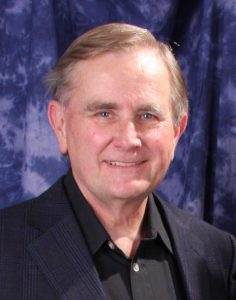 Dale Cruikshank合作论文数Astrophysics Branch, Ames Research Center, National Aeronautics and Space Administration59
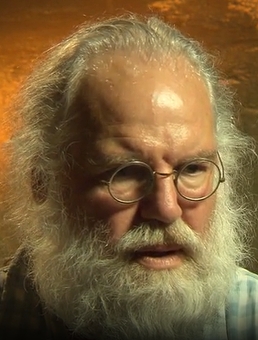 Fabrizio Capaccioni合作论文数Istituto di Astrofisica e Planetologia Spaziali, National Institute for Astrophysics52
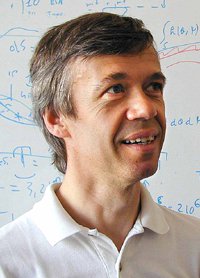 Christophe Sotin合作论文数Jet Propulsion Laboratory, California Institute of Technology;University of Nantes51
 Giancarlo Bellucci合作论文数IFSI-CNR49
 Thomas McCord合作论文数Bear Fight Institute48
 Robert Hamilton Brown合作论文数Lunar & Planetary Laboratory, College of Sciences, The University of Arizona45
 Angioletta Coradini合作论文数Instituto di Fisica dello Spazio Interplanetario, INAF45
 Priscilla Cerroni合作论文数43
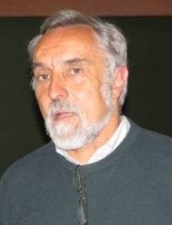 Yves Langevin合作论文数Institut d'Astrophysique Spatiale, Université Paris-Saclay40
 William Smythe合作论文数38
 Gianrico Filacchione合作论文数Istituto di Astrofisica Spaziale e Fisica Cosmica, CNR38
 Jean Pierre Bibring合作论文数Institut d'Astrophysique Spatiale, Faculté des sciences d'Orsay, Université Paris-Saclay38Dennis L Matson合作论文数38V. Formisano合作论文数37V. Mennella合作论文数Osservatorio Astronomico di Capodimonte36
 P. Nicholson合作论文数Cornell University36
 Bruno Sicardy合作论文数Université Pierre et Marie Curie;Observatoire de Paris33
 Philip D. Nicholson合作论文数Department of Astronomy, The College of Arts & Sciences, Cornell University;Carl Sagan Institute, Cornell University32Dennis L. Matson合作论文数31
 Pierre Drossart合作论文数Institut d'Astrophysique de Paris29A. L. Lane合作论文数26Mark D. Boryta合作论文数23
 Robert H. Brown合作论文数Department of Neurology, UMass Chan Medical School21Laurence A. Soderblom合作论文数21Michel Combes合作论文数20William D Smythe合作论文数20K. Stephan合作论文数19Rh Brown合作论文数17
 Daniel Britt合作论文数Department of Physics, University of Central Florida16
 Jonathan Lunine合作论文数Jet Propulsion Laboratory, California Institute of Technology;Division of Geological and Planetary Sciences, California Institute of Technology14L Kamp合作论文数14
 Chris O'Dell合作论文数Cooperative Institute for Research in the Atmosphere, Colorado State University14
 Benjamin D. Braaten合作论文数Dept Elect & Comp Engn, North Dakota State Univ14
 Annmarie Eldering合作论文数National Institute of Standards and Technology;Eldering Consulting, LLC14
 F. Tosi合作论文数IFSI-Istituto di Fisica dello Spazio Interplanetario INAF Via fosso del Cavaliere Rome 100-00133 Italy14
 Daniel Boice合作论文数Department of Space Science, Southwest Research Institute14Juergen Oberst合作论文数13Gj Veeder合作论文数12D. P. Cruikshank合作论文数12
 Jason W. Barnes合作论文数Department of Planetary Sciences;University of Arizona;Department of Planetary Sciences, University of Arizona12B. R. Sandel合作论文数11Wallis B D合作论文数11T. V. Johnson合作论文数11f leader合作论文数10




