Introduction The phase II CAST trial published by Alhomsi et al studied the use of PTCY in combination with Abatacept, and short course of tacrolimus(TAC) as GVHD prophylaxis in haploidentical transplant (HID). Results were promising for low incidence of GVHD and superior relapse free survival (RFS) compared to a CIBMTR matched cohort (TCT 2024). Objectives Since Nov 2023, we used the CAST regimen at Mayo Clinic Rochester for patients undergoing matched, mismatched unrelated donor and HID. Here we report our single institution experience of the CAST regimen as GVHD prophylaxis. Methods Patients with insurance approval for Abatacept who received GVHD prophylaxis according to the CAST study were included. Abatacept was dosed on days +5, 14, 28, and 56 post alloHCT. Tacrolimus (TAC) was started on day +5, and tapering was initiated on day 60, while it was discontinued by day 90 in the absence of GVHD. Results A total of 73 patients received the CAST regimen. Median age at transplant was 61-years (IQR 50-68) and 39 (53.4%) were males. Out of the 73 patients, 56 (76.7%) had matched unrelated donor (MUD), 10 (13.7%) had mismatched unrelated donor (MMUD), and 7 (9.6%) had HID. A total of 28 (38.4%) patients received myeloablative conditioning. Graft was 100% T-cell replete PBSC. The most common indications for alloHCT were AML [28 (38.4%) patients], MDS [21 (28.8%) patients], and myelofibrosis [7 (9.6%) patients].Disease risk index (DRI) was high/very high in twelve (16.4%) patients, whereas 49 (67.1%) had intermediate and 5 (6.8%) patients had low DRI. DRI was not available for 7 (9.6%) patients. Among AML patients, 9 (32.1%) were MRD-positive pre-transplant.Median time to ANC engraftment was 15 days (IQR 14-17 days), and median time to platelet engraftment was 20 days (IQR 15-27 days), while one (1.4%) patient developed graft failure.After a median follow-up of 11.9 months (95% CI 10.6 – 13 months), 3 (4.1%) patients developed grade 3-4 acute GVHD, while 8 (10.9%) patients developed chronic GVHD requiring systemic therapy. Of the 3 patients with grade 3-4 acute GVHD, 2 patients had stage 4 GI GVHD and 1 had stage 3 liver GVHD.Median OS and RFS were not reached; 1-year OS was 82.4% (95% CI 73.3 - 92.7%) and 1-year RFS was 69.6% (95% CI 59.5 - 81.5%). A total of 15 (20.5%) patients relapsed, 14 (93.3%) were among MUD group, while only 1 (6.7%) patient relapsed in the MMUD/HID group. The 1-yr GRFS rate was 61.1% (95% CI 50.5 – 73.9%). The 1-yr non-relapse mortality (NRM) for the entire cohort was 8.9% and 1-year cumulative incidence of relapse was 21.5%. Conclusion Here we report the first real world experience of CAST across multiple different donor platforms in a predominantly enriched MUD cohort. Shorter time to engraftment was notable with CAST. CAST was associated with a very low incidence of severe acute and chronic GVHD, which translated into a favorable 1-yr NRM. Longer follow up is required to evaluate long term outcomes.
Introduction Post-transplant cyclophosphamide (PTCy) is widely being used for graft-versus-host disease prophylaxis (GvHD) following allogeneic hematopoietic stem cell transplantation (alloHCT). There is growing data pertaining to the risk of early cardiac events in patients and the use of reduced-dose PTCy (rPTCy) as a mitigating strategy. Objective Evaluate whether rPTCy reduces the incidence of early cardiac events after alloHCT and assess its long-term effects on non-relapse mortality (NRM) and survival. Methods All consecutive adult patients undergoing alloHCT from 2018-2024 and who received PTCy with mycophenolate mofetil (MMF) plus either tacrolimus or sirolimus as GVHD prophylaxis were included. rPTCy was defined as cyclophosphamide dosing <100 mg/kg given in two divided doses on days +3 and +4. Results A total of 248 patients were included (median age 61 years [range 18-76]) who mostly received a T-cell replete PBSC graft (89%, n=221), from matched-unrelated (52.8%, n=131) or haploidentical (30.7%, n=76) donor, after reduced-intesity conditioning (RIC; 65.3%, n=162).PTCy dose was reduced in 44 patients (17.7%; median 80mg/kg [range 50-80]); 9/44 (20.5%) received <80mg/kg.Relative to standard PTCy, the rPTCy group was older (median 63 v. 60 years, P=0.06), had more comorbidity: higher HCT-CI (median 4 v. 2, P=0.005), more hypertension (54.5% v. 37.9 %, P=0.04) and heart failure (25.6% v. 10.3%, P=0.007), and arrhythmia (15.9% v. 8.9%, P=0.056), with lower baseline iothalmate-measured GFR (median 67 ml/min v. 89 ml/min, P<0.001), and less haploidentical donor (11.4% v. 34.8%, P=0.002). Rates of RIC use (P=0.176) and high/very high DRI (P=0.56) did not differ.The 100-day cardiac events were comparable among rPTCy and standard dosing group (25% v. 25.5%, P= 0.946). In addition, rates of neutrophil engraftment (P=0.129), grade II-IV acute GvHD (P=0.762), or chronic GvHD requiring steroids (P=0.554) were similar, while there was a trend towards faster platelet engraftment (median 16 v. 18 days, P=0.056) in the rPTCy group.After a median follow up of 16 months (95% CI 15 – 18), rPTCy showed a trend toward higher NRM (1yr NRM 17.5% v. 8.2%, P=0.08), with no differences in cumulative incidence of relapse (1yr CIR 16.8% v. 26.2%, P=0.3), GvHD-free, relapse-free survival (median GRFS not reached v. 44 months; P=0.78), chronic GvHD-free, relapse-free survival (median CRFS 13 v. 44 months; P=0.58), or overall survival (median OS 22 months v. not reached, P=0.38). Conclusions Despite greater baseline cardiac/renal comorbidity and higher HCT-CI, patients receiving rPTCy had similar 100-day cardiac event rates. While rPTCy group had a non-significant trend toward higher 1-yr NRM, which may reflect the burden of comorbidity, there was no apparent compromise on the incidence of GVHD or survival.
Post-transplant cyclophosphamide (PTCy) for graft-versus-host disease (GVHD) prophylaxis is now being used beyond haploidentical (HID) allogeneic hematopoietic cell transplant (alloHCT). However, the kinetics of chimerism in patients receiving PTCy and its impact on post-transplant relapse is unknown. In this study we describe the kinetics of donor chimerism in patients receiving PTCy, factors predisposing to mixed donor chimerism, and the associated survival outcomes. Patients undergoing alloHCT at Mayo Clinic, Rochester, from January 2018 to June 2023 were included in the study. Full donor chimerism was defined as donor cell fraction ≥95%, and mixed chimerism as donor cell fraction <95%. Analysis of covariance was used to assess the trend of tacrolimus levels in patients with mixed versus full donor CD3 chimerism. Relapse-free survival (RFS) and overall survival (OS) from transplant were determined using the Kaplan-Meier method. Mixed donor chimerism was considered a time-dependent covariate in multivariate analysis. A total of 500 patients were evaluated; 189 (37.8%) patients received myeloablative conditioning (MAC); 27 (14.3%) of whom received PTCy and 162 (85.7%) received methotrexate (MTX) for GVHD prophylaxis. Among patients receiving PTCy, HID and mismatched donor transplants were significantly associated with a lower risk of mixed CD3 chimerism. In patients receiving PTCy, myeloablative busulfan/fludarabine (BuFlu), compared to non-busulfan MAC regimens, Bu/Flu MAC was associated with an increased risk of d +90 mixed chimerism (OR = 10.47, P = .02). However, reduced intensity (RIC) BuFlu was not associated with an increased risk of mixed CD3 chimerism (OR = 0.71, P = .7). Among patients receiving MAC and PTCy, those with high tacrolimus levels (≥11 mcg/mL) beyond the 2nd wk post-transplant period were more likely to have mixed CD3 chimerism (F1,145 = 4.15, P = .043). In patients receiving MAC and PTCy, d +90 mixed CD3 chimerism was associated with an inferior RFS (1-yr RFS: 89.16% versus 40.0%, P = .009). Multivariate analysis showed that mixed donor CD3 chimerism was associated with an inferior RFS in patients receiving MAC and PTCy (HR: 6.53, 95% CI, 1.18 to 36.15, P = .032). Among patients receiving MAC and PTCy, detection of mixed donor CD3 chimerism at any timepoint after transplant portends an inferior RFS. A high tacrolimus level beyond 2nd week of transplant in this subset of patients was associated with mixed CD3 chimerism. The detection of mixed CD3 chimerism provides an opportunity to implement strategies that may help in decreasing the risk of relapse in this subset of patients.
Transplant-associated thrombotic microangiopathy (TA-TMA) is an endothelial dysfunction syndrome observed after allogeneic hematopoietic cell transplant (alloHCT). Our aim was to externally validate the impact of high-risk features on the clinical outcomes of adult patients meeting the updated TA-TMA harmonizing criteria. Between 2005 and 2022, 99 patients were diagnosed with TA-TMA at Mayo Clinic Rochester (incidence 6.2%) after a median of 137 days post alloHCT (IQR: 34-283 days). The development of TA-TMA was associated with an inferior overall survival posttransplant (HR: 3.8, 95% CI: 2.97-4.72). High-risk features, including concomitant infection, acute graft-versus-host disease (GVHD), and organ dysfunction, were associated with poor survival, while LDH elevation was not associated with inferior outcomes. The most common treatment strategy for TA-TMA was discontinuation of calcineurin or mTOR inhibitors in 80 (81%) patients. Thirty (37.5%) patients experienced worsening of GVHD with this strategy, of which 26 (86.7%) patients had died at last follow-up. The most common cause of death among these patients was worsening GVHD (69%; n = 18), followed by infection (11%; n = 3), disease relapse (8%; n = 2), other/unknown causes (8%; n = 2), or TA-TMA (4%; n = 1). Objective response rate (ORR) to initial treatment for the cohort was 56.6%. Eculizumab was used in 11 patients with an observed ORR of 70%, including 5 complete responses. In conclusion, TA-TMA remains a significant contributor to non-relapse mortality and is associated with worse survival following alloHCT. Not all high-risk features, particularly LDH elevation, have consistently demonstrated a negative impact in adult cohorts. Patients with TA-TMA may benefit from immune suppression dose adjustment, rather than a discontinuation, and the addition of complement-directed therapy, particularly among high-risk patients.
Background: There is an increased risk of second primary malignancies including second hematological malignancies (SHM) in multiple myeloma (MM) patients undergoing autologous stem cell transplant (auto-SCT) followed by lenalidomide maintenance. We analyzed the characteristics and outcomes of patients who developed SHM after an auto- SCT for MM. Methods: A retrospective study of all MM patients who underwent auto- SCT at Mayo Clinic, Rochester between January 1, 1990, and 31 August 2023 and later developed SHM. Demographic, clinical and pathologic data were collected retrospectively. Overall survival (OS) was calculated from the date of auto-SCT to the date of last follow up. Statistical analyses were performed using GraphPad prism 9.0. Chi-square test was used to calculate the difference between categorical variables. Kaplan Meier method and log rank test were used to estimate OS. Results: Among 3513 patients who underwent at least 1 auto-SCT, 104 (2.9%) developed a SHM at a median follow up of 59 (range, 0.2-265) months. Patients who developed SHM, more frequently received pretransplant alkylating agents (37.5 vs 24.2 %, odds ratio [OR], 1.87; P=0.003) and topoisomerase II inhibitors (anthracyclines/etoposide) (17.3% vs 10.4%, OR [1.79]; P=0.03) compared to a control group of MM patients without SHM. Further, exposure to lenalidomide (77.8% vs 57.6%, OR[2.59]; P <0.0001) and radiation therapy (32.6% vs 23.1%, [1.54]; P=0.04) were more often seen in the SHM cohort compared to control group. Among the 381 patients who underwent > 1 auto- SCT, 3.1% developed SHM. Therapy related myeloid neoplasms (t-MN) accounted for 90.3% of cases [n=94; t-myelodysplastic syndrome (t-MDS=64), t-acute myeloid leukemia (t-AML=12), t-MDS transformed to AML(n=16), chronic myeloid leukemia (n=1), MDS/myeloproliferative neoplasm overlap syndrome (n=1)]. Eight patients (7.6%) developed therapy related B- cell acute lymphoblastic leukemia (t-ALL); Philadelphia (Ph) negative ALL (n=7) and Ph- like ALL (n=1). One patient each developed mixed phenotype acute leukemia and acute leukemia, not otherwise specified. Sixty patients (57.6%) were males and the median age at diagnosis of SHM was 70 (range, 43-84) years. The median time from auto-SCT to diagnosis of SHM was 58.5 (range, 7-236) months. In a multivariate analysis, receiving an alkylating agent (hazard ratio [95% confidence interval]: 2.51 [1.54 to 4.01]; P = 0.0002) and/or topoisomerase II inhibitor as induction for MM (3.12 [1.59 to 5.88]; P = 0.0006), exposure to lenalidomide (7.08 [3.92 to 13.50]; P = <0.0001) and radiation therapy (1.60 [1.02 to 2.44]; P = 0.03) were independent predictors of developing SHM. At diagnosis, 57% (n=37) of t-MDS and 71% (n=20) with t-AML had high risk disease per R-IPSS and 2022 European Leukemia Net respectively. Clonal abnormality in chromosome 5 and/or 7 was present in 45% (n=42) of patients. Complex and monosomal karyotype was seen in 32% (n=30) with t-MN. The most frequently mutated genes based on next generation sequencing data included TP53 (n=33), DNMT3A (n=9), RUNX1 (n=5), TET2 (n=4) and CEBPA (n=4). In the t-MDS/AML cohort, 3 patients (3.1%) underwent second auto-SCT and 9 (9.5%) received allogenic SCT (allo-SCT) for SHM. After a median follow-up of 27.2 months, the median OS from t-MDS/AML diagnosis was 8.04 months (95%CI, 6.1-11.0 months) and there was no difference in median OS for allo-SCT recipients versus nonrecipients (9.1 vs 6.8 months, P =0.19). In the t-ALL (n=8) cohort, all of them received lenalidomide based induction and five received lenalidomide maintenance. Most of the t-ALL patients had adverse risk cytogenetics [IKZF1 deletion (n=2), complex karyotype (n=2), TP53 mutation (n=1) and P2RY8-CRLF2 fusion (n=1)]. Three patients with t-ALL underwent allo-SCT and the median OS for allo-SCT recipients versus non recipients were 8.3 vs 7.9 months respectively, P=0.50. Among patients with SHM, 92.3% (n = 96) have died with SHM (72%) being the most common cause of death. MM patients who developed SHM had an inferior OS when compared to those without SHM (median OS, 75 vs 90 months, P =0.006). Conclusion: SHM following auto-SCT tends to have aggressive disease biology with poor outcomes. Short term follow up underestimates the risk of SHM and the higher incidence noted in our study may be due to longer follow up. As the OS in MM patients continues to improve, SHM remains an important challenge in improving long term outcomes.
7516 Background: Immune effector cell hemophagocytic lymphohistiocytosis IEC-HS is a complication of CAR T cell therapy (CART). This study aims to look at the outcomes of CART patients who develop IEC-HS. Methods: Patients who developed IEC-HS after receiving CART and patients who developed IEC-HS without (nonCART) between December 2020 and March 2022 were included. Results: The 20 CART patients were older than the 25 nonCART patients. Peak ferritin, fibrinogen, CRP, serum creatinine and transaminases were similar between the 2 group. CART patients had lower white blood cell count and platelets and bilirubin than the nonCART patients. CART patients were more like to have markedly elevated IL-6 levels (> 315 mg/ml), higher IL-18, higher MCP-1, and suppressed IL-1β and GMCSF than nonCART patients (Table). Treatment of IEC-HS included tocilizumab (n = 19), anakinra (n = 18) siltuximab (n = 4) and basiliximab (n = 4), dexamethasone (n = 18) methylprednisolone (n = 6), etoposide (n = 1) and ruxolitinib (n = 1). A significant response defined by a 90% reduction or normalization of the cytokine was observed with IL-10 and IFN-ϒ in 92.3% and 84.6% of the CART patients respectively. An intermediate response was noted with TNF, IL-6, MCP-1 and MIP-1 in 38.4%, 30.8% and 61.6% and 38.5% of the patients respectively. No patient had a significant response in IL-2Rα or IL-1β and only 7.7% had a significant response in IL-18. Of the 5 patients who had a MIP-1 response, 4 were on basiliximab +/- high flow continuous venovenous hemofiltration and the only patient that had an IL-18 response was on both modalities. The 100-day mortality after IEC-HS in the CART patients was 40% and was associated with higher peak and lower best ferritin but not the percentage reduction (Table). Higher TNF (90.3 pg/ml vs 37.2 pg/ml, p = 0.05), markedly elevated levels of IL-6 (92% vs 50%, p = 0.03) and IL-10 (33% vs 0%) and an IL-6 response (44.4% vs 0%) were associated with survival at day 100. IL-6 responders had lower peak ferritin vs IL-6 nonresponders (14066 mcg/L vs 45051 mcg/L, p = 0.08). Enterococcus faecium bacteremia developed in 75% of the nonsurvivors vs 16.6% of the 100-day survivors (p = 0.009). Survivors cleared the enterococcus bacteremia within days while nonsurvivors had protracted bacteremia. Conclusions: IEC-HS is devastating complication of CART. Anti-cytokine therapy can reduce some cytokines and ferritin but overimmunosuppression may lead infectious complication, in particular with E. faecium. Better biomarkers are needed to finetune immunosuppressive therapy in order to avoid over-immunosuppression. [Table: see text]
Large pericardial effusion (LPE) and tamponade are purported manifestations associated with atypical chronic graft-versus-host disease (cGVHD); however, their temporal association with GVHD, management, and impact on overall outcome are not well established. We report a retrospective analysis of 38 patients who developed LPE from a cohort of 1265 (3.00%) patients age >= 18 years who underwent allogeneic hematopoietic cell transplantation (alloHCT) at Mayo Clinic between March 1993 and August 2020. The median patient age at the time of LPE was 54 years (interquartile range [IQR], 44 to 58 years), and 8 of the 38 patients (21%) had previous cardiomyopathy. The median time from alloHCT to detection of LPE was 197 days (IQR, 40 to 378 days). Overall, the incidence of grade II (15 of 38; 40%) and grade III-IV (9 of 38; 24%) acute GVHD (aGVHD) was higher in patients who developed LPE compared with those who did not develop LPE (P =.005). The incidence rates of moderate (10 of 38; 26%) and severe (15 of 38; 40%) cGVHD according to the 2014 National Institutes of Health cGVHD criteria were also higher in the LPE cohort (P =.03). Twenty-nine patients (76%) presented with cardiac tamponade, 32 patients (84%) underwent urgent pericardiocentesis for symptomatic LPE, and 2 patients had a pericardial window placement. Four patients were medically managed with colchicine, steroids, diuresis, and immunosuppressive therapy (IST). On multivariable analysis, HCT Comorbidity Index (HCT-CI) group (hazard ratio [HR] 3.57; [95% confidence interval (CI), 1.29 to 9.85; P =.014] for HCT-CI 1 to 2; 4.06 [95% CI, 1.50 to 10.99; P =.006] for HCT-CI >= 3) and aGVHD (HR, 2.38 [95% CI, 1.11 to 5.12; P =.026] for grade II and 2.82 [95% CI, 1.07 to 7.44; P =.038] for grade III-IV) were significant risk factors for developing LPE. At a median follow-up of 40 months post-alloHCT, median disease-free survival (DFS) was 34.2 months (95% CI, 25.3 to 45.7 months) in patients who did not develop LPE and 32.2 months (95% CI, 13.2 to undefined upper limit) in those who developed LPE (P =.41). The median overall survival (OS) post-alloHCT was 50.9 months (95% CI, 41.8 to 64.8 months) in patients who did not develop LPE and was 32.9 months (95% CI, 19.5 to undefined upper limit) in patients who developed LPE (P =.003). In summary, LPE and tamponade can present at various time points post-alloHCT, and management includes pericardiocentesis, steroids, and intensification/initiation of IST if associated with serositis. LPE does not appear to result in permanent cardiac damage but results in inferior OS. (c) 2023 The American Society for Transplantation and Cellular Therapy. Published by Elsevier Inc. All rights reserved.
Introduction: Fludarabine combined with melphalan 140 mg/m2 (FluMel140) is a commonly used reduced-intensity conditioning (RIC) regimen in patients undergoing matched related (MRD) and unrelated donor (MUD) allogeneic stem cell transplant (alloSCT). Ciurea et al Blood 2020, described outcomes of Flu 160 mg/m2 and Mel 100 mg/m2. In this study, we describe our experience of attenuated melphalan dosing 100-120 mg/m2 versus 140 mg/m2 with fludarabine 125 mg/m2 (attenuated FluMel versus regular dose FluMel). Methods: We retrospectively reviewed patients from November 2016 to April 2023 with AML, ALL or MDS undergoing alloSCT who received fludarabine and melphalan. Patients who received the lower dose of melphalan were considered to be the attenuated FluMel cohort, whereas patients receiving the melphalan 140 mg/m2 were considered to be the control cohort. Kaplan-Meier and log-rank tests were used to estimate OS. NRM and relapse incidence (RI) was calculated using competing risk analysis. R 4.2.0 (R Foundation for Statistical Computing) was used for statistical analyses. Results: A total of 134 patients [92 (68.7%) males] were evaluated. Thirty-seven (27.6%) patients received attenuated FluMel and 97 (72.4%) patients received regular dose FluMel (controls). Among the patients in the attenuated FluMel cohort, 5 (13.5%) patients also received fludarabine at doses less than 125 mg/m 2 [median 20 mg/m 2 (range 87.5-112.5 mg/m 2]. Median age at transplant was 65 years (range 30 - 76 years). The most common disease was AML [75 (56.0%) patients] ( Table 1). Patients in the attenuated FluMel group had comparable iothalamate clearance compared to control cohort (clearance <65 ml/min/1.73 m2: 18.9% vs. 12.4%, P = 0.52). Patients in the attenuated FluMel group had comparable rates of high/very high DRI to those in control cohort (51.4% vs. 43.3%, P = 0.91). Compared to the control cohort, patients in the attenuated FluMel group were less likely to have a matched related donor (21.6% vs. 45.4%, P = 0.02) and were more likely to receive PTCy for GVHD prophylaxis (37.8% vs. 16.5%, P = 0.02). Among the patients receiving attenuated FluMel, the median melphalan dose administered was 100 mg/m2. The median time to neutrophil engraftment was 19 days (IQR 16-21 days), and median time to platelet engraftment was 18 days (range 12-25 days). Eleven (29.7%) patients developed post-alloSCT mucositis, and 3 (8.1%) patients developed grade 3-4 mucositis. All the patients in the attenuated FluMel group achieved 100% CD33 donor chimerism at day +30 (n=35) and day +100 (n=28) after alloSCT. Similarly, 26 (74.3%, n = 35) patients achieved ≥ 95% CD3 donor chimerism at day +30 after alloSCT and 23 (82.1%, n = 28) patients achieved ≥ 95% CD3 donor chimerism at day +100 after alloSCT. Median follow-up of the entire cohort after alloSCT was 2.3 years (95% CI 2.1-2.5 years). Median follow-up was 1.5 years in the attenuated FluMel cohort and 2.5 years for the control cohort ( P<0.001) . Survival was similar among patients receiving attenuated FluMel vs. control cohort (2-year OS 74.7% vs. 65.0%, P = 0.28). At 2 years post-alloSCT, the attenuated FluMel and control cohort had similar non-relapse mortality (19.9% vs. 24.4%, P=0.58) and relapse (22% vs. 15.2%, P=0.51). The attenuated FluMel was not associated with an increased incidence of relapse (HR 1.36, 95% CI 0.50-3.73, P=0.55) or NRM (HR 0.74, 95% CI 0.28-1.95, P = 0.55). GVHD-free relapse free (GRFS) survival was also similar among the attenuated Flu/Mel and control cohort (1-year GRFS rate 41.1% vs. 45.6%, P = 0.8). Among the patients receiving PTCy for GVHD prophylaxis, the 2-year OS in patients receiving attenuated FluMel was higher than the control group, but it was not statistically significant (2-year OS rate: 90% vs. 55%, P=0.37, Figure 1). Compared to the control group, the attenuated FluMel group had similar rates of NRM at 100 days (10% vs. 12.5%), 1 year (NA vs. 25%) and at 2 years after alloSCT (NA vs. 25%, P=0.54). GRFS at 1 year was also similar between the attenuated FluMel and control group (68.6% vs. 43.8%, P = 0.69). Conclusion: The attenuated dosed FluMel conditioning is a safe and effective regimen for elderly patients with acute leukemia and MDS, and is non-inferior to regular dose FluMel. Among patients receiving PTCy for GVHD prophylaxis, the lower dose of melphalan was non-inferior to regular dose FluMel for survival outcomes. Larger studies are needed to confirm our findings.
Electrical properties of n-Ge contacts tailored with nanostructured WO3 is analysed using current–voltage (I-V) and capacitive-voltage (C-V) measurements. Au/WO3/n-Ge heterostructure show its significant improvement in terms of high forward current and high magnitude of rectification ratio (RR = 3040 at ± 0.5V) than compared to contact without interlayer. The series resistance evaluated using Cheung’s method found to be very low (Rs = 17 Ω) in contacts with WO3 interlayer than compared to pristine sample. The influence of WO3 interfacial layer in defining the accumulation and inversion regions is clearly observed in the C-V characteristics measured at 1 MHz. A transition from ohmic conduction at low bias voltages to trap charge limited current (TCLC) conduction at high bias voltages is observed in the case of Au/WO3/n-Ge contacts. The distribution of traps or defects at the oxide-Ge interface possibly associated to the observed current conduction mechanisms at high bias regions. Very low series resistance, high rectification ratio and high forward currents of Au/WO3/n-Ge contacts show its applicability in optoelectronic and photovoltaic applications.
Introduction Orally administered tacrolimus is widely used in hematopoietic cell transplant patients, but multiple clinical situations may arise rendering oral administration infeasible. The undesirable sequelae of intravenous administration, including toxicity, challenges with administration and cost call for innovative solutions to conserve existing supply and optimize safety and efficacy of medication delivery. We sought to demonstrate feasibility of sublingual tacrolimus use and estimate a sublingual-to-oral (SL:PO) conversion ratio in the hematopoietic cell transplant setting. Methods Ten adults undergoing allogeneic hematopoietic cell transplant received tacrolimus 0.04 mg/kg/dose twice daily. Initial doses were given via sublingual route and a steady state trough level was collected after 4 consecutive doses. Participants were then switched to oral tacrolimus, the dose adjusted for a goal trough 8-12ng/mL, and another steady state trough was drawn. Total daily dose was divided by trough concentration for each route to determine the dosing ratio of SL:PO. Results Median trough level following sublingual administration was 11.3 ng/mL. Three of these were within goal, 3 were low (4.7–6.4 ng/mL) and 4 were elevated (15.9–18.6 ng/mL). Median SL:PO ratio was 1.02. In 5 participants the SL:PO ratio was <1 (range 0.57–0.94) and in 5 the ratio was ≥1 (range 1.10–1.92). No significant barriers or intolerance to sublingual tacrolimus use were noted. Conclusions Results demonstrate reliable absorption with sublingual tacrolimus use in patients undergoing hematopoietic cell transplant. Sublingual administration may allow for avoidance of the undesirable complications of IV tacrolimus, such as increased toxicities, required hospitalization for continuous infusion, risk of dose conversion and dilution errors and increased cost. Trial Registry name: Use of Sublingual Tacrolimus in Adult Blood and Marrow Transplant Patients, NCT04041219 https://clinicaltrials.gov/ct2/show/NCT04041219?term=NCT04041219&draw=2&rank=1
We conducted a retrospective study comparing posttransplant outcomes between myeloma patients receiving conditioning melphalan on day-2 vs day-1 for autologous stem cell transplant. Between January 2017 and December 2018, 201 patients received melphalan on day-2 and 166 on day-1 prior to stem cell infusion. Baseline disease and clinical characteristics between the two groups were similar. Although rates of hospitalization were similar between the cohorts, duration of hospital admission was longer for day-1 (median 7 days for day-1 vs 5 days for day-2, p = 0.003). Rates of fever were higher in the day-1 cohort (69% vs 49%, p = 0.0002). Time to platelet and neutrophil engraftment was significantly longer in the day-1 cohort (platelet engraftment median days 17 for day-1 vs 15 for day-2, p < 0.0001, neutrophil engraftment median days 16 for day-1 vs 16 for day-2, p = 0.025). Overall response rate was similar between the cohorts (99% for day-1, vs 100% for day-2). Day-2 melphalan infusions should be considered in preference for day-1 protocols, given the clinically significant delay in platelet and neutrophil engraftment and longer duration of hospitalization with day-1 infusions.
 Hogan William合作论文数Department of Health Outcomes and Policy,University of Florida34
 Mark R. Litzow合作论文数Division of Hematology, Department of Internal Medicine, Mayo Clinic28
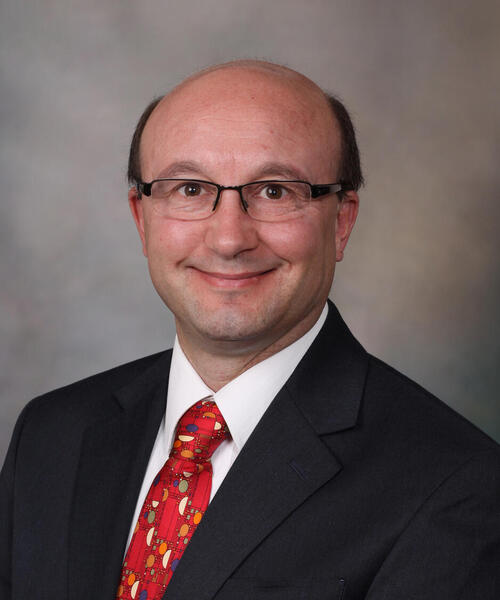 David Dingli合作论文数Department of Hematology, Mayo Clinic;Mayo Clinic Comprehensive Cancer Center, Mayo Clinic;Transplant Center, Mayo Clinic27
 Alkhateeb Hassan合作论文数Division of Hematology, Mayo Clinic21
 Angela Dispenzieri合作论文数Comprehensive Cancer Center, Mayo Clinic;Transplant Center, Mayo Clinic18
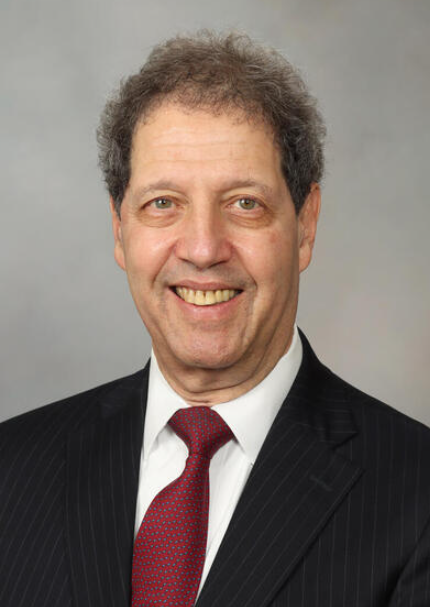 Morie A. Gertz合作论文数Mayo Clinic Comprehensive Cancer Center;Division of Hematology, Department of Internal Medicine, Mayo Clinic18Francis K. Buadi合作论文数18
 Martha Q. Lacy合作论文数Mayo Clinic-Rochester18
 Shaji Kumar合作论文数Division of Hematology, Department of Internal Medicine, Mayo Clinic16
 Mithun Vinod Shah合作论文数15
 Nelson Leung合作论文数Department of Hematology, Mayo Clinic14Suzanne R. Hayman合作论文数14Warsame Rahma合作论文数13Prashant Kapoor合作论文数13
 Mehrdad Hefazi合作论文数Medical School, Mashhad University of Medical Sciences13Taxiarchis V. Kourelis合作论文数Department of Hematology, University Hospital of Herakleion12
 Wilson I. Gonsalves合作论文数Division of Hematology, Department of Internal Medicine, Mayo Clinic;Mayo Clinic Comprehensive Cancer Center11
 Eli Muchtar合作论文数Rabin Medical Center, Beilinson Hospital11Urshila Durani合作论文数9
 Gabriel T Bartoo合作论文数9
 Mrinal Patnaik合作论文数College of Medicine, Mayo Clinic-Rochester9
 M Hasib Sidiqi合作论文数8
 Dennis A Gastineau合作论文数8Anmol Baranwal合作论文数7
 Abdullah S. Al Saleh合作论文数Div Hematol, Mayo Clin7Merten Julianna A合作论文数7
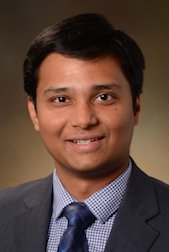 Abhishek A Mangaonkar合作论文数Mayo Clin, Div Hematol, Dept Med, Rochester, MN USA6
 Shahrukh K. Hashmi合作论文数Department of Health Abu Dhabi;Department of Hematology, Mayo Clinic6
 McCullough Kristen B合作论文数Department of Pharmacy Services, Mayo Clinic6
 Stephen M. Ansell合作论文数Division of Hematology, Department of Internal Medicine, Mayo Clinic6
 Jason N Barreto合作论文数Department of Pharmacy Services, Mayo Clinic5Moussab Damlaj合作论文数Department of Microbiology and Immunology, McGill University5Luis F. Porrata合作论文数5Hogan WJ合作论文数4Iuliana Vaxman合作论文数4
 Ivana N Micallef合作论文数4Tosh Pritish K合作论文数4
 David J. Inwards合作论文数Mayo Clinic4
 Michelle A. Elliott合作论文数Departments of Hematology, Mayo Clinic;Comprehensive Cancer Center, Mayo Clinic4
 Ronald S. Go合作论文数Department of Hematology, Mayo Clinic4
 Patrick B. Johnston合作论文数Department of Hematology, Mayo Clinic;Mayo Clinic Comprehensive Cancer Center;Transplant Center, Mayo Clinic4Ross A Dierkhising合作论文数3Lauren L Ice合作论文数3D Dingli合作论文数3Harsh Parmar合作论文数3Ann Lovett合作论文数3Kristin Mara合作论文数3
 John W. Wilson合作论文数Mayo Clinic3
 Yalniz Fevzi Firat合作论文数Cerrahpasa Faculty of Medicine, Istanbul University3




