The opioid crisis showcases a need for novel therapeutic avenues to treat drug abuse. GPR83, a recently deorphanized G protein-coupled receptor shown to blunt morphine reward learning and regulate pain, is activated by the neuropeptide PEN and peptides derived from cholecystokinin. To identify small molecule ligands, we generated a homology model based on the crystal structure of related receptors and used virtual screening on a library of 7 million compounds. The top 50 hits were screened in a cell-based assay that identified 2 selective GPR83 agonists, CPD1 and CPD27, and 1 antagonist, CPD25. The model was validated by site-directed mutagenesis of GPR83 residues predicted to interact with these ligands; these mutations disrupted ligand binding to GPR83. The molecular pharmacological properties of these compounds were characterized, and their GPR83 specificity validated using knockdown cells generated using GPR83 short hair pin RNA. Peripheral antagonist (CPD25) administration to wild-type and GPR83 knockout mice blocked morphine conditioned place preference only in the wild-type mice supporting that CPD25-mediated blockade is through GPR83 antagonism. Interestingly, morphine antinociception was blunted by the GPR83 agonist (CPD1) and enhanced by CPD25 with a medium to large effect size estimate, demonstrating a role for GPR83 in regulating morphine analgesia. Taken together, we identified and validated small molecule modulators of GPR83 that could be used to probe its role in neuropsychiatric disorders. Our in vivo studies highlight GPR83 as a target that could be used to limit the addictive effects of opioids in the treatment of pain. SIGNIFICANCE STATEMENT: There is a need to identify targets that limit opioid abuse potential while maintaining the pain-relieving effects. This study identifies small molecule GPR83 ligands that block opioid reward learning while enhancing their pain-relieving effect.
The LINE-1 (L1) retrotransposon is an ancient genetic parasite that has written around one-third of the human genome through a ‘copy and paste’ mechanism catalysed by its multifunctional enzyme, open reading frame 2 protein (ORF2p) 1 . ORF2p reverse transcriptase (RT) and endonuclease activities have been implicated in the pathophysiology of cancer 2 , 3 , autoimmunity 4 , 5 and ageing 6 , 7 , making ORF2p a potential therapeutic target. However, a lack of structural and mechanistic knowledge has hampered efforts to rationally exploit it. We report structures of the human ORF2p ‘core’ (residues 238–1061, including the RT domain) by X-ray crystallography and cryo-electron microscopy in several conformational states. Our analyses identified two previously undescribed folded domains, extensive contacts to RNA templates and associated adaptations that contribute to unique aspects of the L1 replication cycle. Computed integrative structural models of full-length ORF2p show a dynamic closed-ring conformation that appears to open during retrotransposition. We characterize ORF2p RT inhibition and reveal its underlying structural basis. Imaging and biochemistry show that non-canonical cytosolic ORF2p RT activity can produce RNA:DNA hybrids, activating innate immune signalling through cGAS/STING and resulting in interferon production 6 – 8 . In contrast to retroviral RTs, L1 RT is efficiently primed by short RNAs and hairpins, which probably explains cytosolic priming. Other biochemical activities including processivity, DNA-directed polymerization, non-templated base addition and template switching together allow us to propose a revised L1 insertion model. Finally, our evolutionary analysis demonstrates structural conservation between ORF2p and other RNA- and DNA-dependent polymerases. We therefore provide key mechanistic insights into L1 polymerization and insertion, shed light on the evolutionary history of L1 and enable rational drug development targeting L1.
In humans, a single enzyme 2-aminoadipic semialdehyde synthase (AASS) catalyses the initial two critical reactions in the lysine degradation pathway. This enzyme evolved to be a bifunctional enzyme with both lysine-2-oxoglutarate reductase (LOR) and saccharopine dehydrogenase domains (SDH). Moreover, AASS is a unique drug target for inborn errors of metabolism such as glutaric aciduria type 1 that arise from deficiencies downstream in the lysine degradation pathway. While work has been done to elucidate the SDH domain structurally and to develop inhibitors, neither has been done for the LOR domain. Here, we purify and characterize LOR and show that it is activated by alkylation of cysteine 414 by N-ethylmaleimide. We also provide evidence that AASS is rate-limiting upon high lysine exposure of mice. Finally, we present the crystal structure of the human LOR domain. Our combined work should enable future efforts to identify inhibitors of this novel drug target.
The human 2-oxoadipate dehydrogenase complex (OADHc) in L-lysine catabolism is involved in the oxidative decarboxylation of 2-oxoadipate (OA) to glutaryl-CoA and NADH (+H+). Genetic findings have linked the DHTKD1 encoding 2-oxoadipate dehydrogenase (E1a), the first component of the OADHc, to pathogenesis of AMOXAD, eosinophilic esophagitis (EoE), and several neurodegenerative diseases. A multipronged approach, including circular dichroism spectroscopy, Fourier Transform Mass Spectrometry, and computational approaches, was applied to provide novel insight into the mechanism and functional versatility of the OADHc. The results demonstrate that E1a oxidizes a non-cognate substrate 2-oxopimelate (OP) as well as OA through the decarboxylation step, but the OADHc was 100-times less effective in reactions producing adipoyl-CoA and NADH from the dihydrolipoamide succinyltransferase (E2o) and dihydrolipoamide dehydrogenase (E3). The results revealed that the E2o is capable of producing succinyl-CoA, glutaryl-CoA, and adipoyl-CoA. The important conclusions are the identification of: (i) the functional promiscuity of E1a and (ii) the ability of the E2o to form acyl-CoA products derived from homologous 2-oxo acids with five, six, and even seven carbon atoms. The findings add to our understanding of both the OADHc function in the L-lysine degradative pathway and of the molecular mechanisms leading to the pathogenesis associated with DHTKD1 variants.
Inflammasomes are macromolecular complexes involved in the host response to external and endogenous danger signals. Inflammasome-mediated sterile inflammation plays a central role in several human conditions such as autoimmune diseases, type-2 diabetes, and neurodegenerative disorders, indicating inflammasomes could be appealing therapeutic targets. Previous work has demonstrated that inhibiting the ATPase activity of the nucleotide-binding oligomerization domain, leucine-rich repeat and pyrin domain-containing protein 3 (NLRP3), disrupts inflammasome assembly and function. However, there is a necessity to find new potent compounds with therapeutic potential. Here we combine computational modeling of the target and virtual screening to discover a group of novel compounds predicted to inhibit NLRP3. We characterized the best compounds and determined their potency, specificity, and ability to inhibit processes downstream from NLRP3 activation. Moreover, we analyzed in mice the competence of a lead candidate to reduce lipopolysaccharide-induced inflammation. We also validated the active pharmacophore shared among all the NLRP3 inhibitors, and through computational docking, we clarify key structural features for compound positioning within the inflammasome ATP-binding site. Our study sets the basis for rational design and optimization of inflammasome-targeting probes and drugs.
Ifenprodil is an important negative allosteric modulator of the N-methyl-D-aspartate (NMDA) receptors. We have synthesized caged and photoswitchable derivatives of this small molecule drug. Caged ifenprodil was biologically inert before photolysis, UV irradiation efficiently released the drug allowing selective inhibition of GluN2B-containing NMDA receptors. Azobenzene-modified ifenprodil, on the other hand, is inert in both its trans and cis configurations, although in silico modeling predicted the trans form to be able to bind to the receptor. The disparity in effectiveness between the two compounds reflects, in part, the inherent ability of each method in manipulating the binding properties of drugs. With appropriate structure-activity relationship uncaging enables binary control of effector binding, whereas photoswitching using feely diffusable chromophores shifts the dose-response curve of drug-receptor interaction. Our data suggest that the efficacy of pharmacophores having a confined binding site such as ifenprodil can be controlled more easily by uncaging in comparison to photoswitching.
Cullin-RING (really intersting new gene) E3 ubiquitin ligases (CRLs) are the largest E3 family and direct numerous protein substrates for proteasomal degradation, thereby impacting a myriad of physiological and pathological processes including cancer. To date, there are no reported small-molecule inhibitors of the catalytic activity of CRLs. Here, we describe high-throughput screening and medicinal chemistry optimization efforts that led to the identification of two compounds, 33-11 and KH-4-43, which inhibit E3 CRL4 and exhibit antitumor potential. These compounds bind to CRL4's core catalytic complex, inhibit CRL4-mediated ubiquitination, and cause stabilization of CRL4's substrate CDT1 in cells. Treatment with 33-11 or KH-4-43 in a panel of 36 tumor cell lines revealed cytotoxicity. The antitumor activity was validated by the ability of the compounds to suppress the growth of human tumor xenografts in mice. Mechanistically, the compounds' cytotoxicity was linked to aberrant accumulation of CDT1 that is known to trigger apoptosis. Moreover, a subset of tumor cells was found to express cullin4 proteins at levels as much as 70-fold lower than those in other tumor lines. The low-cullin4-expressing tumor cells appeared to exhibit increased sensitivity to 33-11/KH-4-43, raising a provocative hypothesis for the role of low E3 abundance as a cancer vulnerability.
A bstract Disseminated tumor cells (DTCs) in secondary organs often remain dormant for a long period of time before re-awakening and growing into overt metastases. We have previously identified NR2F1/COUP-TF1, an orphan nuclear receptor, as a master regulator of tumor cell dormancy in head and neck squamous cell carcinoma (HNSCC) and other cancer types. Here we describe the identification and function of a novel NR2F1 agonist herein referred to as compound 26 (C26). C26 was found to specifically activate NR2F1 in HNSCC cells, leading to increased NR2F1 transcription and nuclear protein accumulation. C26-mediated activation of NR2F1 induced growth arrest of HNSCC PDX line and cell lines in 3D cultures in vitro and on chicken embryo chorioallantoic membrane (CAM) in vivo . The effect of C26 on growth arrest was lost when NR2F1 was knocked out by CRISPR/Cas9. C26-induced growth arrest was mediated by activation of an NR2F1-regulated dormancy program, including upregulation of cyclin-dependent kinase (CDK) inhibitor p27 and the transcription factors retinoic acid receptor β (RARβ) and Sox9. In mice bearing HNSCC PDX tumors, combined adjuvant and neo-adjuvant treatment with C26 resulted in complete inhibition of lethal lung metastasis. Mechanistic analysis showed that lung DTCs in C26-treated mice displayed an NR2F1 hi /p27 hi /Ki-67 lo phenotype, which kept them dormant in a single-cell state preventing their outgrowth into overt metastases. Our work reveals a novel NR2F1 agonist and provides a proof of principle strategy supporting that inducing DTC dormancy using NR2F1 agonists could be used as a therapeutic strategy to prevent metastasis.
Cullin-RING E3 ubiquitin ligase 4 (CRL4) plays an essential role in cell cycle progression. Recent efforts using high throughput screening and follow up hit-to-lead studies have led to identification of small molecules 33-11 and KH-4-43 that inhibit E3 CRL4's core ligase complex and exhibit anticancer potential. This review provides: 1) an updated perspective of E3 CRL4, including structural organization, major substrate targets and role in cancer; 2) a discussion of the challenges and strategies for finding the CRL inhibitor; and 3) a summary of the properties of the identified CRL4 inhibitors as well as a perspective on their potential utility to probe CRL4 biology and act as therapeutic agents.
Chronic liver disease and hepatocellular carcinoma (HCC) are life-threatening diseases with limited treatment options. The lack of clinically relevant/tractable experimental models hampers therapeutic discovery. Here, we develop a simple and robust human liver cell-based system modeling a clinical prognostic liver signature (PLS) predicting long-term liver disease progression toward HCC. Using the PLS as a readout, followed by validation in nonalcoholic steatohepatitis/fibrosis/HCC animal models and patient-derived liver spheroids, we identify nizatidine, a histamine receptor H2 (HRH2) blocker, for treatment of advanced liver disease and HCC chemoprevention. Moreover, perturbation studies combined with single cell RNA-Seq analyses of patient liver tissues uncover hepatocytes and HRH2 + , CLEC5A high , MARCO low liver macrophages as potential nizatidine targets. The PLS model combined with single cell RNA-Seq of patient tissues enables discovery of urgently needed targets and therapeutics for treatment of advanced liver disease and cancer prevention.
We describe the discovery of an agonist of the nuclear receptor NR2F1 that specifically activates dormancy programs in malignant cells. The agonist led to a self-regulated increase in NR2F1 mRNA and protein and downstream transcription of a novel dormancy program. This program led to growth arrest of an HNSCC PDX line, human cell lines, and patient-derived organoids in 3D cultures and in vivo. This effect was lost when NR2F1 was knocked out by CRISPR-Cas9. RNA sequencing revealed that agonist treatment induces transcriptional changes associated with inhibition of cell cycle progression and mTOR signaling, metastasis suppression, and induction of a neural crest lineage program. In mice, agonist treatment resulted in inhibition of lung HNSCC metastasis, even after cessation of the treatment, where disseminated tumor cells displayed an NR2F1hi/p27hi/Ki-67lo/p-S6lo phenotype and remained in a dormant single-cell state. Our work provides proof of principle supporting the use of NR2F1 agonists to induce dormancy as a therapeutic strategy to prevent metastasis.
Small molecule inhibitors of dual specificity, tyrosine phosphorylation-regulated kinase 1A (DYRK1A), including harmine and others, are able to drive human β cell regeneration. While DYRK1A is certainly a target of this class, whether it is the only or the most important target is uncertain. Here, we employ a combined pharmacologic and genetic approach to refine the potential mitogenic targets of the DYRK1A inhibitor family in human islets. A combination of human β cell RNA sequencing, DYRK1A inhibitor kinome screens, pharmacologic inhibitors, and targeted silencing of candidate genes confirms that DYRK1A is a central target. Surprisingly, however, DYRK1B also proves to be an important target: silencing DYRK1A results in an increase in DYRK1B. Simultaneous silencing of both DYRK1A and DYRK1B yields greater β cell proliferation than silencing either individually. Importantly, other potential kinases, such as the CLK and the GSK3 families, are excluded as important harmine targets. Finally, we describe adenoviruses that are able to silence up to 7 targets simultaneously. Collectively, we report that inhibition of both DYRK1A and DYRK1B is required for induction of maximal rates of human β cell proliferation, and we provide clarity for future efforts in structure-based drug design for human β cell regenerative drugs.
Recently, we have shown that harmine induces β-cell proliferation both in vitro and in vivo, mediated via the DYRK1A-NFAT pathway. We explore structure–activity relationships of the 7-position of harmine for both DYRK1A kinase inhibition and β-cell proliferation based on our related previous structure–activity relationship studies of harmine in the context of diabetes and β-cell specific targeting strategies. 33 harmine analogs of the 7-position substituent were synthesized and evaluated for biological activity. Two novel inhibitors were identified which showed DYRK1A inhibition and human β-cell proliferation capability. The DYRK1A inhibitor, compound 1-2b, induced β-cell proliferation half that of harmine at three times higher concentration. From these studies we can draw the inference that 7-position modification is limited for further harmine optimization focused on β-cell proliferation and cell-specific targeting approach for diabetes therapeutics.
DHTKD1 is the E1 component of the 2-oxoadipic acid dehydrogenase complex (OADHc), which functions in the L-lysine degradation pathway. Mutations in DHTKD1 have been associated with 2-aminoadipic and 2-oxoadipic aciduria, Charcot-Marie-Tooth disease type 2Q (CMT2Q) and eosinophilic esophagitis (EoE). A crystal structure and inhibitors of DHTKD1 could improve the understanding of these clinically distinct disorders, but are currently not available. Here we report the identification of adipoylphosphonic acid and tenatoprazole as DHTKD1 inhibitors using targeted and high throughput screening, respectively. We furthermore elucidate the DHTKD1 crystal structure with thiamin diphosphate bound at 2.1 Å. The protein assembles as a dimer with residues from both monomers contributing to cofactor binding. We also report the impact of ten DHTKD1 missense mutations on the encoded proteins by enzyme kinetics, thermal stability and structural modeling. Some DHTKD1 variants displayed impaired folding (S777P and S862I), whereas other substitutions rendered the enzyme inactive (L234G, R715C and R455Q) or affected the thermal stability and catalytic efficiency (V360A and P773L). Three variants (R163Q, Q305H and G729R) surprisingly showed wild type like properties. Our work provides a structural basis for further understanding of the function of DHTKD1 and a starting point for selective small molecule inhibitors of the enzyme, which could help tease apart the role of this enzyme in several human pathologies.
Recently, our group identified that harmine is able to induce β-cell proliferation both in vitro and in vivo, mediated via the DYRK1A-NFAT pathway. Since, harmine suffers from a lack of selectivity, both against other kinases and CNS off-targets, we therefore sought to expand structure-activity relationships for harmine's DYRK1A activity, to enhance selectivity for off-targets while retaining human β-cell proliferation activity. We carried out optimization of the 9-N-position of harmine to synthesize 29 harmine-based analogs. Several novel inhibitors showed excellent DYRK1A inhibition and human β-cell proliferation capability. An optimized DYRK1A inhibitor, 2-2c, was identified as a novel, efficacious in vivo lead candidate. 2-2c also demonstrates improved selectivity for kinases and CNS off-targets, as well as in vivo efficacy for β-cell proliferation and regeneration at lower doses than harmine. Collectively, these findings demonstrate that 2-2c is a much improved in vivo lead candidate as compared to harmine for the treatment of diabetes.
Glucagon-like peptide-1 receptor (GLP1R) agonists and dipeptidyl peptidase 4 inhibitors are widely prescribed diabetes drugs due to their ability to stimulate insulin secretion from remaining β cells and to reduce caloric intake. Unfortunately, they fail to increase human β cell proliferation. Small-molecule inhibitors of dual-specificity tyrosine-regulated kinase 1A (DYRK1A) are able to induce adult human β cell proliferation, but rates are modest (~2%), and their specificity to β cells is limited. Here, we provide evidence that combining any member of the GLP1R agonist class with any member of the DYRK1A inhibitor class induces a synergistic increase in human β cell replication (5 to 6%) accompanied by an actual increase in numbers of human β cells. GLP1R agonist-DYRK1A inhibitor synergy required combined inhibition of DYRK1A and an increase in cAMP and did not lead to β cell dedifferentiation. These beneficial effects on proliferation were seen in both normal human β cells and β cells derived from individuals with type 2 diabetes. The ability of the GLP1R agonist-DYRK1A inhibitor combination to enhance human β cell proliferation, human insulin secretion, and blood glucose control extended in vivo to studies of human islets transplanted into euglycemic and streptozotocin-diabetic immunodeficient mice. No adverse events were observed in the mouse studies during a 1-week period. Because of the relative β cell specificity of GLP1R agonists, the combination provides an improved, although not complete, degree of human β cell specificity.
Glutaric aciduria type 1 (GA1) is an inborn error of lysine degradation characterized by a specific encephalopathy that is caused by toxic accumulation of lysine degradation intermediates. Substrate reduction through inhibition of DHTKD1, an enzyme upstream of the defective glutaryl-CoA dehydrogenase, has been investigated as a potential therapy, but revealed the existence of an alternative enzymatic source of glutaryl-CoA. Here, we show that loss of DHTKD1 in glutaryl-CoA dehydrogenase-deficient HEK-293 cells leads to a 2-fold decrease in the established GA1 clinical biomarker glutarylcarnitine and demonstrate that oxoglutarate dehydrogenase (OGDH) is responsible for this remaining glutarylcarnitine production. We furthermore show that DHTKD1 interacts with OGDH, dihydrolipoyl succinyltransferase and dihydrolipoamide dehydrogenase to form a hybrid 2-oxoglutaric and 2-oxoadipic acid dehydrogenase complex. In summary, 2-oxoadipic acid is a substrate for DHTKD1, but also for OGDH in a cell model system. The classical 2-oxoglutaric dehydrogenase complex can exist as a previously undiscovered hybrid containing DHTKD1 displaying improved kinetics towards 2-oxoadipic acid.
 Javier Oria合作论文数22
 Antoni Margalida合作论文数Institute of Ecology and Evolution, Department of Biology, Faculty of Science, University of Bern21
 Luis Mariano Gonzalez Garcia合作论文数19Robert J. Devita合作论文数Department of Medicinal Chemistry, Merck Research Laboratories14
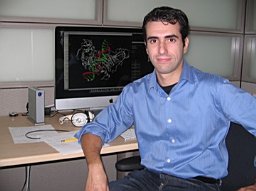 Dario Ghersi合作论文数Department of Structural and Chemical Biology;Mount Sinai School of Medicine;Program in Computational Biology;New York University;Mount Sinai School of Medicine, New York University11A Sali合作论文数10
 Ming-Ming Zhou合作论文数Department of Pharmacological Sciences, Icahn School of Medicine at Mount Sinai;Drug Discovery Institute, Icahn School of Medicine at Mount Sinai10
 Kunal Kumar合作论文数Dept Pharmacol Sci, Icahn Sch Med Mt Sinai7
 Andrew Fyfe Stewart合作论文数Diabetes Obesity and Metabolism Institute, Icahn School of Medicine at Mount Sinai;Department of Medicine, Icahn School of Medicine at Mount Sinai7
 Andrej Sali合作论文数Department of Bioengineering and Therapeutic Sciences, School of Pharmacy, University of California, San Francisco;Department of Pharmaceutical Chemistry, School of Pharmacy, University of California, San Francisco7Suvobrata Chakravarty合作论文数7
 Peng Wang合作论文数6
 Santi Manosa合作论文数Dept Biol Anim, Univ Barcelona6
 Sandor Pongor合作论文数Faculty of Bionics and Information Technology, Pázmány Péter Catholic University6Ethan A Swartz合作论文数5Cody Secor合作论文数5Michael B Lazarus合作论文数5Khamrui Susmita合作论文数Crystallography and Molecular Biology Division, Saha Institute of Nuclear Physics5Leandro João合作论文数5
 Sander Houten合作论文数Icahn School of Medicine at Mount Sinai5Tetyana Dodatko合作论文数4Hadassa Hirschfield合作论文数4Anna P Koh合作论文数4C Billie Bian合作论文数Icahn Sch Med Mt Sinai, Dept Med, Div Liver Dis, 1425 Madison Ave, New York, NY 10029 USA4
 Chunli Yu合作论文数4
 Nicolas Goossens合作论文数Division of Gastroenterology and Hepatology, Geneva University Hospital;Division of Transplantation, Geneva University Hospital4
 Venkatesh Anu合作论文数Tisch Cancer Institute, Icahn School of Medicine at Mount Sinai4
 Suebsuwong Chalada合作论文数4
 Atsushi Ono合作论文数4
 Naoto Fujiwara合作论文数Department of Gastroenterology and Hepatology, Graduate School of Medicine, Mie University4Nakagawa Shigeki合作论文数4
 Takaaki Higashi合作论文数4Luis Prada合作论文数4
 Bryan C Fuchs合作论文数Ferring Ventures4Javier Caldera合作论文数4Adolfo Garcia-Ocaña合作论文数4Enric Ortega合作论文数4
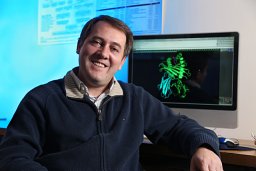 Francisco Melo合作论文数Facultad de Ciencias Biológicas, Pontificia Universidad Católica de Chile4Yujin Hoshida合作论文数4
 Zhen-Qiang Pan合作论文数Department of Biological Sciences, Columbia University New York4
 Jamel Meslamani合作论文数4Adam Vincek合作论文数3
 Steven G Smith合作论文数3Lei Zeng合作论文数3Liu Hongtao合作论文数3
 Frank Jordan合作论文数School of Arts & Sciences, Rutgers University3
 David W. Golde合作论文数Memorial Hospital, Cornell University3
 Mihaly Mezei合作论文数Department of Pharmacological Sciences, Icahn School of Medicine at Mount Sinai3Bing Zhang合作论文数3




