B7-H3 acts as a checkpoint inhibitor, influences the tumor microenvironment, and is necessary for osteoclast (OC) development. Given its dual roles in promoting cancer survival and bone breakdown, we looked at its expression pattern in >200 multiple myeloma (MM) patients and association with cytogenetic abnormalities and outcomes. We found that most newly diagnosed patients had B7-H3+ plasma cells or stroma regardless of cytogenetic risk and expression on plasma cells increased with subsequent relapses. In marrow aspirates and core biopsies we identified B7-H3+ myeloid derived suppressor cells (MDSC) and (OC). We found that high B7-H3 expression was associated with pathologic fractures, bone lesions, and worse progression free survival (PFS). To confirm the utility of B7-H3 as a target in MM, we tested a tri-specific killer engager (TriKE) that binds CD16 on natural killer (NK) cells and B7-H3 while also delivering a recombinant IL-15 molecule to promote NK cell activity. The B7-H3 TriKE restored the ability of patient-derived NK cells to recognize and kill MM and enhanced NK cell-mediated killing of tumor, MDSC, OCs, and fibroblasts. These data suggest that targeting B7-H3 may positively impact outcomes and prevent the development of new bone lesions. In addition to its ability to directly target MM and immunosuppressive cells in the tumor microenvironment, the B7-H3 TriKE improved cytokine secretion and polyfunctionality of NK cells in a single cell assay. These findings advance our understanding of B7-H3’s role in MM pathogenesis and validate the use of the B7-H3 TriKE to improve therapeutic outcomes in MM.
BACKGROUND:Brain metastases in patients with breast cancer (BCBM) are common. While the Breast Graded Prognostic Assessment (Breast GPA) predicts overall survival (OS), its ability to predict intracranial progression-free survival (icPFS) has not been established. METHODS:We conducted a retrospective, multi-institutional cohort study to evaluate the association between Breast GPA and icPFS among BCBM patients treated initially with stereotactic radiosurgery (SRS) or whole-brain radiation therapy (WBRT). icPFS was defined as the time from initial local BCBM treatment to the first local salvage treatment or death. RESULTS:Among 2263 patients, 49% received SRS and 51% WBRT. Subtypes included hormone receptor (HR)+/HER2- (31%), HR+/HER2+ (21%), HR-/HER2+ (17%), and triple-negative breast cancer (TNBC) (24%). The median icPFS ranged from 6 months (TNBC) to 12 months (HR+/HER2+). By Breast GPA, the median icPFS ranged from 5 months (GPA 0.0-1.0) to 13 months (GPA 3.5-4.0), and the median OS ranged from 6 to 37 months, respectively. The bias-corrected c-index for Breast GPA was 0.606 for icPFS and 0.648 for OS. icPFS and OS were strongly correlated (r = 0.783; 95% confidence interval, 0.739-0.836). In multivariable analysis, breast cancer subtype, number of BCBM, and Karnofsky Performance Status were the strongest icPFS predictors. CONCLUSIONS:The Breast GPA predicts OS and icPFS in BCBM patients, providing valuable benchmarks for clinical trial design. These data establish historical controls for icPFS by subtype and Breast GPA and may guide systemic therapy prioritization in patients at greatest risk of early intracranial progression.
Introduction Osteopetrosis is a group of heterogeneous disorders characterized by osteoclast dysfunction- driven dysregulation in bone metabolism. Autosomal recessive infantile osteopetrosis is a severe lethal form with disease-related mortality driven by bone marrow failure, complicated by extramedullary hematopoiesis and subsequent organ dysfunction. Allogeneic hematopoietic cell transplantation (alloHCT) replenishes osteoclasts to a functional phenotype. Early complications after alloHCT are secondary to graft failure, infection, and organ dysfunction. SOS/VOD occurs when endothelial cell injury causes hepatic sinusoidal obstruction and multi-organ dysfunction. Busulfan-based conditioning increases SOS/VOD risk. Objective We aimed to evaluate the characteristics and complications of alloHCT in pediatric patients with infantile osteopetrosis at our institution. Methods Demographics, transplant characteristics and complications data of pediatric patients transplanted for osteopetrosis between 2005-2024 was collected from the University of Minnesota BMT Database. AlloHCT milestones including neutrophil engraftment, graft-versus host disease (GvHD), SOS/VOD incidence, and overall survival were prospectively recorded. Estimates of overall survival were calculated by Kaplan-Meier curves. Results 24 patients with osteopetrosis undergoing HCT between 2005-2024 were evaluated, with median age of 0.7 years (range 0.3 – 36.5 years) and median follow-up of 7 years. Donor sources were matched unrelated (MUD, N=8), mismatched unrelated (mMUD, N=4), haploidentical parent (N=6), and matched sibling (MSD, N=6). 20/24 (83%) patients received Busulfan conditioning. 6/24 (25%) were documented to have SOS/VOD post-transplant. 4/24 (17%) patients received prophylactic defibrotide. Retrospective application of SOS/VOD diagnostic criteria (Modified Seattle Criteria and Baltimore Criteria) showed 17/24 patients (71%) qualifying for SOS/VOD diagnosis per Modified Seattle and 10/24 (42%) per Baltimore criteria. Overall survival (OS) at 3 years was 36% (95% CI 17, 55) (Figure 1) with 3-year GVHD-free survival of 27% (95% CI 11, 46). Conclusion Infantile osteopetrosis is a severe lethal form of osteopetrosis. AlloHCT rescues disease-related bone marrow failure by replenishing a functional osteoclast population but can exacerbate complications. We evaluated pediatric patients treated with alloHCT for osteopetrosis with focus on SOS/VOD. We demonstrated high retrospective incidence of criteria fulfillment for diagnosis of VOD/SOS at 71% and 42% for Modified Seattle and Baltimore diagnostic criteria respectively, and low 3-year overall survival (36%). Our findings reinforce the need to optimize conditioning regimens and the approach to complications in the post-transplant setting.
Cerebral adrenoleukodystrophy (C-ALD) is a rapidly progressing inflammatory neurodegenerative disease with unpredictable onset in males with ALD. It must be treated at an early stage of demyelination, determined by MRI, to preserve neurocognitive function. Validation of biochemical markers that can aid in the prediction of functional outcomes is needed for optimizing disease management and therapeutic development. Our objective was to determine whether plasma neurofilament light chain (NfL), a biomarker of neuroaxonal injury, corresponds to functional outcomes after standard of care treatment with haematopoietic stem cell transplantation (HSCT). This retrospective observational cohort study of 27 patients with C-ALD treated with HSCT at a mean age of 8.0 years (standard deviation = 2.6) examined pre-treatment biomarker levels and neurocognitive outcomes 1 year after treatment. Plasma biospecimens were collected at a median of 10 days prior to HSCT, and NfL concentrations were measured with Single-Molecule Array (SiMoA) assay. White matter lesions were characterized by Loes MRI severity scores. Following treatment, neurocognitive outcomes across six domains were measured at a median of 1 year post-HSCT using the Wechsler intelligence quotient (IQ) scales, the Beery-Buktenica Test of Visual-Motor Integration and the Purdue Pegboard test. Pre-HSCT NfL values in C-ALD patients ranged from 5.0 to 911.0 pg/ml, with a median of 35.8 pg/ml. Higher NfL levels were associated with lower post-HSCT scores across all neurocognitive domains (P < 0.05). Large effect sizes were seen for visual reasoning, processing speed, fine motor dexterity and visual-motor integration (Pearson correlations: r = -0.74 to -0.84). Partial correlations showed a moderate association between NfL and neurocognitive outcomes, even when adjusting for MRI severity scores. NfL has a strong correlation with neurocognitive status following treatment for C-ALD. These encouraging findings suggest an opportunity to improve our capacity to forecast outcomes and therefore improve counselling for families considering cellular therapies.
Background/aimsOptimal pre-transplant chemotherapy exposure for pediatric patients with high-risk acute myeloid leukemia (AML) in first complete remission (CR1) remains undefined. Many patients achieve measurable residual disease (MRD)-negative remission early, raising the question of whether additional chemotherapy prior to allogeneic hematopoietic cell transplantation (HCT) improves outcomes. We evaluated the impact of pre-HCT chemotherapy cycles on post-transplant outcomes.MethodsWe conducted a retrospective single-center cohort study of pediatric patients (age 0–18 years) with high-risk AML undergoing first myeloablative allogeneic HCT in MRD-negative CR1 between 2011 and 2023. Patients were stratified by receipt of 1–2 versus 3–4 pre-HCT chemotherapy cycles. Patients in the 3–4 cycle cohort who had achieved MRD-negative remission by the end of cycle 2 were assessed and compared to the 1–2 cycle cohort for rates of two-year relapse-free survival (RFS) and cumulative incidence of relapse. All patients in both cohorts were assessed for rates of two-year overall survival (OS) and one-year non-relapse mortality (NRM).ResultsForty patients met inclusion criteria; 22 (55%) received 1–2 cycles and 18 (45%) received 3–4 cycles. Excluding patients who were not MRD-negative after 2 cycles, two-year RFS was 66% (95% CI 32-86) for 3–4 cycles vs 68% (45-83) for 1–2 cycles (Hazard Ratio [HR] 0.88 [95% CI 0.26-3.01], p=0.84). The cumulative incidence of relapse at two years was 34% (9-62) in the 3–4 cycle cohort and 14% (3-31) in the 1–2 cycle cohort (HR 2.39 [0.57-10.1], p=0.23). Two-year OS was 77% (49-91) for 3–4 cycles vs 67% (46-84) in the 1–2 cycle cohort (HR 0.63 [0.18-2.14], p=0.46). One-year NRM was 0% in the 3–4 cycle group and 18% (5-37) in the 1–2 cohort (HR NE, p=0.06).ConclusionsAmong pediatric patients with high-risk AML undergoing allogeneic HCT in MRD-negative CR1 at a single center, 3–4 pre-transplant chemotherapy cycles were not associated with statistically significant differences in overall or relapse-free survival compared to 1–2 cycles, although the study was underpowered to exclude clinically meaningful differences. Consolidation with HCT after 1–2 cycles of chemotherapy, once MRD-negative remission is achieved, warrants prospective exploration of risk- and remission-guided treatment strategies.
Introduction Allogeneic hematopoietic cell transplant (HCT) improves the outcomes of pediatric patients with high-risk acute myeloid leukemia (AML) in first complete remission (CR1). Improved cytogenetic and molecular profiling of AML and data from sequential Children's Oncology Group (COG) trials have enabled clinicians to better define and identify high-risk disease. The most recent COG phase III study in upfront AML therapy, AAML1831, recommended two cycles of induction cytarabine-based chemotherapy followed by at least one cycle of consolidative therapy prior to HCT for high-risk patients. Many patients, however, achieve a complete remission without measurable residual disease (MRD) by flow cytometry after the first or second cycle of therapy. Additional cycles of intensive chemotherapy may increase toxicity and therapy-related complications. We hypothesized that, in pediatric patients with AML who underwent HCT in CR1, the number of upfront high-intensity chemotherapy cycles would not be associated with differences in leukemia-free survival (LFS), and that transplant-related mortality (TRM) may be higher in those exposed to an increased number of cycles. Methods This single-center retrospective study compared pediatric patients (age 0-18) who underwent HCT for AML in CR1 at the University of Minnesota between 2011-2023. Patients who were positive by flow cytometry at the time of transplant were excluded. Patients were divided into cohorts that received either 1-2 cycles or 3-4 cycles of high intensity cytarabine-based chemotherapy prior to HCT. Endpoints included 2-year LFS, overall survival (OS), and relapse incidence (RI), and 1-year TRM. Kaplan-Meier estimates of OS and LFS were made from date of HCT. Cumulative incidences of relapse and TRM were estimated using the cumulative incidence function, with the other event defined as a competing risk. Results We identified 42 patients that met inclusion criteria. All patients were conditioned with busulfan- (n=27) or total body irradiation (TBI)-based (n=15) preparative regimens and all received a calcineurin inhibitor-based GVHD prophylaxis. 24 patients (57%) received 1-2 cycles of chemotherapy prior to HCT, 18 (43%) received 3-4 cycles. Median age was 9.2 years (Q1, Q3: 2.6, 14.1) at HCT. There were no significant differences between the two cohorts in age, sex, race/ethnicity, Karnofsky/Lansky score, gemtuzumab exposure, donor type, stem cell source, conditioning approach (busulfan vs TBI), conditioning intensity (reduced vs myeloablative), or GVHD prophylaxis. The cohorts were similar in cytogenetic mutation profile with KMT2A rearrangements in 10 (42%) patients in the 1-2 cycle cohort and 8 (44%) in the 3-4 cycle cohort. 16 (67%) of the 1-2 cycle patients had reached morphologic CR1 after one cycle of chemotherapy, 15 (63%) flow MRD negative. 10 (56%) of the 3-4 cycle patients had reached flow MRD negative remission after one cycle and 13 (72%) of the 3-4 cycle patients were flow MRD negative after 2 cycles of therapy but went on to receive further cycles. Median duration from diagnosis to transplant was 100 days (Q1, Q3: 96, 120) in the 1-2 cycle cohort, and 139 (Q1, Q3: 128, 174) in the 3-4 cycle cohort. 2-year LFS was 71% (95% CI 48-85) in the 1-2 cycle cohort and 58% (31-77) in the 3-4 cycle cohort. 2-year OS was 70% (46-84) in 1-2 cycle patients vs 77% (49-91) in 3-4 cycle patients. Cumulative incidence of relapse at 2 years was 12% (3-29) in the 1-2 cycle cohort and 42% (18-65) in the 3-4 cycle cohort. The 1-2 cycle cohort TRM was 17% (5-34) at 1 year; there was no TRM in the 3-4 cycle cohort. Conclusions The impact of pre-transplant induction and consolidation cycles on outcomes of allogeneic HCT for pediatric AML remains a topic of deliberation. In this single center study of pediatric patients who underwent HCT for AML in flow cytometry-negative first complete remission, we found similar rates of 2-year leukemia-free survival and overall survival in patients receiving 1-2 pre-transplant chemotherapy cycles compared to those receiving 3-4 cycles. Additional cycles of consolidation therapy for patients primarily already in a flow MRD-negative state after 2 cycles did not appear to increase TRM or reduce rates of relapse. These results suggest that it may be appropriate to proceed to allogeneic HCT if in flow-MRD negative remission after 2 cycles of induction therapy without the potential toxicity of subsequent chemotherapy cycles.
This cohort study evaluates the performance of dried blood spot polymerase chain reaction (PCR) testing for the identification of congenital cytomegalovirus among infants in Minnesota.
PURPOSE:The purpose of this study was to investigate whether early hematopoietic stem cell transplantation (HSCT) in infants with Hurler syndrome affects the timing of carpal tunnel syndrome (CTS) surgery. METHODS:Forty-seven patients with Hurler syndrome who underwent allogeneic HSCT at the University of Minnesota between 2005 and 2020 at early (3-13 months), middle (13-18 months), and late (18-35 months) age tertiles were followed for at least 4 years to determine (1) the timing of CTS diagnosis based on electrodiagnostic testing and (2) the timing of surgical intervention for CTS. A cumulative incidence function was used to estimate the time to surgery. RESULTS:Based on electrodiagnostic testing, the risk of CTS diagnosis after HSCT increased as age at HSCT increased from 3 to 15 months old. Surgery was also performed later in patients who were transplanted at younger ages, occurring at a median of 7.3 years after HSCT for the early tertile of transplant ages versus 3.5 years after HSCT for the middle and late tertiles of transplant ages. CONCLUSIONS:Early HSCT in patients with Hurler syndrome may delay the need for CTS surgery. TYPE OF STUDY/LEVEL OF EVIDENCE:Therapeutic IV.
Background:Recent advances in the treatment of non-Hodgkin lymphoma (NHL) and Hodgkin lymphoma (HL) have significantly improved long-term survival. Assessing for and managing the late effects of lymphoma has become an important aspect of survivorship care. Complications of lymphoma such as hyperuricemia, exposure to intravenous contrast, and the use of nephrotoxic therapies are known to transiently impair kidney function. Limited evidence exists on whether repeated exposure to these nephrotoxic elements leads to chronic kidney disease (CKD). In a single center retrospective study of 397 lymphoma survivors, the incidence of CKD was 31% at 10 years (Desai, 2020). This study however lacked a direct comparison of CKD incidence to a population without lymphoma and lacked the power to conduct complex modelling of risk factors for CKD development due to a small sample size. Here, we evaluated the cumulative incidence of CKD during the first 10 years of survivorship in a large cohort of lymphoma survivors diagnosed and treated at the University of Minnesota. Methods:Data was collected by retrospective review of electronic health records. We aimed to detect incidence of clinically significant CKD in lymphoma survivors. CKD was defined as a glomerular filtration rate (GFR) of less than 60 mL/min/1.73 m² for 3 months or more. ICD10 codes wereused to extract consecutive adults with biopsy proven lymphoma who were diagnosed between 2010 - 2024. From this cohort, patients who had survived for a minimum of one year after lymphoma diagnosis were included. Patients who had CKD diagnosed prior to or concurrently with lymphoma diagnosis were excluded. GFR was recorded at diagnosis and 1, 2, 5 and 10 years after diagnosis from electronic medical records using the CKD-EPI equation. Lymphoma grade and stage, age, and gender were recorded. Study objectives included CKD-free survival, estimated using the Kaplan-Meier method, and the 10-year cumulative incidence of CKD, estimated using the cumulative incidence function with non-CKD mortality defined as a competing risk. Results:Between January 1st, 2010, and May 24th, 2024, 1192 patients were diagnosed with lymphoma, of whom 244 patients did not meet criteria and were excluded. Time-to-event analyses included 948 patients who were CKD-free and alive at 1 year. The median age at diagnosis was 59.1 (17.4 - 95.7) and 539 patients (57%) were male. Out of 948 patients, 476 (50%) had indolent B cell lymphomas, 436 (46%) had aggressive B-cell lymphomas, and 36 (4%) had T-cell lymphomas. Specifically, 244 (26%) had diffuse large B-cell lymphoma, 187 (20%) had follicular lymphoma, 156 (16%) had chronic lymphocytic leukemia, 115 (12%) had classical HL, and 246 (26%) had other subtypes. Also 488 (51%) patients had advanced-stage (51%) at diagnosis, while 368 (38%) had early-stage. Over a median follow-up of 8.5 years (1 - 15), 189 patients developed CKD. The 10 year cumulative incidence of CKD was 23% (CI95 20 - 27), and 19% (CI95 16 - 22) died without CKD. CKD developed early in survivorship, with a cumulative incidence of 6% at 2 years, increasing to 23% at 10 years. The 10-year CKD-free survival was 57% (CI95 54 - 61). Older age (>65 years) at diagnosis was associated with a higher risk of CKD development (p < 0.01; 10-year cumulative incidence of 34% vs. 18% for age <65). Smaller differences were observed for other risk factors with female sex, indolent lymphomas, and late-stage disease having a slightly higher incidence of CKD (p =< 0.05). Conclusion: In a preliminary analysis, we observed a 23% cumulative incidence of CKD at 10 years. This was higher than the risk of death and appears to be higher than the cumulative incidence of CKD of 14% in the general population as reported by the National Institute of Diabetes and Digestive and Kidney Diseases. We found a higher incidence of CKD in adults older than 65 years, females, and survivors of indolent lymphoma. Preliminary results of this study validate the findings of prior, smaller studies in a large and independent cohort. CKD is a significant potential comorbidity to which lymphoma survivors are susceptible and for which they require careful monitoring. Further analyses including a rigorous comparison of CKD incidence in lymphoma survivors with age- and sex-matched controls, and analyses of factors (i.e., comorbidities, stem cell transplant, chemotherapy) associated with CKD development will be presented at the conference.
BackgroundPulmonary complications are a major cause of morbidity and mortality in children undergoing autologous and allogeneic hematopoietic stem cell transplant (HSCT). Pulmonary complications are likely underreported in pediatric patients. Our goal was to describe the incidence and spectrum of pulmonary complications after autologous HSCT (auto-HSCT) in a large cohort of pediatric patients.MethodsWe completed a retrospective cohort analysis cohort study evaluating a consecutive cohort of pediatric patients who receiving auto-HSCT at the University of Minnesota (UMN) and Cincinnati Children's Hospital Medical Center (CCHMC) between January 2012 and June 2022 and had at least 1 year of post-transplant follow-up. Patient records were reviewed to determine the incidence of non-infectious and infectious pulmonary complications after auto-HSCT.ResultsWe identified 252 patients receiving auto-HSCT at UMN and CCHMC. Patient demographics and transplant characteristics are described in Figure 1. Median age at last HSCT was 5.4 years (range 0.7-39.1 years). Fifty-three (29.4%) patients had abnormal findings in their chest imaging prior to their first auto-HSCT. Only 71 (31.5%) patients had baseline pulmonary functional testing (PFT), with the most common reason for not completing PFTs being age. Twenty-six (11.9%) patients had a baseline pulmonary issue preceding first transplant. A significant proportion of patients had at least one abnormal finding imaging (n=105, 49.7%) seen on baseline pulmonary imaging before first transplant. All pulmonary complications are outlined in Figure 2. Twenty-eight (11.1%) patients required intensive care unit admission for respiratory failure. Mechanical ventilatory support was required by 26 (10.3%) patients. Pulmonary hypertension was identified in 9 (3.6%) patients with all cases being diagnosed after day 100 from last transplant. Diffuse alveolar hemorrhage was identified in 7 (2.8%) patients, with the majority of cases identified as a late complication (n=5, 71.4%). Cryptogenic organizing pneumonia was identified in five (2%) patients and idiopathic pneumonia syndrome in four (1.6%). Veno-occlusive disease was diagnosed in 13 (5.2%) patients, with all cases occurring in the early period. We identified numerous respiratory viral pathogens within this cohort, likely at least in part due to young age. Rhinovirus was the most frequent viral pathogen (n=44, 34.6%), followed by influenza (n=14, 11%). Bacterial infections were less common (n=8, 6.2%). Fungal infections were frequent in the early period after last transplant (n=18, 31.6%).ConclusionsPulmonary complications are common in pediatric patients after autologous HSCT. Patients receiving auto-HSCT require consistent routine baseline and follow-up pulmonary surveillance after auto-HSCT, similar to patients who complete allogeneic-HSCT.
Background Congenital cytomegalovirus (cCMV) disproportionately impacts black and multiracial infants. While there have been strides made to address this health disparity, strategies to increase awareness and knowledge of cCMV have not been investigated in a Somali community. Methods Two survey study strategies (in-person and online), consisting of a pre-survey test, educational intervention, and a post-survey, were designed to gauge knowledge and perceptions about cCMV among Somali women aged 18 to 40 years old. Results 96 respondents partook in the online module, and 15 in the in-person event. On recruitment, < 45% of women were aware of cCMV. Following the pre-intervention survey, educational modules were conducted, and the survey repeated. For statistical comparisons, a point was assigned for each correct survey query, and the mean of correct responses tabulated for pre- and post-surveys. In the online intervention, mean scores changed from 55 to 87% (paired t -test, p = 0.001), whereas in the in-person intervention, mean scores changed from 65 to 87% (paired t -test, p = 0.007), demonstrating enhanced cCMV awareness upon completion of both interventions. Using multiple linear regression, the expected post-test score was 2% (95% CI [− 8%, 12%]) higher for the online module compared to the in-person module, adjusting for pre-test score. Conclusion Both interventions were successful in enhancing knowledge about cCMV in this population, although there was no evidence either intervention was substantially better than the other. Educational efforts will be critical in enhancing the trust required to facilitate diagnostic evaluation and treatment of newborns identified with cCMV in this high-risk population.
Maintenance therapy may improve natural killer (NK) cell surveillance after allogeneic donor hematopoietic cell transplant (HCT) for myeloid malignancies and represents a potential approach to improve cure rates. Interleukin-15 (IL-15) enhances lymphocyte proliferation and antitumor activity. In a prior Phase 1 study of an IL-15 superagonist (N-803) in patients with AML who relapsed after HCT, we observed in vivo expansion of NK cells and antitumor responses. The primary objective of this Phase 2 trial was to determine if post-transplant N-803 could reduce relapse. We administered N-803 (n = 20) (dosed 6 mcg/kg subcutaneously [SQ] at day 60 after HCT to patients with myelodysplastic syndrome [MDS] or acute myeloid leukemia [AML] who were in complete remission [CR]). N-803 treatment was planned weekly, biweekly or every 4 weeks in 2 sequential cohorts. The most common adverse events after administration were self-limited injection sites skin rashes (n = 20). One week after an N-803 dose, we observed enhanced NK cell proliferation and improved antitumor cytotoxicity without inducing immune exhaustion. Five patients who developed acute graft versus host disease (aGVHD) after N-803 responded promptly to steroids and 4 patients developed chronic GVHD. Patients receiving >4 doses of N-803 had a 3-fold decrease in relapse at two years (P = .06). These findings support the safety, immune activation, and potential efficacy of N-803 to prevent relapse of AML/MDS after HSCT.
IntroductionFor more than 40 years, hematopoietic cell transplant (HCT) has been utilized to deliver the deficient enzyme for a subset of lysosomal storage disorders (LSD) such as Hurler syndrome and metachromatic leukodystrophy. These are rare inherited disorders with significant multisystem issues. As newborn screening for these disorders becomes more prevalent, it is essential to develop HCT regimens which are well tolerated and continue to improve transplant related outcomes. Graft failure and immune cytopenia post-HCT have been a challenge in these diseases, as previously reported.ObjectiveTo analyze the post-transplant outcomes with B-cell targeted conditioning.MethodsWe retrospectively analyzed University of Minnesota's transplant database to identify patients with IMDs that underwent HCT using between October 2017 and June 30, 2023. The conditioning regimen was modified during this period to include plasma cell depletion using and/or pre and post-HCT B-cell depletion using rituximab. Overall survival and the incidence of graft failure was determined using standard definitions. Immune reconstitution and immune cytopenias were analyzed in the study period.ResultsA total of 34 patients underwent HCT for LSDs during the study period. Patient demographics are presented in Table 1. Four patients died during the study period, overall survival (OS) of 89% (Figure 1), two of these died due to transplant related complications. Since addition of pre- and post-HCT rituximab (n=24), there was no transplant related mortality or incidence of > grade 2 acute or chronic graft versus host disease. Within the largest subgroup of patients with Hurler syndrome (n=14), overall survival was 100% since addition of rituximab. One patient developed secondary graft failure requiring a second transplant. Median myeloid donor chimerism was stable and >98% at 2-years for all patients. Median lymphoid chimerism increased from 86% at day 100 (Interquartile range (IQR): 65-97) to 100% at 2 years post-HCT. B-cell immune reconstitution was delayed until day+100 but was in the normal range after day+180 post-HCT (median CD19 486 cells/microL, IQR 71-1035). Prior to the use of rituximab, early immune cytopenia was noted in 2 patients (20%); one with pancytopenia (D+47) and one with thrombocytopenia (D+63). Late single lineage immune cytopenia (after day 170 post-HCT) was noted in 4 (17%) patients (3 with immune hemolytic anemia and 1 with neutropenia) following the addition of rituximab to the conditioning. This was easily treatable, with patients responded well to steroids as the first line agent, with one patient requiring additional rituximab.ConclusionB-cell immune ablation pre- and post-HCT reduces immune cytopenia in children with LSDs. With younger children undergoing HCT, this regimen is well tolerated with reduced toxicity.
Post-transplantation cyclophosphamide (PTCy) following hematopoietic cell transplantation (HCT) has emerged as standard of care for graft-versus-host disease (GVHD) prevention in adult patients without increasing malignant relapse. We previously defined acute GVHD (aGVHD) treatment response categories as corticosteroid-sensitive (SS), -dependent (SD), or -resistant (SR) based on response to first-line corticosteroids and reported their clinical outcomes following non-PTCy-based prophylaxis. More than one-third of patients developed aGVHD necessitating systemic therapy. Cases were predominantly SR, with a 14% overall incidence of SR aGVHD. The incidence and clinical outcomes of these 3 distinct aGVHD treatment response groups following PTCy-based prophylaxis have not been well described. The objective of this retrospective single-institution cohort study was to assess the incidence and clinical outcomes of SS, SD, and SR aGVHD following HCT with PTCy-based prophylaxis using a prophylactic regimen of PTCy, tacrolimus, and mycophenolate mofetil (MMF). We included 196 consecutive adult and pediatric patients undergoing allogeneic HCT for malignant and non-malignant disorders at the University of Minnesota between 2017 and 2021. Patients received PTCy on days +3 and +4 plus tacrolimus and MMF prophylaxis. Bone marrow and peripheral blood stem cell graft sources and related and unrelated donors were included. Recipients received myeloablative or reduced-intensity conditioning regimens. Of the 196 allografts, 54 (28%) developed aGVHD before day +180, with a median time to onset of 50 days (interquartile range, 34 to 71 days). Of those, 32 patients (16% overall) developed maximum grade II-III aGVHD necessitating systemic corticosteroids, with the following response: 13 SS (41%), 10 SD (31%), and 9 SR (28%). The overall incidence of SR aGVHD was 4.6%. Only 12 patients (6%) developed maximum grade III aGVHD, and none had grade IV aGVHD. The 2-year overall survival analyzed from 80 days after initiation of systemic treatment was similar in the SS and SD groups (77 and 75%, respectively), comparable to those without aGVHD (81%), and was lowest in the SR group (20%), with GVHD the primary cause of death. Nonrelapse mortality was highest in the SR group. MN high-risk and higher GVHD grade at onset were risk factors for developing SR aGVHD. Overall, we report a low incidence (16%) of aGVHD requiring systemic corticosteroids with PTCy-based prophylaxis. aGVHD cases were predominantly SS aGVHD, with lower incidences of SD and SR aGVHD. Our findings suggest that PTCy-based prophylaxis reduces the rate of treatment-resistant aGVHD. Patients with SR aGVHD had the worst clinical outcomes and poorest survival. Those with SS and SD aGVHD had similar clinical outcomes, both better than seen with SR aGVHD.
OBJECTIVE Craniovertebral junction (CVJ) abnormalities are common and well documented in mucopolysaccharidosis type I-Hurler syndrome (MPS IH), often causing severe spinal canal narrowing. However, the requirement for surgical decompression and/or fusion is uncommon. Although hematopoietic cell transplant (HCT) has been shown to prolong the lives of patients with MPS IH, its effect in halting or reversing musculoskeletal abnormalities is less clear. Unfortunately, there are currently no universal guidelines for imaging or indication for surgical interventions in these patients. The goal of this study was to track the progression of the CVJ anatomy in patients with MPS IH following HCT, and to examine radiographic features in patients who needed surgical intervention. METHODS Patients with MPS IH treated at the University of Minnesota with allogeneic HCT between 2008 and 2020 were retrospectively reviewed. Patients who underwent CVJ surgery were identified with chart review. All MPS IH cervical scans were examined, and the odontoid retroflexion angle, clivoaxial angle (CXA), canal width, and Grabb-Oakes distance (pB-C2) were measured yearly for up to 7 years after HCT. Longitudinal models based on the measurements were made. An intraclass correlation coefficient was used to measure interrater reliability. Nine children without MPS IH were examined for control CVJ measurements. RESULTS A total of 253 cervical spine MRI scans were reviewed in 54 patients with MPS IH. Only 4 (7.4%) patients in the study cohort required surgery. Three of them had posterior fossa and C1 decompression, and 1 had a C1-2 fusion. There was no statistically significant difference in the spinal parameters that were examined between surgery and nonsurgery groups. Among the measurements, canal width and CXA varied drastically in patients with different neck positions. Odontoid retroflexion angle and CXA tended to decrease with age. Canal width and pB-C2 tended to increase with age. CONCLUSIONS Based on the data, the authors observed an increase in canal width and pB-C2, whereas the CXA and odontoid retroflexion angle became more acute as the patients aged after HCT. The longitudinal models derived from these data mirrored the development in children without MPS IH. Spinal measurements obtained on MR images alone are not sufficient in identifying patients who require surgical intervention. Symptom monitoring and clinical examination, as well as pathological spinal cord changes on MRI, are more crucial in assessing the need for surgery than is obtaining serial imaging.
OBJECTIVES:Novel histopathologic prognostic factors are needed to identify patients with follicular lymphoma (FL) at risk of inferior outcomes. Our primary objective was to evaluate the Ki-67 proliferative index in follicular and interfollicular areas in tissue biopsy specimens from patients with newly diagnosed FL and correlate with clinical outcomes. Our secondary objective was to correlate PD-L1 and LAG-3 with clinical outcomes. METHODS:Seventy cases of low-grade FL from the University of Minnesota were evaluated with Ki-67 immunohistochemical stain. Ki-67 expression as a continuous variable was interpreted digitally and manually in follicular and interfollicular areas. Progression-free survival (PFS) and overall survival (OS) were analyzed by Cox regression, and hazard ratios (HRs) per 10-point increase in Ki-67 were calculated. RESULTS:Progression-free survival at 4 years was 28% (95% CI, 19%-41%). Interfollicular, but not follicular, Ki-67 was associated with PFS by manual (HR, 1.33; P = .01) and digital (HR, 1.38; P = .02) analysis. Digital and manual Ki-67 were only moderately correlated but demonstrated similar effects on PFS. At 4 years, OS was 90% with no association with follicular or interfollicular Ki-67 proliferation. CONCLUSIONS:Higher interfollicular Ki-67 by either digital or manual analysis is associated with a poorer PFS in patients with low-grade FL. These results suggest further validation of this marker is warranted to improve pathologic risk stratification at FL diagnosis. PD-L1 and LAG-3 were not associated with PFS or OS.
 Daniel Weisdorf合作论文数Division of Hematology, Oncology and Transplantation, Department of Medicine, Medical School, University of Minnesota;Clinical and Translational Science Institute, University of Minnesota45
 Claudio Brunstein合作论文数Department of Hematology and Oncology, Taussig Cancer Institute, Cleveland Clinic25
 Paul Sperduto合作论文数22
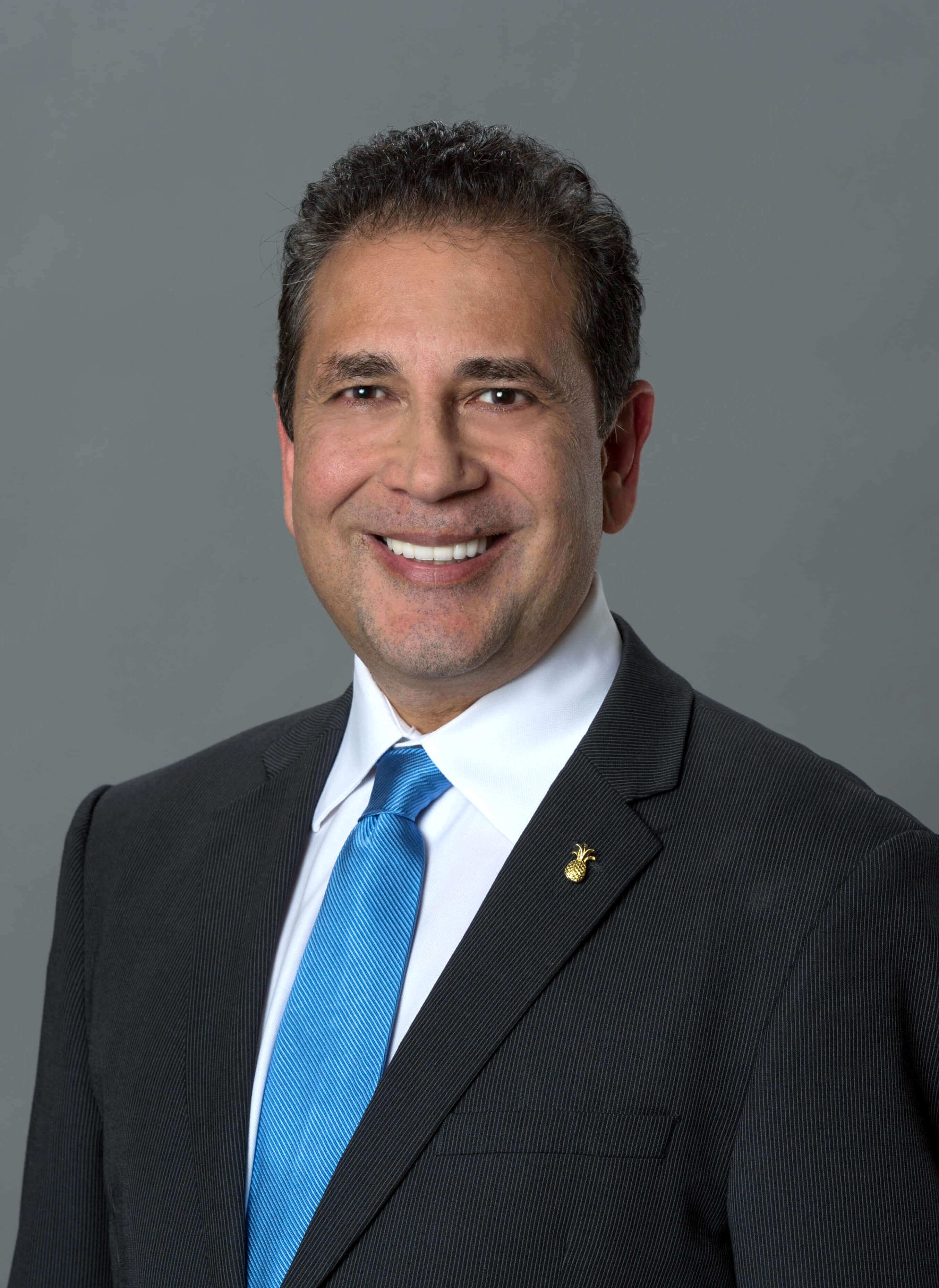 Minesh Mehta合作论文数Department of Radiation Oncology, Herbert Wertheim College of Medicine, Florida International University;Miami Cancer Institute22
 Veronika Bachanova合作论文数Division of Adult and Pediatric Hematology, Oncology, and Transplantation, University of Minnesota Cancer Center21
 Helen Shih合作论文数MGH Proton Therapy Centers, Massachusetts General Hospital;Harvard Medical School20
 Paul Orchard合作论文数Department of Pediatrics, University of Minnesota;Division of Pediatric Blood and Marrow Transplantation & Cellular Therapy, University of Minnesota20
 Troy Lund合作论文数Division of Pediatric Blood and Marrow Transplantation and Cellular Therapy, Department of Pediatrics, Medical School, University of Minnesota;Pediatric Blood and Marrow Transplant Center, Department of Pediatrics, Medical School, University of Minnesota20
 Paul D. Brown合作论文数Department of Radiation Oncology, Mayo Clinic19
 John P. Kirkpatrick合作论文数Department of Radiation Oncology, Duke University School of Medicine17
 David Roberge合作论文数16
 Veronica Chiang合作论文数Department of Neurosurgery, Yale School of Medicine16Laurie E. Gaspar合作论文数16
 Xianghua Luo合作论文数School of Public Health, University of Minnesota16Ashish Gupta合作论文数14
 Celalettin Ustun合作论文数Department of Medicine, Medical College of Georgia14
 John Wagner合作论文数Division of Blood and Marrow Transplant & Cellular Therapy, Department of Pediatrics, University of Minnesota;Medical School, University of Minnesota14
 Armin Rashidi合作论文数13
 Elizabeth I Pierpont合作论文数13
 Erica Warlick合作论文数12
 Emil Lou合作论文数Div Hematol Oncol & Transplantat, Univ Minnesota12Julia Davydova合作论文数University of Minnesota Department of Surgery12
 Jeffrey Miller合作论文数Division of Hematology, Oncology and Transplantation, Medical School, University of Minnesota11
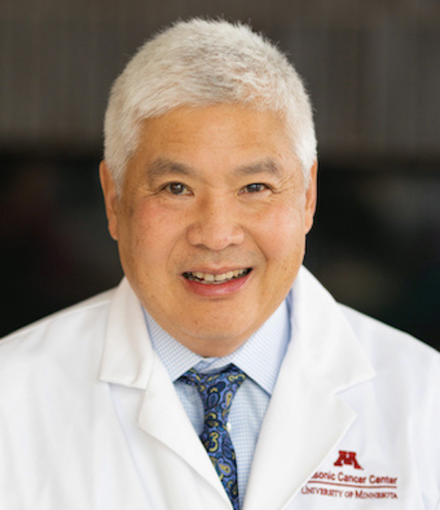 Douglas Yee合作论文数Division of Hematology, Oncology and Transplantation, Department of Medicine, Medical School, University of Minnesota;Masonic Cancer Center, University of Minnesota11Miller Weston P合作论文数11
 Nancy U. Lin合作论文数Department of Medical Oncology, Dana-Farber Cancer Institute;Harvard Medical School11Margaret L. Macmillan合作论文数Department of Pediatrics, University of Minnesota11
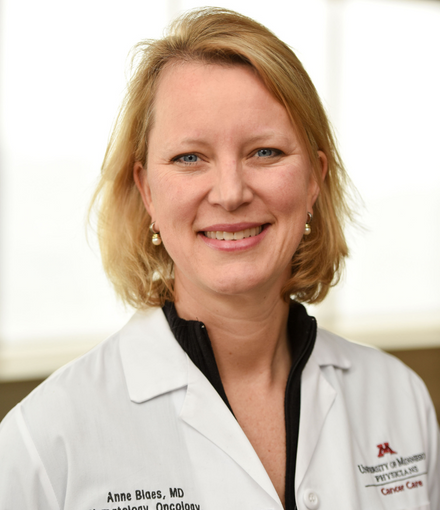 Anne Blaes合作论文数Masonic Cancer Center, University of Minnesota;Division of Hematology and Oncology, University of Minnesota11
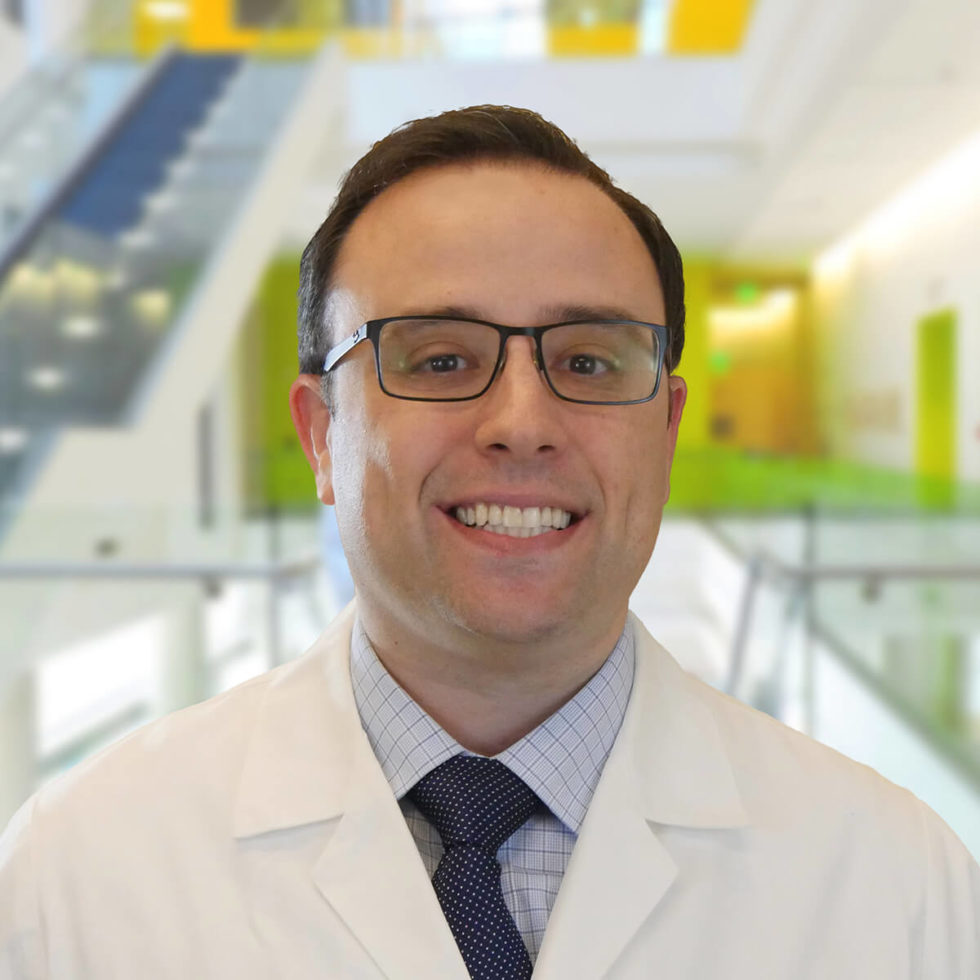 Steve Braunstein合作论文数Department of Radiation Oncology, University of California, San Francisco11Masucci Laura合作论文数10Penny K. Sneed合作论文数10
 Masato Yamamoto合作论文数University of Minnesota Department of Surgery10
 Michael Verneris合作论文数School of Medicine, University of Colorado;Children's Hospital Colorado;University of Minnesota10
 James B. Yu合作论文数Department of Therapeutic Radiology/Radiation Oncology, Yale University9Weil Robert J合作论文数9Suh John H合作论文数9
 David Nascene合作论文数9
 Bruce Blazar合作论文数Division of Pediatric Blood and Marrow Transplantation & Cellular Therapy, Department of Pediatrics, Medical School, University of Minnesota;Center for Translational Medicine, University of Minnesota9Nelli Bejanyan合作论文数9
 Shernan Holtan合作论文数Department of Medicine, Roswell Park Comprehensive Cancer Center;Blood and Marrow Transplantation Section, Roswell Park Comprehensive Cancer Center;Jacobs School of Medicine and Biomedical Sciences, State University of New York at Buffalo9
 Mukta Arora合作论文数Botany Department, Ahir College, Rewari9Li Jing合作论文数8
 Samuel Chao合作论文数Brain Tumor and Neuro-Oncology Center, Cleveland Clinic;Department of Radiation Oncology, Cleveland Clinic;Cleveland Clinic Lerner College of Medicine, Case Western Reserve University8
 Jonathan Knisely合作论文数Department of Radiation Oncology, Weill Cornell Medicine8
 Susanta Hui合作论文数7Najla El Jurdi合作论文数Department of Medicine, University of Minnesota7Diana D Shi合作论文数7Molitoris Jason K合作论文数7
 Sophia Yohe合作论文数7




