Mucopolysaccharidosis type IH (MPS IH) is a lysosomal disease caused by insufficient L-iduronidase (IDUA), resulting in progressive accumulation of glycosaminoglycans (GAGs) in the central nervous system (CNS). Hematopoietic cell transplantation (HCT) replaces IDUA through cellular cross-correction, stabilizing the CNS. Intravenous (i.v.) enzyme replacement therapy (ERT) is also effective at reducing GAG accumulation; however, it is thought to inefficiently cross the blood-brain barrier. To compare the effect of i.v. ERT on GAG degradation in the CNS with the effect of brain-penetrant therapy, i.e., HCT, we measured cerebrospinal fluid (CSF) GAG non-reducing ends in patients with MPS IH who were ERT-naive (n = 33), received i.v. ERT prior to HCT (n = 34), or underwent HCT (n = 26). We found that CSF GAGs (cGAGs) were 33%-65% lower in patients exposed to i.v. ERT. One year after HCT, cGAGs declined to their lowest levels. There was no difference in cGAG levels between patients treated with i.v. ERT for 52 weeks after HCT and those treated for only 8 weeks after HCT. In summary, i.v. ERT can lead to a significant decrease in cGAGs prior to HCT, indicating that i.v. ERT may affect CNS biomarkers, which reach their lowest levels with a brain-penetrant therapy.
Fanconi anemia (FA) is an inherited disorder characterized by congenital malformations, bone marrow failure, and malignancies. Hematopoietic cell transplant (HCT) is the only proven cure for the hematological complications. FA patients have increased chromosomal instability and aberrant deoxyribonucleic acid repair and thus can only tolerate low doses of chemotherapy or radiation as part of conditioning prior to HCT. Yet, they are still prone to severe regimen related toxicities including hemorrhagic cystitis (HC) from cyclophosphamide (CY). As CYP2B6 is a primary enzyme responsible for the catalyzation of the prodrug form of CY, understanding the association between CYP2B6 genetic variants and HC in FA patients may predict which patients will be more susceptible to developing HC. A descriptive genetic association study was performed to identify genetic variants associated with HC in patients with FA who underwent HCT between 1999 and 2017. All patients received a CY-based preparative regimen and had pretransplant recipient deoxyribonucleic acid available for genomic analysis. Forty FA pediatric patients were eligible for this analysis. They had received HCT from matched sibling donors (n = 6) or alternative donors (n = 34) for marrow failure (n = 38) or myelodysplastic syndrome (n = 2). The incidence of HC was 32.5% which occurred at a median of 32 days (range 20-180) after HCT. 9 patients had a concomitant viral infection (BK virus, n = 8 both adenovirus and BK virus, n = 1). No genetic variants were significantly associated with HC. The top variants were rs2279343 (g.23060A > G), and rs2279344 (g.23280G > A) in the CYP2B6 gene. The incidence of HC among FA patients with the rs2279343 variant was 42% (CI 22%-62%) compared to 20% (CI 0%-40%) among those without the variant (P = .19). The incidence of HC among patients with the variant in rs2279344 was 40% (CI 22%-58%) compared to 10% (CI 0%-28%) among those without (P = .11). No variants in our analysis were statistically associated with HC. The data suggest that CYP2B6 variants may increase the risk for HC in FA patients who received a CY based preparative therapy but these risk variants must be further evaluated in a larger population.
Pluripotent stem cell (PSC)-derived therapies are in clinical trials of terminally differentiated or transiently required cell types, but to date no PSC-derived trial contributing tissue-specific stem cells or any PSC-based skeletal muscle regeneration trial has been approved. We describe a process in accordance with the Current Good Manufacturing Practice (CGMP) to generate large-scale cryopreserved PAX7-induced myogenic progenitors, which reconstitute both fibers and satellite cells, from PSCs. We subjected the clinical-grade cell product MyoPAXon to biodistribution, toxicity, and tumorigenicity studies in mice under Good Laboratory Practice conditions with no adverse effects and demonstrate long-term engraftment (>1 year) and efficacy in dystrophic mice. Transplantation of 37-60 million MyoPAXon cells into immunosuppressed non-human primates showed human contribution to muscle fibers and satellite cells, with no safety concerns. The US Food and Drug Administration has recently authorized this fully characterized off-the-shelf CGMP product for a first-in-human clinical trial in Duchenne muscular dystrophy, representing the first iPSC-derived tissue-specific stem cell therapy.
Accrual success is one key determining factor for the success of clinical trials. Global data analyses of all terminated trials reported that 55% of trials were terminated due to low accrual rates. Failure to meet accrual goals have a significant impact on costs for sponsors, academic institutions, investigators, and society at large. The ability to predict trial accrual success with high precision before the trial starts would be highly valuable, preventing the allocation of critical resources for trials unlikely to meet accrual goals. In the present study, we constructed a dataset for predicting clinical trial failure based on poor accrual using clinicaltrial.gov data containing information on 57,846 trials. Features of the dataset were informed by prior literature and constructed using data-driven natural language processing methods. We built predictive models for accrual failure using state-of-the-art supervised machine learning protocols and methods. Models resulted in good predictive performance that was stable over a 10-year time period, with predictive performance of cross-validation AUC = 0.744 (+/-0.018) and prospective validation AUC = 0.737 (+/-0.038). We also improved model calibration and examined model performance with the reject option. These modifications enable model translation into decision support tools for various real-world settings. To the best of our knowledge, this is the first study to develop models for predicting clinical trial failure due to accrual based on a large dataset with a comprehensive set of trial features.
Recessive Fanconi anemia (FA) phenotype is used in classification of BRCA1/FANCS, BRCA2/FANCD1 and PALB2/FANCN variants with respect to dominant hereditary breast-ovarian cancer syndrome. We assessed its utility by examining the spectrum of phenotypes observed in individuals biallelic for BRCA1, BRCA2 or PALB2 pathogenic variants, and exploring the relationship between cancer presentation and allele severity score based on variant molecular features. A data collection instrument comprising 158 Human Phenotype Ontology (HPO) terms was used to document clinical features for individuals with FA from published and/or prospectively collected (total n=172, 43 previously unpublished) phenotypic data. Unique FA-related variants (15 BRCA1, 123 BRCA2, 22 PALB2) were annotated for predicted molecular impact, location, observed splicing or functional impact, and potential in-frame splice rescue. Annotations were used to assign different permutations of allele severity scores, which were assessed for correlation with FA presentation features. The association of BRCA1 and BRCA2 allele severity score with magnitude of breast cancer risk in heterozygotes was evaluated using case-control analysis. Patient-detected features extended beyond the FA ORPHA:84 HPO list, including 84 terms related by hierarchy, and 94 novel terms. Genotype severity score was significantly associated with age at cancer diagnosis in BRCA2 FA individuals (p=1.8×10⁻⁸). A similar permutation approach revealed significant differences in magnitude of breast cancer risk according to BRCA1 and BRCA2 allele severity score in heterozygotes. Findings indicate potential to redefine the existing list of FA-related HPO terms, and to use an allele severity scoring approach to predict cancer risk in both FA patients and heterozygotes.
Fanconi anemia (FA) is a bone marrow failure and cancer predisposition syndrome associated with an accelerated aging phenotype. Additionally, patients with FA have a high risk of developing metabolic syndrome. However, there is a lack of data on their subsequent risk of long-term cardiovascular disease. Carotid ultrasound imaging provides structural and functional measurements of the carotid artery and has been used to assess cardiovascular risk in the general population as well as in some patients after hematopoietic cell transplantation (HCT). The primary objective of this descriptive study was to assess the long-term cardiovascular disease risk in patients with FA as measured by carotid ultrasound. Secondary objectives included identifying factors contributing to cardiac risk and vascular aging in this patient population. We performed a cross-sectional single-institution study to examine the vascular health in patients with FA, including carotid artery ultrasound imaging. Patients were 1:1 matched to healthy controls by sex, age, and body mass index (BMI). Clinical data were obtained through the University of Minnesota Bone Marrow Transplant database, which included metabolic laboratory studies and HCT data. Two-sample t tests were used to compare carotid ultrasound variables between FA and control cohorts. Four carotid ultrasound imaging variables were used for analysis: carotid intima media thickness (cIMT), lumen diameter, diameter distensibility, and incremental elastic modulus. Continuous variables, such as blood pressure, age, and BMI, were evaluated using Spearman's correlation coefficient (R), with tests of the null hypothesis that R = 0. Forty-nine patients with FA underwent carotid ultrasound imaging between 2016 and 2019. The median age of the cohort was 13 years (range, 5 to 34 years). In this cohort, biallelic mutations in FANCA (n = 35), FANCC (n = 6), and FANCD2 (n = 3) were the most common gene mutations. Forty-three patients in the cohort underwent 1 allogeneic HCT, and 2 patients underwent 2 HCTs. Of those requiring transplantation, the median time from HCT to carotid ultrasound was 6 years (range, 1 to 22 years). Five patients had a history of acute graft-versus-host disease (GVHD), and 2 patients had a history of chronic GVHD. Analysis of carotid ultrasound imaging demonstrated that patients with FA had a significantly higher median cIMT compared to controls (0.56 mm versus 0.43 mm; P < .01). Additionally, the FA cohort had lower compliance (0.11 mm2. mm Hg-1 vs 0.15 mm2. mm Hg-1; P < .01) and distensibility (median, 12.1% versus 12.8%; P = .01). Bivariate analysis demonstrated that older FA patient age was associated with a significant decrease in vessel elasticity, which was not seen in the control cohort. There was no association between increased BMI and decreased vessel elasticity in either the FA or control cohort. The results of this descriptive study demonstrate increased arterial stiffness, particularly at an early age in patients with FA. As arterial stiffness is associated with an increased risk for cardiac disease in the general population, prospective studies should evaluate this correlation specifically in patients with FA and identify disease-modifying agents such as statins.
BACKGROUND:Patients with head and neck squamous cell carcinoma (HNSCC), particularly the human papillomavirus negative (HPV-) subset, have a dismal prognosis. Furthermore, patients with Fanconi anemia (FA) have a genetic predisposition with a 500-fold to 700-fold higher incidence of HNSCC. Thus, novel and more efficacious therapies are needed. As current immunotherapies often fail due to suppressive elements in the tumor microenvironment (TME), we developed a trispecific killer engager (TriKE) to direct multiple signals to natural killer (NK) cells to overcome the hypoxic TME. This TriKE is comprised of a camelid nanobody that binds to CD16 on NK cells, an interleukin (IL)-15 moiety, and another novel camelid nanobody that binds to the B7-H3 antigen, which is highly and specifically expressed on the tumor cell surface. METHODS:The B7H3 TriKE was generated using a mammalian expression system. Its functionality was evaluated using flow cytometry-based NK cell degranulation, cytokine production, proliferation and live cell imaging cytotoxicity assays. Models of acute and prolonged hypoxia (1% oxygen) were carried out to assess tumor killing. Tumor progression, NK cell persistence, and survival differences between IL-15-treated and TriKE-treated mice were studied using NOD-scidIL2Rgnull (NSG) mice engrafted with human HNSCC. RESULTS:High B7-H3 expression was found in HPV- HNSCC cell lines, even when the FA gene was knocked out, and The Cancer Genome Atlas patient data showed that high B7-H3 expression predicted poor survival in patients with HPV- HNSCC. Similar to the NK cell activity seen with healthy donors, the B7H3 TriKE enhanced activation, expansion and cytotoxicity of NK cells from patients with HPV- HNSCC, a target population for this therapeutic. Additionally, the B7H3 TriKE improved NK cell cytotoxicity in a three-dimensional spheroid model of HNSCC. In both acute and prolonged hypoxia (1% oxygen), the B7H3 TriKE mediated enhanced tumor killing, mitigating impairment of NK cell cytotoxicity in hypoxia. In vivo, the B7H3 TriKE-treated mice demonstrated substantial antitumor activity and prolonged survival. CONCLUSIONS:The B7H3 TriKE is a novel immunotherapeutic approach that can overcome hypoxic suppression of NK cells in the HNSCC TME. These highly translational studies present an innovative therapy for patients with HNSCC and will be developed further for clinical application.
Biallelic pathogenic variants in the essential DNA repair gene BRCA2 causes Fanconi anemia, complementation group FA-D1. Patients in this group are highly prone to develop embryonal tumors, most commonly medulloblastoma arising from the cerebellar granule cell progenitors (GCPs). GCPs undergo high proliferation in the postnatal cerebellum under SHH activation, but the type of DNA lesions that require the function of the BRCA2 to prevent tumorigenesis remains unknown. To identify such lesions, we assessed both GCP neurodevelopment and tumor formation using a mouse model with deletion of exons three and four of Brca2 in the central nervous system, coupled with global Trp53 loss. Brca2Δex3-4;Trp53-/- animals developed SHH subgroup medulloblastomas with complete penetrance. Whole-genome sequencing of the tumors identified structural variants with breakpoints enriched in areas overlapping G-quadruplexes (G4s). Brca2 -deficient GCPs exhibited decreased replication speed in the presence of the G4-stabilizer pyridostatin. Pif1 helicase, which resolves G4s during replication, was highly upregulated in tumors, and Pif1 knockout in primary MB tumor cells resulted in increased genome instability upon pyridostatin treatment. These data suggest that G4s may represent sites prone to replication stalling in highly proliferative GCPs and without BRCA2, G4s become a source of genome instability. Tumor cells upregulate G4-resolving helicases to facilitate rapid proliferation through G4s highlighting PIF1 helicase as a potential therapeutic target for treatment of BRCA2 -deficient medulloblastomas.
Fanconi anaemia (FA), a rare genetic disorder of DNA repair, predisposes to squamous cell carcinomas of head, neck and oesophagus. We assessed the value of screening esophagogastroduodenoscopy (EGD) in 20 asymptomatic adults (median age 23.5, 65% female) with FA, compared to age-and sex-matched non-FA patients enrolled at a 3:1 ratio. Among 11 FA patients with abnormal oesophageal mucosa, 15% had low-grade dysplasia, nodular high-grade dysplasia or squamous carcinoma in situ, 10% had non-dysplastic Barrett's oesophagus and 30% had columnar epithelium without goblet cells, compared to none in the controls (p < 0.001). Our findings support routine EGD screening of asymptomatic FA patients.
The recessive Fanconi anemia (FA) phenotype is used to classify BRCA1 (FANCS), BRCA2 (FANCD1), and PALB2 (FANCN) variants with respect to dominant hereditary breast-ovarian cancer syndrome. We assessed its utility by examining the phenotypic spectrum observed in individuals with bi-allelic BRCA1, BRCA2, or PALB2 pathogenic variants and exploring the relationship between cancer presentation and allele severity score based on variant molecular features. A data collection instrument comprising 158 Human Phenotype Ontology (HPO) terms was used to document clinical features for individuals with FA from published and/or prospectively collected sources (total n = 172, 43 previously unpublished). Distinct FA-related variants (15 BRCA1, 123 BRCA2, and 22 PALB2) were annotated for predicted molecular impact, location, observed splicing or functional impact, and potential in-frame splicing rescue and used to assign different permutations of allele severity scores, which were assessed for correlation with FA presentation features. The association of BRCA1 and BRCA2 allele severity score with the magnitude of breast cancer risk in heterozygotes was evaluated using case-control analysis. Clinical features extended beyond the HPO list, including 84 terms related by hierarchy and 94 additional terms. The BRCA2 genotype severity score was associated with age at cancer diagnosis in individuals with FA (p = 1.8 × 10⁻⁸). A similar permutation approach revealed significant differences in the magnitude of breast cancer risk according to the BRCA1 and BRCA2 allele severity score in heterozygotes. Our findings indicate the potential to redefine FA ORPHA:84 HPO terms and to use an allele severity scoring approach to predict cancer risk in individuals with bi-allelic or heterozygous BRCA1 or BRCA2 variants.
Background: Since 2005, Thomas Jefferson University has developed the two-step allogeneic hematopoietic stem cell transplant (HSCT) approach that isolates the graft's lymphoid and myeloid components. The two-step platform allows for a consistent T cell dosage and shields the stem cells from the effects of cyclophosphamide. We previously reported promising outcomes and an acceptable safety profile. In this prospective study, we investigated a novel TBI-based myeloablative conditioning (MAC) prior to two-step HSCT for fit patients with high-risk hematologic malignancies. Methods: From 2017-2023, forty-six patients received 12 Gy TBI, prior to receiving 2 x 10*8 /kg DLI. Two days later, patients received cyclophosphamide 60 mg/kg/day x 2. Finally, patients received CD34- selected stem cell grafts. Patients received MMF and tacrolimus for GVHD prophylaxis. Results: The median age was 55.5 years old (range 23-65 years). Thirty-six patients (78%) identified as Caucasian and 48% female. The most common diagnosis was Acute Myeloid Leukemia, (n=25, 54%), followed by Myelodysplastic Syndromes (n=8, 17%), and Acute Lymphoblastic Leukemia (n=6, 13%). The median HCT-CI score was 3 (range, 0-7), while 10 patients (22%) had a high disease risk index. The vast majority of patients received a haploidentical (HI) stem cell graft (n=44, 96%) All patients achieved neutrophil engraftment at a median of 11 days (range 9-19) and platelet engraftment at a median of 15 days (range 12-23). After a median follow up of 23 months (range, 0-67), the Overall survival (OS) and progression-free survival (PFS) were 68% (95%CI 56% - 84%) at one year and 65% (95%CI 53% - 81%) and 60% (47% - 77%) respectively at 5 years. The cumulative incidence of non-relapse mortality (NRM) and relapse were 20% and 12% at one year and 20% and 14% at 5 years. There was a total of 15 (33%) deaths: 4 patients succumbed to toxicity, 5 to infections, and 6 to primary disease relapse. GVHD-free, relapse-free survival (GRFS) was assessed by the absence of grade III-IV acute GVHD or chronic GVHD requiring systemic treatment, with GRFS rates of 62% at one year (95% CI: 49%-78%) and 54% at 5 years (95% CI: 41%-71%). The cumulative incidence (CI) of acute grade II-IV GVHD was 27% at 100 days and 33% at 200 days, while the CI of acute grade III GVHD was 2.4% at 200 days. Chronic GVHD had a CI of 14% at both 1 year and 5 years. There were no instances of grade IV acute GVHD, severe chronic GVHD, or deaths attributable to GVHD. Patients undergoing HSCT while in remission (n=36, 78%) experienced significantly better survival rates compared to those with active disease (1-year OS 76% vs 40%, 5-year OS 76% vs 27%, p = 0.0029). Conclusion: The TBI-based myeloablative conditioning Two-Step HI HSCT yields Excellent Outcomes in Fit Patients with High-Risk Hematologic Malignancies. Despite the use of HI peripheral stem cell grafts, there were no grade IV aGVHD, severe cGVHD or GVHD related deaths.
Cytotoxic T lymphocytes (CTLs) destroy virally infected cells and are critical for the elimination of viral infections such as those caused by the severe acute respiratory syndrome coronavirus 2 (SARS-CoV-2). Delayed and dysfunctional adaptive immune responses to SARS-CoV-2 are associated with poor outcomes. Treatment with allogeneic SARS-CoV-2-specific CTLs may enhance cellular immunity in high-risk patients providing a safe, direct mechanism of treatment. Thirty high-risk ambulatory patients with COVID-19 were enrolled in a phase 1 trial assessing the safety of third party, SARS-CoV-2-specific CTLs. Twelve interventional patients, 6 of whom were immunocompromised, matched the HLA-A*02:01 restriction of the CTLs and received a single infusion of 1 of 4 escalating doses of a product containing 68.5% SARS-CoV-2-specific CD8(+) CTLs/total cells. Symptom improvement and resolution in these patients was compared with an observational group of 18 patients lacking HLA-A*02:01 who could receive standard of care. No dose-limiting toxicities were observed at any dosing level. Nasal swab polymerase chain reaction testing showed >= 88% and >99% viral elimination from baseline in all patients at 4 and 14 days after infusion, respectively. The CTLs did not interfere with the development of endogenous anti- SARS-CoV-2 humoral or cellular responses. T-cell receptor beta analysis showed persistence of donor-derived SARS-CoV-2-specific CTLs through the end of the 6-month follow-up period. Interventional patients consistently reported symptomatic improvement 2 to 3 days after infusion, whereas improvement was more variable in observational patients. SARS-CoV-2-specific CTLs are a potentially feasible cellular therapy for COVID-19 illness. This trial was registered at www.clinicaltrials.gov as #NCT04765449.
Allogeneic hematopoietic stem cell transplant (HSCT) remains the only potentially curative treatment for many hematologic malignancies (HM). We previously developed a two-step approach that separates the lymphoid and myeloid portions of the graft, allowing a consistent T cell dosing and sparing the stem cells from the effect of post-transplant cyclophosphamide (CY). The two-step approach demonstrated safety and efficacy in patients treated with myeloablative and reduced-intensity conditioning. Here, we extended our two-step platform to older and less fit patients and explored the effects of using a high dose of T cells on disease relapse and transplant outcomes. Thirty-four patients with HM were treated. Median age was 68 years old and included a minority population constituting 32%. Eighty-two percent had a hematopoietic cell transplantation comorbidity index score ≥3. Ninety-one percent were haploidentical, and the rest were matched-related donor HSCT. Following administration of fludarabine and 2 Gy total body irradiation (TBI) (13 patients) or 4 Gy TBI (21 patients) conditioning regimen, a fixed dose of 2 × 10⁸/kg CD3+ T cells was given, followed 2 days later by CY, then infusion of CD34-selected stem cells. Overall survival (OS) was 70% at 1 year and 48% at 3 years. The cumulative incidence (CI) of non-relapse mortality (NRM) and relapse were 22% and 33% at 3 years. However, the CI of relapse was much lower for patients treated with 4 Gy TBI versus those treated with 2 Gy TBI (11% versus 54%, P = .045), while NRM was similar (23% versus 15%, P = .399). This contributed to a high OS of 64% in patients who received 4 Gy TBI-based conditioning at 3 years, with median OS not reached, although this was not statistically significant (P = .68). The median time to neutrophil and platelet recovery was 12 and 17 days, respectively. The CI of grade II acute graft-versus-host-disease (aGVHD) was 22% and 26% at 100 days and 6 months, respectively. The CI of chronic GVHD (cGVHD) was 7.5% at 3 years. There was no grade III or IV aGVHD, no severe cGVHD, and no deaths attributable to GVHD. In conclusion, the two-step approach HSCT demonstrated a low disease relapse rate and high survival in patients treated with 4 Gy TBI-based conditioning, despite a generally older and more medically compromised patient population.
Background: The two-step allogeneic hematopoietic stem cell transplant (HSCT) approach was developed at Thomas Jefferson University Hospital to isolate the graft's lymphoid and myeloid components, enabling a constant T cell dosage and protecting the stem cells from cyclophosphamide's effects. Here, we present the results of our clinical trial using a chemo-based reduced-intensity conditioning (RIC) regimen for older and frail patients. Methods: All patients received fludarabine 30mg/m2 for 4 days and thiotepa 5mg/kg for 3 days (n=15, 25%) or busulfan 3.2mg/kg for 2 days (n=45, 75%). Thiotepa was substituted with busulfan due to a national shortage. The patients then received one day of TBI (2 Gy), followed by 2 x 10*8/kg donor T-lymphocyte infusion on day -6, representing step 1. On days -3 and -4, patients received two doses of cyclophosphamide (CY) 60mg/kg to tolerize reactive lymphocytes, and 24 hours later, received CD34 selected stem cell infusion (step 2). All patients received GVHD prophylaxis with MMF and tacrolimus. Results: Among the 60 patients studied, 53 (88.3%) received haploidentical (HI) stem cell grafts and 7 (11.7%) received matched related stem cell grafts. The median age was 62.5 years (range 22- 74 years), with 28 patients (46.7%) over 65 years. 43 (71%) patients identified as Caucasian and 15 (25%) as African American. Nineteen patients (31.6%) had Acute Myeloid Leukemia (AML), and 9 (15%) had Myelodysplastic Syndrome (MDS). Twelve patients (20%) had evidence of primary disease at transplant and 50% had HCT-CI of >= 3. The median time to neutrophil and platelet engraftment was 11 days (range 10 - 22) and 14 days (range 12 - 26), respectively. With a median follow-up of 17.0 months (range 0.4 - 110.4 months), the 3-year overall survival (OS) was 48% (95% CI 37% - 63%), and progression-free survival (PFS) was 43% (95% CI 32%-58%). The cumulative incidence of relapse and non-relapse mortality were 25% and 32% at 3 years, respectively. At 6 months, the cumulative incidence of grade 2-4 acute graft-versus-host disease (GVHD) was 37.7%, and 20.6% for chronic GVHD at 3 years. Patients who received the thiotepa-based regimen had significantly higher non-relapse mortality (NRM) than those who received the busulfan-based regimen (53% vs. 28%, p = 0.05) at 5 years post-transplant, but rates of relapse were similar (27% vs. 24%, p = 0.84). Patients were stratified into having “Active Disease” (n=12, 20%) or in remission (n=48, 80%) at the time of transplant. The 3-year cumulative incidence of relapse was significantly lower for patients in remission at the time of transplant (19% vs 50%, p = 0.026) while NRM was similar (33% vs 42%, p = 0.66). This led to a much higher 3-year OS for patients transplanted in earlier stage disease (58% vs 8%, p = 0.00033). Patients with non-active disease who received busulfan-based conditioning at the time of transplant had significantly higher survival than patients who received thiotepa-based conditioning (58% vs 20%, p = 0.0015). Conclusion: Busulfan-based RIC HI two-step allogeneic HSCT is suitable for older and frail patients when primary disease is in remission. Rapid engraftment and low rates of GVHD despite utilizing HI stem cell grafts are encouraging.
Fanconi anemia (FA) is a rare genetic disease caused by mutations in certain DNA repair genes (i.e. FA genes), whose gene products make up the FA pathway for interstrand crosslink (ICL) repair. FA patients are predisposed to bone marrow failure (BMF) and cancer development. The current standard-of-care for >90% of FA patients that develop BMF or hematopoietic malignancy is allogeneic hematopoietic stem cell transplant (HSCT). However, conditioning toxicities and development of graft-vs-host disease after transplant are associated with increased risks of cancer after age 20 years, particularly in the aero-esophageal tract. Therefore, there is significant interest in the development of an effective and safe gene therapy approach for FA. While the development of CRISPR/Cas9-mediated gene editing has made it possible to induce site-specific double-strand breaks (DSBs) and correct gene mutations through homology-directed repair (HDR), this approach is impeded in FA cells because of their underlying defect in HDR. Furthermore, the number of FA hematopoietic stem and progenitor cells (HSPC) available for ex vivo manipulation is limiting. To overcome these barriers, we will optimize the efficiency of in vivo HSPC correction using newly developed ‘digital’ base editors (BEs) and prime editors (PEs), which do not require DSB repair. For this work, we developed a humanized murine model that harbors the human FANCA Spanish founder mutation c.295 C>T. We have successfully shown that BEs efficiently correct FANCA Spanish founder mutation in patient-derived cells in vitro (PMID: 35955545). To show that in vivo correction of the FANCA c.295 C>T mutation can be accomplished with BEs or PEs and prevent bone marrow failure typical in FA patients, we are modifying the FA mouse model in the 129S4 background that not only harbors the FANCA Spanish founder mutation at Fanca exon 4, but also a mutated alcohol dehydrogenase 5 (Aldh5) which predisposes cells to genotoxic ICLs and subsequent marrow failure. Using these mice, we will measure correction of the FANCA Spanish founder mutation in vivo by adenosine base editor (ABE) or PE delivered by recombinant adeno-associated viruses or lipid nanoparticles. Furthermore, we will assess FA phenotypes after FANCA correction (i.e. bone marrow HSPC population size, function, sensitivity to ICLs, and repopulation capacity). Completion of our studies will generate preclinical data demonstrating proof-of-concept for the use and superiority of in vivo digital gene editing of bone marrow HSPCs for treatment of FA regardless of FA genotype and potentially other congenital marrow failure syndromes.
Background: Over the past 2 decades, sequential improvements in conditioning regimens for patients with Fanconi anemia (FA) undergoing hematopoietic cell transplantation (HCT), including T cell depletion (TCD), have led to marked improvements in outcomes (MacMillan, Blood 2015). We performed a single center phase II prospective clinical trial (NCT03579875) to test the hypothesis that TCRa/b depletion would sufficiently deplete graft-versus-host disease (GVHD) causing a/b T cells to eliminate the need for prolonged immunosuppression, and reduce the risk for opportunistic infections after related or unrelated donor peripheral blood stem cell (PBSC) transplantation in patients with FA. Methods: Patients received our previously published conditioning regimen with fludarabine, cyclophosphamide and methylprednisolone alone if the patient had marrow failure only and an HLA matched sibling donor (n=2), or in combination with total body irradiation with thymic shielding (n=12) or busulfan (n=17) if there was clonal disease, or if the donor was a haploidentical related or HLA matched or mismatched unrelated donor. Additionally, all but the first patient received one dose of rituximab the day before transplant for B cell depletion. PBSCs collected after Neupogen mobilization were depleted of TCRa/b cells prior to transplant. Mycophenolate mofetil was given after transplant if the TCRa/b dose ≥2 x 10⁵ TCR α/β T cells/kg recipient weight (n=4). Mass cytometry (CyTOF) was used for immune reconstitution studies, targeting markers for delineating naïve, effector and effector memory CD4 cells and naïve, stem memory, central memory and effector memory CD8 cells, as well as T regulatory, B and gd T cell subpopulations. Results: 31 patients with FA, median age 9.5 years (range 1.7-43.8) were enrolled. Genotypes included 17 FANCA, 4 FANCC, 6 BRCA2, and one of each FANCB, FANCF, FANCG and FANCJ. Patients received TCRa/b depleted PBSCs for marrow failure (n=18), myelodysplastic syndrome MDS (n=4), relapsed MDS (n=1), APML (n=1), ALL (n=1), immune deficiency (n=1), BRCA2 with clonal abnormality (n=2) or pre-emptively for BRCA2 (n=3), with 2 patients having had a prior transplant. Median CD34+ cells/kg was 1.14 x 10⁷/kg and median TCRa/b dose was 6.2 x 10⁴/kg. Neutrophil engraftment occurred in all patients at a median of 9 days. Platelet recovery ≥20,000/uL occurred in 30 patients at a median of 15 days. Complete donor myeloid engraftment was achieved by day 21 in all patients with sustained neutrophil engraftment who did not relapse. Donor lymphoid engraftment was slower with complete CD3+ chimerism achieved in only 15 patients at 1 year after PBSCT. To date, 3 patients developed grade II-IV acute GVHD. No patient has developed chronic GVHD requiring systemic therapy. With a median follow-up of 27 months, probability of survival at 2 years is 90% (95% CI, 71-97%), including 5 of 6 BRCA2 patients and all 7 adult patients. Secondary graft failure occurred in 2 patients, both of whom were successfully retransplanted. Relapse was observed in 3 patients, two of whom were successfully retransplanted and remain in remission. By 1 year, 6 patients developed viral infections requiring systemic therapy: CMV (n=2), 1 adenovirus (n=1), adenovirus and BK (n=1), HHV6 (n=1) BK, HHV6 and EBV-PTLD (n=1). Fifteen patients had sufficient follow up for evaluating immune recovery to 1 year. Compared to 10 historical FA patients similarly treated except for GVHD prophylaxis (TCD by CD34 selection in combination with calcineurin inhibitor, MacMillan, Blood 2015), the significant finding were: lower proportions of total CD4+ cells (43.0% vs 76.7%, p <0.0002), lower proportions of memory Tregs (4.8% vs 14.6%, p<0.01), and higher proportions of gd T cells (30.8% vs 4.8%, p<0.0003) in recipients of TCRa/b PBSC at day 28. Analysis of gd T cell proportions at 6 months (16.2% vs 3.2%, p = 0.0106; TCRa/b PBSC vs. CD34 selection) indicated that TCRa/b depletion resulted in a lasting immune imprint, underpinning the differences in reconstitution between these two transplant methodologies. Conclusions: TCRa/b depleted PBSC transplantation without CNI results in excellent engraftment, minimal GVHD, few viral infections and excellent survival in FA patients with promising outcomes in those with hematologic malignancy, biallelic BRCA2 genotype and older age who historically often did poorly.
 Daniel Weisdorf合作论文数Division of Hematology, Oncology and Transplantation, Department of Medicine, Medical School, University of Minnesota;Clinical and Translational Science Institute, University of Minnesota205
 Bruce Blazar合作论文数Division of Pediatric Blood and Marrow Transplantation & Cellular Therapy, Department of Pediatrics, Medical School, University of Minnesota;Center for Translational Medicine, University of Minnesota163
 Margaret L. Macmillan合作论文数Department of Pediatrics, University of Minnesota163
 Claudio Brunstein合作论文数Department of Hematology and Oncology, Taussig Cancer Institute, Cleveland Clinic163
 Todd E. Defor合作论文数University of Minnesota145
 Jeffrey Miller合作论文数Division of Hematology, Oncology and Transplantation, Medical School, University of Minnesota115
 Michael Verneris合作论文数School of Medicine, University of Colorado;Children's Hospital Colorado;University of Minnesota99
 Neal Flomenberg合作论文数75Dolores Grosso合作论文数67
 Jakub Tolar合作论文数University of Minnesota67
 Matthew Carabasi合作论文数60Stella M. Davies合作论文数55
 David McKenna合作论文数Department of Laboratory Medicine and Pathology, Medical School, University of Minnesota;Division of Transfusion Medicine, University of Minnesota55Joanne Filicko-O'Hara合作论文数54Qing Cao合作论文数University of Minnesota Blood and Marrow Transplant Program52
 Juliet Barker合作论文数NewYork-Presbyterian Hospital;Weill Cornell Medical College, Cornell University51
 Mary Eapen合作论文数Medical College of Wisconsin/Center for International Blood and Marrow Transplant Research45
 Joanne Kurtzberg合作论文数Duke University Medical Center, Durham, NC44Margaret Kasner合作论文数43
 Onder Alpdogan合作论文数42
 Philip B. Mcglave合作论文数University of Minnesota Blood and Marrow Transplant Clinic;Division of Hematology, Oncology and Transplantation, University of Minnesota Medical School41
 Mukta Arora合作论文数Botany Department, Ahir College, Rewari37N.K.C. Ramsay合作论文数35Te Defor合作论文数34Nelli Bejanyan合作论文数33
 Paul Orchard合作论文数Department of Pediatrics, University of Minnesota;Division of Pediatric Blood and Marrow Transplantation & Cellular Therapy, University of Minnesota33O'Hara William合作论文数30Thomas R. Klumpp合作论文数29Weiss M A合作论文数28
 Eliane Gluckman合作论文数Department of Hematology Hôpital St Louis28
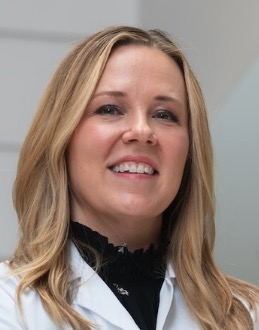 Shernan Holtan合作论文数Department of Medicine, Roswell Park Comprehensive Cancer Center;Blood and Marrow Transplantation Section, Roswell Park Comprehensive Cancer Center;Jacobs School of Medicine and Biomedical Sciences, State University of New York at Buffalo28Sarah Cooley合作论文数27
 Mark Osborn合作论文数Division of Pediatric Blood and Marrow Transplantation & Cellular Therapy, Department of Pediatrics, Medical School, University of Minnesota27
 Linda Burns合作论文数Center for International Blood & Marrow Transplant Research27Gergis Usama合作论文数26
 Kathryn Dusenbery合作论文数Department of Radiation Oncology, University of Minnesota26
 Erica Warlick合作论文数25
 Troy Lund合作论文数Division of Pediatric Blood and Marrow Transplantation and Cellular Therapy, Department of Pediatrics, Medical School, University of Minnesota;Pediatric Blood and Marrow Transplant Center, Department of Pediatrics, Medical School, University of Minnesota25
 Ubaldo E. Martinez-Outschoorn合作论文数Sidney Kimmel Medical College, Thomas Jefferson University Hospital;Jefferson Methodist Hospital25George W. Santos合作论文数24
 Mary M. Horowitz合作论文数Center for International Blood and Marrow Transplant Research, Medical College of Wisconsin;Division of Hematology and Oncology, Medical College of Wisconsin;Cancer Center, Froedtert Hospital24Neil Palmisiano合作论文数22Stoch S Aubrey合作论文数Clinical Pharmacology, Merck Research Laboratories22
 Gaballa Sameh合作论文数Kimmel Cancer Center, Thomas Jefferson University22
 Catherine Verfaillie合作论文数Faculty of Medicine, KU Leuven21
 Richard E. Champlin合作论文数Department of Stem Cell Transplantation and Cellular Therapy, Division of Cancer Medicine, The University of Texas MD Anderson Cancer Center;Division of Internal Medicine, The University of Texas Health Science Center21Darin Sumstad合作论文数20Anthony E. Boitano合作论文数20
 Veronika Bachanova合作论文数Division of Adult and Pediatric Hematology, Oncology, and Transplantation, University of Minnesota Cancer Center20




